Cultural Histories of Theatre and Performance – serie
Visar alla böcker i serien Cultural Histories of Theatre and Performance. Handla med fri frakt och snabb leverans.
17 produkter
17 produkter
1 544 kr
Skickas inom 10-15 vardagar
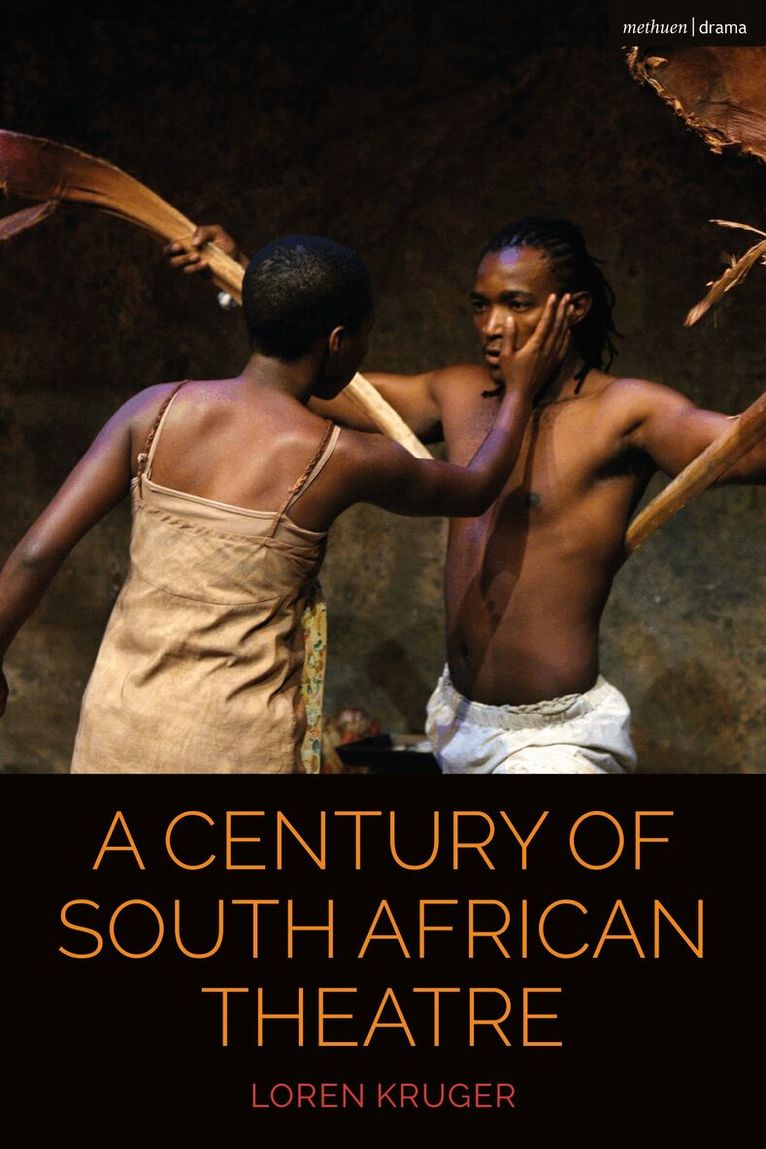
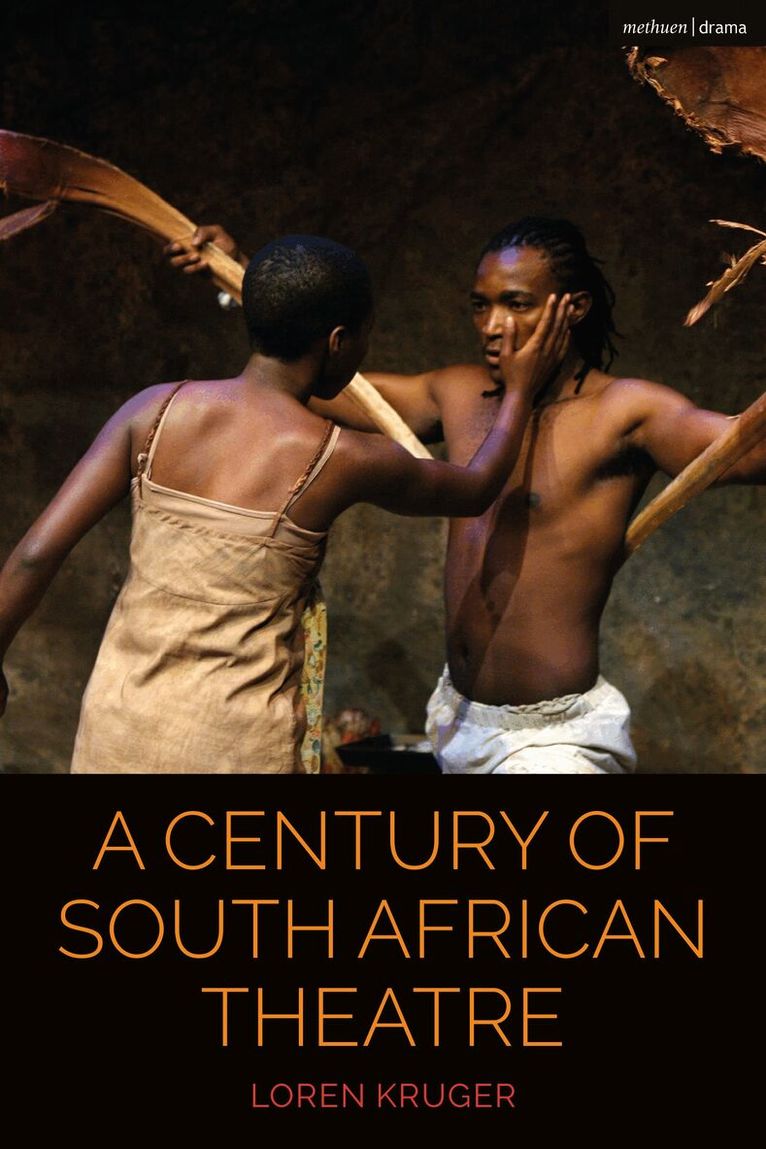
“Theatre is not part of our vocabulary”: Sipho Sepamla’s provocation in 1981, the year of famous anti-apartheid play Woza Albert!, prompts the response, yes indeed, it is. A Century of South African Theatre demonstrates the impact of theatre and other performances—pageants, concerts, sketches, workshops, and performance art—over the last hundred years. Its coverage includes African responses to pro-British pageants celebrating white Union in 1910, such as the Emancipation Centenary of the abolition of British colonial slavery in 1934 organized by Griffiths Motsieloa and HIE Dhlomo, through anti-apartheid testimonial theatre by Athol Fugard, Maishe Maponya, Gcina Mhlophe, and many others, right up to the present dramatization of state capture, inequality and state violence in today’s unevenly democratic society, where government has promised much but delivered little. Building on Loren Kruger’s personal observations of forty years as well as her published research, A Century of South African Theatre provides theoretical coordinates from institution to public sphere to syncretism in performance in order to highlight South Africa’s changing engagement with the world from the days of Empire, through the apartheid era to the multi-lateral and multi-lingual networks of the 21st century. The final chapters use the Constitution’s injunction to improve wellbeing as a prompt to examine the dramaturgy of new problems, especially AIDS and domestic violence, as well as the better known performances in and around the Truth and Reconciliation Commission. Kruger critically evaluates internationally known theatre makers, including the signature collaborations between animator/designer William Kentridge, and Handspring Puppet Company, and highlights the local and transnational impact of major post-apartheid companies such as Magnet Theatre.
469 kr
Skickas inom 10-15 vardagar
“Theatre is not part of our vocabulary”: Sipho Sepamla’s provocation in 1981, the year of famous anti-apartheid play Woza Albert!, prompts the response, yes indeed, it is. A Century of South African Theatre demonstrates the impact of theatre and other performances—pageants, concerts, sketches, workshops, and performance art—over the last hundred years. Its coverage includes African responses to pro-British pageants celebrating white Union in 1910, such as the Emancipation Centenary of the abolition of British colonial slavery in 1934 organized by Griffiths Motsieloa and HIE Dhlomo, through anti-apartheid testimonial theatre by Athol Fugard, Maishe Maponya, Gcina Mhlophe, and many others, right up to the present dramatization of state capture, inequality and state violence in today’s unevenly democratic society, where government has promised much but delivered little. Building on Loren Kruger’s personal observations of forty years as well as her published research, A Century of South African Theatre provides theoretical coordinates from institution to public sphere to syncretism in performance in order to highlight South Africa’s changing engagement with the world from the days of Empire, through the apartheid era to the multi-lateral and multi-lingual networks of the 21st century. The final chapters use the Constitution’s injunction to improve wellbeing as a prompt to examine the dramaturgy of new problems, especially AIDS and domestic violence, as well as the better known performances in and around the Truth and Reconciliation Commission. Kruger critically evaluates internationally known theatre makers, including the signature collaborations between animator/designer William Kentridge, and Handspring Puppet Company, and highlights the local and transnational impact of major post-apartheid companies such as Magnet Theatre.
1 383 kr
Skickas inom 10-15 vardagar
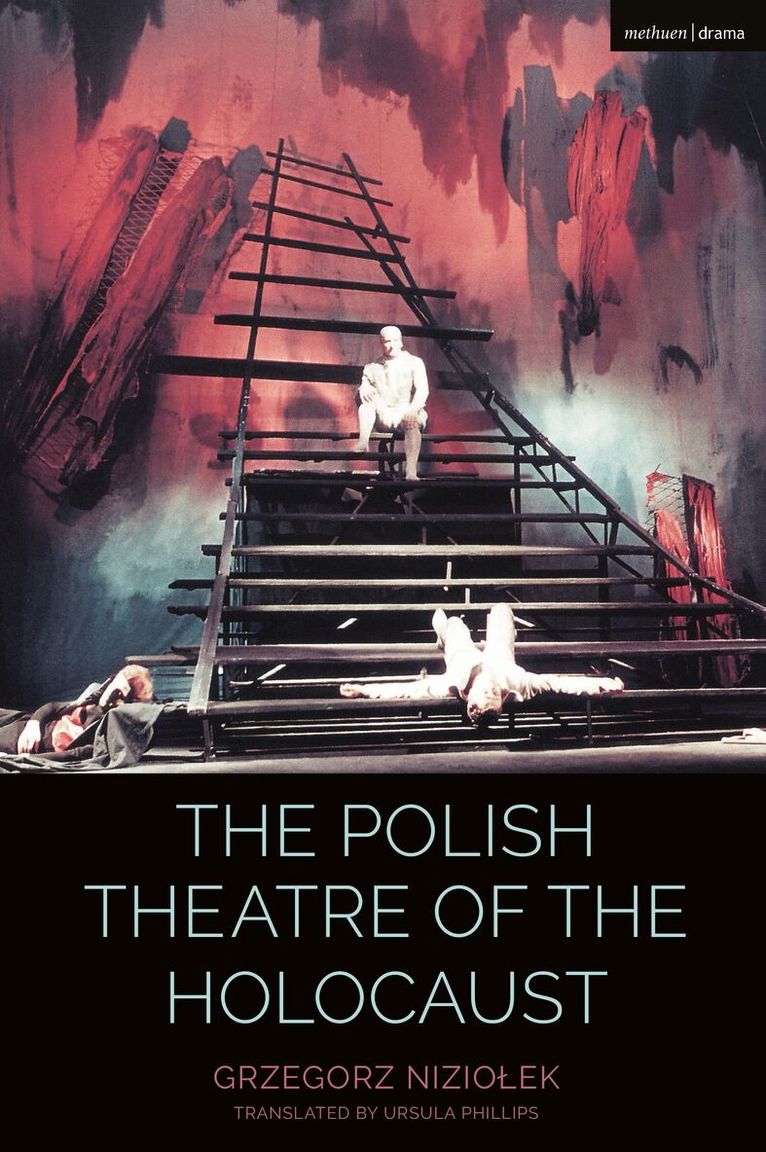
Grzegorz Niziolek’s The Polish Theatre of the Holocaust is a pioneering analysis of the impact and legacy of the Holocaust on Polish theatre and society from 1945 to the present. It reveals the role of theatre as a crucial medium of collective memory – and collective forgetting – of the trauma of the Holocaust carried out by the Nazis on Polish soil. The period gave rise to two of the most radical and influential theatrical ideas during work on productions that addressed the subject of the Holocaust – Grotowski’s Poor Theatre and Kantor’s Theatre of Death - but the author examines a deeper impact in the role that theatre played in the processes of collective disavowal to being a witness to others’ suffering. In the first part, the author examines six decades of Polish theatre shaped by the perspective of the Holocaust in which its presence is variously visible or displaced. Particular attention is paid to the various types of distortion and the effect of ‘wrong seeing’ enacted in the theatre, as well as the traces of affective reception: shock, heightened empathy, indifference. In part two, Niziolek examines a range of theatrical events, including productions by Leon Schiller, Jerzy Grotowski, Tadeusz Kantor, Andrzej Wajda, Krzysztof Warlikowski and Ondrej Spišák. He considers how these productions confronted the experience of bearing witness and were profoundly shaped by the legacy of the Holocaust.The Polish Theatre of the Holocaust reveals how -- by testifying about society’s experience of the Holocaust -- theatre has been the setting for fundamental processes taking place within Polish culture as it confronts suppressed traumatic wartime experiences and a collective identity shaped by the past.
370 kr
Skickas
Grzegorz Niziolek’s The Polish Theatre of the Holocaust is a pioneering analysis of the impact and legacy of the Holocaust on Polish theatre and society from 1945 to the present. It reveals the role of theatre as a crucial medium of collective memory – and collective forgetting – of the trauma of the Holocaust carried out by the Nazis on Polish soil. The period gave rise to two of the most radical and influential theatrical ideas during work on productions that addressed the subject of the Holocaust, Grotowski’s Poor Theatre and Kantor’s Theatre of Death, but the author examines a deeper impact in the role that theatre played in the processes of collective disavowal to being a witness to others’ suffering. In the first part, the author examines six decades of Polish theatre shaped by the perspective of the Holocaust in which its presence is variously visible or displaced. Particular attention is paid to the various types of distortion and the effect of ‘wrong seeing’ enacted in the theatre, as well as the traces of affective reception: shock, heightened empathy, indifference. In part two, Niziolek examines a range of theatrical events, including productions by Leon Schiller, Jerzy Grotowski, Tadeusz Kantor, Andrzej Wajda, Krzysztof Warlikowski and Ondrej Spišák. He considers how these productions confronted the experience of bearing witness and were profoundly shaped by the legacy of the Holocaust.The Polish Theatre of the Holocaust reveals how – by testifying about society’s experience of the Holocaust – theatre has been the setting for fundamental processes taking place within Polish culture as it confronts suppressed traumatic wartime experiences and a collective identity shaped by the past.
1 314 kr
Skickas inom 10-15 vardagar
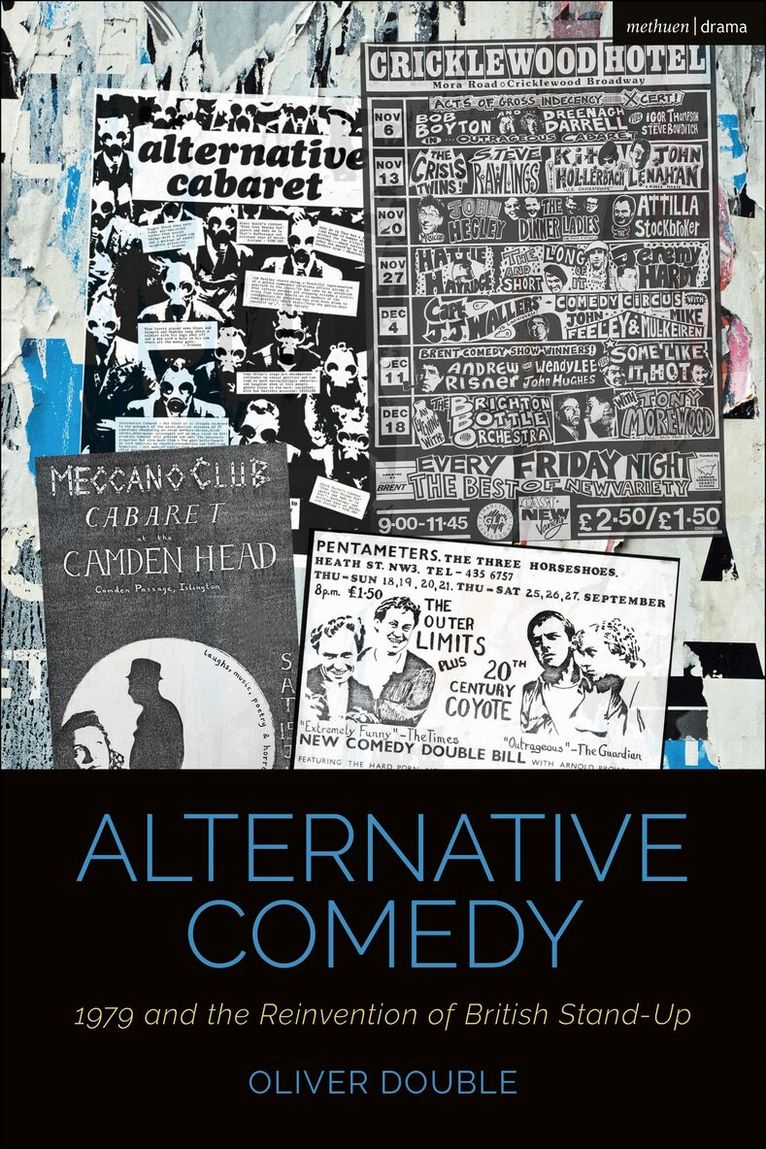
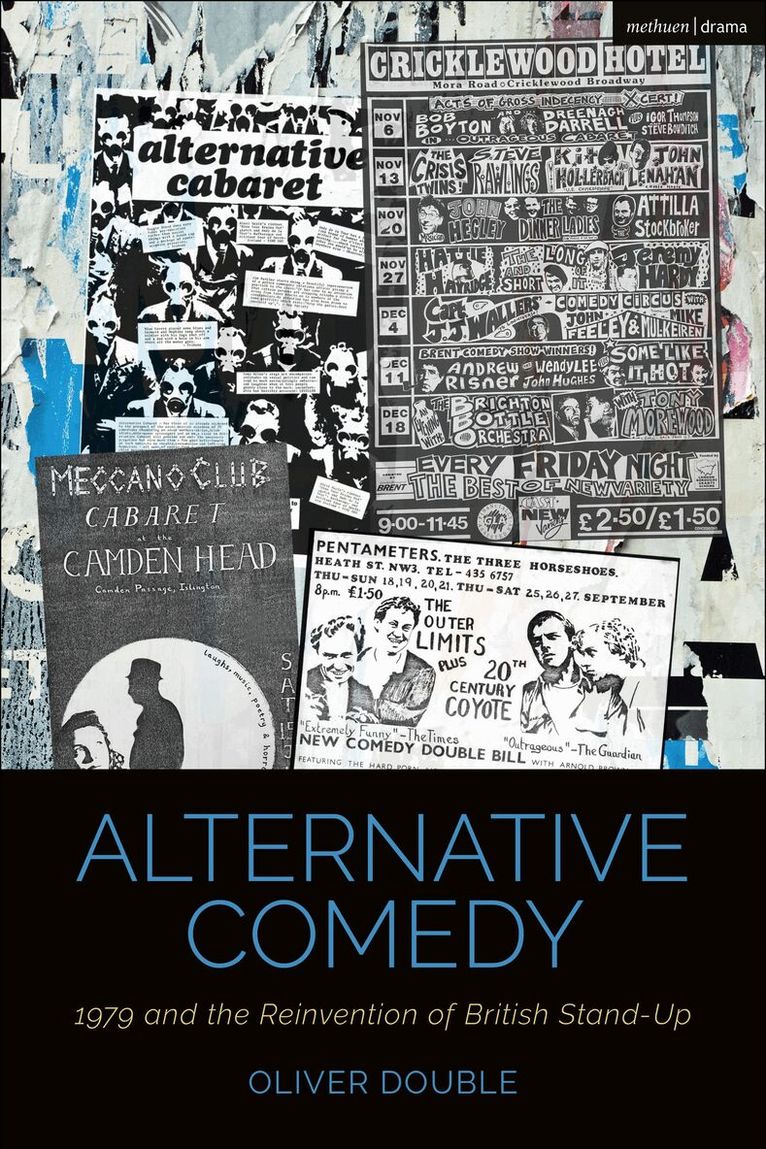
In the late 1970s, the alternative comedy scene exploded into life in Britain and completely changed the style, subject matter and politics of British stand-up. Contemporary critics talked about it as ‘anti-matter comedy’ that ‘makes you laugh while actually rearranging large chunks of your brain’. This book draws on a wealth of archive material – including unpublished recordings of early performances – and new interviews with key figures such as Alexei Sayle, Andy de la Tour and Jim Barclay, to provide a detailed history of the early scene and an examination of the distinctive modes of performance style which developed.Beginning with its origins, the volume traces the influence of American stand-up, and in particular the significance of Mort Sahl and Lenny Bruce as the originators of a style of stand-up that influenced the British pioneers of alternative comedy. It shows how the opening of the Comedy Store in 1979 provided a catalyst for a new movement, which grew outward from there with the foundation of the group Alternative Cabaret and the opening of the Comic Strip. But it also looks at smaller venues and less celebrated acts that have not been as well remembered, including ranting poets and street performers. Finally, it looks at alternative comedy’s legacy, showing how it was the starting point for the UK’s thriving and varied live scene, which encompasses anything from small pub gigs to huge arena tours.
1 567 kr
Skickas inom 10-15 vardagar
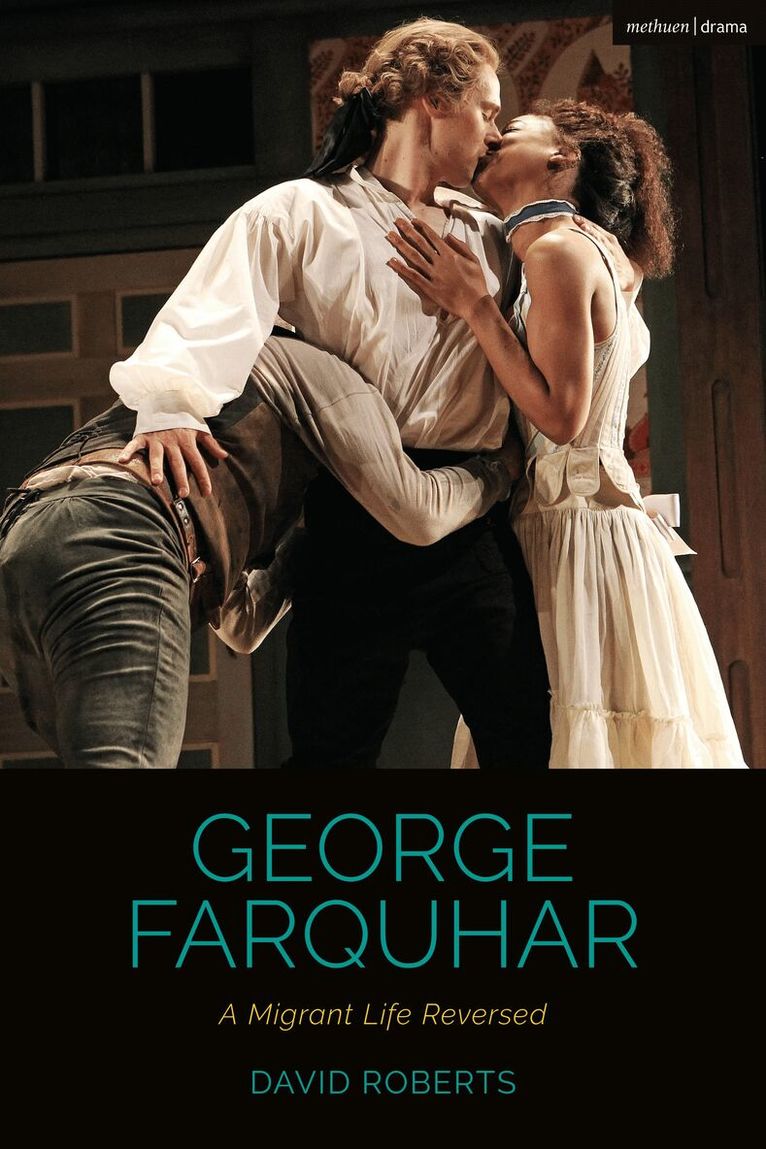
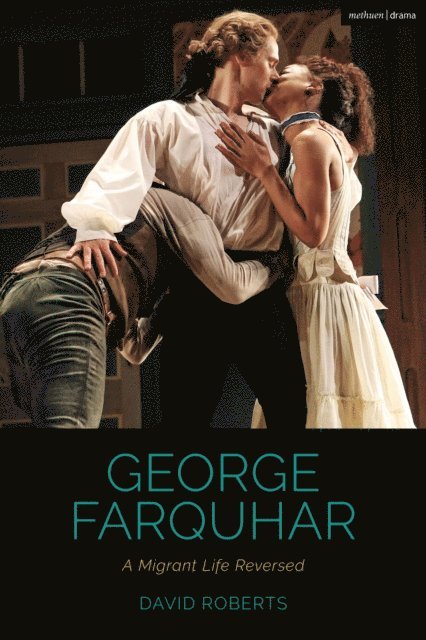
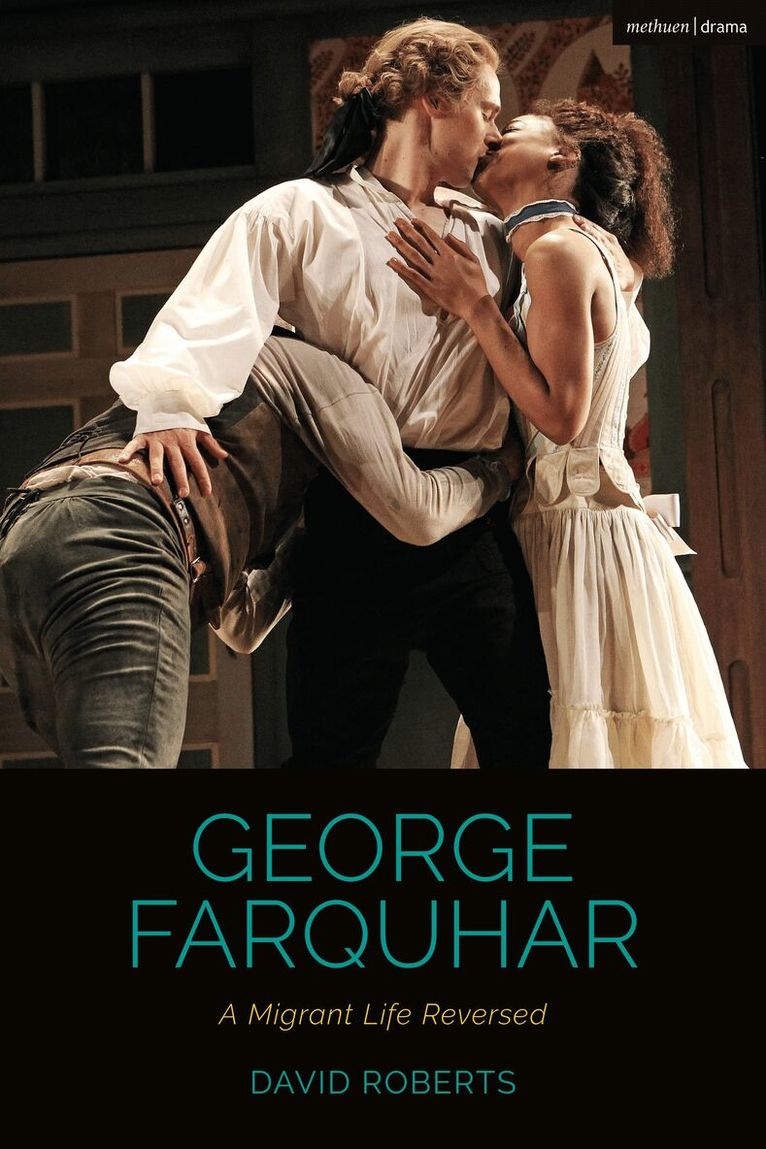
George Farquhar (1677–1707) is one of the most successful and enduringly popular Restoration playwrights. His two masterpieces, The Recruiting Officer and The Beaux’ Stratagem, are still regularly performed today. Yet aspects of Farquhar’s biography, and in particular his Irish roots and family life, have remained obscure. This is the first study to treat Farquhar’s works as documents of migration and the fragmented identity that resulted. Told in reverse chronological order, beginning with Farquhar’s last and best-known works, it reveals previously undiscovered material about his life and connections.Born in Londonderry, Farquhar arrived in London at the end of the 1690s but struggled throughout his life to find acceptance in the English literary culture. David Roberts explores how Farquhar used comedy to negotiate his Anglo-Irish Protestant identity while perpetually being treated as an outsider. George Farquhar: A Migrant Life Reversed challenges traditional critical thinking on historiographic approaches to scholarly biography and offers a complex but highly readable account of the interpenetrating pasts, presents and futures of the migrant writer.
489 kr
Skickas inom 10-15 vardagar
George Farquhar (1677–1707) is one of the most successful and enduringly popular Restoration playwrights. His two masterpieces, The Recruiting Officer and The Beaux’ Stratagem, are still regularly performed today. Yet aspects of Farquhar’s biography, and in particular his Irish roots and family life, have remained obscure. This is the first study to treat Farquhar’s works as documents of migration and the fragmented identity that resulted. Told in reverse chronological order, beginning with Farquhar’s last and best-known works, it reveals previously undiscovered material about his life and connections.Born in Londonderry, Farquhar arrived in London at the end of the 1690s but struggled throughout his life to find acceptance in the English literary culture. David Roberts explores how Farquhar used comedy to negotiate his Anglo-Irish Protestant identity while perpetually being treated as an outsider. George Farquhar: A Migrant Life Reversed challenges traditional critical thinking on historiographic approaches to scholarly biography and offers a complex but highly readable account of the interpenetrating pasts, presents and futures of the migrant writer.
1 177 kr
Skickas inom 10-15 vardagar
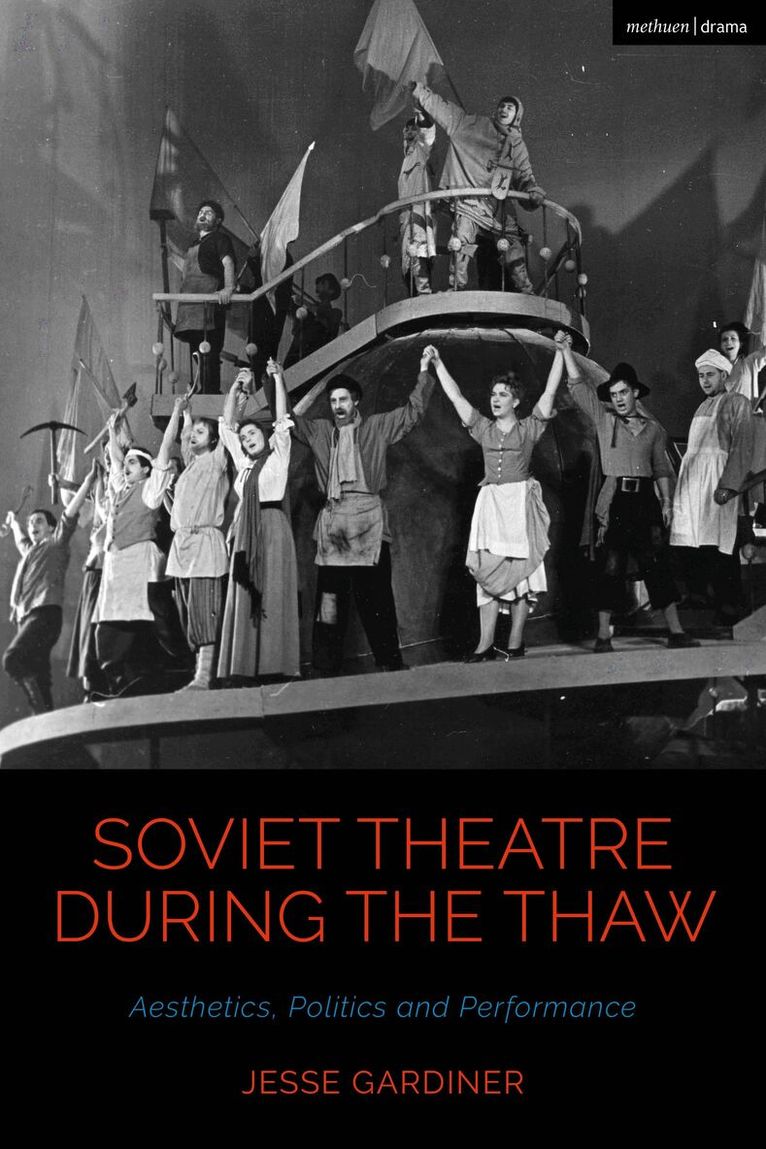
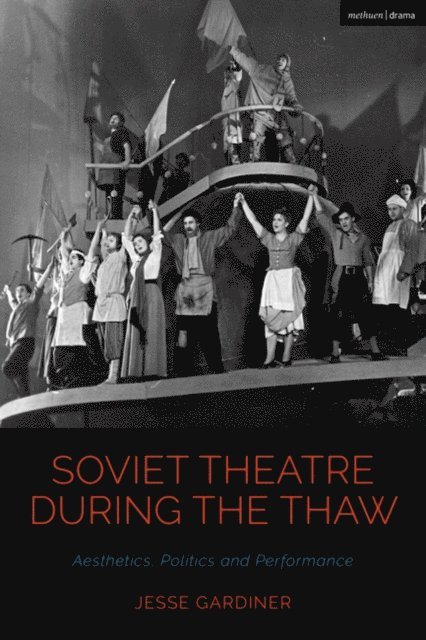
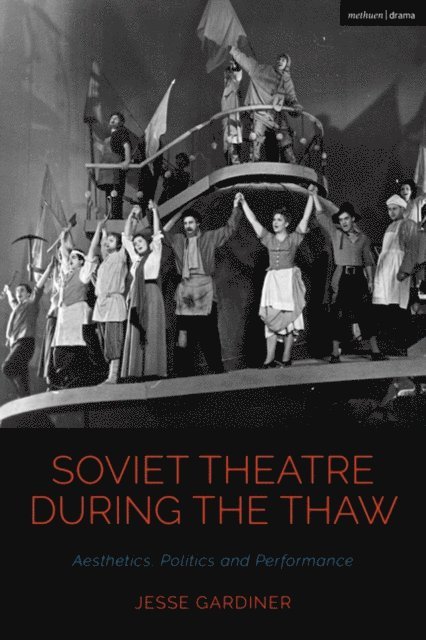
The era known as the Thaw (1953-64) was a crucial period in the history of the Soviet Union. It was a time when the legacies of Stalinism began to unravel and when brief moments of liberalisation saw dramatic changes to society. By exploring theatre productions, plays and cultural debates during the Thaw, this book sheds light on a society in flux, in which the cultural norms, values and hierarchies of the previous era were being rethought.Jesse Gardiner demonstrates that the revival of avant-garde theatre during the Thaw was part of a broader re-engagement with cultural forms that had been banned under Stalin. Plays and productions that had fallen victim to the censor were revived or reinvented, and their authors and directors rehabilitated alongside waves of others who had been repressed during the Stalinist purges. At the same time, new theatre companies and practitioners emerged who reinterpreted the stylized techniques of the avant-garde for a post-war generation. This book argues that the revival of avant-garde theatre was vital in allowing the Soviet public to reimagine its relationship to state power, the West and its own past. It permitted the rethinking of attitudes and prejudices, and led to calls for greater cultural diversity across society. Playwrights, directors and actors began to work in innovative ways, seeking out the theatre of the future by re-engaging with the proscribed forms of the past.
1 245 kr
Skickas inom 10-15 vardagar
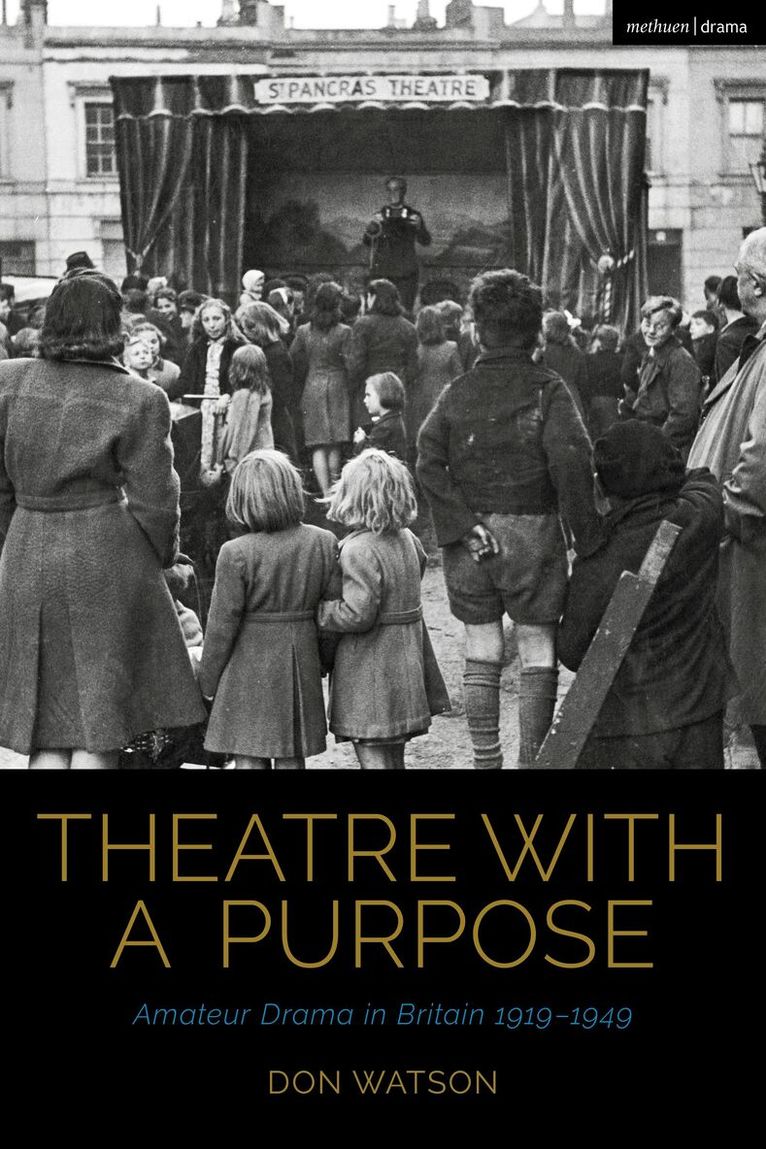
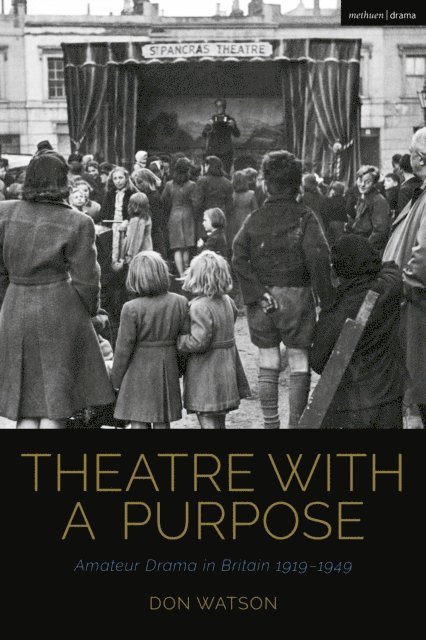
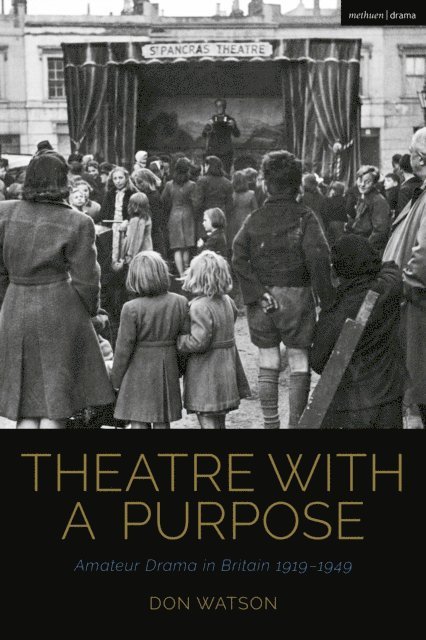
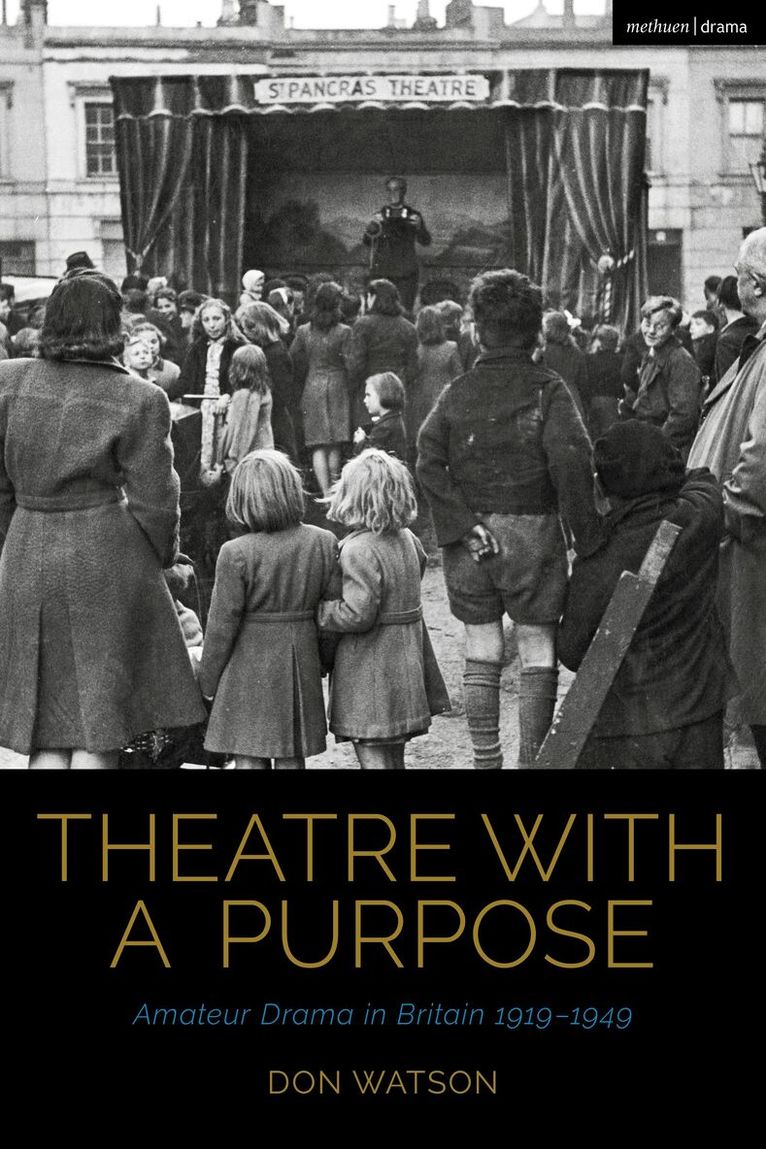
This study of British amateur theatre in the inter-war period examines five different but interwoven examples of the belief, common in theatrical and educational circles at the time, that amateur drama had a purpose beyond recreation.Amateur theatre was at the height of its popularity as a cultural practice between the wars, so that by 1939 more British people had practical experience of putting on plays than at any time before or since.Providing an original account of the use of drama in adult education projects in deprived areas, and of amateur theatre in government-funded centres for the unemployed in the 1930s, it discusses repertoires, participation by working- class people and pioneering techniques of play-making. Amateur drama festivals and competitions were intended to raise standards and educate audiences. This book assesses their effect on play-making, and the use of innovative one-act plays to express contentious material, as well as looking at the Left Book Club Theatre Guild as an attempt to align the amateur theatre movement with anti-fascist and anti-war movements. A chapter on the Second World War rectifies the neglect of amateur theatre in war-time cultural studies, arguing that it was present and important in every aspect of war-time life.Don Watson builds on current scholarship and makes use of archival sources, local newspapers, unpublished scripts and the records of organizations not usually associated with the theatre. His work explores the range and diversity of amateur drama between the wars and the contributions it made to British theatre.
401 kr
Skickas inom 7-10 vardagar
This study of British amateur theatre in the inter-war period examines five different but interwoven examples of the belief, common in theatrical and educational circles at the time, that amateur drama had a purpose beyond recreation.Amateur theatre was at the height of its popularity as a cultural practice between the wars, so that by 1939 more British people had practical experience of putting on plays than at any time before or since.Providing an original account of the use of drama in adult education projects in deprived areas, and of amateur theatre in government-funded centres for the unemployed in the 1930s, it discusses repertoires, participation by working- class people and pioneering techniques of play-making. Amateur drama festivals and competitions were intended to raise standards and educate audiences. This book assesses their effect on play-making, and the use of innovative one-act plays to express contentious material, as well as looking at the Left Book Club Theatre Guild as an attempt to align the amateur theatre movement with anti-fascist and anti-war movements. A chapter on the Second World War rectifies the neglect of amateur theatre in war-time cultural studies, arguing that it was present and important in every aspect of war-time life.Don Watson builds on current scholarship and makes use of archival sources, local newspapers, unpublished scripts and the records of organizations not usually associated with the theatre. His work explores the range and diversity of amateur drama between the wars and the contributions it made to British theatre. This edition is published in association with the Society of Theatre Research.
447 kr
Skickas inom 10-15 vardagar
In the late 1970s, the alternative comedy scene exploded into life in Britain and completely changed the style, subject matter and politics of British stand-up. Contemporary critics talked about it as ‘anti-matter comedy’ that ‘makes you laugh while actually rearranging large chunks of your brain’. This book draws on a wealth of archive material – including unpublished recordings of early performances – and new interviews with key figures such as Alexei Sayle, Andy de la Tour and Jim Barclay, to provide a detailed history of the early scene and an examination of the distinctive modes of performance style which developed.Beginning with its origins, the volume traces the influence of American stand-up, and in particular the significance of Mort Sahl and Lenny Bruce as the originators of a style of stand-up that influenced the British pioneers of alternative comedy. It shows how the opening of the Comedy Store in 1979 provided a catalyst for a new movement, which grew outward from there with the foundation of the group Alternative Cabaret and the opening of the Comic Strip. But it also looks at smaller venues and less celebrated acts that have not been as well remembered, including ranting poets and street performers. Finally, it looks at alternative comedy’s legacy, showing how it was the starting point for the UK’s thriving and varied live scene, which encompasses anything from small pub gigs to huge arena tours.
1 177 kr
Skickas inom 10-15 vardagar
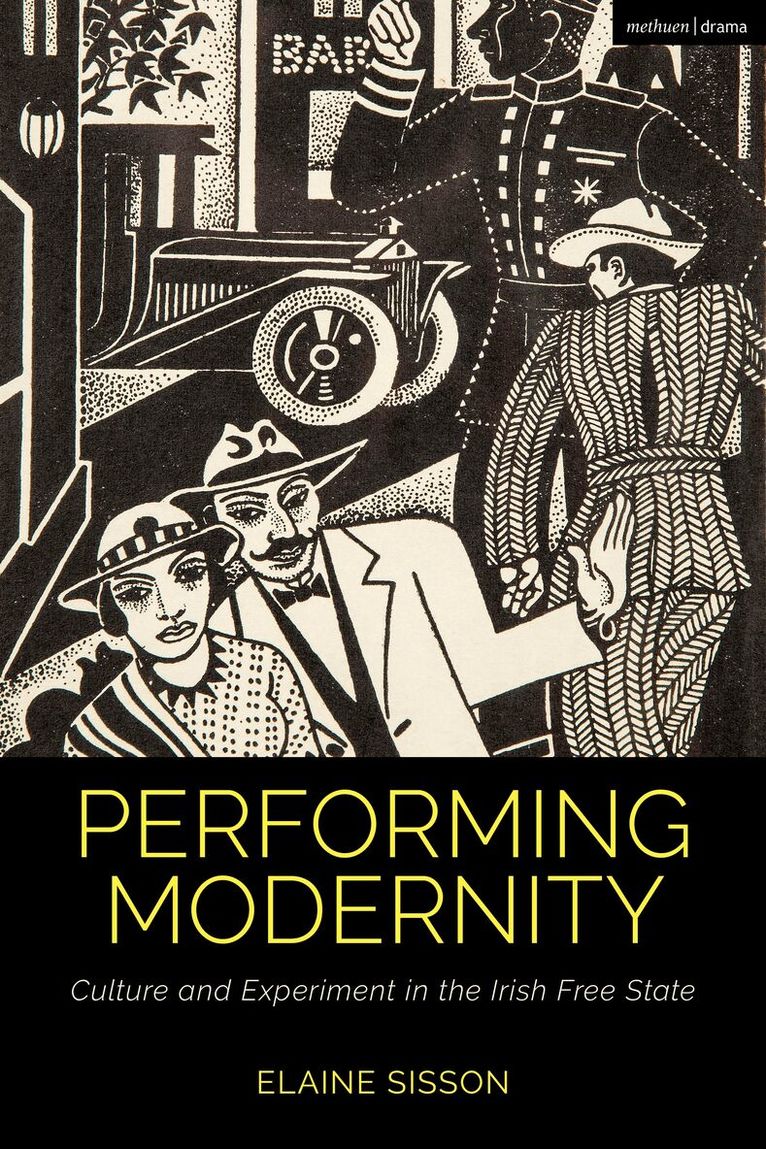
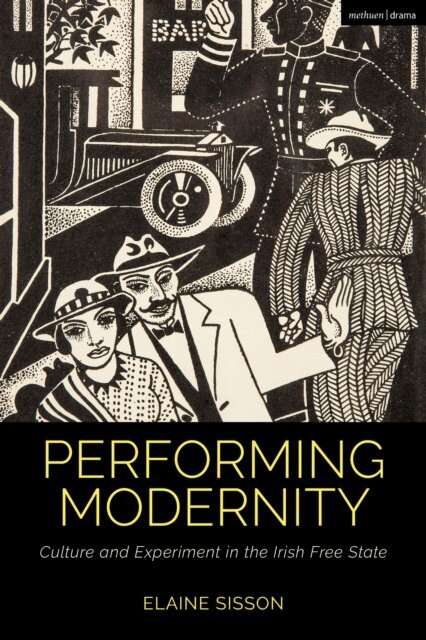
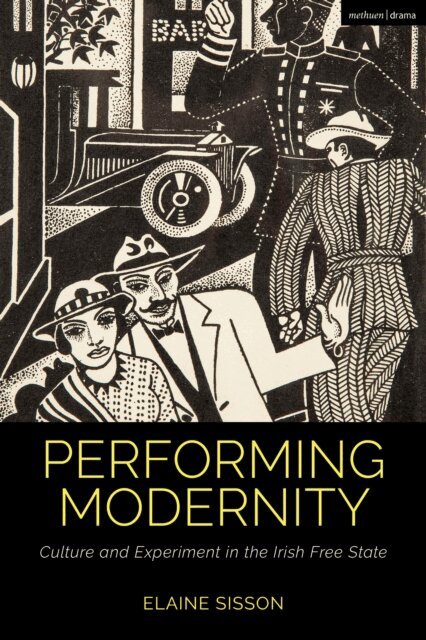
This book is an exploration of metropolitan bohemian and counter-cultural movements in theatre, design and popular culture in the Irish Free State.Were there flappers in Ireland? Was there really a Cabaret Club in Dublin in 1926? Using photographs, theatre and costume designs, letters, newspaper accounts, novels and other historical sources, Performing Modernity offers a wholly new perspective on metropolitan life in the Irish Free State where people listen to jazz and go dancing, watch German Expressionist theatre, are interested in Soviet design, and attend pageants, cabarets and fancy dress balls. The early years of Irish independence are often characterised as isolated and conservative as the country recovered from the effects of the Civil War. This book argues that there was also ambition and optimism among the citizens of the new State as they embraced the promise of modernity in theatre, film and popular culture during the 1920s and 1930s.
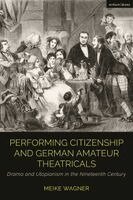
Performing Citizenship and German Amateur Theatricals
Drama and Utopianism in the Nineteenth Century
Inbunden, Engelska, 2026
1 177 kr
Skickas inom 10-15 vardagar
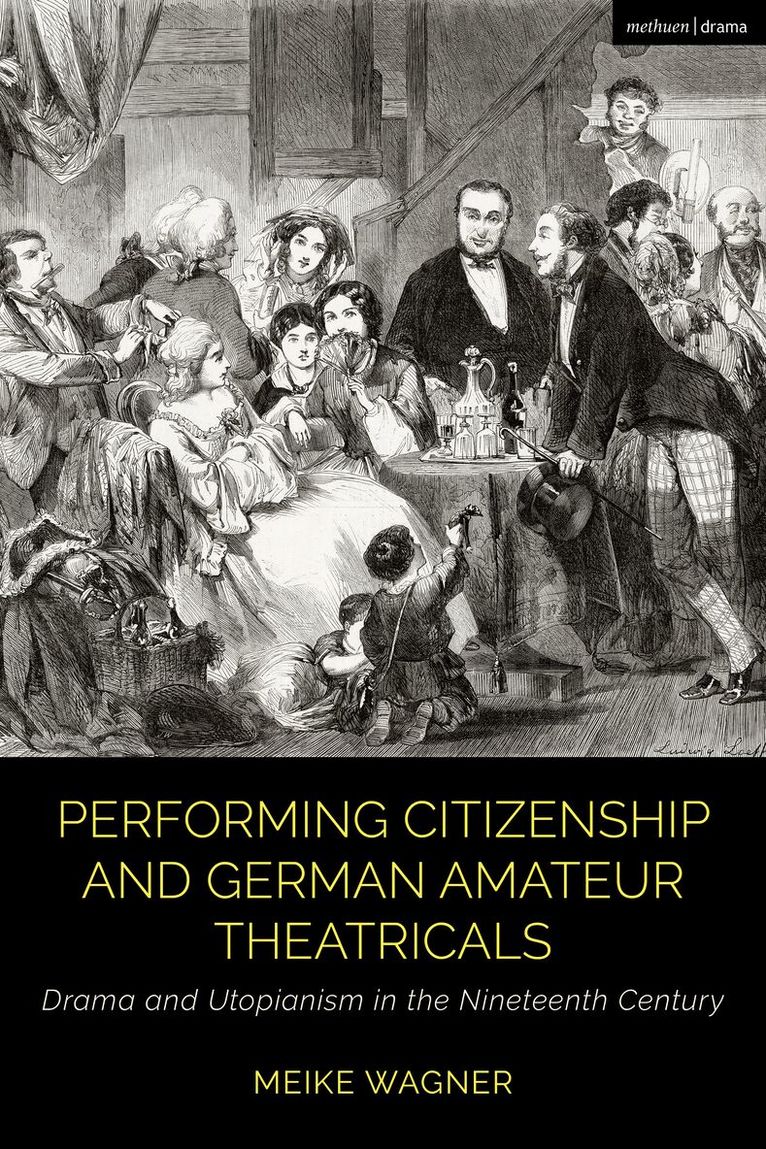
This open access book proposes a revision of 19th-century theatre history and examines the contribution of amateur theatre practice to European theatre, by shifting the focus to theatre as a cultural, social and aesthetic practice.Non-professional theatre practice has been largely neglected due to deeply rooted prejudice about its aesthetic standards: a prejudice whose origins can be traced back to influential thinkers in the 18th century. Although it was a massive phenomenon in Europe around 1800, amateur theatre has been overshadowed by professional theatre through a privileging of literary and canonical perspectives in the writing of history. This book argues that amateur theatricals contributed to mainstreaming key concepts of aesthetic education and identity building, as well as establishing educative and aesthetic concepts of bourgeois theatre.Amateur theatres not only provide their audiences with an aesthetic experience, they also give their members the opportunity to become involved in social gatherings and performative schemes of self-learning and self-education. During the late Enlightenment, amateur theatres became an important medium to practice and promote concepts of citizenship and the idea of theatre as a key educational factor in society. Focusing on German-speaking amateur theatricals, with regard to a larger frame of European cultural history, this study investigates how citizen identities were shaped and consolidated through amateur performance practices on page, on stage and behind the scenes.The ebook editions of this book are available open access under a CC BY-NC-ND licence on bloomsburycollections.com. Open access was funded by the European Research Council (ERC) under the European Union’s Horizon 2020 research and innovation programme.
1 391 kr
Skickas inom 10-15 vardagar
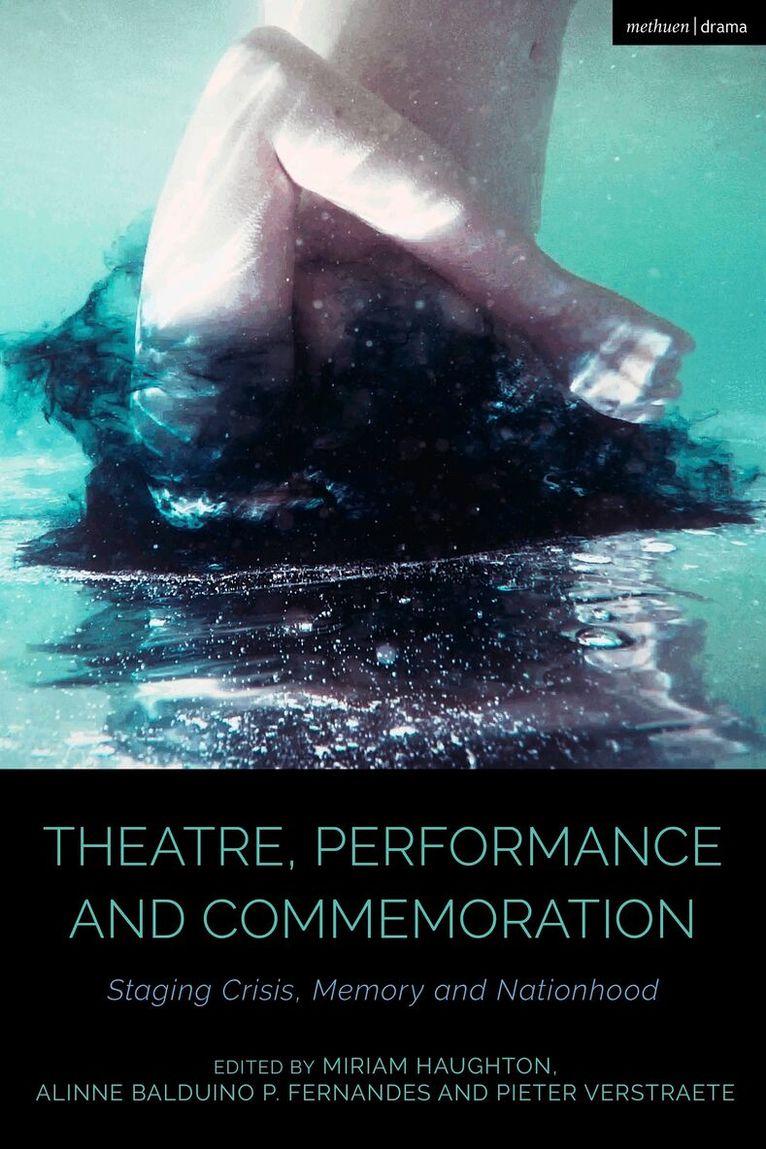
How does the act of performance speak to the concept of commemoration? How and why does commemorative theatre operate as a conceptual, historical and political site from which to interrogate ideas of nationalism and nationhood? This volume explores how theatre and performance create a stage for acts of commemoration, considering crises of hate, nationalism and migration, as well as political, racial and religious bigotry. It features case studies drawn from across Europe, the Middle East, Asia, Africa and Latin America.The book’s four parts each explore commemoration through a different theoretical lens and present a new set of dramaturgies for research and study. While Section 1 offers a critical survey of 20th- and 21st-century discourses, Section 2 uncovers the commemorative practices underpinning contemporary dramaturgy and applies these practices to plays and performance pieces. These include works by Martin Lynch, Frank McGuinness, Sanja Mitrovic, Theater RAST, Les SlovaKs Dance Collective, Estela Golovchenko, Wajdi Mouawad, Áine Stapleton, CoisCéim, ANU Productions, Aubrey Sekhabi, and Indian and African dance practices. The final sections investigate how individual and collective memory and performances of commemoration can become tools for propaganda and political agendas.
453 kr
Skickas inom 10-15 vardagar
How does the act of performance speak to the concept of commemoration? How and why does commemorative theatre operate as a conceptual, historical and political site from which to interrogate ideas of nationalism and nationhood? This volume explores how theatre and performance create a stage for acts of commemoration, considering crises of hate, nationalism and migration, as well as political, racial and religious bigotry. It features case studies drawn from across Europe, the Middle East, Asia, Africa and Latin America.The book’s four parts each explore commemoration through a different theoretical lens and present a new set of dramaturgies for research and study. While Section 1 offers a critical survey of 20th- and 21st-century discourses, Section 2 uncovers the commemorative practices underpinning contemporary dramaturgy and applies these practices to plays and performance pieces. These include works by Martin Lynch, Frank McGuinness, Sanja Mitrovic, Theater RAST, Les SlovaKs Dance Collective, Estela Golovchenko, Wajdi Mouawad, Áine Stapleton, CoisCéim, ANU Productions, Aubrey Sekhabi, and Indian and African dance practices. The final sections investigate how individual and collective memory and performances of commemoration can become tools for propaganda and political agendas.
420 kr
Skickas inom 10-15 vardagar
The era known as the Thaw (1953-64) was a crucial period in the history of the Soviet Union. It was a time when the legacies of Stalinism began to unravel and when brief moments of liberalisation saw dramatic changes to society. By exploring theatre productions, plays and cultural debates during the Thaw, this book sheds light on a society in flux, in which the cultural norms, values and hierarchies of the previous era were being rethought.Jesse Gardiner demonstrates that the revival of avant-garde theatre during the Thaw was part of a broader re-engagement with cultural forms that had been banned under Stalin. Plays and productions that had fallen victim to the censor were revived or reinvented, and their authors and directors rehabilitated alongside waves of others who had been repressed during the Stalinist purges. At the same time, new theatre companies and practitioners emerged who reinterpreted the stylized techniques of the avant-garde for a post-war generation. This book argues that the revival of avant-garde theatre was vital in allowing the Soviet public to reimagine its relationship to state power, the West and its own past. It permitted the rethinking of attitudes and prejudices, and led to calls for greater cultural diversity across society. Playwrights, directors and actors began to work in innovative ways, seeking out the theatre of the future by re-engaging with the proscribed forms of the past.
Pioneering Theatre-in-the-Round
The Victoria Theatre in Stoke-on-Trent, 1962-1986
Inbunden, Engelska, 2026
1 177 kr
Skickas inom 10-15 vardagar
Offering a comprehensive examination into the Victoria Theatre in Stoke-on-Trent under its then director Peter Cheeseman, this book provides the first detailed history of a theatre-in-the-round and demonstrates its profound influence on the careers of prominent actors, directors and writers throughout the UK.As the longest serving director of a regional theatre and creator of verbatim theatre, Peter Cheeseman’s contribution to the arts is undeniable. He was a pioneering director, having been described as ‘the most influential practitioner of theatre-in-the-round’, and yet his contribution has not received the attention it warrants. This book offers a comprehensive critical history of Cheeseman’s work at the Victoria Theatre in Stoke-on-Trent, and of the establishment of Europe’s first theatre-in-the-round in the industrial region of 1960s Staffordshire.Offering an initial explanation of the formative years of the theatre under Cheeseman, right up until the establishment of the New Vic in 1986, Pioneering Theatre-in-the-Round provides a fascinating insight into the importance of the work that took place under Cheeseman’s direction. It addresses his innovation of the documentary style, and the theatre’s commitment to its regional audience, as well as its development of new writers and theatre for children. The book also offers a detailed exploration of the building of Europe’s first permanent theatre-in-the round, the New Vic. Drawing on largely untouched archival resources and original interview material, the book recovers Cheeseman's significance, the formation of theatre-in-the-round at the Victoria Theatre, and highlights the significance of work taking place in theatres outside London during the period 1962-1986.