David Brion Davis Series - Böcker
Visar alla böcker i serien David Brion Davis Series. Handla med fri frakt och snabb leverans.
5 produkter
5 produkter
607 kr
Skickas inom 5-8 vardagar
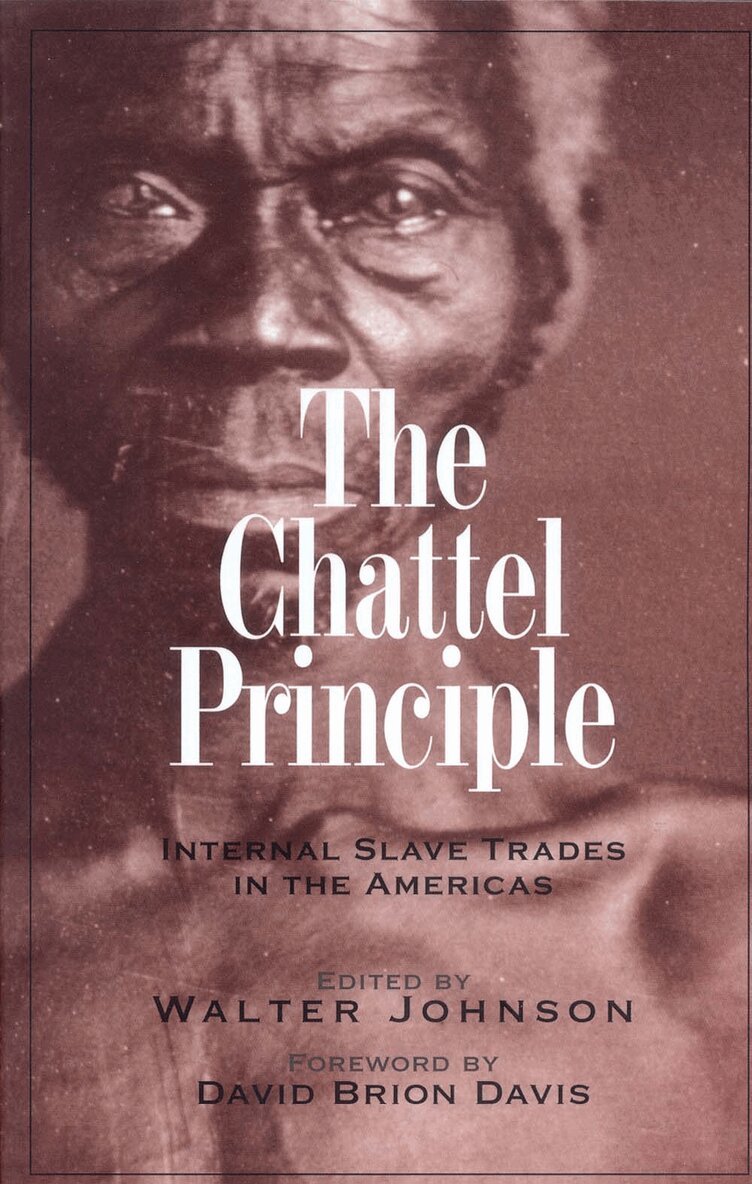
This wide-ranging book presents the first comprehensive and comparative account of the slave trade within the nations and colonial systems of the Americas. While most scholarly attention to slavery in the Americas has concentrated on international transatlantic trade, the essays in this volume focus on the slave trades within Brazil, the West Indies, and the Southern states of the United States after the closing of the Atlantic slave trade. The contributors cast new light upon questions that have framed the study of slavery in the Americas for decades. The book investigates such topics as the illegal slave trade in Cuba, the Creole slave revolt in the U.S., and the debate between pro- and antislavery factions over the interstate slave trade in the South. Together, the authors offer fresh and provocative insights into the interrelations of capitalism, sovereignty, and slavery.
590 kr
Skickas inom 5-8 vardagar
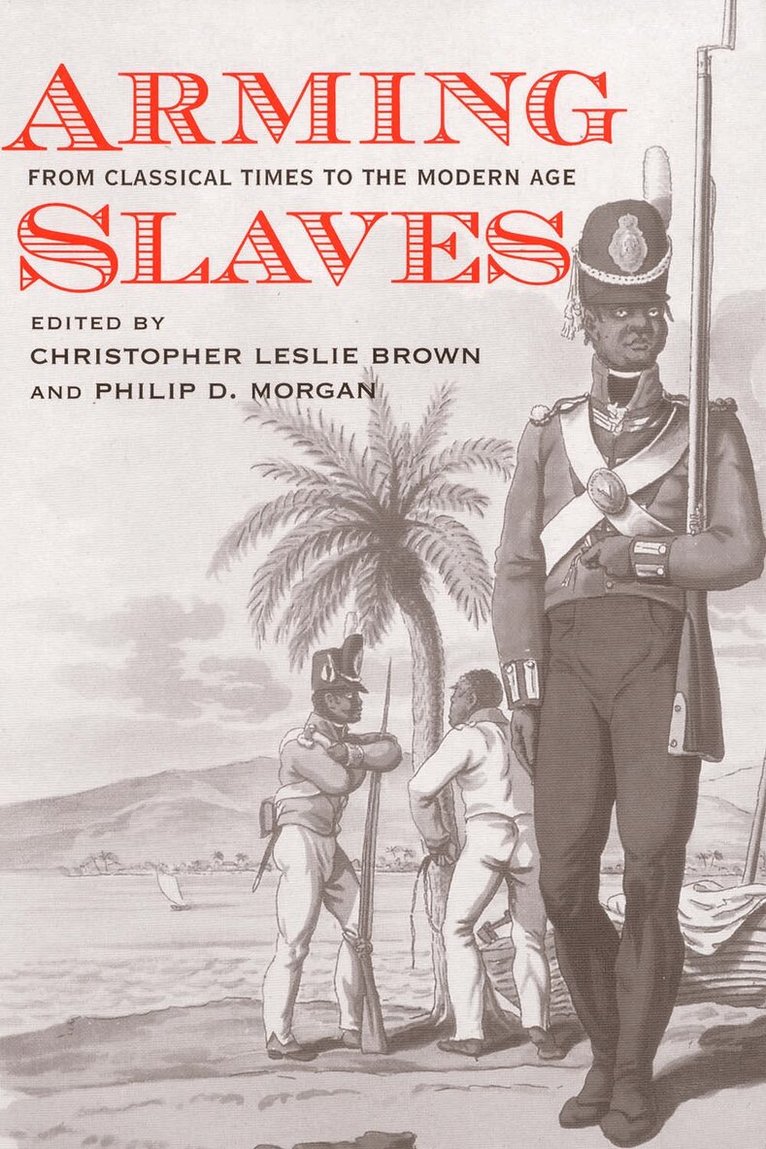
Arming slaves as soldiers is a counterintuitive idea. Yet throughout history, in many varied societies, slaveholders have entrusted slaves with the use of deadly force. This book is the first to survey the practice broadly across space and time, encompassing the cultures of classical Greece, the early Islamic kingdoms of the Near East, West and East Africa, the British and French Caribbean, the United States, and Latin America.To facilitate cross-cultural comparisons, each chapter addresses four crucial issues: the social and cultural facts regarding the arming of slaves, the experience of slave soldiers, the ideological origins and consequences of equipping enslaved peoples for battle, and the impact of the practice on the status of slaves and slavery itself. What emerges from the book is a new historical understanding: the arming of slaves is neither uncommon nor paradoxical but is instead both predictable and explicable.
607 kr
Skickas inom 5-8 vardagar
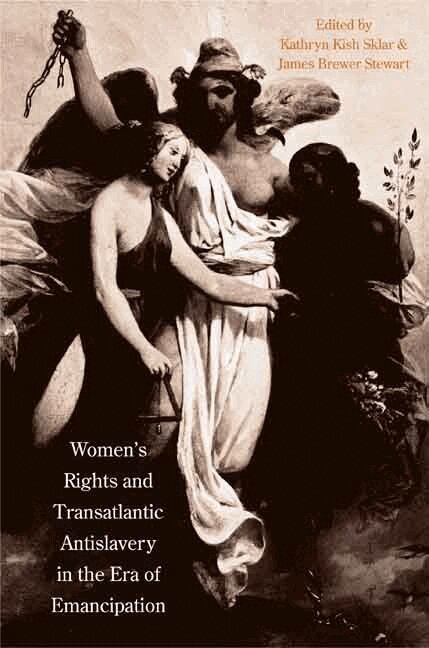
Two epochal developments profoundly influenced the history of the Atlantic world between 1770 and 1870—the rise of women’s rights activism and the drive to eliminate chattel slavery. The contributors to this volume, eminent scholars from a variety of disciplines, investigate the intertwining histories of abolitionism and feminism on both sides of the Atlantic during this dynamic century of change. They illuminate the many ways that the two movements developed together and influenced one another.Approaching a wide range of transnational topics, the authors ask how conceptions of slavery and gendered society differed in the United States, France, Germany, and Britain; how women’s activism reached across national boundaries; how racial identities affected the boundaries of women’s activism; and what was distinctive about African-American women’s participation as activists. Their thought-provoking answers provide rich insights into the history of struggles for social justice across the Atlantic world.
482 kr
Skickas inom 5-8 vardagar
William Lloyd Garrison (1805–79) was one of the most militant and uncompromising abolitionists in the United States. As the editor of the abolitionist paper The Liberator and cofounder of the American Anti-Slavery Society, Garrison spent most of his life arguing against slavery on strictly moral grounds. This engrossing book presents six essays that reevaluate Garrison’s legacy, his accomplishments, and his limitations. Eminent scholars—David W. Blight, Bruce Laurie, James Brewer Stewart, Richard J. M. Blackett, and Lois A. Brown—and a distinguished journalist, Lloyd McKim Garrison, who is Garrison’s direct descendant, reflect on Garrison as a political activist, an internationalist, an advocate of feminism, and more. Together they present a new appraisal of one of America’s most challenging, inspiring, and controversial historical figures.
292 kr
Skickas inom 7-10 vardagar
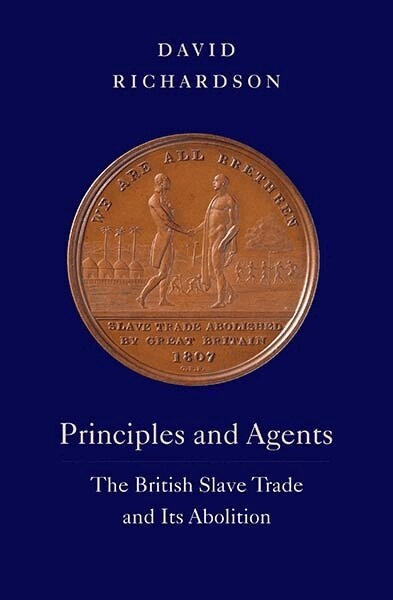
A new history of the abolition of the British slave trade “Easily the most scholarly, clear and persuasive analysis yet published of the rise to dominance of the British in the Atlantic slave trade—as well as the implementation of abolition when that dominance was its peak.”—David Eltis, coauthor of Atlas of the Transatlantic Slave Trade Parliament’s decision in 1807 to outlaw British slaving was a key moment in modern world history. In this magisterial work, historian David Richardson challenges claims that this event was largely due to the actions of particular individuals and emphasizes instead that abolition of the British slave trade relied on the power of ordinary people to change the world. British slaving and opposition to it grew in parallel through the 1760s and then increasingly came into conflict both in the public imagination and in political discourse. Looking at the ideological tensions between Britons’ sense of themselves as free people and their willingness to enslave Africans abroad, Richardson shows that from the 1770s those simmering tensions became politicized even as British slaving activities reached unprecedented levels, mobilizing public opinion to coerce Parliament to confront and begin to resolve the issue between 1788 and 1807.