Environment, Development and Public Policy: Cities and Development - Böcker
Visar alla böcker i serien Environment, Development and Public Policy: Cities and Development. Handla med fri frakt och snabb leverans.
13 produkter
13 produkter
2 164 kr
Skickas inom 10-15 vardagar
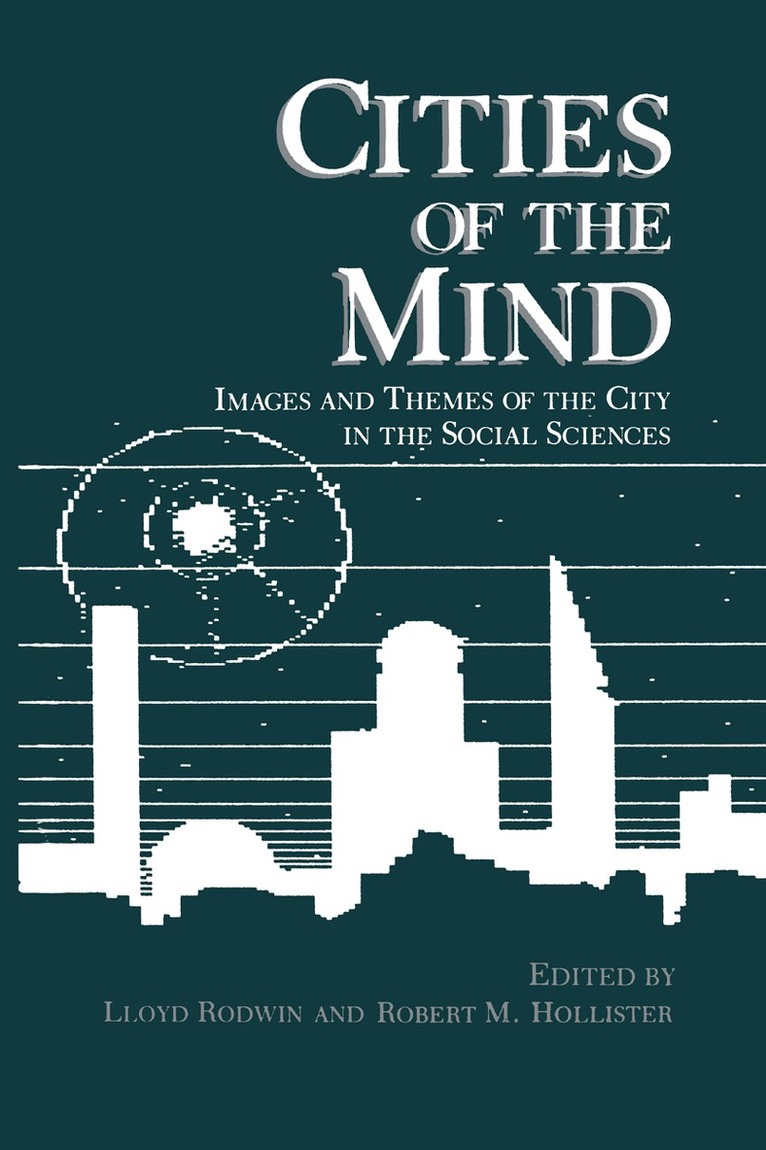
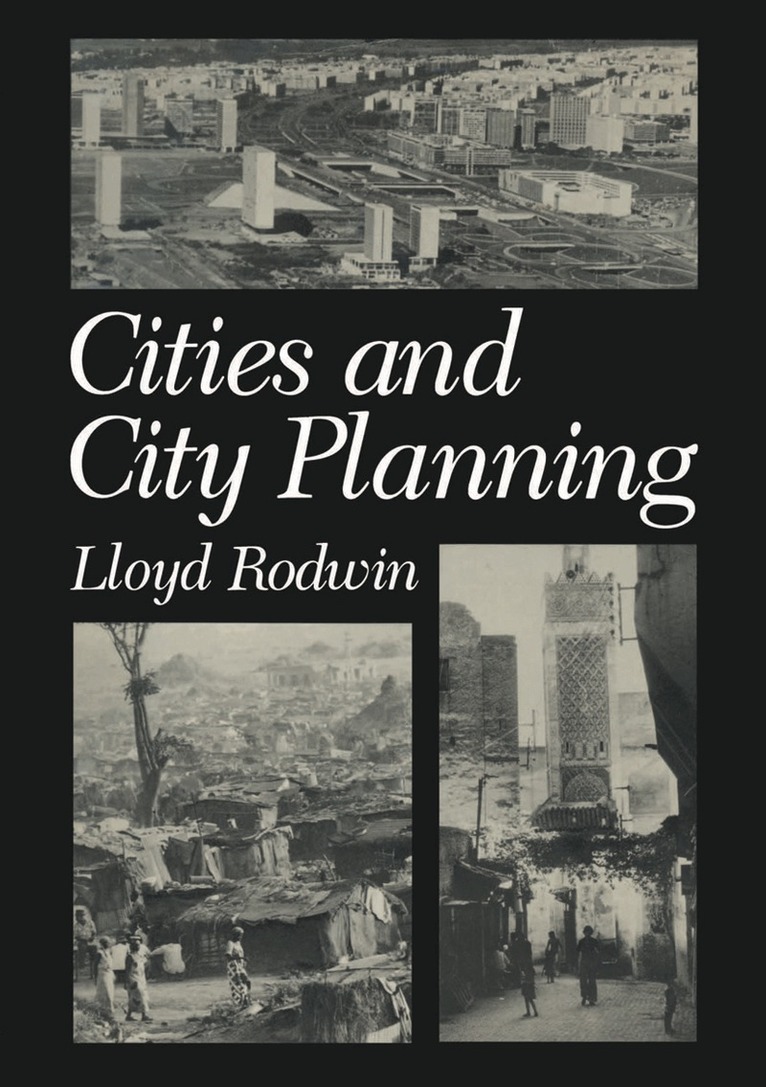
Curious about the images of the city that have been evolving in the different social sciences, we did what academics often do in such a situa 1 tion: we set up a seminar on "Images of the City in the Social Sciences." From the start, we counted on the help of specialists in other fields to pursue their interests. Of the persons who agreed to participate, all but two came from the United States, and their analyses, in the main, reflect the experience of Western countries and the United States. In our formal instructions to our collaborators, we took fi>r granted that a variety of images of the city could be found or inferred in their fields of expertise. We asked them to identify these images and their functions, to explain how and why they have changed over time, and to relate these images to the distinct intellectual traditions and techniques-analytical or otherwise-in their respective fields. The definition of image was left to the judgment of the participants.
2 164 kr
Skickas inom 10-15 vardagar
536 kr
Skickas inom 10-15 vardagar
This is a study of how a bureaucracy allocates a commodity or a service in this case, public housing. In the broadest sense, it seeks to understand how bureaucrats try to resolve two often conflicting goals of regulatory justice: equity (treating like cases alike on the basis of rules) and respon siveness (making exceptions for persons whose needs require that rules be stretched). It analyzes the extent to which such factors as bureaucratic norms, the task orientation of workers, third-party pressure, and outside intervention affect staff members' use of discretion. Many of the rules under consideration were intended by federal officials to achieve such programmatic objectives as racial desegregation and housing for the neediest; in this regard, the study is also an examination of federal-local relationships. Finally, the study examines how the use of discretion changes over time as an agency's mission shifts and reforms are attempted. This book is directed at the audience of administrators of programs who offer services to the public and struggle with how to allocate them. The book is also intended for those concerned with housing policy, partic ularly the difficult problems of whom to house. Finally, it is hoped that students of public management, social welfare, government, and urban planning, who are interested in how public policy is administered through a bureaucracy, will find the book insightful. The case chosen for study is the Boston Housing Authority.
536 kr
Skickas inom 10-15 vardagar
The work of Harvey S. Perloff stands as a landmark in the evolution of Anglo American planning doctrine. It is impossible to fully capture the essence of the published work in a paragraph, page, or even an entire essay. Yet its highpoints can be identified. His work was innovative, reformist, comprehensive, and ori ented toward the future. In emphasizing the greater importance of people com pared to things, Perloff repeatedly prodded planners to be concerned with human needs and values. He was critical of the past. But inasmuch as he de voted more effort to envisioning what could lie ahead than in recalling the past, his work was markedly optimistic. He once admitted in writing to his "built-in weakness for expecting rational, socially oriented solutions ultimately to win out, no matter what the objective situation seems to be. " To some the expecta tion may be seen as naive; to others, as a faith in the wisdom of humankind to take the best course. However received, Perloff's optimism served as a powerful stimulant to keep moving ahead for the best that would come of it. Institutions and the ways they should be shaped and reshaped were of central concern, for institutions (though he rarely used the term) were the in struments through which "knowledge was translated into action.
536 kr
Skickas inom 10-15 vardagar
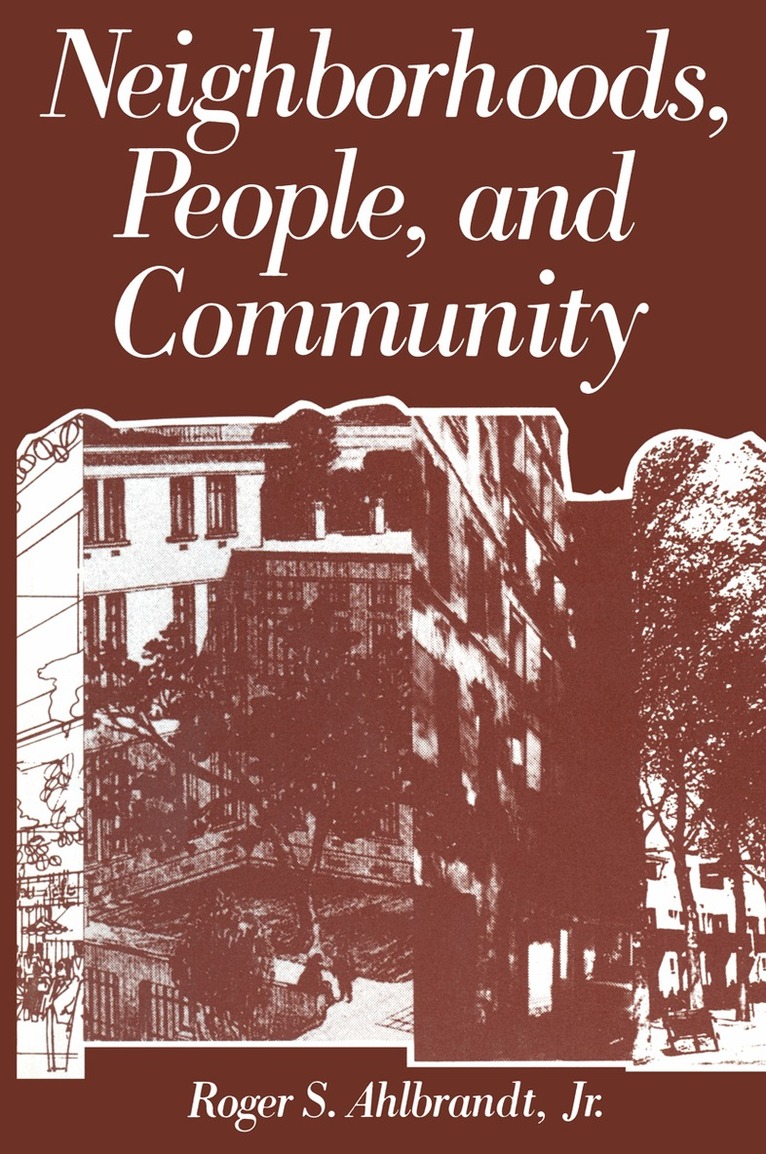
This book focuses on neighborhoods and the people living in them. It describes differences among neighborhoods in terms of their social and institutional structure, attitudes of the residents, quality of life, and the characteristics of the residents. The book is based on the results of a survey of almost 6,000 residents living throughout the city of Pittsburgh. As such it provides the basis for examining groups of people as well as whole neighborhoods. The communal aspects of urban living are discussed in Chapters 1 and 2; attachment toward the neighborhood in Chapter 3; importance of reli gion, life cycle, and race in Chapter 4; various aspects of individual social support systems and neighborhood social fabric in Chapters 5, 6, and 7; the contextual aspects of the neighborhood environment in Chapters 8 and 9; and the implications for urban policy in Chapter 10. The results of the analysis described in the book pro vide a detailed understanding of differences in the struc ture and composition of urban neighborhoods, and they show why some groups of people are drawn into their neighborhoods whereas others rely more upon the wider community to meet a variety of needs. The analysis pro vides the framework in which to address the implications for urban policy, particularly with respect to mental health prevention and neighborhood and community renewal.
536 kr
Skickas inom 10-15 vardagar
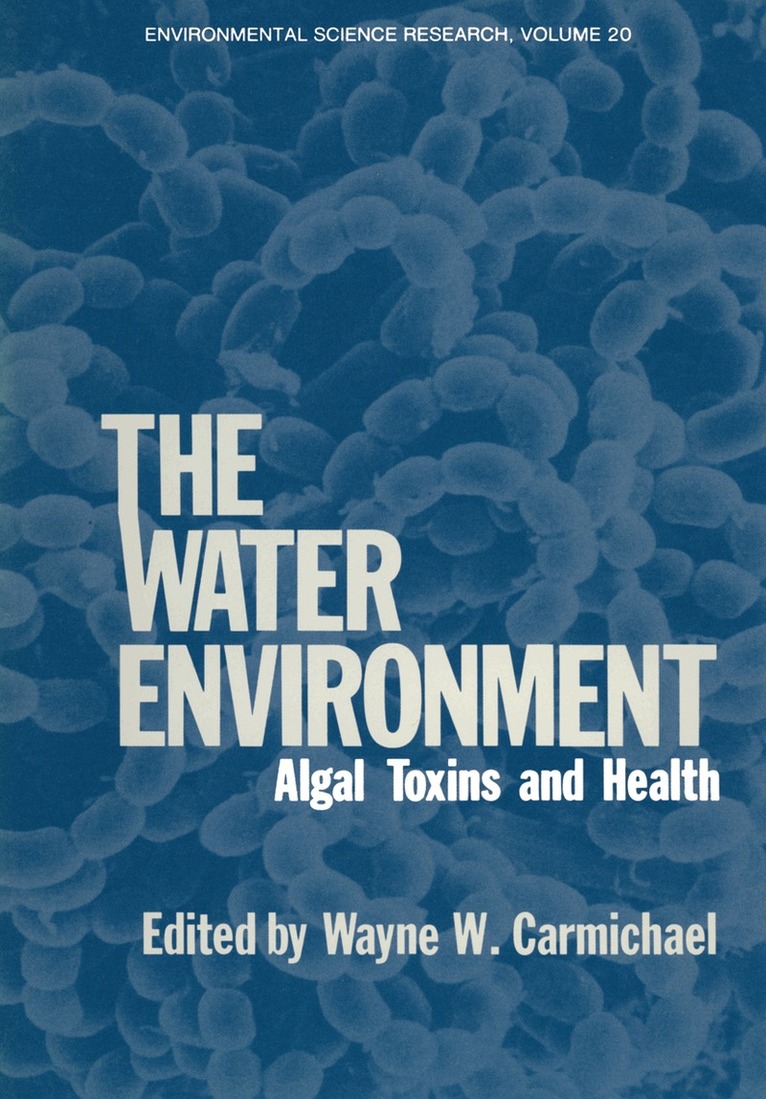
The conference on The Water Environment: Algal Toxins and Health was held at Wright State University in Dayton, Ohio, on June 29, 30, July 1, 2, 1980. Its principal objectives were to bring together, for the first time, researchers, public officials and interested parties in order to present and discuss what is known about algal toxins. The conference concentrated almost exclusively on toxins and toxic blooms of blue-green algae (Cyanobacteria). Since the most common Cyanobacteria bloom forming species are also the ones most likely to produce toxins, they are a problem in the maintenance of safe animal and human water supplies. While poison ings by Cyanobacteria involve mainly domestic and wild animals, they may also be responsible for cases of human gastroenteritis and con tact poisoning. Even though human poisonings by Cyanobacteria have historically not been a widespread problem, continued deterioration of our recreational and municipal water supplies suggests that blooms of non-toxic and toxic Cyanobacteria blooms will increase. In addi tion to studies on their role as disease agents, there is basic research being done on their pharmacological properties to determine their mode of action and usefulness as tools in the study of basic neuromuscular mechanisms. These papers were centrally typed for reproduction as camera ready copy. Each paper was reviewed and edited by at least two per sons of the editorial committee. This volume is organized into five major sections: 1.
536 kr
Skickas inom 10-15 vardagar
536 kr
Skickas inom 10-15 vardagar
This book intends to be helpful to people-students and oth ers-who are beginning to think about how to change the world via that activity we call development planning. The issues of What is Progress? and How do we get it? are world-wide, although they appear in different form in societies like our own from the way they do in the Third World countries with their explicit development planning. These are two very big questions and have no easy or final answers. However, we can think about them in more rather than less effective ways. Thinking about them can be both a way of beginning to take action on issues of growth and change, and a way of understanding our own situation. vii viii I PREFACE This book argues that thinking about development plan ning has gotten into trouble by dividing economy from so ciety, and misconstruing moral-social-political issues as tech nical ones. Development planning has centered on economic planning, treating social issues as obstacles to growth, or as problems arising out of economic change. The book takes up a number of specific topics which enter into development planning-topics such as the organization of work, educa tional planning, family policy-to show how in reality the social and the economic, the moral and the technical, are one, and how thinking about policy in each area should therefore take an integrated perspective.
536 kr
Skickas inom 10-15 vardagar
Over the years I have conducted numerous neighborhood studies, alternately focusing on specific geographic areas, public programs, and types of citizen actions. Because most of these efforts were done on a project-by-project basiS, it did not readily occur to me that these separate investigations also represented an aggregate statement about American neighborhoods: the con tinuing and complex relationship between public policy and neighborhood life. A suggestion by Lloyd Rodwin, the senior editor for this series, prOvided the opportunity to reexamine the various manuscripts, and to select (and in some cases, conSiderably edit) those bearing most on this overall theme. Thus each of the chapters in this book is a commentary on the potential uses of public policy for preserving the most cherished aspect of contemporary neigh borhoods-the social life within them. In some cases the policy actions may have only an indirect effect on neighborhoods. For instance, a whole portion of the book is devoted to the role of research in understanding neighborhood conditions; public policy is relevant because research, these days, has itself become a public policy enterprise. In other cases the policy effects are direct and pervasive-the support of citizen organizations, the delivery of neigh borhood services, and the provision of timely and relevant information to residents. I do not know whether the relationship between public policy and neigh borhoods is the same or as intimate outside the United States.
536 kr
Skickas inom 10-15 vardagar
This book began as an exploration of collaborative work orga nizations. We knew about people in various occupations who had gotten together to form organizations of equals to man age the settings within which they did their work. Among these organizations were a teacher-controlled public school, a fishermen's cooperative, a potters' studio, a public-interest advocacy group, and an architectural firm. We wondered how these groups functioned, and whether and how they contributed to making work satisfying for the individuals in them. These groups were, of course, pretty small potatoes, but it seemed to us that they provided a way to an understanding of some much larger current issues. Worker satisfaction has surfaced as an issue of current concern and has been repre sented in research documenting the growing expectations that the members of our society have of their work experi ence. More workers are more educated now than ever before, and more and more people seem to look to work as a personal outlet, rather than just a source of income. We saw our small, egalitarian work organizations as providing settings in which people were especially likely to v vi PREFACE find work satisfying. We wanted to know both the organiza tional conditions for satisfying work and the conditions un der which collaborative work organizations could keep func tioning. Since the sociological literature on work satisfaction tends to revolve around issues of autonomy and control, we sought out settings in which workers had maximized autono my and control.
536 kr
Skickas inom 10-15 vardagar
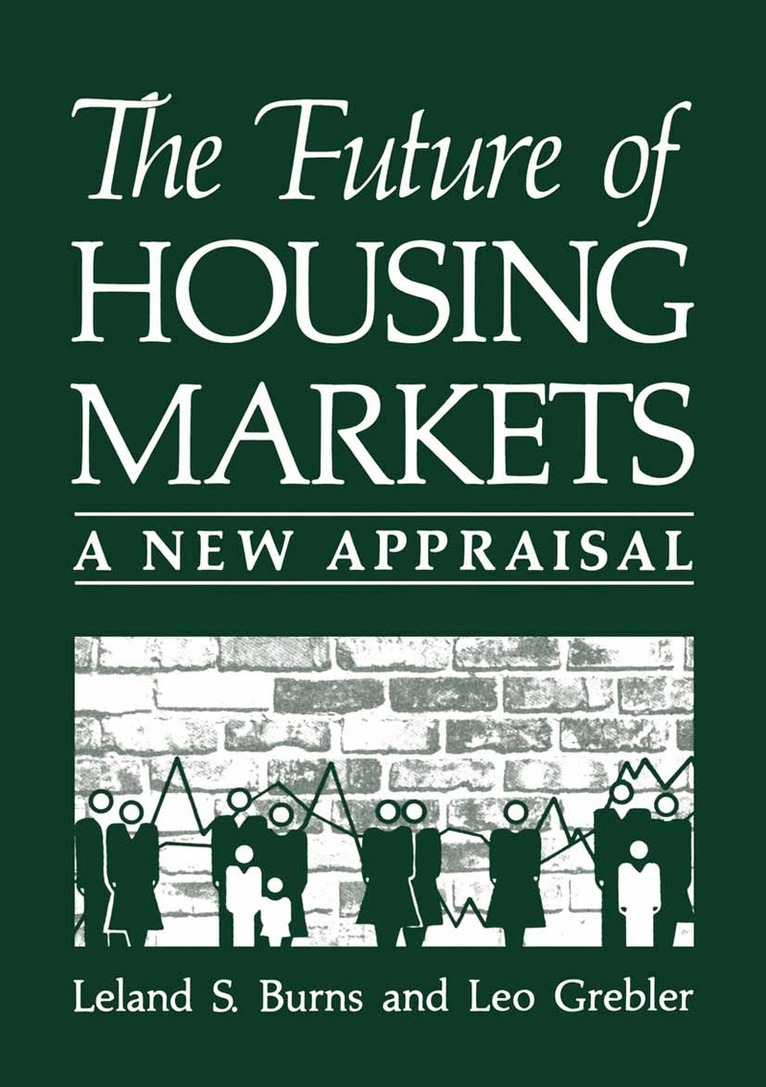
This book's title betrays at once that it belongs in the forecast literature. Peering into the future is a notoriously treacherous venture. Nevertheless, it has become a prac tice endemic to the business and government worlds as well as to academia, especially economics. We like to be lieve that the enormous growth of forecasting in the face of some disappointments reflects real needs of decision makers (as well as the general public's well-warranted curiosity about the future). Fashion alone could hardly explain the sustained increase in the market for forecast services during the past few decades. Some professionals insist on fine distinctions be tween the forecast, the projection, the prediction-and the prophecy. The differences are more semantic than real, as the mandatory resort to Webster confirms. The entry "forecast" includes references to prediction and prophecy without differentiation, while "projection" is defined, among other things, as prediction or "advance estimate." We use mainly the term projections because v PREFACE vi much of our statistical research is based on forward es timates of population and households by the U.S. Bu reau of the Census which the bureau itself, the greatest fountain of data in the world, records as projections.
2 101 kr
Skickas inom 10-15 vardagar
Curious about the images of the city that have been evolving in the different social sciences, we did what academics often do in such a situa 1 tion: we set up a seminar on "Images of the City in the Social Sciences." From the start, we counted on the help of specialists in other fields to pursue their interests. Of the persons who agreed to participate, all but two came from the United States, and their analyses, in the main, reflect the experience of Western countries and the United States. In our formal instructions to our collaborators, we took fi>r granted that a variety of images of the city could be found or inferred in their fields of expertise. We asked them to identify these images and their functions, to explain how and why they have changed over time, and to relate these images to the distinct intellectual traditions and techniques-analytical or otherwise-in their respective fields. The definition of image was left to the judgment of the participants.
2 101 kr
Skickas inom 10-15 vardagar