Digital Africa - Böcker
Visar alla böcker i serien Digital Africa. Handla med fri frakt och snabb leverans.
12 produkter
12 produkter
310 kr
Skickas inom 7-10 vardagar
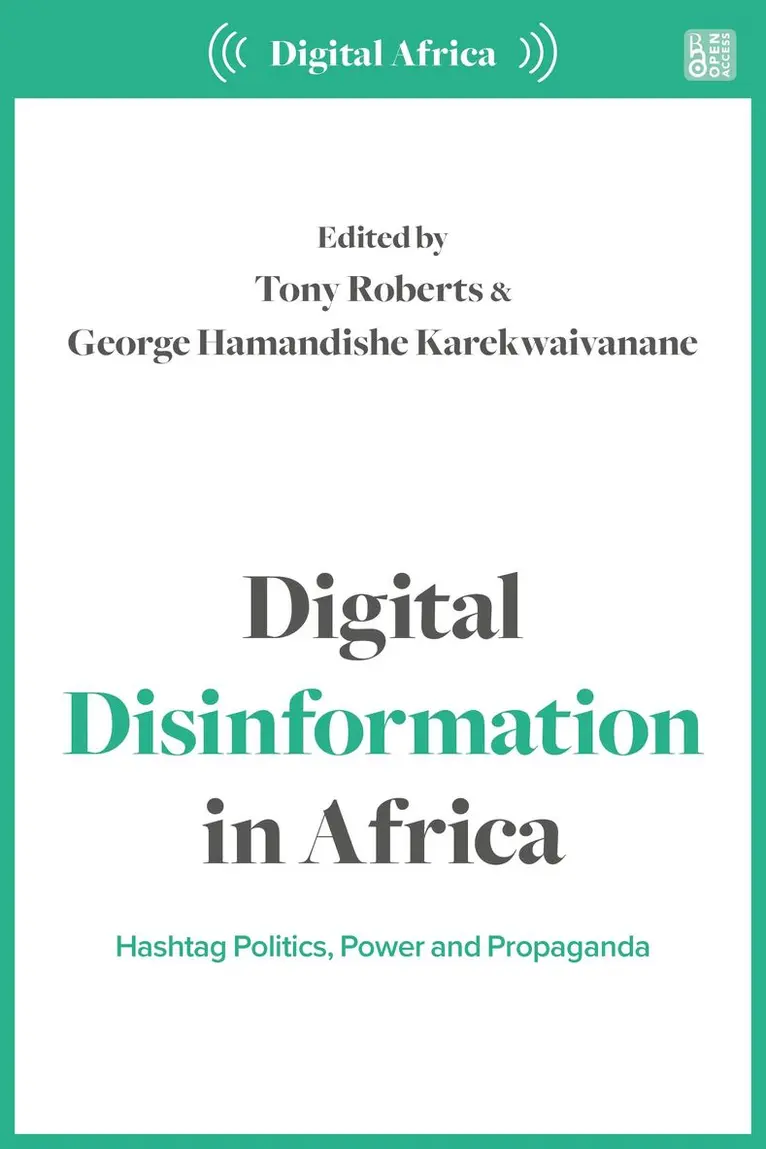
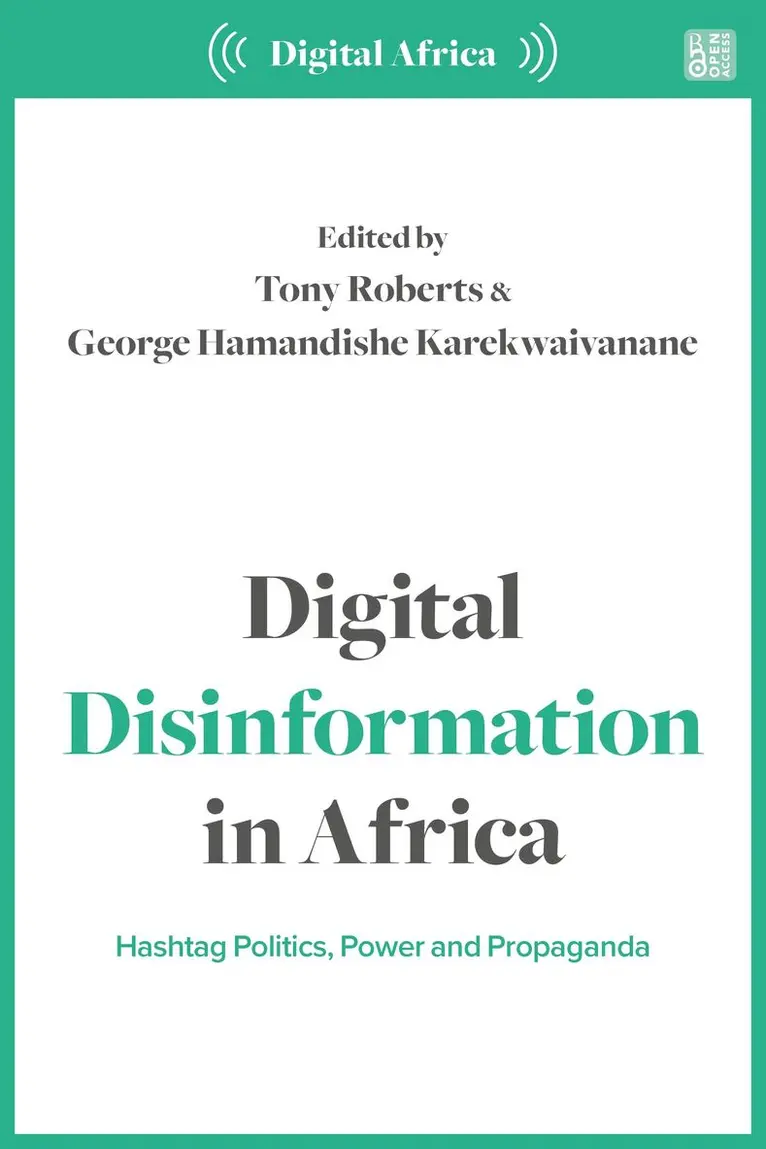
In an era when hashtag campaigns like #MeToo and #BlackLivesMatter capture global attention for victims of injustice, politicians and corporations are now spending billions employing Cambridge Analytica-type consultancies to manufacture disinformation - employing trolls, cyborgs and bots to disrupt dialogue and drown-out dissent. In the first study of its kind, this open-access book presents a range of case studies of these emerging dynamics across Africa, mapping and analyzing disinformation operations in ten different countries, and using innovative techniques to determine who is producing and coordinating these increasingly sophisticated disinformation machines.Drawing on scholars from across the continent, case studies document the actors and mechanisms used to profile citizens, manipulate beliefs and behaviour, and close the political space for democratic dialogue and policy debate. Chapters include examinations of how the Nigerian government deployed disinformation when the #EndSARS campaign focused attention on police brutality and corruption; insights into how pro-government actors responded to the viral #ZimbabweanLivesMatter campaign; and how misogynists mobilized against the #AmINext campaign against gender-based violence in South Africa.Through the documentation of episodes of unruly politics in digital spaces, these studies provide a valuable assessment of the implications of these dynamics for digital rights, moving beyond a focus on elaborations of the idea of ‘fake news’, and providing actionable recommendations in the areas of policy, legislation and practice.The ebook editions of this book are available open access under a CC BY-NC-ND 4.0 licence on bloomsburycollections.com.
942 kr
Skickas inom 10-15 vardagar
In an era when hashtag campaigns like #MeToo and #BlackLivesMatter capture global attention for victims of injustice, politicians and corporations are now spending billions employing Cambridge Analytica-type consultancies to manufacture disinformation - employing trolls, cyborgs and bots to disrupt dialogue and drown-out dissent. In the first study of its kind, this open-access book presents a range of case studies of these emerging dynamics across Africa, mapping and analyzing disinformation operations in ten different countries, and using innovative techniques to determine who is producing and coordinating these increasingly sophisticated disinformation machines.Drawing on scholars from across the continent, case studies document the actors and mechanisms used to profile citizens, manipulate beliefs and behaviour, and close the political space for democratic dialogue and policy debate. Chapters include examinations of how the Nigerian government deployed disinformation when the #EndSARS campaign focused attention on police brutality and corruption; insights into how pro-government actors responded to the viral #ZimbabweanLivesMatter campaign; and how misogynists mobilized against the #AmINext campaign against gender-based violence in South Africa.Through the documentation of episodes of unruly politics in digital spaces, these studies provide a valuable assessment of the implications of these dynamics for digital rights, moving beyond a focus on elaborations of the idea of ‘fake news’, and providing actionable recommendations in the areas of policy, legislation and practice.The ebook editions of this book are available open access under a CC BY-NC-ND 4.0 licence on bloomsburycollections.com.
297 kr
Skickas
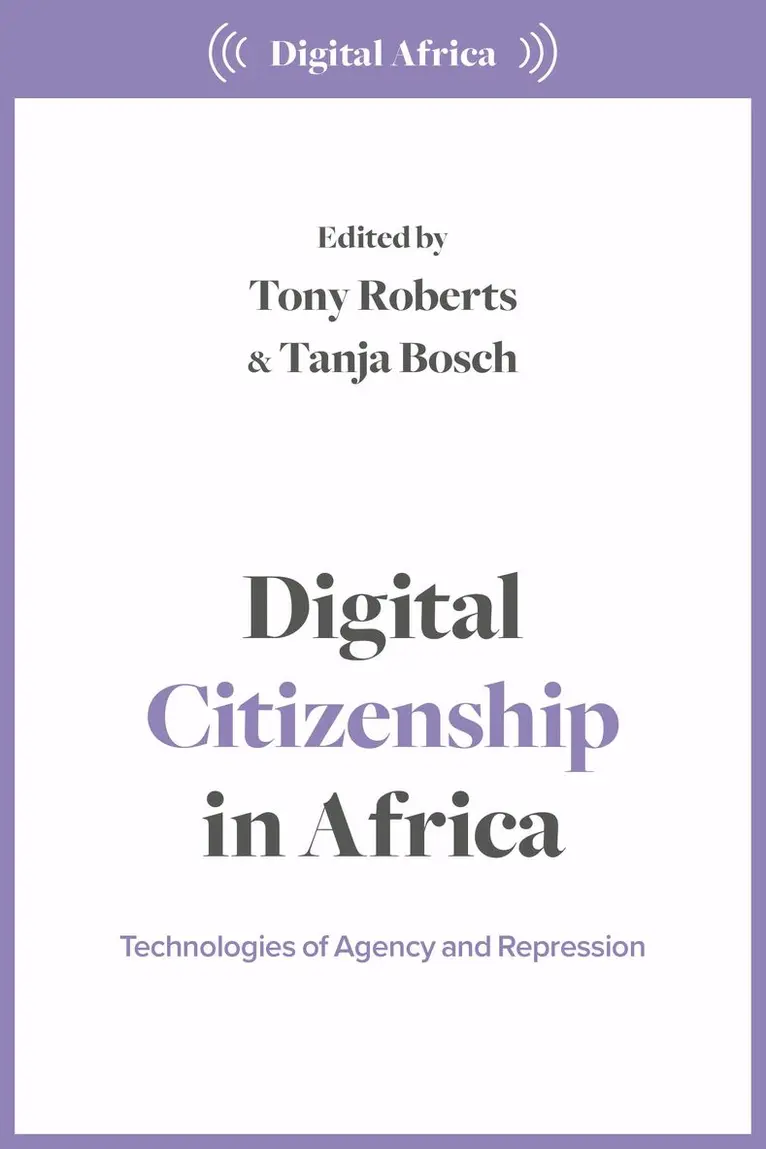
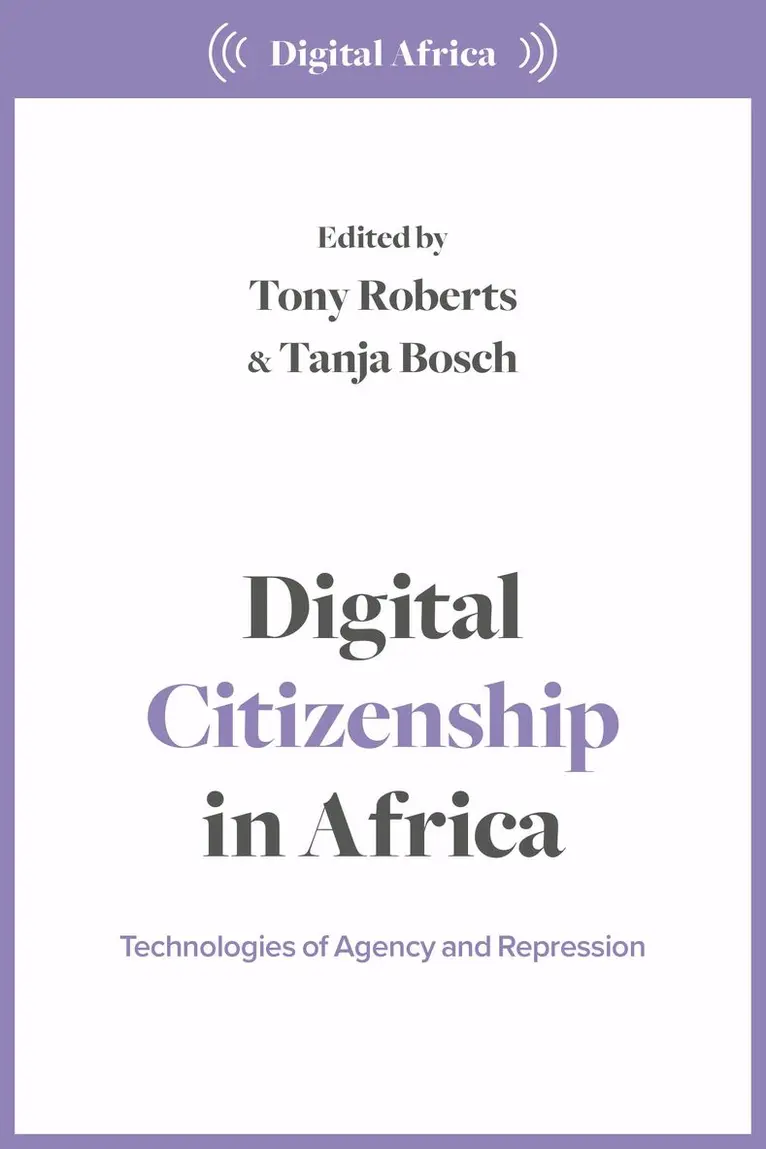
Since the so-called Arab Spring, citizens of African countries have continued to use digital tools in creative ways to ensure that marginalised voices are heard, and to demand for the rights they are entitled to in law: to freely associate, to form opinions, and to express them online without fear of violence or arrest. The authors of this compelling open access volume have brought to life this dramatic struggle for the digital realm between citizens and governments; documenting in vivid detail how citizens are using mobile and internet tools in powerful viral global campaigns to hold governments accountable and force policy change.With contributions from scholars across the continent, Digital Citizenship in Africa illustrates how citizens have been using VPNs, encryption, and privacy-protecting browsers to resist limits on their rights to privacy and political speech. This book dramatically expands our understanding of the vast and growing arsenal of tech tools, tactics, and techniques now being deployed by repressive governments to limit the ability of citizens to safely and openly express opposition to government and corporate actions. AI-enabled surveillance, covertly deployed disinformation, and internet shutdowns are documented in ten countries, concluding with recommendations on how to curb government and corporate power, and how to re-invigorate digital citizenship across Africa.The ebook editions of this book are available open access under a CC BY-NC-ND 4.0 licence on bloomsburycollections.com.
942 kr
Skickas inom 10-15 vardagar
Since the so-called Arab Spring, citizens of African countries have continued to use digital tools in creative ways to ensure that marginalised voices are heard, and to demand for the rights they are entitled to in law: to freely associate, to form opinions, and to express them online without fear of violence or arrest. The authors of this compelling open access volume have brought to life this dramatic struggle for the digital realm between citizens and governments; documenting in vivid detail how citizens are using mobile and internet tools in powerful viral global campaigns to hold governments accountable and force policy change.With contributions from scholars across the continent, Digital Citizenship in Africa illustrates how citizens have been using VPNs, encryption, and privacy-protecting browsers to resist limits on their rights to privacy and political speech. This book dramatically expands our understanding of the vast and growing arsenal of tech tools, tactics, and techniques now being deployed by repressive governments to limit the ability of citizens to safely and openly express opposition to government and corporate actions. AI-enabled surveillance, covertly deployed disinformation, and internet shutdowns are documented in ten countries, concluding with recommendations on how to curb government and corporate power, and how to re-invigorate digital citizenship across Africa.The ebook editions of this book are available open access under a CC BY-NC-ND 4.0 licence on bloomsburycollections.com.
297 kr
Skickas inom 7-10 vardagar
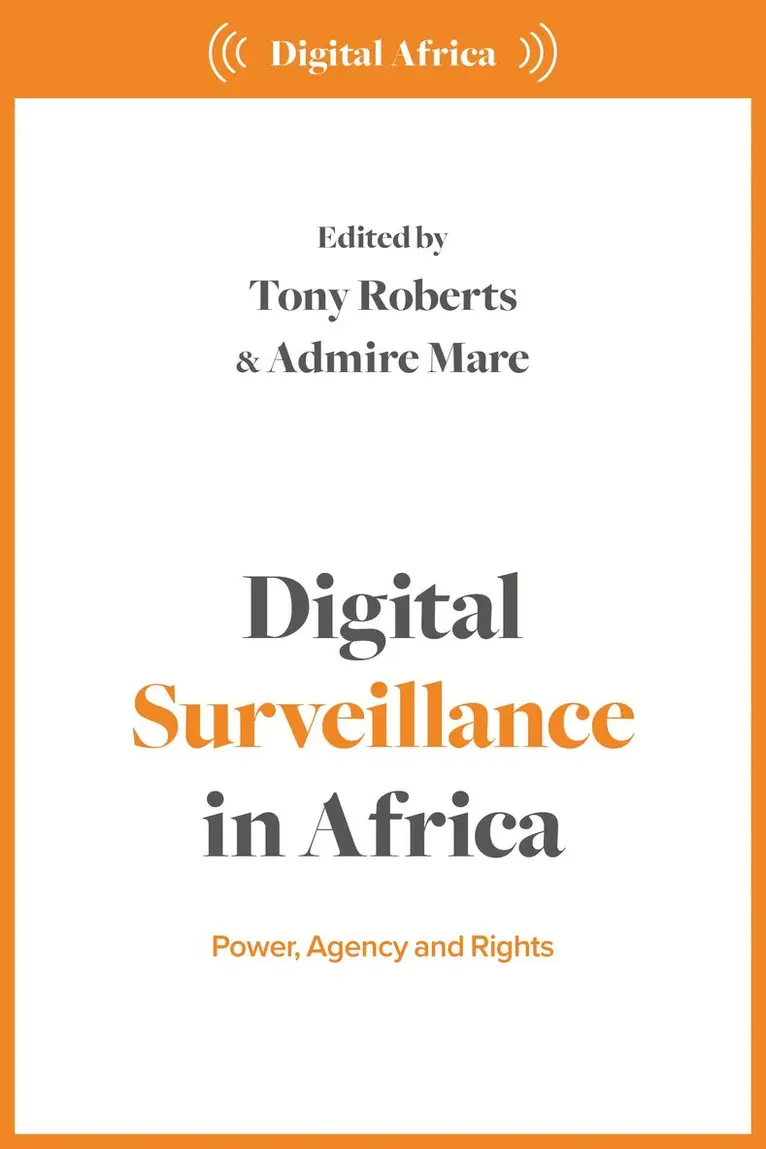
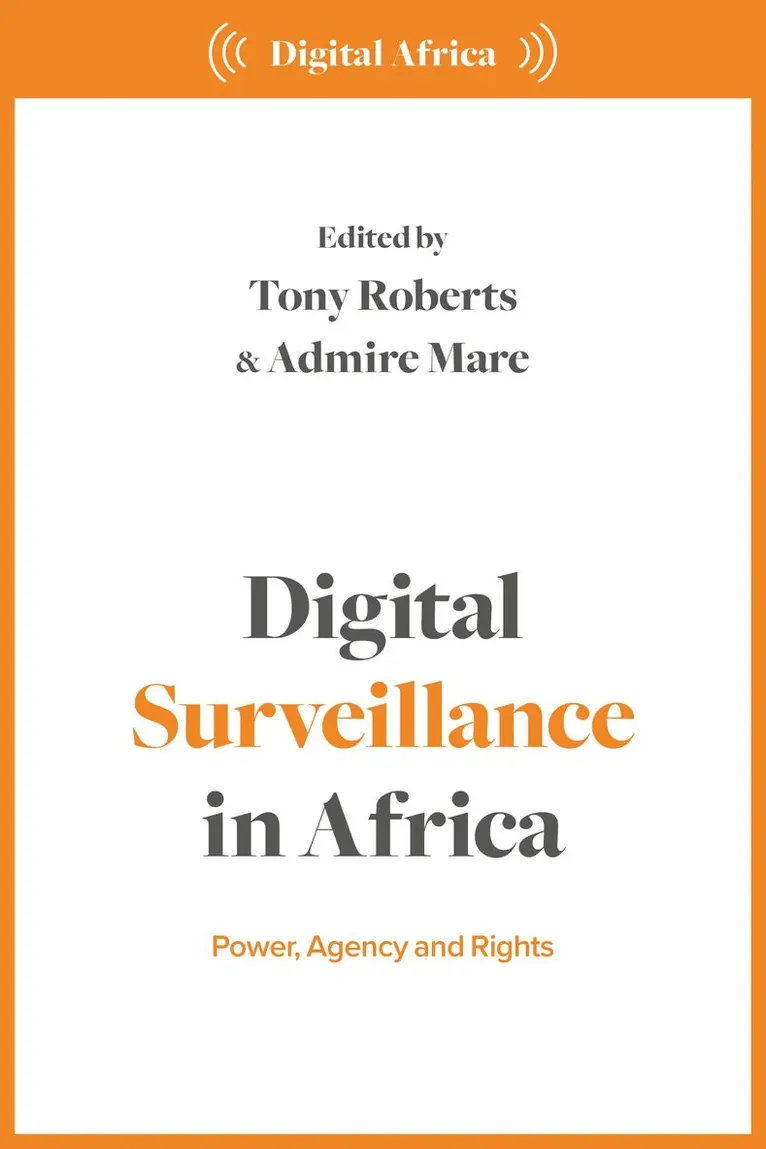
Choice 2025 Outstanding Academic TitleMedia coverage and scholarly research on digital surveillance has focused primarily on the USA and Europe. Everyone knows about Cambridge Analytica’s social media surveillance; Edward Snowden’s revelations of the West’s mass internet and phone surveillance; and Pegasus Spyware’s mobile phone surveillance of activists, journalists, judges, and presidents across the world. Comparatively little is known about the millions of dollars now being spent on digital technologies for use in the illegal and illegitimate surveillance of citizens in Africa.In this open-access third volume of Bloomsbury’s Digital Africa series, a broad range of African and European scholars and practitioners map the development, procurement and (mis)use of the ever-expanding suite of digital surveillance and policing technologies across the continent. Drawing on the empirically rich, theoretically sophisticated research of the African Digital Rights Network, this book examines how public and private actors in Africa use spyware, mobile phone extraction, biometric and face recognition systems, and other technologies for smart-city and other social, and social-control, applications. Eight chapters examine eight African countries, and each of these begins with a thorough political history of the nature of surveillance there under colonial and post-liberation political settlements. This enables new analyses of the socio-cultural, political, and economic drivers and characteristics of contemporary digital surveillance in each country, all of which ultimately leads to concrete policy recommendations at local, national, and international levels.For its empirical richness and breadth, as well as its theoretical sophistication, Digital Surveillance in Africa is essential reading for anyone interested in contemporary African studies, and it is of keen interest to anyone concerned with how digital surveillance affects everyday lives across the world.The ebook editions of this book are available open access under a CC BY-NC-ND 4.0 licence on bloomsburycollections.com. Open access was funded by Civic Futures.
875 kr
Skickas inom 10-15 vardagar
Choice 2025 Outstanding Academic TitleMedia coverage and scholarly research on digital surveillance has focused primarily on the USA and Europe. Everyone knows about Cambridge Analytica’s social media surveillance; Edward Snowden’s revelations of the West’s mass internet and phone surveillance; and Pegasus Spyware’s mobile phone surveillance of activists, journalists, judges, and presidents across the world. Comparatively little is known about the millions of dollars now being spent on digital technologies for use in the illegal and illegitimate surveillance of citizens in Africa.In this open-access third volume of Bloomsbury’s Digital Africa series, a broad range of African and European scholars and practitioners map the development, procurement and (mis)use of the ever-expanding suite of digital surveillance and policing technologies across the continent. Drawing on the empirically rich, theoretically sophisticated research of the African Digital Rights Network, this book examines how public and private actors in Africa use spyware, mobile phone extraction, biometric and face recognition systems, and other technologies for smart-city and other social, and social-control, applications. Eight chapters examine eight African countries, and each of these begins with a thorough political history of the nature of surveillance there under colonial and post-liberation political settlements. This enables new analyses of the socio-cultural, political, and economic drivers and characteristics of contemporary digital surveillance in each country, all of which ultimately leads to concrete policy recommendations at local, national, and international levels.For its empirical richness and breadth, as well as its theoretical sophistication, Digital Surveillance in Africa is essential reading for anyone interested in contemporary African studies, and it is of keen interest to anyone concerned with how digital surveillance affects everyday lives across the world.The ebook editions of this book are available open access under a CC BY-NC-ND 4.0 licence on bloomsburycollections.com. Open access was funded by Civic Futures.
875 kr
Skickas inom 10-15 vardagar
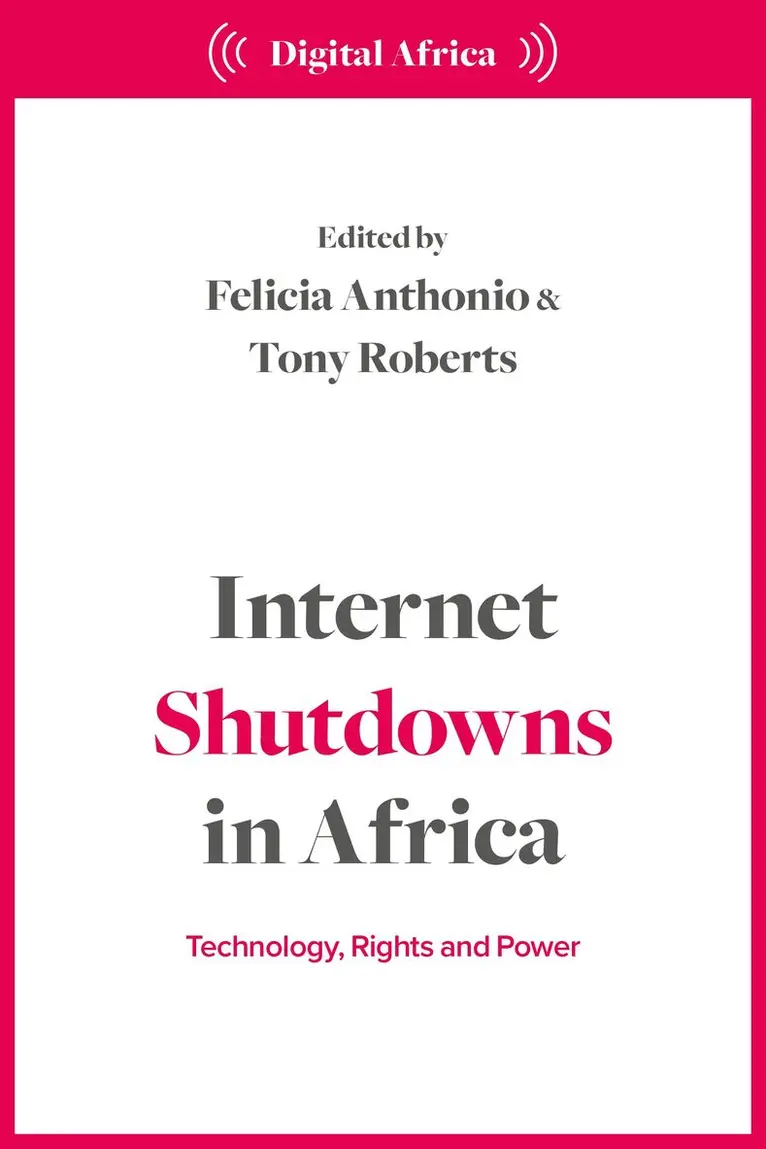
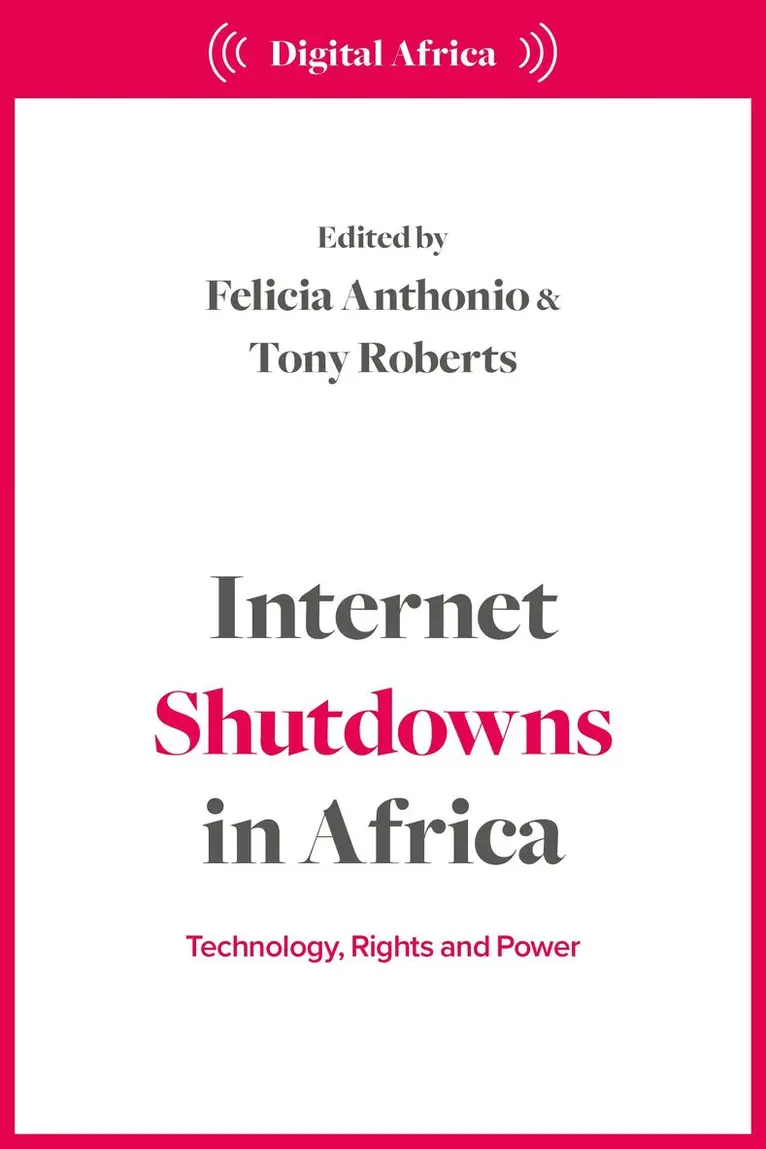
This open access book provides ten in-depth case studies of state-sponsored internet shutdowns across all regions of Africa. In so doing, it offers the first-ever comparative analysis of how African states use internet shutdowns as tools to close civic space, suppress opposition, and maintain power.Authored entirely by African researchers, Internet Shutdowns in Africa shows how shutdowns are used as a tactic of war, to blackout news of state violence, or to disrupt opposition protests. At the same time, the findings gathered here demonstrate the wide variety of forms these shutdowns take: they can be nationwide or localised; they can target a specific social media platform or website; or they can avoid the appearance of a complete shutdown by throttling connection speeds; and all of these types of shutdowns can last weeks, months, or even years. Ultimately, the book provides a unique comparative assessment of the dramatic economic, social, and political consequences of shutdowns – some intentional and some unintended - as well as on how different demographic groups are affected in very different ways, all of which produces actionable recommendations.The ebook editions of this book are available open access under a CC BY-NC-ND 4.0 licence on bloomsburycollections.com.
297 kr
Skickas inom 7-10 vardagar
This open access book provides ten in-depth case studies of state-sponsored internet shutdowns across all regions of Africa. In so doing, it offers the first-ever comparative analysis of how African states use internet shutdowns as tools to close civic space, suppress opposition, and maintain power.Authored entirely by African researchers, Internet Shutdowns in Africa shows how shutdowns are used as a tactic of war, to blackout news of state violence, or to disrupt opposition protests. At the same time, the findings gathered here demonstrate the wide variety of forms these shutdowns take: they can be nationwide or localised; they can target a specific social media platform or website; or they can avoid the appearance of a complete shutdown by throttling connection speeds; and all of these types of shutdowns can last weeks, months, or even years. Ultimately, the book provides a unique comparative assessment of the dramatic economic, social, and political consequences of shutdowns – some intentional and some unintended - as well as on how different demographic groups are affected in very different ways, all of which produces actionable recommendations.The ebook editions of this book are available open access under a CC BY-NC-ND 4.0 licence on bloomsburycollections.com.
297 kr
Skickas inom 7-10 vardagar
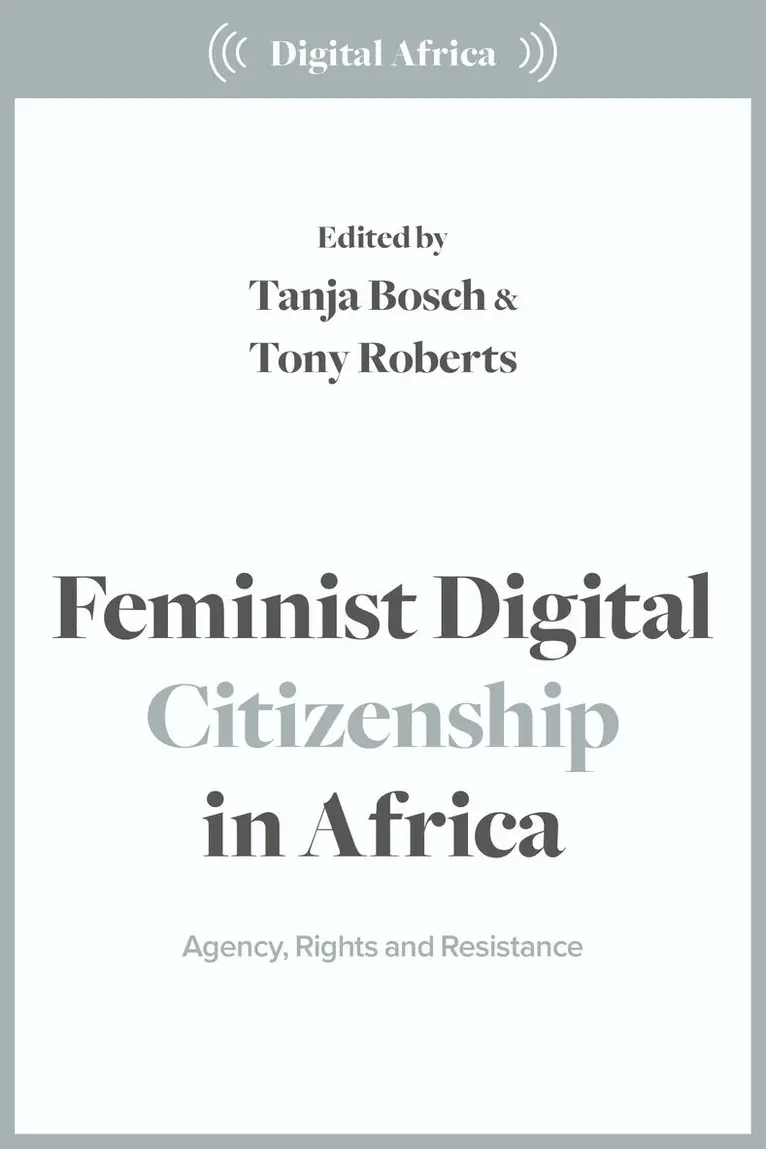
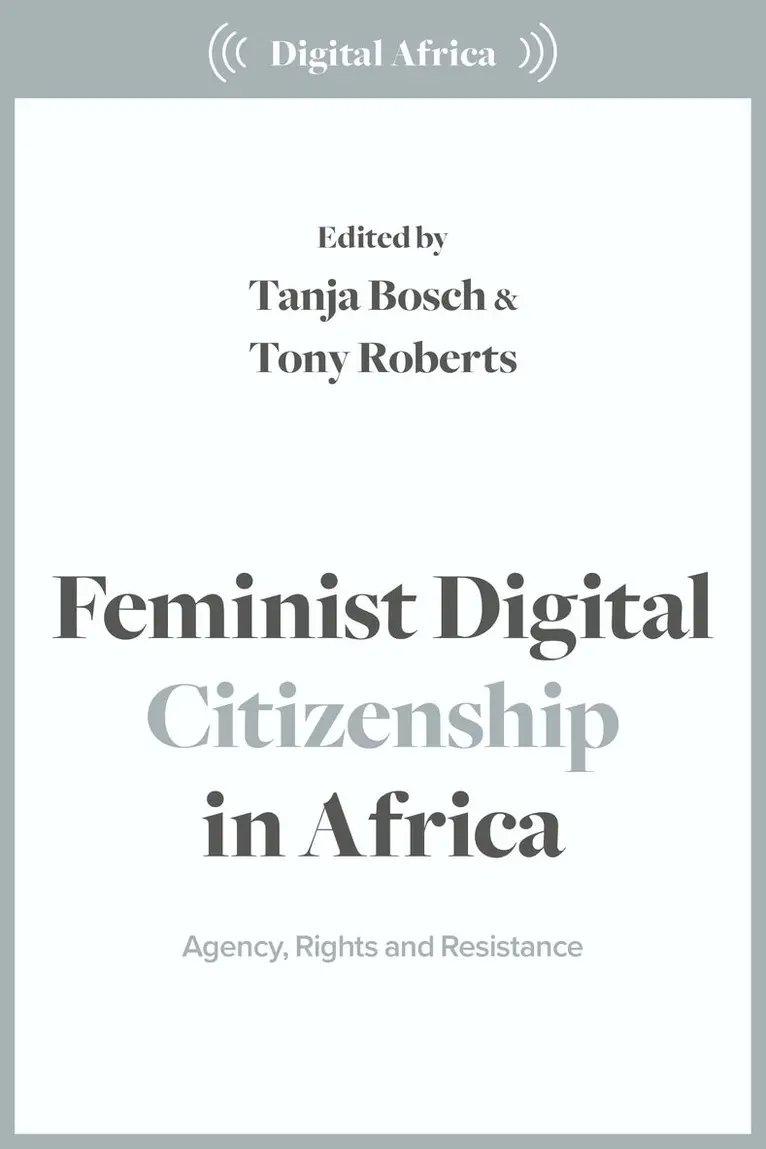
This open access edited collection offers the first-ever book-length volume on feminist digital citizenship in Africa. It offers multiple, theoretically grounded case studies by African researchers covering countries across the length and breadth of the continent, including non-majority-English countries such as Malawi, Mozambique, and Senegal, which tend to receive less coverage in Anglophone scholarship.These studies newly identify uniquely African practices of digital feminist activism. In so doing, they further develop our understanding feminist digital citizenship, especially when it comes to globally relevant themes such as intersections between gender and class and between gender and religion. This leads in turn to new insights into the developmental phases and overall nature of digital social movements more generally.The ebook editions of this book are available open access under a CC BY-NC-ND 4.0 licence on bloomsburycollections.com. Open access was funded by the Bloomsbury Open Collections Library Collective.
875 kr
Skickas inom 10-15 vardagar
This open access edited collection offers the first-ever book-length volume on feminist digital citizenship in Africa. It offers multiple, theoretically grounded case studies by African researchers covering countries across the length and breadth of the continent, including non-majority-English countries such as Malawi, Mozambique, and Senegal, which tend to receive less coverage in Anglophone scholarship.These studies newly identify uniquely African practices of digital feminist activism. In so doing, they further develop our understanding feminist digital citizenship, especially when it comes to globally relevant themes such as intersections between gender and class and between gender and religion. This leads in turn to new insights into the developmental phases and overall nature of digital social movements more generally.The ebook editions of this book are available open access under a CC BY-NC-ND 4.0 licence on bloomsburycollections.com. Open access was funded by the Bloomsbury Open Collections Library Collective.
888 kr
Kommande
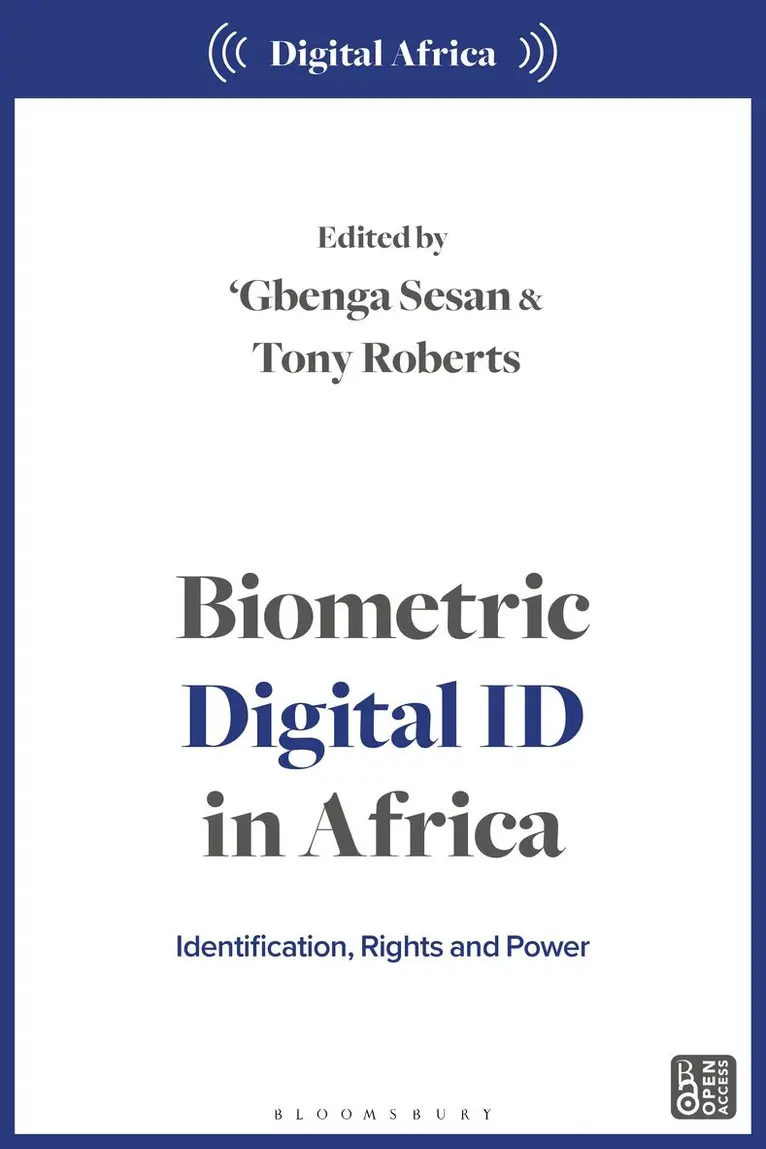
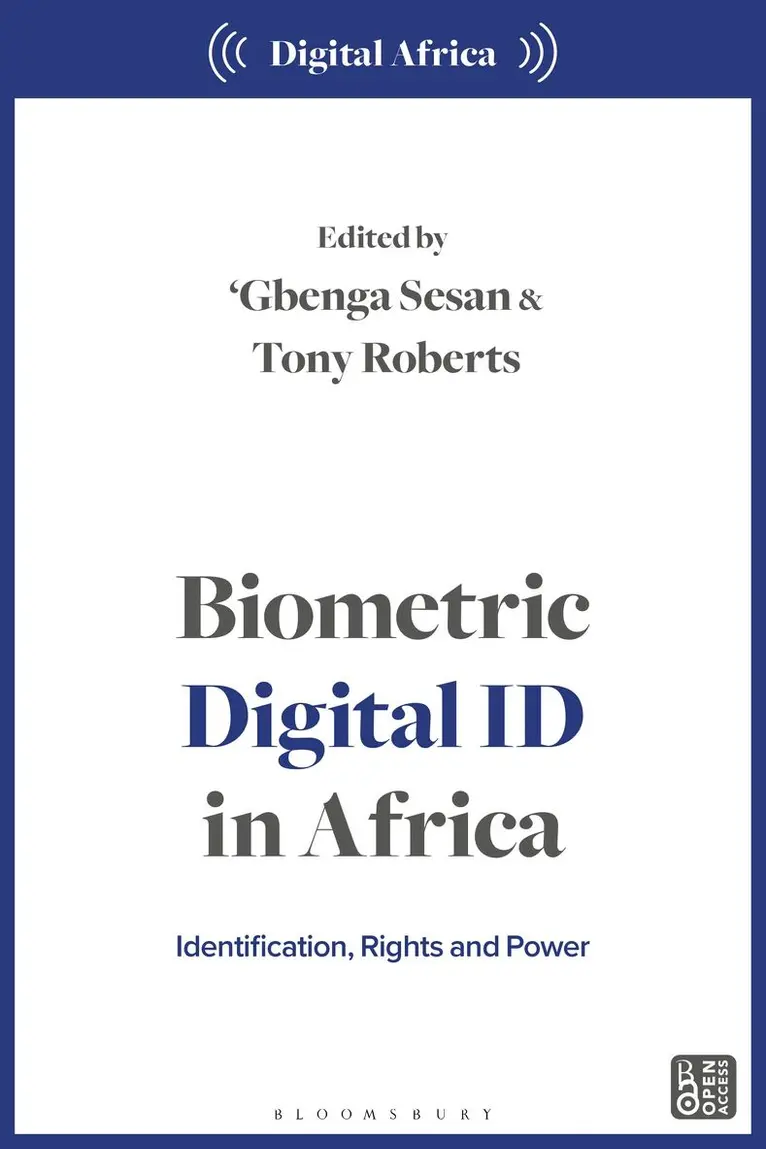
Gathering nine country case studies from every region in Africa, this open access book explores who biometric digital-ID benefits and who it disadvantages. As technological advancements lead to widespread adoption of digital-IDs across the world, concerns are emerging regarding their potential role in mass surveillance, human rights violations, state control,and political influence. While millions of African citizens benefit from the increased speed and convenience of being able to digitally verify their entitlement to certain services, many rural, elderly, illiterate, disabled, and stateless people are now unable to access the same services. The effects of digital identification systems on citizens rights and power relations in Africa are not well understood. This book addresses that deficit. Each chapter is written by digital rights researchers or emerging African scholars, and offers in-depth examinations of these crucial issues through the real-life experiences of African citizens. Each chapter is situates the emergence of biometric digital-ID within that country's specific political and economic context, as well as its pre-digital forms of identification and governance. The ebook editions of this book are available open access under a CC BY-NC-ND 4.0 licence on bloomsburycollections.com. Open access was funded by the Open Society Foundations.
305 kr
Kommande
Gathering nine country case studies from every region in Africa, this open access book explores who biometric digital-ID benefits and who it disadvantages. As technological advancements lead to widespread adoption of digital-IDs across the world, concerns are emerging regarding their potential role in mass surveillance, human rights violations, state control,and political influence. While millions of African citizens benefit from the increased speed and convenience of being able to digitally verify their entitlement to certain services, many rural, elderly, illiterate, disabled, and stateless people are now unable to access the same services. The effects of digital identification systems on citizens rights and power relations in Africa are not well understood. This book addresses that deficit. Each chapter is written by digital rights researchers or emerging African scholars, and offers in-depth examinations of these crucial issues through the real-life experiences of African citizens. Each chapter is situates the emergence of biometric digital-ID within that country's specific political and economic context, as well as its pre-digital forms of identification and governance. The ebook editions of this book are available open access under a CC BY-NC-ND 4.0 licence on bloomsburycollections.com. Open access was funded by the Open Society Foundations.