Directions in Development - Energy and Mining - Böcker
Visar alla böcker i serien Directions in Development - Energy and Mining. Handla med fri frakt och snabb leverans.
11 produkter
11 produkter
281 kr
Skickas inom 10-15 vardagar
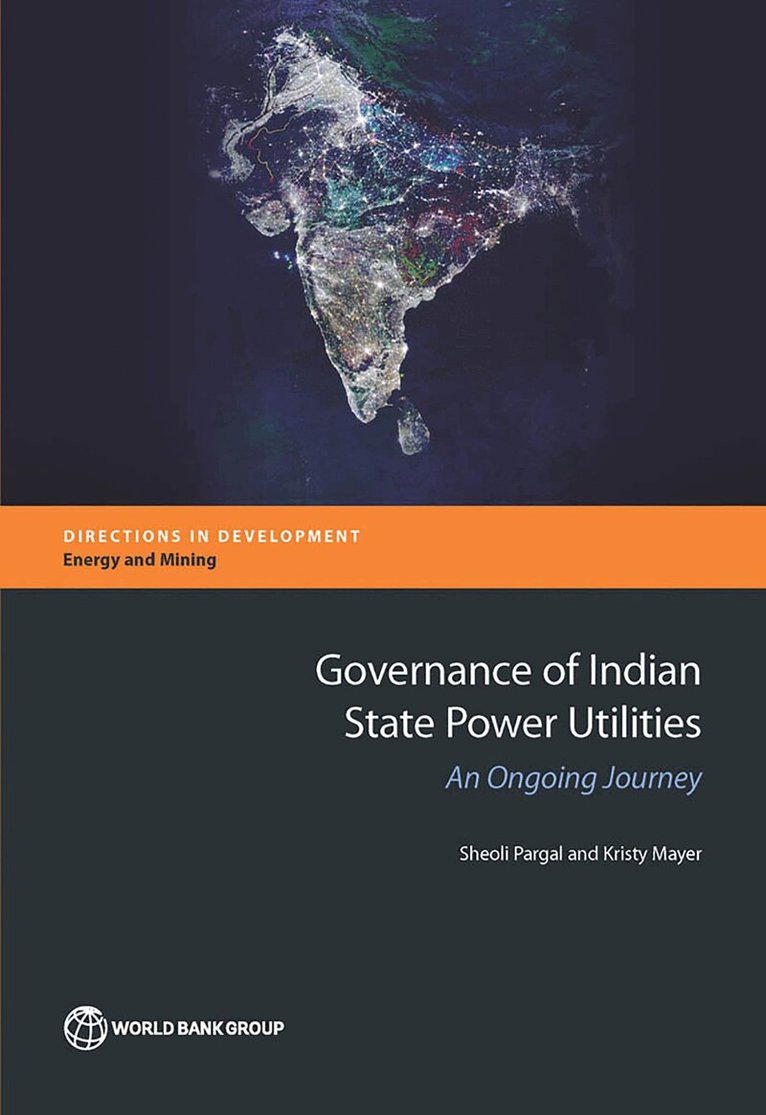
This World Bank review of India's power sector assesses state-wise progress in implementing the government's reform agenda two decades after the liberalization of India's economy and a decade after the passage of the forward-looking Electricity Act of 2003 (EA). It examines the performance of the sector along the following dimensions, drawing on in-depth background papers–achievements in access, the financial and operational performance of utilities, governance, private participation, and the coverage and targeting of domestic user subsidies.Despite considerable progress in implementing the EA mandates and associated policies over the past decade, the report shows that sector finances remain weak. After-tax losses in 2011 were equivalent to nearly 17 percent of India's gross fiscal deficit and around 0.7 percent of GDP; they were concentrated in the distribution segment. Twenty years after the initiation of reforms, an inefficient, loss-making power sector and inadequate and unreliable power supply are major constraints to India's growth, inclusion, job creation, and aspirations for middle-income country status.This report shows that achieving sector outcomes is linked closely to the degree to which each state has implemented the EA. Key reforms mandated by the EA have still not been implemented in full, with progress in promoting competition lagging furthest behind. Further, multiple institutions with diffuse accountability have undermined the sector's commercial orientation: state governments are a major presence with a generally detrimental impact on utility operations; the regulatory environment has not sufficiently pushed utilities to improve performance; and, the flow of liquidity from lenders has limited the pressure on discoms to improve performance and on state governments to allow tariff increases.An important contribution of this report is its forthright recognition that poor power sector performance in India is rooted in distribution inefficiencies and limited accountability. This leads the authors to conclude with recommendations directed at these specific aspects in order to improve service delivery and other metrics of sector performance, put the sector on a financially sustainable path, and help ensure that power is no longer a bottleneck for growth.
281 kr
Skickas inom 10-15 vardagar
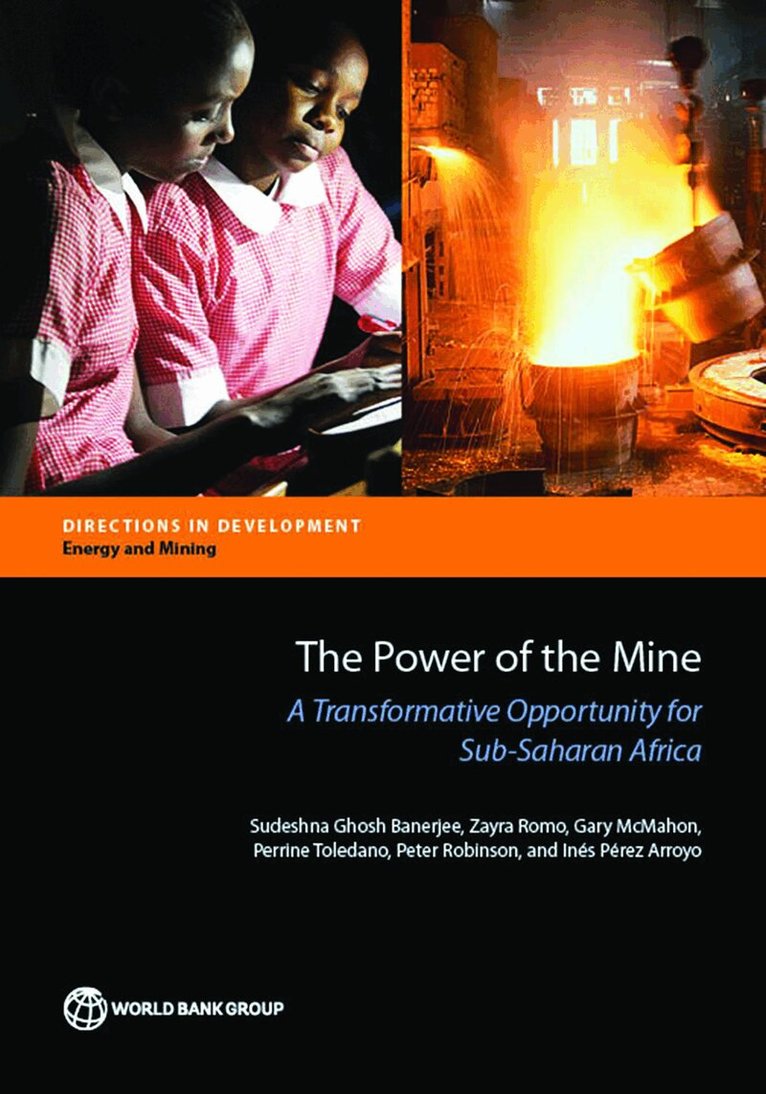
Africa needs power - to grow its economies and enhance the welfare of its people. Power for all is still a long distance away – two thirds of the population remains without electricity and enterprises rank electricity as a top constraint to doing business. This sub-optimal situation coexists while vast energy resources remain untapped. One solution to harness these resources could be to tap into the concept of anchor load. Mining industry lends itself to the concept of anchor load as it needs power in large quantity and reliable quality to run its processes. Underpinned by a comprehensive database of mining projects between 2000 and 2020, this report explores the potential and challenges of using mining demand for power as anchor load for national power system development and expansion of electrification. This report finds that mining demand can indeed be a game-changer – an opportunity where policymakers and international community can make a difference in tapping the enormous mineral wealth of Africa for the benefit of so many people. The utilities would benefit from having mining companies as creditworthy consumers that facilitate generation and transmission investments producing economies of scale needed for large infrastructure projects, benefiting all consumers in the system. The mines would benefit from grid supply—typically priced much lower than self-supply—which allows them to focus on their core business, greatly enhancing their competitiveness. The country would benefit from more exports and tax revenues from mines, more job opportunities in local firms selling goods and services to the mines, and a higher GDP. The report estimates that mining demand for power can triple since 2000 going upto 23 GW in 2030. While South Africa will continue to be the dominant presence in mining landscape, its importance will reduce and other countries, primarily in Southern African region, will emerge as important contributers of mining demand for power. Simulations in countries with minimal power-mining interface suggests that bringing this demand explicitly into the power planning process can ensure more investments in both grid and off-grid power systems and potentially superior service delivery outcomes for mines as well as communities. These opportunities can also be attractive investment destinations for private sector. However, there are also risks and institutional roadblocks in power-mining integration – addressing many of them and employing risk mitigation mechanism are within the control of policymakers.
281 kr
Skickas inom 10-15 vardagar
This World Bank review, Governance of Indian State Power Utilities: An Ongoing Journey, is a first attempt to systematically examine the quality of corporate and regulatory governance in the Indian power sector. Considering that much of the poor performance of utilities reflected internal and external shortfalls in governance, India's Electricity Act of 2003 mandated unbundling and corporatizing the vertically integrated state electricity boards, along with establishing independent regulators at the center and in the states. The aim was to create a more accountable and commercial performance culture. A particular motivation was the need to keep the state government at arm's length from utilities and regulators alike.This review assesses aspects of corporate governance that would be expected to increase the internal and external accountability of utilities; the institutional design of state-level regulation; and the extent to which regulators have implemented key elements of their mandate. In addition, it examines the correlation between the adoption of recommended corporate governance practices and utility performance, and between regulatory governance and utility performance.It finds that while unbundling the electricity boards has progressed quite well on paper, actual separation and functional independence of the unbundled entities is considerably less than it appears–and clearly identifying the contributions of individual entities in the service value chain and holding them accountable for their performance remains difficult. Corporatization has been unable to insulate utilities from state interference because boards remain state dominated, lack sufficient decision-making authority, and are rarely evaluated on performance.Also, the regulatory environment has not sufficiently pushed utilities to improve performance. State electricity regulatory commissions have been established in all states, but a lack of accountability and autonomy and limited technical capacity have restricted their ability to create an independent, transparent, and unbiased governance framework for the sector that balances consumer and investor/utility interests.
391 kr
Skickas inom 10-15 vardagar
The novelty of this work is the fact that it introduces a rigorous and objective economic perspective of current renewable energy support mechanisms and an empirical analysis of the strengths and weaknesses of these mechanisms, which is much needed in a debate often dominated by widespread misconceptions. The economic rationale for renewable energy is straightforward: the optimum amount of renewable energy for grid-connected generation is given by the intersection of the renewable energy supply curve with the avoided cost of thermal electricity generation.The proposed analytical framework: (i) differentiates and illustrates trade-offs-among local, regional, and national impacts, in the short and long run; (ii) captures distributional impacts; and (iii) captures externalities and compares alternative projects based on equivalent output and cost. Accordingly, the study advocates for the need to get the economic, financial, and institutional basics right for the deployment of renewable energy. The study's integration of renewable energy subsidies with fossil subsidies is another novel and important contribution. This allows important comparisons. For example, to reduce carbon intensity in developing country economies, is it more efficient to deploy renewable energy or implement alternative options, such as eliminating subsidies on fossil fuels?The work is based on case studies of Vietnam, Indonesia, Sri Lanka, South Africa, Tanzania, Egypt, Brazil, and Turkey, selected to provide a representative sample of countries with different energy endowments (coal, natural gas, and hydro-based systems) and policy incentives (from feed-in tariffs to auctions).Along the way, the incremental cost of renewable energy is compared with the average cost of generation. The selection and design of support mechanisms in turn determines the impacts on the budget and residential consumers.The main lessons emerging from the case studies are that successful renewable energy policies:Will only be effective once the state-owned utilities who are the buyers of grid-connected renewable energy are themselves in good financial healthNeed to be grounded in economic analysis and accompanied by the application of market principles to ensure economic efficiencyRequire a sustainable, equitable, and transparent recovery of incremental costs
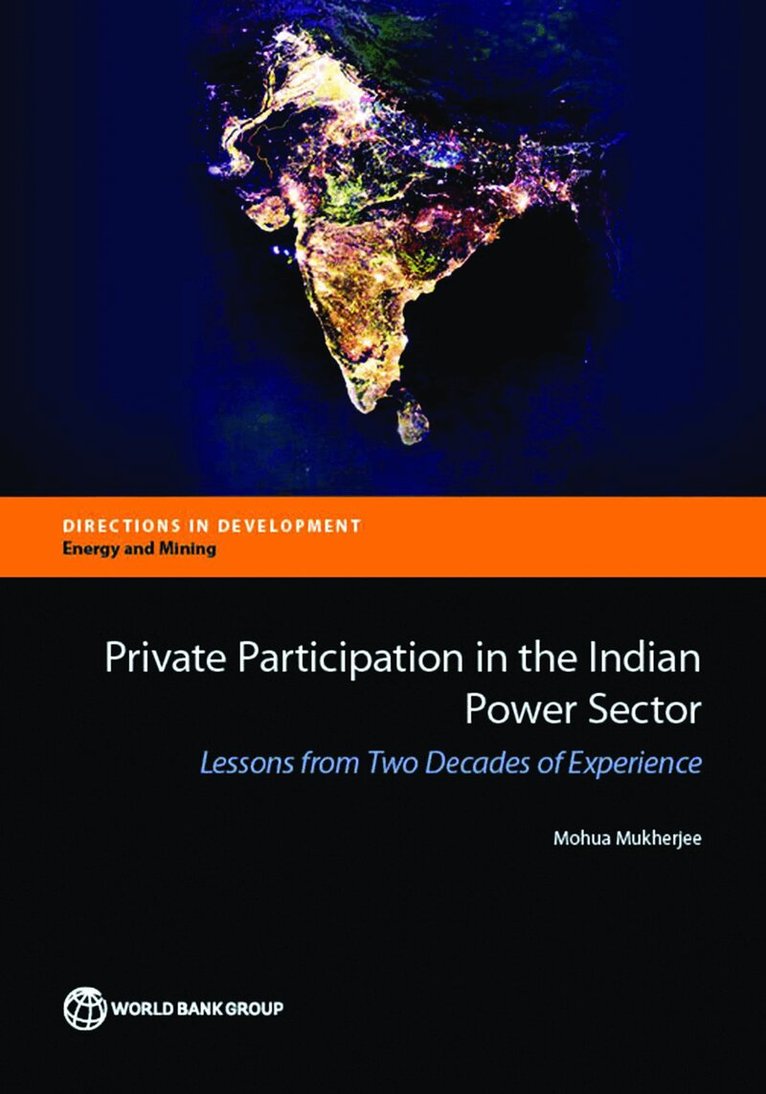
Private Participation in the Indian Power Sector
Lessons from Two Decades of Experience
Häftad, Engelska, 2014
336 kr
Skickas inom 10-15 vardagar
The state of the Indian power sector today is an acknowledged constraint to the country's growth aspirations. This book examines the home-grown Indian experience with private sector participation in power, identifies emerging risks, and proposes specific actions for government consideration, so that the power sector may fulfill its important role in India's growth story. Seeking financing, efficiency, and project management skills from the private sector to complement public sector efforts, the state governments and the central government have invited private participation in power for the past two decades. They have followed a continuously evolving process starting with the independent power producer policy of the early 1990s, which sought only to attract new investment in generation. Despite these efforts, the rate of growth in energy supply has not kept pace with the growth in demand. Much more private sector investment and engagement in the sector is likely to be required to complement the government's own efforts to improve supply, quality, and reliability of power.The passage of the Electricity Act of 2003 was a signature achievement, moving the sector away from the previous route of negotiated Memoranda of Understanding with investors to a market-driven approach that forced potential investors to compete aggressively for generation, and later also transmission, contracts. Removal of generation licensing requirements and the introduction of competition under the Electricity Act elicited a significant private sector response in generation, a limited but respectable response in transmission (few transmission lines were tendered in the first place), and a varied but limited response in distribution. The quality of baseline data provided to the distribution franchisee about the state of the network and the customer base is a perennial problem. Lessons learned about methods for successful distribution franchising, including specified loss reduction trajectories, are gradually finding their way into standardized bidding documents. Different qualification requirements for bidders are emerging for different locations. In the future, franchisees may also need greater independent access to power supply for their service areas, for example, by combining generation and distribution through private players.
273 kr
Skickas inom 10-15 vardagar
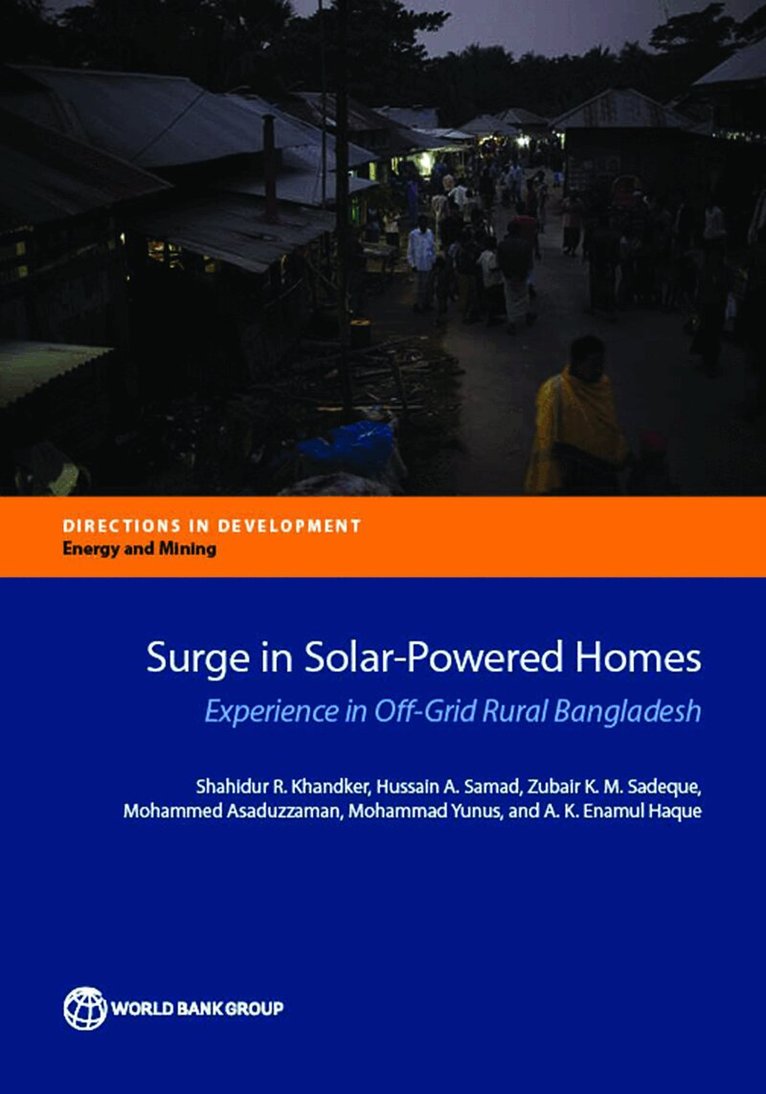
Bangladesh has the world's fastest growing, off-grid solar home system (SHS) coverage. In the past decade, the number of SHS installations has risen phenomenally–from a five-year target of 50,000 in 2003 to 50,000 a month in 2013, with support from the World Bank and other development partners. Even so, only 10 percent of off-grid households have been reached, suggesting ample room for continued expansion. Given the recent surge in SHS adoption, a key policy issue is whether the partial subsidy provided under the current program, implemented by the Infrastructure Development Company Limited (IDCOL), should be continued.Surge in Solar Powered Homes: Off-Grid Experience in Bangladesh assesses the country's remarkable growth in SHS, its support schemes, and the welfare impacts for rural households, using both large-scale household survey and institutional data. The book's findings clearly demonstrate that the social benefits from SHS adoption far exceed the cost of the subsidy. Within the current market incentive structure, there is tremendous scope for broadening the rural market reach. But the high upfront cost of purchasing a SHS at current market prices is a barrier to future sales, suggesting the continued need for IDCOL's well-targeted, subsidized operation.
Independent Power Projects in Sub-Saharan Africa
Lessons from Five Key Countries
Häftad, Engelska, 2016
433 kr
Skickas inom 10-15 vardagar
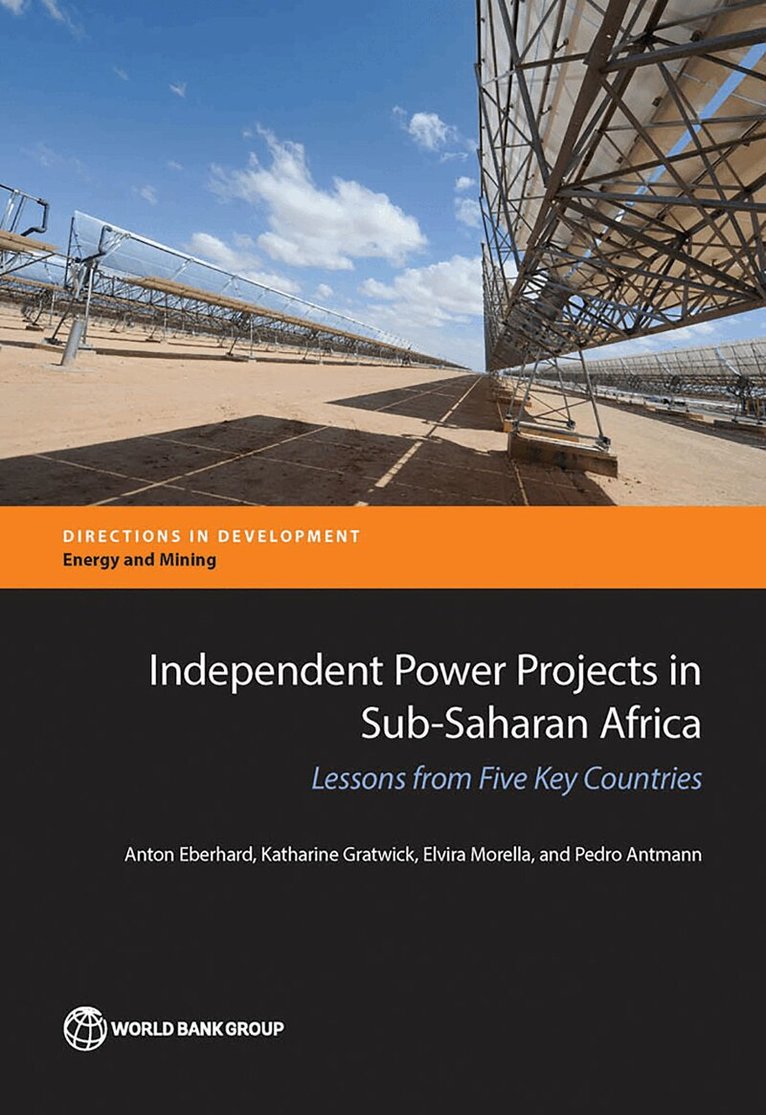
Inadequate electricity services pose a major impediment to reducing extreme poverty and boosting shared prosperity in Sub-Saharan Africa. Simply put, Africa does not have enough power. Despite the abundant low-carbon and low-cost energy resources available to Sub-Saharan Africa, the region s entire installed electricity capacity, at a little over 80 gigawatts (GW), is equivalent to that of the Republic of Korea. Looking ahead, Sub-Saharan Africa will need to ramp up its power generation capacity substantially. The investment needed to meet this goal largely exceeds African countries already stretched public finances. Increasing private investment is critical to help expand and improve electricity supply. Historically, most private sector finance has been channeled through privately financed independent power projects (IPPs), supported by nonrecourse or limited recourse loans, with long-term power purchase agreements with the state utility or another off-taker. Between 1990 and 2014, IPPs have spread across Sub-Saharan Africa and are now present in 18 countries. However, private investment could be much greater and less concentrated. The objective of Independent Power Projects in Sub-Saharan Africa: Lessons from Five Key Countries is to evaluate the experience of IPPs and identify lessons that can help African countries attract more and better private investment. The analysis is based primarily on in-depth case studies carried out in five countries Kenya, Nigeria, South Africa, Tanzania, and Uganda that have the most extensive experience with IPPs. At the core of this analysis is a reflection on whether IPPs have in fact benefited Sub-Saharan Africa, and how they might be improved.
Extending the Life of Reservoirs
Sustainable Sediment Management for RoR Hydropower and Dams
Häftad, Engelska, 2016
326 kr
Skickas inom 10-15 vardagar
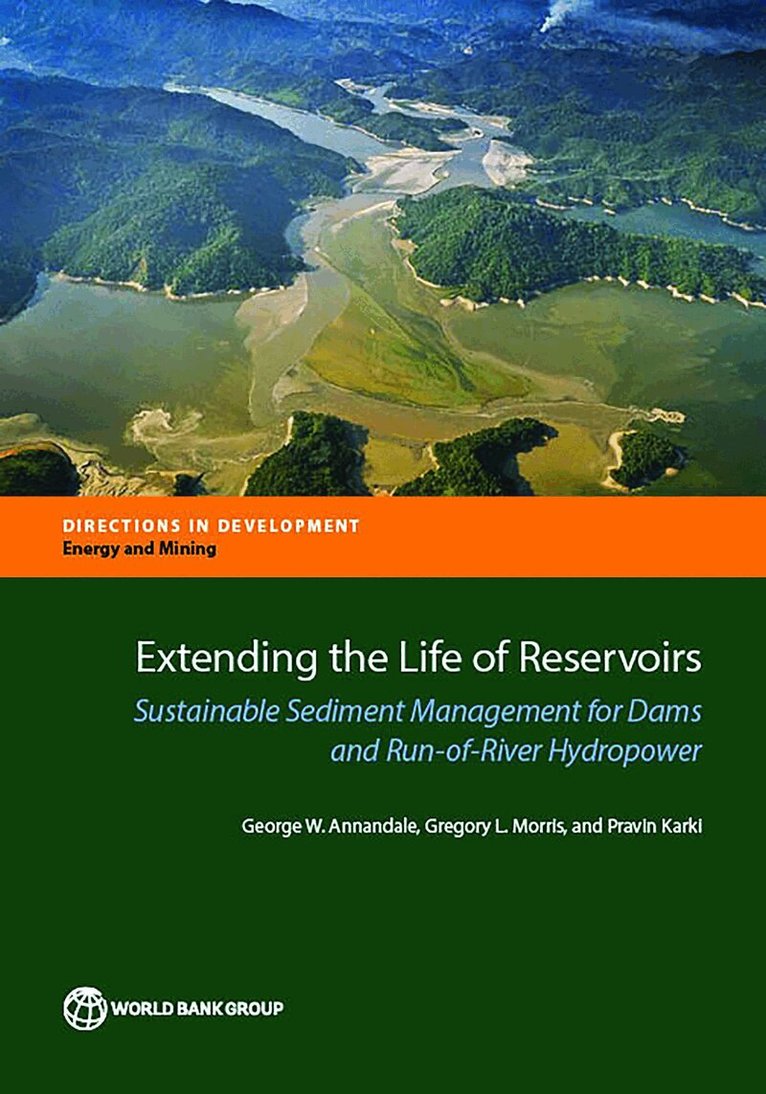
Written by two of the world's leading experts on sediment management, this report provides guidance on adopting sediment management practices for hydropower and water supply dam projects.
Stuck in Transition
Reform Experiences and Challenges Ahead in the Kazakhstan Power Sector
Häftad, Engelska, 2017
336 kr
Skickas inom 10-15 vardagar
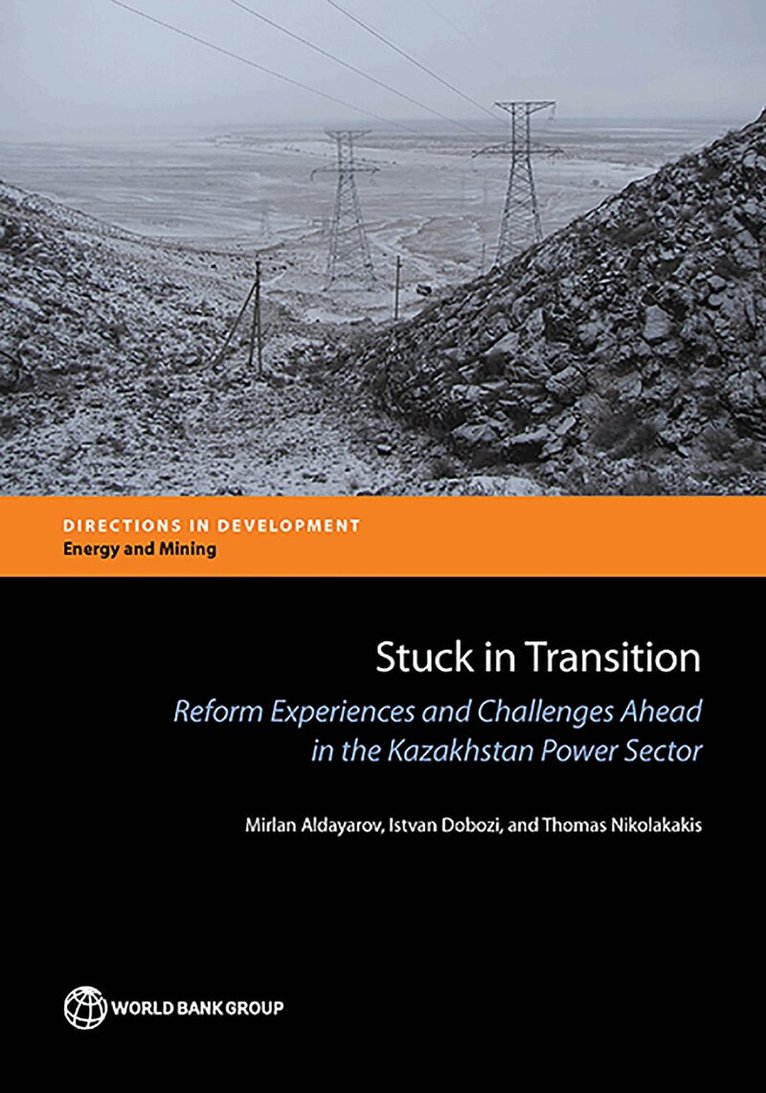
The Kazakhstan Power Sector Assessment study aims to (i) objectively identify the principal challenges faced by the Kazakhstan power sector in its ongoing transition and outlining potential policy options; and (ii) draw lessons from Kazakhstan's experience in sector reforms for the broader international audience.
Energy Pricing Policies for Inclusive Growth in Latin America and the Caribbean
Häftad, Engelska, 2017
391 kr
Skickas inom 10-15 vardagar
Developing countries tend to subsidize energy products. This study finds that these subsidies can be very expensive when oil prices increase as in the 2000s. Moreover, they are an inefficient tool for protecting the poor.
Shedding Light on Electricity Utilities in the Middle East and North Africa
Insights from a Performance Diagnostic
Häftad, Engelska, 2017
433 kr
Skickas inom 10-15 vardagar
Shedding Light on Electricity Utilities in the Middle East and North Africa