Discovering America - Böcker
Visar alla böcker i serien Discovering America. Handla med fri frakt och snabb leverans.
11 produkter
11 produkter
Greenback Planet
How the Dollar Conquered the World and Threatened Civilization As We Know It
Inbunden, Engelska, 2011
278 kr
Skickas inom 7-10 vardagar
The world runs on the U.S. dollar. From Washington to Beijing, governments, businesses, and individuals rely on the dollar to conduct commerce and invest profitably and safely-even after the global financial meltdown in 2008 revealed the potentially catastrophic cost of the dollar's hegemony. But how did the greenback achieve this planetary dominance a mere century and a half after President Lincoln issued the first currency backed only by the credit-and credibility-of the federal government? In Greenback Planet, acclaimed historian H. W. Brands charts the dollar's astonishing rise to become the world's principal currency. Telling the story with the verve of a novelist, he recounts key episodes in U.S. monetary history, from the Civil War debate over fiat money (greenbacks) to the recent worldwide financial crisis. Brands explores the dollar's changing relations to gold and silver and to other currencies and cogently explains how America's economic might made the dollar the fundamental standard of value in world finance. He vividly describes the 1869 Black Friday attempt to corner the gold market, banker J. P. Morgan's bailout of the U.S. treasury, the creation of the Federal Reserve, and President Franklin Roosevelt's handling of the bank panic of 1933. Brands shows how lessons learned (and not learned) in the Great Depression have influenced subsequent U.S. monetary policy, and how the dollar's dominance helped transform economies in countries ranging from Germany and Japan after World War II to Russia and China today. He concludes with a sobering dissection of the 2008 world financial debacle, which exposed the power-and the enormous risks-of the dollar's worldwide reign.
292 kr
Skickas inom 11-20 vardagar
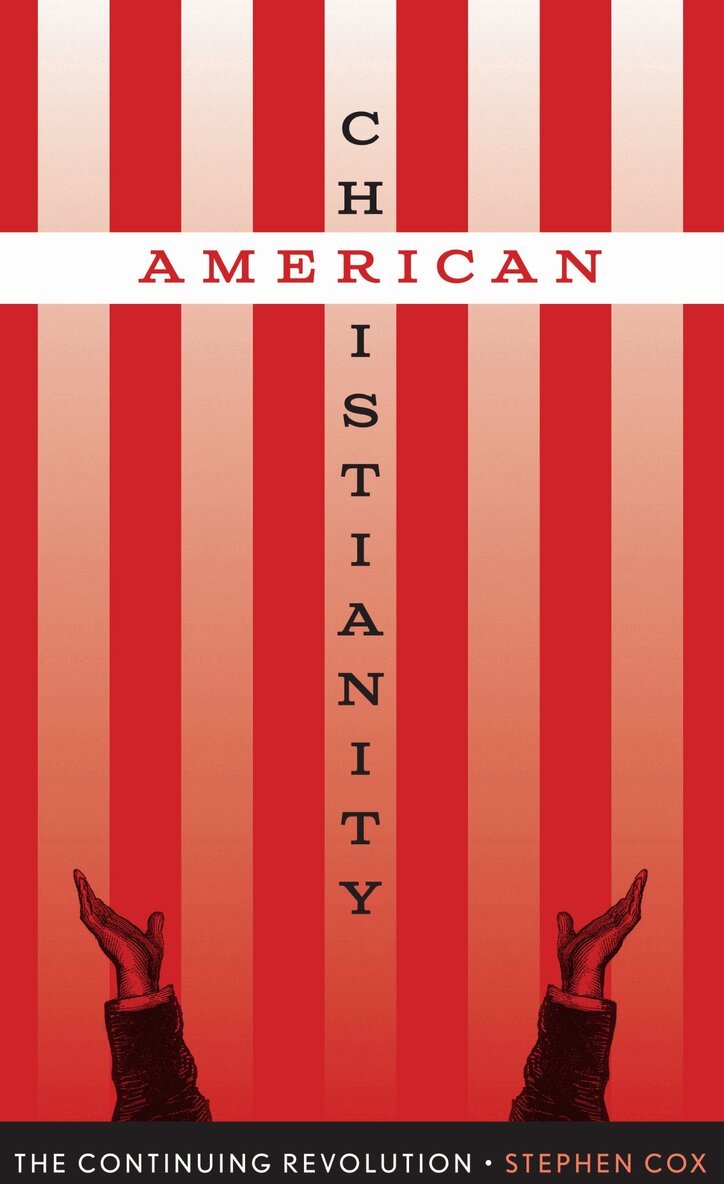
Christianity takes an astonishing variety of forms in America, from churches that cherish traditional modes of worship to evangelical churches and fellowships, Pentecostal churches, social-action churches, megachurches, and apocalyptic churches-congregations ministering to believers of diverse ethnicities, social classes, and sexual orientations. Nor is this diversity a recent phenomenon, despite many Americans’ nostalgia for an undeviating “faith of our fathers” in the days of yore. Rather, as Stephen Cox argues in this thought-provoking book, American Christianity is a revolution that is always happening, and always needs to happen. The old-time religion always has to be made new, and that is what Americans have been doing throughout their history.American Christianity is an engaging book, wide ranging and well informed, in touch with the living reality of America’s diverse traditions and with the surprising ways in which they have developed. Radical and unpredictable change, Cox argues, is one of the few dependable features of Christianity in America. He explores how both the Catholic Church and the mainline Protestant churches have evolved in ways that would make them seem alien to their adherents in past centuries. He traces the rise of uniquely American movements, from the Mormons to the Seventh-day Adventists and Jehovah’s Witnesses, and brings to life the vivid personalities-Aimee Semple McPherson, Billy Sunday, and many others-who have taken the gospel to the masses. He sheds new light on such issues as American Christians’ intense but constantly changing political involvements, their controversial revisions in the style and substance of worship, and their chronic expectation that God is about to intervene conclusively in human life. Asserting that “a church that doesn’t promise new beginnings can never prosper in America,“ Cox demonstrates that American Christianity must be seen not as a sociological phenomenon but as the ever-changing story of individual people seeking their own connections with God, constantly reinventing their religion, making it more volatile, more colorful, and more fascinating.
250 kr
Skickas inom 7-10 vardagar
From his celebrated appearance, hatchet in hand, in Parson Mason Locke Weems’s Life of Washington to Booth Tarkington’s Penrod, the all-American boy was an iconic figure in American literature for well over a century. Sometimes he was a “good boy,” whose dutiful behavior was intended as a model for real boys to emulate. Other times, he was a “bad boy,” whose mischievous escapades could be excused either as youthful exuberance that foreshadowed adult industriousness or as deserved attacks on undemocratic pomp and pretension. But whether good or bad, the all-American boy was a product of the historical moment in which he made his appearance in print, and to trace his evolution over time is to take a fresh view of America’s cultural history, which is precisely what Larzer Ziff accomplishes in All-American Boy.Ziff looks at eight classic examples of the all-American boy-young Washington, Rollo, Tom Bailey, Tom Sawyer, Ragged Dick, Peck’s “bad boy,” Little Lord Fauntleroy, and Penrod-as well as two notable antitheses-Huckleberry Finn and Holden Caulfield. Setting each boy in a rich cultural context, Ziff reveals how the all-American boy represented a response to his times, ranging from the newly independent nation’s need for models of democratic citizenship, to the tales of rags-to-riches beloved during a century of accelerating economic competition, to the recognition of adolescence as a distinct phase of life, which created a stage on which the white, middle-class “solid citizen” boy and the alienated youth both played their parts.
295 kr
Skickas inom 11-20 vardagar
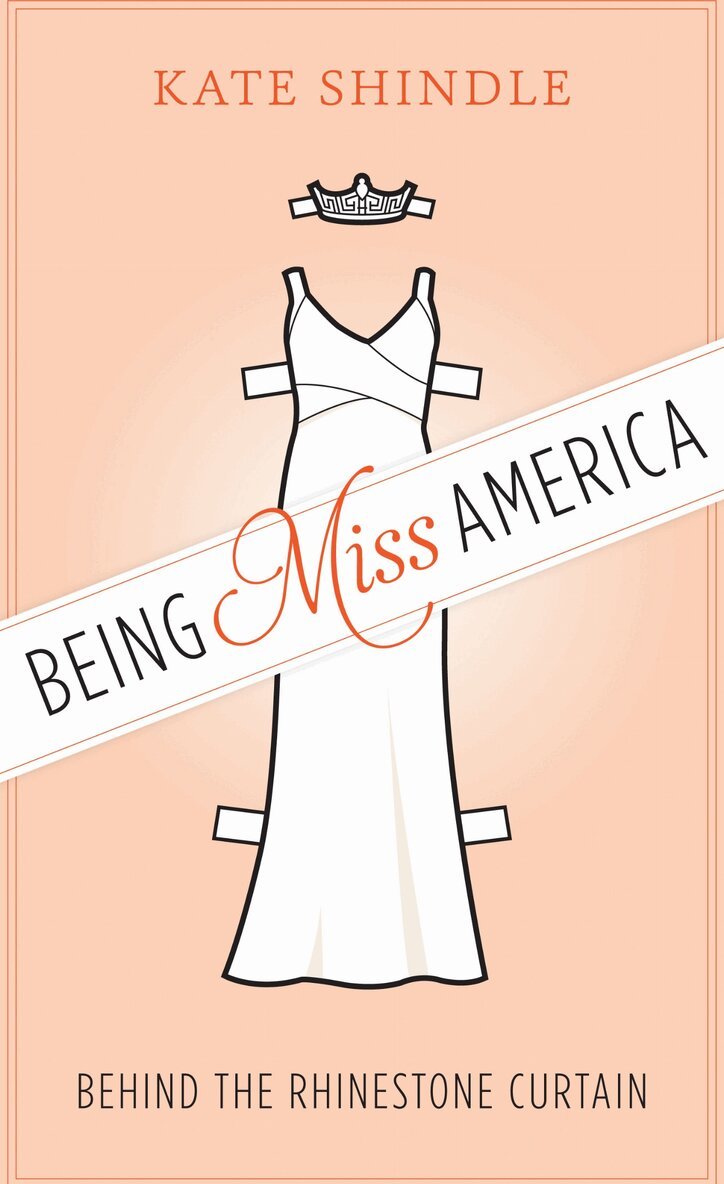
For nearly a hundred years, young women have competed for the title of Miss America-although what it means to wear the crown and be our “ideal” has changed dramatically over time. The Miss America Pageant began as a bathing beauty contest in 1920s Atlantic City, New Jersey, sponsored by businessmen trying to extend the tourist season beyond Labor Day. In the post–World War II years, the pageant evolved into a national coronation of an idealized “girl next door,” as pretty and decorous as she was rarely likely to speak her mind on issues of substance. Since the cultural upheavals of the 1960s, the pageant has struggled to find a balance between beauty and brains as it tries to remain relevant to women who aspire to become leaders in the community, not hot babes in swimsuits.In Being Miss America, Kate Shindle interweaves an engrossing, witty memoir of her year as Miss America 1998 with a fascinating and insightful history of the pageant. She explores what it means to take on the mantle of America’s “ideal,” especially considering the evolution of the American female identity since the pageant’s inception. Shindle profiles winners and organization leaders and recounts important moments in the pageant’s story, with a special focus on Miss America’s iconoclasts, including Bess Myerson (1945), the only Jewish Miss America; Yolande Betbeze (1951), who crusaded against the pageant’s pinup image; and Kaye Lani Rae Rafko (1987), a working-class woman from Michigan who wanted to merge her famous title with her work as an oncology nurse. Shindle’s own account of her work as an AIDS activist-and finding ways to circumvent the “gown and crown” stereotypes of Miss America in order to talk honestly with high school students about safer sex-illuminates both the challenges and the opportunities that keep young women competing to become Miss America.
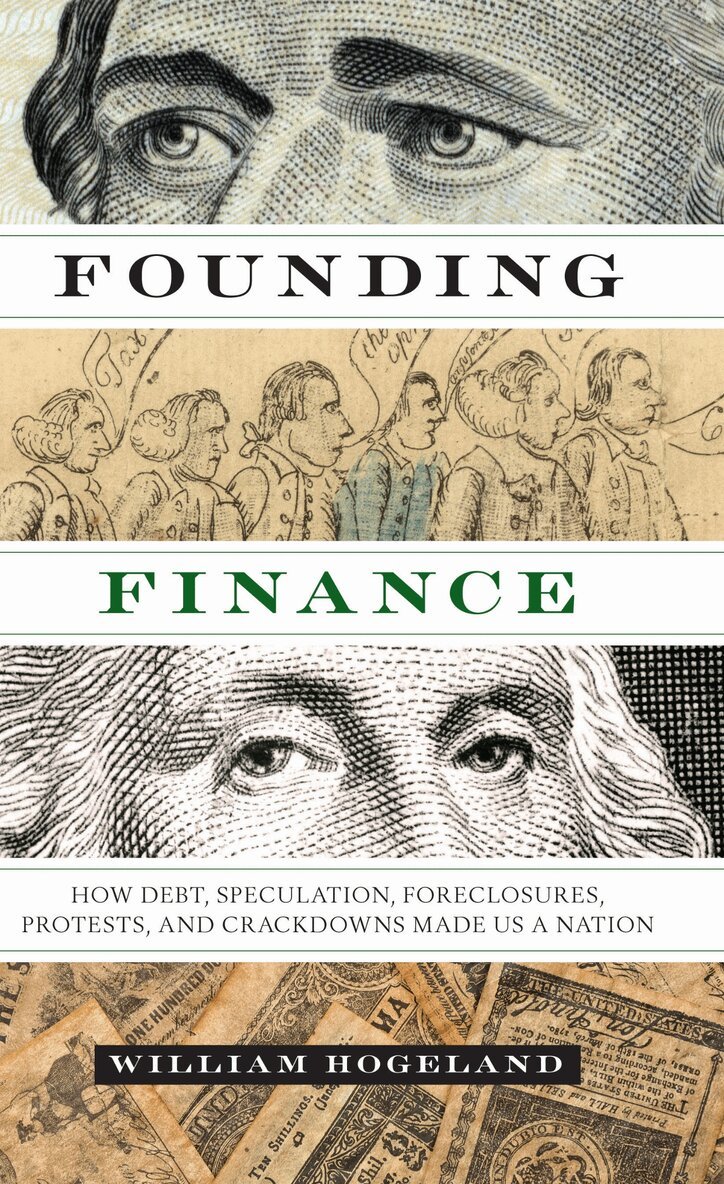
Founding Finance
How Debt, Speculation, Foreclosures, Protests, and Crackdowns Made Us a Nation
Häftad, Engelska, 2014
163 kr
Skickas inom 11-20 vardagar
Recent movements such as the Tea Party and anti-tax “constitutional conservatism” lay claim to the finance and taxation ideas of America’s founders, but how much do we really know about the dramatic clashes over finance and economics that marked the founding of America? Dissenting from both right-wing claims and certain liberal preconceptions, Founding Finance brings to life the violent conflicts over economics, class, and finance that played directly, and in many ways ironically, into the hardball politics of forming the nation and ratifying the Constitution-conflicts that still continue to affect our politics, legislation, and debate today.Mixing lively narrative with fresh views of America’s founders, William Hogeland offers a new perspective on America’s economic infancy: foreclosure crises that make our current one look mild; investment bubbles in land and securities that drove rich men to high-risk borrowing and mad displays of ostentation before dropping them into debtors’ prisons; depressions longer and deeper than the great one of the twentieth century; crony mercantilism, war profiteering, and government corruption that undermine any nostalgia for a virtuous early republic; and predatory lending of scarce cash at exorbitant, unregulated rates, which forced people into bankruptcy, landlessness, and working in the factories and on the commercial farms of their creditors. This story exposes and corrects a perpetual historical denial-by movements across the political spectrum-of America’s all-important founding economic clashes, a denial that weakens and cheapens public discourse on American finance just when we need it most.
183 kr
Skickas
Ever since the Warren Commission concluded that a lone gunman assassinated President John F. Kennedy, people who doubt that finding have been widely dismissed as conspiracy theorists, despite credible evidence that right-wing elements in the CIA, FBI, and Secret Service-and possibly even senior government officials-were also involved. Why has suspicion of criminal wrongdoing at the highest levels of government been rejected out-of-hand as paranoid thinking akin to superstition?Conspiracy Theory in America investigates how the Founders’ hard-nosed realism about the likelihood of elite political misconduct-articulated in the Declaration of Independence-has been replaced by today’s blanket condemnation of conspiracy beliefs as ludicrous by definition. Lance deHaven-Smith reveals that the term “conspiracy theory” entered the American lexicon of political speech to deflect criticism of the Warren Commission and traces it back to a CIA propaganda campaign to discredit doubters of the commission’s report. He asks tough questions and connects the dots among five decades’ worth of suspicious events, including the assassinations of John and Robert Kennedy, the attempted assassinations of George Wallace and Ronald Reagan, the crimes of Watergate, the Iran-Contra arms-for-hostages deal, the disputed presidential elections of 2000 and 2004, the major defense failure of 9/11, and the subsequent anthrax letter attacks.Sure to spark intense debate about the truthfulness and trustworthiness of our government, Conspiracy Theory in America offers a powerful reminder that a suspicious, even radically suspicious, attitude toward government is crucial to maintaining our democracy.
204 kr
Skickas inom 7-10 vardagar
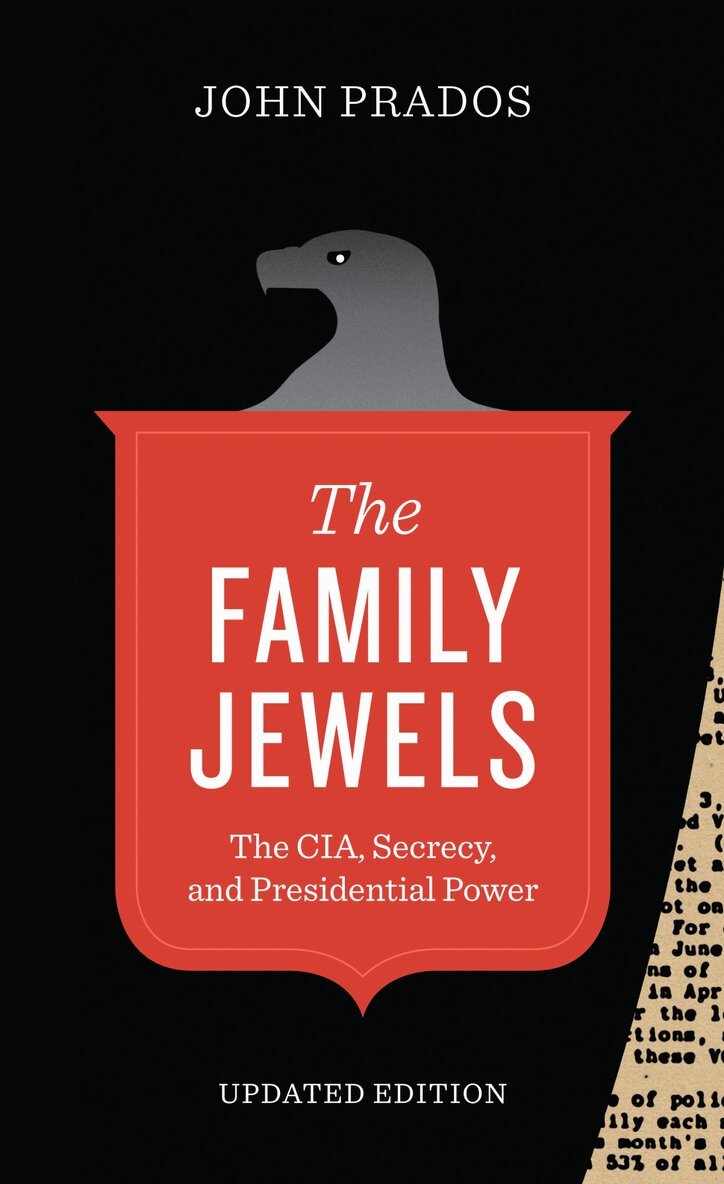
In December 1974, a front-page story in the New York Times revealed the explosive details of illegal domestic spying by the Central Intelligence Agency. This included political surveillance, eavesdropping, detention, and interrogation. The revelation of illegal activities over many years shocked the American public and led to investigations of the CIA by a presidential commission and committees in both houses of Congress, which found evidence of more abuse, even CIA plans for assassinations. Investigators and the public soon discovered that the CIA abuses were described in a top-secret document agency insiders dubbed the “Family Jewels.” That document became ground zero for a political firestorm that lasted more than a year. The “Family Jewels” debacle ultimately brought about greater congressional oversight of the CIA, but excesses such as those uncovered in the 1970s continue to come to light.The Family Jewels probes the deepest secrets of the CIA and its attempts to avoid scrutiny. John Prados recounts the secret operations that constituted “Jewels” and investigators’ pursuit of the truth, plus the strenuous efforts-by the agency, the executive branch, and even presidents-to evade accountability. Prados reveals how Vice President Richard Cheney played a leading role in intelligence abuses and demonstrates that every type of “Jewel” has been replicated since, especially during the post-9/11 war on terror. The Family Jewels masterfully illuminates why these abuses are endemic to spying, shows that proper relationships are vital to control of intelligence, and advocates a system for handling “Family Jewels” crises in a democratic society.With a new epilogue that discusses former CIA employee Edward Snowden’s revelation of massive covert surveillance by the NSA, this powerful accounting of intelligence abuses committed by the CIA from the Cold War through the war on terror reveals why such abuses and attempts to conceal them are endemic to spying and proposes how a democratic nation can rein in its spymasters.
273 kr
Skickas inom 7-10 vardagar
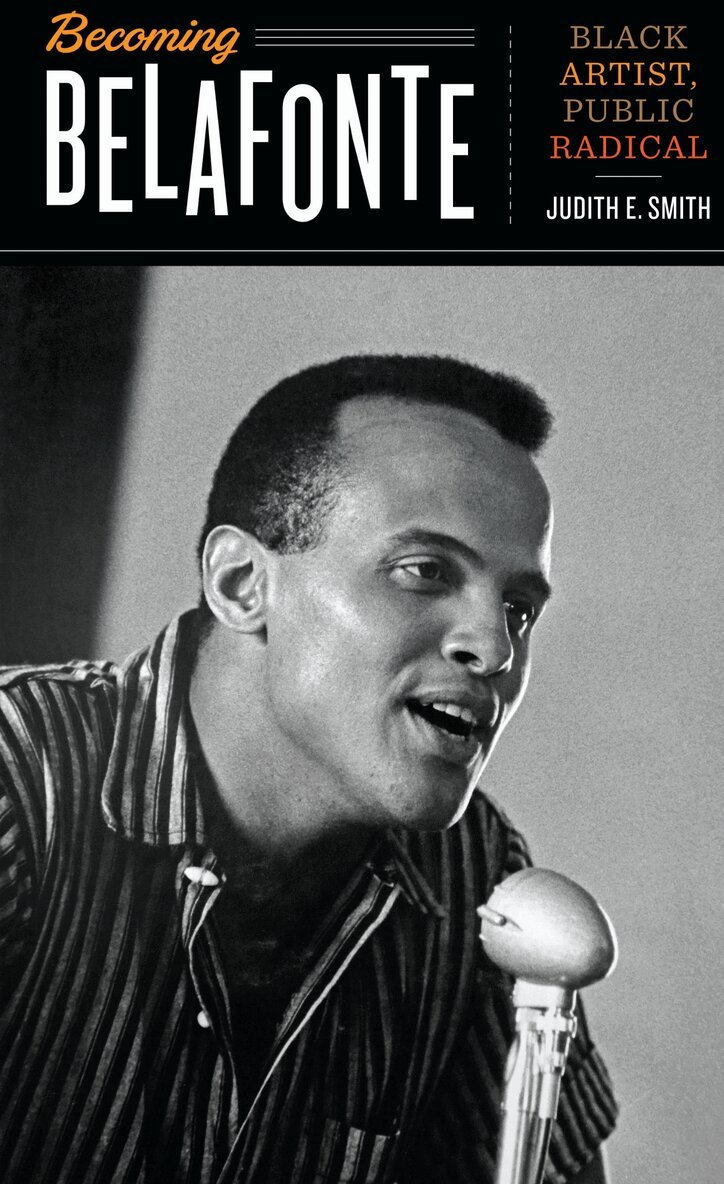
A son of poor Jamaican immigrants who grew up in Depression-era Harlem, Harry Belafonte became the first black performer to gain artistic control over the representation of African Americans in commercial television and film. Forging connections with an astonishing array of consequential players on the American scene in the decades following World War II-from Paul Robeson to Ed Sullivan, John Kennedy to Stokely Carmichael-Belafonte established his place in American culture as a hugely popular singer, matinee idol, internationalist, and champion of civil rights, black pride, and black power.In Becoming Belafonte, Judith E. Smith presents the first full-length interpretive study of this multitalented artist. She sets Belafonte’s compelling story within a history of American race relations, black theater and film history, McCarthy-era hysteria, and the challenges of introducing multifaceted black culture in a moment of expanding media possibilities and constrained political expression. Smith traces Belafonte’s roots in the radical politics of the 1940s, his careful negotiation of the complex challenges of the Cold War 1950s, and his full flowering as a civil rights advocate and internationally acclaimed performer in the 1960s. In Smith’s account, Belafonte emerges as a relentless activist, a questing intellectual, and a tireless organizer. From his first national successes as a singer of Calypso-inflected songs to the dedication he brought to producing challenging material on television and film regardless of its commercial potential, Belafonte stands as a singular figure in American cultural history-a performer who never shied away from the dangerous crossroads where art and politics meet.
248 kr
Skickas inom 10-15 vardagar
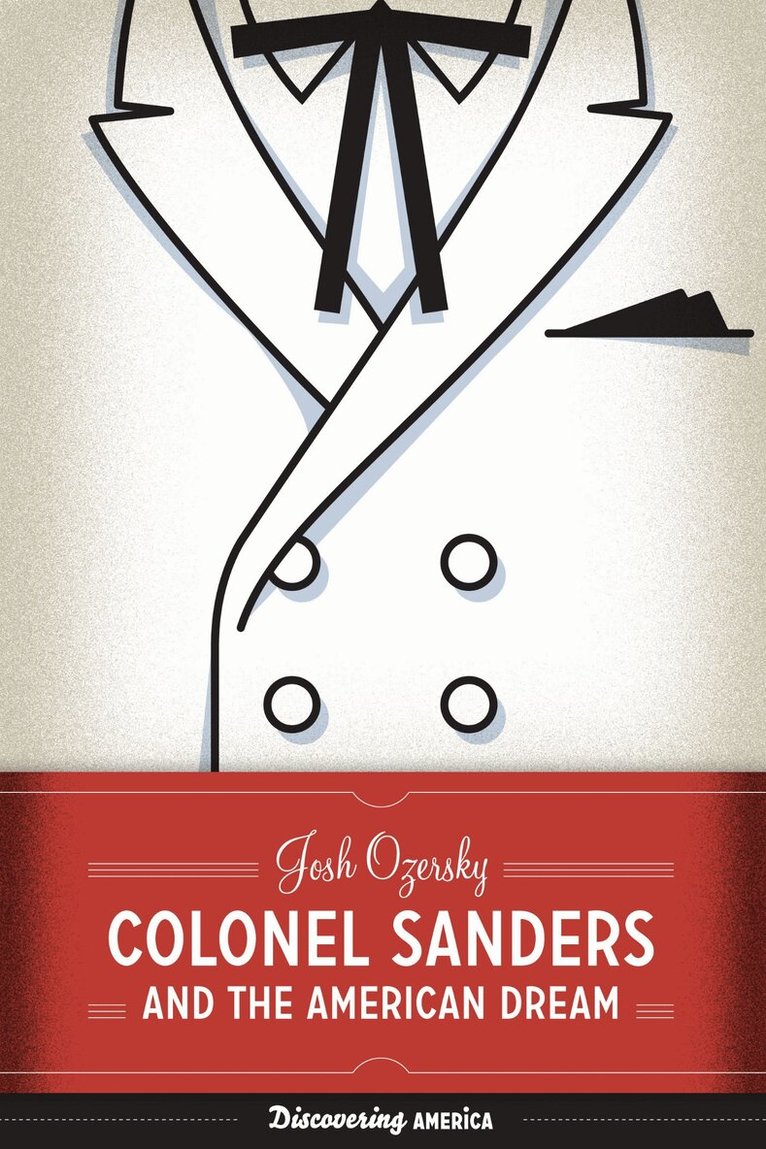
From Aunt Jemima and Uncle Ben to the Jolly Green Giant and Ronald McDonald, corporate icons sell billions of dollars’ worth of products. But only one of them was ever a real person-Colonel Sanders of Kentucky Fried Chicken/KFC. From a 1930s roadside cafÉ in Corbin, Kentucky, Harland Sanders launched a fried chicken business that now circles the globe, serving “finger lickin’ good” chicken to more than twelve million people every day. But to get there, he had to give up control of his company and even his own image, becoming a mere symbol to people today who don’t know that Colonel Sanders was a very real human being. This book tells his story-the story of a dirt-poor striver with unlimited ambition who personified the American Dream.Acclaimed cultural historian Josh Ozersky defines the American Dream as being able to transcend your roots and create yourself as you see fit. Harland Sanders did exactly that. Forced at age ten to go to work to help support his widowed mother and sisters, he failed at job after job until he went into business for himself as a gas station/cafÉ/motel owner and finally achieved a comfortable, middle-class life. But then the interstate bypassed his business and, at sixty-five, Sanders went broke again. Packing his car with a pressure cooker and his secret blend of eleven herbs and spices, he began peddling the recipe for “Colonel Sanders’ Kentucky Fried Chicken” to small-town diners in exchange for a nickel for each chicken they sold. Ozersky traces the rise of Kentucky Fried Chicken from this unlikely beginning, telling the dramatic story of Sanders’ self-transformation into “The Colonel,” his truculent relationship with KFC management as their often-disregarded goodwill ambassador, and his equally turbulent afterlife as the world’s most recognizable commercial icon.
197 kr
Skickas inom 7-10 vardagar
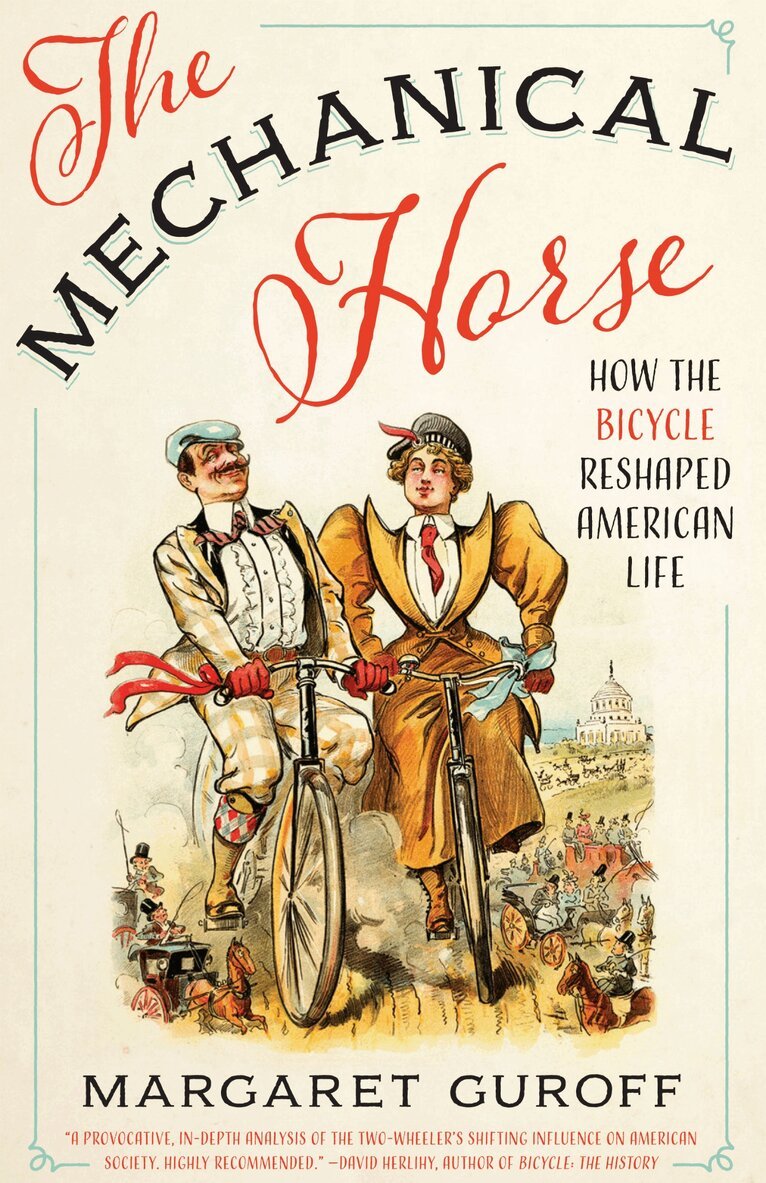
With cities across the country adding miles of bike lanes and building bike-share stations, bicycling is enjoying a new surge of popularity in America. It seems that every generation or two, Americans rediscover the freedom of movement, convenience, and relative affordability of the bicycle. The earliest two-wheeler, the draisine, arrived in Philadelphia in 1819 and astonished onlookers with the possibility of propelling themselves “like lightning.” Two centuries later, the bicycle is still the fastest way to cover ground on gridlocked city streets.Filled with lively stories, The Mechanical Horse reveals how the bicycle transformed American life. As bicycling caught on in the nineteenth century, many of the country’s rough, rutted roads were paved for the first time, laying a foundation for the interstate highway system. Cyclists were among the first to see the possibilities of self-directed, long-distance travel, and some of them (including a fellow named Henry Ford) went on to develop the automobile. Women shed their cumbersome Victorian dresses-as well as their restricted gender roles-so they could ride. And doctors recognized that aerobic exercise actually benefits the body, which helped to modernize medicine. Margaret Guroff demonstrates that the bicycle’s story is really the story of a more mobile America-one in which physical mobility has opened wider horizons of thought and new opportunities for people in all avenues of life.
291 kr
Skickas inom 7-10 vardagar
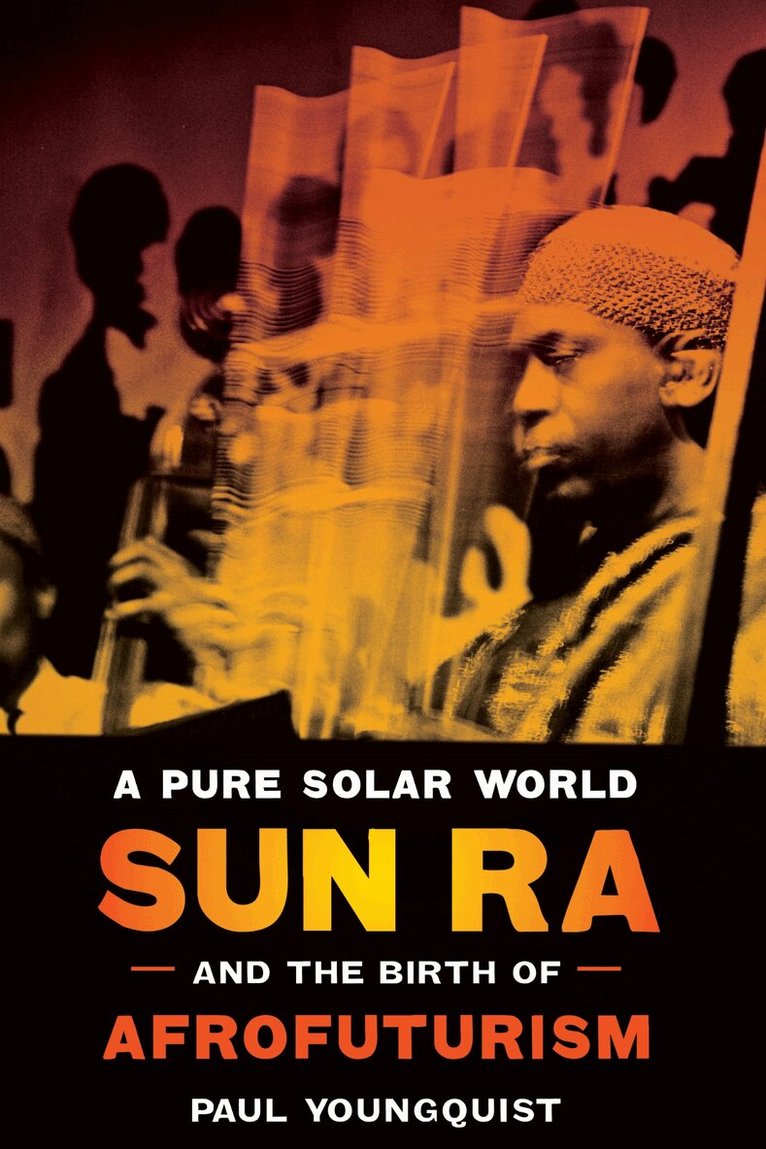
Surveying the range of Sun Ra’s extraordinary creativity, this book explores how the father of Afrofuturism brought “space music” to a planet in need of transformation, supporting the aspirations of black people in an inhospitable white world.Sun Ra said he came from Saturn. Known on earth for his inventive music and extravagant stage shows, he pioneered free-form improvisation in an ensemble setting with the devoted band he called the “Arkestra.” Sun Ra took jazz from the inner city to outer space, infusing traditional swing with far-out harmonies, rhythms, and sounds. Described as the father of Afrofuturism, Sun Ra created “space music” as a means of building a better future for American blacks here on earth. A Pure Solar World: Sun Ra and the Birth of Afrofuturism offers a spirited introduction to the life and work of this legendary but underappreciated musician, composer, and poet. Paul Youngquist explores and assesses Sun Ra’s wide-ranging creative output-music, public preaching, graphic design, film and stage performance, and poetry-and connects his diverse undertakings to the culture and politics of his times, including the space race, the rise of technocracy, the civil rights movement, and even space-age bachelor-pad music. By thoroughly examining the astro-black mythology that Sun Ra espoused, Youngquist masterfully demonstrates that he offered both a holistic response to a planet desperately in need of new visions and vibrations and a new kind of political activism that used popular culture to advance social change. In a nation obsessed with space and confused about race, Sun Ra aimed not just at assimilation for the socially disfranchised but even more at a wholesale transformation of American society and a more creative, egalitarian world.