Edinburgh Byzantine Studies – serie
Visar alla böcker i serien Edinburgh Byzantine Studies. Handla med fri frakt och snabb leverans.
13 produkter
13 produkter
Subjects and Space in Roman and Serbian Lands
Ideology and Worldmaking in the Thirteenth Century
Inbunden, Engelska, 2026
1 277 kr
Kommande
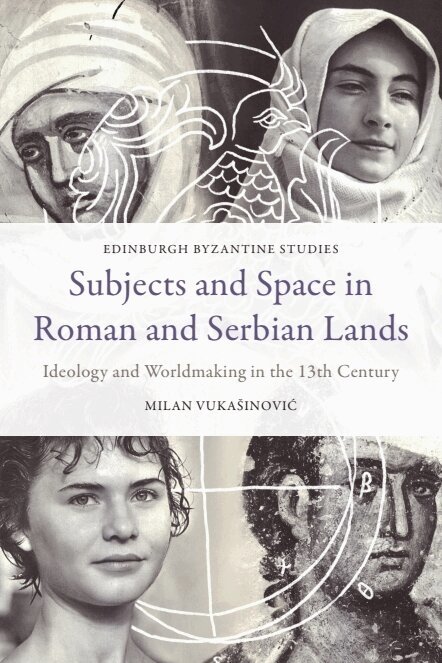
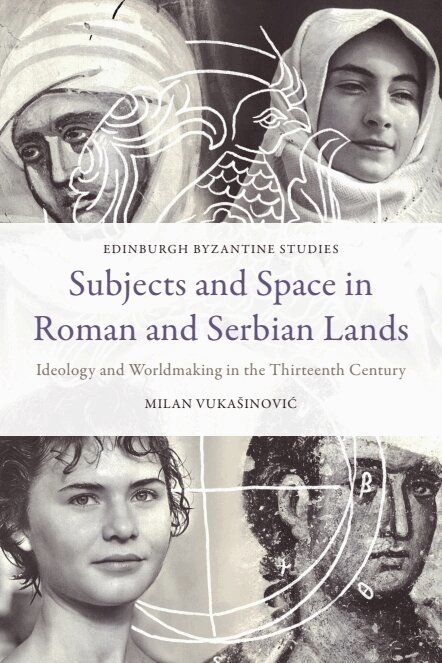
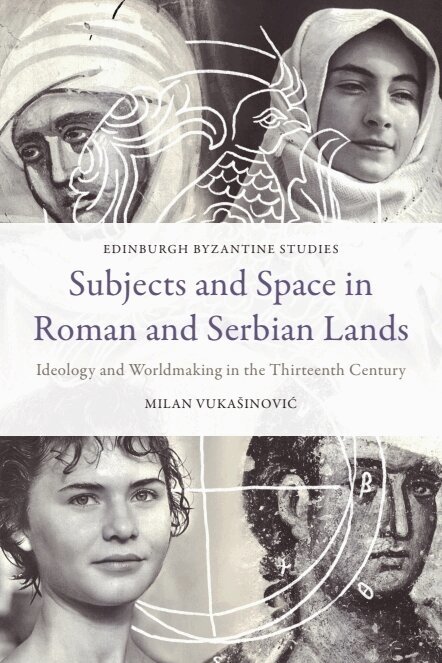
Ideology remains one of the most used yet rarely defined concepts in Byzantine and Medieval Serbian Studies. Focusing on the decades following the Crusaders’ conquest of Byzantine lands, this book bridges modern theory and interpretation of medieval texts to redefine ideology as a practice of performative storytelling. Vukašinović rereads overlooked narratives from Nicaea, Epiros and Serbia—from court orations and hagiographies to monastic donations and juridical opinions—not as mere representations of events, but as social acts that shaped the world. Developing a model of how humans become subjects and produce space, the study reveals how emperors, bishops, monks, and peasants alike acted as storytellers, heroes and agents of history. It argues for diverse forms of social and political agency, challenging conventional notions of Byzantine fragmentation and Serbian independence.
1 144 kr
Skickas
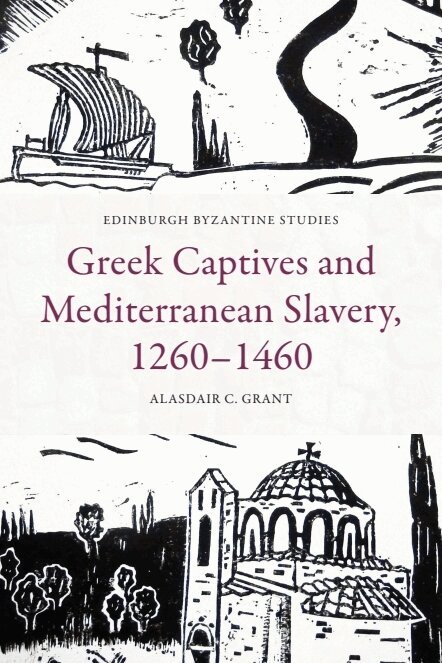
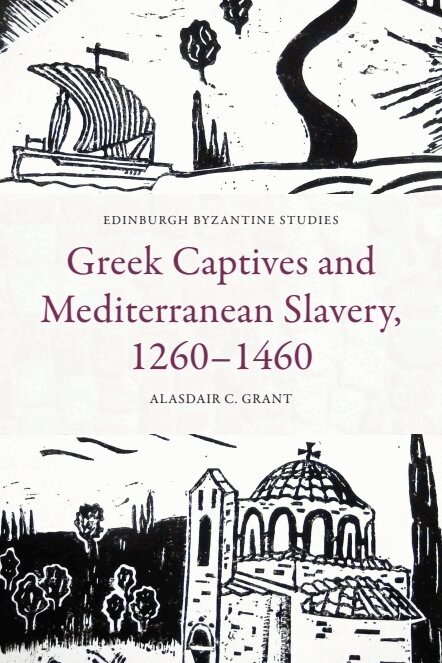
Captivity and enslavement were characteristic experiences of Greek Christians in the late medieval Mediterranean. During this time, Muslim Turks and Christian western Europeans conquered and traded at the expense of the shrinking Byzantine Empire. By bringing together literary and documentary sources spanning a geographical canvas from the Aegean to Egypt and from Cyprus to Catalonia, this book tells that story in full for the first time. It traces this crisis of captivity from its origins in thirteenth-century Asia Minor to its explosion into a Mediterranean-wide phenomenon, interrogating different types of unfreedom and forced movement and evaluating their significance for Greeks' religious and diplomatic relationships with their neighbours, both Christian and Muslim.This book tells the story of thousands of ordinary people caught up in conflict and dispersed across the Mediterranean against their will. It is the first study to examine the social, cultural and political ramifications of this late medieval trade in Greeks. The book's wide geographical horizons and its accessible style ensure that it will appeal to anyone interested in the medieval Mediterranean or the history of slavery. Its use of previously unpublished or little-known textual sources and its extensive synthesis of Byzantine, Latin European and Islamic sources and scholarship ensure that it will offer new perspectives and revelations for the specialist.
247 kr
Skickas
Captivity and enslavement were characteristic experiences of Greek Christians in the late medieval Mediterranean. During this time, Muslim Turks and Christian western Europeans conquered and traded at the expense of the shrinking Byzantine Empire. By bringing together literary and documentary sources spanning a geographical canvas from the Aegean to Egypt and from Cyprus to Catalonia, this book tells that story in full for the first time. It traces this crisis of captivity from its origins in thirteenth-century Asia Minor to its explosion into a Mediterranean-wide phenomenon, interrogating different types of unfreedom and forced movement and evaluating their significance for Greeks' religious and diplomatic relationships with their neighbours, both Christian and Muslim.This book tells the story of thousands of ordinary people caught up in conflict and dispersed across the Mediterranean against their will. It is the first study to examine the social, cultural and political ramifications of this late medieval trade in Greeks. The book's wide geographical horizons and its accessible style ensure that it will appeal to anyone interested in the medieval Mediterranean or the history of slavery. Its use of previously unpublished or little-known textual sources and its extensive synthesis of Byzantine, Latin European and Islamic sources and scholarship ensure that it will offer new perspectives and revelations for the specialist.
Imperial Visions of Late Byzantium
Manuel II Palaiologos and Rhetoric in Purple
Inbunden, Engelska, 2020
2 157 kr
Skickas inom 3-6 vardagar
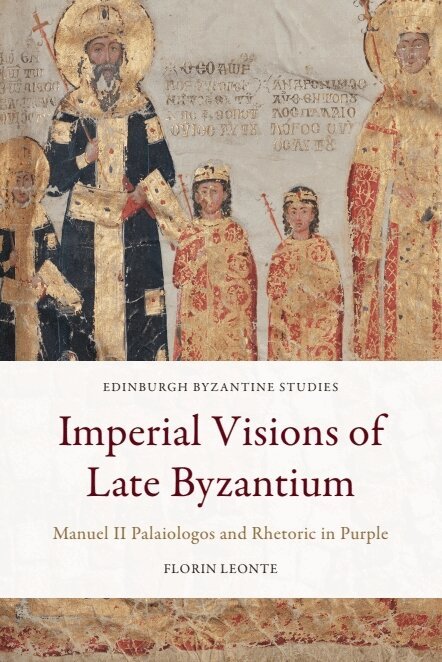
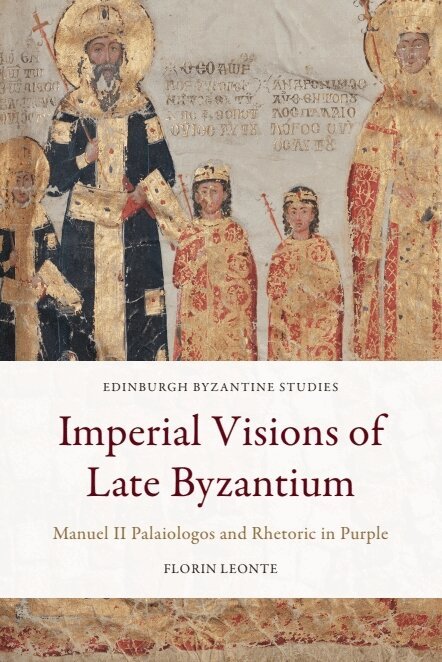
Explores a Byzantine emperor’s construction of authority with the help of his rhetorical texts Examines the changes in the Byzantine imperial idea by the end of the fourteenth century with a particular focus on the instrumentalization of the intellectual dimension of the imperial ruleIntegrates late Byzantine imperial visions into the bigger picture of Byzantine imperial ideology Provides a fresh understanding of key pieces of Byzantine public rhetoric and introduces analytical concepts from rhetorical, literary, and discursive theoriesOffers translations of key passages from late Byzantine rhetoricManuel II Palaiologos was not only a Byzantine emperor but also a remarkably prolific rhetorician and theologian. His oeuvre included letters, treatises, dialogues, short poems and orations. Florin Leonte deals with several of his texts shaped by a didactic intention to educate the emperor’s son and successor, John VIII Palaiologos. He argues that the emperor constructed a rhetorical persona which he used in an attempt to compete with other contemporary power-brokers. While Manuel Palaiologos adhered to many rhetorical conventions of his day, he also reasserted the civic role of rhetoric. With a special focus on the first two decades of Manuel II Palaiologos’ rule, 1391–1417, Leonte offers a new understanding of the imperial ethos in Byzantium by combining rhetorical analysis with investigation of social and political phenomena.
Imperial Visions of Late Byzantium
Manuel II Palaiologos and Rhetoric in Purple
Häftad, Engelska, 2022
611 kr
Skickas inom 3-6 vardagar
Explores a Byzantine emperor’s construction of authority with the help of his rhetorical texts Examines the changes in the Byzantine imperial idea by the end of the fourteenth century with a particular focus on the instrumentalization of the intellectual dimension of the imperial ruleIntegrates late Byzantine imperial visions into the bigger picture of Byzantine imperial ideology Provides a fresh understanding of key pieces of Byzantine public rhetoric and introduces analytical concepts from rhetorical, literary, and discursive theoriesOffers translations of key passages from late Byzantine rhetoricManuel II Palaiologos was not only a Byzantine emperor but also a remarkably prolific rhetorician and theologian. His oeuvre included letters, treatises, dialogues, short poems and orations. Florin Leonte deals with several of his texts shaped by a didactic intention to educate the emperor’s son and successor, John VIII Palaiologos. He argues that the emperor constructed a rhetorical persona which he used in an attempt to compete with other contemporary power-brokers. While Manuel Palaiologos adhered to many rhetorical conventions of his day, he also reasserted the civic role of rhetoric. With a special focus on the first two decades of Manuel II Palaiologos’ rule, 1391–1417, Leonte offers a new understanding of the imperial ethos in Byzantium by combining rhetorical analysis with investigation of social and political phenomena.
1 611 kr
Skickas inom 3-6 vardagar
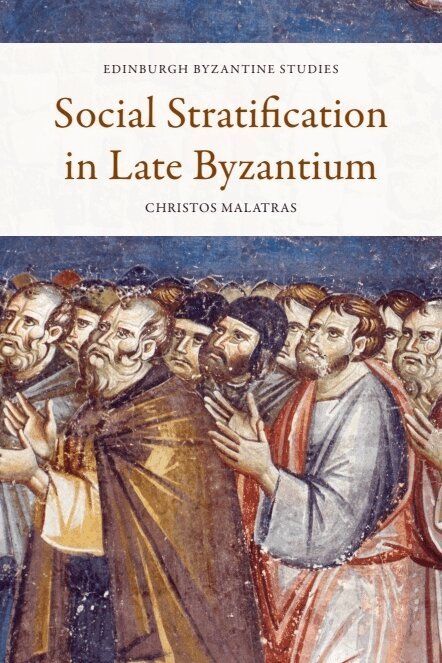
Introduces the basic patterns, ideas and gestures that governed the system of social relations and the construction of social profiles and roles of Byzantine societyIdentifies the main traits of Late Byzantine society and the ideas of the Byzantines about their social system, the social values and the organisation of their society.Explores the use of modern sociological and anthropological theories in order to better understand Byzantine society.Provides thorough and up-to-date analysis of the different social groups in the Late Byzantine society (character, composition, relation to the economic, political and ideological resources).Emphasises the networks of patron-client relations and their effect on the structures of Byzantine society.Offers a new explanation of the collapse of Byzantine society and the state in the face of external threats.This book provides an in-depth analysis of the social structure of Late Byzantine society (mid 13th - mid 15th c.), including the norms and ideas that governed social relations, and the Byzantine perceptions of their society. It includes an analysis of all social groups, the social networks and the patron-client relations proliferating in this period, and the distribution of social and political power between the different social groups and the state. The deficiencies inherent in Byzantine society are recognised as one of the main factors behind the fragmentation and the collapse of the Byzantine empire.
486 kr
Skickas
This book provides an in-depth analysis of the social structure of Late Byzantine society (mid 13th - mid 15th c.), including the norms and ideas that governed social relations, and the Byzantine perceptions of their society. It includes an analysis of all social groups, the social networks and the patron-client relations proliferating in this period, and the distribution of social and political power between the different social groups and the state. The deficiencies inherent in Byzantine society are recognised as one of the main factors behind the fragmentation and the collapse of the Byzantine empire.
Monotheisation of Pontic-Caspian Eurasia
From the Eighth to the Thirteenth Century
Inbunden, Engelska, 2022
2 085 kr
Skickas inom 3-6 vardagar
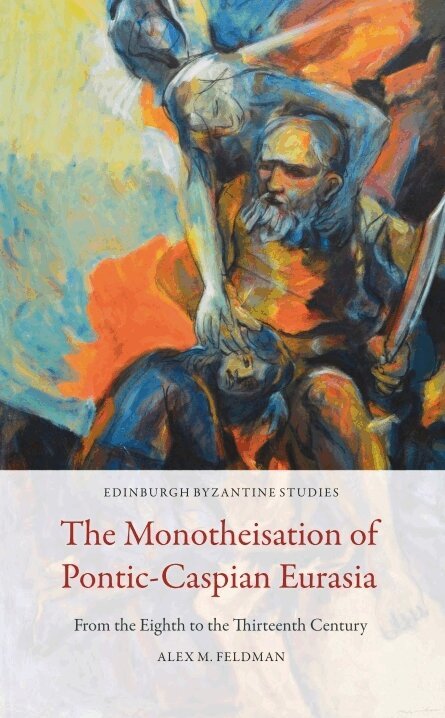
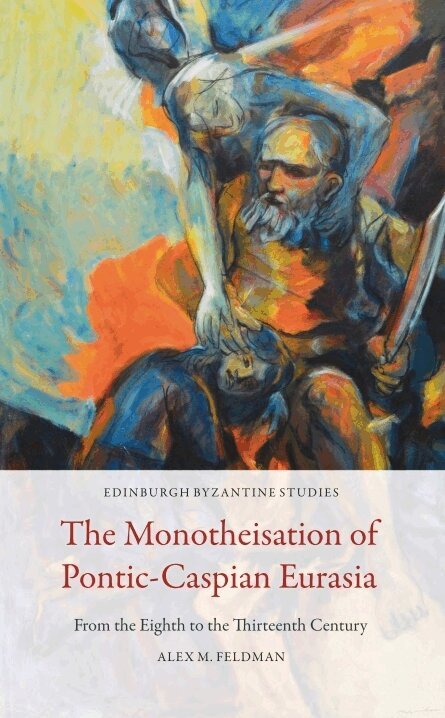
What is the line between the ancient and medieval worlds? 330? 476? 800? Most historians acknowledge that these are arbitrary distinctions, but they remain nevertheless, taking on lives of their own. Alex Feldman is challenging us to see them as the same world, except for the imposition of a given monotheism.In this process, he studies top-down, monotheistic conversions in Western Eurasia and their respective mythologisations, preserved both textually and archaeologically, serving as the foundation of recognisable state-formation. Applying this idea to Byzantium’s policies around the Black and Caspian Seas, he reveals how what we today call the ‘Migration-Age’ continued perpetually up to the Mongolian invasions and perhaps later. This book enhances our understanding, not only of Western history, but presents it in the context of global monotheisation.
Monotheisation of Pontic-Caspian Eurasia
From the Eighth to the Thirteenth Century
Häftad, Engelska, 2024
483 kr
Skickas inom 3-6 vardagar
What is the line between the ancient and medieval worlds? 330? 476? 800? Most historians acknowledge that these are arbitrary distinctions, but they remain nevertheless, taking on lives of their own. Alex Feldman is challenging us to see them as the same world, except for the imposition of a given monotheism.In this process, he studies top-down, monotheistic conversions in Western Eurasia and their respective mythologisations, preserved both textually and archaeologically, serving as the foundation of recognisable state-formation. Applying this idea to Byzantium's policies around the Black and Caspian Seas, he reveals how what we today call the 'Migration-Age' continued perpetually up to the Mongolian invasions and perhaps later. This book enhances our understanding, not only of Western history, but presents it in the context of global monotheisation.
2 372 kr
Skickas inom 3-6 vardagar
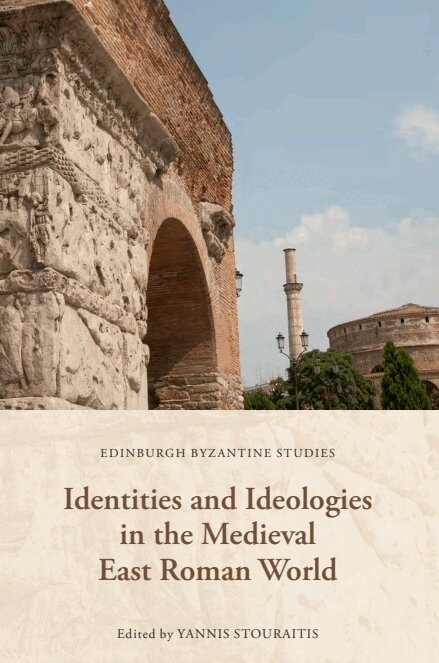
Examines ideas, beliefs and practices of identification in the medieval East Roman world This book offers an interdisciplinary approach historical, literary, art-historical and archaeological to the topics of ideology and identity in the medieval East Roman world. The individual chapters explore ideological discourses and practices in various contexts. In particular, they focus on the content of ideas and their role in shaping different kinds of group attachments and identifications within the imperial social order. Moreover, they explore the various visions of community which different collective identity discourses projected within and beyond the political boundaries of the empire.Including both top-down and bottom-up perspectives, and exploring both the empire's centre and its periphery, this collection offers new insights into ideology and identity in the Byzantine world.
669 kr
Skickas inom 3-6 vardagar
Examining ideas, beliefs and practices of identification in the medieval East Roman world Approaches ideology and identity in the Byzantine world from different perspectives, top-down, bottom-up, and outside-in, and from various disciplinary perspectives including historical, literary, art-historical and archaeological.Explores what makes discourses ideological by giving them a central function in the promotion of power relations and interests on the macro-level of society as well as on the micro-level of certain social groups.Explores the interrelation between dominant imperial ideology and collective identification.Scrutinizes various kinds of identification, local-regional, religious, gender, class, ethno-cultural and regnal-political.Contributors include Leslie Brubaker, Kostis Smyrlis, Alicia Simpson and Dionysios Sthathakopoulos.This collection offers new insights into ideology and identity in the Byzantine world. The range of international contributors explore the content and role of various ideological discourses in shaping the relationship between the imperial centre and the provinces. Crucially, they examine various kinds of collective identifications and visions of community in the broader Byzantine world within and beyond the political boundaries of the empire.This interdisciplinary collection includes historical, literary, art-historical and archaeological as well as cross-cultural perspectives along with the exploration of ideas and identifications in cultures on the empire's periphery.
2 085 kr
Skickas inom 3-6 vardagar
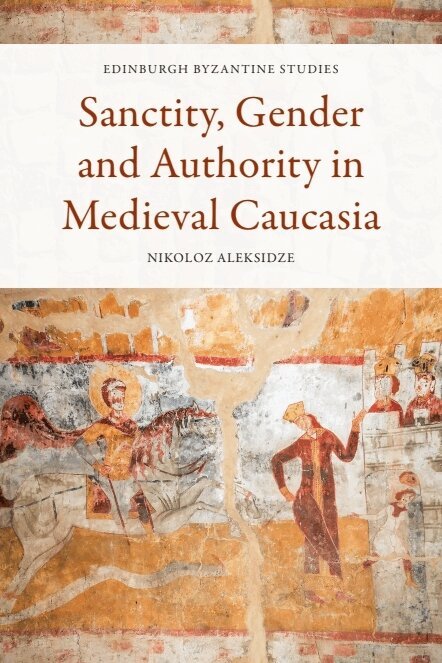
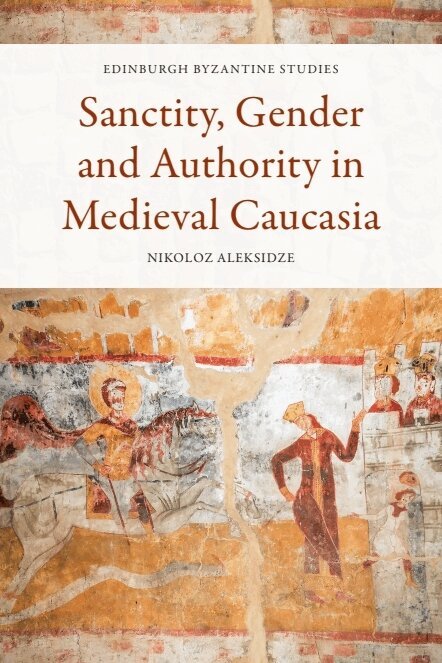
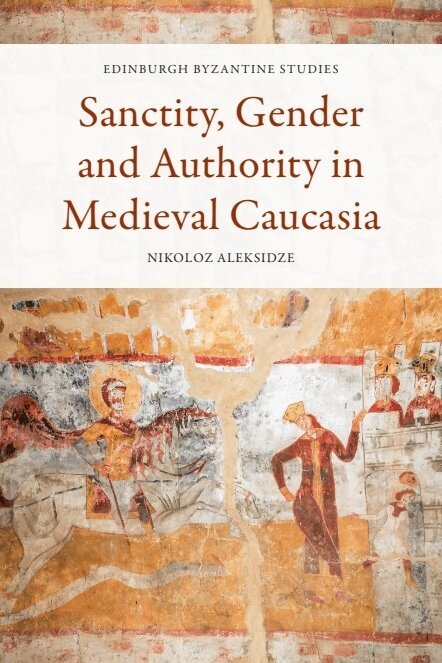
From the early fourth century, the veneration of saints and relics spread rapidly across Christendom from the British Isles to Iran. In late antique Caucasia, the cult of the saints was immediately integrated into Armenian and Georgian identity and political discourses. It was used to legitimise royal rule, sanctify domains and dynasties, define political realms and justify political decisions. This book is the first systematic study of this history. Discussing a wide variety of sources from Armenia, Georgia, Byzantium and Russia which have not been examined together before, it investigates the interaction of sanctity, holy relics, gender and politics in the medieval Caucasus, with a particular focus on Georgia. Nikoloz Aleksidze analyses three chronological eras: the first section focuses on late antiquity and the early Middle Ages, when the cult of the relics was formed in Caucasian writing; the second explores the medieval era, when the Bagratids ruled in Georgia and the cults of figures such as St George, the Mother of God and Queen Tamar were shaped and politicised; and the third navigates a similar entanglement of sanctity, gender and political rhetoric in Russian Imperial and Georgian national discourse.
297 kr
Skickas
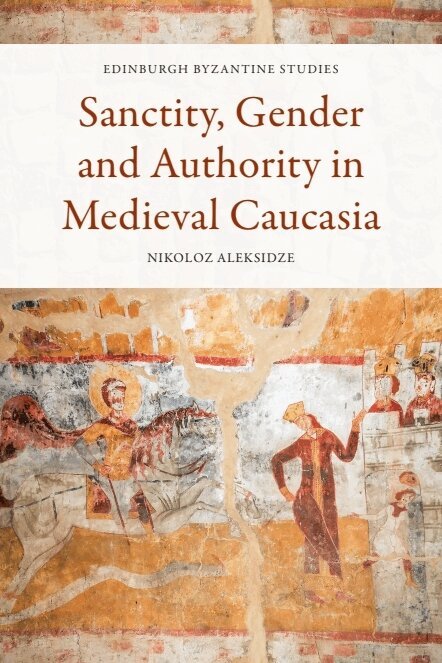
From the early fourth century, the veneration of saints and relics spread rapidly across Christendom from the British Isles to Iran. In late antique Caucasia, the cult of the saints was immediately integrated into Armenian and Georgian identity and political discourses. It was used to legitimise royal rule, sanctify domains and dynasties, define political realms and justify political decisions. This book is the first systematic study of this history. Discussing a wide variety of sources from Armenia, Georgia, Byzantium and Russia which have not been examined together before, it investigates the interaction of sanctity, holy relics, gender and politics in the medieval Caucasus, with a particular focus on Georgia. Nikoloz Aleksidze analyses three chronological eras: the first section focuses on late antiquity and the early Middle Ages, when the cult of the relics was formed in Caucasian writing; the second explores the medieval era, when the Bagratids ruled in Georgia and the cults of figures such as St George, the Mother of God and Queen Tamar were shaped and politicised; and the third navigates a similar entanglement of sanctity, gender and political rhetoric in Russian Imperial and Georgian national discourse.