Florin Leonte - Böcker
Visar alla böcker från författaren Florin Leonte. Handla med fri frakt och snabb leverans.
4 produkter
4 produkter
2 185 kr
Skickas inom 10-15 vardagar
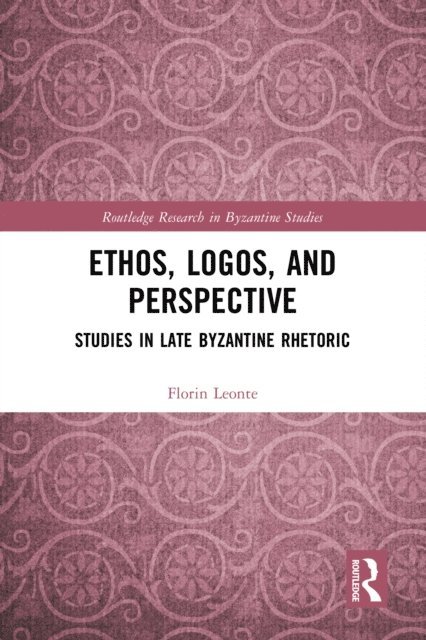
Ethos, Logos, and Perspective represents the first comprehensive study of late Byzantine court rhetorical praise as a general phenomenon surfacing in many types of rhetorical epideictic compositions dating from the fourteenth and the fifteenth centuries: panegyrics, encomia, city descriptions, encomiastic verses, or letters. The aim of this book is to reconstruct the two perspectives, idealism and pragmatism, that shaped authorial choices in matters of rhetorical style and composition. This study uncovers a little-known period in the history of Byzantine rhetoric. Proceeding from a nuanced understanding of the ancient concepts of ethos and logos, it analyzes the rhetoric of Byzantine praise in a modern theoretical framework. Unlike other previous studies of Byzantine rhetoric, the present research traces the structures and meanings that ultimately influenced the political attitudes and values circulating in the last century of Byzantine history. Another feature of this book is that it offers translations and discussions of important passages from the late Byzantine rhetoric, a corpus of texts that only recently has started to receive attention.This book will appeal to scholars, students, and all those interested in Byzantine literary culture (particularly in reference to moral and spiritual advice) and the techniques of Byzantine rhetoric. In addition, readers will also find informative approaches on the main authors and genres of late Byzantine rhetoric.
592 kr
Skickas inom 10-15 vardagar
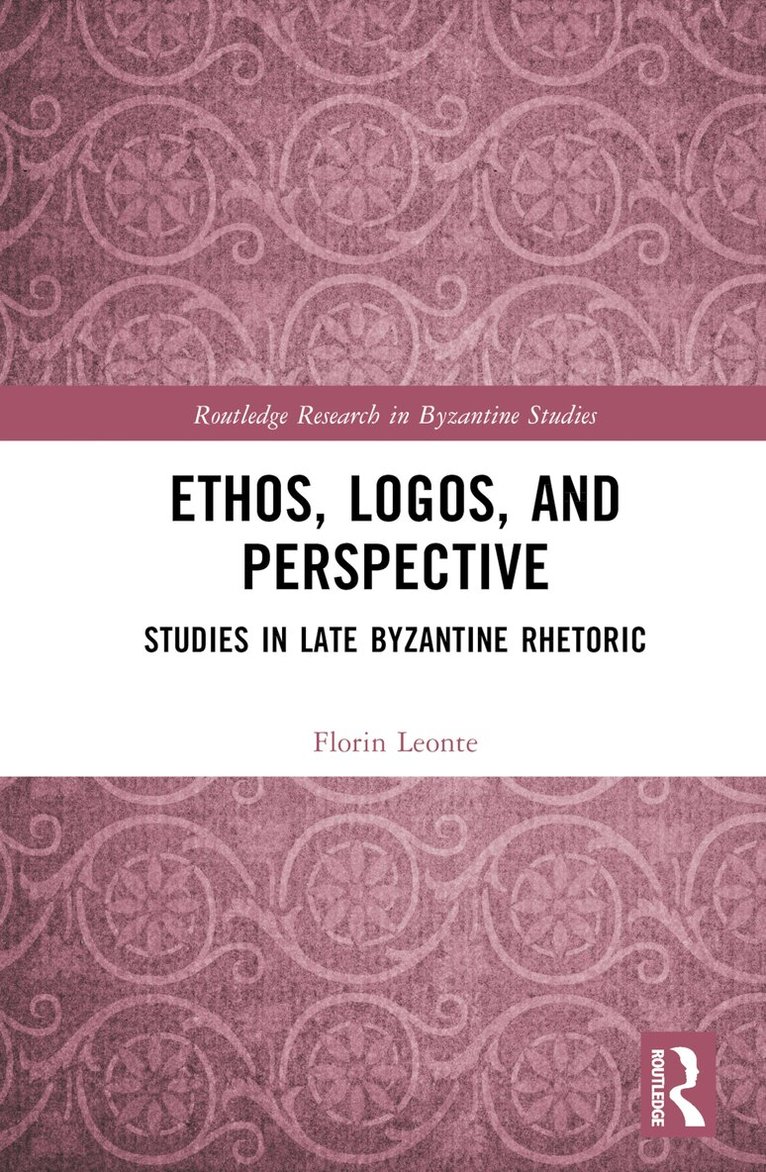
Ethos, Logos, and Perspective represents the first comprehensive study of late Byzantine court rhetorical praise as a general phenomenon surfacing in many types of rhetorical epideictic compositions dating from the fourteenth and the fifteenth centuries: panegyrics, encomia, city descriptions, encomiastic verses, or letters. The aim of this book is to reconstruct the two perspectives, idealism and pragmatism, that shaped authorial choices in matters of rhetorical style and composition. This study uncovers a little-known period in the history of Byzantine rhetoric. Proceeding from a nuanced understanding of the ancient concepts of ethos and logos, it analyzes the rhetoric of Byzantine praise in a modern theoretical framework. Unlike other previous studies of Byzantine rhetoric, the present research traces the structures and meanings that ultimately influenced the political attitudes and values circulating in the last century of Byzantine history. Another feature of this book is that it offers translations and discussions of important passages from the late Byzantine rhetoric, a corpus of texts that only recently has started to receive attention.This book will appeal to scholars, students, and all those interested in Byzantine literary culture (particularly in reference to moral and spiritual advice) and the techniques of Byzantine rhetoric. In addition, readers will also find informative approaches on the main authors and genres of late Byzantine rhetoric.
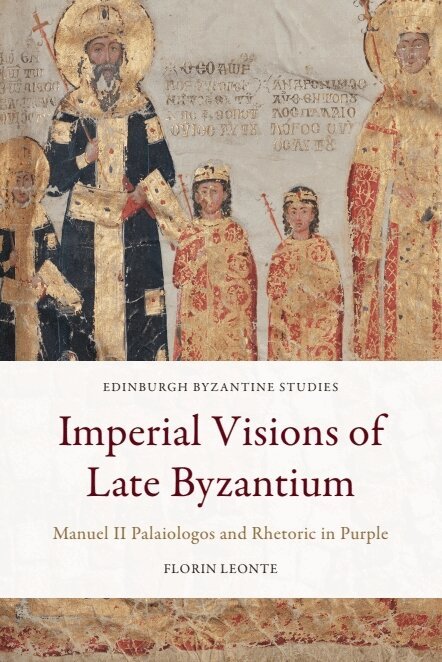
Imperial Visions of Late Byzantium
Manuel II Palaiologos and Rhetoric in Purple
Inbunden, Engelska, 2020
2 157 kr
Skickas inom 3-6 vardagar
Explores a Byzantine emperor’s construction of authority with the help of his rhetorical texts Examines the changes in the Byzantine imperial idea by the end of the fourteenth century with a particular focus on the instrumentalization of the intellectual dimension of the imperial ruleIntegrates late Byzantine imperial visions into the bigger picture of Byzantine imperial ideology Provides a fresh understanding of key pieces of Byzantine public rhetoric and introduces analytical concepts from rhetorical, literary, and discursive theoriesOffers translations of key passages from late Byzantine rhetoricManuel II Palaiologos was not only a Byzantine emperor but also a remarkably prolific rhetorician and theologian. His oeuvre included letters, treatises, dialogues, short poems and orations. Florin Leonte deals with several of his texts shaped by a didactic intention to educate the emperor’s son and successor, John VIII Palaiologos. He argues that the emperor constructed a rhetorical persona which he used in an attempt to compete with other contemporary power-brokers. While Manuel Palaiologos adhered to many rhetorical conventions of his day, he also reasserted the civic role of rhetoric. With a special focus on the first two decades of Manuel II Palaiologos’ rule, 1391–1417, Leonte offers a new understanding of the imperial ethos in Byzantium by combining rhetorical analysis with investigation of social and political phenomena.
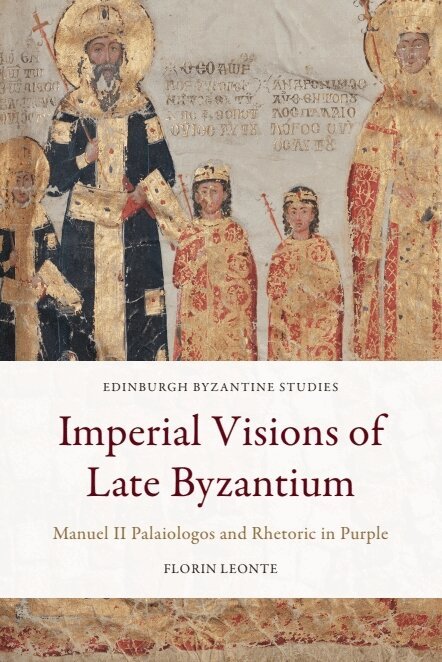
Imperial Visions of Late Byzantium
Manuel II Palaiologos and Rhetoric in Purple
Häftad, Engelska, 2022
611 kr
Skickas inom 3-6 vardagar
Explores a Byzantine emperor’s construction of authority with the help of his rhetorical texts Examines the changes in the Byzantine imperial idea by the end of the fourteenth century with a particular focus on the instrumentalization of the intellectual dimension of the imperial ruleIntegrates late Byzantine imperial visions into the bigger picture of Byzantine imperial ideology Provides a fresh understanding of key pieces of Byzantine public rhetoric and introduces analytical concepts from rhetorical, literary, and discursive theoriesOffers translations of key passages from late Byzantine rhetoricManuel II Palaiologos was not only a Byzantine emperor but also a remarkably prolific rhetorician and theologian. His oeuvre included letters, treatises, dialogues, short poems and orations. Florin Leonte deals with several of his texts shaped by a didactic intention to educate the emperor’s son and successor, John VIII Palaiologos. He argues that the emperor constructed a rhetorical persona which he used in an attempt to compete with other contemporary power-brokers. While Manuel Palaiologos adhered to many rhetorical conventions of his day, he also reasserted the civic role of rhetoric. With a special focus on the first two decades of Manuel II Palaiologos’ rule, 1391–1417, Leonte offers a new understanding of the imperial ethos in Byzantium by combining rhetorical analysis with investigation of social and political phenomena.