• Fri frakt över 249 kr
  • •
  • Snabba leveranser
  • •
  • Billiga böcker
Kundservice

Du är på sajten för privatpersoner.

Företag, bibliotek eller offentlig verksamhet?

Du handlar på classic.bokus.com, där alla dina funktioner finns intakta.
Till classic.bokus.com
Bokus logotyp. Gå till startsidan.
  • Erbjudanden
  • Nyheter
  • Student
  • Topplistor
  • Barn & ungdom
  • Bokus Play
  • E-böcker
  • Pocketböcker
  • Spel & pussel

10% rabatt på allt med kod: NYSTART10 →

Sidfot

Mina sidor

    Hjälp

    • Kundservice
    • Vanliga frågor och svar
    • Frakt och leverans
    • Retur vid ångerrätt
    • Reklamera vara
    • Betalning
    • Köpvillkor
    • Allmänna villkor
    • Information om webbplatsens tillgänglighet

    Om Bokus

    • Om oss
    • Pressrum
    • För studenter
    • För företag
    • För bibliotek och offentlig verksamhet
    • För leverantörer
    • Hållbarhet

    Populärt

    • Aktuella erbjudanden
    • Presentkort
    • Studentlitteratur
    • Nya böcker
    • Topplistor
    • Signerade böcker
    • Engelska böcker

    Inspiration

    • Boktips
    • BookTok
    • Populära bokserier
    • Barnbokskaraktärer
    • Populära författare
    Logotyp för Bokus
    Följ oss på Facebook (extern länk)Följ oss på Instagram (extern länk)Följ oss på YouTube (extern länk)Följ oss på TikTok (extern länk)
    bokus @ CookiesAnpassa cookiesIntegritetspolicyKöpvillkor
    Till Citymail hemsida (extern länk)Till Budbee hemsida (extern länk)Till Postnord hemsida (extern länk)Till Schenker hemsida (extern länk)Till Early Bird hemsida (extern länk)Till Walleys hemsida (extern länk)
    1. Historia och arkeologi
    2. Historia
    3. Historia: särskilda händelser och ämnen
    4. Socialhistoria och kulturhistoria

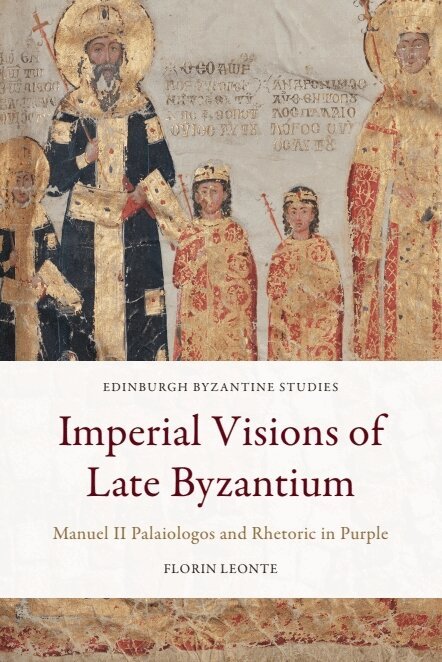
    Imperial Visions of Late Byzantium

    Manuel II Palaiologos and Rhetoric in Purple

    AvFlorin Leonte

    Häftad, Engelska, 2022

    Del i serien Edinburgh Byzantine Studies

    614 kr

    Beställningsvara. Skickas inom 3-6 vardagar. Fri frakt över 249 kr.

    Fler format och utgåvor

    Inbunden

    2 167 kr

    Beskrivning

    Explores a Byzantine emperor’s construction of authority with the help of his rhetorical texts Examines the changes in the Byzantine imperial idea by the end of the fourteenth century with a particular focus on the instrumentalization of the intellectual dimension of the imperial ruleIntegrates late Byzantine imperial visions into the bigger picture of Byzantine imperial ideology Provides a fresh understanding of key pieces of Byzantine public rhetoric and introduces analytical concepts from rhetorical, literary, and discursive theoriesOffers translations of key passages from late Byzantine rhetoricManuel II Palaiologos was not only a Byzantine emperor but also a remarkably prolific rhetorician and theologian. His oeuvre included letters, treatises, dialogues, short poems and orations. Florin Leonte deals with several of his texts shaped by a didactic intention to educate the emperor’s son and successor, John VIII Palaiologos. He argues that the emperor constructed a rhetorical persona which he used in an attempt to compete with other contemporary power-brokers. While Manuel Palaiologos adhered to many rhetorical conventions of his day, he also reasserted the civic role of rhetoric. With a special focus on the first two decades of Manuel II Palaiologos’ rule, 1391–1417, Leonte offers a new understanding of the imperial ethos in Byzantium by combining rhetorical analysis with investigation of social and political phenomena.

    Produktinformation

    • Utgivningsdatum:2022-05-30
    • Mått:156 x 234 x 27 mm
    • Vikt:526 g
    • Format:Häftad
    • Språk:Engelska
    • Serie:Edinburgh Byzantine Studies
    • Antal sidor:344
    • Förlag:Edinburgh University Press
    • ISBN:9781474441049

    Utforska kategorier

    • Socialhistoria och kulturhistoria inom Historia och arkeologi
    • Europas historia inom Historia och arkeologi
    • Forntidens historia inom Historia och arkeologi

    Mer om författaren

    Florin Leonte is Assistant Professor at the Department of Classics, University of Olomouc, Czech Republic. He received his PhD in Byzantine Studies from the Central European University, Budapest. After graduating, he held a number of postdoctoral positions including a two-year lectureship at Harvard University, Department of the Classics, a fellowship at Villa I Tatti, The Research Center for Renaissance Studies in Florence, and a fellowship from the International Society for the History of Rhetoric.

    Recensioner i media

    This book brings together the politics of the reign of Manuel II and the writings of the emperor in an organic way which emphasises the agency of rhetoric in Byzantine society. The literary analyses, particularly of voice and genre are masterly, and Leonte's own imperial vision of Late Byzantium is subtle, nuanced and convincing.

    Innehållsförteckning

    • AcknowledgmentsAbbreviationsIntroductionPart I: Dissent and Consent1. Voices of Dissent: Preaching and Negotiating AuthorityOrganization of the ecclesiastics' groupMajor political and social themes in the ecclesiastics’ writings2. Voices of Consent: Imperial Rhetoricians, Theatra, and PatronageTheatra and imperial involvementProfile and organization of the rhetoriciansConnections among the members of the literary courtThe rhetorical landscape in the late Palaiologan periodMain themes in the rhetoricians’ writingsPart II: Other Voices, Other Approaches: Manuel II’s Political WritingsIntroduction3. The deliberative voice: The Dialogue with the Empress Mother on MarriageContents and structureGenreConstructing dialogic authority4. The Didactic Voice: the Foundations of Imperial ConductContext of productionContents and structureGenreAuthorial voice5. The didactic voice: The Orations (Seven ethical-political orations)IntroductionThe dramatic settingThe contents of the OrationsMajor themes in the OrationsThe contents and form of the orationsBetween teaching and preaching: constructing the genre of the OrationsAuthorial voice: teaching the son and admonishing the emperor6. The narrative voice: The Funeral Oration on Brother Theodore, Despot of MoreaContexts of productionThe rhetorical template and the compositional structure of the Funeral orationThe narrator and the narrativeAuthorial voice7. Towards a Renewed Vision of Imperial AuthoritySociety and social "classes"Enemies and alliesMarkers of Byzantine IdentityRenewal of imperial ideology in Manuel's textsManuel II’s Imperial vision and Style of governmentAppendicesBibiliographyIndex