Europa Perspectives in Transitional Justice - Böcker
Visar alla böcker i serien Europa Perspectives in Transitional Justice. Handla med fri frakt och snabb leverans.
11 produkter
11 produkter
2 104 kr
Skickas inom 10-15 vardagar
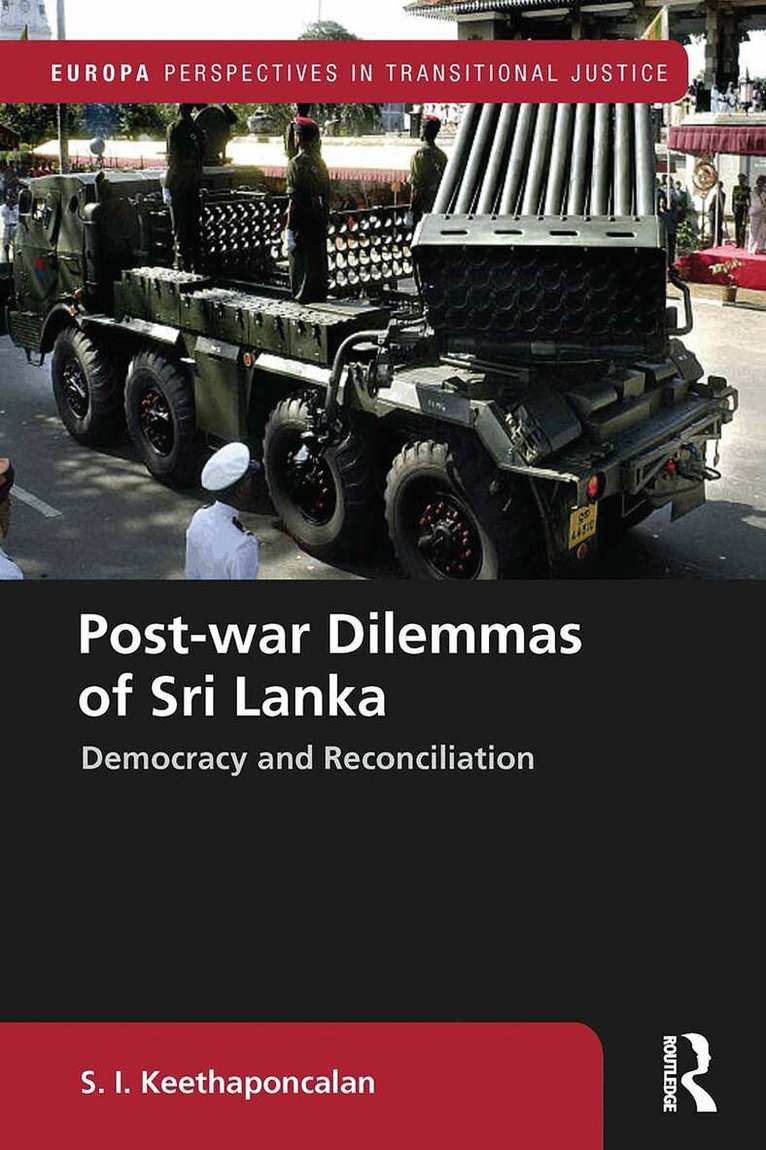
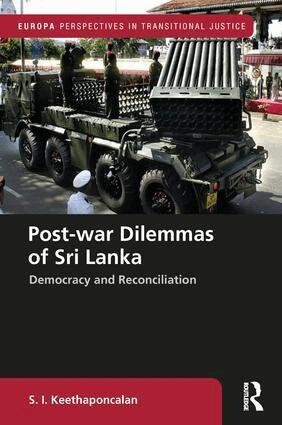
By investigating Sri Lanka as a case study, this book examines whether democracy, compared to authoritarianism, is conducive to post-war reconciliation. The research, founded on primary as well as secondary data, concludes that political systems have little to do with the success or failure of post-war ethnic reconciliation. The Sri Lankan case indicated that post-war reconciliation is more contingent on the readiness of the former enemies to come together. Readiness stems from, for example, satisfaction in the way issues have been resolved, confidence in the other party's intentions, and the compulsion to coexist. If the level of satisfaction, confidence, and the compulsion to coexist are low, the readiness to reconcile will also be low.The end of the war had a profound impact on post-war governance and ethnic relations in Sri Lanka. Hence, the volume provides an in-depth analysis of the factors that led to the military victory of the Sri Lankan government over the Liberation Tigers of Tamil Eelam (LTTE) in 2009. The chapters delve into the nexus between governance and reconciliation under the first two post-war governments. Reconciliation did not materialize in this period. Instead, new fault-lines emerged as attacks on the Muslim community escalated drastically. This book provides a comprehensive analysis of the nature of relations between the Sinhalese and Muslims and the Tamils and Muslims, as well as the nature and causes of post-war anti-Muslim riots.
562 kr
Skickas inom 10-15 vardagar
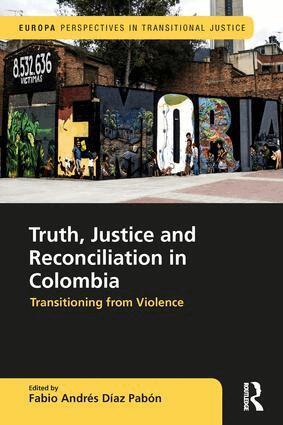
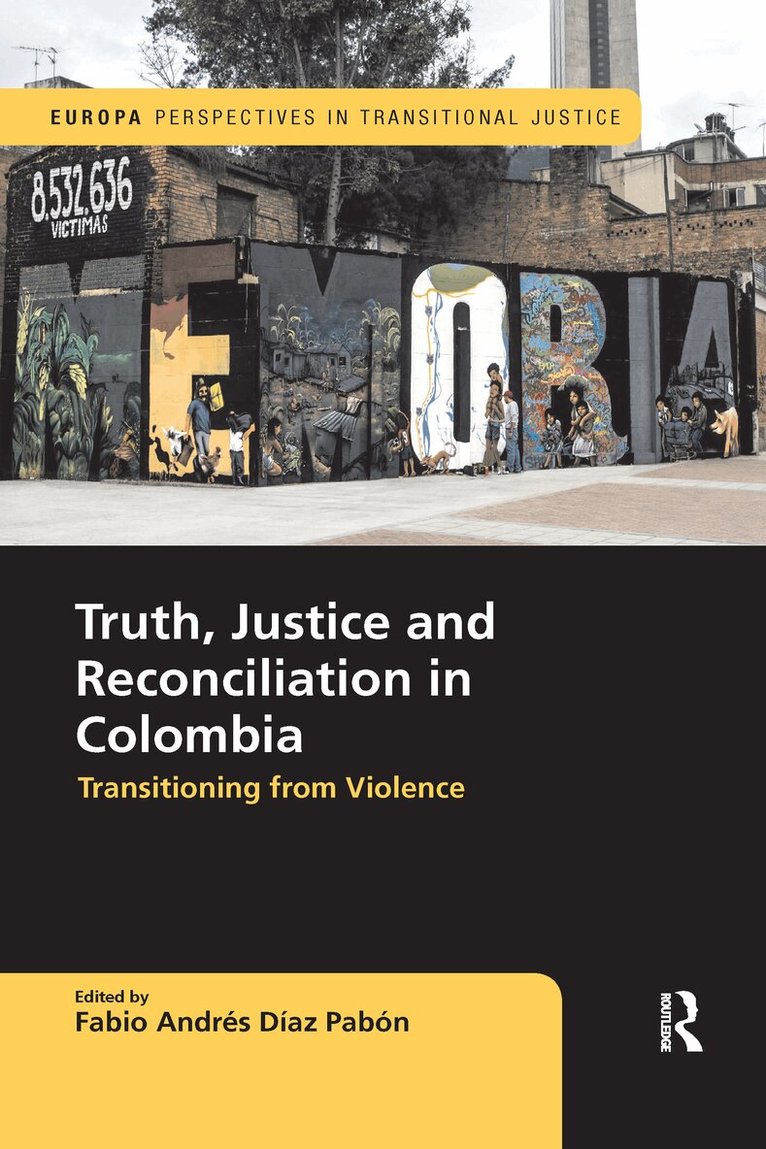
The signing of the peace agreements between the FARC-EP and the Colombian Government in late November 2016 has generated new prospects for peace in Colombia, opening the possibility of redressing the harm inflicted on Colombians by Colombians. Talking about peace and transitional justice requires us to think about how to operationalize peace agreements to promote justice and coexistence for peace. This volume brings together reflections by Colombian academics and practitioners alongside pieces provided by researchers and practitioners in other countries where transitional justice initiatives have taken place (Bosnia and Herzegovina, South Africa, Sri Lanka and Peru). This volume has been written in the south, by the south, for the south. The book engages with the challenges ahead for the coming generations of Colombians. Rivers of ink have dealt with the end goals of transitional justice, but victims require us to take the quest for human rights beyond the normative realm of theorizing justice and into the practical realm of engaging how to implement justice initiatives. The tension between theory—the legislative frameworks guaranteeing human rights—and practice—the realization of these ideas—will frame Colombia’s success (or failure) in consolidating the implementation of the peace agreements with the FARC-EP.
1 901 kr
Skickas inom 10-15 vardagar
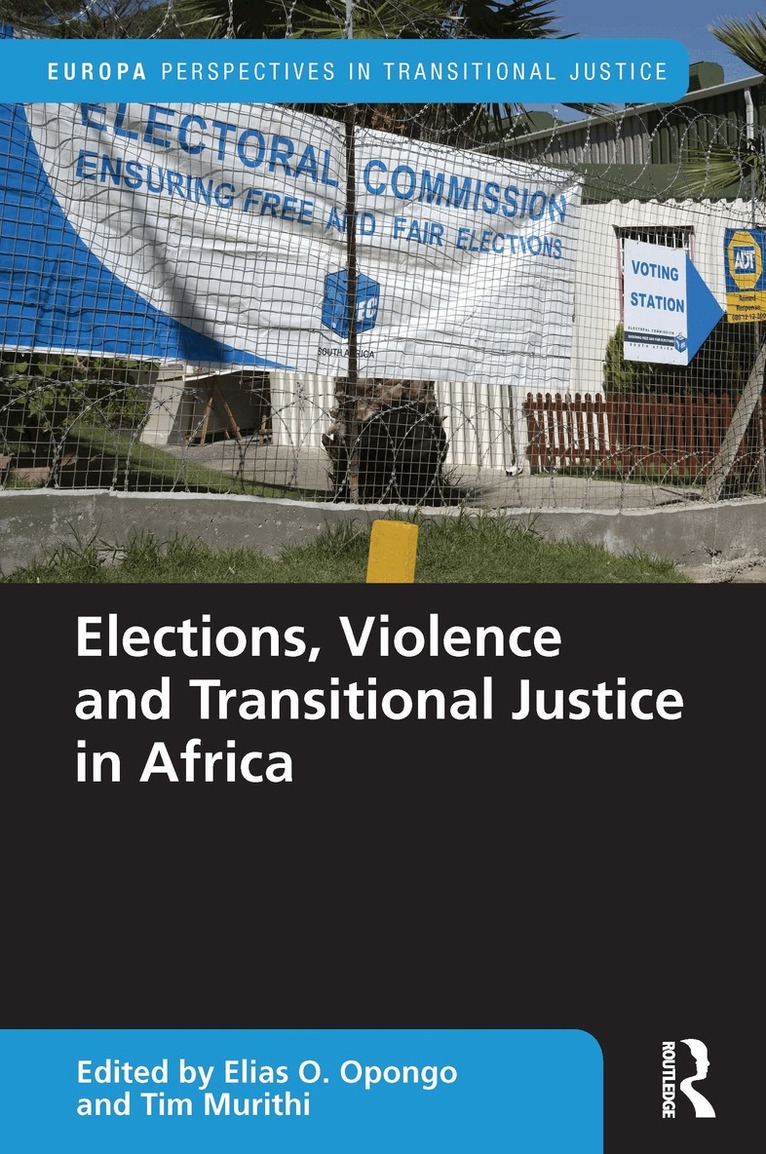
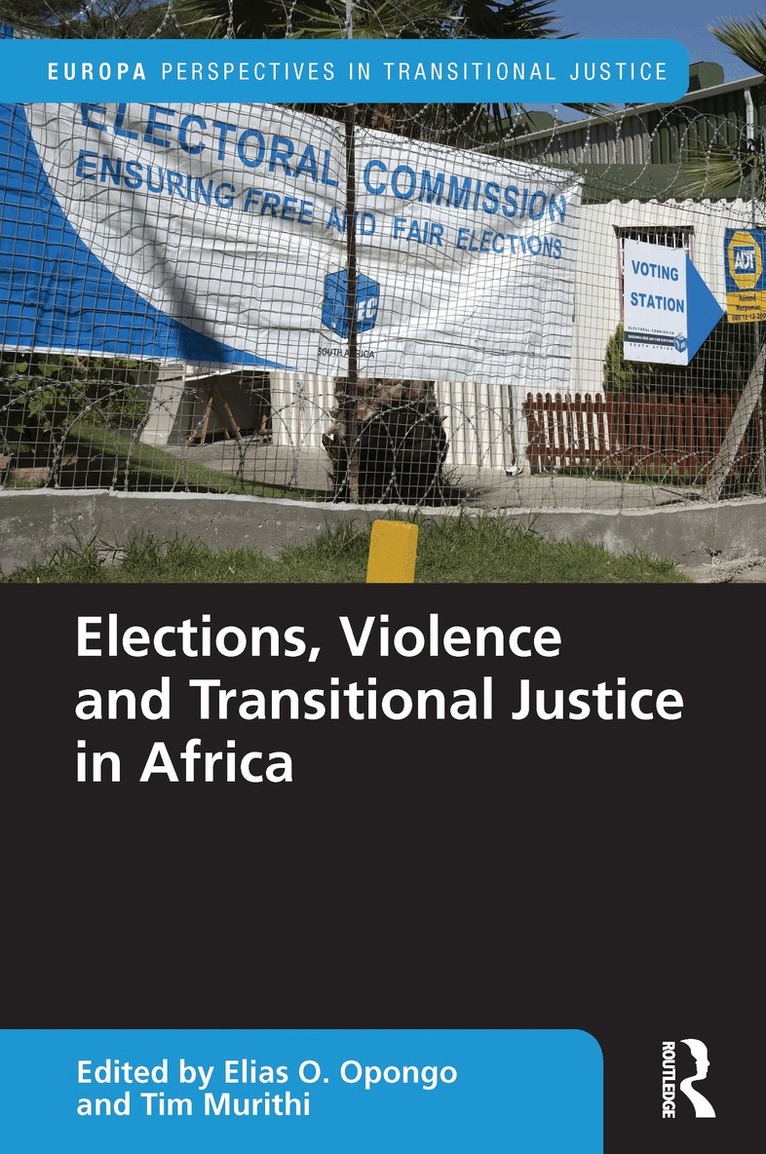
Elections in Africa are competitive in nature and can be manipulated by incumbents to extend and entrench their rule through changes to constitutions, intimidation of opponents, excess use of police force and, in some cases, assassinations of dissident voices. Ethnic cleavages are also exploited by contestants to incite and mobilize unsuspecting masses to pursue their electoral ambitions which can lead to political instability. In many African countries, violence before, during and after elections has become a regrettable norm rather than the exception. The function of transitional justice is to address the legacy of human rights atrocities, political violence and societal harm resulting from prior misrule or violent conflicts, with a view to establishing fair, democratic and inclusive societies.This book interrogates the potential intersection between transitional justice and electoral processes. Specifically, it examines the hypothesis that transitional justice interventions that strive to address historical injustices perpetrated by violence, conflict and entrenched by socio-political impunity, can initiate preventive measures against electoral violence through redress, accountability and institutional reforms. The contributors to this volume have engaged with country case studies from across Africa, while examining the intersection between transitional justice and electoral processes. Hence, this is a timely volume that highlights the uninterrogated nexus between elections, violence and transitional justice in Africa.
656 kr
Skickas inom 10-15 vardagar
By investigating Sri Lanka as a case study, this book examines whether democracy, compared to authoritarianism, is conducive to post-war reconciliation. The research, founded on primary as well as secondary data, concludes that political systems have little to do with the success or failure of post-war ethnic reconciliation. The Sri Lankan case indicated that post-war reconciliation is more contingent on the readiness of the former enemies to come together. Readiness stems from, for example, satisfaction in the way issues have been resolved, confidence in the other party's intentions, and the compulsion to coexist. If the level of satisfaction, confidence, and the compulsion to coexist are low, the readiness to reconcile will also be low.The end of the war had a profound impact on post-war governance and ethnic relations in Sri Lanka. Hence, the volume provides an in-depth analysis of the factors that led to the military victory of the Sri Lankan government over the Liberation Tigers of Tamil Eelam (LTTE) in 2009. The chapters delve into the nexus between governance and reconciliation under the first two post-war governments. Reconciliation did not materialize in this period. Instead, new fault-lines emerged as attacks on the Muslim community escalated drastically. This book provides a comprehensive analysis of the nature of relations between the Sinhalese and Muslims and the Tamils and Muslims, as well as the nature and causes of post-war anti-Muslim riots.
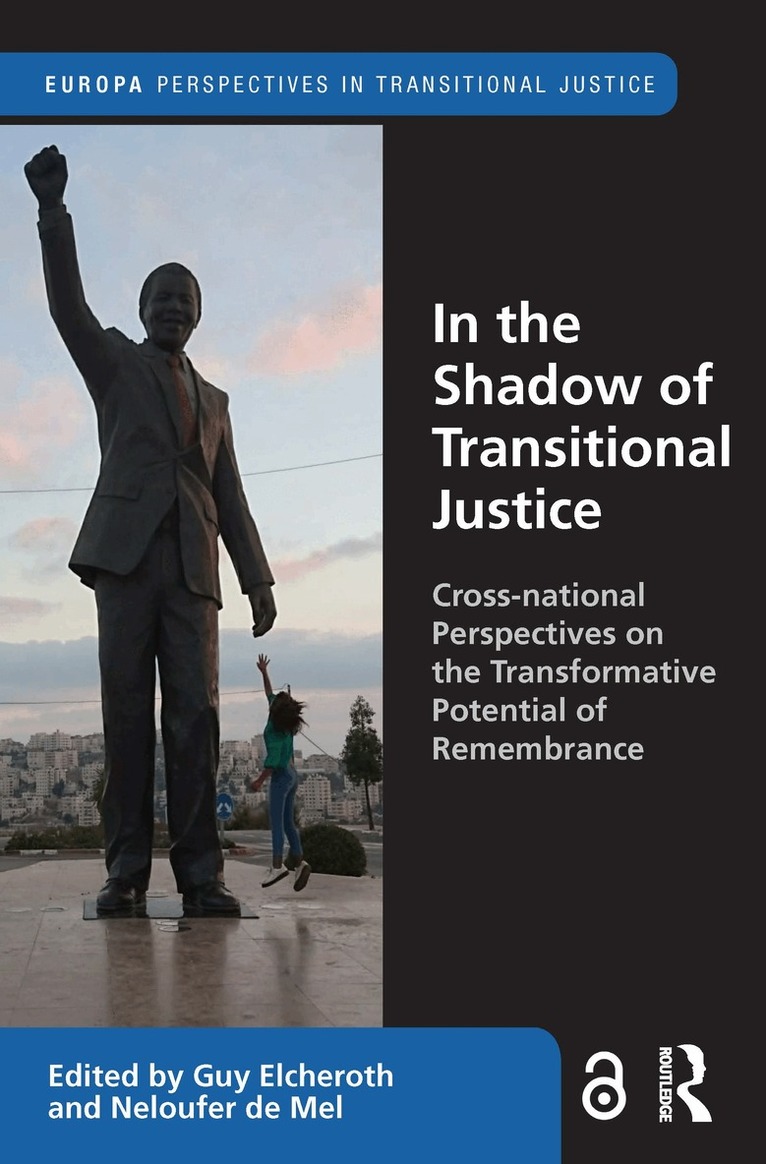
In the Shadow of Transitional Justice
Cross-national Perspectives on the Transformative Potential of Remembrance
Inbunden, Engelska, 2021
1 812 kr
Skickas inom 10-15 vardagar
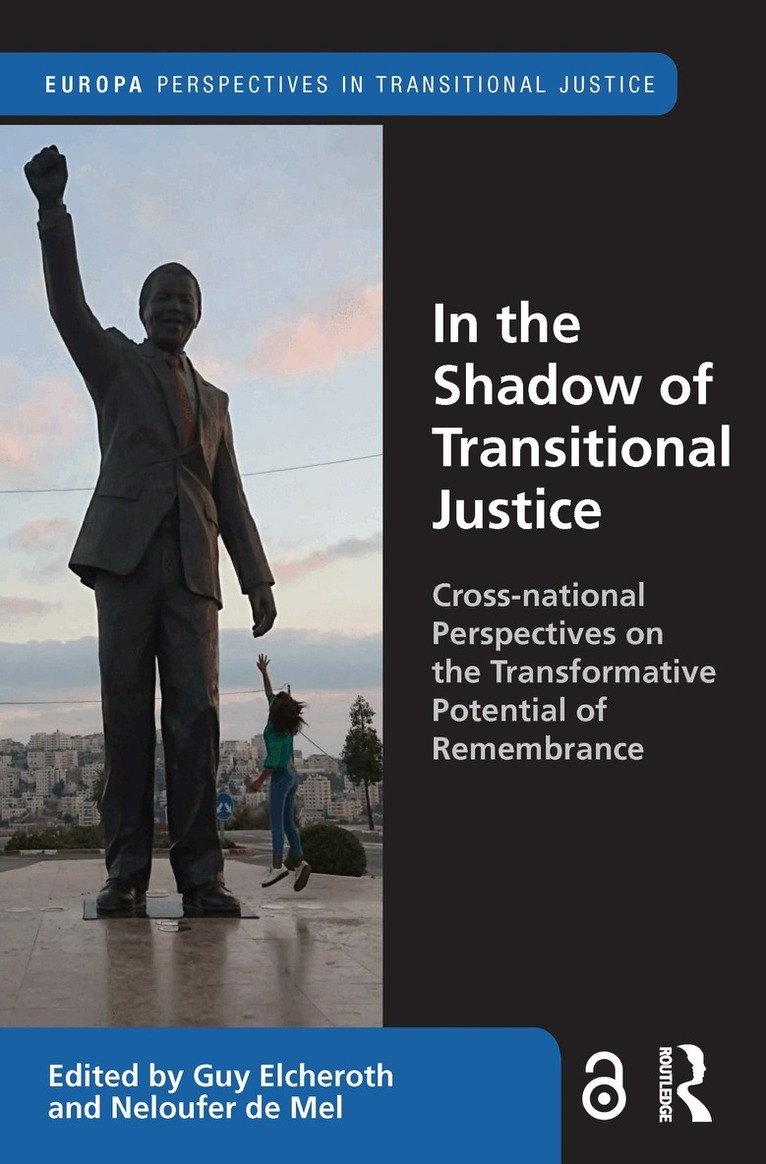
This volume bridges two different research fields and the current debates within them. On the one hand, the transitional justice literature has been shaken by powerful calls to make the doctrine and practice of justice more transformative. On the other hand, collective memory studies now tend to look more closely at meaningful silences to make sense of what nations leave out when they remember their pasts. The book extends the scope of this heuristic approach to the different mechanisms that come under the umbrella of transitional justice, including legal prosecution, truth-seeking and reparations, alongside memorialisation. The 15 chapters included in the volume, written by expert scholars from diverse disciplinary and societal backgrounds, explore a range of practices intended to deal with the past, and how making the invisible visible again can make transitional justice - or indeed, any societal engagement with the past - more transformative. Seeking to combine contextual depth and comparative width, the book features two key case analyses - South Africa and Sri Lanka - alongside discussions of multiple cases, including such emblematic sites as Rwanda and Argentina, but also sites better known for resisting than for embracing international norms of transitional justice, such as Turkey or Côte d’Ivoire. The different contributions, grouped in themed sections, progressively explore the issues, actors and resources that are typically forgotten when societies celebrate their pasts rather than mourning their losses and, in doing so, open new possibilities to build more inclusive processes for addressing the present consequences of past injustice.
1 936 kr
Skickas inom 10-15 vardagar
This volume interrogates global perspectives and issues that constitute and characterize survivor-centred justice, exploring both conceptual and theoretical issues surrounding the definition of a ‘survivor’, practical considerations of what constitutes a survivor-centred approach to justice and available avenues of justice for survivors of mass atrocities.In the first part of the book, survivor-centred justice is explored at the level of the International Criminal Court (ICC). The second part evaluates developments taking place at the local and domestic levels where traditional, customary or local justice mechanisms find affinity with survivors in their quest for justice. The third part focuses on advocacy-based approaches being utilized specifically by non-governmental organizations (NGOs), multilateral and regional institutions such as the United Nations and African Union, in support of survivors. In the final part of the book future prospects for survivors in the promotion of peacebuilding and atrocity prevention are discussed.The discussions in this volume will be of particular value and importance to international and transitional justice scholars, including legal and development practitioners interested in survivor-centred approaches to mass atrocity crimes Most importantly it aims to be of value to survivors, survivor communities and survivor-centred networks.
In the Shadow of Transitional Justice
Cross-national Perspectives on the Transformative Potential of Remembrance
Häftad, Engelska, 2024
529 kr
Skickas inom 10-15 vardagar
This volume bridges two different research fields and the current debates within them. On the one hand, the transitional justice literature has been shaken by powerful calls to make the doctrine and practice of justice more transformative. On the other hand, collective memory studies now tend to look more closely at meaningful silences to make sense of what nations leave out when they remember their pasts. The book extends the scope of this heuristic approach to the different mechanisms that come under the umbrella of transitional justice, including legal prosecution, truth-seeking and reparations, alongside memorialisation. The 15 chapters included in the volume, written by expert scholars from diverse disciplinary and societal backgrounds, explore a range of practices intended to deal with the past, and how making the invisible visible again can make transitional justice - or indeed, any societal engagement with the past - more transformative. Seeking to combine contextual depth and comparative width, the book features two key case analyses - South Africa and Sri Lanka - alongside discussions of multiple cases, including such emblematic sites as Rwanda and Argentina, but also sites better known for resisting than for embracing international norms of transitional justice, such as Turkey or Côte d’Ivoire. The different contributions, grouped in themed sections, progressively explore the issues, actors and resources that are typically forgotten when societies celebrate their pasts rather than mourning their losses and, in doing so, open new possibilities to build more inclusive processes for addressing the present consequences of past injustice.
575 kr
Skickas inom 10-15 vardagar
Elections in Africa are competitive in nature and can be manipulated by incumbents to extend and entrench their rule through changes to constitutions, intimidation of opponents, excess use of police force and, in some cases, assassinations of dissident voices. Ethnic cleavages are also exploited by contestants to incite and mobilize unsuspecting masses to pursue their electoral ambitions which can lead to political instability. In many African countries, violence before, during and after elections has become a regrettable norm rather than the exception. The function of transitional justice is to address the legacy of human rights atrocities, political violence and societal harm resulting from prior misrule or violent conflicts, with a view to establishing fair, democratic and inclusive societies.This book interrogates the potential intersection between transitional justice and electoral processes. Specifically, it examines the hypothesis that transitional justice interventions that strive to address historical injustices perpetrated by violence, conflict and entrenched by socio-political impunity, can initiate preventive measures against electoral violence through redress, accountability and institutional reforms. The contributors to this volume have engaged with country case studies from across Africa, while examining the intersection between transitional justice and electoral processes. Hence, this is a timely volume that highlights the uninterrogated nexus between elections, violence and transitional justice in Africa.
South Africa's Struggle to Remember
Contested Memories of Squatter Resistance in the Western Cape
Häftad, Engelska, 2018
588 kr
Skickas
Transitional justice studies typically focuses on how nations remember, face and deal with histories of past violence. This book, however, shifts the frame from national discourses of transitional justice onto local memory actors who attempt to engage with these broader systems of meaning from below. The case study is based on the memory struggles of individuals and groups who are attempting to gain access to the discourses and benefits associated with dominant memory identities of ‘victim’ and ‘veteran’ in the context of post-transition South Africa. They share a common history of squatter resistance in the Western Cape in the 1980s and a common struggle for inclusion in dominant memory frameworks. The main theme of this book is the politics of memory, as it relates to the conversation between national and local memory. Integrated within this theme is the further theme of alternative histories and counter-memories of struggle from below. In focusing on counter memories of violence and transition this book aims to tell a different version of South African liberation history in relation to the dominant narrative. It analyses local memory actors' attempts to bring their lived histories into conversation with national discourses of reconciliation and the national liberation struggle. In doing so it unpacks a memory paradox occurring within these narratives, which highlights the politics of inclusion and exclusion within the frames of transitional justice knowledge. On the one hand this alternate story exposes the paradox between local and national memory while on the other hand it brings into focus the local experience of the intersection between international transitional justice discourses and national transition politics. This book will be of local and international interest to scholars and students in the field of transitional justice, memory politics, national liberation struggle and South African historiography. It will also be of interest to a broader South Africa public, as it offers a deeper understanding of South Africa’s history, which challenges taken for granted transitional justice frames of knowledge.
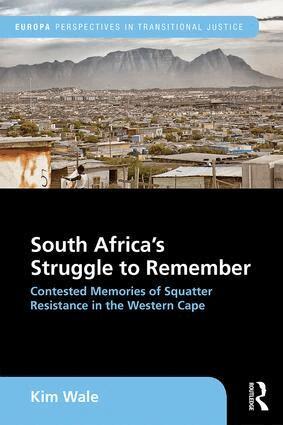
South Africa's Struggle to Remember
Contested Memories of Squatter Resistance in the Western Cape
Inbunden, Engelska, 2016
1 901 kr
Skickas inom 10-15 vardagar
Transitional justice studies typically focuses on how nations remember, face and deal with histories of past violence. This book, however, shifts the frame from national discourses of transitional justice onto local memory actors who attempt to engage with these broader systems of meaning from below. The case study is based on the memory struggles of individuals and groups who are attempting to gain access to the discourses and benefits associated with dominant memory identities of ‘victim’ and ‘veteran’ in the context of post-transition South Africa. They share a common history of squatter resistance in the Western Cape in the 1980s and a common struggle for inclusion in dominant memory frameworks.The main theme of this book is the politics of memory, as it relates to the conversation between national and local memory. Integrated within this theme is the further theme of alternative histories and counter-memories of struggle from below. In focusing on counter memories of violence and transition this book aims to tell a different version of South African liberation history in relation to the dominant narrative. It analyses local memory actors' attempts to bring their lived histories into conversation with national discourses of reconciliation and the national liberation struggle. In doing so it unpacks a memory paradox occurring within these narratives, which highlights the politics of inclusion and exclusion within the frames of transitional justice knowledge. On the one hand this alternate story exposes the paradox between local and national memory while on the other hand it brings into focus the local experience of the intersection between international transitional justice discourses and national transition politics.This book will be of local and international interest to scholars and students in the field of transitional justice, memory politics, national liberation struggle and South African historiography. It will also be of interest to a broader South Africa public, as it offers a deeper understanding of South Africa’s history, which challenges taken for granted transitional justice frames of knowledge.
1 901 kr
Skickas inom 10-15 vardagar
The signing of the peace agreements between the FARC-EP and the Colombian Government in late November 2016 has generated new prospects for peace in Colombia, opening the possibility of redressing the harm inflicted on Colombians by Colombians. Talking about peace and transitional justice requires us to think about how to operationalize peace agreements to promote justice and coexistence for peace. This volume brings together reflections by Colombian academics and practitioners alongside pieces provided by researchers and practitioners in other countries where transitional justice initiatives have taken place (Bosnia and Herzegovina, South Africa, Sri Lanka and Peru). This volume has been written in the south, by the south, for the south. The book engages with the challenges ahead for the coming generations of Colombians. Rivers of ink have dealt with the end goals of transitional justice, but victims require us to take the quest for human rights beyond the normative realm of theorizing justice and into the practical realm of engaging how to implement justice initiatives. The tension between theory—the legislative frameworks guaranteeing human rights—and practice—the realization of these ideas—will frame Colombia’s success (or failure) in consolidating the implementation of the peace agreements with the FARC-EP.