Food Controversies – serie
Visar alla böcker i serien Food Controversies. Handla med fri frakt och snabb leverans.
5 produkter
5 produkter
113 kr
Skickas inom 5-8 vardagar
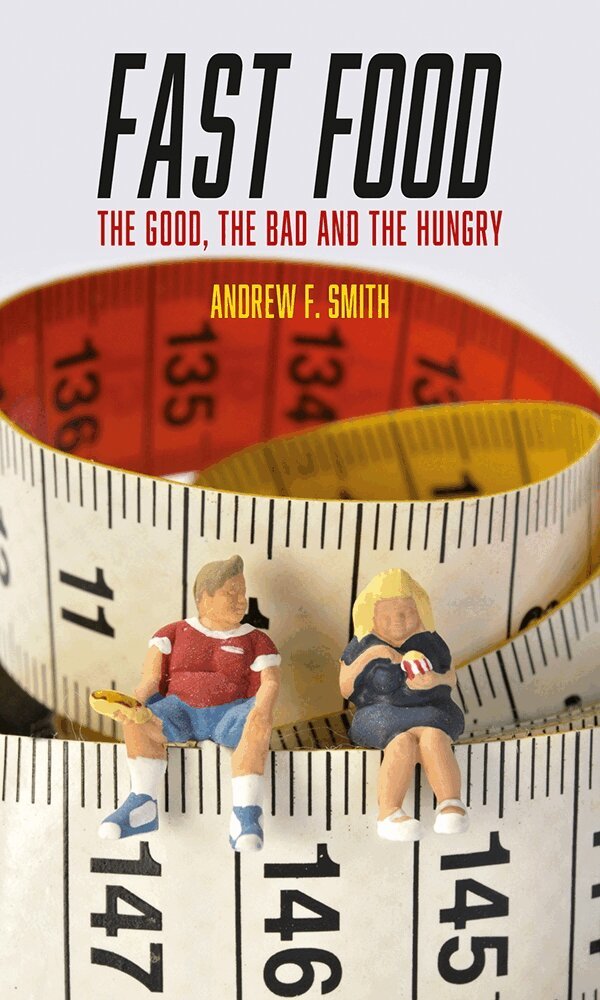
Fast food is the most influential culinary movement of our time. It has spawned an industry that has changed the way the world eats, for it has created a model that works virtually everywhere. At the heart of this industry are large multinational chains, which are expanding in almost every corner of the world. Today, an estimated one million outlets that affect hundreds of millions of people every day are providing access to reasonably tasty food with speed, economy and convenience. Fast food appeals to customers of different nationalities, ethnicities, religions, ages, genders, classes, financial status and culinary traditions.Andrew F. Smith explores why the industry has been so successful and examines how it has negatively affected the environment, exposed its customers to health risks, degraded the diets of children and underpaid its workers. Critics have published scathing exposés, supported boycotts, engaged in demonstrations and lobbied political leaders to force fast-food corporations to reduce the harm they cause. When called to account for this damage, fast-food chains have made changes – occasionally substantial, but more often token – in their operations. More commonly, the industry has denied responsibility, blamed customers, castigated suppliers, opposed regulations and initiatives, funded sympathetic political candidates and organizations, sued opponents, blocked unionization and launched media blitzes in the face of negative publicity.Fast Food examines the industry’s options and those of its customers, and asks what society as a whole can and should do to ameliorate the major problems generated by fast food.
113 kr
Skickas inom 5-8 vardagar
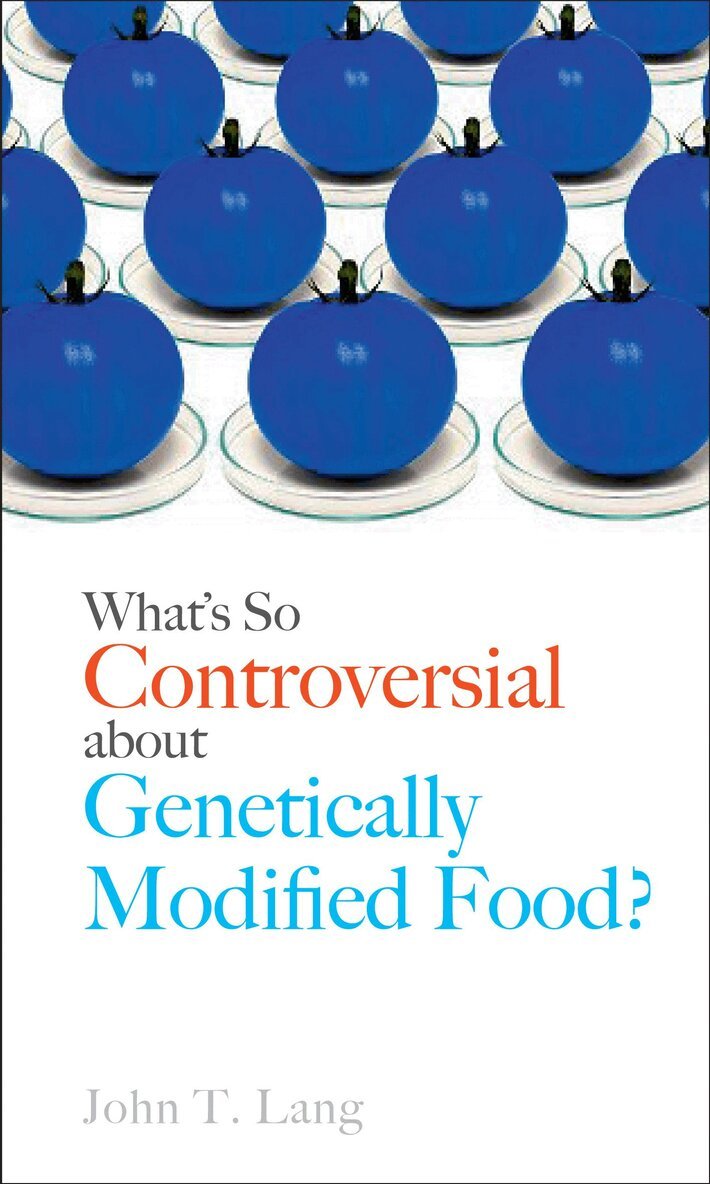
The rampant use of genetically modified food incites public debate among activists, ethicists, scientists, regulators, and industry representatives. While proponents portray genetic modification as scientific progress, opponents reframe it as a form of perverted science. But why is it so controversial? This timely and balanced book explores the many myths and arguments surrounding this extremely topical issue. Written in an accessible style, free of technical jargon, it examines the science behind genetic modification and the controversies that reflect ongoing tensions between social and political power, democratic practice and corporate responsibility. It shows how food is deeply imbued with religious, social, cultural and ethical meanings, which bring a variety of non-scientific debates to the forefront, and also connects GM food to other issues such as globalization of food and corporate concentration.While our modern, mechanized, centralized and globalized infrastructure produces enormous amounts and varieties of food available at our convenience, it also produces irreducible social vulnerability and undeniable uncertainty. All those who care about where their food comes from and how it is produced will enjoy this stimulating book.
117 kr
Skickas inom 5-8 vardagar
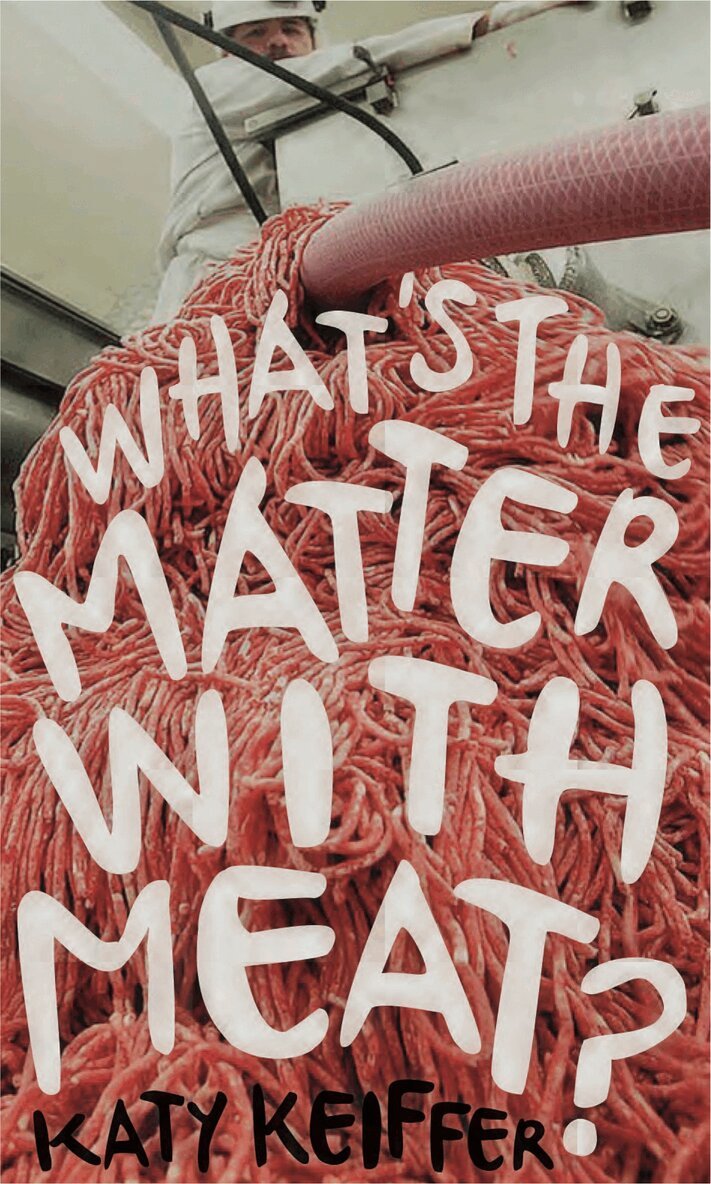
What’s the Matter with Meat? draws back the curtain that obscures the true costs of industrialized meat production. The book exposes how the industry is expanding worldwide ata rapid pace, with just a few large companies monopolizing the majority of the market. This global survey of factory-produced meat examines the practices of the industry in five major production centres: the usa, Europe, Brazil, Australia and Asia.The system generates enormous corporate profits while providing very low prices to consumers, but has an outsized and often negative impact on surrounding communities. Katy Keiffer focuses on issues such as labour, genetics, animal welfare and environmental degradation, as well as probing less-reported topics such as ‘land grabs’, where predator companies acquire property in foreign nations for meat production, frequently at theexpense of local agriculture.The current industry model is simply not feasible for the future, as our planet will soon run out of the resources required to raise animals on such a scale. A salutary, hard-hitting critique of the meat-producing industry and its harmful effects, this book exhorts consumers to resist the lure of cheap meat and encourages governments to foster alternative methods, and the industry itself to amend its practices. This book is not about telling people to stop eating meat. Rather, by exposing current industry practices we can all be aware of the perils of supporting the system; instead of urging people to avoid meat, it proposes that we demand and pay for better meat.
154 kr
Skickas inom 5-8 vardagar
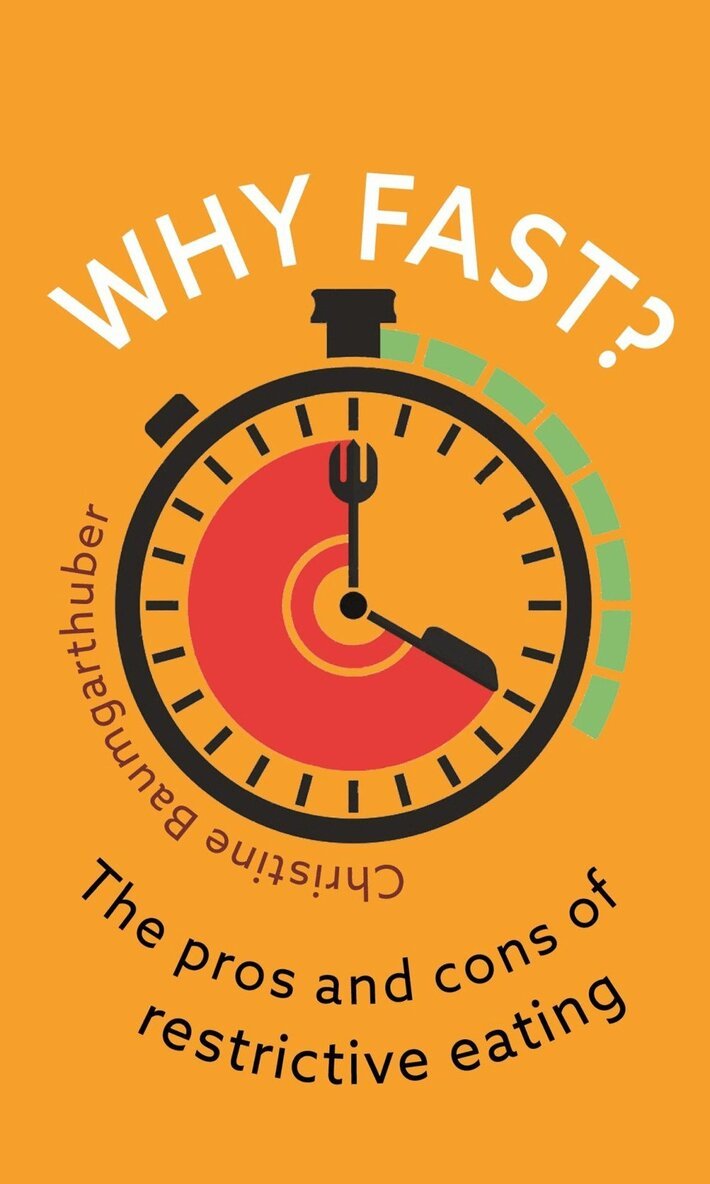
Conventional wisdom says that all we need to do to stay fit and trim is to exercise regularly and eat a low-fat, whole-food diet. Yet more and more people want to fast, forgoing food altogether. But should we fast? And does fasting speak to something deep and immutable within us? Why are we so well adapted to undertake it? And is there a way we can balance the demands of our busy lives with an ancient ritual that requires taking time to rest and rejuvenate?This book tackles all these questions and more. It shows that the story of fasting has roots in the most fundamental aspects of the human condition, and is in fact a quest for mastery – over our bodies, our minds, our health, our circumstances and our fate. And the book tells of the hopes, anxieties and convictions that set us upon that journey.
142 kr
Skickas inom 5-8 vardagar
Taking in turn a scientific, feminist, economic, and public-health perspective, this book gleefully demolishes much of the received wisdom surrounding processed food. Anastacia Marx de Salcedo argues that most of these foods are fairly healthy, and their consumption is an undisputed boon to women’s equality, since women still bear disproportionate responsibility for home and children. Alternate food systems are doomed to be small-scale and unproductive, and can even harm economies as a whole. Can we blame processed food for the worldwide increase in obesity when the role of sedentary lifestyles has not been fully investigated? The author concludes by embracing packaged and preserved edibles in her larder, and encourages the reader to do the same.