Frick Diptych - Böcker
Visar alla böcker i serien Frick Diptych. Handla med fri frakt och snabb leverans.
16 produkter
16 produkter
246 kr
Skickas inom 7-10 vardagar
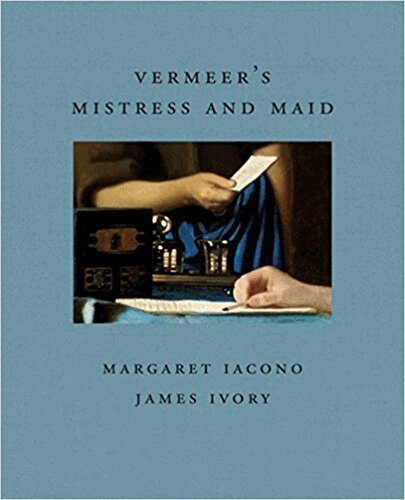
The subject of writing and receiving letters, which recurs frequently in the work of Johannes Vermeer (1632-1675), is given dramatic tension in this masterful painting of two women in a mysterious moment of crisis. The artist seldom, if ever, surpassed the subtly varied effects of light seen here as it gleams from the pearl jewellery, sparkles from the glass and silver objects on the table, and falls softly over the figures in their shadowy setting.The Frick Diptych series sparks a dialogue between creative spirits and art historians, promising new insights into some of the Frick's most famous masterpieces. The third volume, to be published in 2019, will have a contribution by author Edmund de Waal on a pair of porcelain and bronze candlesticks by the 18th-century French metalworker Pierre Gouthiere.
186 kr
Skickas inom 7-10 vardagar
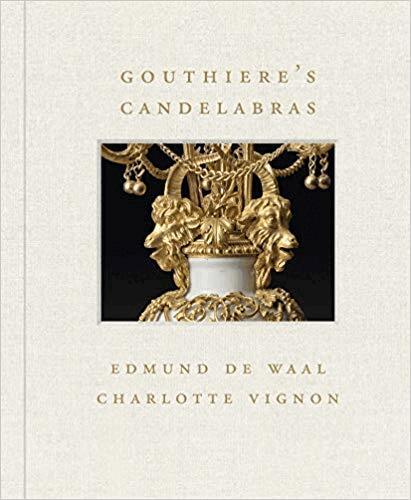
This third volume in the Frick Diptych series offers fresh insight into a pair of candelabra that represent the pinnacle of luxury and taste in the years prior to the French Revolution. Vignon tells the fascinating story of these objects that are made of two small white vases with extraordinary gilt-bronze mounts by Pierre Gouthière, the celebrated eighteenth-century French chaser and gilder. Vignon's essay is paired with a text by De Waal in which he examines what it is to make, own, and desire such complex objects
246 kr
Skickas inom 7-10 vardagar
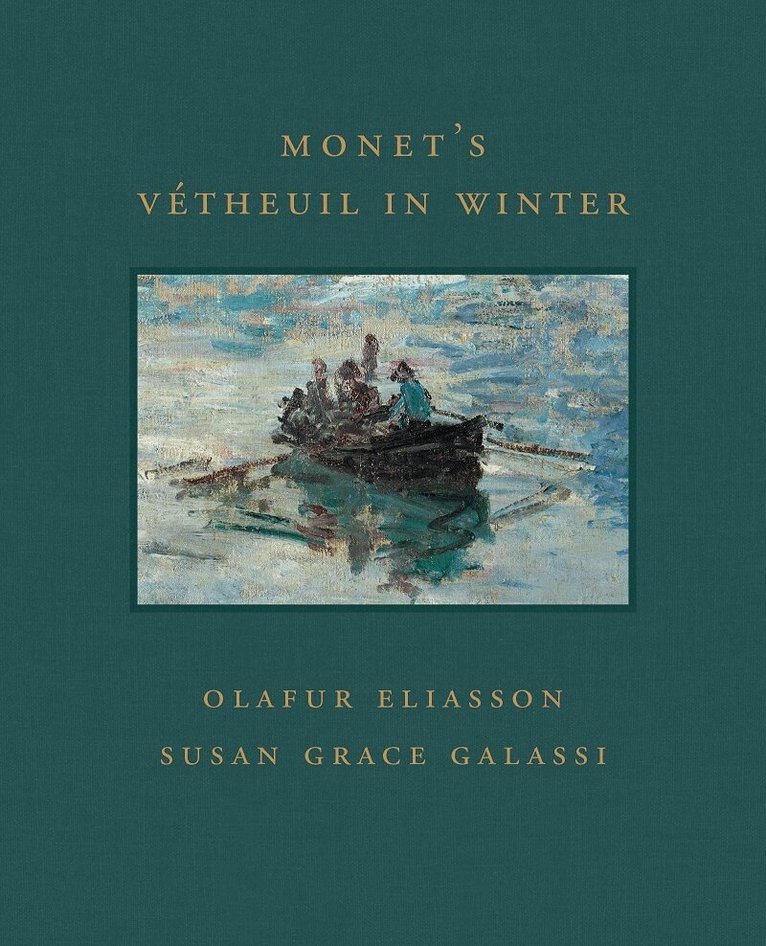
Claude Monet’s Vétheuil in Winter (1878-79), painted during the artist’s first winter in the village, depicts his new home on the Seine, seen from the opposite bank of the river. Monet’s two and a half years in Vétheuil, a small farming community northwest of Paris, saw two severe winters, the inspiration for this impressionist masterpiece, which is the subject of this ninth volume in the Frick Diptych series.Susan Grace Galassi has written an insightful and engaging essay about Monet’s difficult but productive time in Vétheuil, which saw the death of his wife Camille. The Frick's Monet painting, the only work by the artist in the collection is the basis for other significant canvases made during his stay in the village in both winter and summer. Galassi's essay is accompanied by a text and intriguing new work—Colour experiment no. 109—by the artist Olafur Eliasson, created in response to the Monet painting. Eliasson’s work will be shown at the Frick next to the painting that inspired it.
316 kr
Tillfälligt slut
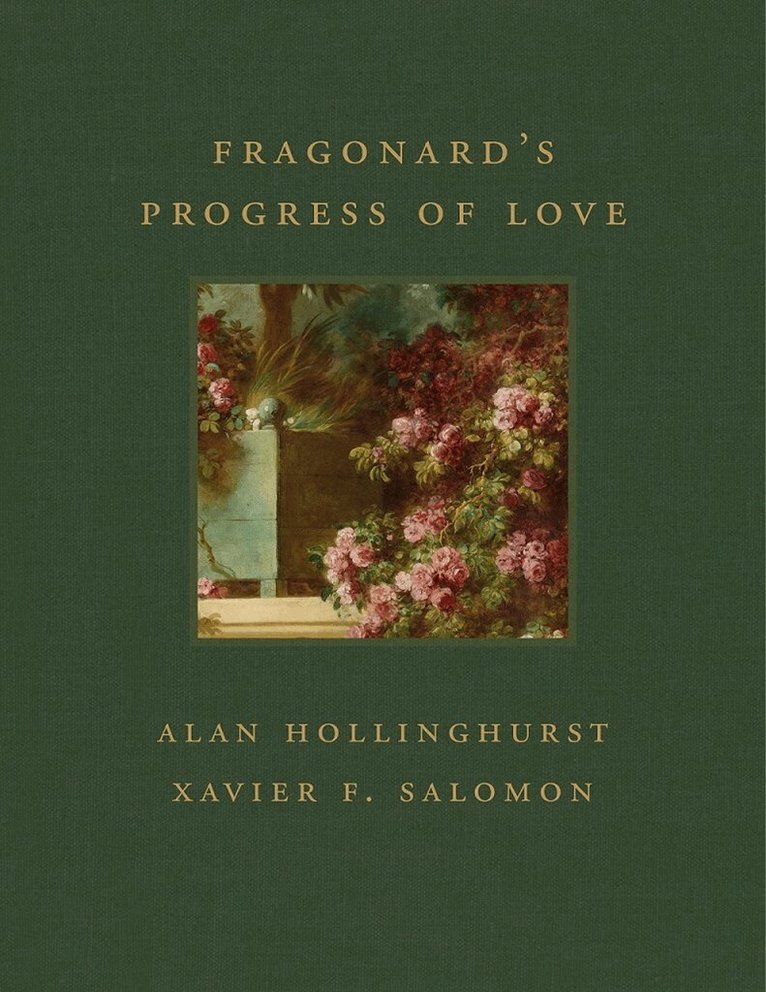
An essay by Xavier F. Salomon paired with a contribution by award-winning novelist Alan Hollinghurst bring to life Jean-Honore Fragonard's (1732-1806) Progress of Love, a series of fourteen paintings considered by many to be the artist's masterpiece. The first four paintings were commissioned in 1771 for the comtesse du Barry, to be installed in 1772 in Louveciennes, the pavilion outside Paris built for her by her lover, Louis XV. By 1773 the canvases, The Pursuit, The Meeting, The Lover Crowned and Love Letters, had been rejected by Du Barry and returned to the artist. In 1790 Fragonard moved the canvases to his cousin's house, the Villa Maubert, in Grasse, and over the course of the year painted ten additional panels: two large-scale works, Love Triumphant and Reverie; four narrow "strips" depicting hollyhocks, and four overdoors of putti. Sold by the Maubert estate to the dealer Agnew's in 1898, the works were purchased in February 1915 by the industrialist Henry Clay Frick. By May 1916 the panels were installed at Frick's new mansion in New York in the present-day Fragonard Room in The Frick Collection.
246 kr
Skickas inom 7-10 vardagar
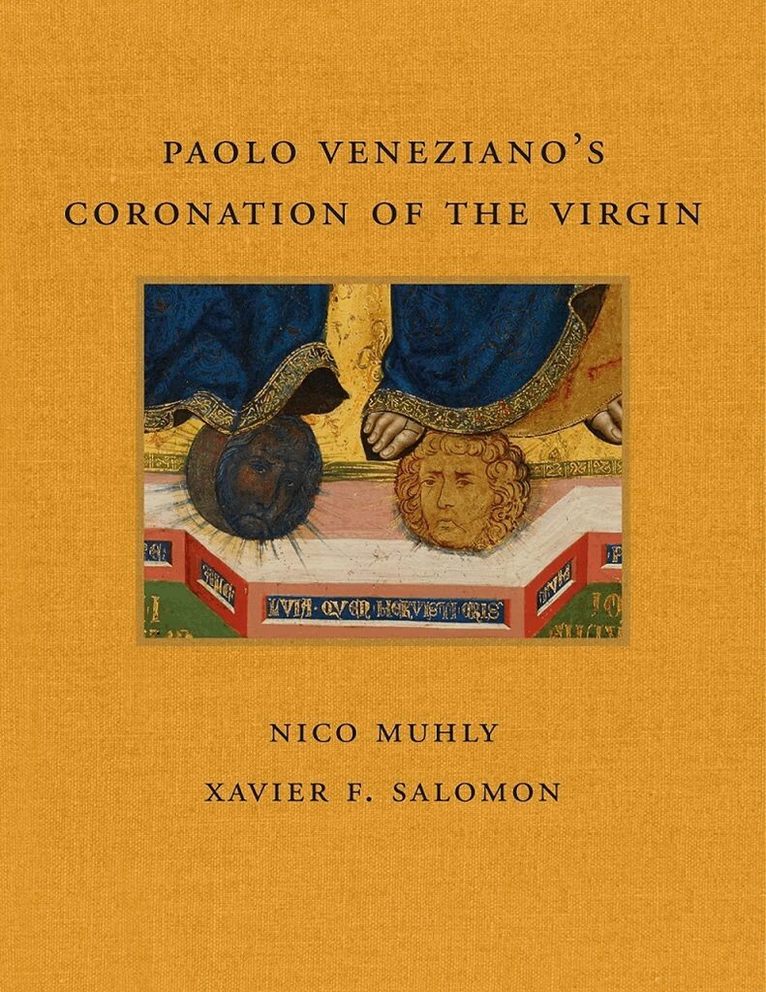
According to Nico Muhly, the Coronation of the Virgin is "a panel of pure theatre and music". Painted in 1358 by the Venetian artist Paolo Veneziano (ca. 1295-1362), the apocryphal story of the Virgin's death is depicted in one of the artist's most thrilling and important works. Paolo Veneziano presents the Virgin and Christ in sumptuous garments and surrounded by a choir of angels playing portable organs, lutes, trumpets, tambourines, and other instruments. The angels symbolize the harmony of the universe; their instruments are the authentic components of a medieval orchestra, accurately depicted and correctly held and played. The decorative sparkle of the surface - with its brilliant, expensive colours, patterned textiles, and lavish gold leaf - reflects the Venetians' love of luxury, a taste that enriches much of 14th- and 15th-century architecture in Venice.
306 kr
Skickas inom 7-10 vardagar
Various identities for the richly dressed, contemplative young man in this portrait have been proposed but none with any certainty. The mood of the subject and the diffused, gentle play of light over the broadly painted surfaces are strongly reminiscent of Titian’s Venetian contemporary Giorgione. In many ways, the Frick portrait epitomizes a new tendency in Italian Renaissance portraiture in which the depiction is intended less as a description of the sitter than as an encounter with them. A rich contribution by artist Elizabeth Peyton accompanies an illuminating essay by Giulio Dalvit which addresses the many questions of provenance, chronology, attribution and of who this mysterious young man might be.
275 kr
Skickas inom 7-10 vardagar
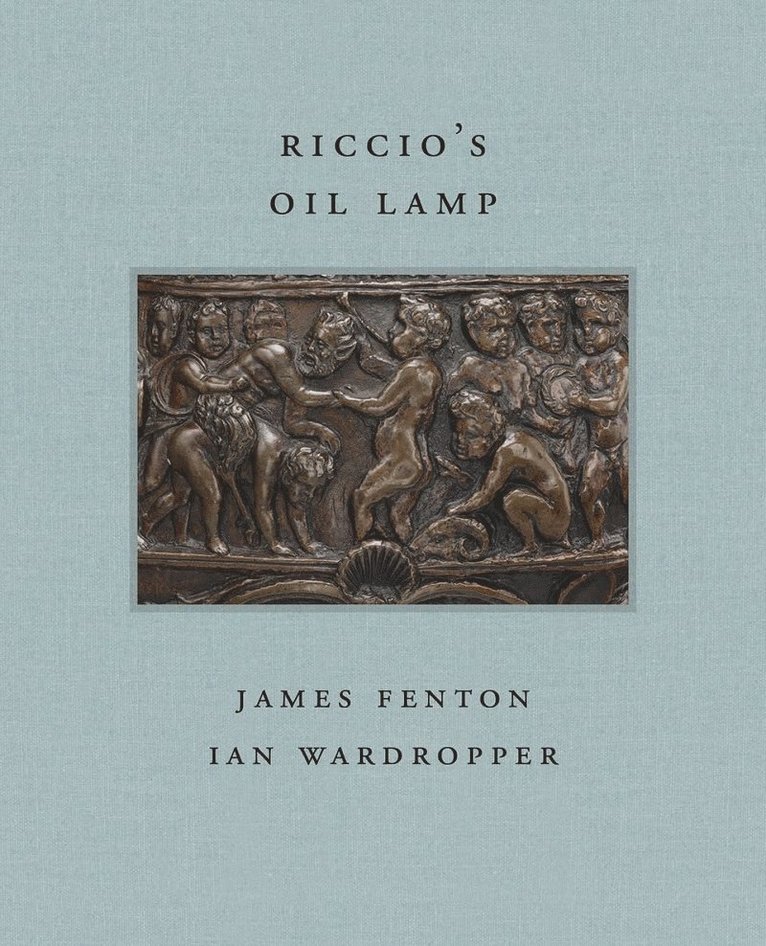
The form of this extraordinary bronze lamp, the most elaborate of several produced by Riccio (Andrea Briosco), is based on a Roman sandal, and its surface is covered with intricate reliefs modelled with a goldsmith’s refinement and crisp detail. The subjects evoke the populace of classical art and poetry, including a Nereid and Triton, Pan, harpies and innumerable putti, along with goats, musical instruments, shells, masks and garlands. Inspired by the Roman half-boot, the lamp is designed as a bizarre shoe balanced on a pyramidal base, and, as Ian Wardropper discusses in his essay, it would have provided its owner with much pleasure and intellectual stimulation. Early in its history, the lamp is known to have belonged to a series of distinguished Paduan collectors. Paired with Wardropper’s essay is a beautiful poem by James Fenton.
246 kr
Skickas inom 7-10 vardagar
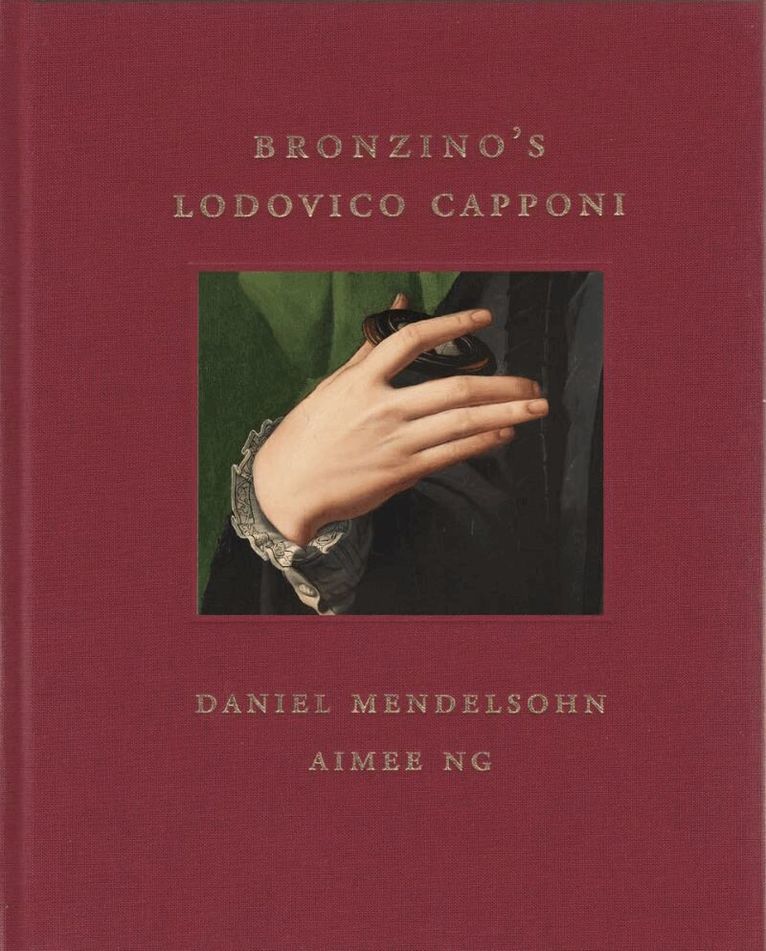
Painted by Agnolo Bronzino (Agnolo di Cosimo) (Italian, 1503–1572) ca. 1550–55, the young aristocrat is Lodovico Capponi (b. 1533), a page at the Medici court. As was his custom, he wears black and white, his family's armorial colors. His right index finger partially conceals the cameo he holds, revealing only the inscription sorte (fate or fortune) — an ingenious allusion to the obscurity of fate. In the mid 1550s Lodovico fell in love with a girl whom Duke Cosimo had intended for one of his cousins. After nearly three years of opposition, Cosimo suddenly relented, but he commanded that their wedding be celebrated within twenty-four hours.
246 kr
Skickas inom 7-10 vardagar
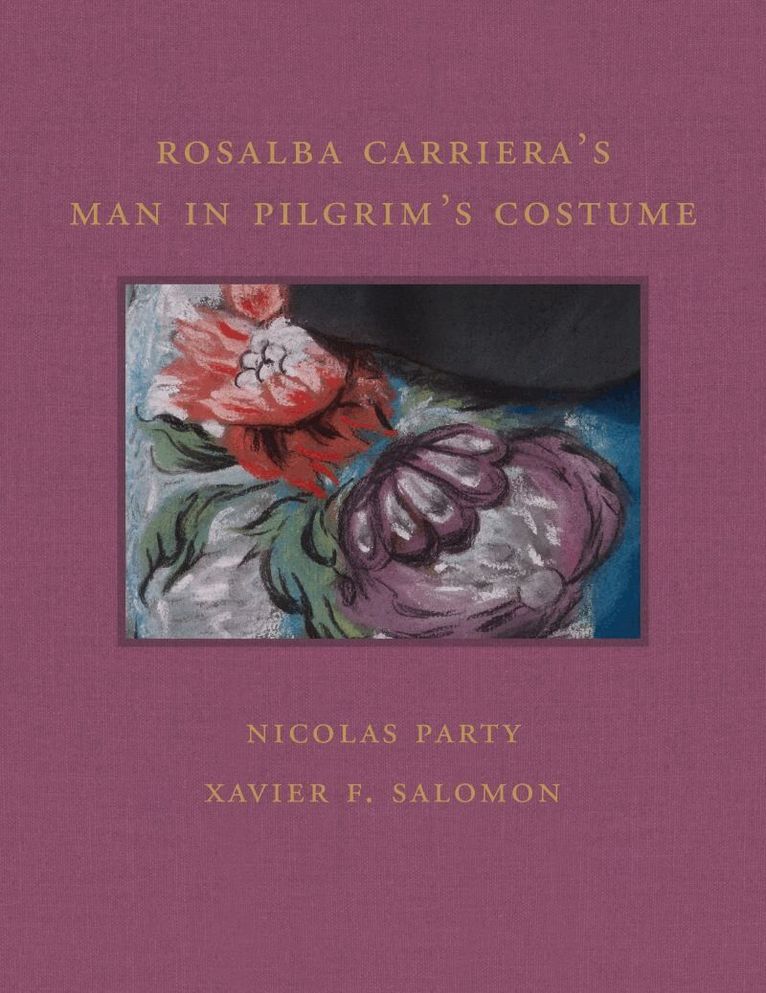
This pastel belongs to a small number of works of art at the Frick by a female artist. Rosalba Carriera (Italian, 1673 1757) spent most of her life in Venice, then a popular destination for young aristocrats from all over Europe undertaking the Grand Tour-a tour of the continent that served as an educational rite of passage into adulthood. Many of these travelers would go to Rosalba's studio to have a portrait painted, and Rosalba, who began her career as a miniaturist painter in Venice, became internationally acclaimed. Rosalba's pastels are technically innovative, remarkable for their soft edges and sumptuous effects. By binding colored chalk into sticks, she obtained a much wider range of prepared colors, which ultimately expanded the visual possibilities of this medium. Little is known about this portrait, painted about 1730. Despite the fragility of the medium-pastel-it is in pristine condition. The portrayal of the man as a pilgrim, with a black cape and holding a staff, may indicate that he was a member of the Pellegrini family-pellegrini being the Italian word for pilgrims-or that he is someone who traveled on a pilgrimage. More likely, however, his attire is simply a costume related to the Venetian Carnival. Designed to foster critical engagement and interest specialist and non-specialist alike, each book in the Frick Diptych series illuminates a single work in the Frick's rich collection with an essay by a Frick curator paired with a contribution from a contemporary artist or writer. AUTHORS: Born in Lausanne in 1980, Nicolas Party is a figurative painter who has achieved critical admiration for his familiar yet unsettling landscapes, portraits, and still lifes that simultaneously celebrate and challenge conventions of representational painting. His works are primarily created in soft pastel, an idiosyncratic choice of medium in the 21st-century, and one that allows for exceptional degrees of intensity and fluidity in his depictions of objects both natural and manmade. Xavier F. Salomon is deputy director and Peter Jay Sharp Chief Curator, The Frick Collection, New York. SELLING POINTS: . New volume in the best selling Frick Diptych series that began with Holbein's Sir Thomas More by Hilary Mantel . Volume 13 focuses on an exquisite eighteenth-century Italian portrait 45 colour illustrations
306 kr
Skickas inom 7-10 vardagar
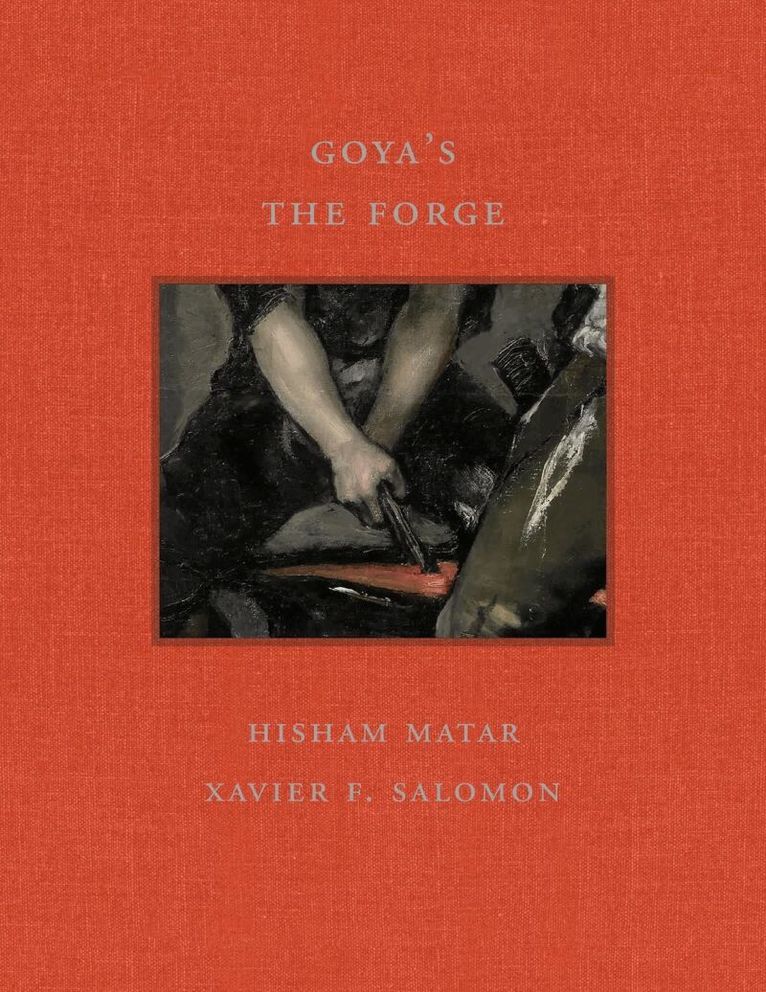
Francisco de Goya y Lucientes (1746-1828) is among the most important Spanish artists of the late 18th and early 19th centuries. A late masterpiece, his Forge derives from the mythological theme of the forge of Vulcan, the metalworker of the Olympian gods. The figures in Goya's monumental, haunting painting are instead muscular laborers at work around a blacksmith's anvil. Salomon's deeply researched text is complemented by a poetic piece by Matar.Designed to foster critical engagement and interest specialist and non-specialist alike, each book in the Frick Diptych series illuminates a single work in the Frick's rich collection with an essay by a Frick curator paired with a contribution from a contemporary artist or writer.
246 kr
Skickas inom 7-10 vardagar
One of the greatest Netherlandish painters of the sixteenth century, Pieter Bruegel the Elder (ca. 1525 1569) is best known for his landscapes and peasant scenes. One of only three signed works by Bruegel in the United States, The Three Soldiers was once in the celebrated collection of Charles I of England. The small panel in grisaille (shades of grey) represents a trio of Landsknechte, the mercenary foot soldiers whose flamboyant costumes and poses were a popular subject for printmakers of the period. This volume considers the artistic and political environment of the time and investigates how a colourful subject is transformed by its translation into monochrome.
306 kr
Skickas inom 7-10 vardagar
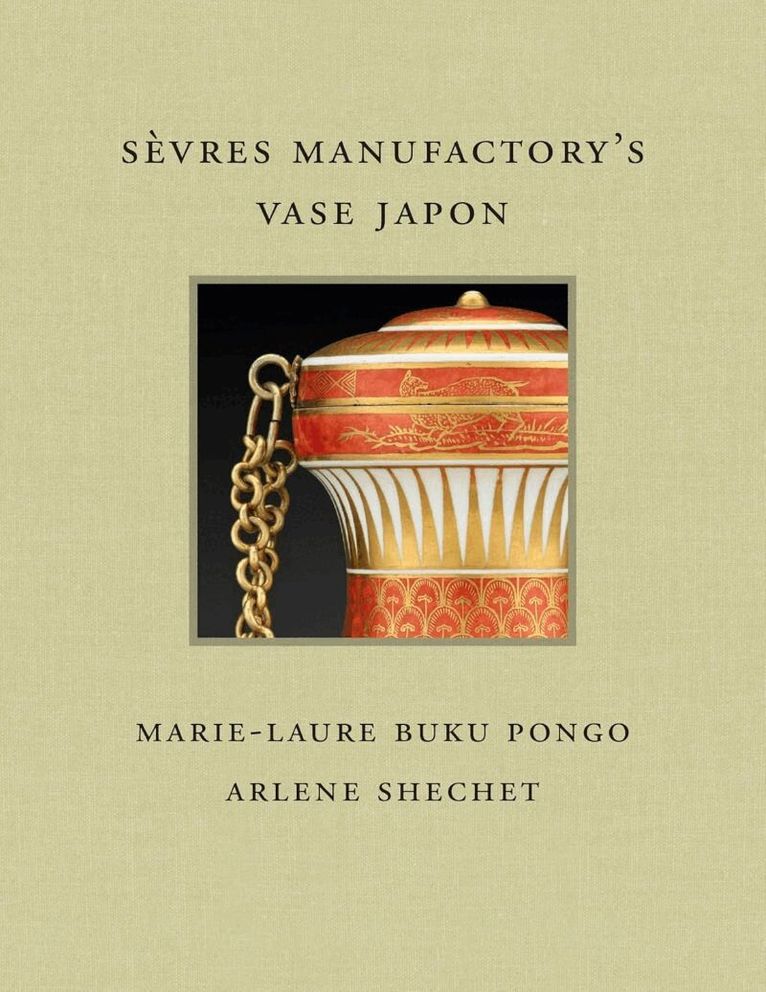
Despite its name suggesting otherwise, the Vase Japon is an interpretation of a Chinese bronze. Its design and decoration derive from a woodblock print of a Yu (or Hu) vase from the Han Dynasty (206 BCE–220 CE). The print was published in a 40-volume catalogue of the vast Chinese imperial collections compiled between 1749 and 1751 at the behest of the Qianlong emperor. Around 1767, a copy of this catalogue was sent to Henri Bertin, France’s secretary of state and commissaire du roi at the Sèvres factory. The Vase Japon was made in 1774 along with two other vases of the same size, shape, and decoration. Each bears the mark of the gilder-painter Jean-Armand Fallot (act. 1764−90). Of the three only this example is adorned with a silver-gilt handle and chain, which, like its shape and surface pattern, are directly inspired by the Chinese model. The mounts bear the mark of Charles Ouizille, who, in 1784, became the official jeweller of Louis XVI.
298 kr
Skickas inom 7-10 vardagar
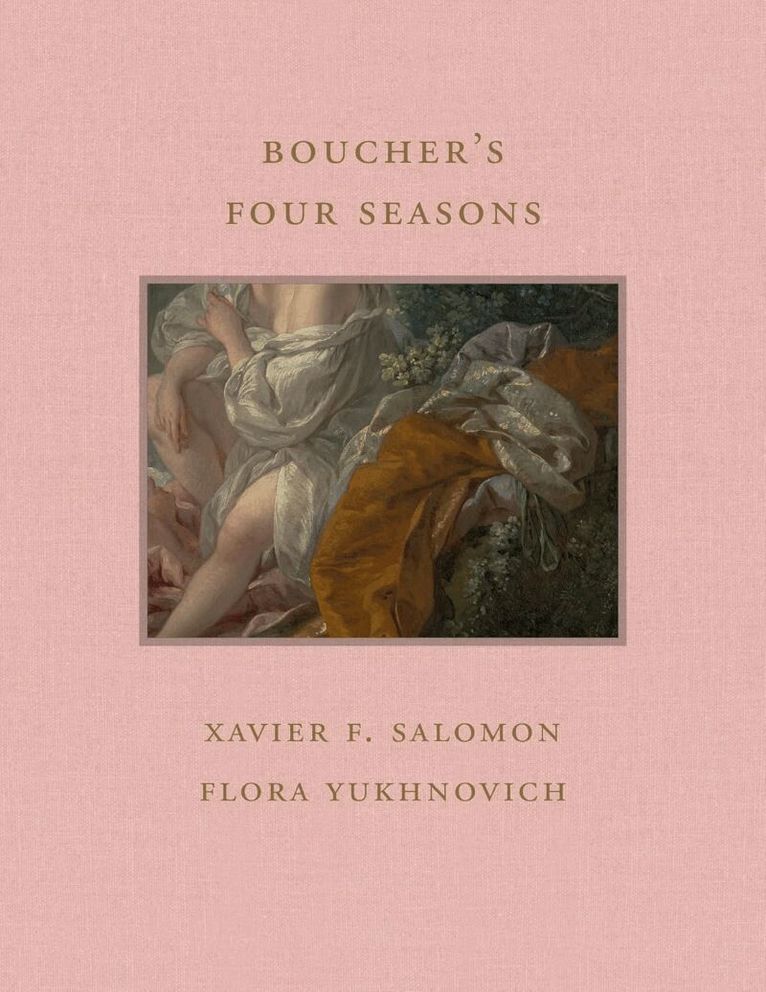
François Boucher (1703ー1770) made the four paintings known as the Four Seasons in 1755 for Madame De Pompadour, King Louis XV’s long-term official mistress. Their original location is unknown, but their unusual shape suggests that they were used as overdoors, no doubt in one of Pompadour’s many properties in France. In place of the labours that traditionally illustrate the theme of the four seasons, Boucher depicts delightful amorous encounters in joyous colours. This combination of luxury and seduction—all treated in a fanciful, even humorous manner—is typical of Boucher.Accompanying the Boucher paintings are images of Flora Yuknovich’s contribution, an extraordinary cycle of paintings inspired by Boucher’s Four Seasons, to be displayed at the Frick, in a space on the first floor, occupied between 1935 and 2020 by the Boucher Room.
306 kr
Skickas inom 7-10 vardagar
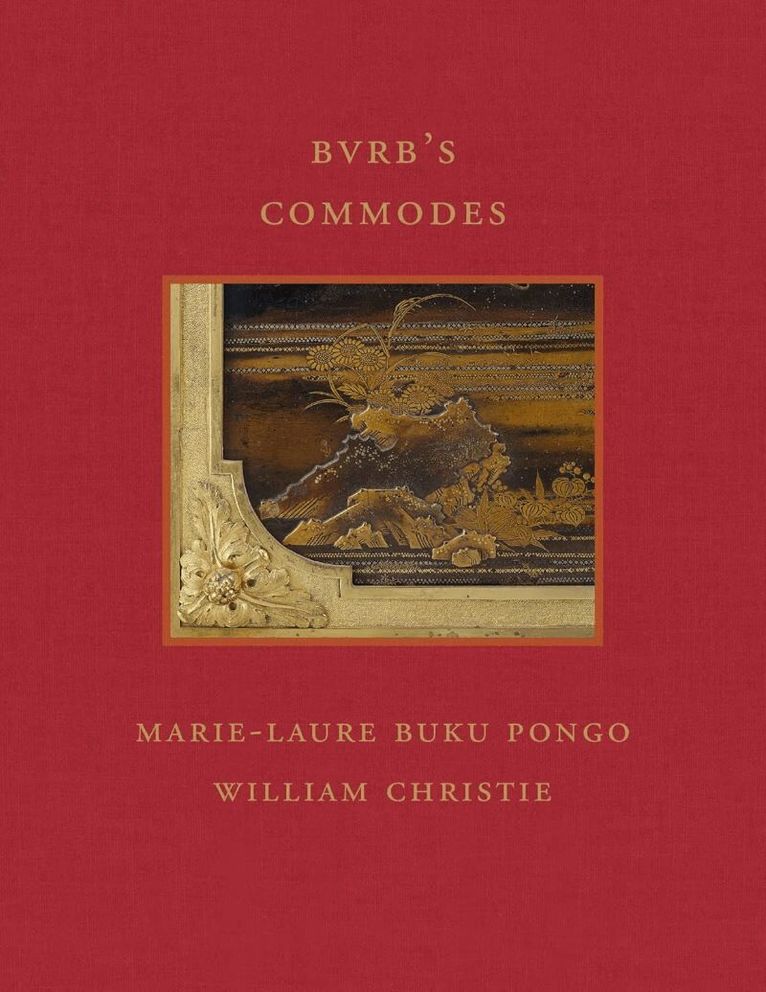
These two cabinets, stamped BVRB, may well be the last pieces of furniture made by the celebrated Parisian cabinetmaker Bernard van Risenburgh II just before he retired in 1764 and sold his workshop to his son, Bernard van Risenburgh III, who finished them. The cabinets feature panels of black-and-gold Japanese lacquer of exceptionally high quality taken from a seventeenth-century Japanese cabinet, chest, or screen. Beginning in the 1730s, the older van Risenburgh worked almost exclusively with the influential marchands-merciers or merchants of luxury goods, who provided the cabinetmaker with the rare and costly Oriental lacquers and sometimes with the design for the furniture on which to mount them.
306 kr
Skickas inom 7-10 vardagar
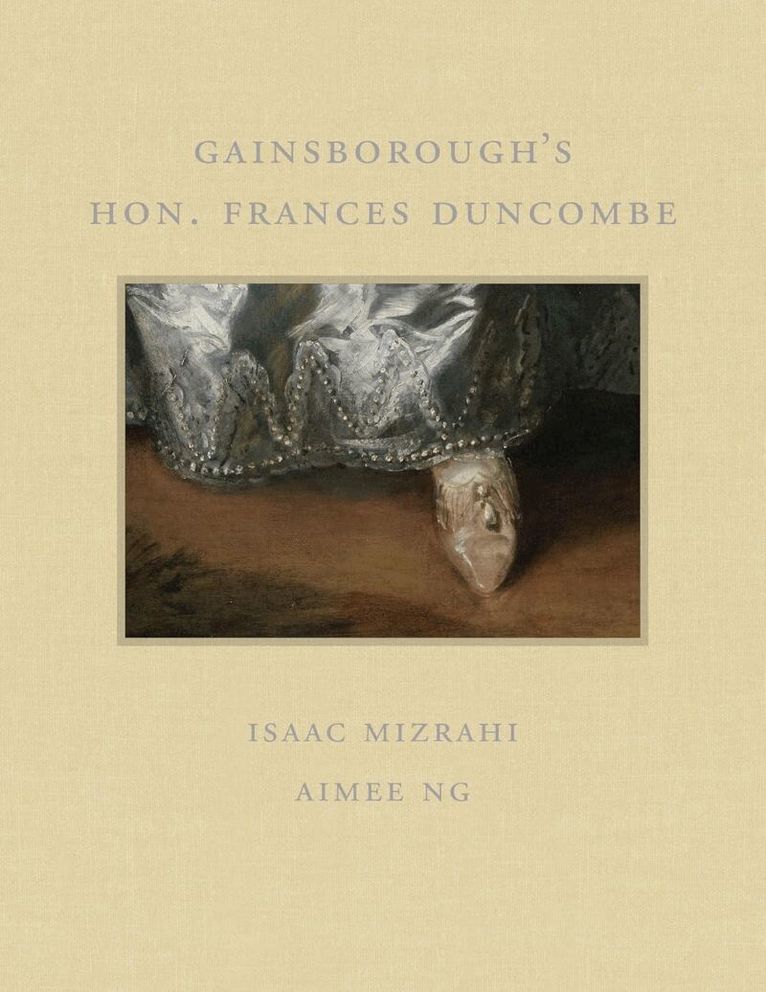
Innumerable pearlsline the blue satin dress of the Honourable Frances Duncombe, who wears abright red jewel on her chest, possibly a ruby or garnet. Frances was raised byher stepmother in the house of the Earl of Radnor and was betrothed to theearl's eldest son. However, her engagement was broken off when the familydiscovered her affair with a John Bowater, whom she married in 1778. Exactlywhen and why this monumental portrait was commissioned from Gainsborough isunknown. After spending some years living in Germany (rumoured to have had anaffair with Archduke Maximilian Franz, brother of the French queen, MarieAntoinette), Frances returned to England and lived with this portrait in herfamily home, Old Dalby Hall, in Leicestershire, until her death, in 1827.Mizrahi's creativecontribution adds greatly to this book about this iconic painting of afashionable lady. He mentions the moment of first catching a glimpse of thework when seeing it unframed. "I gasp. Frances Duncombe looks every bit as gorgeous unframed, if not even moreso for the vulnerability."
Del 20 - Frick Diptych
Limosin's Triumph of the Eucharist and the Catholic Faith
Inbunden, Engelska, 2026
344 kr
Kommande
A rare enamelled group portrait, this plaque represents living and deceased members of the Guise family in an allegory of the Catholic faith. From the first generation, Claude, Duke of Lorraine, and his brother Jean, Cardinal de Lorraine, both deceased in 1550, stroll at centre. François, 2nd Duke of Guise and like his father famed for battles against heretics, pushes the chariot wheel over the bodies of Protestants. His brother Charles, identified by his emblem of an ivy-covered obelisk with the motto te stante virebo (With you standing, I shall flourish), holds a text that may refer to his address at the Colloque de Poissy, in which he proposed moderation in the current religious conflict. Seated in the chariot is the family matriarch, Antoinette de Bourbon, holding a chalice and host, symbols of transubstantiation—the miracle by which the bread and wine of the Eucharist become the actual body and blood of Christ—a central tenet of Catholicism.