Ian Wardropper - Böcker
Visar alla böcker från författaren Ian Wardropper. Handla med fri frakt och snabb leverans.
5 produkter
5 produkter
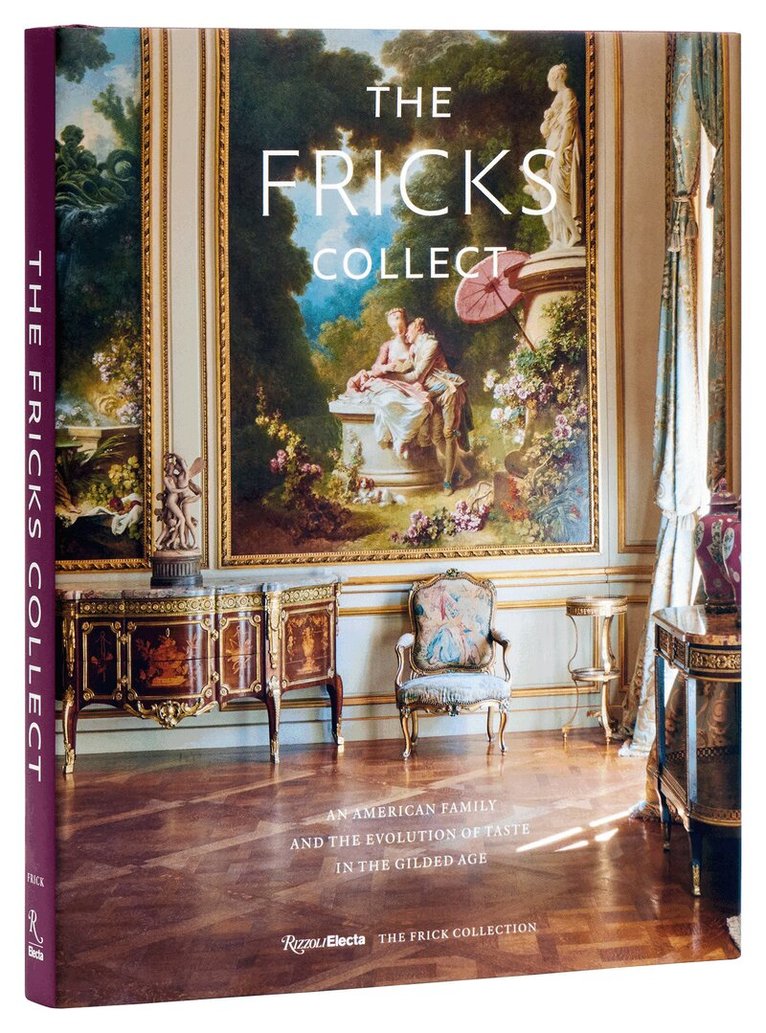
Fricks Collect
An American Family and the Evolution of Taste During the Gilded Age
Inbunden, Engelska, 2025
396 kr
Skickas inom 7-10 vardagar
At its heart, this story centers on Frick and his daughter Helen Clay Frick, both pivotal figures in the formation of the renowned Frick Collection. The volume delves into the Fricks exposure to and acquisition of some of the finest art of their time. With an exquisite blend of textual narrative and ample imagery showcasing masterpieces and the sumptuous interiors of homes in Pittsburgh and New York, the book offers a captivating narrative of ambition, wealth, and cultural patronage. White Allom & Co. and Elsie de Wolfe worked with Frick on the decoration of his houses and influenced the choice of many furnishings the owner acquired and that formed the backdrop for his paintings. As was commonplace at the time, decorators often collaborated with dealers in creating spaces suitable for the esteemed works of art. Further influential figures who shaped the era s cultural landscape include Frick s occasional business partner Andrew Carnegie and noted art dealers Joseph Duveen in London and Roland Knoedler in New York. Presenting the glittering halls of their homes to the masterpieces adorning the walls of The Frick Collection, this volume is a testament to the enduring allure of art and the power of patronage in shaping cultural institutions.
472 kr
Skickas inom 7-10 vardagar
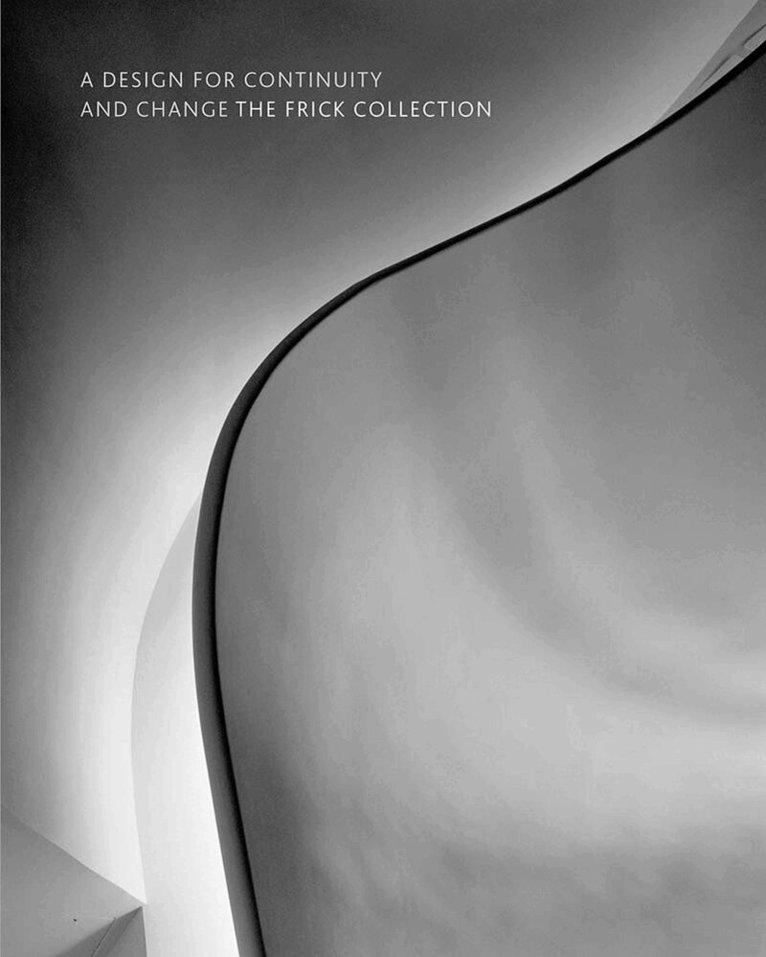
Published on the occasion of the 2025 grand reopening of The Frick Collection following its renovation, this book looks at the project from inception to completion, and at the architectural history of one New York’s most beloved art institutions.Seamlessly interweaving the new with the historic, the renovation by Selldorf Architects preserves The Frick Collection’s Gilded Age grandeur and sense of tranquillity while making more of the museum accessible and adding important new amenities. A museum of memorable rooms and superb Old Master holdings, The Frick Collection, the former home of industrialist Henry Clay Frick, is one of New York City’s most beloved art institutions. Designed by Thomas Hastings of the New York firm of Carrère and Hastings, the original Fifth Avenue mansion was completed in 1914 and served the Frick family until 1931. With John Russell Pope’s expansion of the mansion in 1935, which included the addition of a library (today’s esteemed Frick Art Research Library), the residence was converted into a public museum. The goal of the renovation was to honor the architectural legacy and unique contemplative atmosphere of the Frick while adding new space and critical infrastructure updates. Visitors will enjoy the enhanced functionality of the institution, and its improved climate controls will ensure the preservation of the collection and the house for generations to come. As Barry Bergdoll writes, “The restored and expanded Frick Collection answers the demands of a twenty-first-century museum in ways at once pragmatic, ingenious, and so resolved that we almost forget how difficult Selldorf’s assignment was. Her skillful design solves local problems and accommodates new functions, even as it masters the tension at the heart of the challenge between transformation and the desire to appear unchanged.”Published by Paul Holberton Publishing
464 kr
Tillfälligt slut
The Old Master paintings and European sculpture and decorative arts at the renowned Frick Collection might be thought to be all but inextricable from the domestic setting of the Gilded Age mansion in which they reside. For a couple of years, however, while the Frick is undergoing renovation, highlights from the collection have been relocated to a radically different, unlikely home: Marcel Breuer's Brutalist building five blocks away, which the architect designed for the Whitney Museum of American Art. The result is a stunning reconstruction and re-presentation of a beloved collection, with the museum's treasures comfortably and elegantly adapting to their temporary modernist abode. This handsome volume documents this altogether singular moment in the Frick's history with stunning photographs by Joseph Coscia Jr. and a reflective foreword by Roxane Gay.
275 kr
Skickas inom 7-10 vardagar
The form of this extraordinary bronze lamp, the most elaborate of several produced by Riccio (Andrea Briosco), is based on a Roman sandal, and its surface is covered with intricate reliefs modelled with a goldsmith’s refinement and crisp detail. The subjects evoke the populace of classical art and poetry, including a Nereid and Triton, Pan, harpies and innumerable putti, along with goats, musical instruments, shells, masks and garlands. Inspired by the Roman half-boot, the lamp is designed as a bizarre shoe balanced on a pyramidal base, and, as Ian Wardropper discusses in his essay, it would have provided its owner with much pleasure and intellectual stimulation. Early in its history, the lamp is known to have belonged to a series of distinguished Paduan collectors. Paired with Wardropper’s essay is a beautiful poem by James Fenton.
Del 20 - Frick Diptych
Limosin's Triumph of the Eucharist and the Catholic Faith
Inbunden, Engelska, 2026
344 kr
Kommande
A rare enamelled group portrait, this plaque represents living and deceased members of the Guise family in an allegory of the Catholic faith. From the first generation, Claude, Duke of Lorraine, and his brother Jean, Cardinal de Lorraine, both deceased in 1550, stroll at centre. François, 2nd Duke of Guise and like his father famed for battles against heretics, pushes the chariot wheel over the bodies of Protestants. His brother Charles, identified by his emblem of an ivy-covered obelisk with the motto te stante virebo (With you standing, I shall flourish), holds a text that may refer to his address at the Colloque de Poissy, in which he proposed moderation in the current religious conflict. Seated in the chariot is the family matriarch, Antoinette de Bourbon, holding a chalice and host, symbols of transubstantiation—the miracle by which the bread and wine of the Eucharist become the actual body and blood of Christ—a central tenet of Catholicism.