Future of Religion in America – serie
Visar alla böcker i serien Future of Religion in America. Handla med fri frakt och snabb leverans.
6 produkter
6 produkter
1 193 kr
Skickas inom 7-10 vardagar
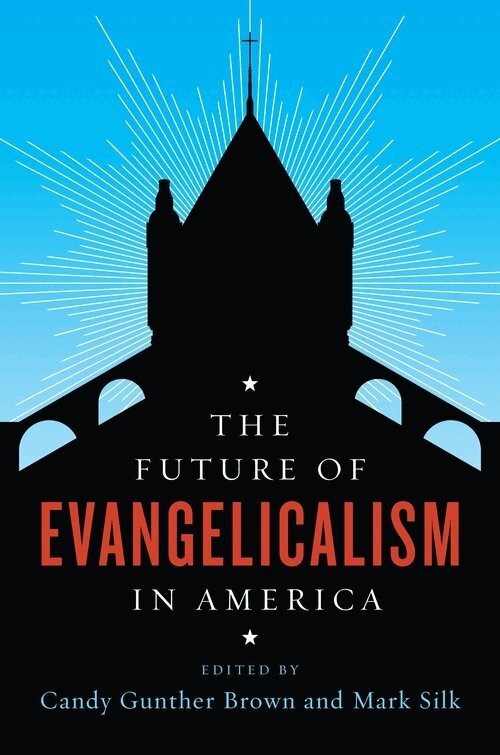
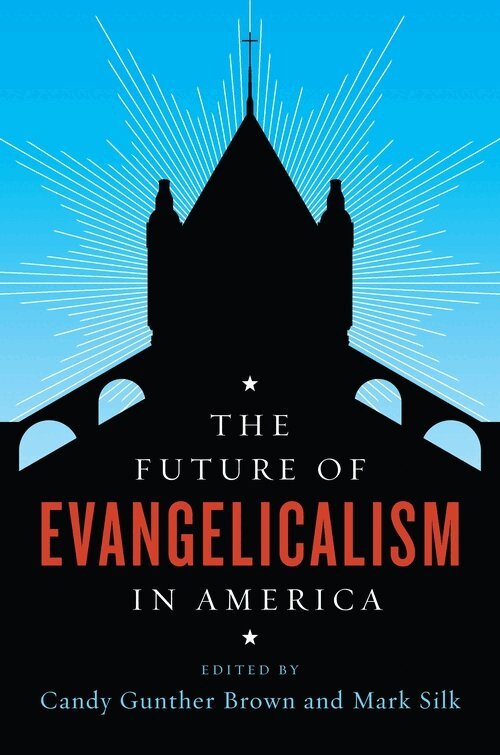
In The Future of Evangelicalism in America, thematic chapters on culture, spirituality, theology, politics, and ethnicity reveal the sources of the movement's dynamism, as well as significant challenges confronting the rising generations. A collaboration among scholars of history, religious studies, theology, political science, and ethnic studies, the volume offers unique insight into a vibrant and sometimes controversial movement, the future of which is closely tied to the future of America.
300 kr
Skickas inom 7-10 vardagar
In The Future of Evangelicalism in America, thematic chapters on culture, spirituality, theology, politics, and ethnicity reveal the sources of the movement's dynamism, as well as significant challenges confronting the rising generations. A collaboration among scholars of history, religious studies, theology, political science, and ethnic studies, the volume offers unique insight into a vibrant and sometimes controversial movement, the future of which is closely tied to the future of America.
1 035 kr
Skickas inom 7-10 vardagar
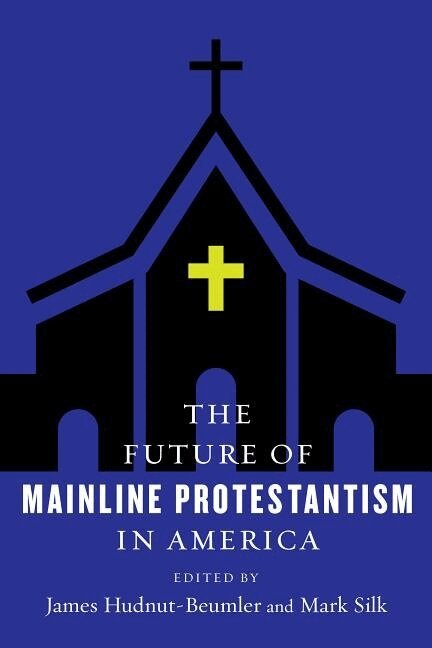
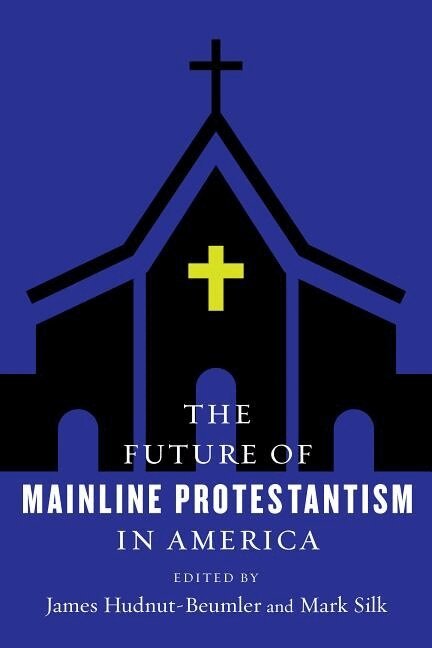
As recently as the 1960s, more than half of all American adults belonged to just a handful of mainline Protestant denominations—Presbyterian, UCC, Disciples of Christ, Episcopal, Lutheran, Methodist, and American Baptist. Presidents, congressmen, judges, business leaders, and other members of the elite overwhelmingly came from such backgrounds. But by 2010, fewer than 13 percent of adults belonged to a mainline Protestant church. What does the twenty-first century hold for this once-hegemonic religious group?In this volume, experts in American religious history and the sociology of religion examine the extraordinary decline of mainline Protestantism over the past half century and assess its future. Contributors discuss the demographics of mainline Protestants; their beliefs, practices, and modes of worship; their political views and partisan affiliations; and the social and moral questions that unite and divide Protestant communities. Other chapters examine Protestant institutions, including providers of health care and education; analyze churches’ public voice; and probe what will come from a diminished role relative to other groups in society, especially the ascendant evangelicals. Far from going extinct, the book argues, the mainline Protestant movement will continue to be a vital remnant in an American religious culture torn between the contending forces of secularism and evangelicalism.
260 kr
Skickas inom 7-10 vardagar
As recently as the 1960s, more than half of all American adults belonged to just a handful of mainline Protestant denominations—Presbyterian, UCC, Disciples of Christ, Episcopal, Lutheran, Methodist, and American Baptist. Presidents, congressmen, judges, business leaders, and other members of the elite overwhelmingly came from such backgrounds. But by 2010, fewer than 13 percent of adults belonged to a mainline Protestant church. What does the twenty-first century hold for this once-hegemonic religious group?In this volume, experts in American religious history and the sociology of religion examine the extraordinary decline of mainline Protestantism over the past half century and assess its future. Contributors discuss the demographics of mainline Protestants; their beliefs, practices, and modes of worship; their political views and partisan affiliations; and the social and moral questions that unite and divide Protestant communities. Other chapters examine Protestant institutions, including providers of health care and education; analyze churches’ public voice; and probe what will come from a diminished role relative to other groups in society, especially the ascendant evangelicals. Far from going extinct, the book argues, the mainline Protestant movement will continue to be a vital remnant in an American religious culture torn between the contending forces of secularism and evangelicalism.
1 114 kr
Skickas inom 7-10 vardagar
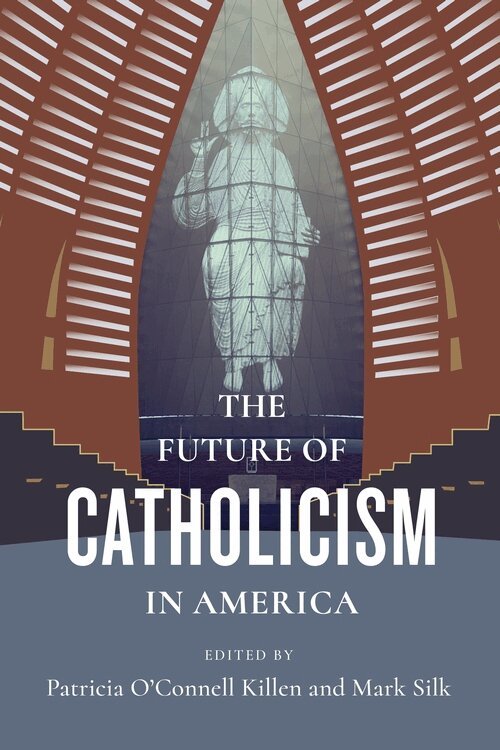
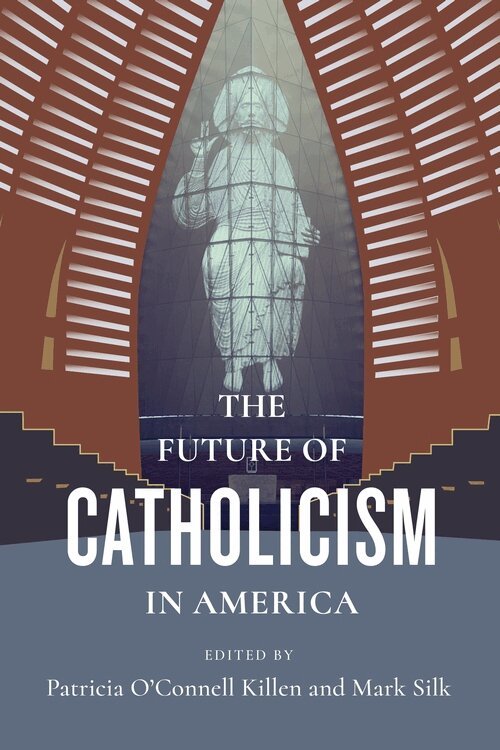
Catholics constitute the largest religious community in the United States. Yet most American Catholics have never known a time when their church was not embroiled in controversies over liturgy, religious authority, cultural change, and gender and sexuality. Today, these arguments are taking place against the backdrop of Pope Francis’s progressive agenda and the resurgence of the clergy sexual abuse crisis. What is the future of Catholicism in America?This volume considers the prospects at a pivotal moment. Contributors—scholars from sociology, theology, religious studies, and history—look at the church’s evolving institutional structure, its increasing ethnic diversity, and its changing public presence. They explore the tensions among members of the hierarchy, between clergy and laity, and along lines of ethnicity, immigration status, class, generation, political affiliation, and degree of religious commitment. They conclude that American Catholicism’s future will be pluriform—reflecting the variety of cultural, political, ideological, and spiritual points of view that typify the multicultural, democratic society of which Catholics constitute so large a part.
284 kr
Skickas inom 7-10 vardagar
Catholics constitute the largest religious community in the United States. Yet most American Catholics have never known a time when their church was not embroiled in controversies over liturgy, religious authority, cultural change, and gender and sexuality. Today, these arguments are taking place against the backdrop of Pope Francis’s progressive agenda and the resurgence of the clergy sexual abuse crisis. What is the future of Catholicism in America?This volume considers the prospects at a pivotal moment. Contributors—scholars from sociology, theology, religious studies, and history—look at the church’s evolving institutional structure, its increasing ethnic diversity, and its changing public presence. They explore the tensions among members of the hierarchy, between clergy and laity, and along lines of ethnicity, immigration status, class, generation, political affiliation, and degree of religious commitment. They conclude that American Catholicism’s future will be pluriform—reflecting the variety of cultural, political, ideological, and spiritual points of view that typify the multicultural, democratic society of which Catholics constitute so large a part.