Global Film Directors – Serie
Visar alla böcker i serien Global Film Directors. Handla med fri frakt och snabb leverans.
5 produkter
5 produkter
376 kr
Skickas inom 7-10 vardagar
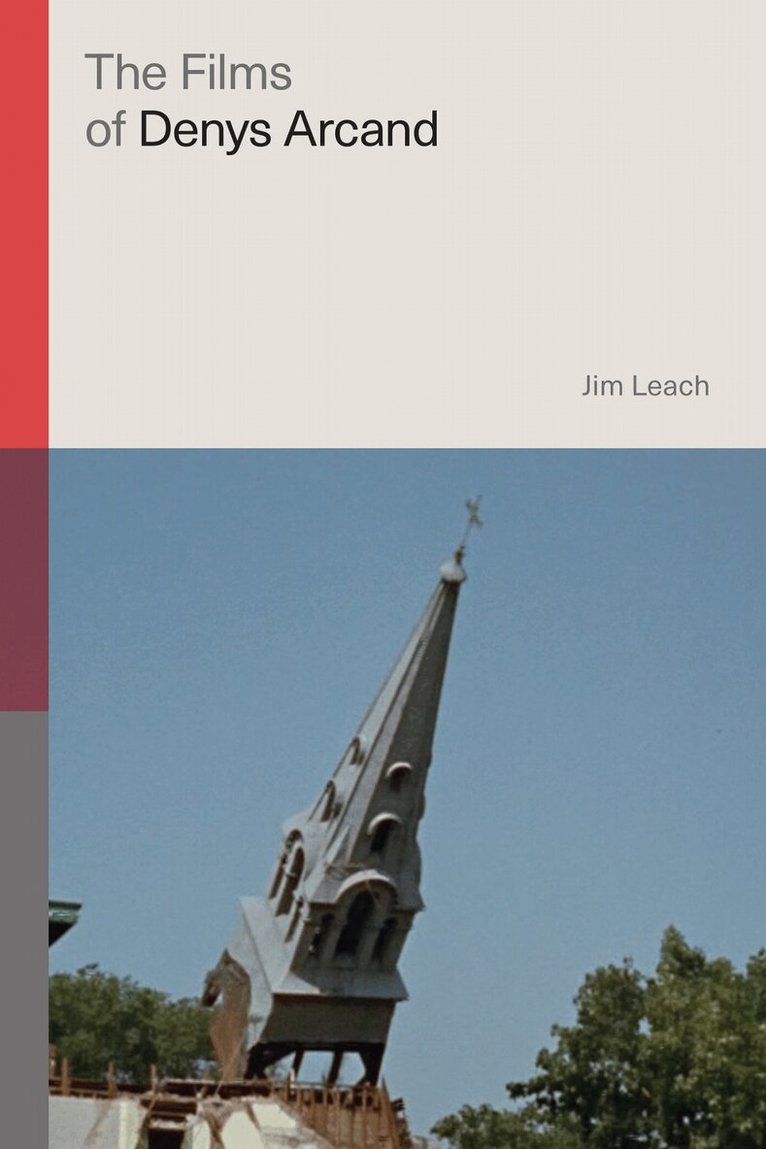
Denys Arcand is best known outside Canada for three films that were nominated for Academy Awards for Best Foreign-Language Film: The Decline of the American Empire (1986), Jesus of Montreal (1989), and The Barbarian Invasions (2003), the last of which won the Award. Yet Arcand has been making films since the early 1960s. When he started making films, Quebec was rapidly transforming from a relatively homogeneous community, united by its Catholic faith and French language and culture, into a more fragmented modern society. The Films of Denys Arcand sheds light on how Arcand addressed the impact of these changes from the 1960s, when the long-drawn-out debate on Quebec's possible separation from the rest of Canada began, to the present, in which the traditional cultural heritage has been further fragmented by the increasing presence of diasporic communities. His career and films offer an ideal case study for exploring the contradictions and tensions that have shaped Quebec cinema and culture in a period of increasing globalization and technological change.
385 kr
Skickas inom 7-10 vardagar
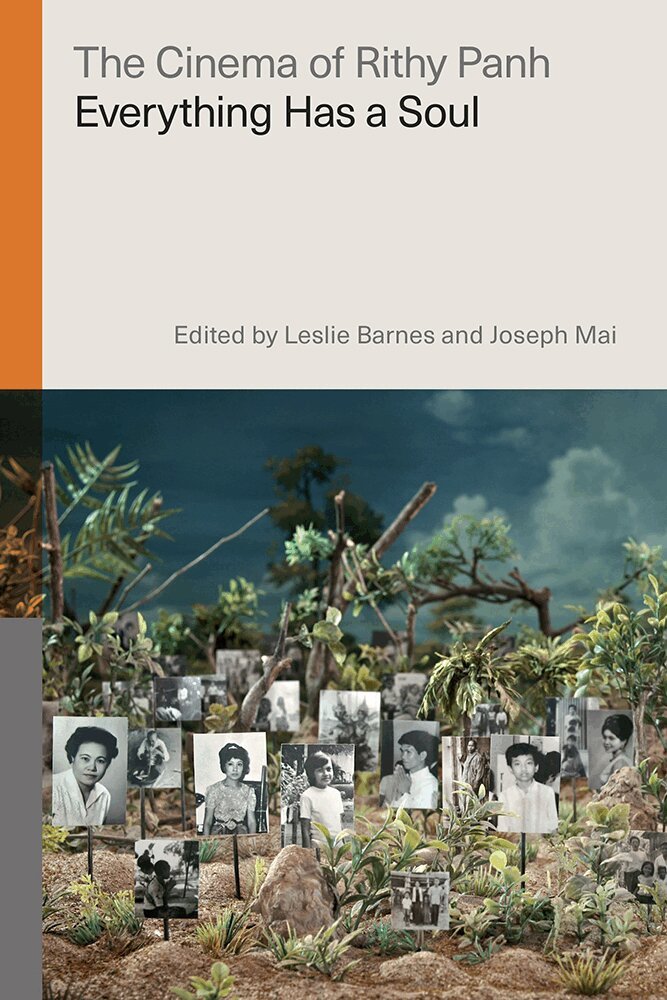
Nominated for 2022 South Atlantic Modern Language Association Book awardBorn in 1964, Cambodian filmmaker Rithy Panh grew up in the midst of the Khmer Rouge’s genocidal reign of terror, which claimed the lives of many of his relatives. After escaping to France, where he attended film school, he returned to his homeland in the late 1980s and began work on the documentaries and fiction films that have made him Cambodia’s most celebrated living director.The fourteen essays in The Cinema of Rithy Panh explore the filmmaker’s unique aesthetic sensibility, examining the dynamic and sensuous images through which he suggests that “everything has a soul.” They consider how Panh represents Cambodia’s traumatic past, combining forms of individual and collective remembrance, and the implications of this past for Cambodia’s transition into a global present. Covering documentary and feature films, including his literary adaptations of Marguerite Duras and Kenzaburō Ōe, they examine how Panh’s attention to local context leads to a deep understanding of such major themes in global cinema as justice, imperialism, diaspora, gender, and labor. Offering fresh takes on masterworks like The Missing Picture and S-21 while also shining a light on the director’s lesser-known films, The Cinema of Rithy Panh will give readers a new appreciation for the boundless creativity and ethical sensitivity of one of Southeast Asia’s cinematic visionaries.
833 kr
Skickas inom 7-10 vardagar
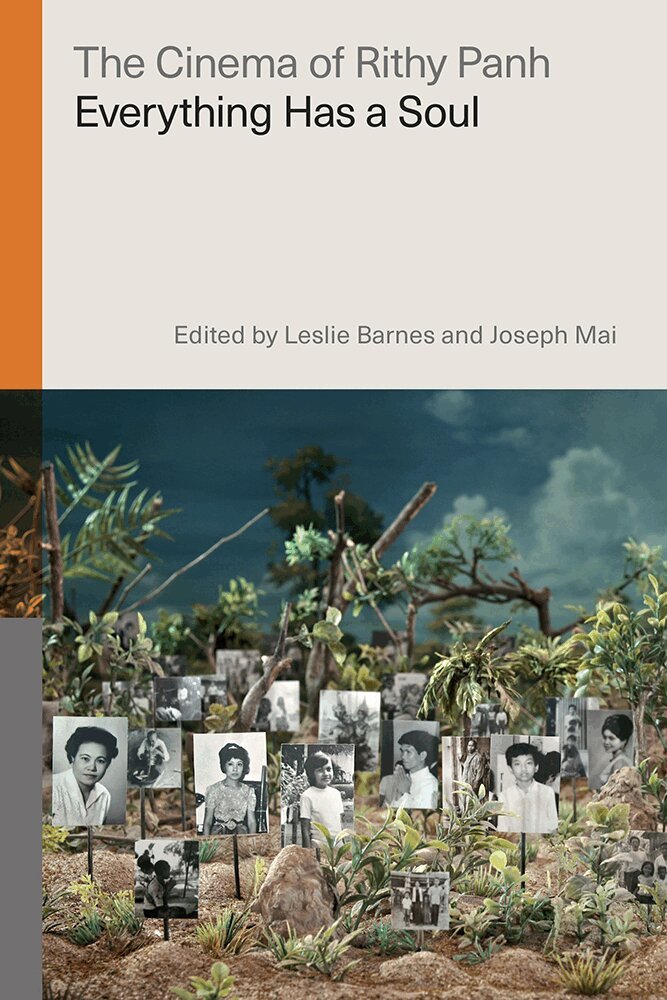
Nominated for 2022 South Atlantic Modern Language Association Book awardBorn in 1964, Cambodian filmmaker Rithy Panh grew up in the midst of the Khmer Rouge’s genocidal reign of terror, which claimed the lives of many of his relatives. After escaping to France, where he attended film school, he returned to his homeland in the late 1980s and began work on the documentaries and fiction films that have made him Cambodia’s most celebrated living director.The fourteen essays in The Cinema of Rithy Panh explore the filmmaker’s unique aesthetic sensibility, examining the dynamic and sensuous images through which he suggests that “everything has a soul.” They consider how Panh represents Cambodia’s traumatic past, combining forms of individual and collective remembrance, and the implications of this past for Cambodia’s transition into a global present. Covering documentary and feature films, including his literary adaptations of Marguerite Duras and Kenzaburō Ōe, they examine how Panh’s attention to local context leads to a deep understanding of such major themes in global cinema as justice, imperialism, diaspora, gender, and labor. Offering fresh takes on masterworks like The Missing Picture and S-21 while also shining a light on the director’s lesser-known films, The Cinema of Rithy Panh will give readers a new appreciation for the boundless creativity and ethical sensitivity of one of Southeast Asia’s cinematic visionaries.
455 kr
Skickas inom 7-10 vardagar
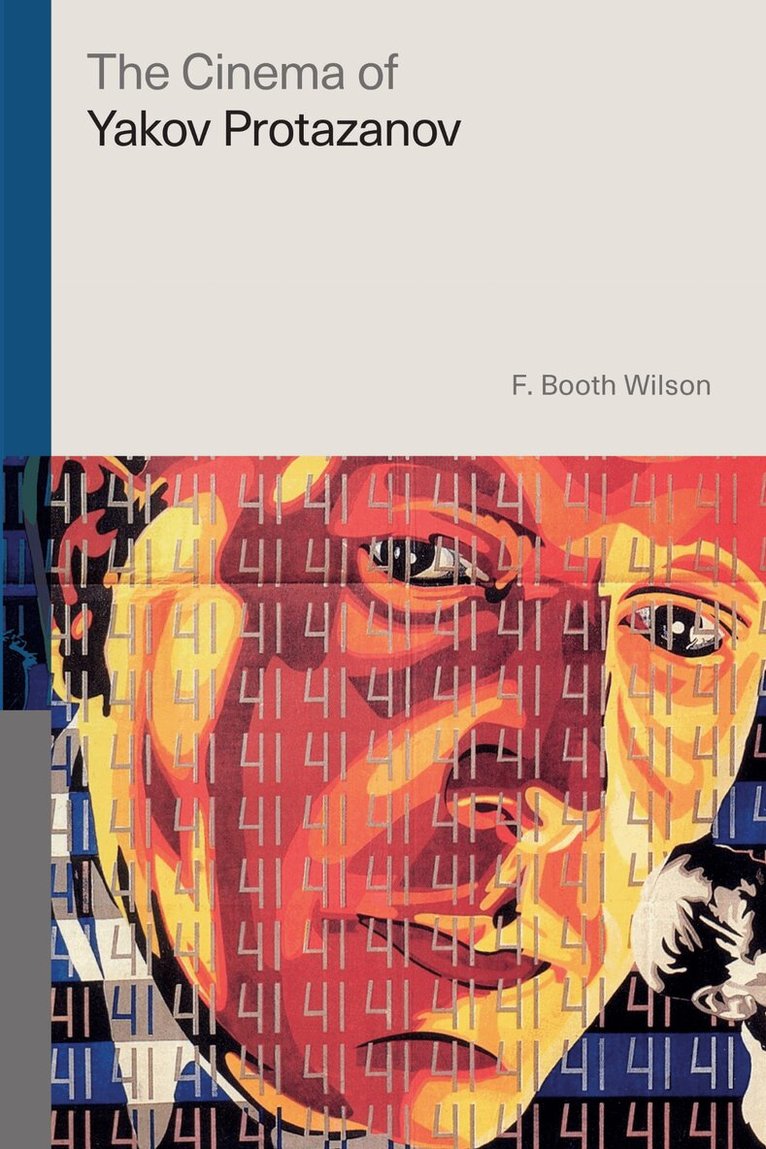
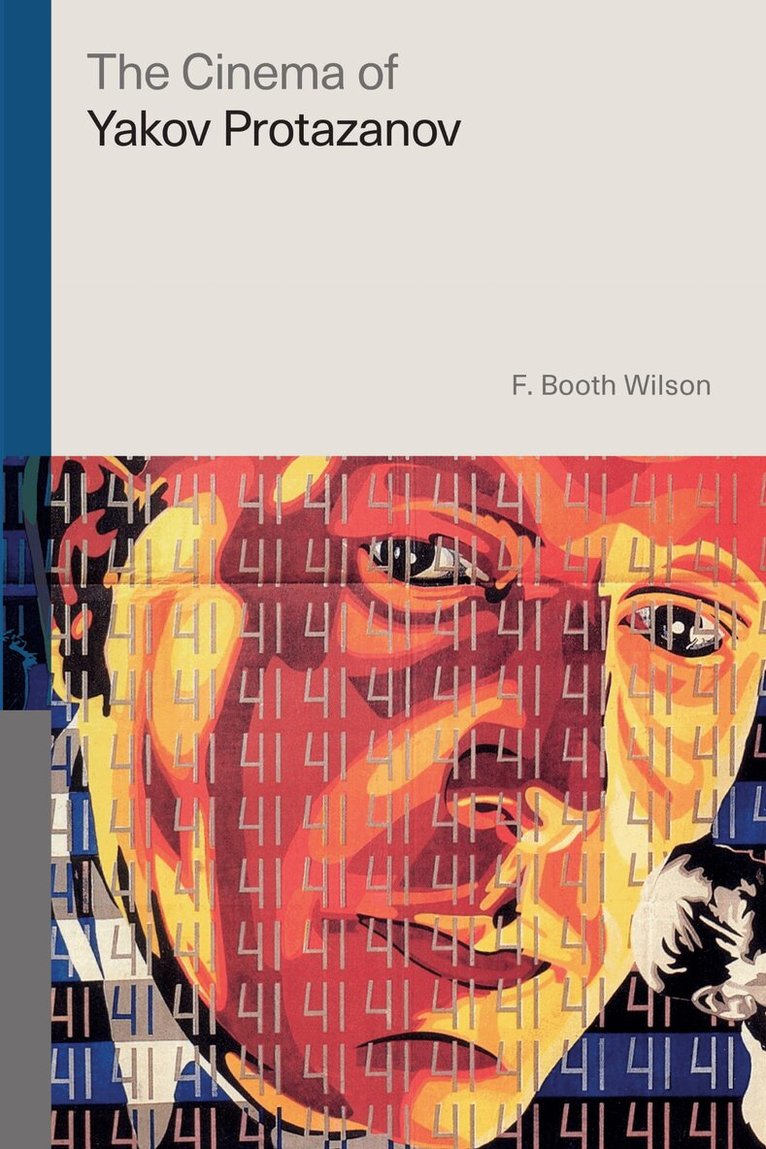
Best known for Aelita (1924), the classic science-fiction film of the Soviet silent era, Yakov Protazanov directed over a hundred films in a career spanning three decades. Called "the Russian D.W. Griffith" in the 1910s for his formative role in the first movies in the last years of the Russian Empire, he fled the Civil War and maintained a successful career in Europe before making an unusual decision to return to Russia now under Soviet power. There his films continued their remarkable success with audiences undergoing a bewildering and often brutal revolutionary transformation. Rather than treating him as an indistinct, if capable craftsman, The Cinema of Yakov Protazanov argues that his films are suffused with a unique creative vision that reflects both his mindset as a traditional Russian intellectual and his experience of dislocation and migration after 1917. As he adapted his films to revolutionary culture, they intermingled different voices and reinterpreted his past work from a disavowed era. Offering fresh perspectives of Protazanov’s films, the book will give readers a new appreciation of his career. The book offers a uniquely valuable vantage point from which to explore how cinema reflected a society in transformation and a seminal moment in the development of cinematic art.
1 636 kr
Skickas inom 7-10 vardagar
Best known for Aelita (1924), the classic science-fiction film of the Soviet silent era, Yakov Protazanov directed over a hundred films in a career spanning three decades. Called "the Russian D.W. Griffith" in the 1910s for his formative role in the first movies in the last years of the Russian Empire, he fled the Civil War and maintained a successful career in Europe before making an unusual decision to return to Russia now under Soviet power. There his films continued their remarkable success with audiences undergoing a bewildering and often brutal revolutionary transformation. Rather than treating him as an indistinct, if capable craftsman, The Cinema of Yakov Protazanov argues that his films are suffused with a unique creative vision that reflects both his mindset as a traditional Russian intellectual and his experience of dislocation and migration after 1917. As he adapted his films to revolutionary culture, they intermingled different voices and reinterpreted his past work from a disavowed era. Offering fresh perspectives of Protazanov’s films, the book will give readers a new appreciation of his career. The book offers a uniquely valuable vantage point from which to explore how cinema reflected a society in transformation and a seminal moment in the development of cinematic art.