Corpus Vitrearum Medii Aevi, Great Britain – serie
Visar alla böcker i serien Corpus Vitrearum Medii Aevi, Great Britain. Handla med fri frakt och snabb leverans.
3 produkter
3 produkter
2 179 kr
Skickas inom 7-10 vardagar
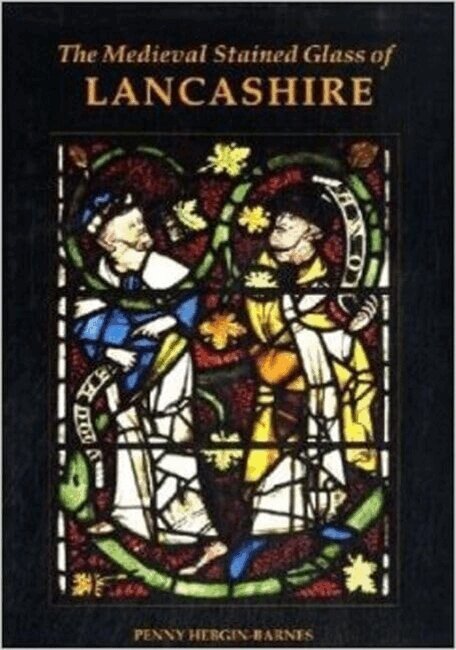
This is a catalogue of the pre-Gothic Revival stained glass found at 57 sites in Lancashire. Many of these are churches, but there are also domestic halls, museums, and schools. Highlights include important glazing dating from the 14th and 15th centuries at Cartmel Priory; a major window of c.1500 depicting the legend of St Helen at Ashton-under-Lyne; a sixteenth-century Seven Sacraments window at Cartmel Fell; fine imported 15th- and 16th-century continental panels at Chorley; and above all the magnificent but hitherto virtually unknown collection belonging to the Walker Art Gallery in Liverpool.The introduction discusses many aspects of the stained glass of both Lancashire and the neighbouring county of Cheshire: documentary sources, donors and heraldry, condition, iconography, as well as examining the style and techniques used by the glass-painters. The county's indigenous surviving glass mostly dates from the 16th century and while it is predominantly heraldic, several sites demonstrate the region's strong attachment to traditional Catholicism at the time of the English Reformation. This catalogue will therefore be essential not only for scholars and students of the history of medieval and early modern art, but also those with an interest in the social and religious history of Tudor Lancashire.
2 179 kr
Skickas inom 7-10 vardagar
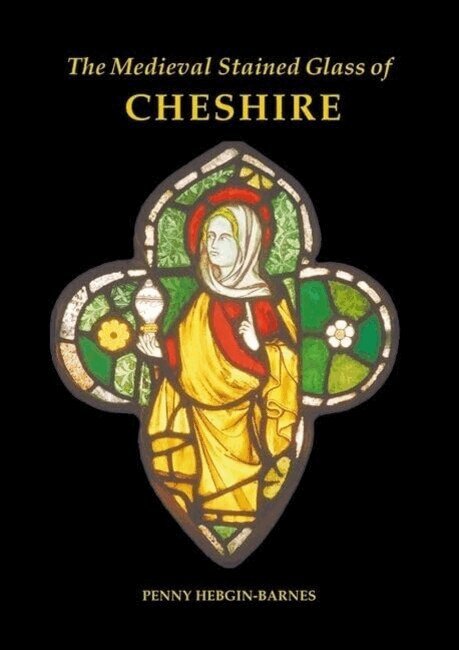
This is a catalogue of the pre-Gothic Revival stained glass found at 50 sites in Cheshire. Many of these are churches, but there are also domestic residences and other buildings.Highlights include an important 14th-century regional workshop, probably based in Chester, whose output survives at 9 sites in the county; 16th-century armorials and donors; a fascinating window of 1581 at High Legh which demonstrates the Elizabethan religious settlement; a unique window commemorating the English Civil War; and a plethora of 17th-century quarries depicting a wide range of subjects such as English monarchs, classical sibyls, military drill and menial occupations. The county's outstanding collections of foreign panels are also catalogued.The stained glass of the neighbouring county of Lancashire appears in CVMA, Great Britain, Summary Catalogue 8, The Medieval Stained Glass of Lancashire. The introduction discusses many aspects of the stained glass of both counties: documentary sources, donors and heraldry, condition, iconography, as well as examining the style and techniques used by the glass-painters.This catalogue will be essential for scholars and students of the history of medieval and early modern art, and for all those interested in the social and religious history of Tudor and Stuart Cheshire.
Del 6 - Corpus Vitrearum Medii Aevi, Great Britain
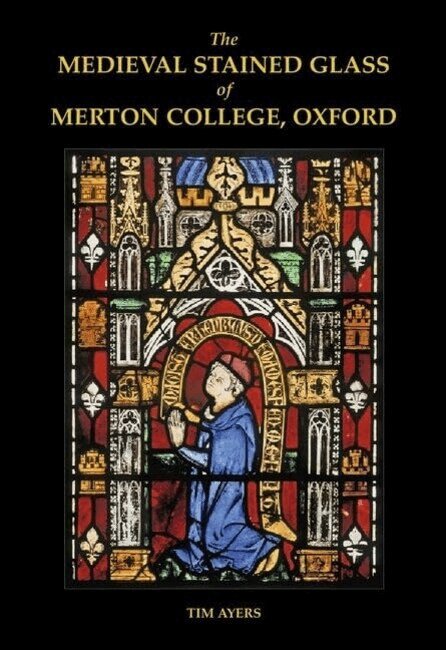
The Medieval Stained Glass of Merton College, Oxford
2013
3 555 kr
Skickas inom 7-10 vardagar
This is the first full study of the important medieval stained glass of Merton College, Oxford. The scheme in the chapel is exceptionally well preserved; with the nave of York Minster, it represents the largest surviving set of early fourteenth-century windows in Britain. Research for this volume in the rich college archives has provided a new date for them, and identified the glazier, whose business is considered locally. Outstanding early fifteenth-century panels from the transepts are attributed to the workshop of Thomas Glazier, who had worked for William of Wykeham, Chancellor of England. Seven windows in the Old Library contain the earliest glazing to survive from any English library. The glass will therefore be of interest to many students of English medieval art and architecture. A general introduction also explores the potential of the monument for study within a university context. Merton was a model for the self-governing graduate college of the later middle ages in England. The glass invites consideration of the relationship between art and ideas, in a lost astrological window, for example; and the self-presentation of the scholar and college communities, both to themselves and to the society that supported them. As a result of the central place of the universities in national life, the Merton glass was an inspiration during the Gothic revival to artists and glazing businesses such as the Pre-Raphaelite John Everett Millais, and Morris, Marshall, Faulkner & Co. The medieval glass is catalogued, fully illustrated and supported with restoration diagrams. There are forty colour plates. The post-medieval glass is also catalogued.