Greenwood Press Daily Life Through History Series: Cooking Up History – serie
Visar alla böcker i serien Greenwood Press Daily Life Through History Series: Cooking Up History. Handla med fri frakt och snabb leverans.
4 produkter
4 produkter
626 kr
Skickas inom 10-15 vardagar
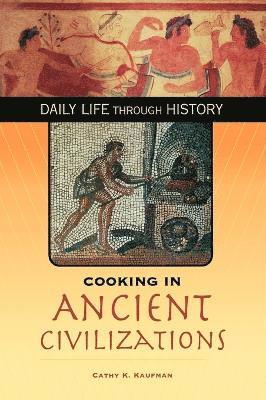
This cookbook on the main ancient peoples studied today-the Romans, Mesopotamians, Egyptians, and Greeks—is a stupendous resource for middle and high school students and other interested cooks learning history. Besides the Romans and the Greeks, the ancients left behind few recipes, and so the author has meticulously researched what food knowledge is available from written sources, such as Petronius's The Satyricon, and archaeology to approximate the everyday and special cuisine of the ancients. This detective work and reconstruction result in a wealth of successful recipes that will bring cooks as close as possible to the foods that likely would have been eaten and prepared.This cookbook on the main ancient peoples studied today-the Romans, Mesopotamians, Egyptians, and Greeks—is a stupendous resource for middle and high school students and other interested cooks. Besides the Romans and the Greeks, the ancients left behind few recipes, and so the author has meticulously researched what food knowledge is available from written sources, such as Petronius's The Satyricon, and archaeology to approximate the everyday and special cuisine of the ancients. This detective work and reconstruction result in a wealth of successful recipes that will bring cooks as close as possible to the foods that likely would have been eaten and prepared.Each group is covered in a chapter that begins with a narrative overview of the environment and resources, cuisine and social class, and a note on sources. Bulleted lists on major foodstuffs, cuisine and preparation, and dining habits follow to quickly familiarize readers with the basics. The recipes are then organized by type of food. A multitude of period food trivia as well as sample menus for different meals, social classes, and occasions complement the 207 recipes.
568 kr
Skickas inom 10-15 vardagar
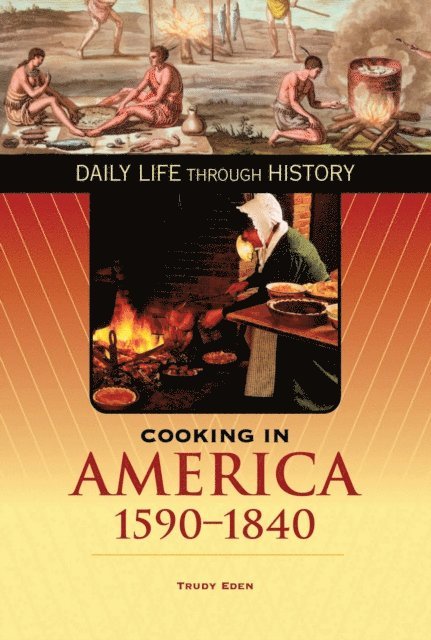
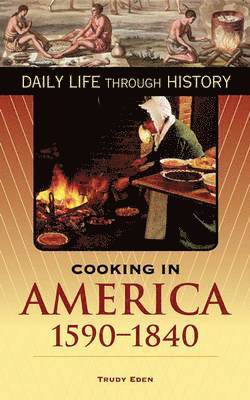
There are no recipes for what the Indians ate in Colonial times, but this cookbook uses period quotations to detail what and how the foodstuffs were prepared. The bulk of the cookbook is devoted to what the European immigrants cooked and what evolved into American cooking. The first colonists from England brought their foodways to America. The basic foods that Americans of European descent ate changed very little from 1600 to 1840. While the major basic foods remained the same, their part in the total diet changed. Americans at the end of the period ate far more beef and chicken than did the first colonists. They used more milk, butter and cream. They also ate more wheat in the form of breads, cakes, cookies, crackers and cereals. The same was true with fruits. Over time the more exotic vegetables like broccoli, cauliflower, artichokes, and numerous root vegetables including both sweet and white potatoes became common vegetables. By the end of this period, many Americans were even eating foods like tomatoes, okra, and sesame, which were unknown to their ancestors. In addition, Americans, like their relatives in Europe, incorporated coffee, tea, and chocolate into their diets as well as more sugar. Along with them came new customs, such as tea time, and, for men, socializing at coffeehouses. Also, distilled beverages, particularly rum, which was often made into a punch with citrus juices, were increasingly used.Basic cooking technology also remained the same throughout the period, and the cookbook gives a sense of how meals were prepared. The open hearth provided the major heat source. As time passed, though, more and more people could afford to have wood-fired brick ovens in their homes. Although the recipes presented here from the first century of colonization come from cookbooks written for people of upper status, by the end of the time period, literacy rates were much higher among men and women. European and American authors published numerous cookbooks that were relatively inexpensive and available, so it is reasonable to assume that those recipes were representative of actual American cookery practices. Many changes occurred to cookbooks and recipes during this period. The recipes became more detailed and more reliant on standard measures, and the recipes were for foods that are less complicated and expensive to prepare. This fact is more a sign that cookbooks were being written for a less wealthy group of readers than that tastes and appetites had changed. The trend toward simple and frugal foods continued up to 1840 and beyond, a sign that readership had expanded as well as an indicator of what the bulk of Americans were eating. As well, recipes that were considered American were developed. All of these recipes are in their original form and have been taken from contemporary published or private cookbooks. The explanations after the recipes give historical information and suggestions if the recipe is vague or if it calls for an unusual ingredient. Dining tips are included as well. Period illustrations complement the recipes.
608 kr
Skickas inom 10-15 vardagar
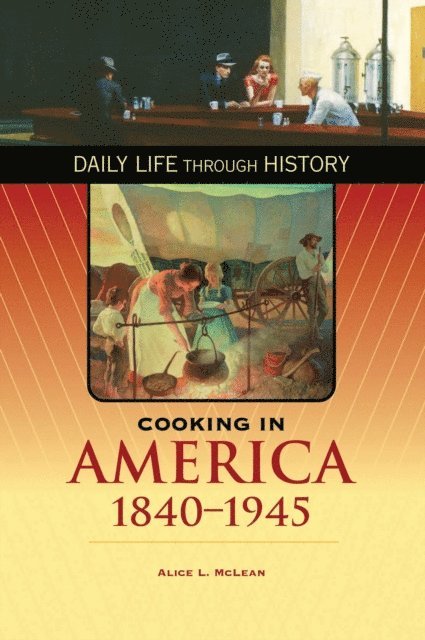
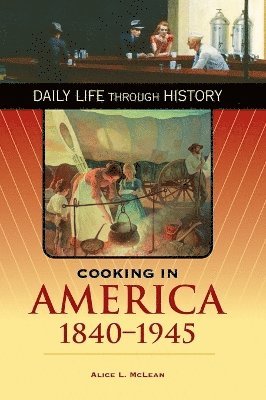
This cookbook covers the years 1840 through 1945, a time during which American cookery underwent a full-scale revolution. Gas and electric stoves replaced hearth cookery. Milk products came from commercial dairy farms rather than the family cow. Daily meals were no longer bound by seasons and regions, as canned, bottled, and eventually frozen products flooded the market and trains began to transport produce and meat from one end of the country to the other. During two World Wars and the Great Depression women entered the work force in unprecedented numbers and household servants abandoned low-paying domestic jobs to work in factories. As a result of these monumental changes, American home cooking became irrevocably simplified and cookery skills geared more toward juggling time to comb grocery store shelves for the best and most economical products than toward butchering and preserving an entire animal carcass or pickling fruits and vegetables.This cookbook reflects these changes, with each of the three chapters capturing the home cooking that typified the era. The first chapter covers the pre-industrial period 1840 to 1875; during this time, home cooks knew how to broil, roast, grill, fry, and boil on an open hearth flame and its embers without getting severely injured. They also handled whole sheep carcasses, made gelatin from boiled pigs trotters, grew their own yeast, and prepared their own preserves. The second chapter covers 1876 through 1910, a time when rapid urbanization transformed the United States from an agrarian society into an industrial giant, giving rise to food corporations such as Armour, Swift, Campbell's, Heinz, and Pillsbury. The mass production and mass marketing of commercial foods began to transform home cooking; meat could be purchased from a local butcher or grocery store and commercial gelatin became widely available. While many cooks still made their own pickles and preserves, commercial varieties multiplied. From 1910 to 1945, the period covered by Chapter 3, the home cook became a full-fledged consumer and the national food supply became standardized to a large extent. As the industrialization of the American food supply progressed, commercially produced breads, pastries, sauces, pickles, and preserves began to take over kitchen cupboards and undermine the home cooks' ability to produce their own meals from scratch. The recipes have been culled from some of the most popular commercial and community cookbooks of the nineteenth and early twentieth centuries. Taken together, the more than 300 recipes reflect the major cookbook trends of the era. Suggested menus are provided for replicating entire meals.
626 kr
Skickas inom 10-15 vardagar
From the Baroque Era to the Victorian Era, 1650-1850, unprecedented changes took place in the food ways and dining habits of European society. This daily life aspect of history comes alive for students and food enthusiasts as they read and try out these recipes, most translated into English for the first time. There are nearly 200 recipes, organized overall by the mini-periods of the Baroque and Rococo Era, the Reign of Louis XV to the French Revolution, and the reign of Napoleon to the Victorian Era. Author Ivan Day, a renowned food historian who specializes in meticulous recreation of these amazing dishes for museum exhibitions, makes them accessible with clear explanations of techniques and unusual ingredients. Recipes include examples from France, Italy, England, Austria, Germany, Holland, Portugal, Spain, and Scotland, from the simple Salad of Pomegranate from La Varenne Careme's 1651 cookbook to the elaborate Boar's Head in Galantine of Careme's 1833 cookbook. This unique cookbook is a culinary treasure trove to complement all European History library collections.As Day shows in his narrative and recipes, the principal theme in the story of food during the two centuries is the rapid spread of French fine cooking throughout Europe and its gradual percolation down the social scale. However, despite the domination of French cuisine at higher levels, most nations managed to cling proudly to their own indigenous traditions. A lively introduction explains the dramatic shift in culinary taste led by the exuberant creativity of French cooks. Cookbooks started to emerge from the Paris printing presses after a hundred years of silence. Numerous innovations completely transformed French cuisine and swept away all remnants of lingering medieval taste. There were new efficient cooking techniques for the kitchens of powerful and wealthy. For all, there were new ingredients from New World and new cooking mediums such as the mechanical spit and roasting ranges that made cooking cleaner and less back breaking. The recipes, each with a short explanation, are organized by type of dish. Categories include salads and cold dishes; soups; meat; poultry; fish and seafood; vegetables and fungi; eggs and dairy; sauces; savory pastries; starches, pastas, and legumes; breads and cakes; sweet pastries and puddings; fruit, nuts, and flower preserves; sweets and confections; jellies and ices; and drinks. Occasional sidebars offer period menus of, for example, elaborate feasts. A glossary and an appendix listing suppliers of equipment and ingredients are added features.