Henry McBride Series in Modernism and Modernity - Böcker
Visar alla böcker i serien Henry McBride Series in Modernism and Modernity. Handla med fri frakt och snabb leverans.
6 produkter
6 produkter
996 kr
Skickas inom 5-8 vardagar
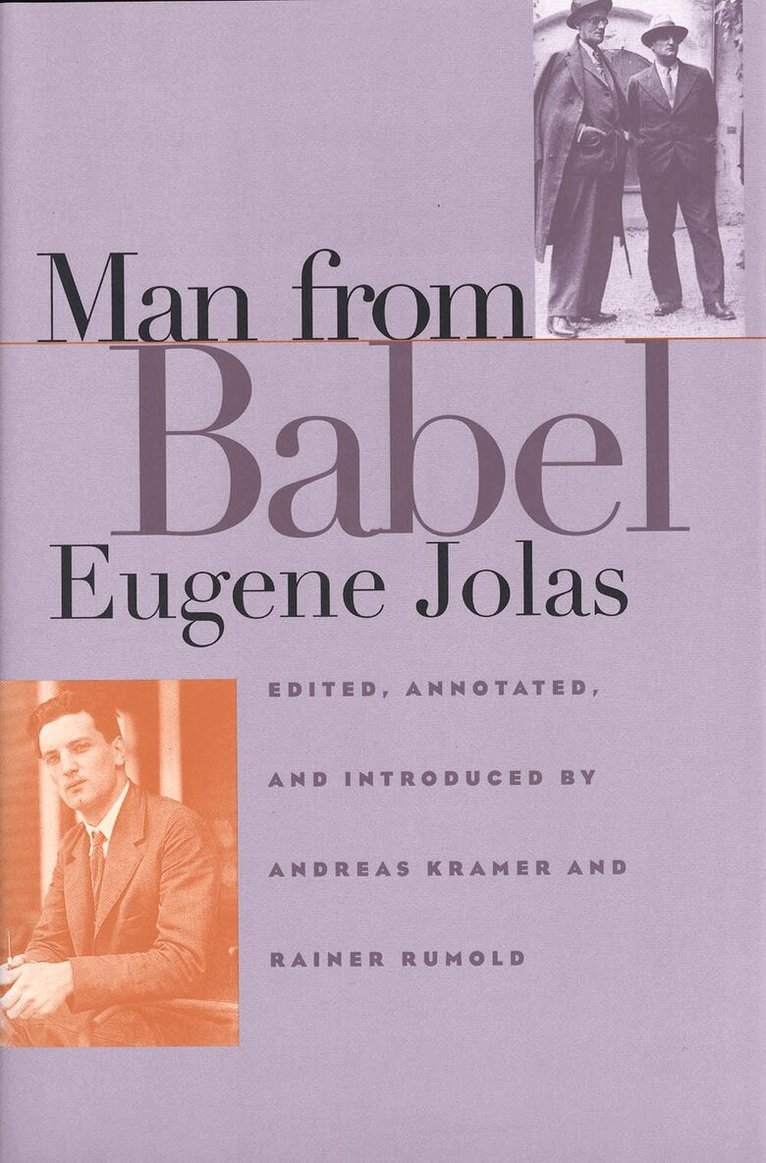
The autobiography of Eugene Jolas, available for the first time nearly half a century after his death in 1952, is the story of a man who, as the editor of the expatriate American literary magazine transition, was the first publisher of James Joyce’s Finnegans Wake and other signal works of the modernist period. Jolas’s memoir provides often comical and compelling details about such leading modernist figures as Joyce, Stein, Hemingway, Breton, and Gide, and about the political, aesthetic, and social concerns of the Surrealists, Expressionists, and other literary figures during the 1920s and 1930s. Man from Babel both enriches and challenges our view of international modernism and the historical avant-garde.Born in New Jersey of immigrant parents, Jolas moved back to France with them at the age of two. He grew up in the borderland of Lorraine and later lived in Paris, Berlin, London, and New York, where he pursued a career as a journalist and aspiring poet. As an American press officer after the war, Jolas was actively involved in the denazification of German intellectual life. A champion of the international avant-garde, he continually sought translinguistic, transcultural, and suprapolitical bridges that would transform Western culture into a unified continuum. Compiled and edited from Jolas’s drafts and illustrated with contemporary photographs, this memoir not only reveals the multicultural concerns of the man from Babel, as Jolas saw himself, but also illuminates an entire literary and historical era.
1 163 kr
Skickas inom 5-8 vardagar
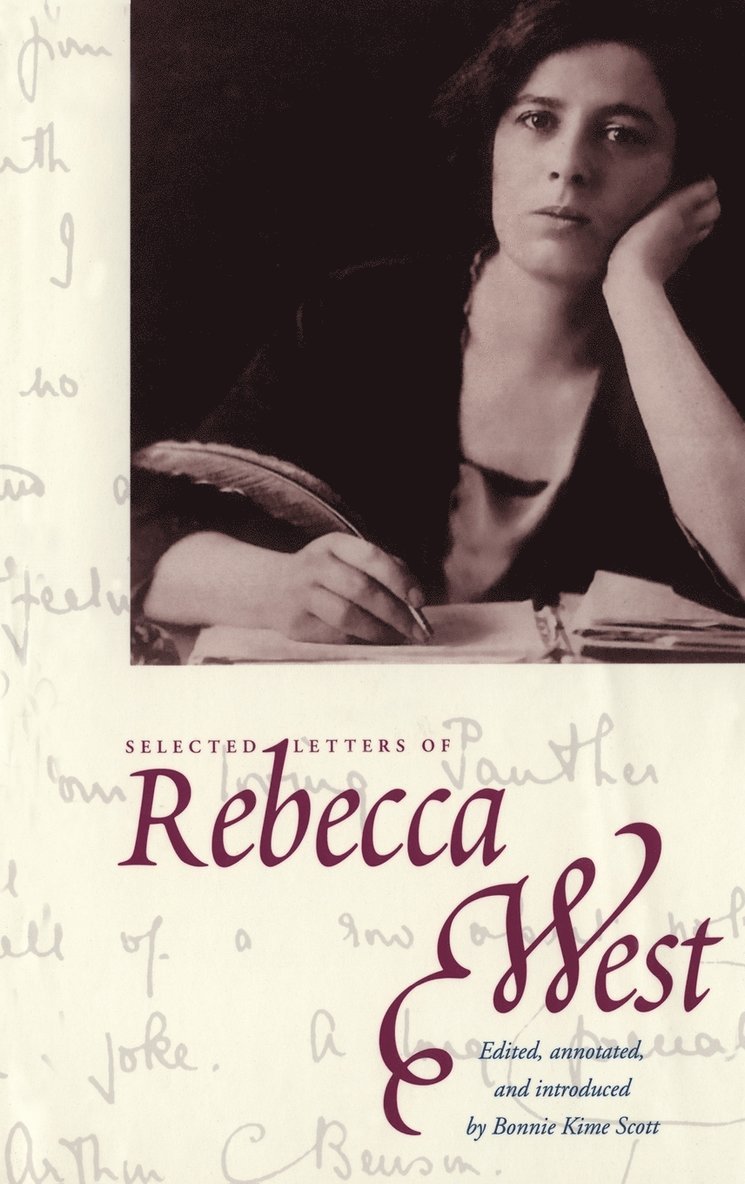
The politics and writings of Rebecca West have always ellicited strong reactions. This collection of her letters includes correspondence with such luminaries as George Bernard Shaw, Virginia Woolf, and her famous lover H.G. Wells, and offers pronouncements on misogyny, fascism and communism.
959 kr
Skickas inom 5-8 vardagar
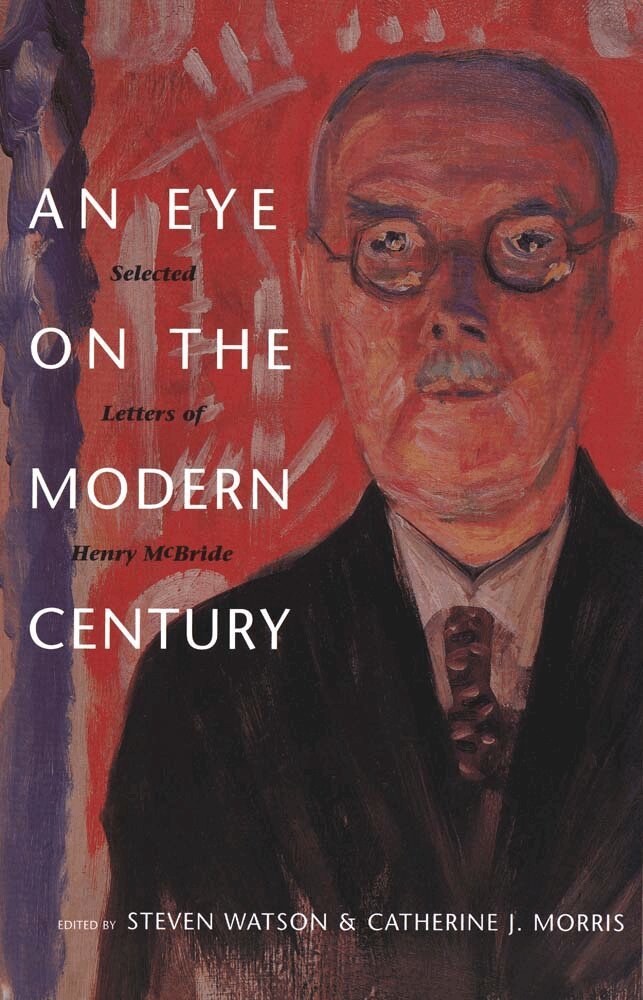
Henry McBride (1867–1962) became a towering figure in art criticism during a long career that began in 1913—the year of the famous Armory Show in New York that opened American eyes to avant-garde developments in European art—and continued until the advent of Abstract Expressionism in the late 1940s and early 1950s. A sensitive and discerning observer of the changing cultural landscape, McBride not only wrote prolifically for publication but also corresponded extensively. In this remarkable collection of selected letters, Henry McBride describes some of the most important events and figures of twentieth-century modernism. Written in a characteristically charming, gossipy, and warm-hearted style, these letters reveal McBride’s responses to revolutionary changes in the world of art and in the world at large.Closely allied to the pivotal circles that shaped modern culture, McBride counted among his correspondents such friends as Gertrude Stein, Carl Van Vechten, the Stettheimer sisters, Alfred Stieglitz, Charles Demuth, Georgia O’Keeffe, and Marianne Moore. His letters, along with the biographical introduction, headnotes, and rich annotation provided in this volume, present a unique perspective on twentieth-century modernism by one of its most ardent supporters.
518 kr
Skickas inom 5-8 vardagar
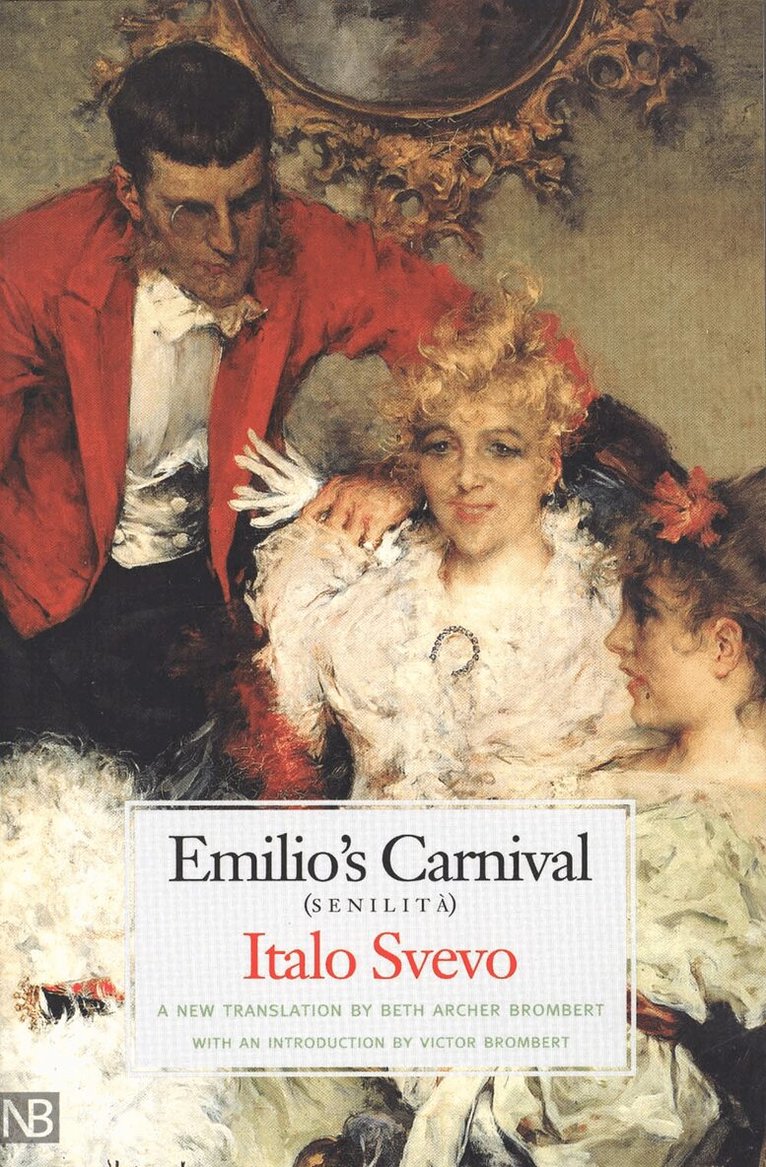
Italo Svevo’s early novel Senilità (1898) remained unknown for many years until James Joyce encountered the novelist in Trieste and came to admire Senilità as a preeminent modern Italian novel. Joyce helped to launch Svevo’s career, and years later Svevo achieved great fame with his masterpiece, Confessions of Zeno. In Senilità, Svevo tells the story of the amorous entanglement of Emilio, a failed writer already old at thirty-five, and Angiolina, a seductively beautiful but promiscuous young woman. A study in jealousy and self-torment, the novel traces the intoxicating effect of a narcissistic and amoral woman on an indecisive daydreamer who vacillates between guilt and moral smugness. The novel is suffused with a tragic sense of existence, and the unbreachable distance between one consciousness and another. Svevo’s unmistakably modern voice subtly captures rapid shifts in mood and intention, exploiting irony, indirection, and multiple points of view to reveal Emilio’s increasing anguish as he comes to recognize the dissonance between himself and his world.
571 kr
Skickas
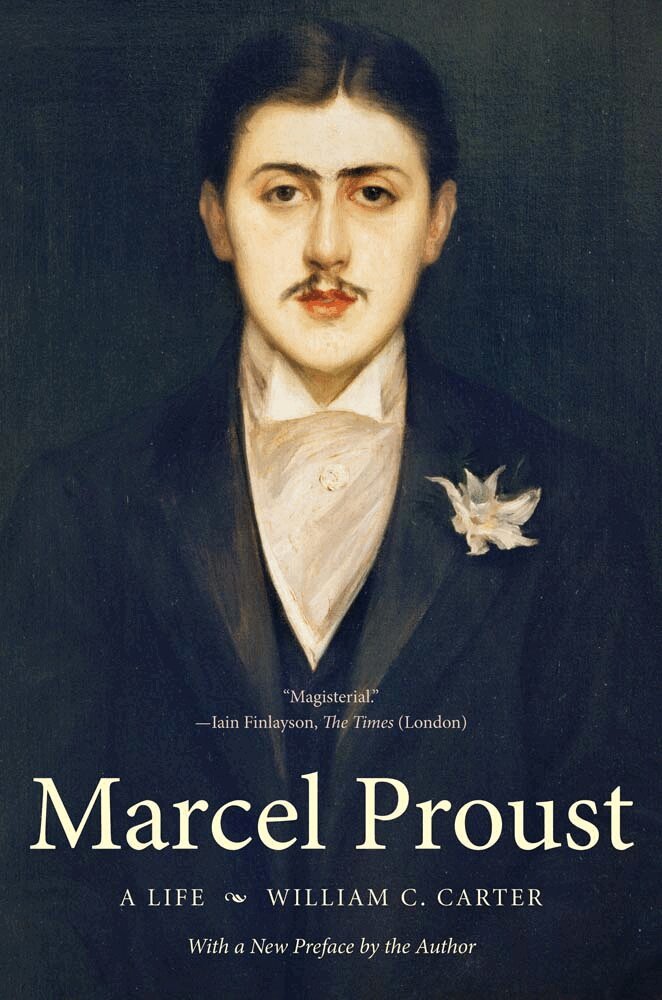
The extraordinary life and times of Marcel Proust, one of the greatest literary voices of the twentieth century, by “Proust’s definitive biographer” (Harold Bloom) Selected by New York Times Book Review as a Best Book Since 2000 Based on a wealth of letters, memoirs, workbooks, and manuscripts unavailable before, the book examines Proust’s character and development as an artist, the glittering Parisian world of which he was a part, and the passions that enabled him to write his masterpiece, In Search of Lost Time. “Serious, thoughtful, well-balanced, well-informed. . . . Carter is the kind of reader Proust hoped for, one who understands that a great work compels us to become better readers of ourselves.”—Victor Brombert, Los Angeles Times “An impeccably researched and well-paced narrative that brings vividly and credibly to life not only the writer himself but also the changing world he knew.”—Roger Pearson, New York Times Book Review
536 kr
Skickas inom 5-8 vardagar
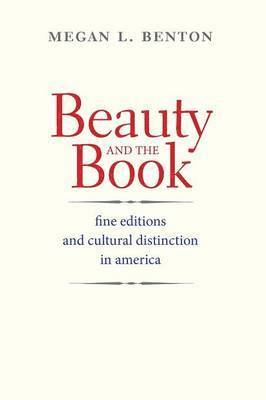
In post–World War I America—a world teeming with magazines, newspapers, radio broadcasts, and movies—many feared that the survival of traditional, serious books was in peril. This concern led to a publishing boom in fine editions—books valued primarily for their beauty, craftsmanship, extravagance, status, or scarcity. Beauty and the Book is a lively cultural history of the explosion in demand for these deluxe books during the 1920s and 1930s. Megan L. Benton argues that the clamor to own fine books reflected the anxieties and desires of those who mourned the rise of a modern mass culture. For them, such volumes not only affirmed a preindustrial ideal but also imparted social distinction and cultural superiority.Benton combines new archival research with a close examination of three hundred fine editions of the period. In theory, fine bookmakers were devoted to beauty and quality and were unwilling to compromise with machinery, popular taste, or concern for profit. But such ideal standards were nearly impossible to maintain. Paradoxically, fine publishers’ ostensible indifference to commercial considerations was one of their most prized and lucrative products for sale. This book illuminates the interplay between the ideal and real nature of fine publishing as well as the complex nature of American cultural ambitions during this pivotal era.