Memory, Heritage and Public History in Central and Eastern Europe - CEU Press – serie
Visar alla böcker i serien Memory, Heritage and Public History in Central and Eastern Europe - CEU Press. Handla med fri frakt och snabb leverans.
5 produkter
5 produkter
1 714 kr
Skickas inom 10-15 vardagar
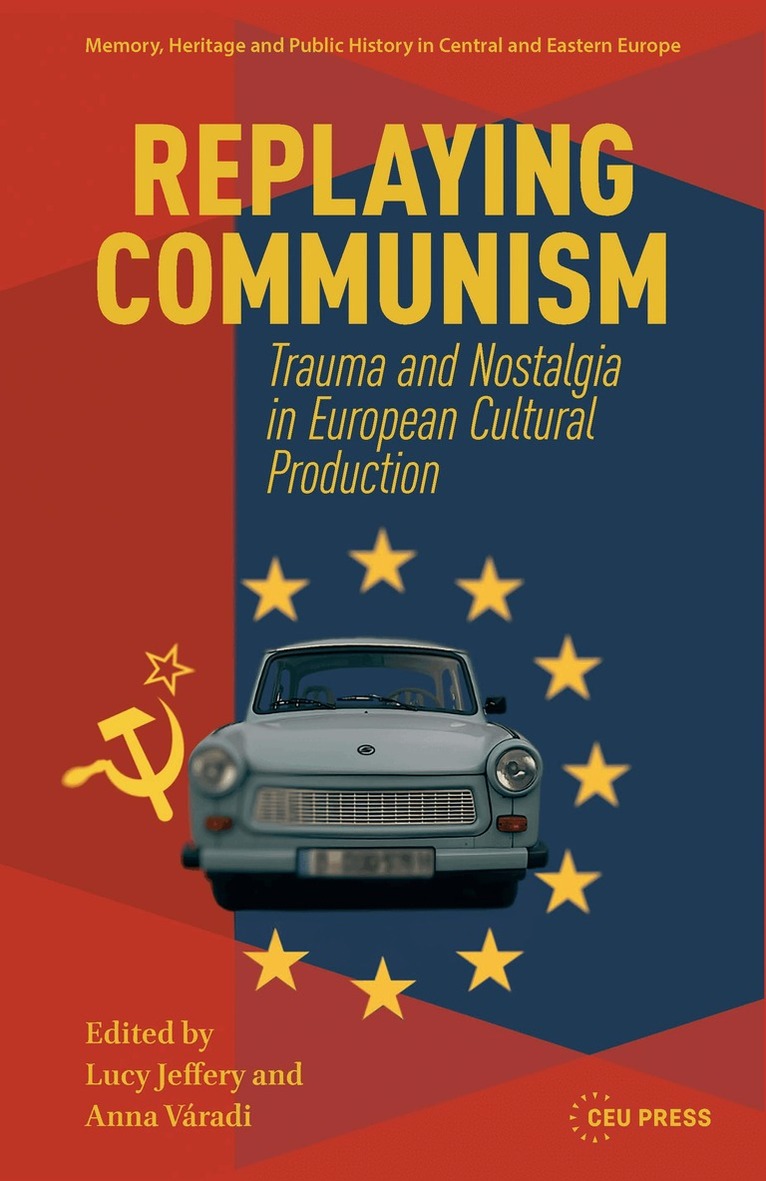
Repercussions of communism are still felt throughout Central and Eastern Europe. In fact, specters of communism remain vivid enough to inspire a wide range of contemporary cultural production, from video games to museum exhibits. This volume demonstrates how the region remains in a state of transitioning away from communism, not having secured a fully post-communist identity.The volume adopts an interdisciplinary approach to extend debates on the lasting impact of the communist era across Central and Eastern Europe with chapters thematically threaded through concepts including curation, immersion, interaction, humor and authenticity. A ‘trauma/nostalgia paradigm’ emerges as the tissue connecting the plurality of post-communist efforts employed to address the region’s contested pasts. Twelve original essays by contributors from both ‘inside’ and ‘outside’ the region detail how twenty-first-century cultural productions reengage the communist past. The impact of this past is seen as fundamental to understanding and shaping Central and Eastern European identities.
Remembering Suffering and Resistance
Memory Politics and the Serbian Orthodox Church
Inbunden, Engelska, 2024
1 610 kr
Skickas inom 10-15 vardagar
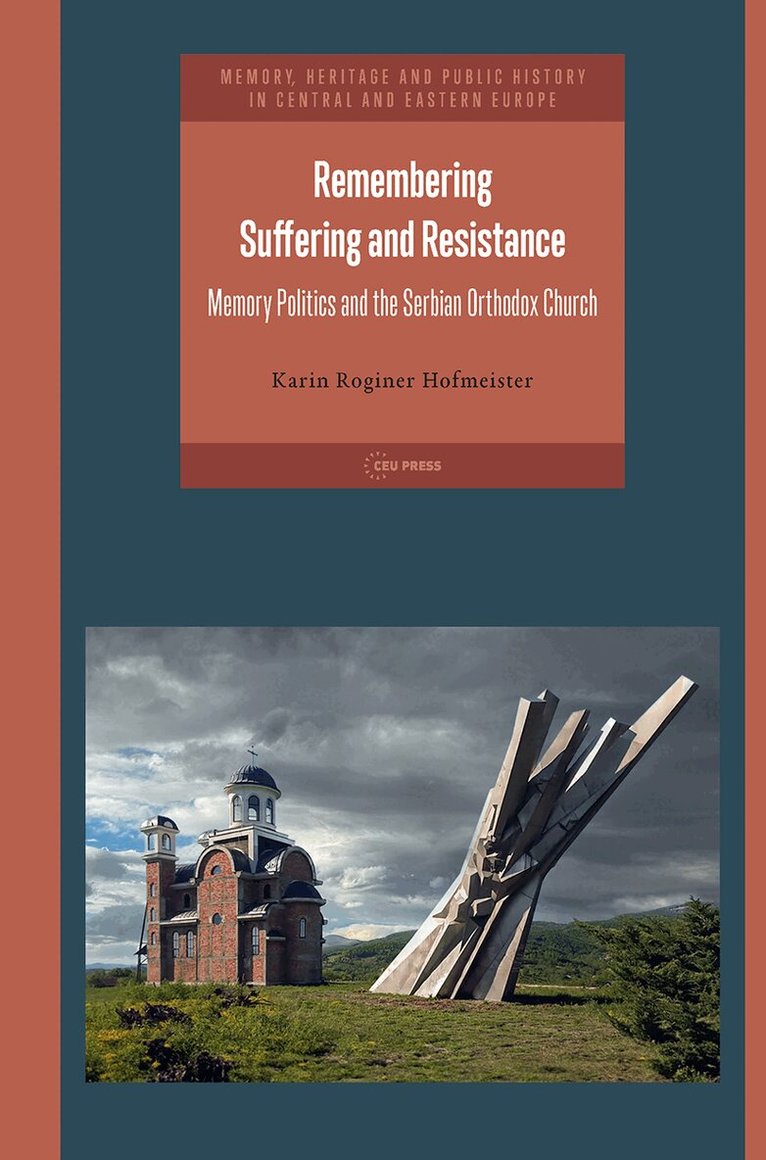
Assessing issues related to the Orthodox Church from an academic, secular point of view is a sensitive matter. However, by tracing and interpreting the engagement of the Serbian Church with the memory of Serbian heroic victimhood in World War II through a kind of “methodological agnosticism,” this volume has managed to tackle the subtle topic in a very delicate and value-neutral way. Arguing that the search for a collective memory is particularly urgent in the face of societal uncertainty and that religious institutions often use their memory potential to reaffirm their public relevance, the book examines the motivations, forms, strategies, and outcomes of a wide range of mnemonic activities the Serbian Orthodox Church engaged in following the upheavals caused by the collapse of Yugoslav socialism, the violent dissolution of the country, and the fall of the Milošević regime. These activities, taking place within the memory fields framed by the post-socialist, post-conflict, and post-secular horizons, took liturgical and non-liturgical forms, often involving a hybrid fusion of the two. As a result of this mnemonic endeavor, the author argues, the Church was successful in reasserting its power and legitimacy in the public sphere of post-2000 Serbia.
733 kr
Skickas inom 5-8 vardagar
Following the collapse of the fascist Independent State of Croatia (1941–1945), around 10,000 political émigrés fled to Perón’s Argentina. This study traces the Croatian diaspora’s evolution from its founding to the present. Initially marked by trauma—military defeat, exile, and reprisals—the community redefined its identity within Cold War geopolitics, first as victims of communism, later as champions of democracy. For decades, it viewed itself as guardian of the Croatian national cause. The establishment of independent Croatia in 1991 challenged this role, prompting reflection on whether to remain diaspora Croats or reintegrate into the homeland. Drawing on archival research and oral testimonies, Nikolina .idek explores how intergenerational memory shaped identity across time. She shows how the community preserved its origins while adapting to new realities, ultimately transforming into “planetary Croats” who use social media and transnational networks to connect with Croatia and the global diaspora.
Negotiating Identity and Collective Memory in Czech Silesia
Negotiating German Past and Czech Present
Inbunden, Engelska, 2026
1 560 kr
Skickas inom 10-15 vardagar
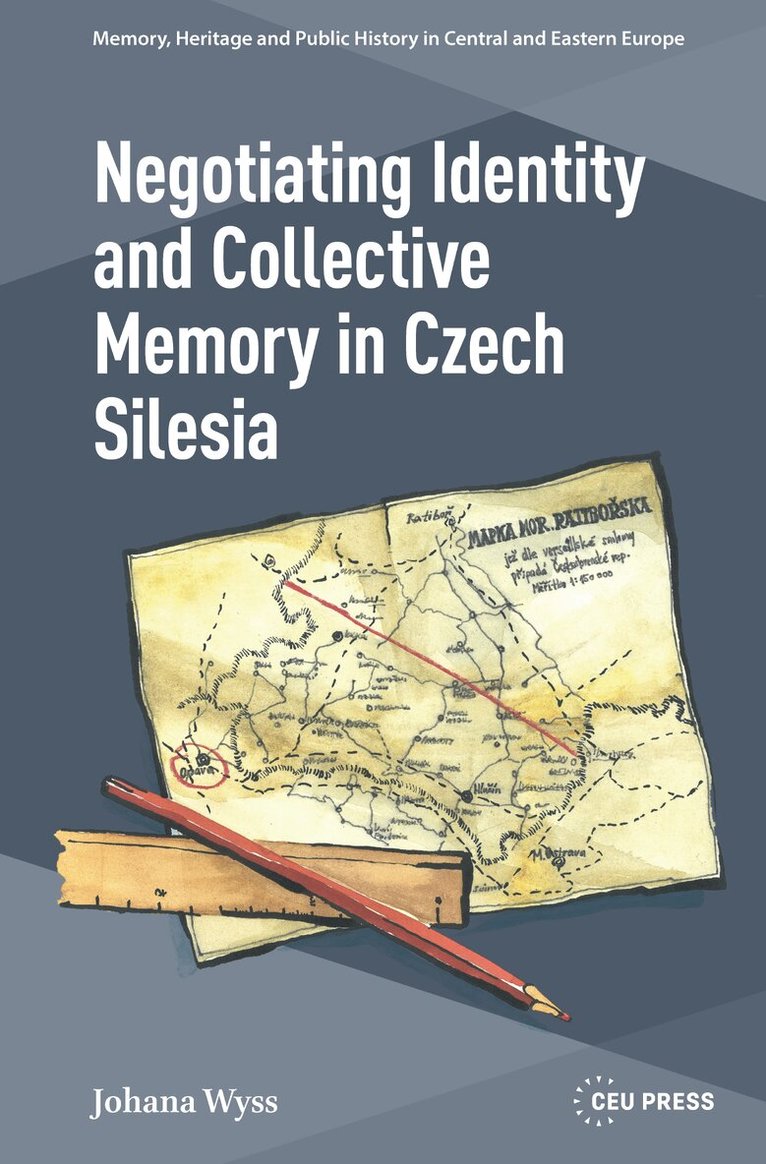
How do people negotiate identity, memory, and history in Czech Silesia? How do they make sense of a turbulent past marked by mass displacement, shifting borders, and successive political regimes? And what do dominant narratives of Czech nationalism mean for communities living with the absence of others?This rich ethnography of the city of Opava and the neighbouring Hlučín region follows a diverse cast of local actors involved in shaping and remaking regional collective memory. From the bottom up, the book examines how memory is selectively preserved, silenced, or commodified in response to different mnemonic challenges, including contested Wehrmacht legacies, linguistic politics, and the branding of Silesian cuisine.Foregrounding both vernacular and institutional actors, the ethnography shows how identity in this Central European borderland is continually reconstructed and negotiated. Going beyond post-socialism as an explanatory frame, the book makes a strong case for a more ambitious and holistic approach to studying collective memory and the ways it shapes belonging in post-imperial, post-socialist Europe.
1 658 kr
Skickas inom 10-15 vardagar
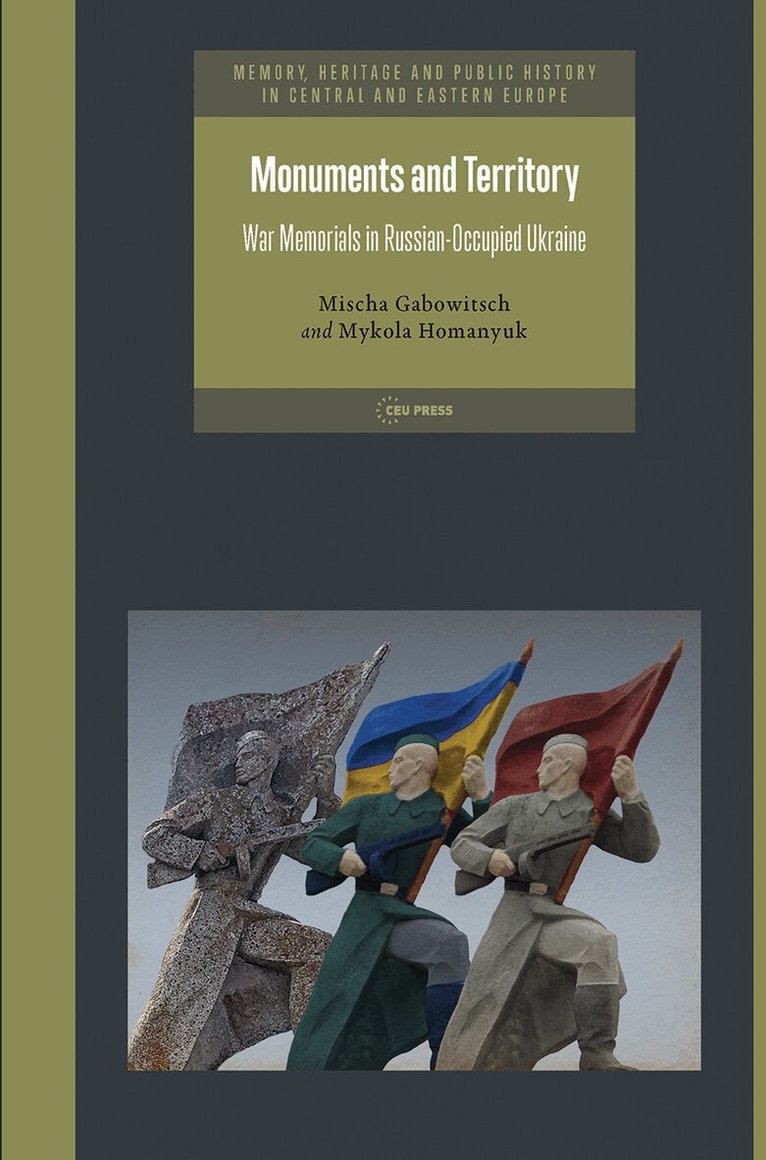
From the very first weeks of Russia’s large-scale attack on Ukraine in February 2022, Russian soldiers, politicians, and proxy administrators expended considerable effort interacting with monuments on newly occupied territory. Why did the invaders care enough about war memorials to divert scarce resources to destroying, maintaining, or building them amid a massive war? Why did they remove some memorials and spare others? What was the point of commemorating past victories and defeats while bombing Ukrainian cities, and how did commemorative ceremonies in the occupied territorieschange over the first year of the war? What was the broader impact of monument-related practices beyond the local settings in which they occurred? And what does the Ukrainian case teach us more generally about how memorials to past wars can be used to justify new conquests? These are some of the questions this book explores, based on fieldwork in occupied Ukraine and online research.