Kristina Joekalda – författare
Visar alla böcker från författaren Kristina Joekalda. Handla med fri frakt och snabb leverans.
2 produkter
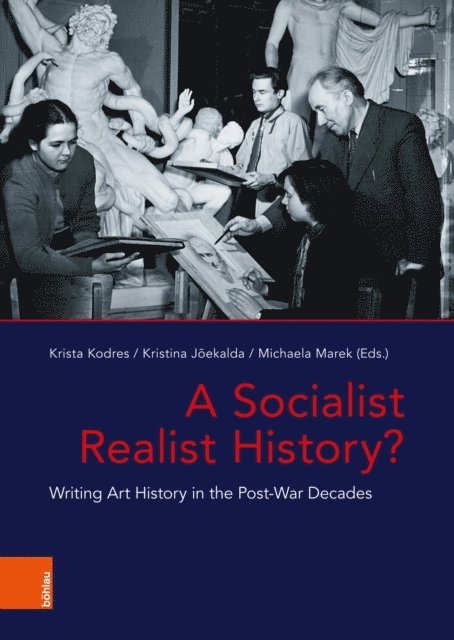
Socialist Realist History?
Writing Art History in the Post-War Decades
Av Michaela Marek, Krista Kodres m. fl.
E-bok, 2019
748 kr
Lägg i varukorg
How did the Eastern European and Soviet states write their respective histories of art and architecture during 1940s–1960s? The articles address both the Stalinist period and the Khrushchev Thaw, when the Marxist-Leninist discourse on art history was "invented" and refined. Although this discourse …
Inherited Empire in East European Architectural Conservation
Appropriating Ottoman, Habsburg and Russian/Soviet Past
Av Cosmin Minea, Kristina Jõekalda
Inbunden, 2026
1831 kr
Lägg i varukorg
Rather than a mere technical matter, the restoration of built monuments is a process through which societies promote their vision of history and cultural identity. The reasons why many monuments survive to this day are to be found in the nineteenth century, when modern practices of heritage …