Historical Archaeology of the American West – serie
Visar alla böcker i serien Historical Archaeology of the American West. Handla med fri frakt och snabb leverans.
8 produkter
8 produkter
503 kr
Skickas inom 10-15 vardagar
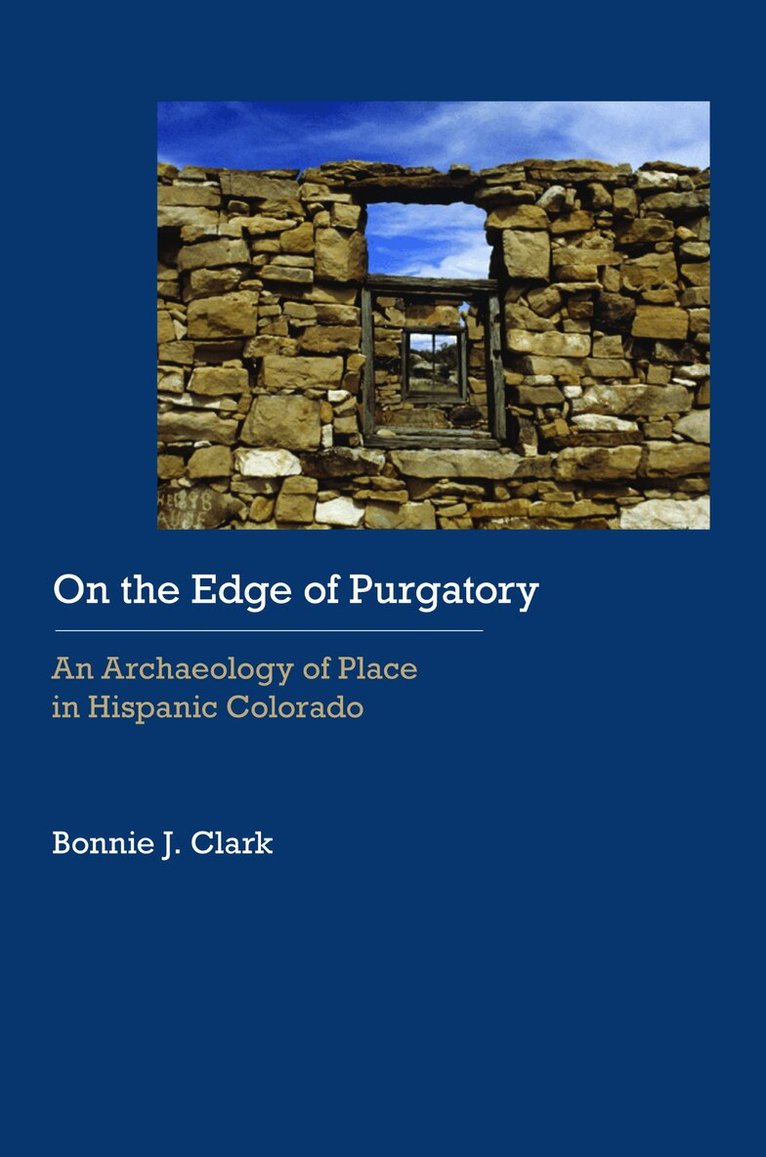
Southeastern Colorado was known as the northernmost boundary of New Spain in the sixteenth century. By the late 1800s, the region was U.S. territory, but the majority of settlers remained Hispanic families. They had a complex history of interaction with indigenous populations in the area and adopted many of the indigenous methods of survival in this difficult environment. Today their descendants compose a vocal part of the Hispanic population of Colorado. Bonnie J. Clark investigates the unwritten history of this unique Hispanic population. Combining archaeological research, contemporary ethnography, and oral and documentary history, Clark examines the everyday lives of this population over time. Framing this discussion within the wider context of the changing economic and political processes at work, Clark looks at how changing and contesting ethnic and gender identities were experienced on a daily basis. Providing new insights into the construction of ethnic identity in the American West over hundreds of years, this study complicates and enriches our understanding of the role of Hispanic populations in the West.
558 kr
Skickas inom 10-15 vardagar
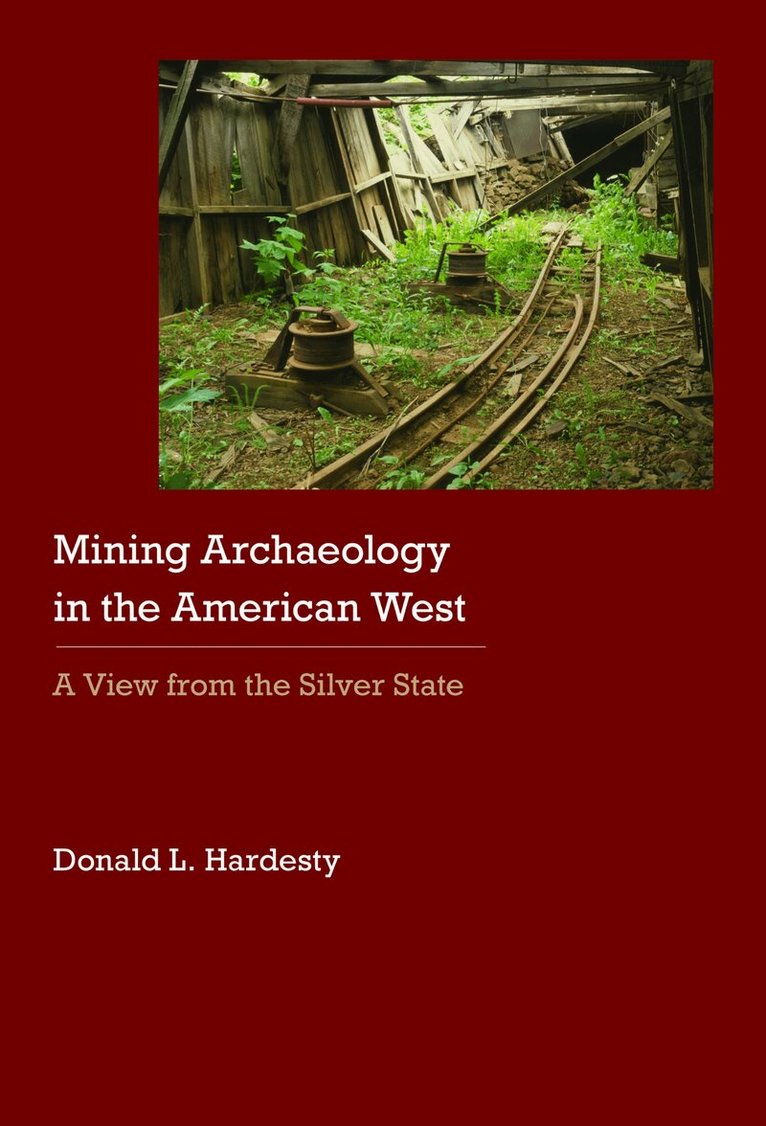
Mining played a prominent role in the shaping and settling of the American West in the nineteenth century. Following the discovery of the famous Comstock Lode in Nevada in 1859, mining became increasingly industrialized, changing mining technology, society, and culture throughout the world. In the wake of these changes Nevada became an important mining region, with new people and technologies further altering the ways mining was pursued and miners interacted. Historical archaeology offers a research strategy for understanding mining and miners that integrates three independent sources of information about the past: physical remains, documents, and oral testimony. Mining Archaeology in the American West explores mining culture and practices through the microcosm of Nevada's mining frontier. The history of mining technology, the social and cultural history of miners and mining societies, and the landscapes and environments of mining are topics examined in this multifocus research. In this updated and expanded edition of the seminal work on mining in Nevada, Donald Hardesty brings scholarship up to the present with important new research and insights into how people, technology, culture, architecture, and landscape changed during this period of mining history.
269 kr
Skickas inom 10-15 vardagar
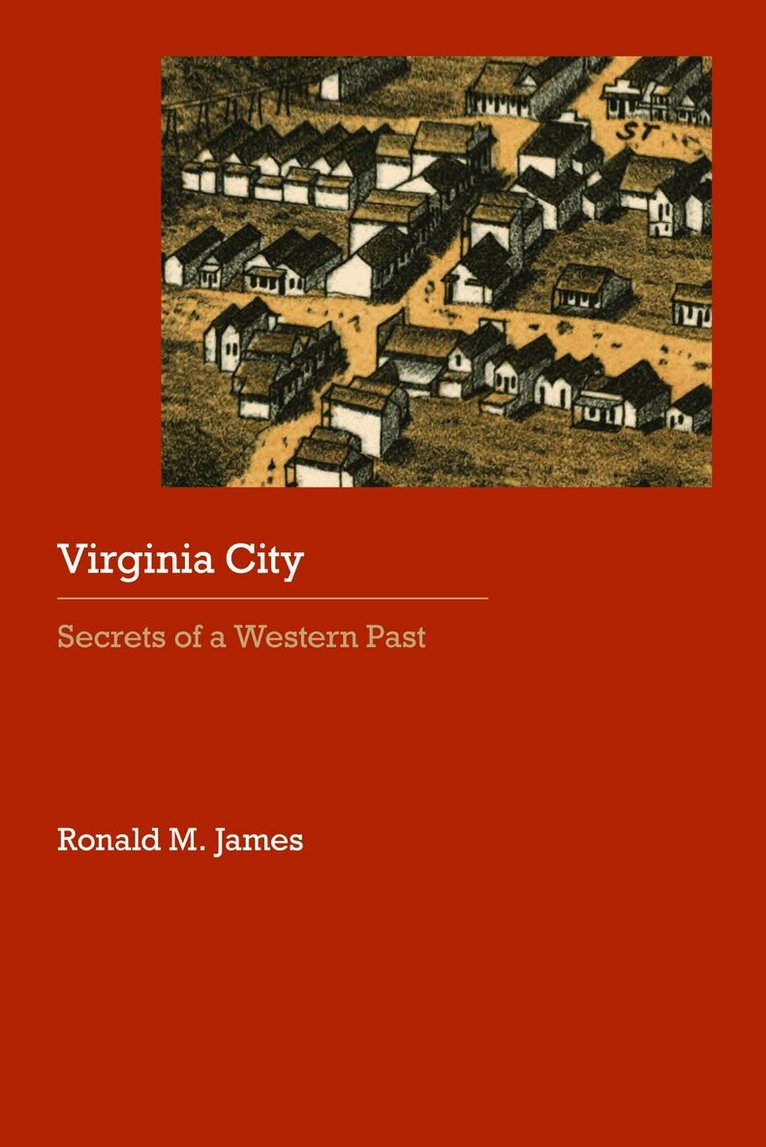
Spent cartridges. The pieces of an original Tabasco Pepper Sauce bottle. Shards of a ceramic pot, stained red. For archaeologists each of the thousands of artifacts uncovered at a site tells a story. For noted Comstock authority Ronald M. James, it is a story resulting from decades of research and excavation at one of the largest National Historic Landmarks in America, the Nevada town that, with the discovery of the Comstock Lode, became a boomtown microcosm of the American West.Drawing on the work of hundreds of volunteers, students, and professional archaeologists, Virginia City: Secrets of a Western Past shows how every detail—from unearthed artifacts to reports of local saloons to plans for the cemetery to surviving nineteenth-century buildings—adds to our view of Virginia City when it was one of the richest places on earth. James recreates this unlikely epitome of frontier industry and cosmopolitan living, the thriving hub of corporate executives, middle-class families, miners, prostitutes, and barkeepers—and more foreign-born residents per capita than anywhere else in the country—in a spot that had begun its life a few years earlier as the mining camp of several lucky guys. An excavation of the history of Virginia City, a window on the heyday of the American frontier, James's book is also an enlightening look at how archaeology brings the story of the past to life.
778 kr
Skickas inom 10-15 vardagar
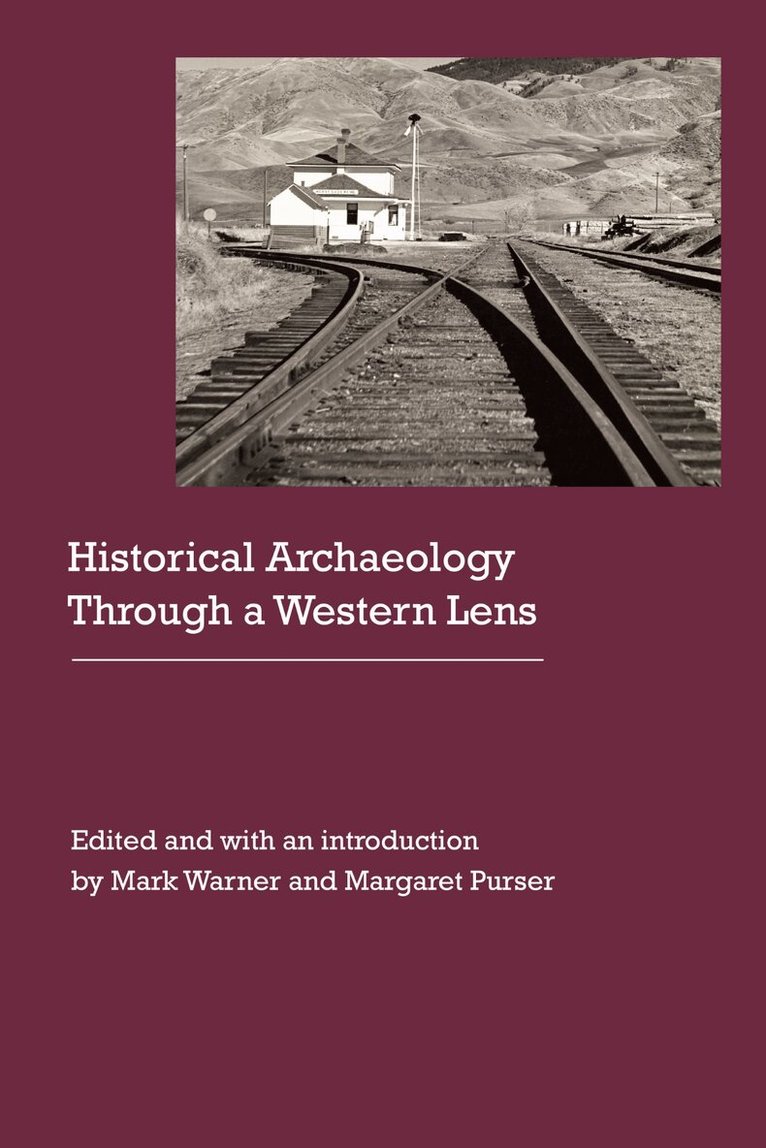
A 2017 Choice Outstanding Academic TitleThe mythic American West, with its perilous frontiers, big skies, and vast resources, is frequently perceived as unchanging and timeless. The work of many western-based historical archaeologists over the past decade, however, has revealed narratives that often sharply challenge that timelessness. Historical Archaeology Through a Western Lens reveals an archaeological past that is distinct to the region-but not in ways that popular imagination might suggest. Instead, this volume highlights a western past characterized by rapid and ever-changing interactions between diverse groups of people across a wide range of environmental and economic situations. The dynamic and unpredictable lives of western communities have prompted a constant challenging and reimagining of both individual identities and collective understandings of their position within a broader national experience. Indeed, the archaeological West is one clearly characterized by mobility rather than stasis. The archaeologies presented in this volume explore the impact of that pervasive human mobility on the West-a world of transience, impermanence, seasonal migration, and accelerated trade and technology at scales ranging from the local to the global. By documenting the challenges of both local community-building and global networking, they provide an archaeology of the West that is ultimately from the West.
613 kr
Skickas inom 10-15 vardagar
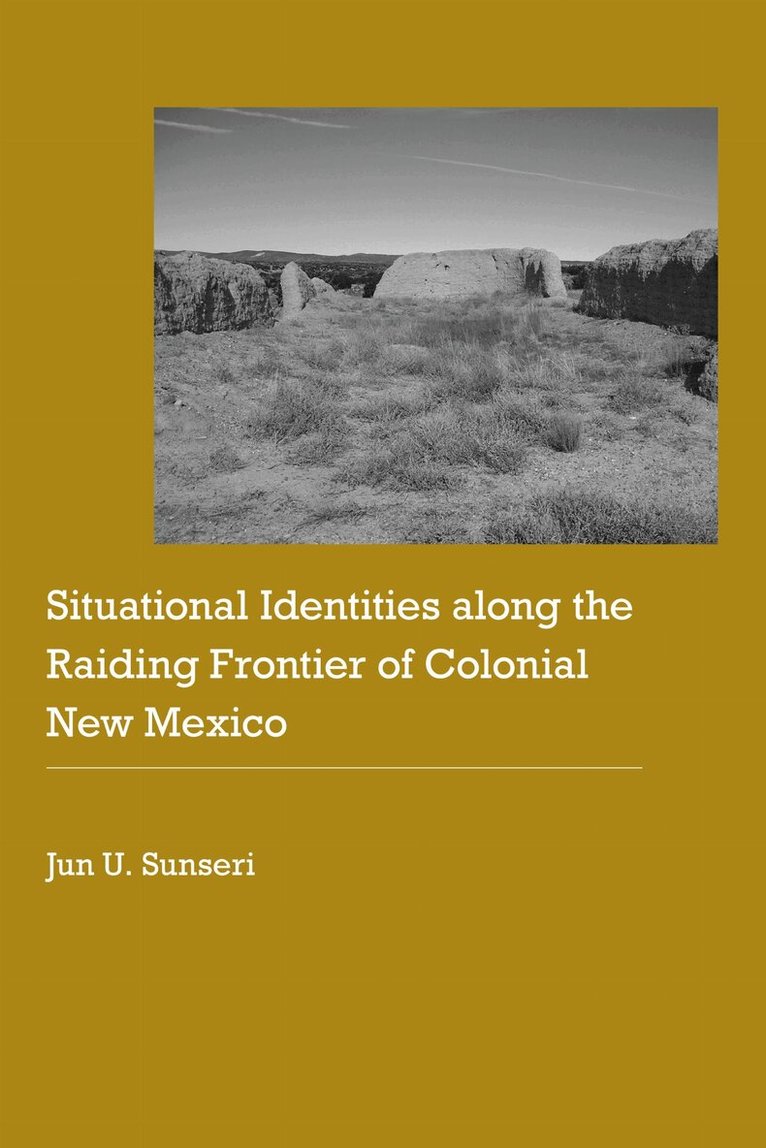
Situational Identities along the Raiding Frontier of Colonial New Mexico examines pluralistic communities that navigated between colonial and indigenous practices to negotiate strategic alliances with both sides of generations-old conflicts. The rich history of the southwestern community of Casitas Viejas straddles multiple cultures and identities and is representative of multiple settlements in the region of northern New Mexico that served as a “buffer,” protecting the larger towns of New Spain from Apache, Navajo, Ute, and Comanche raiders. These genÍzaro settlements of Indo-Hispano settlers used shrewd cross-cultural skills to survive.Researching the dynamics of these communities has long been difficult, due in large part to the lack of material records. In this innovative case study, Jun U. Sunseri examines persistent cultural practices among families who lived at Casitas Viejas and explores the complex identities of the region’s communities. Applying theoretical and methodological approaches, Sunseri adds oral histories, performative traditions of contemporary inhabitants, culinary practices, and local culture to traditional archaeology to shed light on the historical identities of these communities that bridged two worlds.
Alliance Rises in the West
Labor, Race, and Solidarity in Industrial California
Inbunden, Engelska, 2020
668 kr
Skickas inom 10-15 vardagar
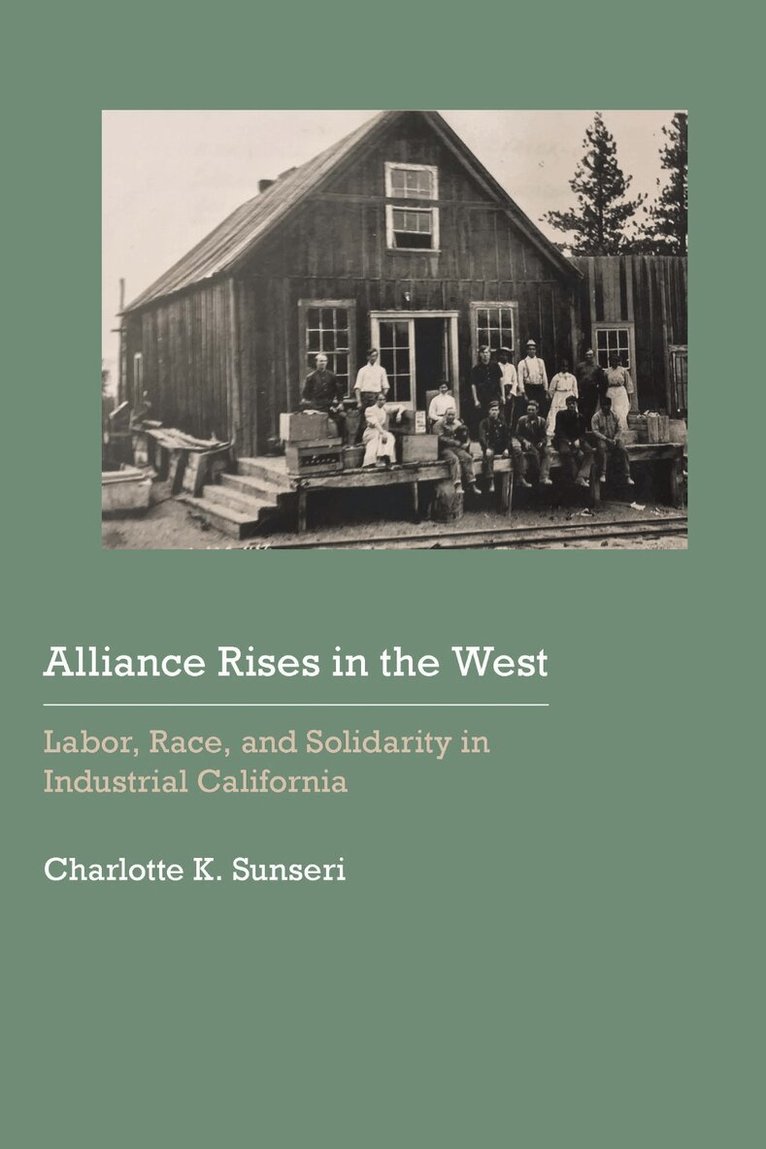
Alliance Rises in the West documents the experiences of a company town at a critical moment in the rise of working-class consciousness in nineteenth-century California. Through archaeological research Charlotte K. Sunseri overcomes the silence of the documentary record to re-examine the mining frontier at Mono Mills, a community of multiple ethnic and racial groups, predominantly Chinese immigrants and Kudzadika Paiutes. The rise of political, economic, and social alliances among workers symbolized solidarity and provided opportunity to effect change in this setting of unequal power. Urban planning and neighborhood layout depict company structures of control and surveillance, while household archaeology from ethnically distinct neighborhoods speaks to lived experiences and how working-class identities emerged to crosscut ethnic and racial divides imposed in capitalism.Mono Mills’s Paiute and Chinese communities experienced exclusionary legislation and brutal treatment on the basis of racial prejudice but lived alongside and built community with European American laborers, managers, and merchants who were also on an economic periphery. These experiences in Mono Mills and other nineteenth-century company towns did not occur in a vacuum; capitalists’ control and ideologies of race and class all doubled down as American workers used collective action to change the rules of the system. In this rare, in-depth perspective, close consideration of the ghost towns that dot the landscape of the West shows the haunting elements of capitalism and racial structures that characterized Gilded Age society and whose legacies endure to this day.
723 kr
Skickas inom 10-15 vardagar
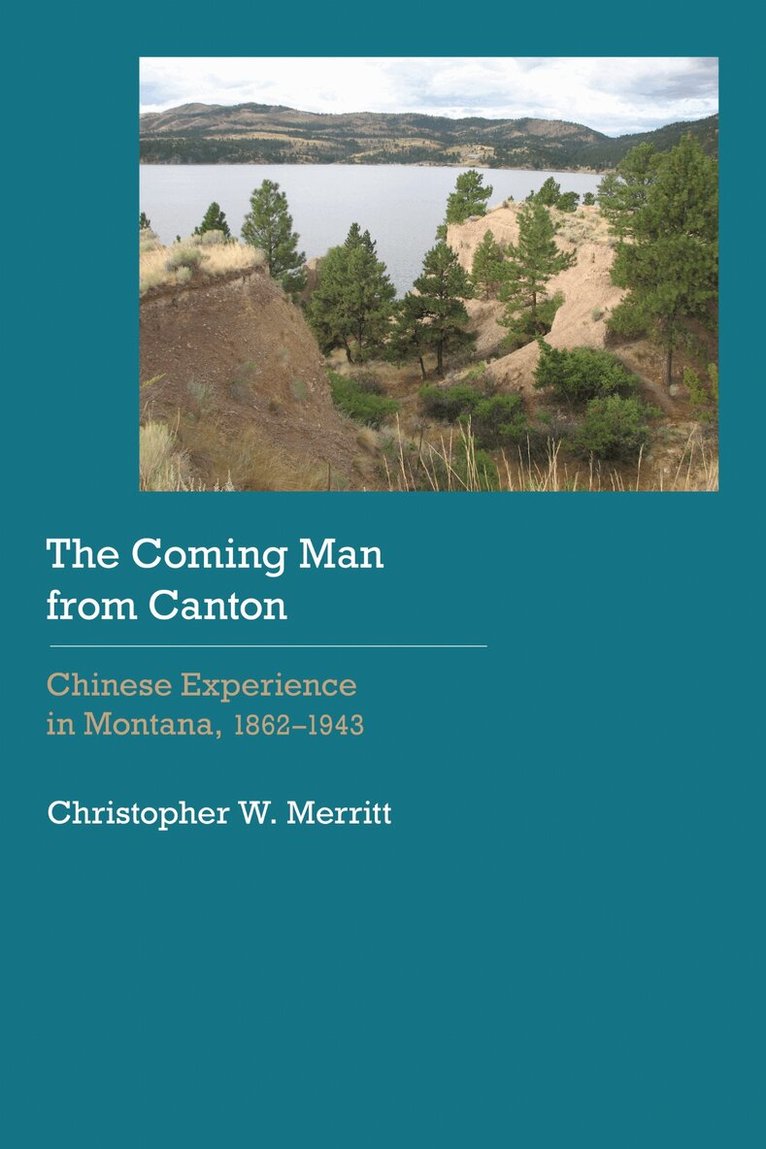
In The Coming Man from Canton Christopher W. Merritt mines the historical and archaeological record of the Chinese immigrant experience in Montana to explore new questions and perspectives. During the 1860s Chinese immigrants arrived by the thousands, moving into the Rocky Mountain West and tenaciously searching for prosperity in the face of resistance, restriction, racism, and armed hostility from virtually every ethnic group in American society. As second-class citizens, Chinese immigrants remained largely insular and formed their own internal governments as well as labor and trade networks, typically establishing communities apart from the main towns. Chinese miners, launderers, restaurant keepers, gardeners, railroad laborers, and other workers became a separate but integral part of the American experience in the Intermountain West.Although Chinese immigrants constituted more than 10 percent of the Montana Territory’s total population by 1870, the historical records provide a biased and narrow perspective, as they were generally written by European American community members. Merritt uses the statewide Montana context to show the diversity of Chinese settlements that has often been neglected by archival studies. His research highlights how the legacy of the Chinese in Montana is, or is not, reflected in modern Montana identity and how scholars, educators, professionals, and the public can alter the existing perception of this population as the “other” and perceive it instead an integral part of Montana’s past.
Segregation Made Them Neighbors
An Archaeology of Racialization in Boise, Idaho
Inbunden, Engelska, 2023
833 kr
Skickas inom 10-15 vardagar
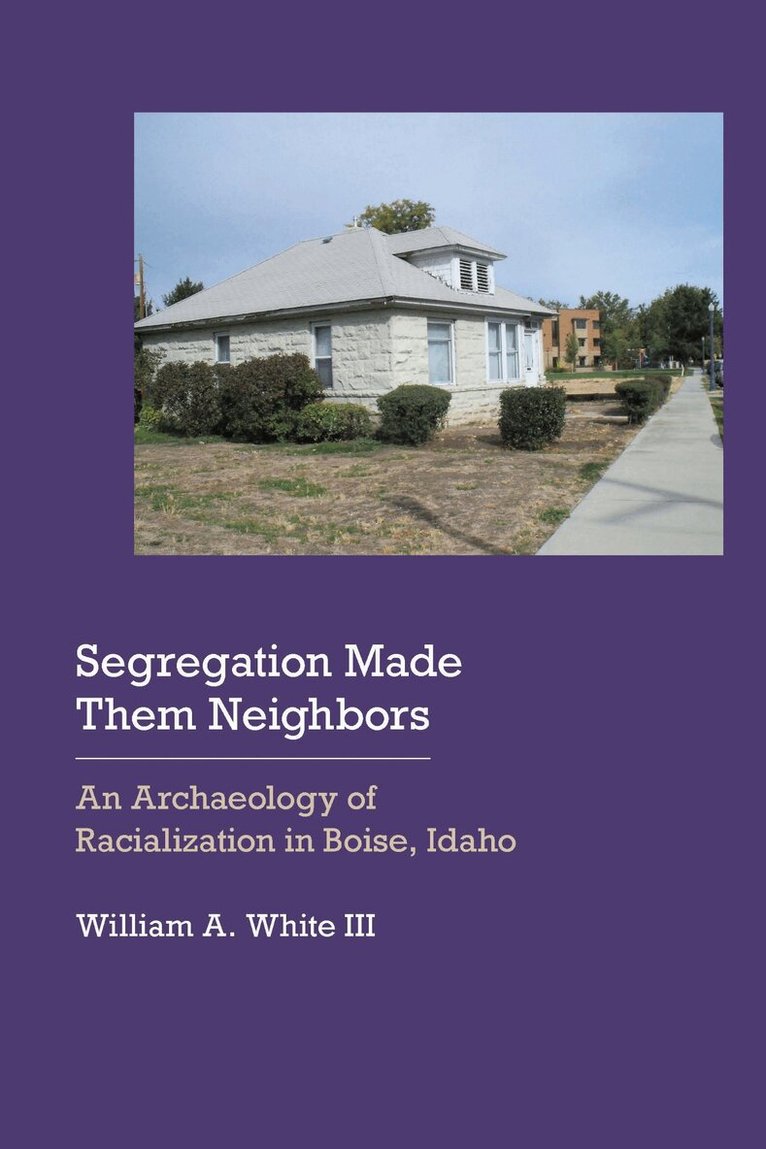
Segregation Made Them Neighbors investigates the relationship between whiteness and nonwhiteness through the lenses of landscapes and material culture. William A. White III uses data collected from a public archaeology and digital humanities project conducted in the River Street neighborhood in Boise, Idaho, to investigate the mechanisms used to divide local populations into racial categories. The River Street Neighborhood was a multiracial, multiethnic enclave in Boise that was inhabited by African American, European American, and Basque residents. Building on theoretical concepts from whiteness studies and critical race theory, this volume also explores the ways Boise’s residents crafted segregated landscapes between the 1890s and 1960s to establish white and nonwhite geographies.White describes how housing, urban infrastructure, ethnicity, race, and employment served to delineate the River Street neighborhood into a nonwhite space, an activity that resulted in larger repercussions for other Boiseans. Using material culture excavated from the neighborhood, White describes how residents used mass-produced products to assert their humanity and subvert racial memes.By describing the effects of racial discrimination, real-estate redlining, and urban renewal on the preservation of historic properties in the River Street neighborhood, Segregation Made Them Neighbors illustrates the symbiotic mechanisms that also prevent equity and representation through historic preservation in other cities in the American West.