History of the American West – serie
Visar alla böcker i serien History of the American West. Handla med fri frakt och snabb leverans.
7 produkter
7 produkter
305 kr
Skickas
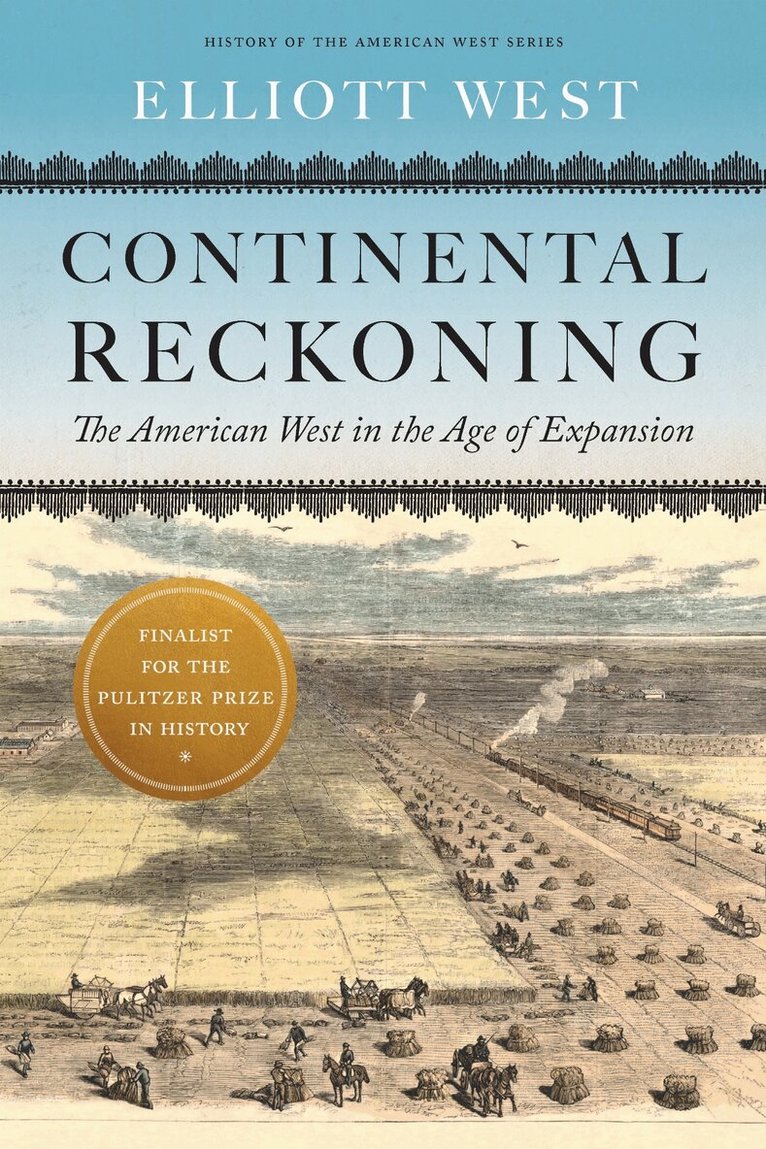
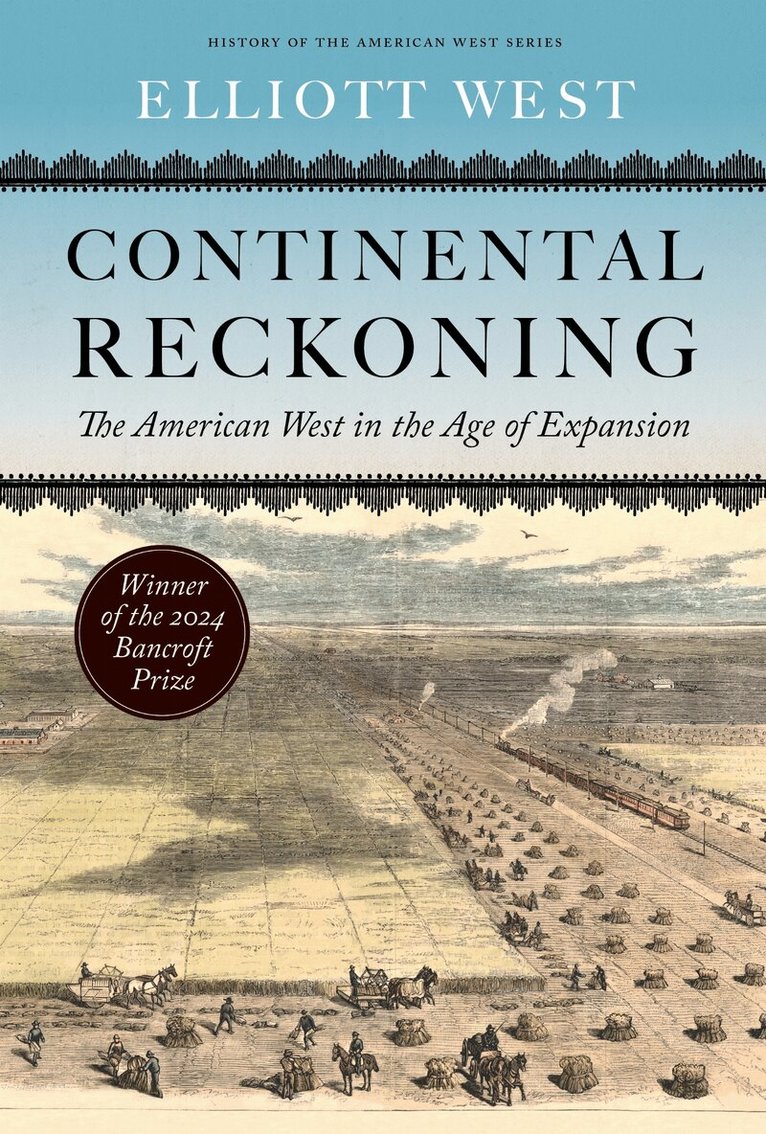
Finalist for the 2024 Pulitzer Prize in HistoryWinner of Columbia University's 2024 Bancroft Prize in American HistoryWinner of the 2024 Caughey Western History PrizeWinner of the 2024 Spur AwardNamed a Best Civil War Book of 2023 by Civil War MonitorIn Continental Reckoning renowned historian Elliott West presents a sweeping narrative of the American West and its vital role in the transformation of the nation. In the 1840s, by which time the United States had expanded to the Pacific, what would become the West was home to numerous vibrant Native cultures and vague claims by other nations. Thirty years later it was organized into states and territories and bound into the nation and world by an infrastructure of rails, telegraph wires, and roads and by a racial and ethnic order, with its Indigenous peoples largely dispossessed and confined to reservations.Unprecedented exploration uncovered the West’s extraordinary resources, beginning with the discovery of gold in California within days of the United States acquiring the territory following the Mexican-American War. As those resources were developed, often by the most modern methods and through modern corporate enterprise, half of the contiguous United States was physically transformed. Continental Reckoning guides the reader through the rippling, multiplying changes wrought in the western half of the country, arguing that these changes should be given equal billing with the Civil War in this crucial transition of national life.As the West was acquired, integrated into the nation, and made over physically and culturally, the United States shifted onto a course of accelerated economic growth, a racial reordering and redefinition of citizenship, engagement with global revolutions of science and technology, and invigorated involvement with the larger world. The creation of the West and the emergence of modern America were intimately related. Neither can be understood without the other. With masterful prose and a critical eye, West presents a fresh approach to the dawn of the American West, one of the most pivotal periods of American history.
1 095 kr
Skickas inom 10-15 vardagar
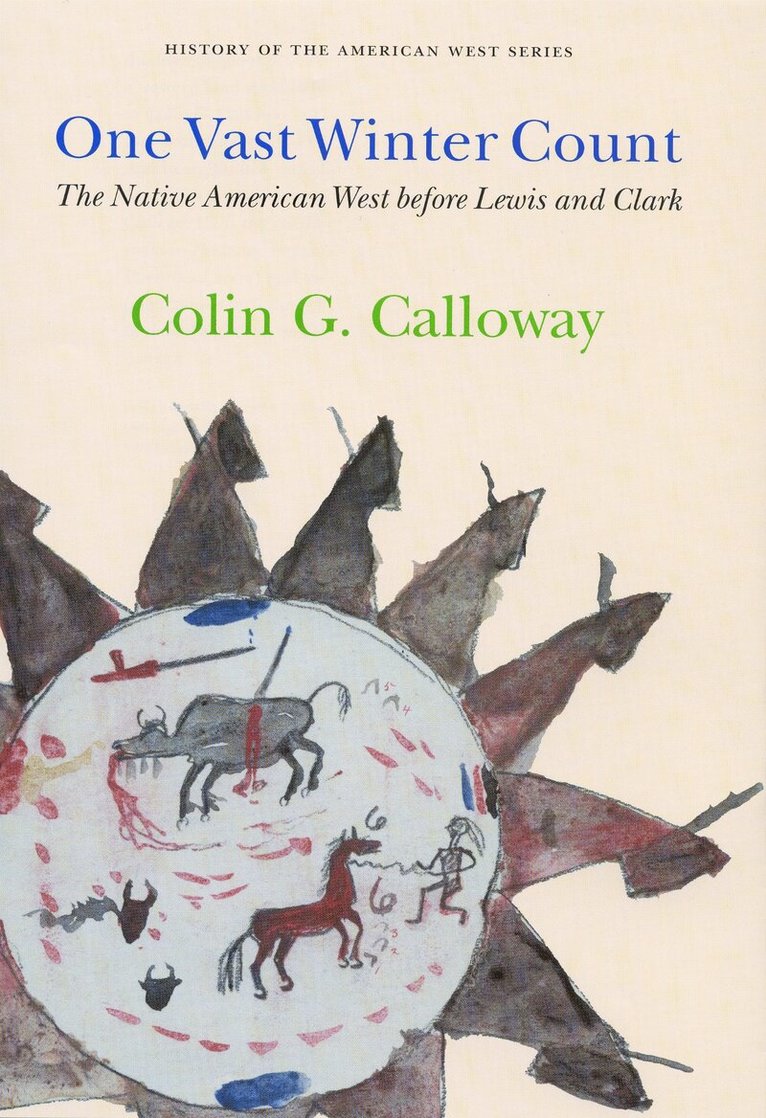
This magnificent, sweeping work traces the histories of the Native peoples of the American West from their arrival thousands of years ago to the early years of the nineteenth century. Emphasizing conflict and change, One Vast Winter Count offers a new look at the early history of the region by blending ethnohistory, colonial history, and frontier history. Drawing on a wide range of oral and archival sources from across the West, Colin G. Calloway offers an unparalleled glimpse at the lives of generations of Native peoples in a western land soon to be overrun.
Empires, Nations, and Families
A History of the North American West, 1800-1860
Inbunden, Engelska, 2011
613 kr
Skickas inom 10-15 vardagar
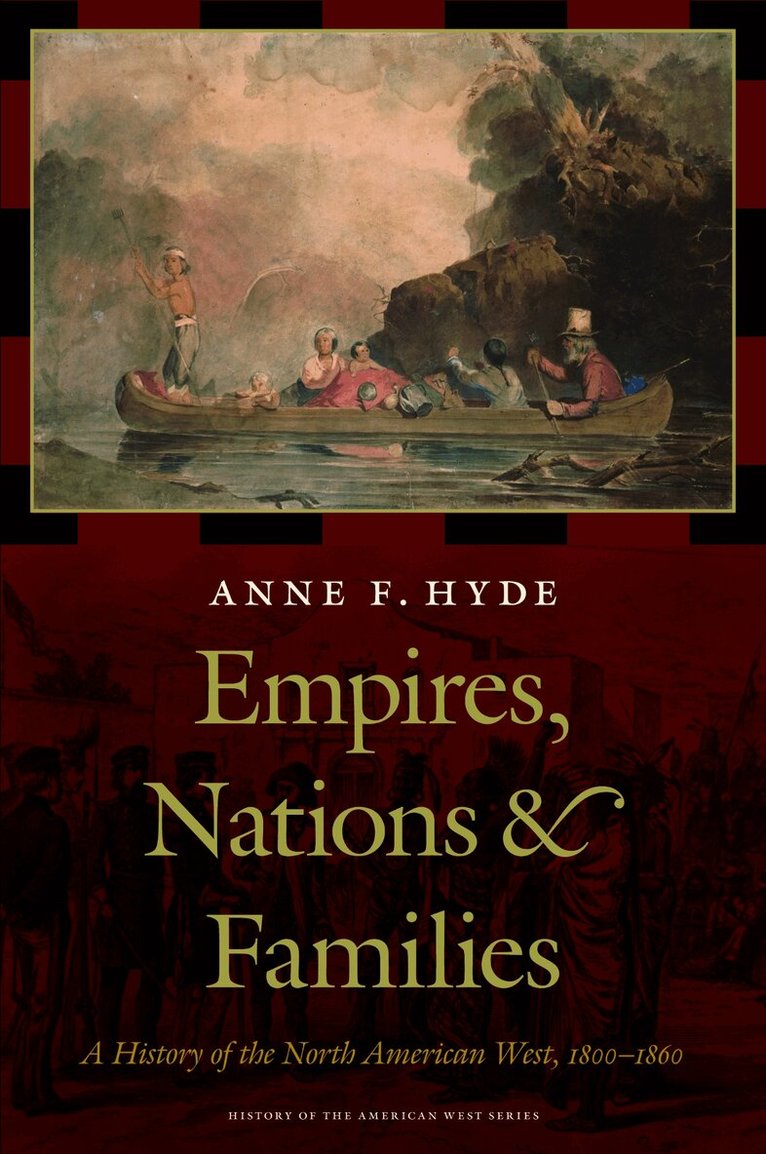
Winner of the 2012 Bancroft Prize in American HistoryFinalist for the 2012 Pulitzer Prize in HistoryTo most people living in the West, the Louisiana Purchase made little difference: the United States was just another imperial overlord to be assessed and manipulated. This was not, as Empires, Nations, and Families makes clear, virgin wilderness discovered by virtuous Anglo entrepreneurs. Rather, the United States was a newcomer in a place already complicated by vying empires. This book documents the broad family associations that crossed national and ethnic lines and that, along with the river systems of the trans-Mississippi West, formed the basis for a global trade in furs that had operated for hundreds of years before the land became part of the United States. Empires, Nations, and Families shows how the world of river and maritime trade effectively shifted political power away from military and diplomatic circles into the hands of local people. Tracing family stories from the Canadian North to the Spanish and Mexican borderlands and from the Pacific Coast to the Missouri and Mississippi rivers, Anne F. Hyde’s narrative moves from the earliest years of the Indian trade to the Mexican War and the gold rush era. Her work reveals how, in the 1850s, immigrants to these newest regions of the United States violently wrested control from Native and other powers, and how conquest and competing demands for land and resources brought about a volatile frontier culture-not at all the peace and prosperity that the new power had promised.
434 kr
Skickas inom 10-15 vardagar
This magnificent, sweeping work traces the histories of the Native peoples of the American West from their arrival thousands of years ago to the early years of the nineteenth century. Emphasizing conflict and change, One Vast Winter Count offers a new look at the early history of the region by blending ethnohistory, colonial history, and frontier history. Drawing on a wide range of oral and archival sources from across the West, Colin G. Calloway offers an unparalleled glimpse at the lives of generations of Native peoples in a western land soon to be overrun.
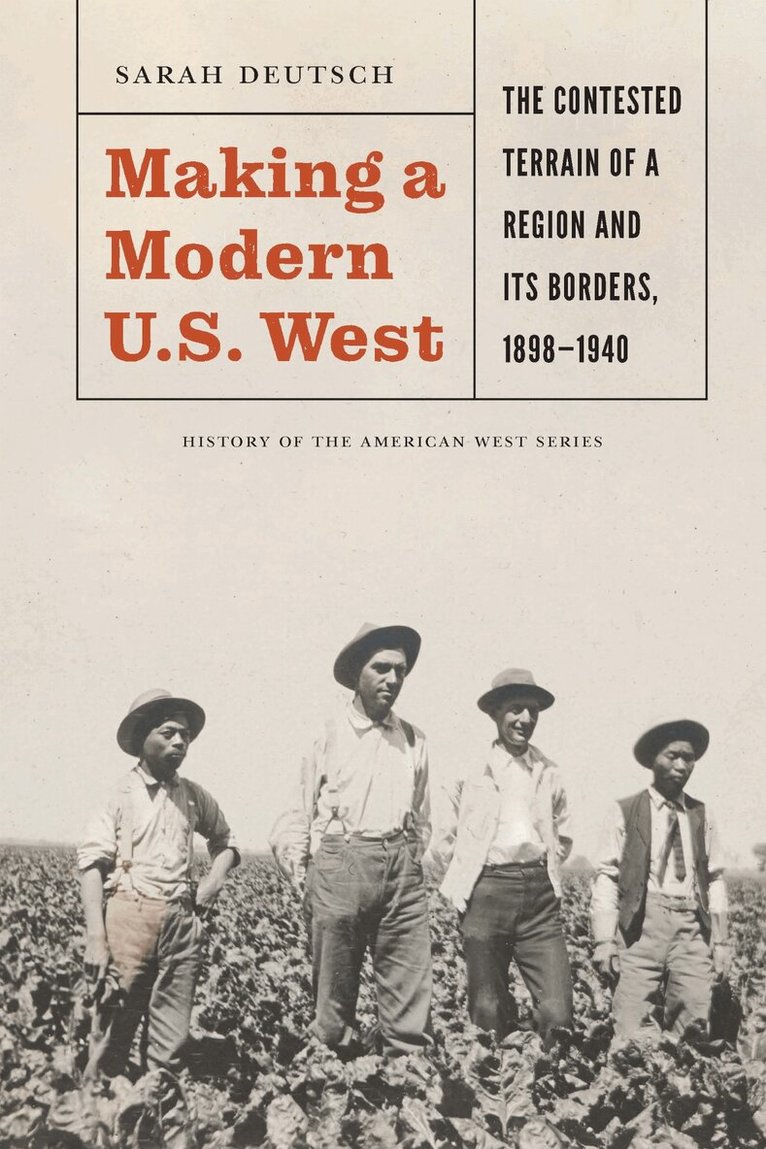
Making a Modern U.S. West
The Contested Terrain of a Region and Its Borders, 1898-1940
Inbunden, Engelska, 2022
550 kr
Skickas inom 7-10 vardagar
To many Americans in the nineteenth and twentieth centuries, the West was simultaneously the greatest symbol of American opportunity, the greatest story of its history, and the imagined blank slate on which the country’s future would be written. From the Spanish-American War in 1898 to the Great Depression’s end, from the Mississippi to the Pacific, policymakers at various levels and large-scale corporate investors, along with those living in the West and its borderlands, struggled over who would define modernity, who would participate in the modern American West, and who would be excluded.In Making a Modern U.S. West Sarah Deutsch surveys the history of the U.S. West from 1898 to 1940. Centering what is often relegated to the margins in histories of the region-the flows of people, capital, and ideas across borders-Deutsch attends to the region’s role in constructing U.S. racial formations and argues that the West as a region was as important as the South in constructing the United States as a “white man’s country.” While this racial formation was linked to claims of modernity and progress by powerful players, Deutsch shows that visions of what constituted modernity were deeply contested by others. This expansive volume presents the most thorough examination to date of the American West from the late 1890s to the eve of World War II.
475 kr
Skickas inom 3-6 vardagar
Finalist for the 2024 Pulitzer Prize in HistoryWinner of Columbia University's 2024 Bancroft Prize in American HistoryWinner of the 2024 Caughey Western History PrizeWinner of the 2024 Spur AwardNamed a Best Civil War Book of 2023 by Civil War MonitorIn Continental Reckoning renowned historian Elliott West presents a sweeping narrative of the American West and its vital role in the transformation of the nation. In the 1840s, by which time the United States had expanded to the Pacific, what would become the West was home to numerous vibrant Native cultures and vague claims by other nations. Thirty years later it was organized into states and territories and bound into the nation and world by an infrastructure of rails, telegraph wires, and roads and by a racial and ethnic order, with its Indigenous peoples largely dispossessed and confined to reservations.Unprecedented exploration uncovered the West’s extraordinary resources, beginning with the discovery of gold in California within days of the United States acquiring the territory following the Mexican-American War. As those resources were developed, often by the most modern methods and through modern corporate enterprise, half of the contiguous United States was physically transformed. Continental Reckoning guides the reader through the rippling, multiplying changes wrought in the western half of the country, arguing that these changes should be given equal billing with the Civil War in this crucial transition of national life.As the West was acquired, integrated into the nation, and made over physically and culturally, the United States shifted onto a course of accelerated economic growth, a racial reordering and redefinition of citizenship, engagement with global revolutions of science and technology, and invigorated involvement with the larger world. The creation of the West and the emergence of modern America were intimately related. Neither can be understood without the other. With masterful prose and a critical eye, West presents a fresh approach to the dawn of the American West, one of the most pivotal periods of American history.
668 kr
Skickas inom 10-15 vardagar
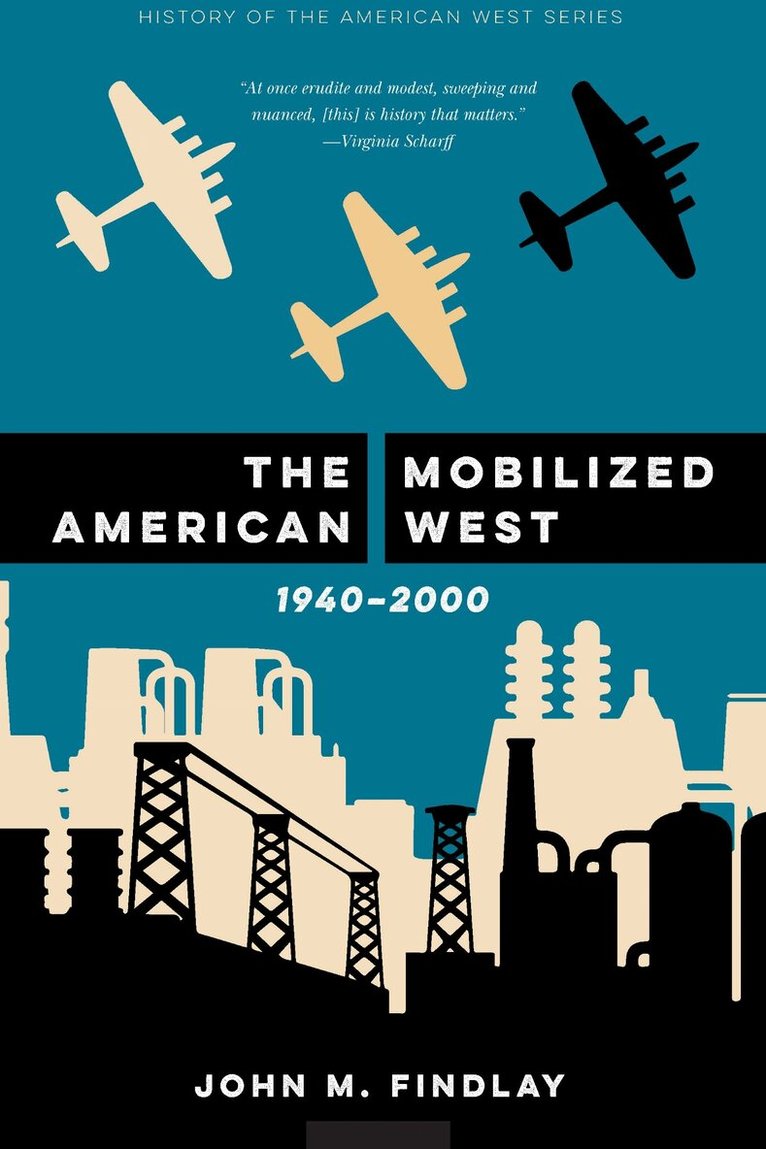
In the years between 1940 and 2000, the American Far West went from being a relative backwater of the United States to a considerably more developed, modern, and prosperous region-one capable of influencing not just the nation but the world. By the dawn of the twenty-first century, the population of the West had multiplied more than four times since 1940, and western states had transitioned from rural to urban, becoming the most urbanized section of the country. Massive investment, both private and public, in the western economy had produced regional prosperity, and the tourism industry had undergone massive expansion, altering the ways Americans identified with the West.In The Mobilized American West, 1940–2000, John M. Findlay presents a historical overview of the American West in its decades of modern development. During the years of U.S. mobilization for World War II and the Cold War, the West remained a significant, distinct region even as its development accelerated rapidly and, in many ways, it became better integrated into the rest of the country. By examining events and trends that occurred in the West, Findlay argues that a distinctive, region-wide political culture developed in the western states from a commitment to direct democracy, the role played by the federal government in owning and managing such a large amount of land, and the way different groups of westerners identified with and defined the region. While illustrating western distinctiveness, Findlay also aims to show how, in its sustaining mobilization for war, the region became tethered to the entire nation more than ever before, but on its own terms. Findlay presents an innovative approach to viewing the American West as a region distinctive of the United States, one that occasionally stood ahead of, at odds with, and even in defiance of the nation.