Indian Ocean Studies Series - Böcker
Visar alla böcker i serien Indian Ocean Studies Series. Handla med fri frakt och snabb leverans.
17 produkter
17 produkter
994 kr
Skickas inom 10-15 vardagar
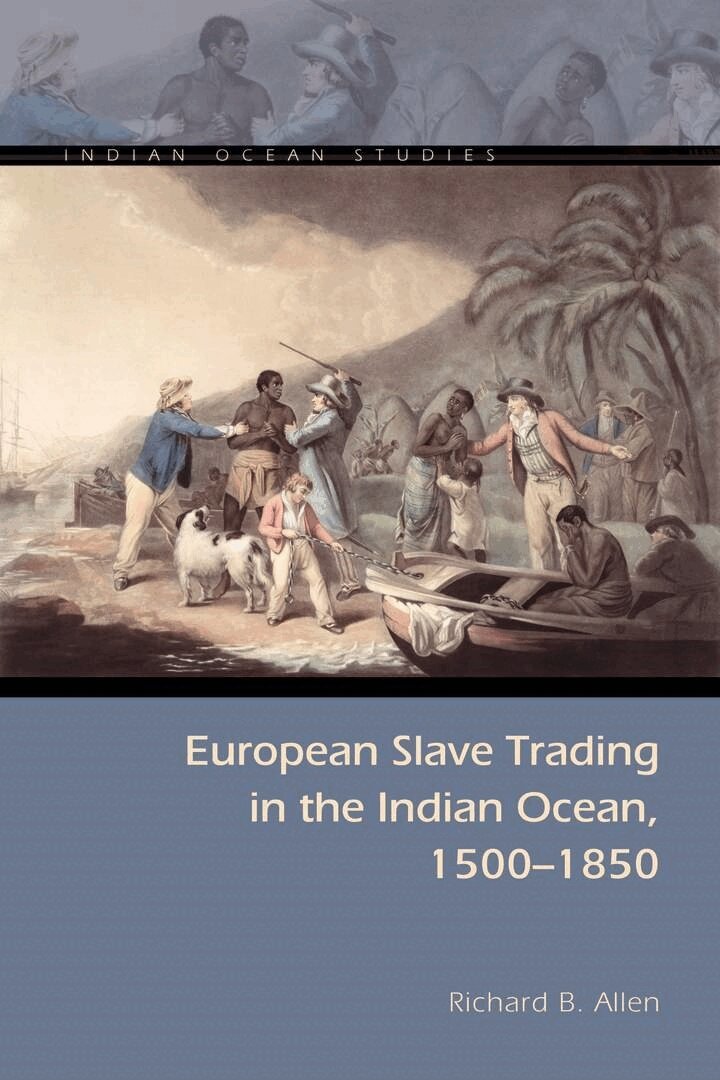
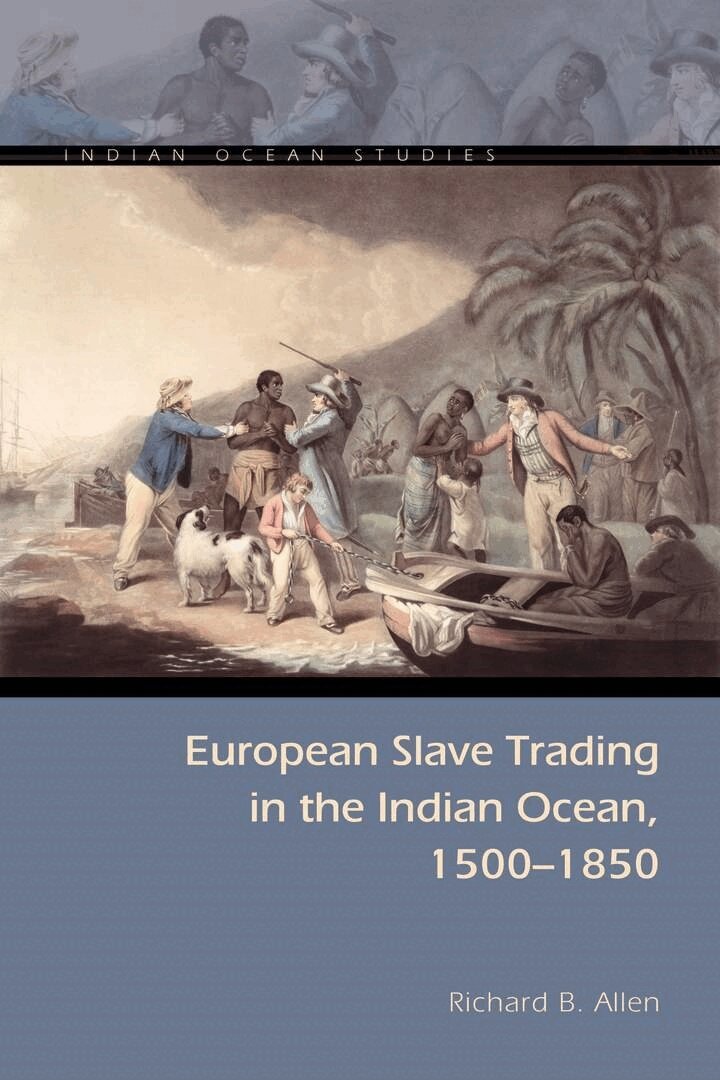
Between 1500 and 1850, European traders shipped hundreds of thousands of African, Indian, Malagasy, and Southeast Asian slaves to ports throughout the Indian Ocean world. The activities of the British, Dutch, French, and Portuguese traders who operated in the Indian Ocean demonstrate that European slave trading was not confined largely to the Atlantic but must now be viewed as a truly global phenomenon. European slave trading and abolitionism in the Indian Ocean also led to the development of an increasingly integrated movement of slave, convict, and indentured labor during the late eighteenth and early nineteenth centuries, the consequences of which resonated well into the twentieth century.Richard B. Allen's magisterial work dramatically expands our understanding of the movement of free and forced labor around the world. Drawing upon extensive archival research and a thorough command of published scholarship, Allen challenges the modern tendency to view the Indian and Atlantic oceans as self-contained units of historical analysis and the attendant failure to understand the ways in which the Indian Ocean and Atlantic worlds have interacted with one another. In so doing, he offers tantalizing new insights into the origins and dynamics of global labor migration in the modern world.
391 kr
Skickas inom 10-15 vardagar
Between 1500 and 1850, European traders shipped hundreds of thousands of African, Indian, Malagasy, and Southeast Asian slaves to ports throughout the Indian Ocean world. The activities of the British, Dutch, French, and Portuguese traders who operated in the Indian Ocean demonstrate that European slave trading was not confined largely to the Atlantic but must now be viewed as a truly global phenomenon. European slave trading and abolitionism in the Indian Ocean also led to the development of an increasingly integrated movement of slave, convict, and indentured labor during the late eighteenth and early nineteenth centuries, the consequences of which resonated well into the twentieth century.Richard B. Allen's magisterial work dramatically expands our understanding of the movement of free and forced labor around the world. Drawing upon extensive archival research and a thorough command of published scholarship, Allen challenges the modern tendency to view the Indian and Atlantic oceans as self-contained units of historical analysis and the attendant failure to understand the ways in which the Indian Ocean and Atlantic worlds have interacted with one another. In so doing, he offers tantalizing new insights into the origins and dynamics of global labor migration in the modern world.
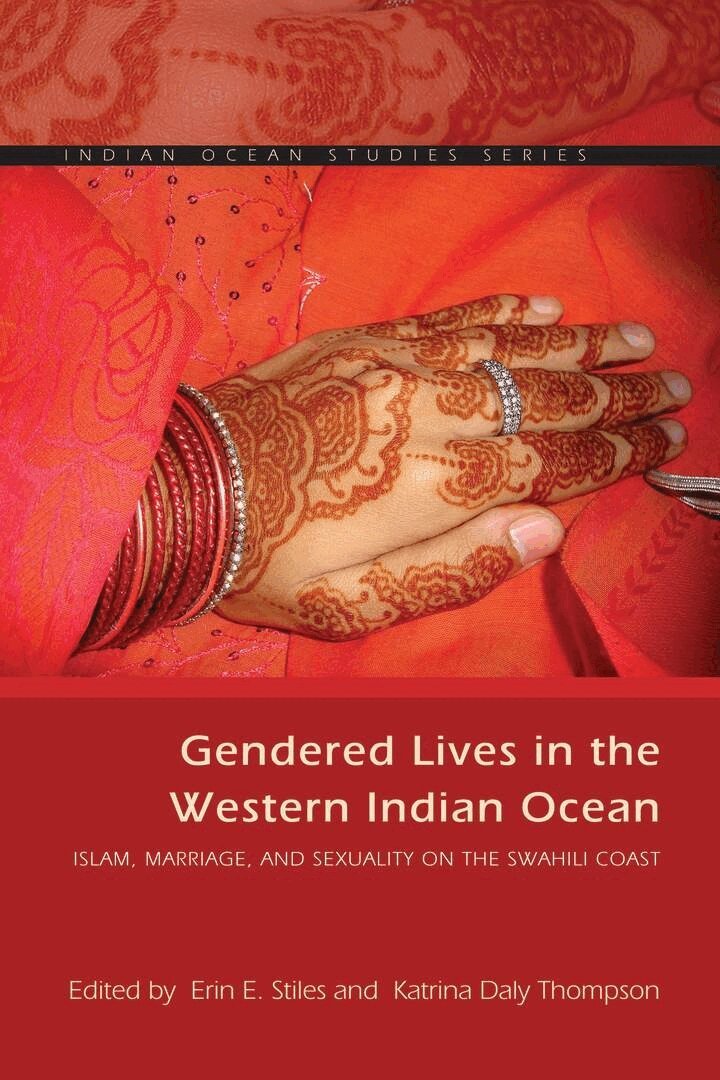
Gendered Lives in the Western Indian Ocean
Islam, Marriage, and Sexuality on the Swahili Coast
Inbunden, Engelska, 2015
965 kr
Skickas inom 10-15 vardagar
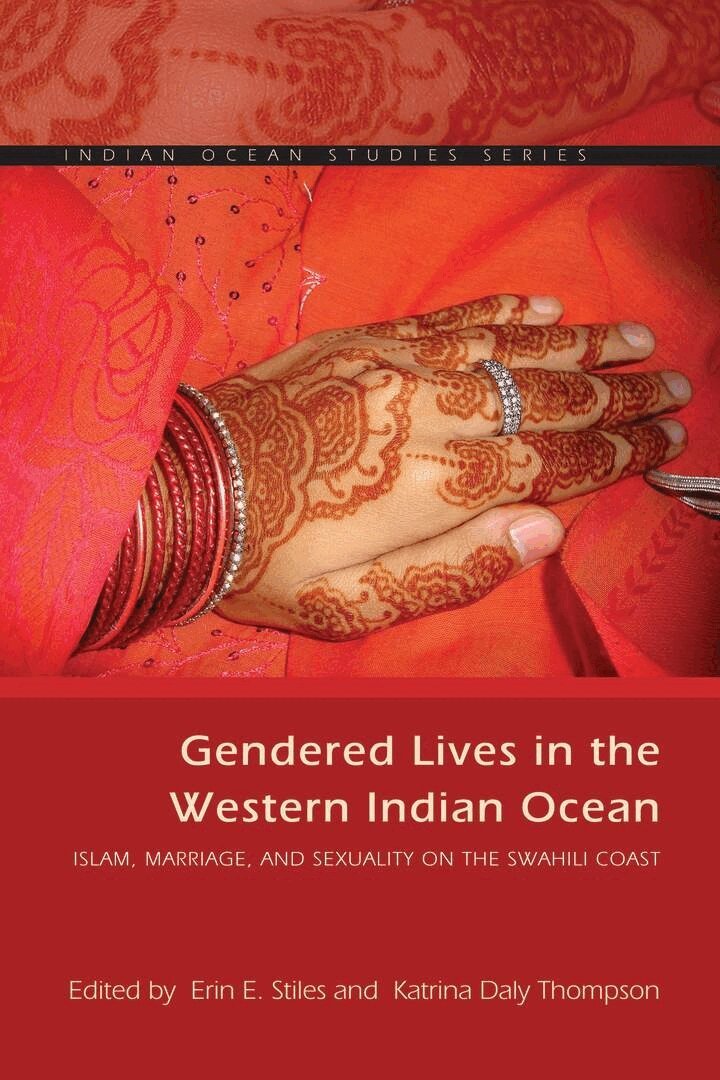
Muslim communities throughout the Indian Ocean have long questioned what it means to be a "good Muslim." Much recent scholarship on Islam in the Indian Ocean considers debates among Muslims about authenticity, authority, and propriety. Despite the centrality of this topic within studies of Indian Ocean, African, and other Muslim communities, little of the existing scholarship has addressed such debates in relation to women, gender, or sexuality. Yet women are deeply involved with ideas about what it means to be a "good Muslim."In Gendered Lives in the Western Indian Ocean, anthropologists, historians, linguists, and gender studies scholars examine Islam, sexuality, gender, and marriage on the Swahili coast and elsewhere in the Indian Ocean. The book examines diverse sites of empowerment, contradiction, and resistance affecting cultural norms, Islam and ideas of Islamic authenticity, gender expectations, ideologies of modernity, and British education. The book's attention to both masculinity and femininity, broad examination of the transnational space of the Swahili coast, and inclusion of research on non-Swahili groups on the East African coast makes it a unique and indispensable resource.Contributors: Nadine Beckmann, Pat Caplan, Corrie Decker, Rebecca Gearhart, Linda Giles, Meghan Halley, Susan Hirsch, Susi Keefe, Kjersti Larsen, Elisabeth McMahon, Erin Stiles, and Katrina Daly Thompson
Gendered Lives in the Western Indian Ocean
Islam, Marriage, and Sexuality on the Swahili Coast
Häftad, Engelska, 2015
380 kr
Skickas inom 10-15 vardagar
Muslim communities throughout the Indian Ocean have long questioned what it means to be a "good Muslim." Much recent scholarship on Islam in the Indian Ocean considers debates among Muslims about authenticity, authority, and propriety. Despite the centrality of this topic within studies of Indian Ocean, African, and other Muslim communities, little of the existing scholarship has addressed such debates in relation to women, gender, or sexuality. Yet women are deeply involved with ideas about what it means to be a "good Muslim."In Gendered Lives in the Western Indian Ocean, anthropologists, historians, linguists, and gender studies scholars examine Islam, sexuality, gender, and marriage on the Swahili coast and elsewhere in the Indian Ocean. The book examines diverse sites of empowerment, contradiction, and resistance affecting cultural norms, Islam and ideas of Islamic authenticity, gender expectations, ideologies of modernity, and British education. The book's attention to both masculinity and femininity, broad examination of the transnational space of the Swahili coast, and inclusion of research on non-Swahili groups on the East African coast makes it a unique and indispensable resource.Contributors: Nadine Beckmann, Pat Caplan, Corrie Decker, Rebecca Gearhart, Linda Giles, Meghan Halley, Susan Hirsch, Susi Keefe, Kjersti Larsen, Elisabeth McMahon, Erin Stiles, and Katrina Daly Thompson
994 kr
Skickas inom 10-15 vardagar
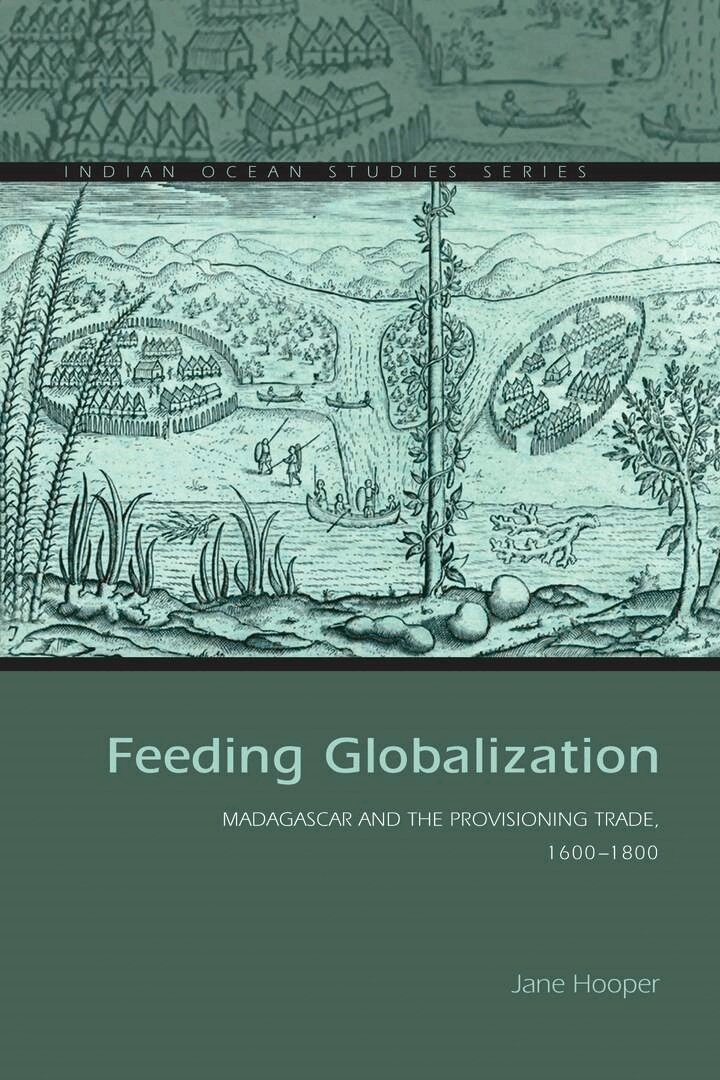
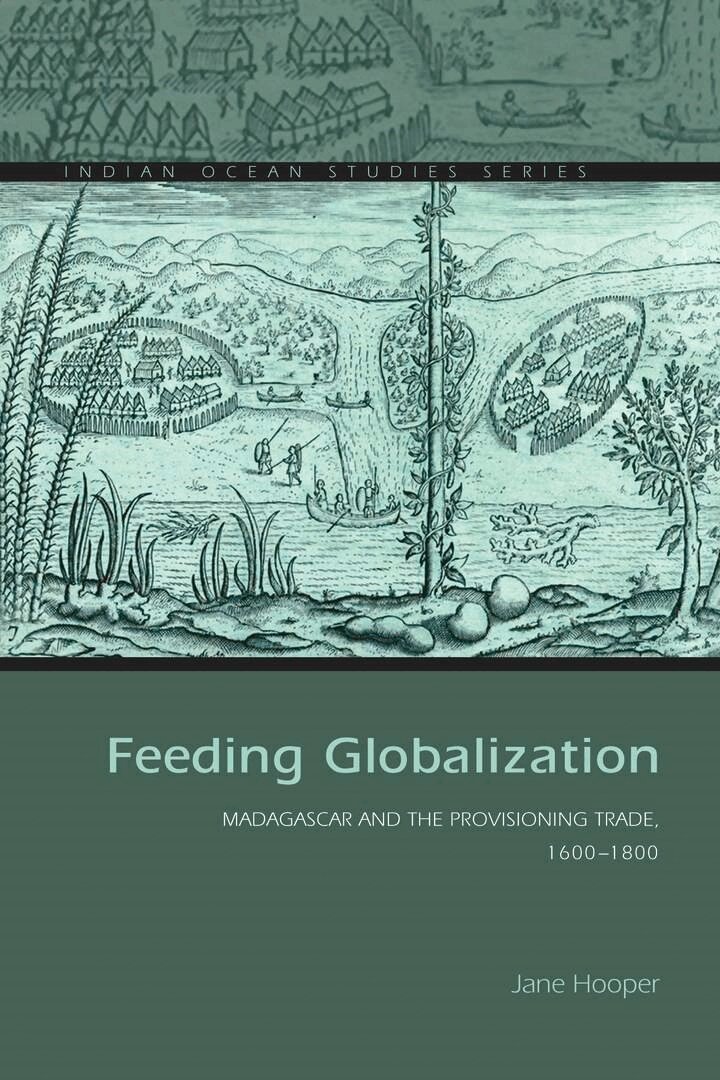
Between 1600 and 1800, the promise of fresh food attracted more than seven hundred English, French, and Dutch vessels to Madagascar. Throughout this period, European ships spent months at sea in the Atlantic and Indian Oceans, but until now scholars have not fully examined how crews were fed during these long voyages. Without sustenance from Madagascar, European traders would have struggled to transport silver to Asia and spices back to Europe. Colonies in Mozambique, Mauritius, and at the Cape relied upon frequent imports from Madagascar to feed settlers and slaves.In Feeding Globalization, Jane Hooper draws on challenging and previously untapped sources to analyze Madagascar's role in provisioning European trading networks within and ultimately beyond the Indian Ocean. The sale of food from the island not only shaped trade routes and colonial efforts but also encouraged political centralization and the slave trade in Madagascar. Malagasy people played an essential role in supporting European global commerce, with far-reaching effects on their communities.Feeding Globalization reshapes our understanding of Indian Ocean and global history by insisting historians should pay attention to the role that food played in supporting other exchanges.
391 kr
Skickas inom 10-15 vardagar
Between 1600 and 1800, the promise of fresh food attracted more than seven hundred English, French, and Dutch vessels to Madagascar. Throughout this period, European ships spent months at sea in the Atlantic and Indian Oceans, but until now scholars have not fully examined how crews were fed during these long voyages. Without sustenance from Madagascar, European traders would have struggled to transport silver to Asia and spices back to Europe. Colonies in Mozambique, Mauritius, and at the Cape relied upon frequent imports from Madagascar to feed settlers and slaves.In Feeding Globalization, Jane Hooper draws on challenging and previously untapped sources to analyze Madagascar's role in provisioning European trading networks within and ultimately beyond the Indian Ocean. The sale of food from the island not only shaped trade routes and colonial efforts but also encouraged political centralization and the slave trade in Madagascar. Malagasy people played an essential role in supporting European global commerce, with far-reaching effects on their communities.Feeding Globalization reshapes our understanding of Indian Ocean and global history by insisting historians should pay attention to the role that food played in supporting other exchanges.
994 kr
Skickas inom 10-15 vardagar
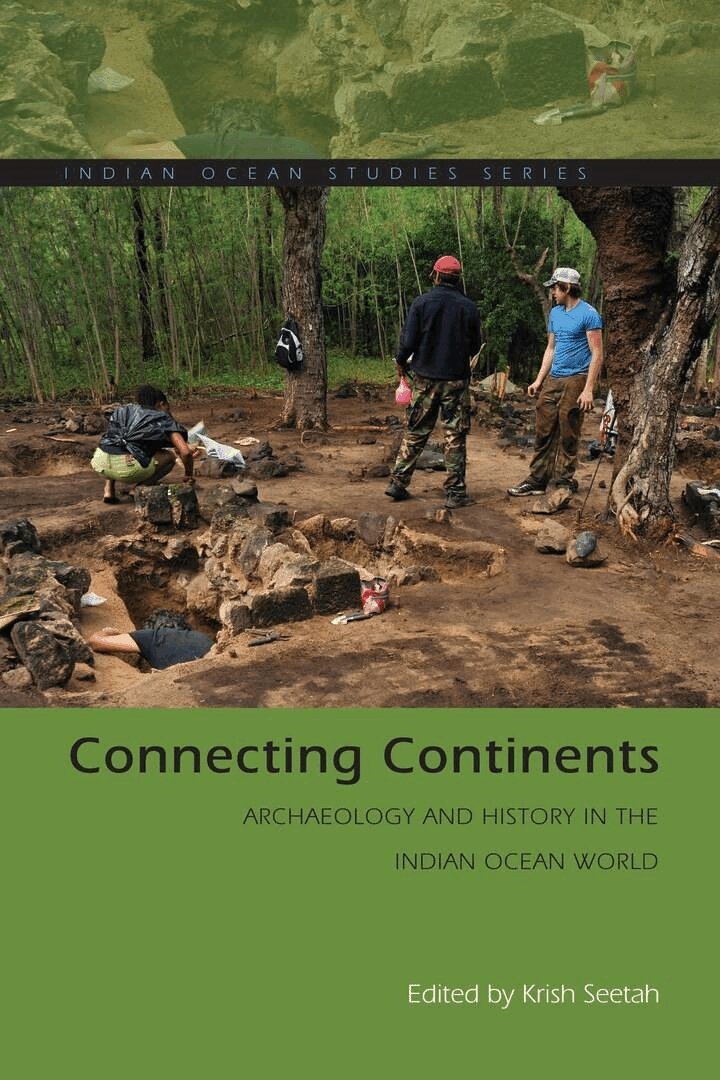
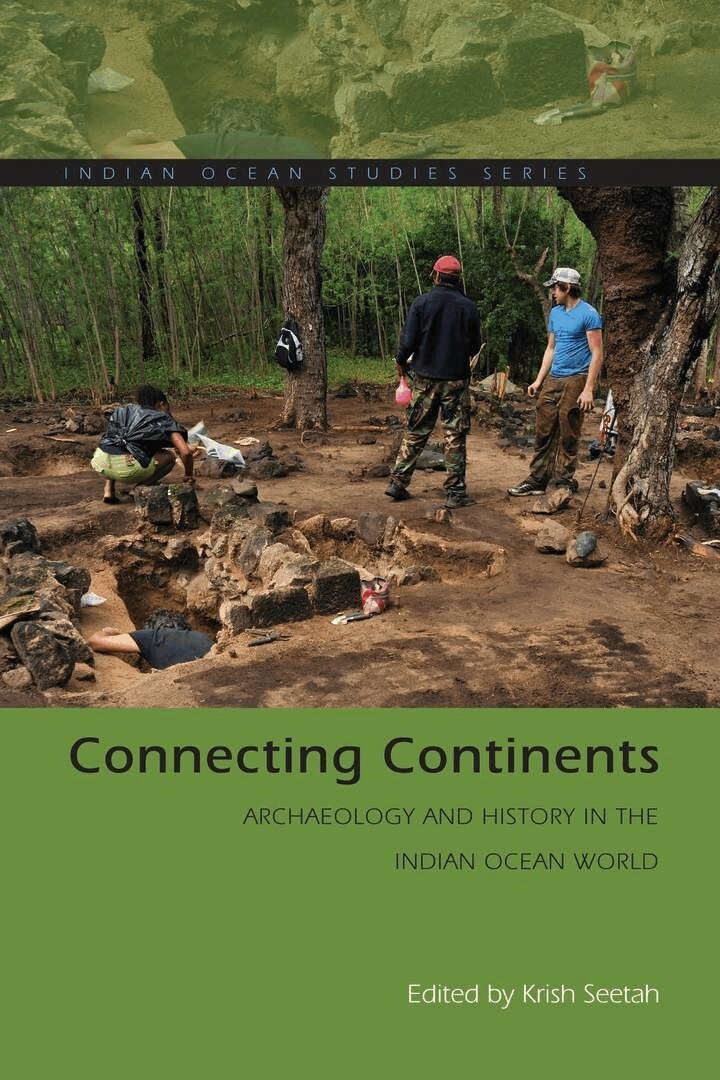
In recent decades, the vast and culturally diverse Indian Ocean region has increasingly attracted the attention of anthropologists, historians, political scientists, sociologists, and other researchers. Largely missing from this growing body of scholarship, however, are significant contributions by archaeologists and consciously interdisciplinary approaches to studying the region's past and present. Connecting Continents addresses two important issues: how best to promote collaborative research on the Indian Ocean world, and how to shape the research agenda for a region that has only recently begun to attract serious interest from historical archaeologists. The archaeologists, historians, and other scholars who have contributed to this volume tackle important topics such as the nature and dynamics of migration, colonization, and cultural syncretism that are central to understanding the human experience in the Indian Ocean basin. This groundbreaking work also deepens our understanding of topics of increasing scholarly and popular interest, such as the ways in which people construct and understand their heritage and can make use of exciting new technologies like DNA and environmental analysis. Because it adopts such an explicitly comparative approach to the Indian Ocean, Connecting Continents provides a compelling model for multidisciplinary approaches to studying other parts of the globe. Contributors: Richard B. Allen, Edward A. Alpers, Atholl Anderson, Nicole Boivin, Diego Calaon, Aaron Camens, Saša Čaval, Geoffrey Clark, Alison Crowther, Corinne Forest, Simon Haberle, Diana Heise, Mark Horton, Paul Lane, Martin Mhando, and Alistair Patterson.
980 kr
Skickas inom 7-10 vardagar
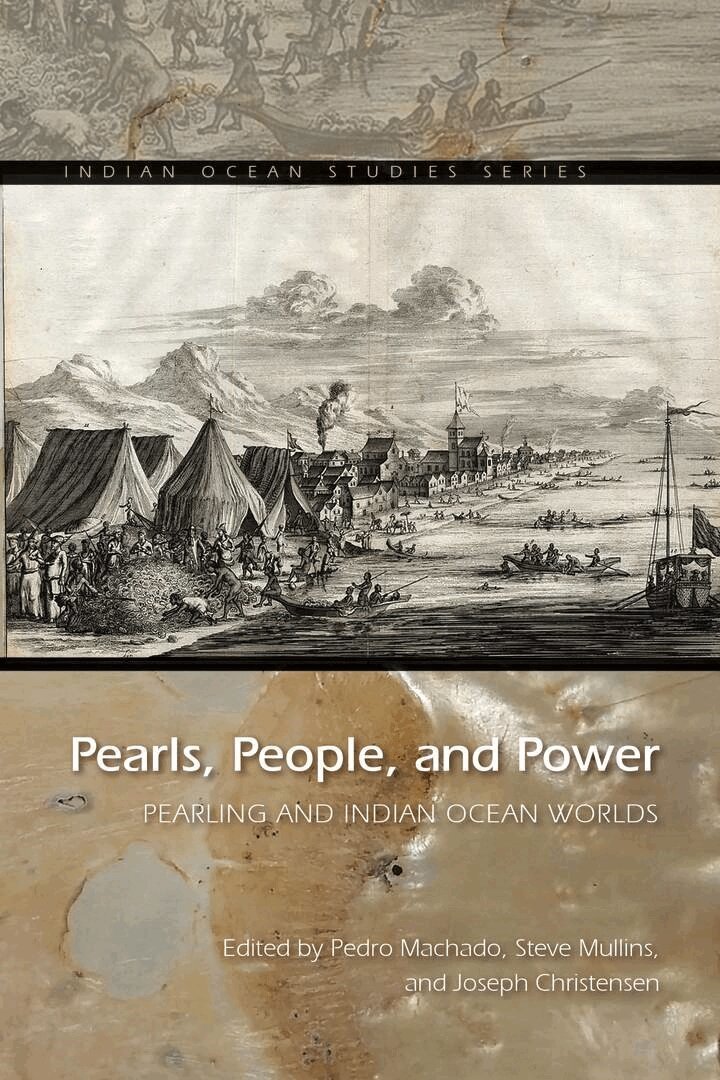
Pearls, People, and Power is the first book to examine the trade, distribution, production, and consumption of pearls and mother-of-pearl in the global Indian Ocean over more than five centuries. While scholars have long recognized the importance of pearling to the social, cultural, and economic practices of both coastal and inland areas, the overwhelming majority have confined themselves to highly localized or at best regional studies of the pearl trade. By contrast, this book stresses how pearling and the exchange in pearl shell were interconnected processes that brought the ports, islands, and coasts into close relation with one another, creating dense networks of connectivity that were not necessarily circumscribed by local, regional, or indeed national frames.Essays from a variety of disciplines address the role of slaves and indentured workers in maritime labor arrangements, systems of bondage and transoceanic migration, the impact of European imperialism on regional and local communities, commodity flows and networks of exchange, and patterns of marine resource exploitation between the Industrial Revolution and Great Depression. By encompassing the geographical, cultural, and thematic diversity of Indian Ocean pearling, Pearls, People, and Power deepens our appreciation of the underlying historical dynamics of the many worlds of the Indian Ocean.Contributors: Robert Carter, William G. Clarence-Smith, Joseph Christensen, Matthew S. Hopper, Pedro Machado, Julia T. Martínez, Michael McCarthy, Jonathan Miran, Steve Mullins, Karl Neuenfeldt, Samuel M. Ostroff, and James Francis Warren.
980 kr
Skickas inom 7-10 vardagar
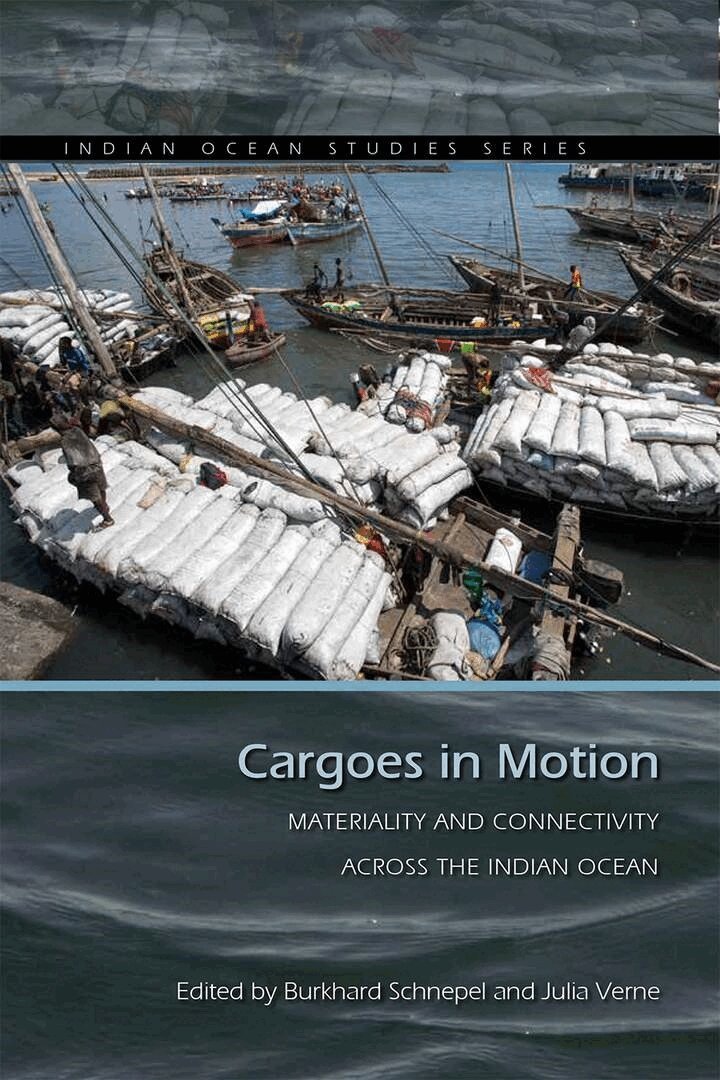
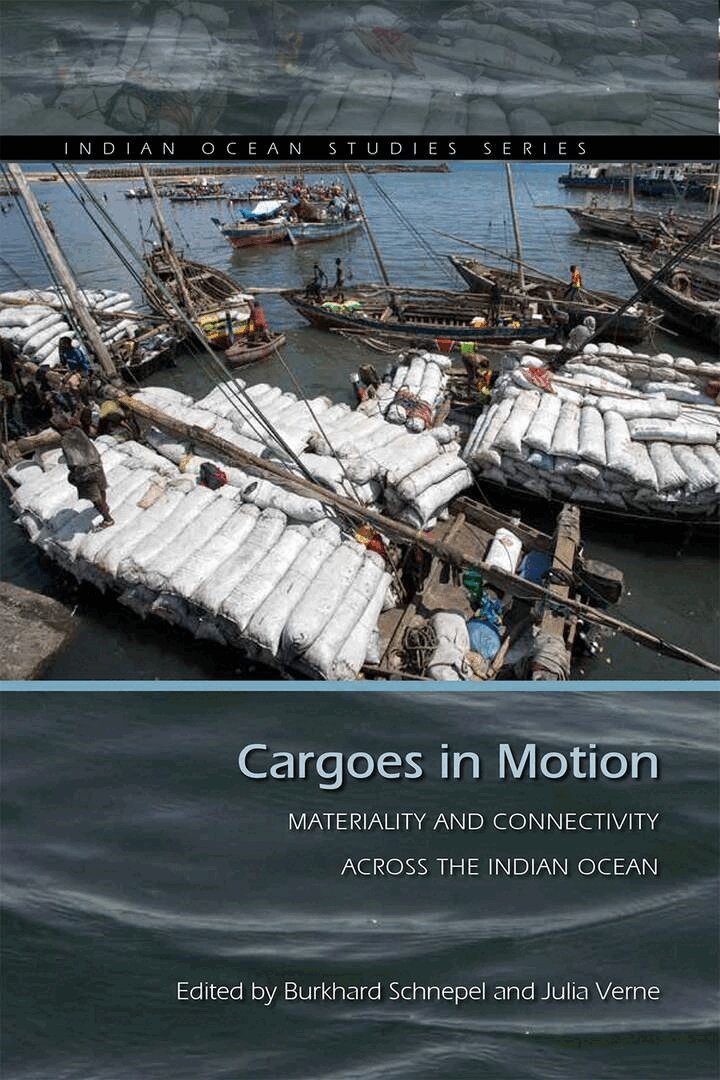
An innovative collection of essays that foregrounds specific cargoes as a means to understand connectivity and mobility across the Indian Ocean world.Scholars have long appreciated the centrality of trade and commerce in understanding the connectivity and mobility that underpin human experience in the Indian Ocean region. But studies of merchant and commercial activities have paid little attention to the role that cargoes have played in connecting the disparate parts of this vast oceanic world. Drawing from the work of anthropologists, geographers, and historians, Cargoes in Motion tells the story of how material objects have informed and continue to shape processes of exchange across the Indian Ocean.By following selected cargoes through both space and time, this book makes an important and innovative contribution to Indian Ocean studies. The multidisciplinary approach deepens our understanding of the nature and dynamics of the Indian Ocean world by showing how transoceanic connectivity has been driven not only by economic, social, cultural, and political factors but also by the materiality of the objects themselves. Essays by:Edward A. AlpersFahad Ahmad BisharaEva-Maria KnollKarl-Heinz KohlLisa Jenny KriegPedro MachadoRupert NeuhöferMareike PampusHannah PilgrimBurkhard SchnepelHanne SchönigTansen SenSteven SerelsJulia VerneKunbing Xiao
1 012 kr
Skickas inom 11-20 vardagar
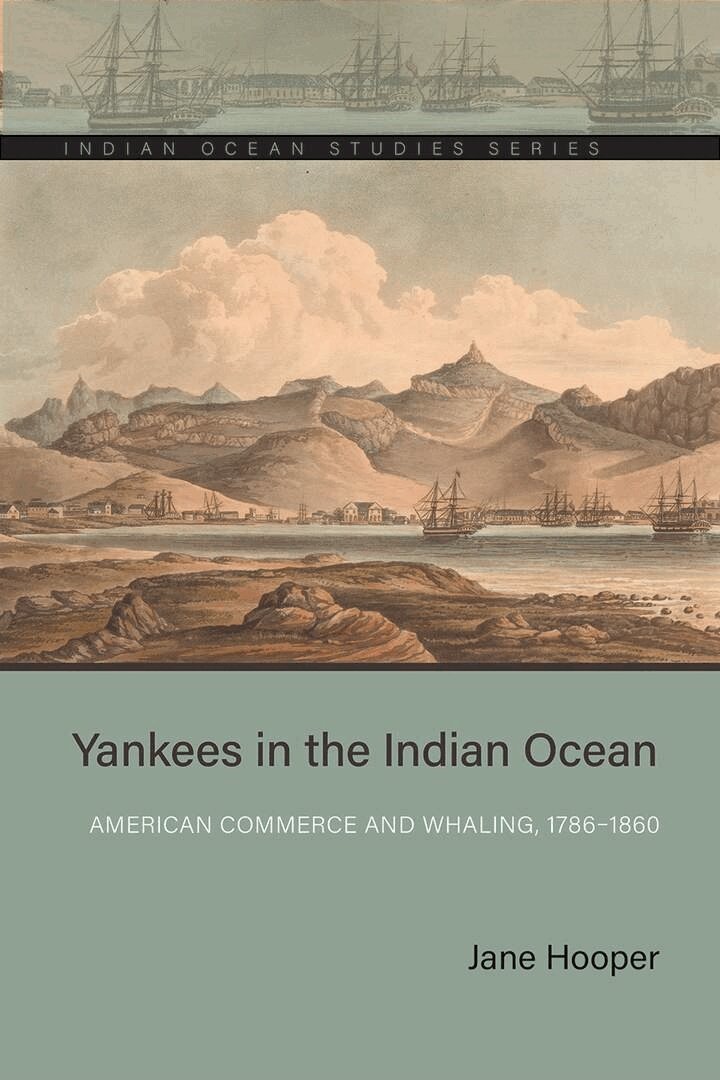
The history of US imperialism remains incomplete without this consideration of long-overlooked nineteenth-century American commercial and whaling ventures in the Indian Ocean.Yankees in the Indian Ocean shows how nineteenth-century American merchant and whaler activity in the Indian Ocean shaped the imperial future of the United States, influenced the region's commerce, encouraged illegal slaving, and contributed to environmental degradation. For a brief time, Americans outnumbered other Western visitors to Mauritius, Madagascar, Zanzibar, and the East African littoral. In a relentless search for commodities and provisions, American whaleships landed at islands throughout the ocean and stripped them of resources. Yet Americans failed to develop a permanent foothold in the region and operated instead from a position of weakness relative to other major colonizing powers, thus discouraging the development of American imperial holdings there.The history of American concerns in the Indian Ocean world remains largely unwritten. Scholars who focus on the region have mostly ignored American involvement, despite arguments for the ocean's importance in powering global connections during the late eighteenth and early nineteenth centuries. Historians of the United States likewise have failed to examine the western Indian Ocean because of a preoccupation with US interests in Asia and the Pacific. Failing to understand the scale of American trade in the Indian Ocean has led to a fixation on European commercial strength to the exclusion of other maritime networks. Instead, this book reveals how the people of Madagascar and East Africa helped the United States briefly dominate commerce and whaling.This book investigates how and why Americans were drawn to the western Indian Ocean years before the United States established a formal overseas empire in the late nineteenth century. Ship logs, sailor journals, and travel narratives reveal how American men transformed foreign land- and seascapes into knowable spaces that confirmed American conceptions of people and natural resources; these sources also provide insight into the complex social and ecological worlds of the Indian Ocean during this critical time.
952 kr
Skickas inom 7-10 vardagar
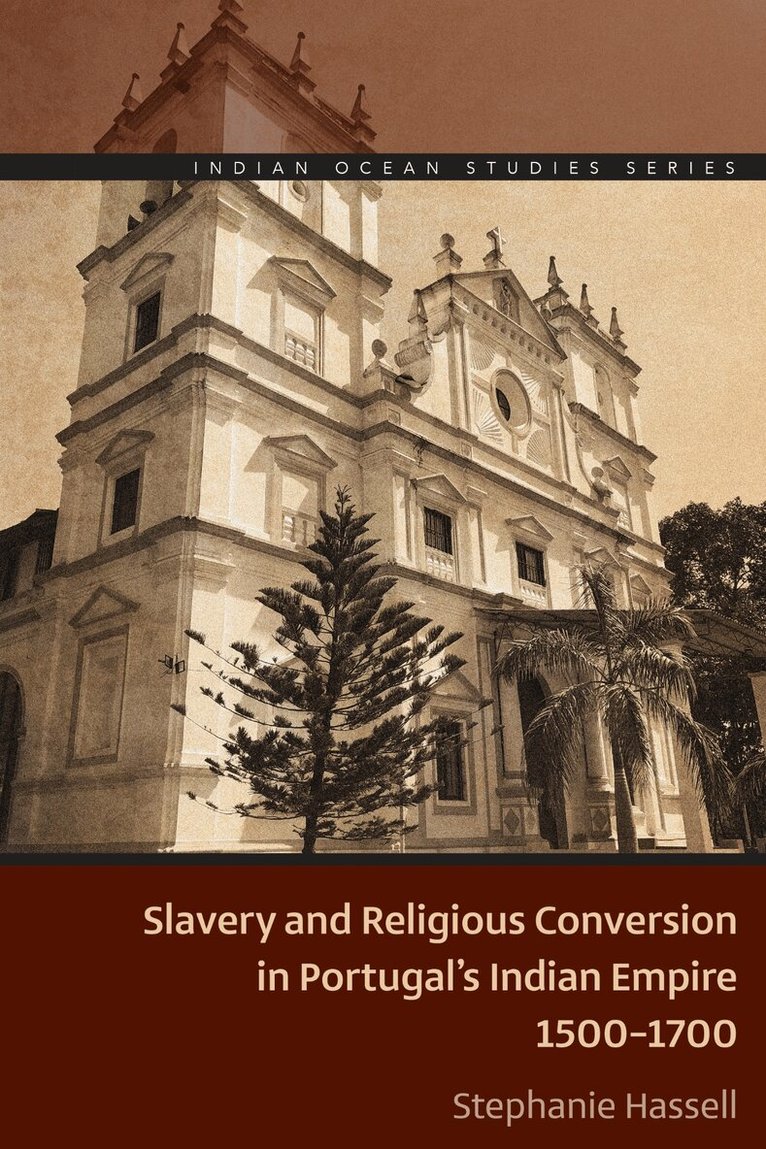
In the sixteenth and seventeenth centuries, enslaved Africans and Asians were part of the larger Portuguese project of building and maintaining a Catholic empire in the Indian Ocean. Both the Church and the Crown influenced the owner-slave relationship across households, the most basic organizational unit of power over the populace. Responsible for their enslaved dependents’ conversion to Catholicism, slaveholders became religious stewards whose spiritual duties toward their slaves helped expand the Christian population. This converted population was part of the imperial security apparatus, which conceptualized enslaved Catholics as loyal allies against neighboring Muslim states. They became members of the broader colonial community in which Catholicism also conveyed rights, enabled agency, and provoked household struggles between owners and slaves. Thus, the making of a Catholic empire was a contested process tied to the complex relationships between enslaved individuals, their enslavers, and the Church.The Portuguese Inquisition was a hybrid ecclesiastical and state institution, and its records detail the Crown’s commitment to the creation of a worldwide Catholic empire. Accordingly, inquisitorial encounters brought conversion, slavery, and empire into one field of vision. The Portuguese Inquisition had only one overseas tribunal, located in Goa, India. While most trial records of the Goa Tribunal were destroyed, author Stephanie Hassell has utilized extant sixteenth- and seventeenth-century cases featuring enslaved defendants and witnesses. Her use of thousands of case summaries provides a broader inquisitorial context by showing how prosecutorial trends reflected the anxieties of the Portuguese imperial state. Parish records, ecclesiastical council records, and municipal council records likewise emphasize the significance of religious conversion.
372 kr
Skickas
In the sixteenth and seventeenth centuries, enslaved Africans and Asians were part of the larger Portuguese project of building and maintaining a Catholic empire in the Indian Ocean. Both the Church and the Crown influenced the owner-slave relationship across households, the most basic organizational unit of power over the populace. Responsible for their enslaved dependents’ conversion to Catholicism, slaveholders became religious stewards whose spiritual duties toward their slaves helped expand the Christian population. This converted population was part of the imperial security apparatus, which conceptualized enslaved Catholics as loyal allies against neighboring Muslim states. They became members of the broader colonial community in which Catholicism also conveyed rights, enabled agency, and provoked household struggles between owners and slaves. Thus, the making of a Catholic empire was a contested process tied to the complex relationships between enslaved individuals, their enslavers, and the Church.The Portuguese Inquisition was a hybrid ecclesiastical and state institution, and its records detail the Crown’s commitment to the creation of a worldwide Catholic empire. Accordingly, inquisitorial encounters brought conversion, slavery, and empire into one field of vision. The Portuguese Inquisition had only one overseas tribunal, located in Goa, India. While most trial records of the Goa Tribunal were destroyed, author Stephanie Hassell has utilized extant sixteenth- and seventeenth-century cases featuring enslaved defendants and witnesses. Her use of thousands of case summaries provides a broader inquisitorial context by showing how prosecutorial trends reflected the anxieties of the Portuguese imperial state. Parish records, ecclesiastical council records, and municipal council records likewise emphasize the significance of religious conversion.
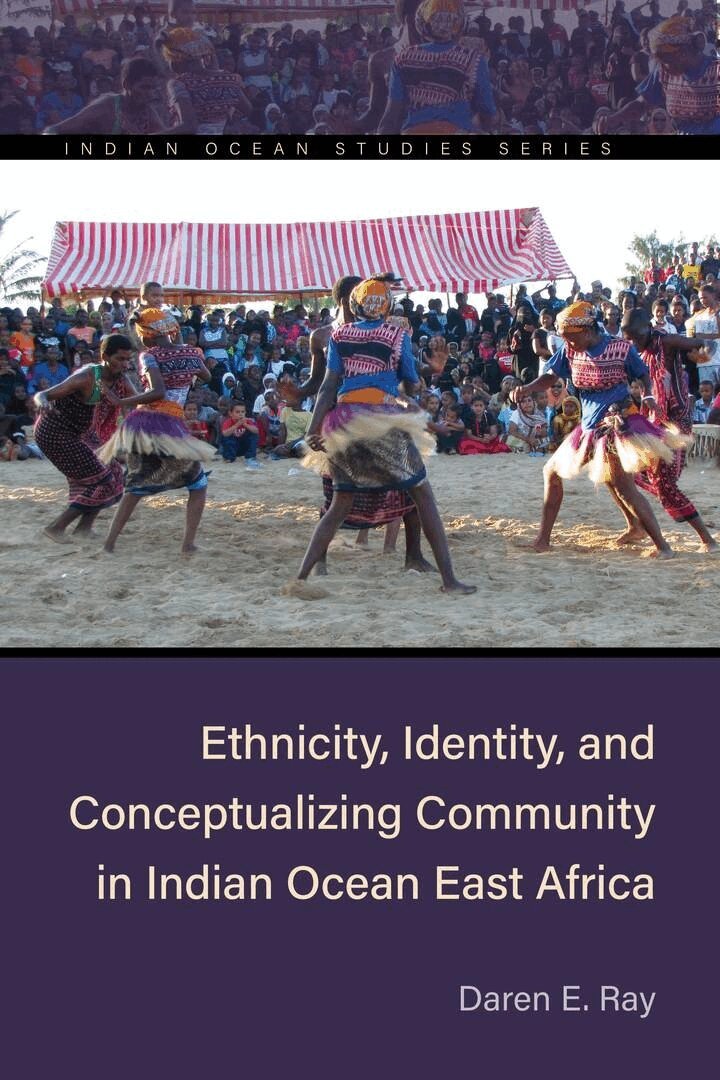
Ethnicity, Identity, and Conceptualizing Community in Indian Ocean East Africa
Inbunden, Engelska, 2023
980 kr
Skickas inom 7-10 vardagar
This volume explores how the people of littoral East Africa imagined and reimagined their communities over two millennia of engagement with Indian Ocean transformations-from the settlement of Bantu speakers near the coast around the first century CE to their participation in transoceanic commerce, imperial rivalries, colonial projects, and decolonization movements in the mid-twentieth century. Like other histories of the Indian Ocean, it emphasizes the circulation of people and ideas, but its cis-oceanic approach demonstrates how these littoral communities continued to integrate strategies from those in Africa’s interior as well as from people who traveled the ocean.The book also clarifies the precise relationship between ethnicity and other kinds of identities by expanding the conventional focus on Swahili people to speakers of Sabaki Bantu languages, as well as to Mijikenda, Pokomo, and Elwana communities, whom Indian Ocean scholars often overlook. By examining all these groups’ shared linguistic heritage, the book outlines their forebears’ innovation and transformation of lineages, clans, confederations, councils, title societies, age sets, moieties, religious sects, and tribes. Drawing together evidence from linguistics, archaeology, ethnography, oral traditions, travelers’ accounts, and colonial records, the book explores how the speakers of Sabaki languages continuously reconceptualized their identities in littoral East Africa as the political topography of the Indian Ocean world changed around them.Moving seamlessly across multiple precolonial and colonial eras and beyond, this deep history of collaboration and political imagination leads readers through the transitions of identity that mattered to littoral East Africans. The book fills the need for an updated synthesis of East Africans’ engagements with diasporic communities in Indian Ocean and world history courses. In addition, since most African history publications for classroom use in recent years have focused exclusively on modern times, it satisfies the demand for works that span the early and modern eras.Beyond the classroom, the book will interest specialists in the history of the Indian Ocean, Africa, Islam, imperialism, and ethnohistory. A major contribution of this multidisciplinary work is to present the research of archaeologists, anthropologists, linguists, and historians to one another in an accessible, jargon-free manner. While Africanists will appreciate how the book expands the boundaries of the Indian Ocean to include oft-ignored communities, Indian Ocean specialists will find models for investigating the construction of ethnicity and other collective identities across multiple centuries.
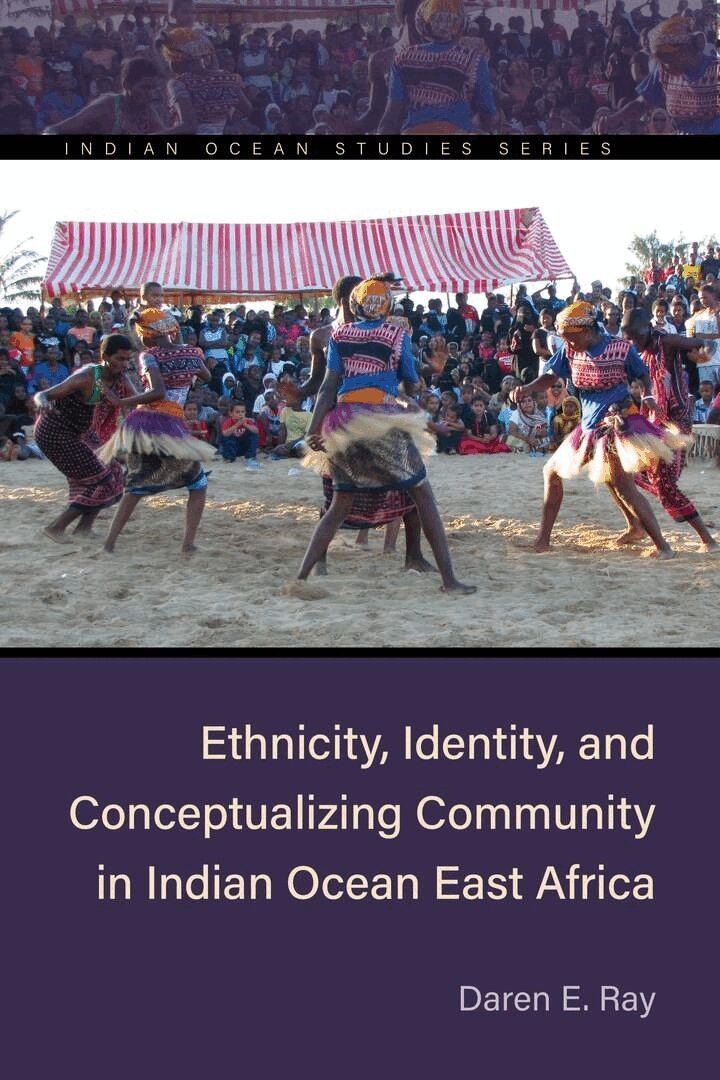
Ethnicity, Identity, and Conceptualizing Community in Indian Ocean East Africa
Häftad, Engelska, 2023
385 kr
Skickas inom 7-10 vardagar
This volume explores how the people of littoral East Africa imagined and reimagined their communities over two millennia of engagement with Indian Ocean transformations-from the settlement of Bantu speakers near the coast around the first century CE to their participation in transoceanic commerce, imperial rivalries, colonial projects, and decolonization movements in the mid-twentieth century. Like other histories of the Indian Ocean, it emphasizes the circulation of people and ideas, but its cis-oceanic approach demonstrates how these littoral communities continued to integrate strategies from those in Africa’s interior as well as from people who traveled the ocean.The book also clarifies the precise relationship between ethnicity and other kinds of identities by expanding the conventional focus on Swahili people to speakers of Sabaki Bantu languages, as well as to Mijikenda, Pokomo, and Elwana communities, whom Indian Ocean scholars often overlook. By examining all these groups’ shared linguistic heritage, the book outlines their forebears’ innovation and transformation of lineages, clans, confederations, councils, title societies, age sets, moieties, religious sects, and tribes. Drawing together evidence from linguistics, archaeology, ethnography, oral traditions, travelers’ accounts, and colonial records, the book explores how the speakers of Sabaki languages continuously reconceptualized their identities in littoral East Africa as the political topography of the Indian Ocean world changed around them.Moving seamlessly across multiple precolonial and colonial eras and beyond, this deep history of collaboration and political imagination leads readers through the transitions of identity that mattered to littoral East Africans. The book fills the need for an updated synthesis of East Africans’ engagements with diasporic communities in Indian Ocean and world history courses. In addition, since most African history publications for classroom use in recent years have focused exclusively on modern times, it satisfies the demand for works that span the early and modern eras.Beyond the classroom, the book will interest specialists in the history of the Indian Ocean, Africa, Islam, imperialism, and ethnohistory. A major contribution of this multidisciplinary work is to present the research of archaeologists, anthropologists, linguists, and historians to one another in an accessible, jargon-free manner. While Africanists will appreciate how the book expands the boundaries of the Indian Ocean to include oft-ignored communities, Indian Ocean specialists will find models for investigating the construction of ethnicity and other collective identities across multiple centuries.
372 kr
Skickas inom 7-10 vardagar
An innovative collection of essays that foregrounds specific cargoes as a means to understand connectivity and mobility across the Indian Ocean world.Scholars have long appreciated the centrality of trade and commerce in understanding the connectivity and mobility that underpin human experience in the Indian Ocean region. But studies of merchant and commercial activities have paid little attention to the role that cargoes have played in connecting the disparate parts of this vast oceanic world. Drawing from the work of anthropologists, geographers, and historians, Cargoes in Motion tells the story of how material objects have informed and continue to shape processes of exchange across the Indian Ocean.By following selected cargoes through both space and time, this book makes an important and innovative contribution to Indian Ocean studies. The multidisciplinary approach deepens our understanding of the nature and dynamics of the Indian Ocean world by showing how transoceanic connectivity has been driven not only by economic, social, cultural, and political factors but also by the materiality of the objects themselves. Essays by:Edward A. AlpersFahad Ahmad BisharaEva-Maria KnollKarl-Heinz KohlLisa Jenny KriegPedro MachadoRupert NeuhöferMareike PampusHannah PilgrimBurkhard SchnepelHanne SchönigTansen SenSteven SerelsJulia VerneKunbing Xiao
385 kr
Skickas inom 7-10 vardagar
In recent decades, the vast and culturally diverse Indian Ocean region has increasingly attracted the attention of anthropologists, historians, political scientists, sociologists, and other researchers. Largely missing from this growing body of scholarship, however, are significant contributions by archaeologists and consciously interdisciplinary approaches to studying the region's past and present. Connecting Continents addresses two important issues: how best to promote collaborative research on the Indian Ocean world, and how to shape the research agenda for a region that has only recently begun to attract serious interest from historical archaeologists. The archaeologists, historians, and other scholars who have contributed to this volume tackle important topics such as the nature and dynamics of migration, colonization, and cultural syncretism that are central to understanding the human experience in the Indian Ocean basin. This groundbreaking work also deepens our understanding of topics of increasing scholarly and popular interest, such as the ways in which people construct and understand their heritage and can make use of exciting new technologies like DNA and environmental analysis. Because it adopts such an explicitly comparative approach to the Indian Ocean, Connecting Continents provides a compelling model for multidisciplinary approaches to studying other parts of the globe. Contributors: Richard B. Allen, Edward A. Alpers, Atholl Anderson, Nicole Boivin, Diego Calaon, Aaron Camens, Saša Čaval, Geoffrey Clark, Alison Crowther, Corinne Forest, Simon Haberle, Diana Heise, Mark Horton, Paul Lane, Martin Mhando, and Alistair Patterson.
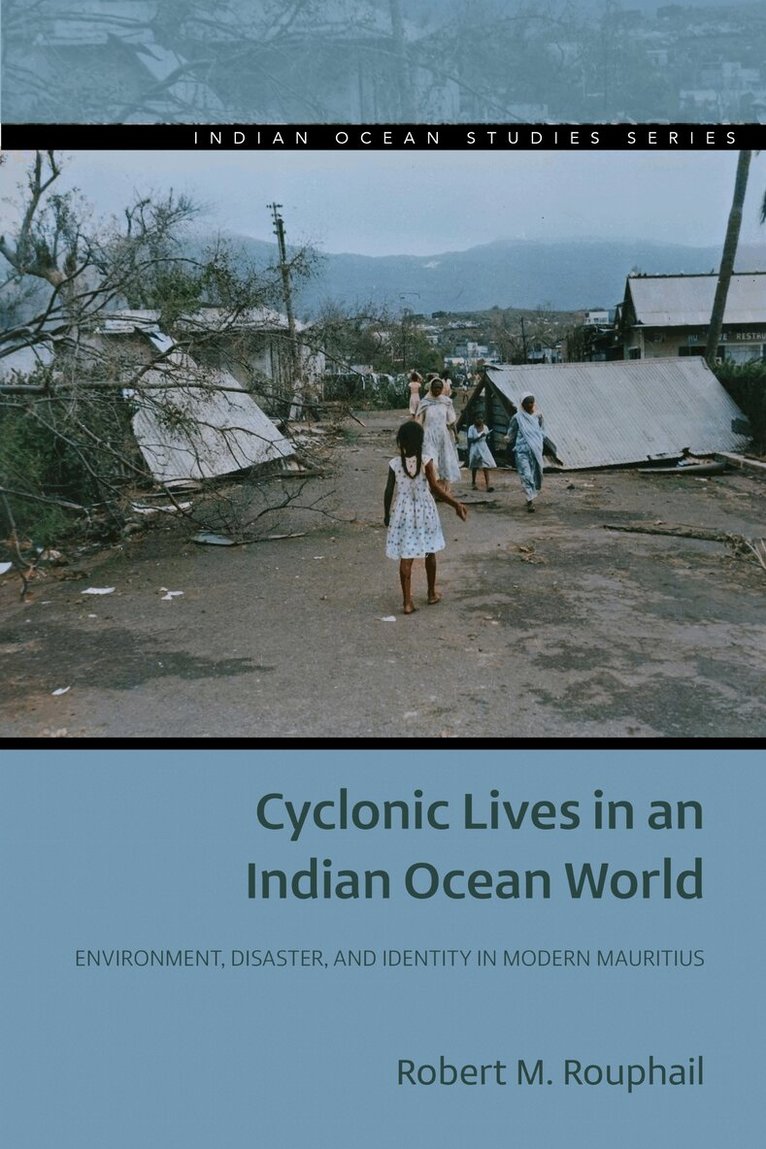
Cyclonic Lives in an Indian Ocean World
Environment, Disaster, and Identity in Modern Mauritius
Inbunden, Engelska, 2026
1 012 kr
Kommande
Disasters as historical processes shaping identity, governance, and diasporic memory in colonial and postcolonial MauritiusIn a world marked by increasingly destructive ecological and meteorological upheavals, Cyclonic Lives in an Indian Ocean World offers a historical analysis of how these catastrophes shape people’s understanding of themselves, their collective history, and their relationship to the institutions that govern them. An examination of cyclonic disasters in the multiethnic Indian Ocean island of Mauritius throws into stark relief how deep histories of diasporic identity formation, of imperial governance, and of the informal practices of racial difference making graft onto how everyday people interpret these moments of loss and the futures that emerge in their wake.Cyclonic Lives shows that disasters are not only events; they are also processes through which people evaluate and rethink the most elemental social and cultural categories that give meaning to their lives. Beginning in the late nineteenth century and continuing until the early postcolonial era, this book tracks, for example, how Mauritians of African descent integrated these disasters into broader collective histories and memories of the Indian Ocean slave trade, how Hindu Indo-Mauritians understood cyclones’ ecological effects as material elements to be accounted for in a broader Hindu diasporic space, and how the late colonial and early postcolonial state built infrastructures-material, conceptual, and financial-to mitigate the threats posed by these storms and ensure their own long-term durability. The increasing political, social, and economic instability that climate change has already triggered demands that humanists develop analytical geographies and methodologies that shed light on how power can modulate in asymmetrical ways at moments of crisis. If there is one central takeaway from this historical study of this small island in a big ocean, it is that catastrophic events are not things that merely happen to people; they are processes that remake them.