Institute for Research in Behavioral Neuroscience Series - Böcker
Visar alla böcker i serien Institute for Research in Behavioral Neuroscience Series. Handla med fri frakt och snabb leverans.
12 produkter
12 produkter
1 336 kr
Skickas inom 10-15 vardagar
First Published in 1988. The reader is invited to explore this collection of early German papers and not to analyze the work through a comparison with the present but to approach it with a relaxation of bias that extends a new hearing to old ideas. The reader may be surprised to see how little has changed in the association or callosal theory of apraxia since this review by Liepmann. Of interest is the care with which Liepmann studied his patients and the ingenious anatomical accounts.
2 036 kr
Skickas inom 10-15 vardagar
Experts in neuropsychology examine key issues in research involving the frontal lobes.
2 053 kr
Skickas inom 10-15 vardagar
Best known as a founding father of neuropsychology, Luria is remembered for his clinical approach, which in many ways foreshadowed and served as the basis for the currently popular "process approach" to neuropsychological diagnosis. Although he never completed the job of designing a general theory of brain- behavioral relations, he nonetheless contributed mightily to the ongoing effort to develop one, and to the emergence of neuropsychology as a mature science. Written by professionals who either knew Alexandr Romanovich Luria personally or experienced his scientific influence, the topics examined in this volume reflect the expanse of his interests and contributions.
553 kr
Skickas inom 10-15 vardagar
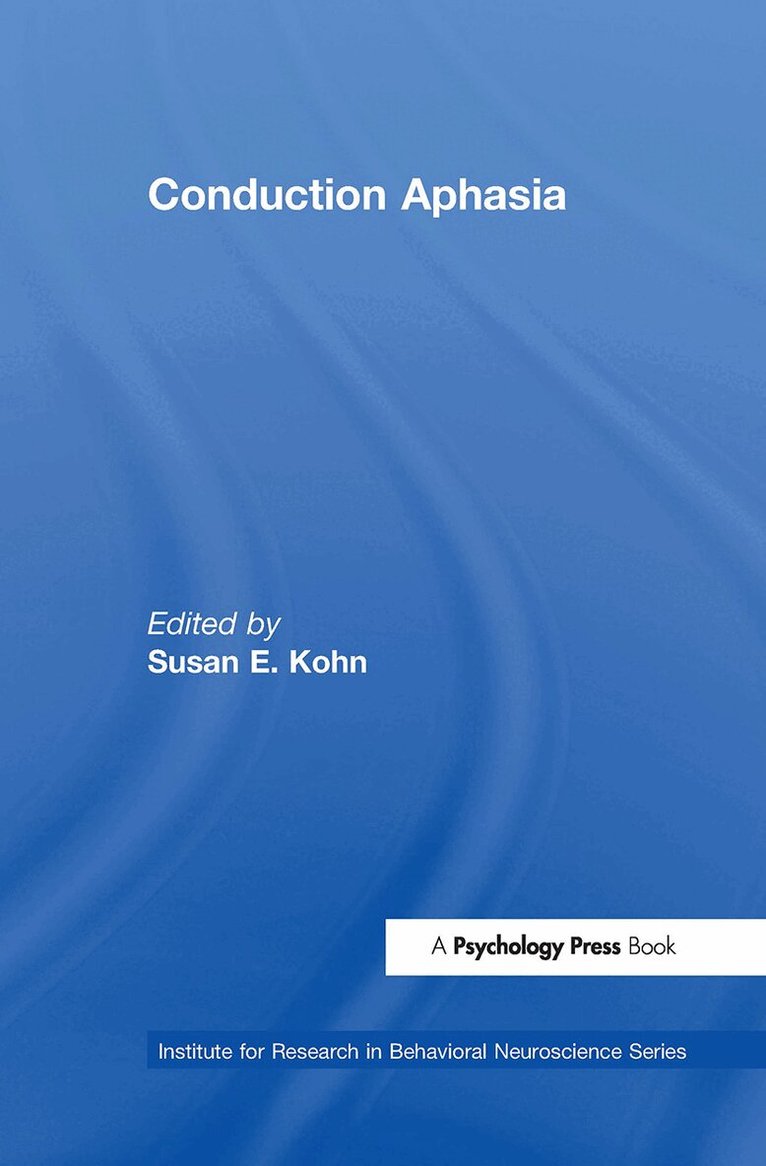
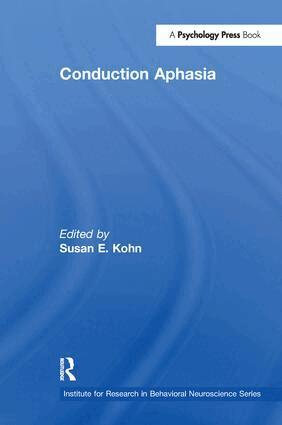
Over the past decade, questions about the clinical classification and experimental examination of aphasic patients have been raised. Growing doubts about the validity and reliability of standard clinical diagnoses have been responsible, in part, for the explosion of case studies in the neurolinguistic literature. In turn, rejection of classical aphasia diagnoses has made it difficult to synthesize much of this literature, and no alternative method for selecting and comparing aphasic patients has emerged. This volume was motivated by a desire to take a fresh look at the benefits that aphasia diagnosis has for both clinical and experimental work. This is accomplished by exploring one classical aphasia syndrome from a multidisciplinary perspective; that is, by presenting information from the disciplines of neurology, speech-language pathology, and experimental neurolinguistics. Given this scope, it is hoped that this work will appeal to an equally broad range of readers.
413 kr
Skickas inom 10-15 vardagar
Most individuals with brain damage experience a curtailment or loss of lifestyle without rehabilitation. Improved methods and appropriately timed medical interventions now make it possible for more individuals to survive brain insults and to be assisted by rehabilitation neuropsychologists in achieving renewed commitment to life. Damage to the brain -- the organ of human emotions and cognition -- reduces psychological functioning and realistic adaptation, and the patient and his/her family are often encapsulated in the time prior to injury. To regain part or most of the lifestyle lost, an honest, dedicated, and realistic approach is required. Neuropsychological rehabilitation can provide tools for this task, provided that the most comprehensive, elaborate and knowledge-based methods are integrated in the training, and provided that knowledge from many disciplines and from community environments and family is encompassed. In the present book knowledge representing the development of neuropsychological rehabilitation during the past five years is collected from a conference titled "Progress in Neuropsychological Rehabilitation." The chapters are written by professionals who were invited to share their experiences from different areas within the field because of their expertise with processes involved in neuropsychological rehabilitation. After a historical review, the chapters follow a visible sequence from biology to neuropsychology and neuropharmacology. Experts discuss the most advanced medical knowledge of the effect of injury on states of the organism. The second part of the book is dedicated to the outcome and the economics of rehabilitation as well as plans for the future. Finally, a panel discussion addresses the overall concept: Is rehabilitation worthwhile and ethical? The reactions -- influenced by the cross-cultural exchange of knowledge -- shed light on the essence and practice of today's neurorehabilitation.
2 176 kr
Skickas inom 10-15 vardagar
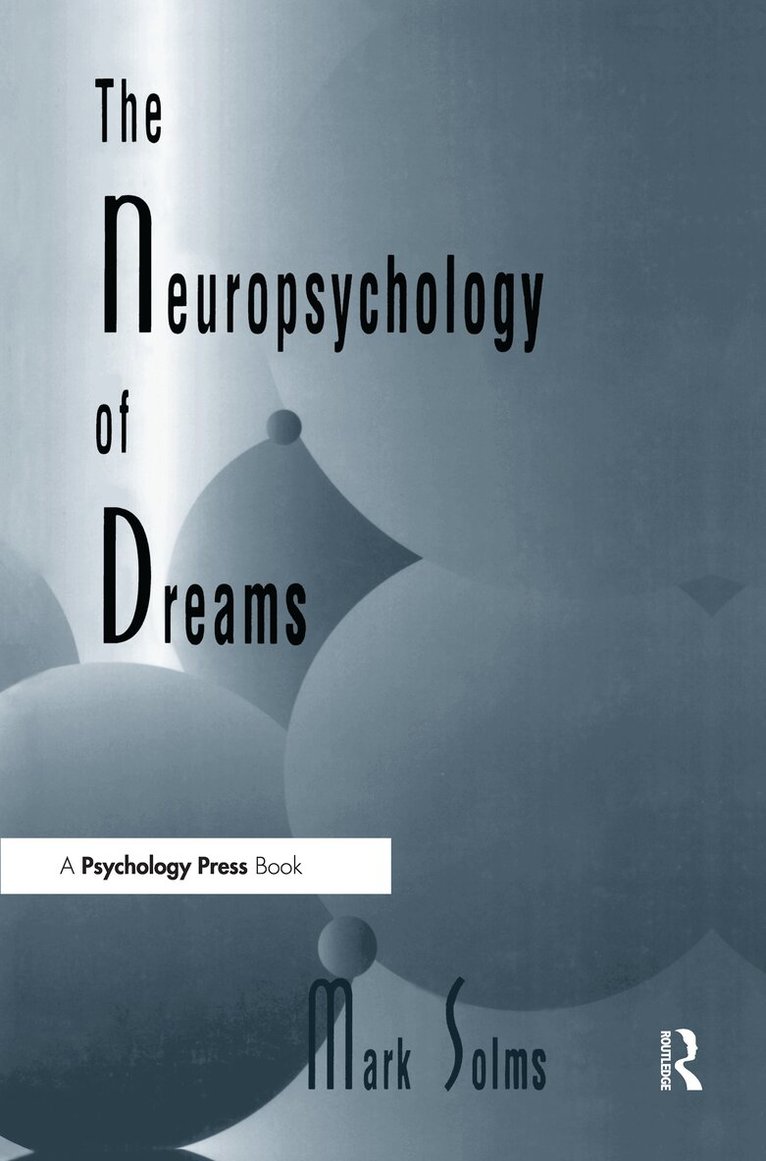
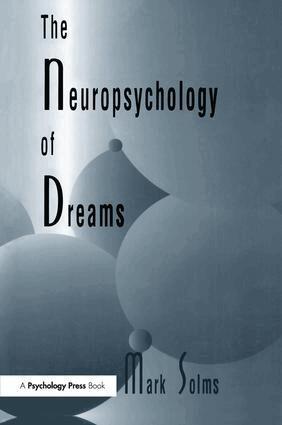
In this book, Mark Solms chronicles a fascinating effort to systematically apply the clinico-anatomical method to the study of dreams. The purpose of the effort was to place disorders of dreaming on an equivalent footing with those of other higher mental functions such as the aphasias, apraxias, and agnosias. Modern knowledge of the neurological organization of human mental functions was grounded upon systematic clinico-anatomical investigations of these functions under neuropathological conditions. It therefore seemed reasonable to assume that equivalent research into dreaming would provide analogous insights into the cerebral organization of this important but neglected function. Accordingly, the main thrust of the study was to identify changes in dreaming that are systematically associated with focal cerebral pathology and to describe the clinical and anatomical characteristics of those changes. The goal, in short, was to establish a nosology of dream disorders with neuropathological significance. Unless dreaming turned out to be organized in a fundamentally different way than other mental functions, there was every reason to expect that this research would cast light on the cerebral organization of the normal dream process.
2 176 kr
Skickas inom 10-15 vardagar
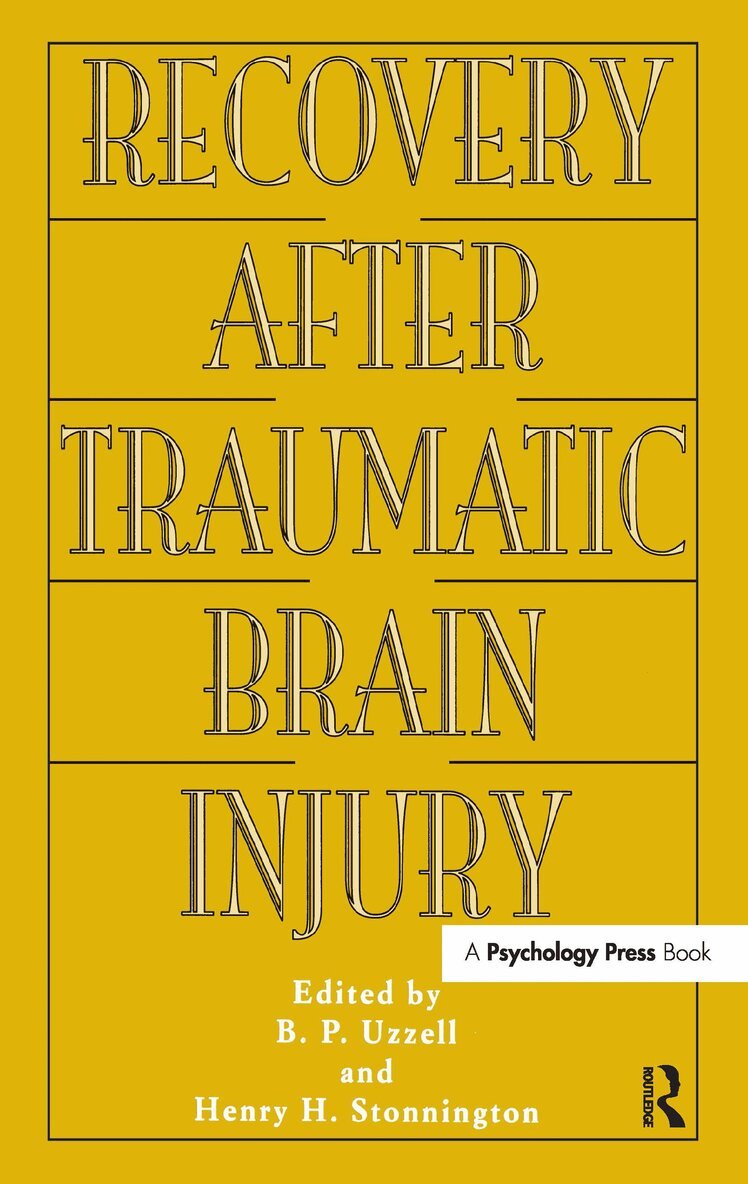
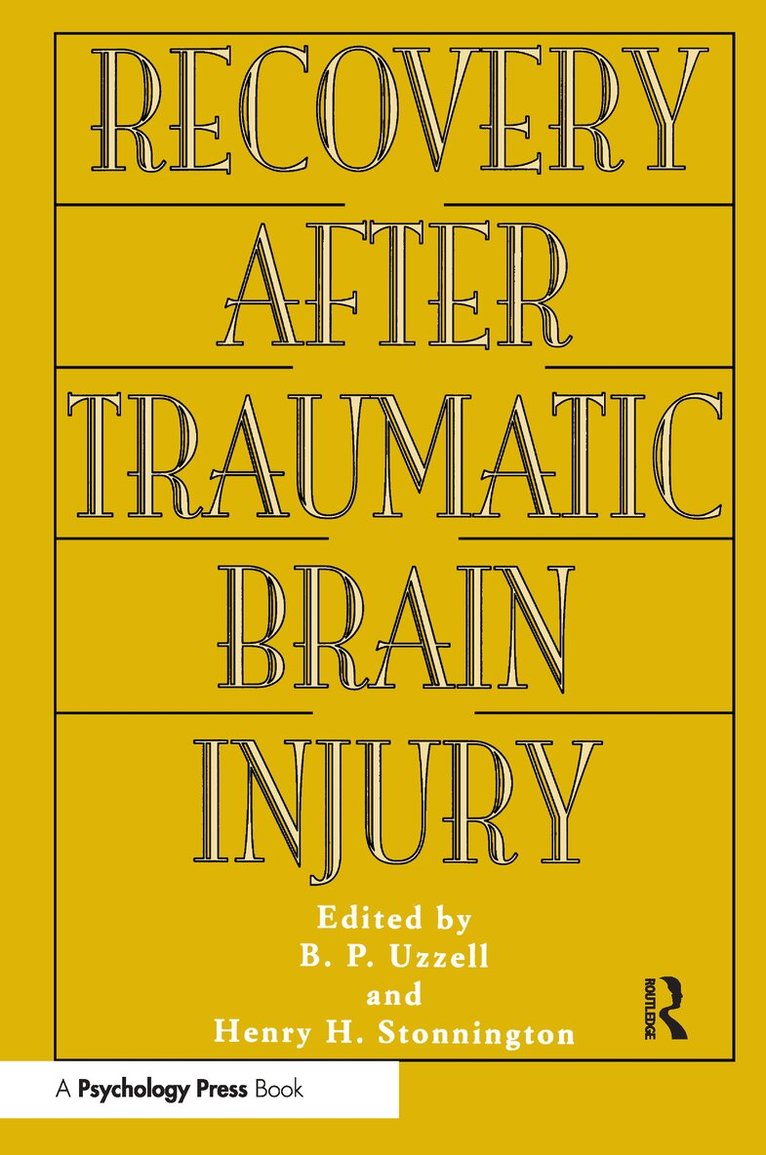
Emotions, behaviors, thoughts, creations, planning, daily physical activities, and routines are programmed within our brains. To acquire these capacities, the brain takes time to fully develop--a process that may take the first 20 years of life. Disruptions of the brain involving neurons, axons, dendrites, synapses, neurotransmitters or brain infrastructure produce profound changes in development and functions of the one organ that makes us unique. To understand the functions and development of the brain is difficult enough, but to reverse the consequences of trauma and repair the damage is even more challenging. To meet this challenge and increase understanding, a host of disciplines working and communicating together are required. The International Association for the Study of Traumatic Brain Injury tried to correct this limitation during its meetings of international clinicians, researchers, and scientists from many fields. It was felt that many of the outstanding thoughts and ideas from the participants' most recent meeting and from others working in the field of traumatic brain injury (TBI) should be shared. This book was conceived not as proceedings of the conference, but as a collection of knowledge for those working in the acute and chronic recovery aspects of head injury. This book reflects the importance of the team approach to patients with TBI. The chapter authors come from a diverse array of disciplines--basic science, neurosurgery, neurology, radiology, psychology, neuropsychology, and legal, consumer, and speech/language science. Their contributions provide the most current research and the latest ways of managing a variety of aspects of TBI.
959 kr
Skickas inom 10-15 vardagar
Emotions, behaviors, thoughts, creations, planning, daily physical activities, and routines are programmed within our brains. To acquire these capacities, the brain takes time to fully develop--a process that may take the first 20 years of life. Disruptions of the brain involving neurons, axons, dendrites, synapses, neurotransmitters or brain infrastructure produce profound changes in development and functions of the one organ that makes us unique. To understand the functions and development of the brain is difficult enough, but to reverse the consequences of trauma and repair the damage is even more challenging. To meet this challenge and increase understanding, a host of disciplines working and communicating together are required. The International Association for the Study of Traumatic Brain Injury tried to correct this limitation during its meetings of international clinicians, researchers, and scientists from many fields. It was felt that many of the outstanding thoughts and ideas from the participants' most recent meeting and from others working in the field of traumatic brain injury (TBI) should be shared. This book was conceived not as proceedings of the conference, but as a collection of knowledge for those working in the acute and chronic recovery aspects of head injury. This book reflects the importance of the team approach to patients with TBI. The chapter authors come from a diverse array of disciplines--basic science, neurosurgery, neurology, radiology, psychology, neuropsychology, and legal, consumer, and speech/language science. Their contributions provide the most current research and the latest ways of managing a variety of aspects of TBI.
847 kr
Skickas inom 10-15 vardagar
Best known as a founding father of neuropsychology, Luria is remembered for his clinical approach, which in many ways foreshadowed and served as the basis for the currently popular "process approach" to neuropsychological diagnosis. Although he never completed the job of designing a general theory of brain- behavioral relations, he nonetheless contributed mightily to the ongoing effort to develop one, and to the emergence of neuropsychology as a mature science. Written by professionals who either knew Alexandr Romanovich Luria personally or experienced his scientific influence, the topics examined in this volume reflect the expanse of his interests and contributions.
483 kr
Skickas inom 10-15 vardagar
First Published in 1988. The reader is invited to explore this collection of early German papers and not to analyze the work through a comparison with the present but to approach it with a relaxation of bias that extends a new hearing to old ideas. The reader may be surprised to see how little has changed in the association or callosal theory of apraxia since this review by Liepmann. Of interest is the care with which Liepmann studied his patients and the ingenious anatomical accounts.
205 kr
Skickas inom 10-15 vardagar
Over the past decade, questions about the clinical classification and experimental examination of aphasic patients have been raised. Growing doubts about the validity and reliability of standard clinical diagnoses have been responsible, in part, for the explosion of case studies in the neurolinguistic literature. In turn, rejection of classical aphasia diagnoses has made it difficult to synthesize much of this literature, and no alternative method for selecting and comparing aphasic patients has emerged. This volume was motivated by a desire to take a fresh look at the benefits that aphasia diagnosis has for both clinical and experimental work. This is accomplished by exploring one classical aphasia syndrome from a multidisciplinary perspective; that is, by presenting information from the disciplines of neurology, speech-language pathology, and experimental neurolinguistics. Given this scope, it is hoped that this work will appeal to an equally broad range of readers.
735 kr
Skickas inom 10-15 vardagar
In this book, Mark Solms chronicles a fascinating effort to systematically apply the clinico-anatomical method to the study of dreams. The purpose of the effort was to place disorders of dreaming on an equivalent footing with those of other higher mental functions such as the aphasias, apraxias, and agnosias. Modern knowledge of the neurological organization of human mental functions was grounded upon systematic clinico-anatomical investigations of these functions under neuropathological conditions. It therefore seemed reasonable to assume that equivalent research into dreaming would provide analogous insights into the cerebral organization of this important but neglected function. Accordingly, the main thrust of the study was to identify changes in dreaming that are systematically associated with focal cerebral pathology and to describe the clinical and anatomical characteristics of those changes. The goal, in short, was to establish a nosology of dream disorders with neuropathological significance. Unless dreaming turned out to be organized in a fundamentally different way than other mental functions, there was every reason to expect that this research would cast light on the cerebral organization of the normal dream process.