Henry H. Stonnington - Böcker
Visar alla böcker från författaren Henry H. Stonnington. Handla med fri frakt och snabb leverans.
4 produkter
4 produkter
2 166 kr
Skickas inom 10-15 vardagar
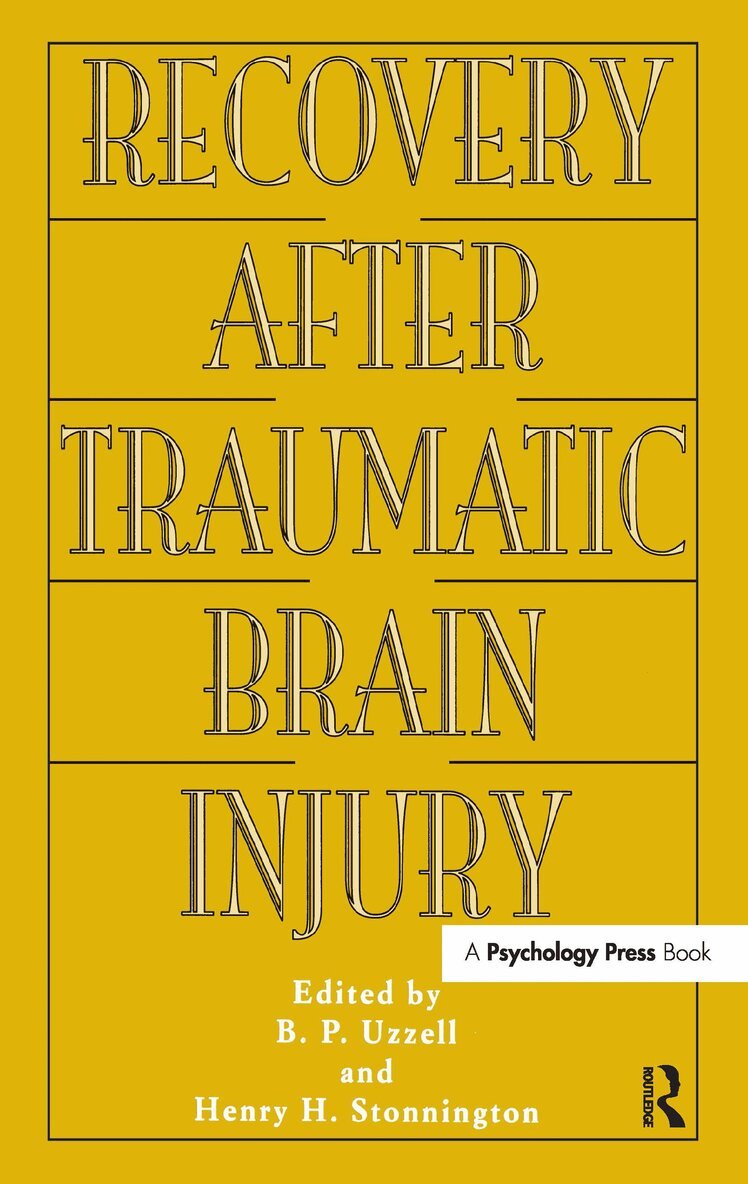
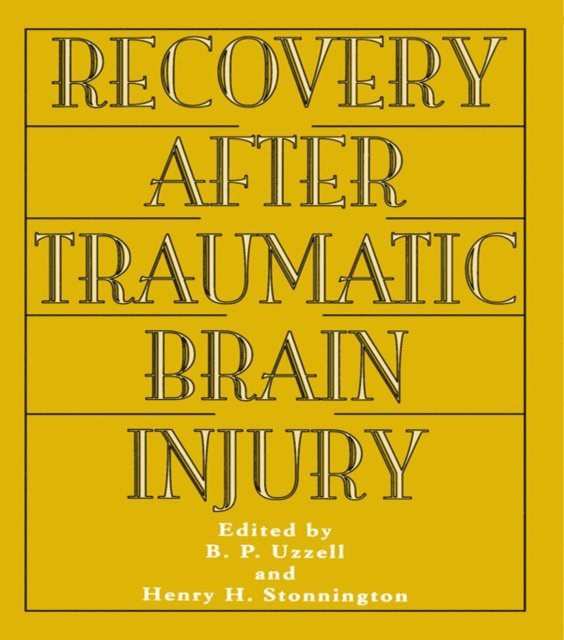
Emotions, behaviors, thoughts, creations, planning, daily physical activities, and routines are programmed within our brains. To acquire these capacities, the brain takes time to fully develop--a process that may take the first 20 years of life. Disruptions of the brain involving neurons, axons, dendrites, synapses, neurotransmitters or brain infrastructure produce profound changes in development and functions of the one organ that makes us unique. To understand the functions and development of the brain is difficult enough, but to reverse the consequences of trauma and repair the damage is even more challenging. To meet this challenge and increase understanding, a host of disciplines working and communicating together are required. The International Association for the Study of Traumatic Brain Injury tried to correct this limitation during its meetings of international clinicians, researchers, and scientists from many fields. It was felt that many of the outstanding thoughts and ideas from the participants' most recent meeting and from others working in the field of traumatic brain injury (TBI) should be shared. This book was conceived not as proceedings of the conference, but as a collection of knowledge for those working in the acute and chronic recovery aspects of head injury. This book reflects the importance of the team approach to patients with TBI. The chapter authors come from a diverse array of disciplines--basic science, neurosurgery, neurology, radiology, psychology, neuropsychology, and legal, consumer, and speech/language science. Their contributions provide the most current research and the latest ways of managing a variety of aspects of TBI.
963 kr
Skickas inom 10-15 vardagar
Emotions, behaviors, thoughts, creations, planning, daily physical activities, and routines are programmed within our brains. To acquire these capacities, the brain takes time to fully develop--a process that may take the first 20 years of life. Disruptions of the brain involving neurons, axons, dendrites, synapses, neurotransmitters or brain infrastructure produce profound changes in development and functions of the one organ that makes us unique. To understand the functions and development of the brain is difficult enough, but to reverse the consequences of trauma and repair the damage is even more challenging. To meet this challenge and increase understanding, a host of disciplines working and communicating together are required. The International Association for the Study of Traumatic Brain Injury tried to correct this limitation during its meetings of international clinicians, researchers, and scientists from many fields. It was felt that many of the outstanding thoughts and ideas from the participants' most recent meeting and from others working in the field of traumatic brain injury (TBI) should be shared. This book was conceived not as proceedings of the conference, but as a collection of knowledge for those working in the acute and chronic recovery aspects of head injury. This book reflects the importance of the team approach to patients with TBI. The chapter authors come from a diverse array of disciplines--basic science, neurosurgery, neurology, radiology, psychology, neuropsychology, and legal, consumer, and speech/language science. Their contributions provide the most current research and the latest ways of managing a variety of aspects of TBI.
Rehabilitation of Neuropsychological Disorders
A Practical Guide for Rehabilitation Professionals
Inbunden, Engelska, 2009
1 482 kr
Tillfälligt slut
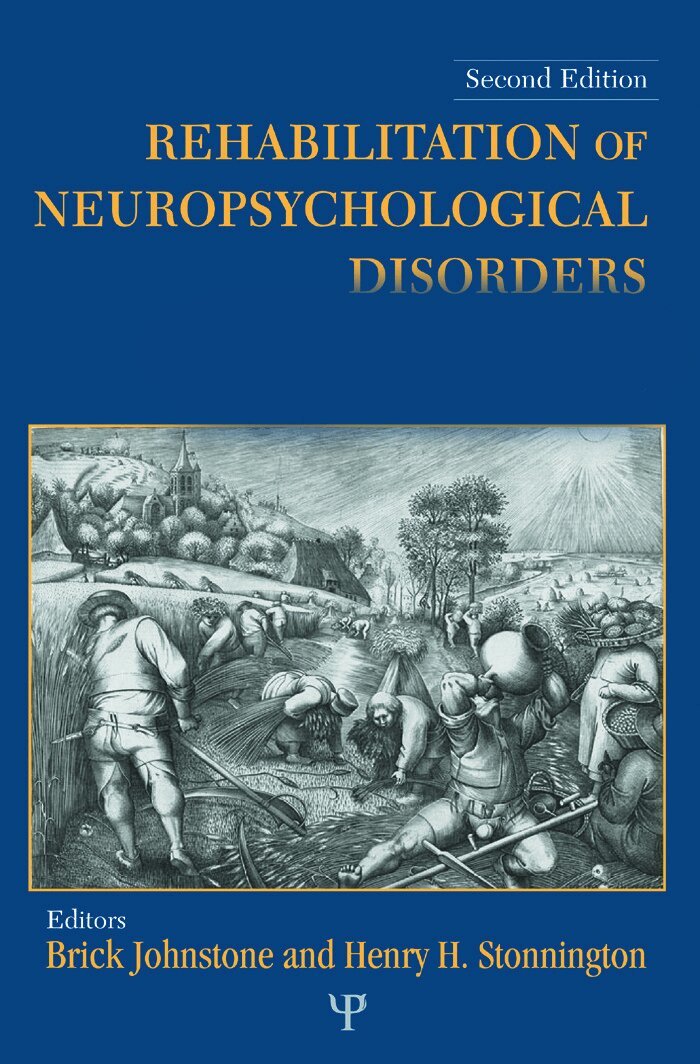
Many contemporary neuropsychology texts focus on neuropathology, the description of specific tests, and the differential diagnosis of central nervous system disorders. However, increasingly sophisticated neuroradiological techniques, managed care factors, and the growth of rehabilitation necessitates that rehabilitation professionals provide more functionally (versus diagnostically) useful evaluations to improve the neuropsychological functioning and community integration of persons with brain injuries or diseases. This book aims to fill this gap and to provide an overview of standard neuropsychological treatment strategies for specific cognitive impairments that are identified on testing. The new edition enhances this goal with three chapters outlining important recommendations, services, and issues for rehabilitation professionals.Written by a team of experienced scientists and professionals, the volume provides a universal taxonomy of neuropsychological abilities (emphasizing relatively simple terms), with a list of basic rehabilitation strategies to improve impairments identified in general cognitive domains. Specific chapters are included on the neuropsychological remediation of memory, attention, language, visual-spatial skills, and executive function impairments. Each chapter proposes a taxonomy of relatively unitary cognitive constructs (e.g., divided attention, sustained attention, focused attention), lists tests which may be used to assess each cognitive construct, and provides specific rehabilitation strategies to improve or accommodate the identified neuropsychological impairments. The final chapters cover basic resources and issues of which the rehabilitation professional needs to be aware (vocational rehabilitation, disability determination, and guardianship issues).This new edition provides a wealth of useful information for family members, rehabilitation professionals, and others who work with persons with brain injury in improving the community functioning for those with brain dysfunction. An accompanying website facilitates access to the resources and strategies from the book, allowing the practitioner to cut and paste these recommendations into their clinical reports.
Rehabilitation of Neuropsychological Disorders
A Practical Guide for Rehabilitation Professionals
Häftad, Engelska, 2009
710 kr
Skickas inom 10-15 vardagar
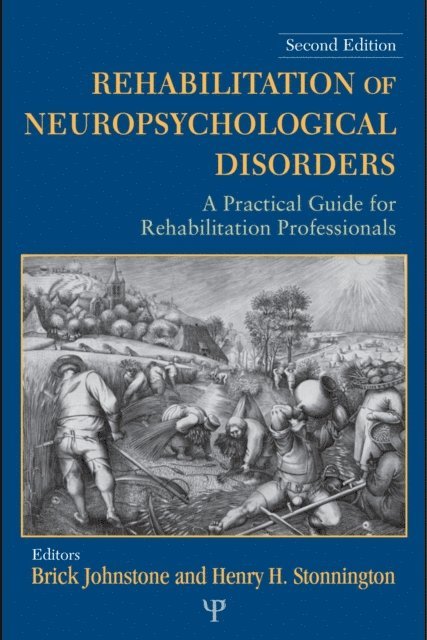
Many contemporary neuropsychology texts focus on neuropathology, the description of specific tests, and the differential diagnosis of central nervous system disorders. However, increasingly sophisticated neuroradiological techniques, managed care factors, and the growth of rehabilitation necessitates that rehabilitation professionals provide more functionally (versus diagnostically) useful evaluations to improve the neuropsychological functioning and community integration of persons with brain injuries or diseases. This book aims to fill this gap and to provide an overview of standard neuropsychological treatment strategies for specific cognitive impairments that are identified on testing. The new edition enhances this goal with three chapters outlining important recommendations, services, and issues for rehabilitation professionals.Written by a team of experienced scientists and professionals, the volume provides a universal taxonomy of neuropsychological abilities (emphasizing relatively simple terms), with a list of basic rehabilitation strategies to improve impairments identified in general cognitive domains. Specific chapters are included on the neuropsychological remediation of memory, attention, language, visual-spatial skills, and executive function impairments. Each chapter proposes a taxonomy of relatively unitary cognitive constructs (e.g., divided attention, sustained attention, focused attention), lists tests which may be used to assess each cognitive construct, and provides specific rehabilitation strategies to improve or accommodate the identified neuropsychological impairments. The final chapters cover basic resources and issues of which the rehabilitation professional needs to be aware (vocational rehabilitation, disability determination, and guardianship issues).This new edition provides a wealth of useful information for family members, rehabilitation professionals, and others who work with persons with brain injury in improving the community functioning for those with brain dysfunction. An accompanying website facilitates access to the resources and strategies from the book, allowing the practitioner to cut and paste these recommendations into their clinical reports.