International Perspectives on Curriculum - Böcker
Visar alla böcker i serien International Perspectives on Curriculum. Handla med fri frakt och snabb leverans.
10 produkter
10 produkter
776 kr
Skickas inom 5-8 vardagar
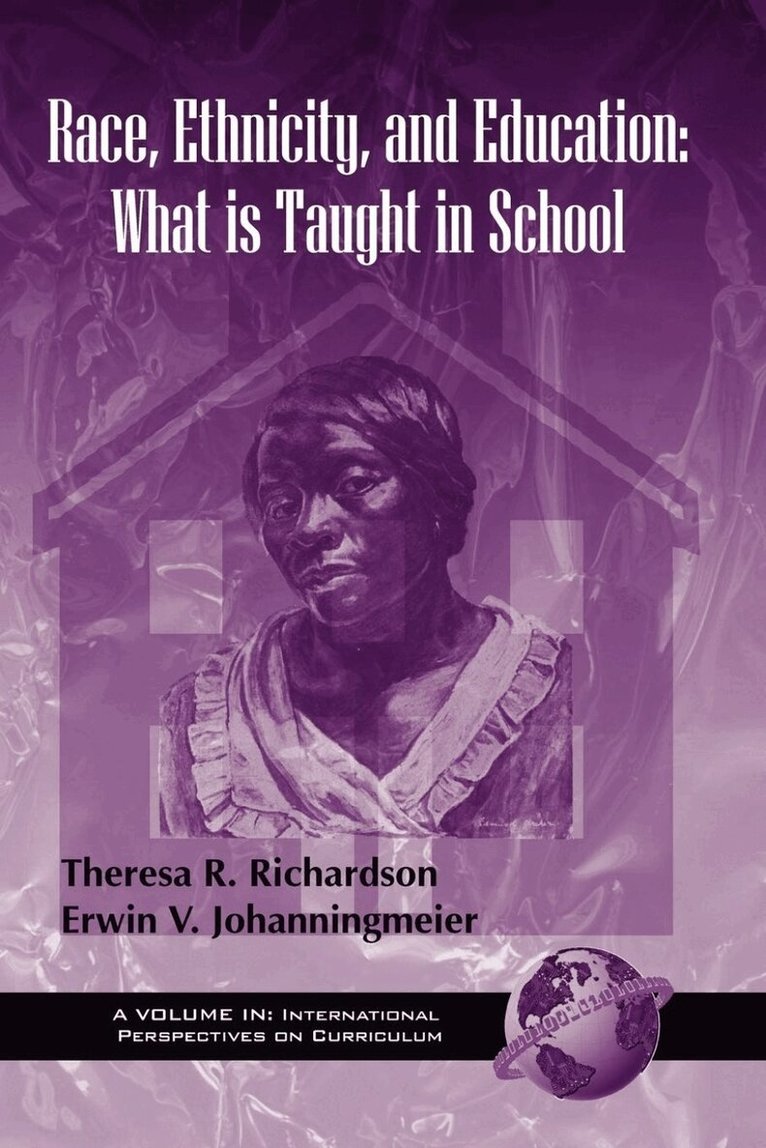
This work looks at race, ethnicity and education in the United States. It covers such topics as: myths and history in the making of race and ethnicity; the origin of British North America and racial slavery; abolition and the invention of racism; and more.
1 369 kr
Skickas inom 5-8 vardagar
This work looks at race, ethnicity and education in the United States. It covers such topics as: myths and history in the making of race and ethnicity; the origin of British North America and racial slavery; abolition and the invention of racism; and more.
692 kr
Skickas inom 5-8 vardagar
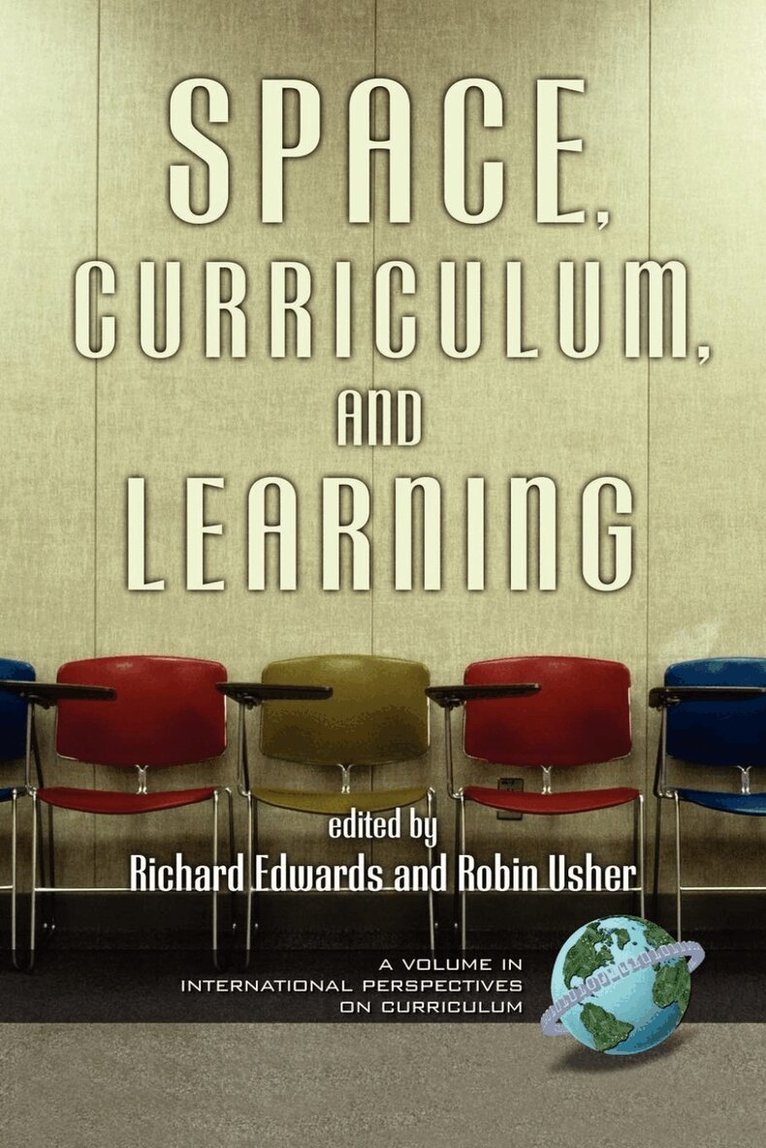
In recent years there has been increasing interest in issues of space and spatiality in the social sciences and humanities generally, if less so in the study of education. This relative lack of interest is surprising given the importance of space and time in the organization of teaching, learning and research. For instance, the timetable and project timeline are central to the organization of learning and knowledge production whether in schools, colleges or universities. Classrooms, workshops and laboratories have different spatial layouts, which support certain forms of interaction and communication. When we add to this, the increasing distances across which knowledge, understanding and competence are being distributed through the use of information and communications technologies, the fact that issues of space have not been taken up seems more than an oversight. This relative lack of interest in space becomes even more surprising when one considers the extensive use of spatial metaphors in the discussion of education and pedagogy. For instance, the notions of open, distance and distributed learning and student-centredness, border crossing, and communities of practice all have a spatial dimension to them. Notions of a spiral curriculum act as a spatial imaginary. Indeed some metaphors, such as flexibility seem to be suggestive of the possibility that all constraints of space and time can be conquered in the provision of learning opportunities throughout life. This collection of chapters from researchers around the world attempts to address these issues, to examine the significance of space for curriculum, learning and identity.
1 284 kr
Skickas inom 5-8 vardagar
In recent years there has been increasing interest in issues of space and spatiality in the social sciences and humanities generally, if less so in the study of education. This relative lack of interest is surprising given the importance of space and time in the organization of teaching, learning and research. For instance, the timetable and project timeline are central to the organization of learning and knowledge production whether in schools, colleges or universities. Classrooms, workshops and laboratories have different spatial layouts, which support certain forms of interaction and communication. When we add to this, the increasing distances across which knowledge, understanding and competence are being distributed through the use of information and communications technologies, the fact that issues of space have not been taken up seems more than an oversight. This relative lack of interest in space becomes even more surprising when one considers the extensive use of spatial metaphors in the discussion of education and pedagogy. For instance, the notions of open, distance and distributed learning and student-centredness, border crossing, and communities of practice all have a spatial dimension to them. Notions of a spiral curriculum act as a spatial imaginary. Indeed some metaphors, such as flexibility seem to be suggestive of the possibility that all constraints of space and time can be conquered in the provision of learning opportunities throughout life. This collection of chapters from researchers around the world attempts to address these issues, to examine the significance of space for curriculum, learning and identity.
644 kr
Skickas inom 7-10 vardagar
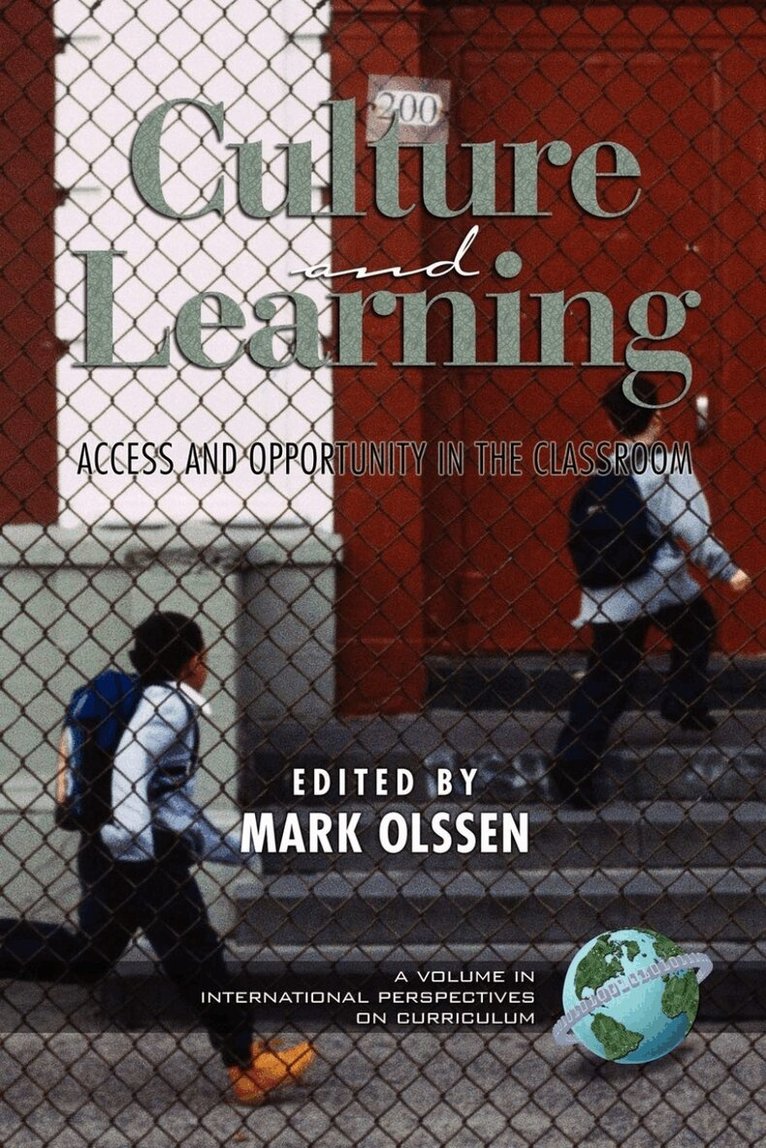
Twenty-seven academics from the UK, U.S., and New Zealand contribute 18 essays on the impact of social structure on educational learning, educational access, and opportunity and outcomes, in an effort to renew the debate concerning the sociology of school attainment.
1 091 kr
Skickas inom 7-10 vardagar
Twenty-seven academics from the UK, U.S., and New Zealand contribute 18 essays on the impact of social structure on educational learning, educational access, and opportunity and outcomes, in an effort to renew the debate concerning the sociology of school attainment.
517 kr
Skickas inom 7-10 vardagar
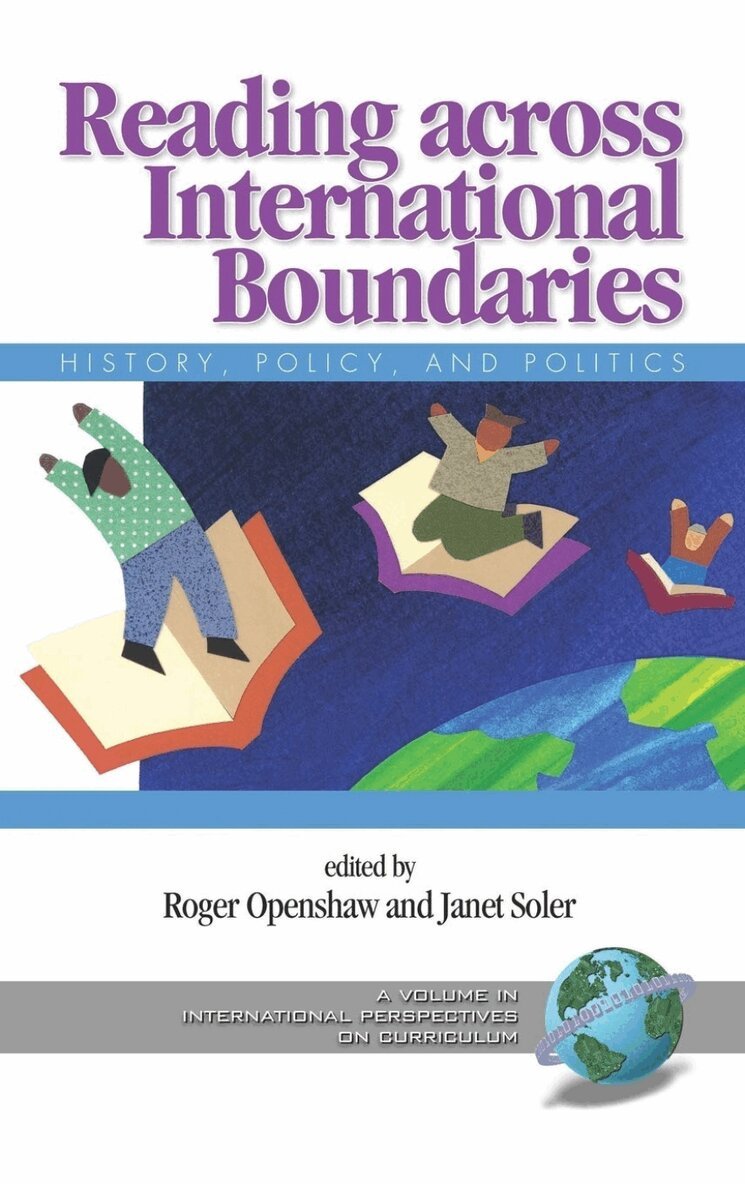
Reading Across International Boundaries, edited by Roger Openshaw and Janet Soler, clearly demonstrates these broader characteristics of debates about the teaching of reading. It sets the educational issues firmly in the context of the social, cultural and political dynamics that inform and animate them and give them their meaning. It does so by setting out to understand their historical and comparative dimensions. Establishing the historical context highlights the origins and also the longevity of the problems and conflicts that are now widely familiar. The comparative approach also gives purchase on the wide range of approaches taken to these issues in nations around the world. More than this, however, this collection takes us into the realm of international influences. It underlines how debates in this area are not simply national, but are international and global in their scale. Moreover this is the case not only in relation to the broad fabric of policy debate, but also in the everyday struggles of pupils, parents and teachers in schools, classrooms and homes.Such an agenda is unsettling and provocative. It has the potential to challenge received opinion, to hustle preconceptions. It may also propose alternative visions for the improvement of teaching in this area that might be taken up and taken seriously in different localities or even more broadly. Most of all, it enables us to enrich and broaden our understanding of the learning and the teaching of reading at a time when awareness and vision are sorely needed. This collection of articles by leading scholars based in several different countries will be a significant contribution to the research field, but also a major resource when put to good use by policy makers and practitioners, as it should surely be.
952 kr
Skickas inom 7-10 vardagar
Reading Across International Boundaries, edited by Roger Openshaw and Janet Soler, clearly demonstrates these broader characteristics of debates about the teaching of reading. It sets the educational issues firmly in the context of the social, cultural and political dynamics that inform and animate them and give them their meaning. It does so by setting out to understand their historical and comparative dimensions. Establishing the historical context highlights the origins and also the longevity of the problems and conflicts that are now widely familiar. The comparative approach also gives purchase on the wide range of approaches taken to these issues in nations around the world. More than this, however, this collection takes us into the realm of international influences. It underlines how debates in this area are not simply national, but are international and global in their scale. Moreover this is the case not only in relation to the broad fabric of policy debate, but also in the everyday struggles of pupils, parents and teachers in schools, classrooms and homes.Such an agenda is unsettling and provocative. It has the potential to challenge received opinion, to hustle preconceptions. It may also propose alternative visions for the improvement of teaching in this area that might be taken up and taken seriously in different localities or even more broadly. Most of all, it enables us to enrich and broaden our understanding of the learning and the teaching of reading at a time when awareness and vision are sorely needed. This collection of articles by leading scholars based in several different countries will be a significant contribution to the research field, but also a major resource when put to good use by policy makers and practitioners, as it should surely be.
517 kr
Skickas inom 7-10 vardagar
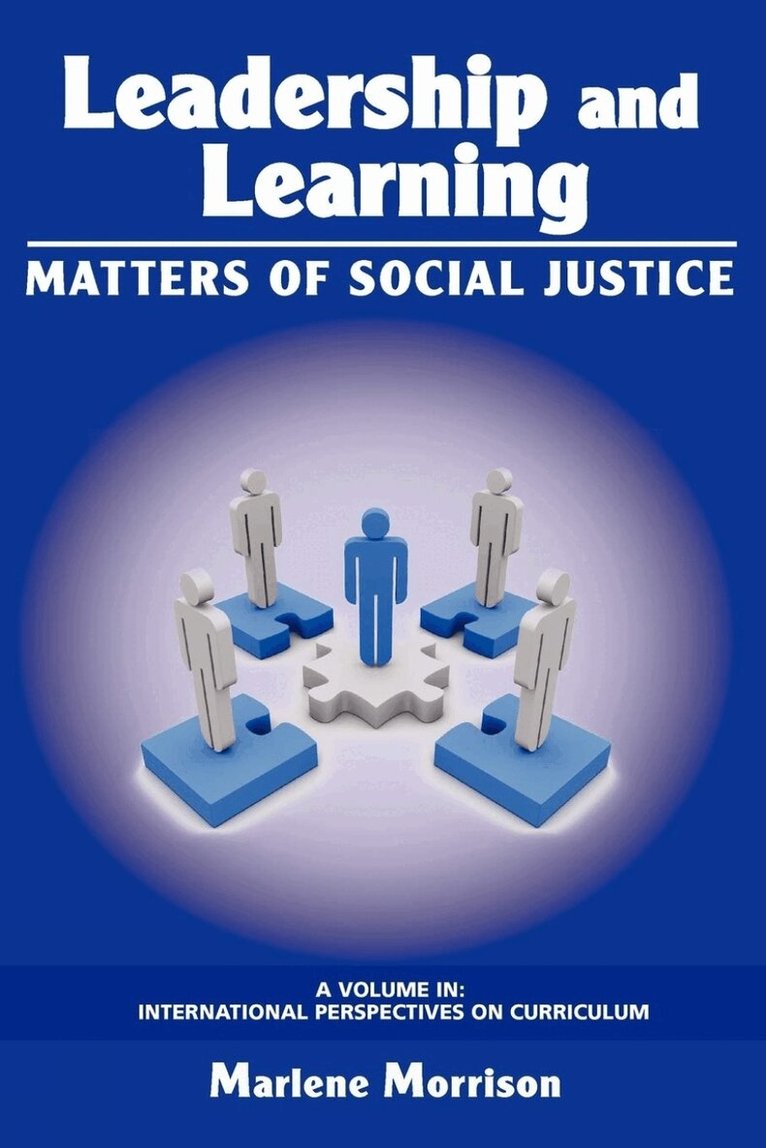
This proposal is for a book about pedagogical leadership that draws upon an extensive literature base as well as empirical research by the author in order to examine forms of leadership and management that promote and instill education for learning and social justice. Its starting points are to restore and elevate social and moral purpose in leadership as first-order constructs that have theoretical and practical implications for existing and potential leader educators. This is not necessarily an easy thing to do. Asking educators and researchers of education leadership to define what they consider to be the core moral values underpinning leadership in educational settings usually results in some fairly bland, if fundamentally important statements about putting learners at the heart of leadership praxis, especially that which occurs in educational settings. In practice, numerous organisational mission statements attest to this rhetorical conviction. Yet, it is current policy contexts that place relations between leaders, teachers, and learners in contradictory ‘moral’ positions. Drives to improve student performance through increased competition in the market-place, intensified procedures for monitoring and evaluation, and frenetic commitments to ‘change’ as overarching leadership mantras have relegated Sergiovanni’s (1998) definition of pedagogical leadership ‘that invests in capacity building by developing social and academic capital for students and intellectual capital for teachers’ as second, even third order constructs.This book intends to reverse the process and in doing so, it will relegate to second order, and by lively debate and illustrative vignettes, many, though not all of the hegemonic constructs that are prevalent in current ‘managerial’ times. This book will therefore define and challenge a paradox; as governments express commitment to an educational settlement that minimises exclusion, widens participation, and promotes ‘active’ citizenship, the much heralded vanguards of that settlement - leaders and managers - are being enjoined to reduce their thinking and action to technicist ‘manoeuvres’ (Grace, 2000:236) in which aspirations towards social justice can become more distant, strangely exotic even in their expression. As importantly, such technical manoeuvring is not accompanied by a reduction in leadership and management tasks and responsibilities. As more is demanded of organizations and their leaders in terms of responsibilities for learning in areas of health, sexuality, drug awareness, physical exercise and nutrition, citizenship, work experience, race equality, and skills in familial and social caring, questions arise about the extent to which ‘social justice’ constitutes a wide umbrella under which such interests might ‘shelter’ or whether social justice is to be considered ‘separately’ with attendant dangers to be seen as add-on and therefore potentially marginalized or distinct from the total enterprise that constitutes education and learning.
952 kr
Skickas inom 7-10 vardagar
This proposal is for a book about pedagogical leadership that draws upon an extensive literature base as well as empirical research by the author in order to examine forms of leadership and management that promote and instill education for learning and social justice. Its starting points are to restore and elevate social and moral purpose in leadership as first-order constructs that have theoretical and practical implications for existing and potential leader educators. This is not necessarily an easy thing to do. Asking educators and researchers of education leadership to define what they consider to be the core moral values underpinning leadership in educational settings usually results in some fairly bland, if fundamentally important statements about putting learners at the heart of leadership praxis, especially that which occurs in educational settings. In practice, numerous organisational mission statements attest to this rhetorical conviction. Yet, it is current policy contexts that place relations between leaders, teachers, and learners in contradictory ‘moral’ positions. Drives to improve student performance through increased competition in the market-place, intensified procedures for monitoring and evaluation, and frenetic commitments to ‘change’ as overarching leadership mantras have relegated Sergiovanni’s (1998) definition of pedagogical leadership ‘that invests in capacity building by developing social and academic capital for students and intellectual capital for teachers’ as second, even third order constructs.This book intends to reverse the process and in doing so, it will relegate to second order, and by lively debate and illustrative vignettes, many, though not all of the hegemonic constructs that are prevalent in current ‘managerial’ times. This book will therefore define and challenge a paradox; as governments express commitment to an educational settlement that minimises exclusion, widens participation, and promotes ‘active’ citizenship, the much heralded vanguards of that settlement - leaders and managers - are being enjoined to reduce their thinking and action to technicist ‘manoeuvres’ (Grace, 2000:236) in which aspirations towards social justice can become more distant, strangely exotic even in their expression. As importantly, such technical manoeuvring is not accompanied by a reduction in leadership and management tasks and responsibilities. As more is demanded of organizations and their leaders in terms of responsibilities for learning in areas of health, sexuality, drug awareness, physical exercise and nutrition, citizenship, work experience, race equality, and skills in familial and social caring, questions arise about the extent to which ‘social justice’ constitutes a wide umbrella under which such interests might ‘shelter’ or whether social justice is to be considered ‘separately’ with attendant dangers to be seen as add-on and therefore potentially marginalized or distinct from the total enterprise that constitutes education and learning.