Inventing Christianity - Böcker
Visar alla böcker i serien Inventing Christianity. Handla med fri frakt och snabb leverans.
9 produkter
9 produkter
Del 1 - Inventing Christianity
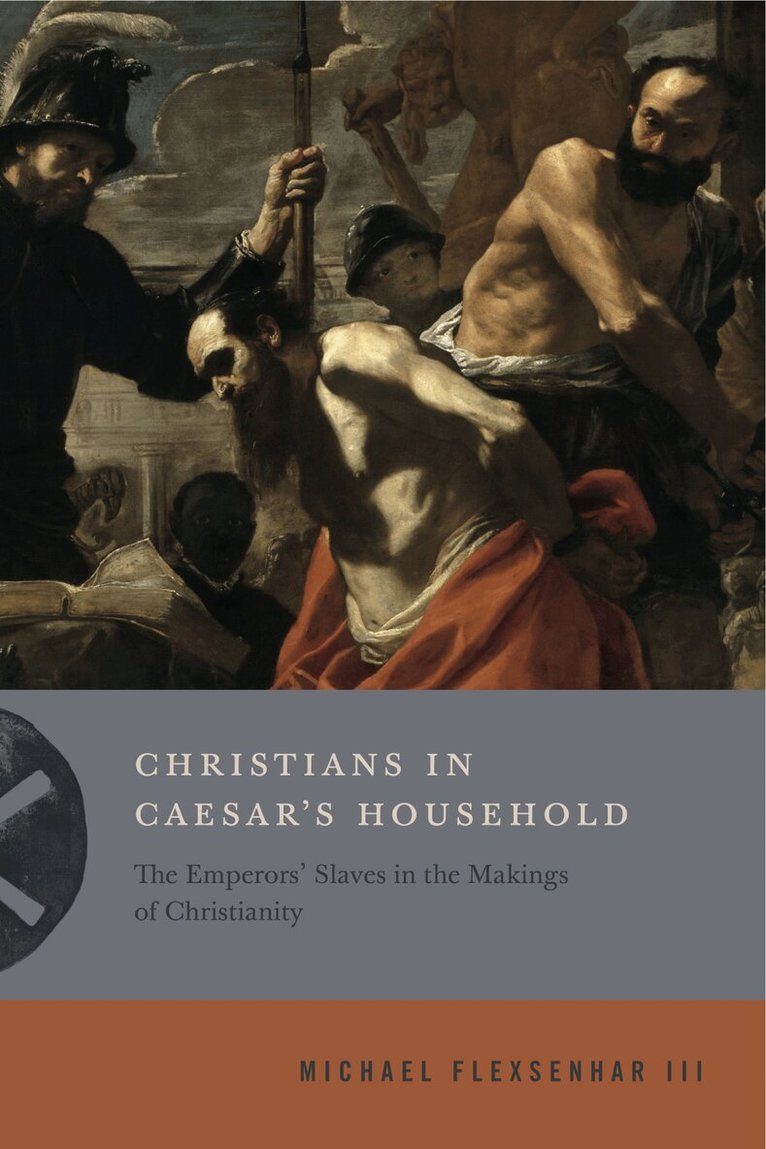
Christians in Caesar’s Household
The Emperors’ Slaves in the Makings of Christianity
Inbunden, Engelska, 2019
1 029 kr
Skickas inom 7-10 vardagar
In this volume, Michael Flexsenhar III advances the argument that imperial slaves and freedpersons in the Roman Empire were essential to early Christians’ self-conception as a distinct people in the Mediterranean and played a multifaceted role in the making of early Christianity.Scholarship in early Christianity has for centuries viewed Roman emperors’ slaves and freedmen as responsible for ushering Christianity onto the world stage, traditionally using Paul’s allusion to “the saints from Caesar’s household” in Philippians 4:22 as a core literary lens. Merging textual and material evidence with diaspora and memory studies, Flexsenhar expands on this narrative to explore new and more nuanced representations of this group, showing how the long-accepted stories of Christian slaves and freepersons in Caesar’s household should not be taken at face value but should instead be understood within the context of Christian myth- and meaning-making. Flexsenhar analyzes textual and material evidence from the first to the sixth century, spanning Roman Asia, the Aegean rim, Gaul, and the coast of North Africa as well as the imperial capital itself. As a result, this book shows how stories of the emperor’s slaves were integral to key developments in the spread of Christianity, generating origin myths in Rome and establishing a shared history and geography there, differentiating and negotiating assimilation with other groups, and expressing commemorative language, ritual acts, and a material culture.With its thoughtful critical readings of literary and material sources and its fresh analysis of the lived experiences of imperial slaves and freedpersons, Christians in Caesar’s Household is indispensable reading for scholars of early Christianity, the origins of religion, and the Roman Empire.
Del 1 - Inventing Christianity
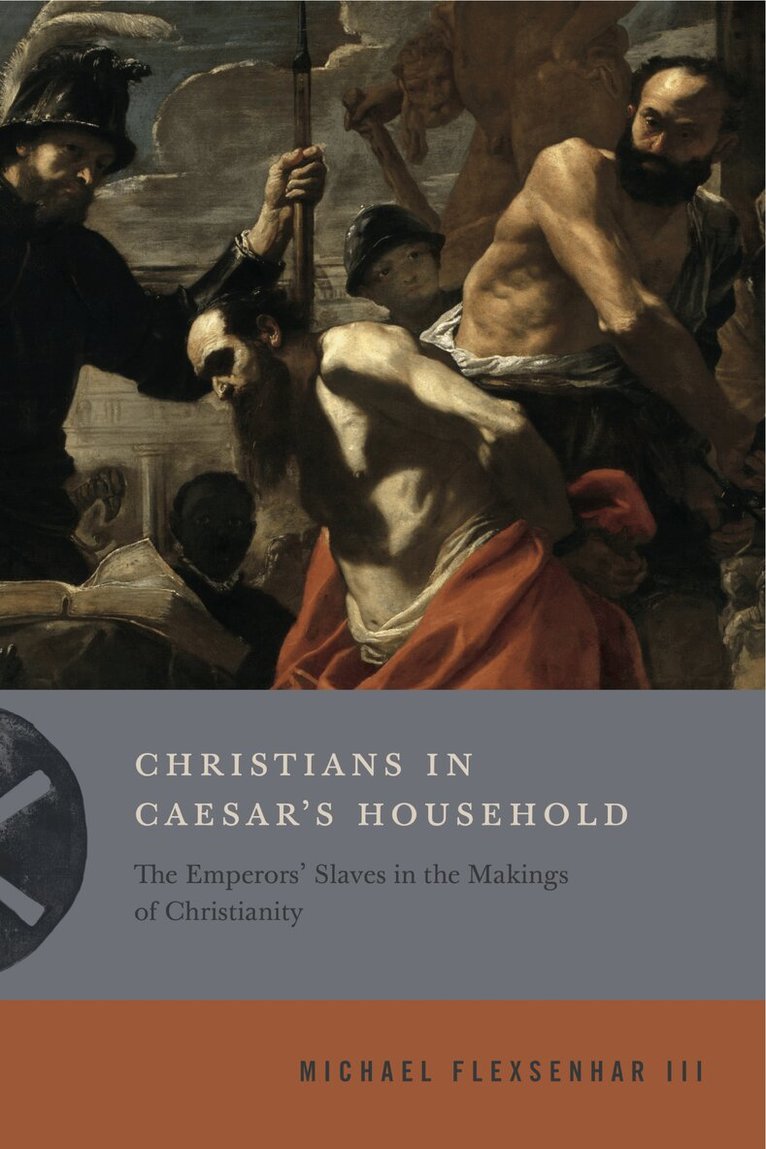
Christians in Caesar’s Household
The Emperors’ Slaves in the Makings of Christianity
Häftad, Engelska, 2020
365 kr
Skickas inom 7-10 vardagar
In this volume, Michael Flexsenhar III advances the argument that imperial slaves and freedpersons in the Roman Empire were essential to early Christians’ self-conception as a distinct people in the Mediterranean and played a multifaceted role in the making of early Christianity.Scholarship in early Christianity has for centuries viewed Roman emperors’ slaves and freedmen as responsible for ushering Christianity onto the world stage, traditionally using Paul’s allusion to “the saints from Caesar’s household” in Philippians 4:22 as a core literary lens. Merging textual and material evidence with diaspora and memory studies, Flexsenhar expands on this narrative to explore new and more nuanced representations of this group, showing how the long-accepted stories of Christian slaves and freepersons in Caesar’s household should not be taken at face value but should instead be understood within the context of Christian myth- and meaning-making. Flexsenhar analyzes textual and material evidence from the first to the sixth century, spanning Roman Asia, the Aegean rim, Gaul, and the coast of North Africa as well as the imperial capital itself. As a result, this book shows how stories of the emperor’s slaves were integral to key developments in the spread of Christianity, generating origin myths in Rome and establishing a shared history and geography there, differentiating and negotiating assimilation with other groups, and expressing commemorative language, ritual acts, and a material culture.With its thoughtful critical readings of literary and material sources and its fresh analysis of the lived experiences of imperial slaves and freedpersons, Christians in Caesar’s Household is indispensable reading for scholars of early Christianity, the origins of religion, and the Roman Empire.
Del 2 - Inventing Christianity
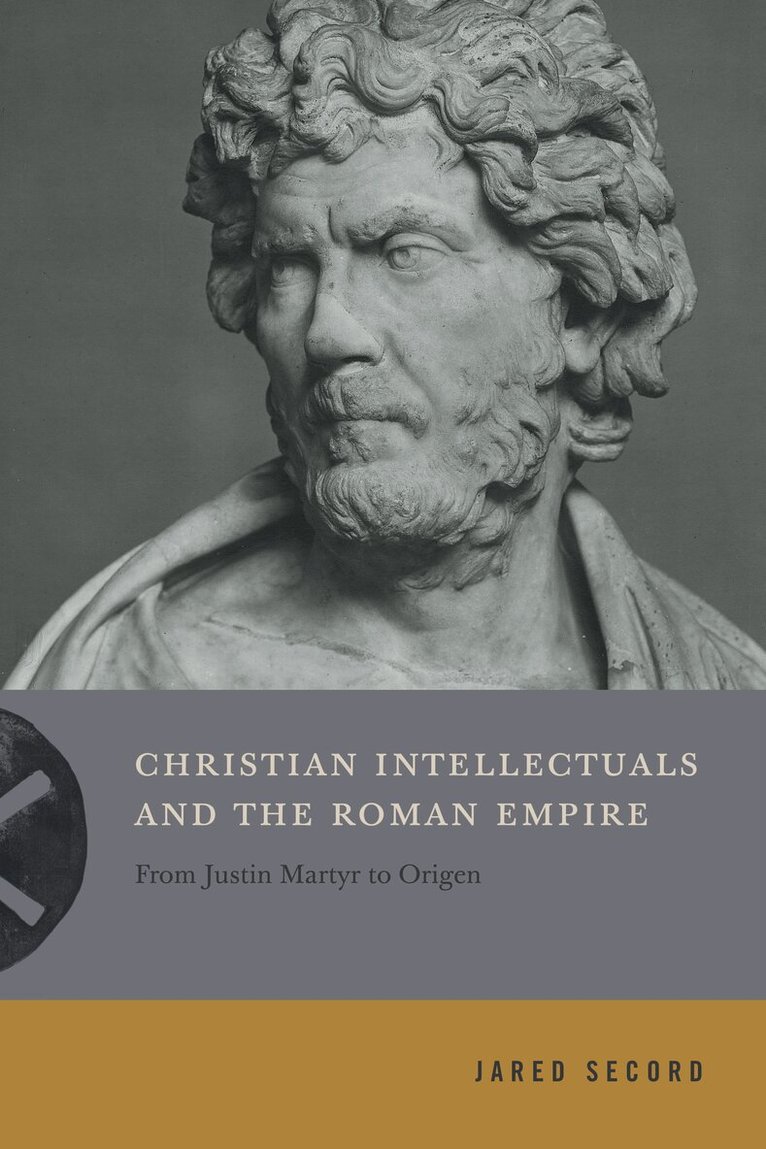
Christian Intellectuals and the Roman Empire
From Justin Martyr to Origen
Inbunden, Engelska, 2020
1 198 kr
Skickas inom 7-10 vardagar
Early in the third century, a small group of Greek Christians began to gain prominence and legitimacy as intellectuals in the Roman Empire. Examining the relationship that these thinkers had with the broader Roman intelligentsia, Jared Secord contends that the success of Christian intellectualism during this period had very little to do with Christianity itself.With the recognition that Christian authors were deeply engaged with the norms and realities of Roman intellectual culture, Secord examines the thought of a succession of Christian literati that includes Justin Martyr, Tatian, Julius Africanus, and Origen, comparing each to a diverse selection of his non-Christian contemporaries. Reassessing Justin’s apologetic works, Secord reveals Christian views on martyrdom to be less distinctive than previously believed. He shows that Tatian’s views on Greek culture informed his reception by Christians as a heretic. Finally, he suggests that the successes experienced by Africanus and Origen in the third century emerged as consequences not of any change in attitude toward Christianity by imperial authorities but of a larger shift in intellectual culture and imperial policies under the Severan dynasty. Original and erudite, this volume demonstrates how distorting the myopic focus on Christianity as a religion has been in previous attempts to explain the growth and success of the Christian movement. It will stimulate new research in the study of early Christianity, classical studies, and Roman history.
Del 2 - Inventing Christianity
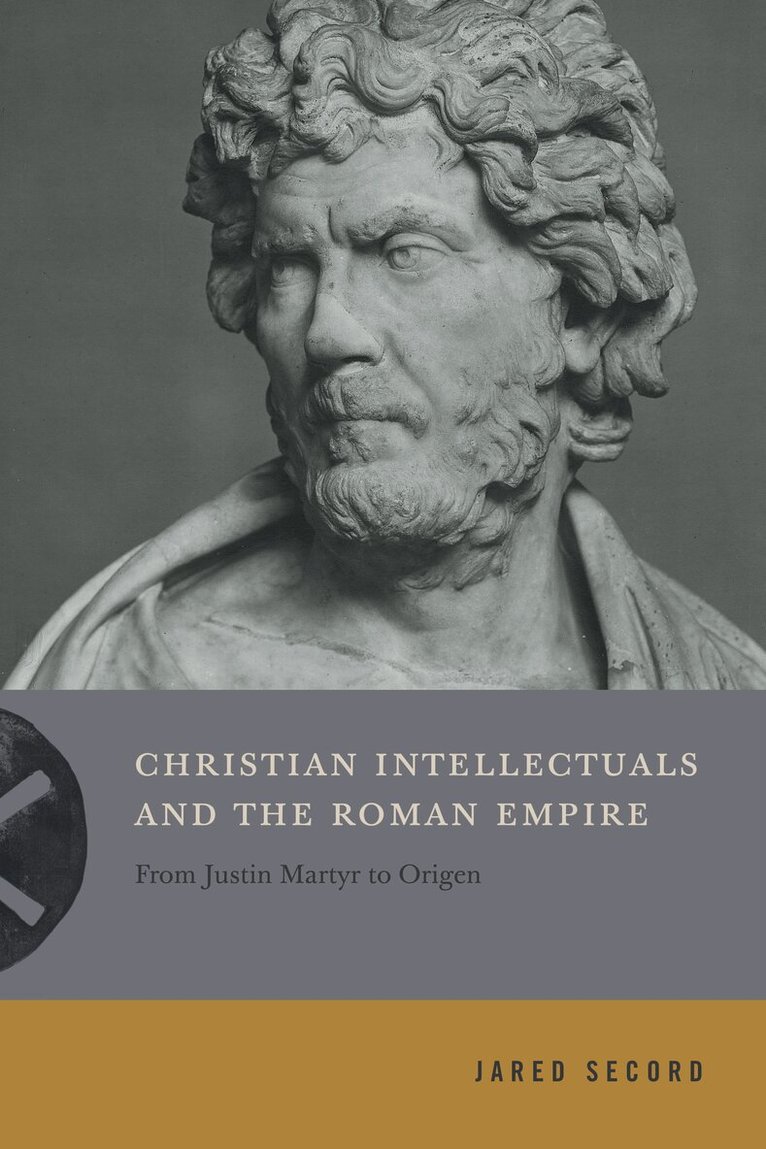
Christian Intellectuals and the Roman Empire
From Justin Martyr to Origen
Häftad, Engelska, 2022
344 kr
Skickas inom 7-10 vardagar
Early in the third century, a small group of Greek Christians began to gain prominence and legitimacy as intellectuals in the Roman Empire. Examining the relationship that these thinkers had with the broader Roman intelligentsia, Jared Secord contends that the success of Christian intellectualism during this period had very little to do with Christianity itself.With the recognition that Christian authors were deeply engaged with the norms and realities of Roman intellectual culture, Secord examines the thought of a succession of Christian literati that includes Justin Martyr, Tatian, Julius Africanus, and Origen, comparing each to a diverse selection of his non-Christian contemporaries. Reassessing Justin’s apologetic works, Secord reveals Christian views on martyrdom to be less distinctive than previously believed. He shows that Tatian’s views on Greek culture informed his reception by Christians as a heretic. Finally, he suggests that the successes experienced by Africanus and Origen in the third century emerged as consequences not of any change in attitude toward Christianity by imperial authorities but of a larger shift in intellectual culture and imperial policies under the Severan dynasty. Original and erudite, this volume demonstrates how distorting the myopic focus on Christianity as a religion has been in previous attempts to explain the growth and success of the Christian movement. It will stimulate new research in the study of early Christianity, classical studies, and Roman history.
Del 3 - Inventing Christianity
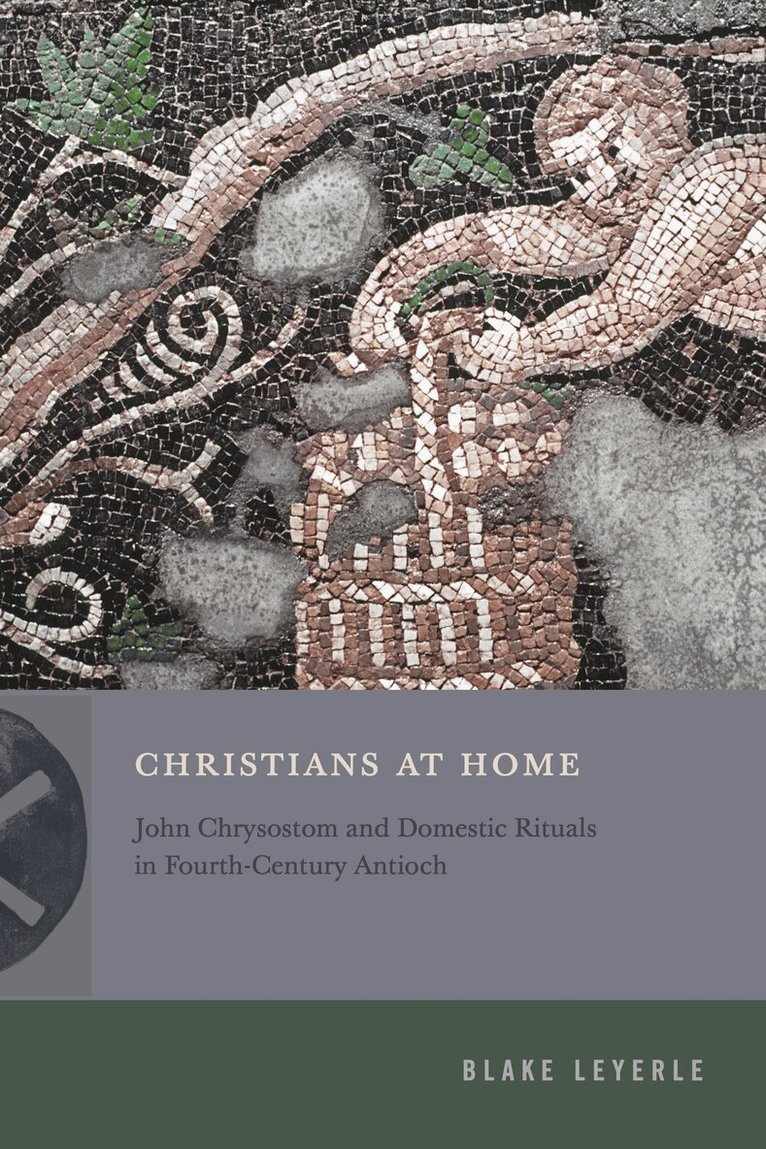
Christians at Home
John Chrysostom and Domestic Rituals in Fourth-Century Antioch
Inbunden, Engelska, 2024
1 061 kr
Skickas inom 7-10 vardagar
What did it mean for ordinary believers to live a Christian life in late antiquity? In Christians at Home, Blake Leyerle explores this question through the writings, teachings, and reception of John Chrysostom—a priest of Antioch who went on to become the bishop of Constantinople in AD 397.Through elaborate spatial and ritual recommendations, Chrysostom advised listeners to turn their houses into churches. Influenced by New Testament descriptions of the Pauline communities, he preached that prayer and chant, scriptural discussion and hospitality, and even domestic furnishings would have a transformational effect on a home’s inhabitants. But as Leyerle shows, Chrysostom’s lay listeners had different views. They were focused not on personal ethical change or on the afterlife but on the immediate, tangible needs of their households. They were committed to Christianity and defended the legitimacy of their views, even citing precedents from scripture in support of their practicesBy reading these perspectives on early Christian life through one another, Leyerle clarifies the points of disagreement between Chrysostom and his lay listeners and, at the same time, highlights their shared understanding. For both the preacher and his congregations, the household formed a vital ritual arena, and lived religion was necessarily rooted in practice. Elegantly written and convincingly argued, this study will appeal to scholars of theology, classics, and the history of Christianity in particular.
Del 3 - Inventing Christianity
Christians at Home
John Chrysostom and Domestic Rituals in Fourth-Century Antioch
Häftad, Engelska, 2026
359 kr
Kommande
What did it mean for ordinary believers to live a Christian life in late antiquity? In Christians at Home, Blake Leyerle explores this question through the writings, teachings, and reception of John Chrysostom—a priest of Antioch who went on to become the bishop of Constantinople in AD 397.Through elaborate spatial and ritual recommendations, Chrysostom advised listeners to turn their houses into churches. Influenced by New Testament descriptions of the Pauline communities, he preached that prayer and chant, scriptural discussion and hospitality, and even domestic furnishings would have a transformational effect on a home’s inhabitants. But as Leyerle shows, Chrysostom’s lay listeners had different views. They were focused not on personal ethical change or on the afterlife but on the immediate, tangible needs of their households. They were committed to Christianity and defended the legitimacy of their views, even citing precedents from scripture in support of their practicesBy reading these perspectives on early Christian life through one another, Leyerle clarifies the points of disagreement between Chrysostom and his lay listeners and, at the same time, highlights their shared understanding. For both the preacher and his congregations, the household formed a vital ritual arena, and lived religion was necessarily rooted in practice. Elegantly written and convincingly argued, this study will appeal to scholars of theology, classics, and the history of Christianity in particular.
Del 4 - Inventing Christianity
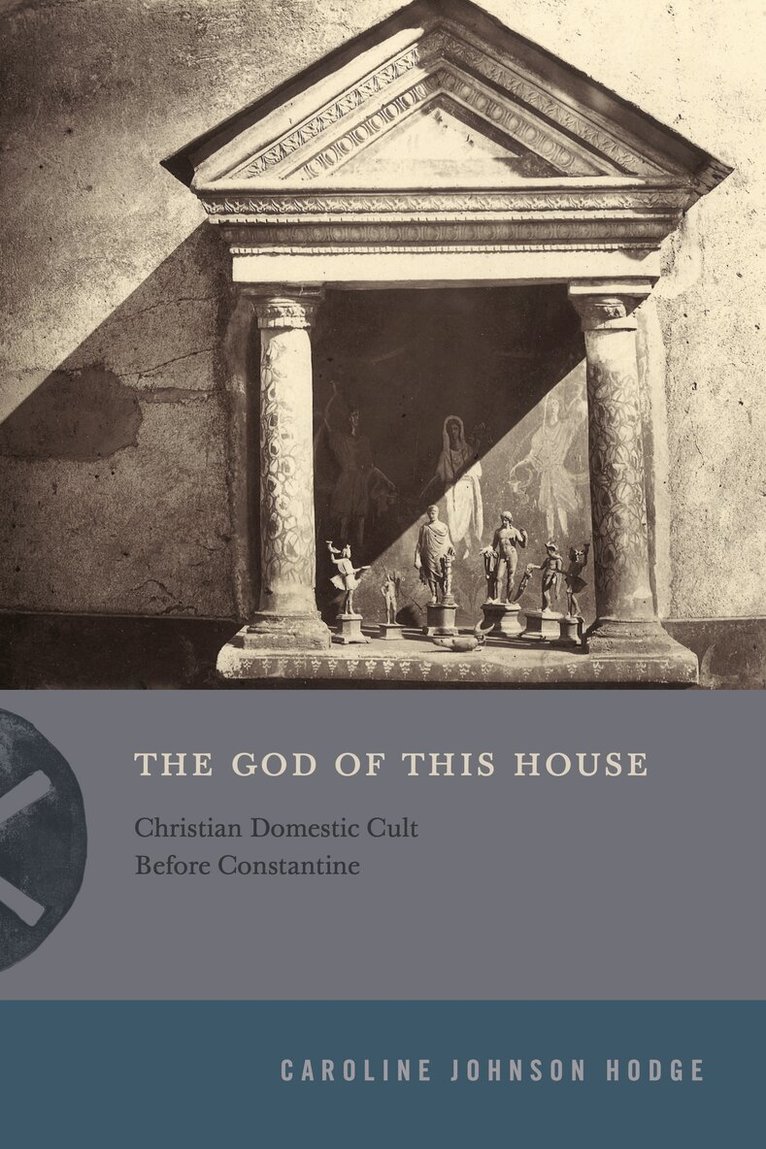
God of This House
Christian Domestic Cult Before Constantine
Inbunden, Engelska, 2025
1 118 kr
Skickas
Christianity is often thought of as a tradition of belief, interpretation, teachings, and texts. However, a scholarly focus on ideas overlooks how early Christian doctrine interacted with social exchanges in lay spaces. Author Caroline Johnson Hodge fills this gap, shifting our attention from liturgical settings to religion as it was lived outside the prescriptions of congregations. Through a careful reading of the material record alongside print sources, Johnson Hodge shows that in the first through the early fourth centuries, Christians developed household rituals akin to traditional domestic cult practices around the Roman Empire, and this continuity contributed to the success of the new cult in the Roman world. Rather than a well-organized, universal domestic cult, Johnson Hodge finds that practices were flexible and varied, ranging widely from established household observances to unauthorized rituals, gravesite venerations, and the unpatrolled movements of women and slaves. Just as important as the official representations were the small gestures at hearths and doorways, the myriad ways in which followers of Christ incorporated their divine beings into the rituals of their households, shops, and tombs.In bringing the lived-religion approach to bear on this formative period, Johnson Hodge’s study offers a fascinating portrait of a very “pagan” world within ancient Christianity. This book will be especially valuable to religious studies scholars and others interested in the origins of Christianity.
Del 5 - Inventing Christianity
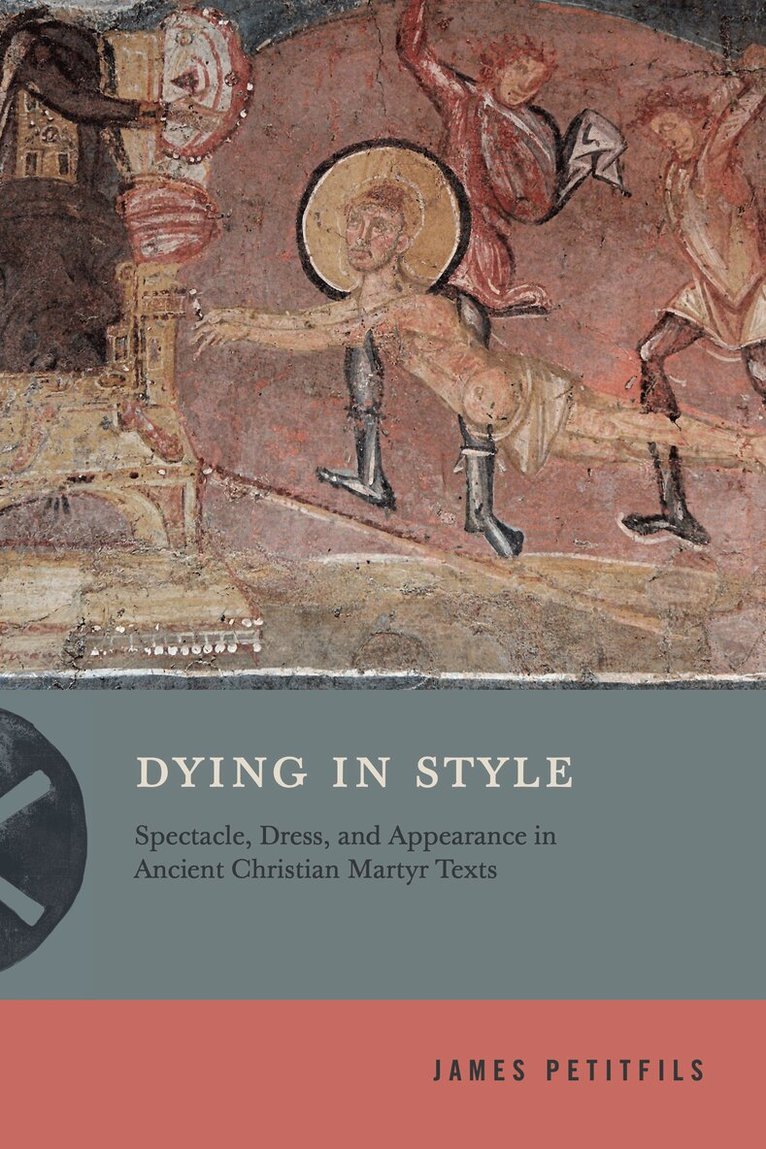
Dying in Style
Spectacle, Dress, and Appearance in Ancient Christian Martyr Texts
Inbunden, Engelska, 2026
1 689 kr
Kommande
In the second and third centuries, Christian martyr narratives were written to evoke spectacle. In Dying in Style, James Petitfils demonstrates how these accounts transform scenes of suffering into displays that assert the dignity and ethical distinction of Christians during a time of widespread belittlement and persecution.Attending to physicality, clothing, gestures, and facial expressions, Petitfils reads early Christian martyrdom accounts as performative literature crafted for largely illiterate audiences steeped in Roman spectacle culture. Through close readings of the Passion of Perpetua and Felicitas and other martyrdom narratives from the second and third centuries, Petitfils demonstrates how Christian viewers were invited to perceive martyrs not as low-status criminals but as aristocratic figures whose beauty and honor mirrored the imperial elite. Ultimately, Dying in Style reveals that Christian resistance to Roman power did not discard the empire’s visual hierarchies but rather appropriated them to subversive ends. By situating early Christian literature within the “visual turn” of socio-cultural studies, Dying in Style unpacks the profound influence of Roman spectacle on the martyr’s story. This book will be a vital resource for students and scholars of early Christianity, Roman social history, sensory history, and martyrdom studies.
Del 5 - Inventing Christianity
Dying in Style
Spectacle, Dress, and Appearance in Ancient Christian Martyr Texts
Häftad, Engelska, 2026
563 kr
Kommande
In the second and third centuries, Christian martyr narratives were written to evoke spectacle. In Dying in Style, James Petitfils demonstrates how these accounts transform scenes of suffering into displays that assert the dignity and ethical distinction of Christians during a time of widespread belittlement and persecution.Attending to physicality, clothing, gestures, and facial expressions, Petitfils reads early Christian martyrdom accounts as performative literature crafted for largely illiterate audiences steeped in Roman spectacle culture. Through close readings of the Passion of Perpetua and Felicitas and other martyrdom narratives from the second and third centuries, Petitfils demonstrates how Christian viewers were invited to perceive martyrs not as low-status criminals but as aristocratic figures whose beauty and honor mirrored the imperial elite. Ultimately, Dying in Style reveals that Christian resistance to Roman power did not discard the empire’s visual hierarchies but rather appropriated them to subversive ends. By situating early Christian literature within the “visual turn” of socio-cultural studies, Dying in Style unpacks the profound influence of Roman spectacle on the martyr’s story. This book will be a vital resource for students and scholars of early Christianity, Roman social history, sensory history, and martyrdom studies.