Irvine Studies in the Humanities – serie
Visar alla böcker i serien Irvine Studies in the Humanities. Handla med fri frakt och snabb leverans.
9 produkter
Culture of Autobiography
Constructions of Self-Representation
Inbunden, 1993
1567 kr
Lägg i varukorg
A Stanford University Press classic.
Culture of Autobiography
Constructions of Self-Representation
Häftad, 1993
379 kr
Lägg i varukorg
A Stanford University Press classic.
Aims of Representation
Subject/Text/History
Häftad, 1993
442 kr
Lägg i varukorg
First published in 1987, this rich variety of essays confronts the changes in theories of the text and textuality that have seen a shift in focus from the author as a controlling agent to the scene of writing itself and the historical forces that produce that scene.
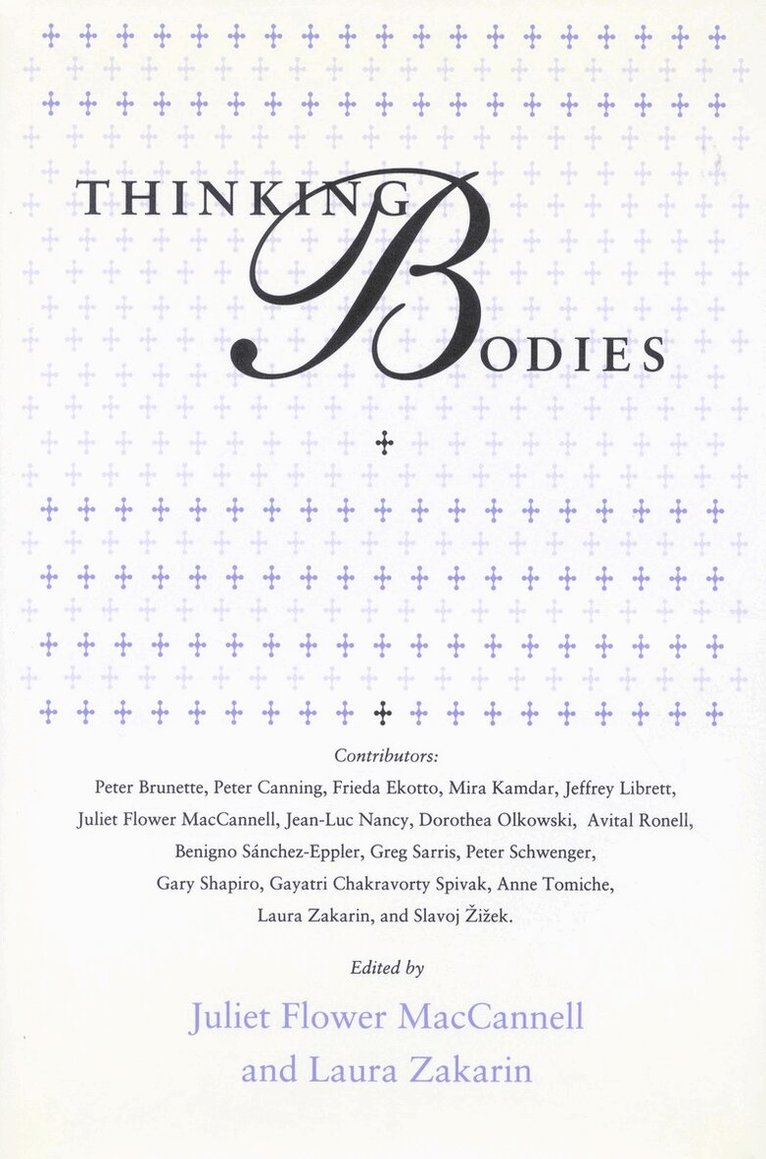
Thinking Bodies
Av Juliet Flower MacCannell, Laura Zakarin
Häftad, 1994
442 kr
Lägg i varukorg
A Stanford University Press classic.
Thinking Bodies
Av Juliet Flower MacCannell, Laura Zakarin
Inbunden, 1994
1826 kr
Lägg i varukorg
A Stanford University Press classic.
Languages of the Unsayable
The Play of Negativity in Literature and Literary Theory
Av Sanford Budick, Wolfgang Iser
Häftad, 1987
474 kr
Lägg i varukorg
The articulation of the unsayable, of negativity—that which has been excluded by what is sayable—is one of the most important areas of contemporary humanistic study. This volume brings together fifteen outstanding literary theorists and philosophers to examine ways to make the unsayable tangible.
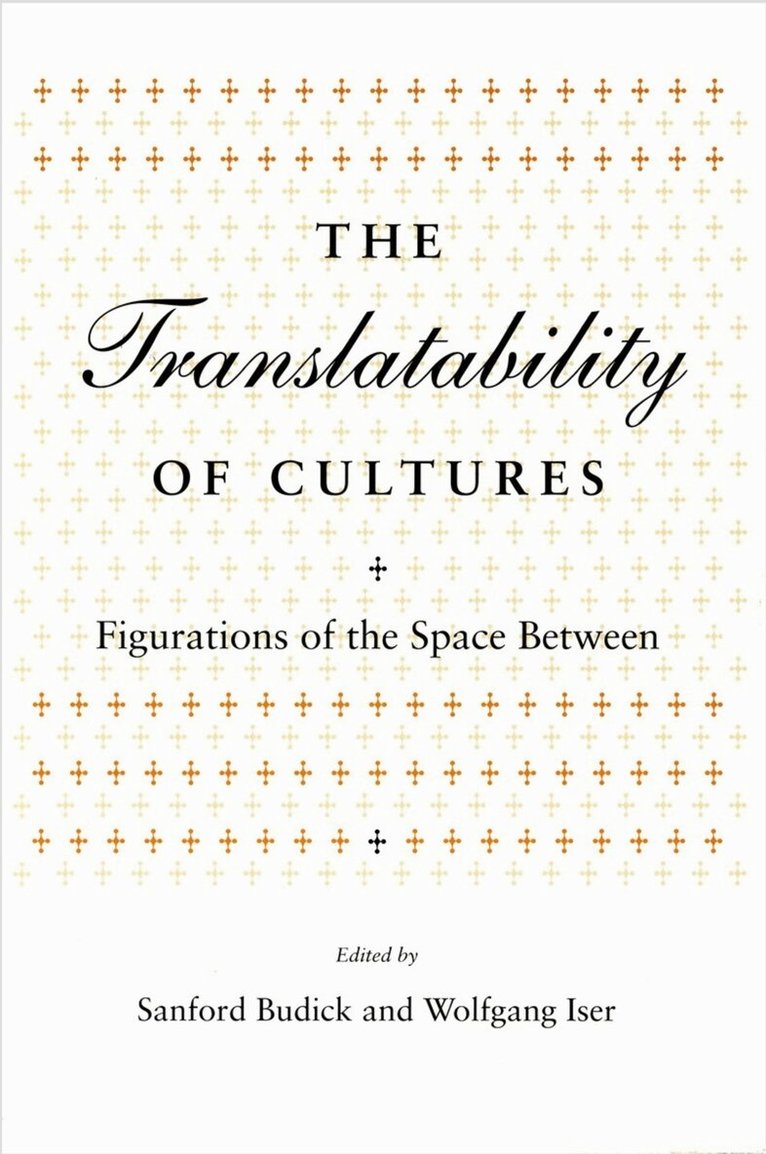
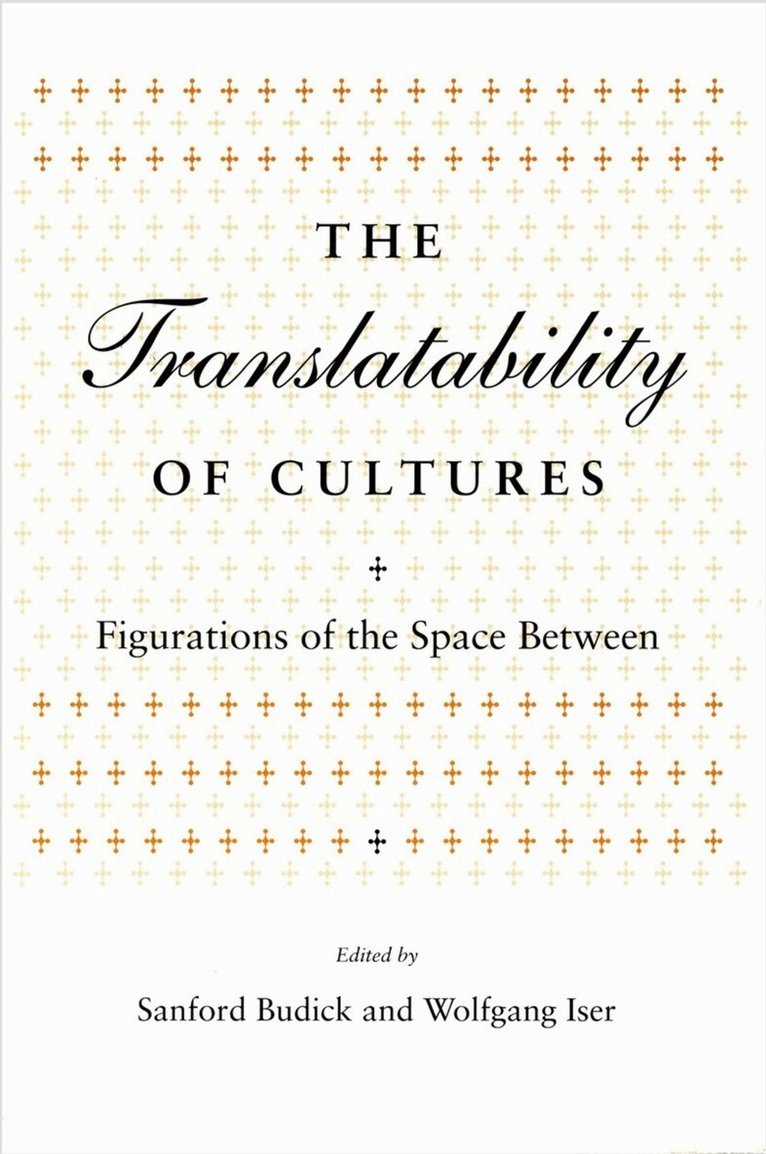
Translatability of Cultures
Figurations of the Space Between
Av Sanford Budick, Wolfgang Iser
Inbunden, 1996
1809 kr
Lägg i varukorg
A Stanford University Press classic.
Translatability of Cultures
Figurations of the Space Between
Av Sanford Budick, Wolfgang Iser
Häftad, 1996
442 kr
Lägg i varukorg
A Stanford University Press classic.
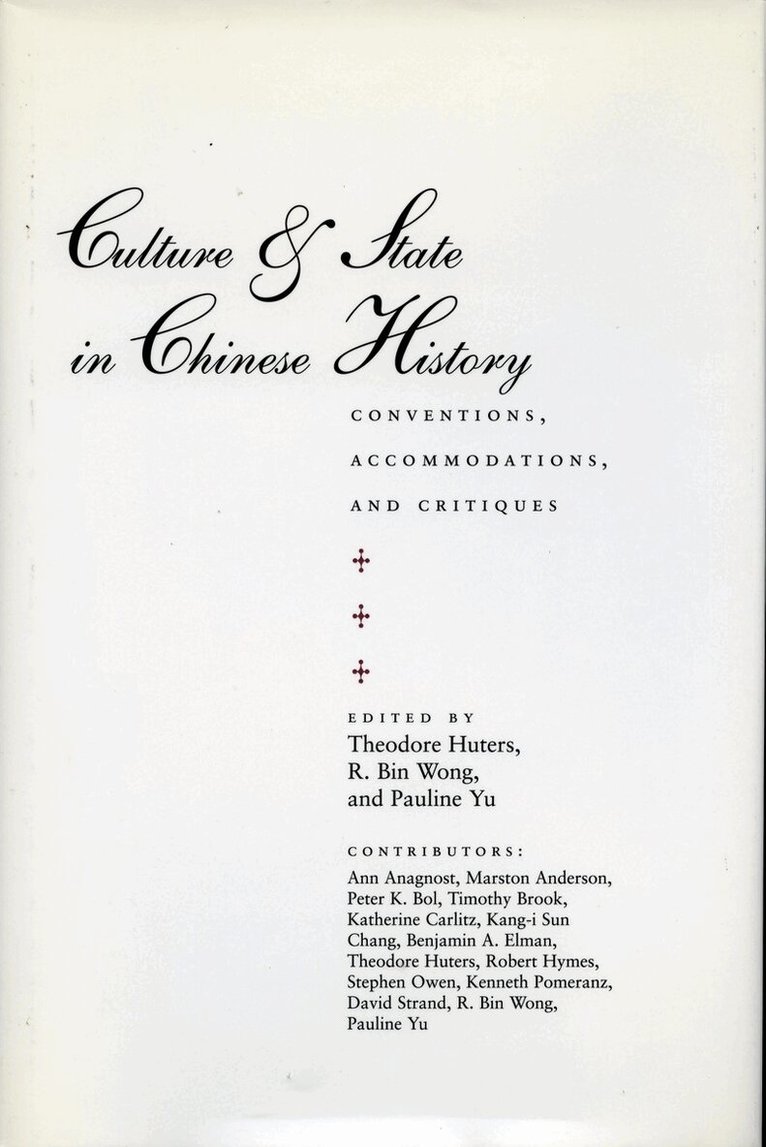
Culture and State in Chinese History
Conventions, Accommodations, and Critiques
Av Theodore Huters, R. Bin Wong m. fl.
Inbunden, 1997
1159 kr
Lägg i varukorg
Many observers of late imperial China have noted the relatively small size of the state in comparison to the geographic size and large population of China and have advanced various theories to account for the ability of the state to maintain itself in power. One of the more enduring explanations …