Jewish Latin America Series – serie
Visar alla böcker i serien Jewish Latin America Series. Handla med fri frakt och snabb leverans.
6 produkter
6 produkter
235 kr
Skickas inom 5-8 vardagar
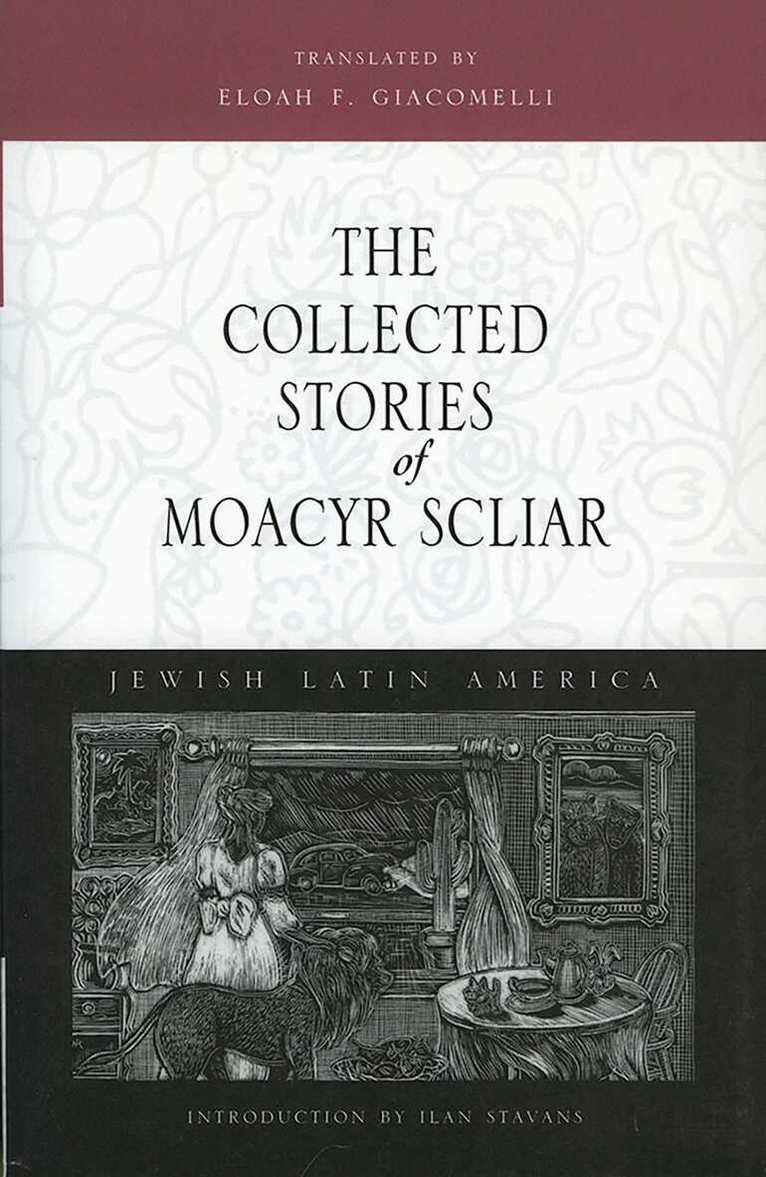
From Brazil's most distinguished and important Jewish writer comes this anthology comprised of six collections: in The Carnival of the Animals, Scliar uses political allegory to convey what was normally censored during the height of repression under Brazil's military regime. These tragicomic stories reveal Scliar's interest in issues of oppression, persecution, holocaust, mutability, and the interplay between good and evil. The Ballad of the False Messiah develops the theme of postponement in the sense that for Jews redemption is always postponed in a vain wait for the Messiah. In The Tremulous Earth Scliar explores cruelty and violence in the tenuous lives of his characters, but his experience as a medical doctor informs his compassion for human frailty. Scliar expands his use of fantasy and magical realism in The Dwarf in the Television Set in topics that range from Jewish prophets to marital revenge. The Enigmatic Eye has been described as a masterpiece evoking the enigmas of art and life, and in Van Gogh's Ear, Scliar uses dark and subtle humor in a collection of biblical parables. Here witchcraft, magic, conundrums, and labyrinths are shown to be part of everyday life. A final autobiographical piece ties the collections together in which Scliar discusses his membership in Jewish, medical, gaucho, and Brazilian ""tribes.""These powerful stories, individually humorous, bleak, or haunting, together bring a compelling voice of the Jewish Diaspora to the wide readership it deserves.
419 kr
Skickas inom 3-6 vardagar
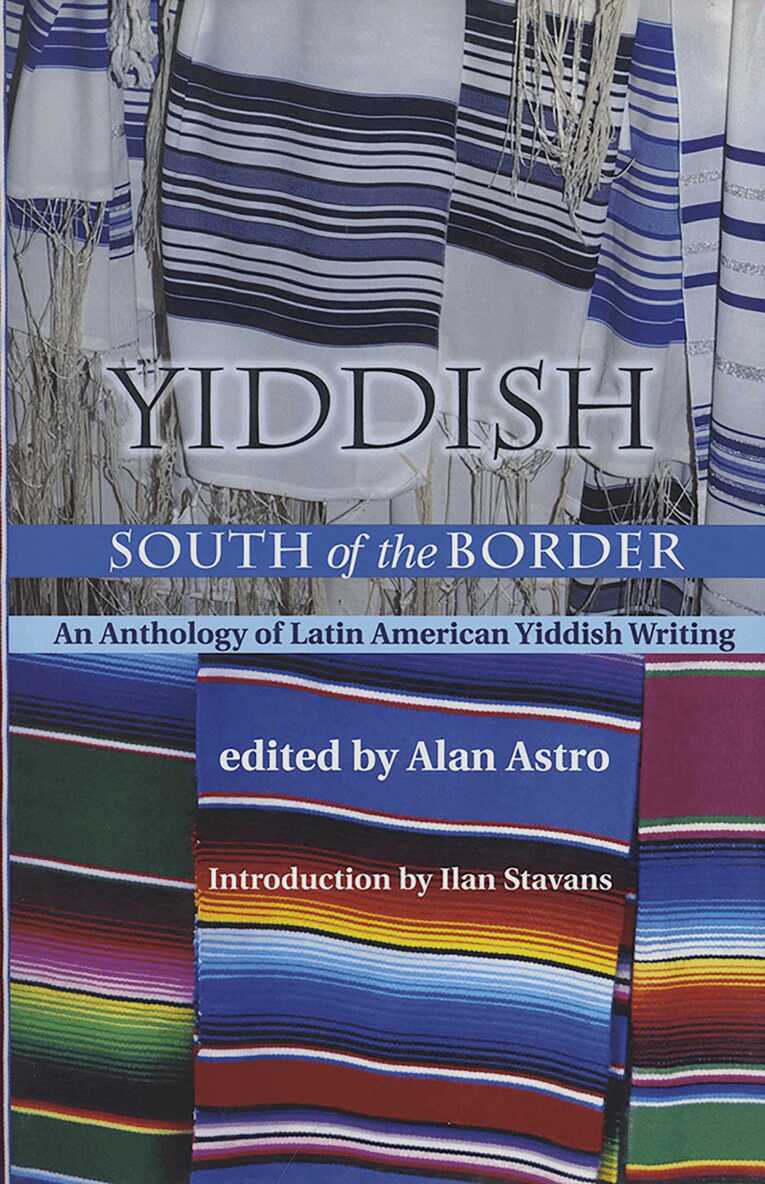
Alan Astro has compiled the first anthology of Latin American Yiddish writings translated into English. Included are works of fiction, poetry, and nonfiction from Argentina, Brazil, Chile, Mexico, Uruguay, and Cuba, with one brief memoir by a Russian rabbi who arrived in San Antonio, Texas, in 1910.Literature has always served as a refuge for Yiddish speakers, and the Yiddish literature of Latin America reflects the writers' assertions of their political rights. Stories depicting working-class life in Buenos Aires are reminiscent of the work of New York writers like Abraham Cahan (founder of Jewish Daily Forward) or Henry Roth (author of Call It Sleep).In Latin America, Ashkenazic immigrants--Jews from France, Germany, and Eastern Europe--explore their possible links to the Crypto Jews who came to the New World to escape the Inquisition. Yiddish South of the Border features these themes of identity that permeate this literature and so much more.
329 kr
Skickas inom 5-8 vardagar
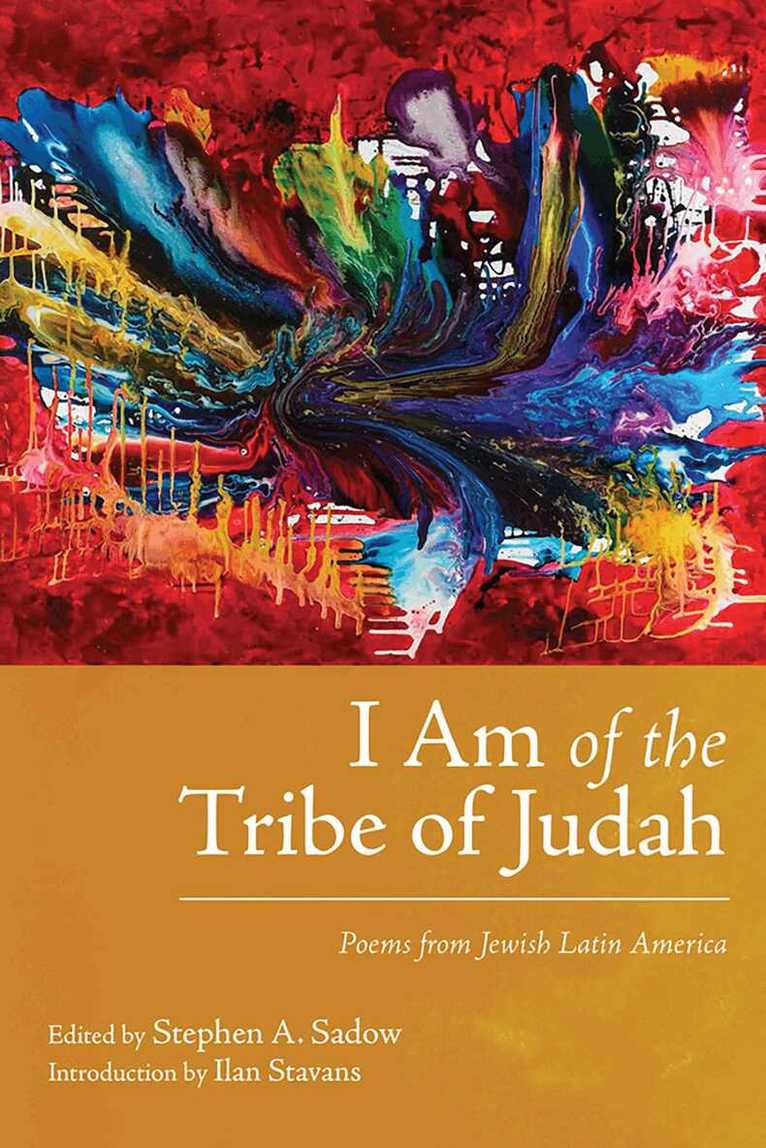
The first anthology of its kind, I Am of the Tribe of Judah: Poems from Jewish Latin America brings together poetry from the Mexican border to the tip of South America. Originally written in Spanish, Portuguese, Yiddish, Ladino, Castidish, and Hebrew, these poems have been translated into English, many for the first time, by a group of prize-winning translators.This multilingual collection looks at the tradition across more than five hundred years, featuring poems that exalt being Jewish, whether Ashkenazi or Sephardic, and poems that express humor and satire. Included are poems in response to anti-Semitism and poems of exile, of protest, and of the Holocaust. There are wondrous poems on mysticism and Kabbalah.The book includes an insightful introduction and historical background by world-renowned literary and social critic Ilan Stavans, professor at Amherst College.
361 kr
Skickas inom 3-6 vardagar
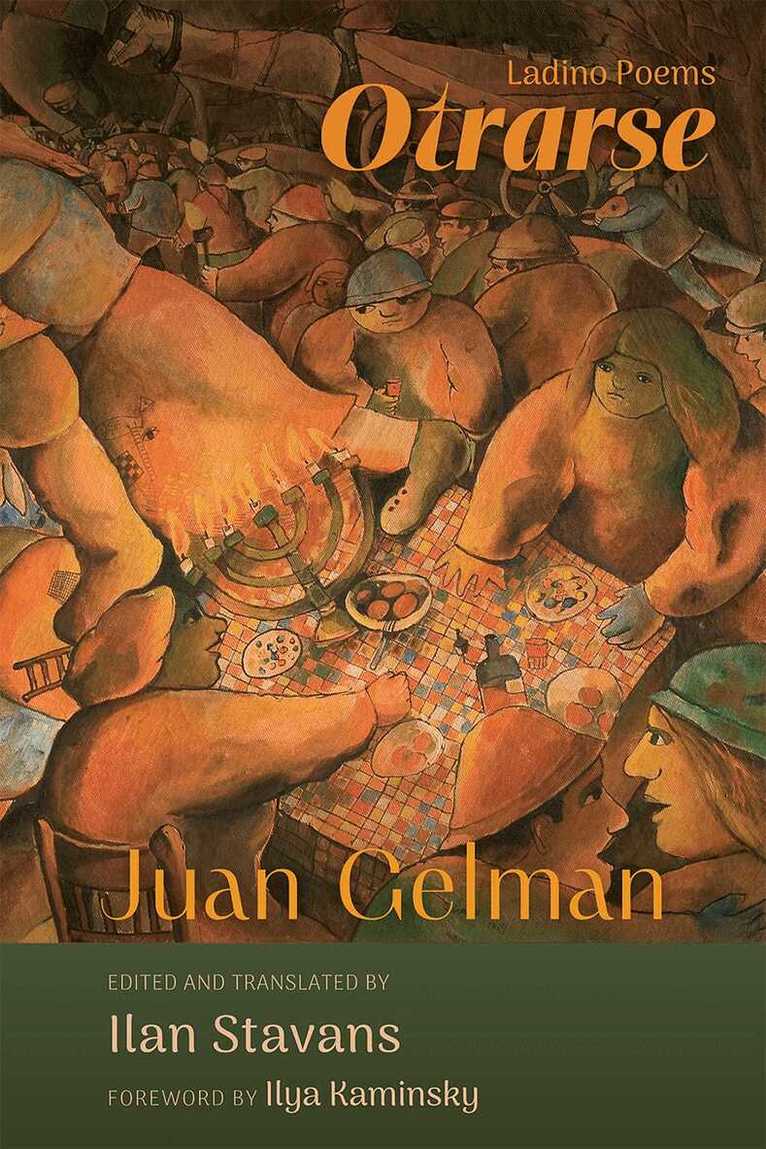
One of Latin American's most important poets of the twentieth century, Juan Gelman (1930-2014 spent much of his life in exile from his native Argentina during the Dirty War. A significant, seldom-acknowledged portion of Gelman's poetry dealt with Jewish themes. He established a dialogue across time with Santa Teresa de Ávila and San Juan de la Cruz, the sixteenth-century Spanish mystical poets whose ancestry was Jewish. He rewrote poetic portions of the Bible as well as medieval Hebrew poetry. Gelman even taught himself Ladino, the language of Sephardic Jews, and wrote a volume of poems in it.In this bilingual volume, celebrated scholar Ilan Stavans retraces Gelman's admiration for these poetic ancestors, translating into English his Jewish oeuvre by carefully maintaining the Hebrew, Spanish, and Ladino echoes of the originals. The result is at once historically accurate and artistically exhilarating, repositioning Gelman as a major Jewish writer of the last century.
282 kr
Skickas inom 3-6 vardagar
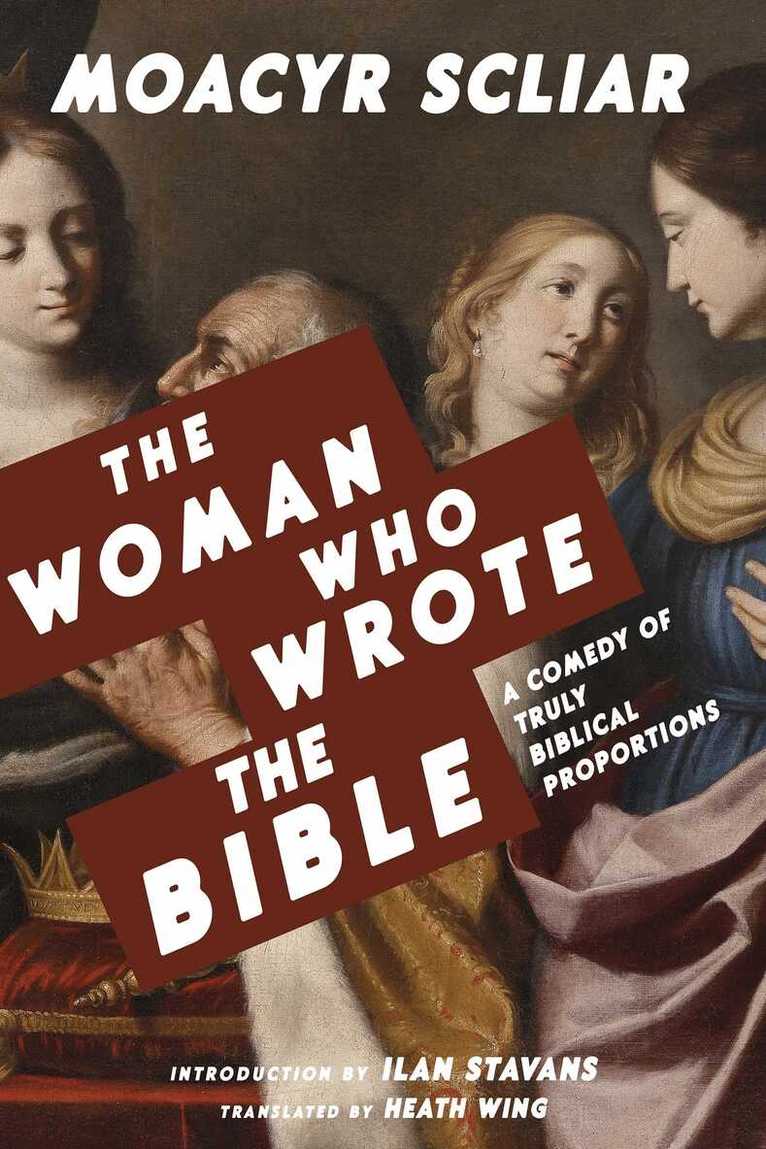
The bestselling Brazilian satire, now available in English for the first time.Moacyr Scliar was the preeminent literary voice of the Jewish immigrant experience in modern Brazil. Now his most ambitiously satirical and irreverent novel is at last translated into English, offering not just a significant contribution to Latin American and Jewish literature but to world literature as well.In a past-life therapy session, a mysterious woman makes a remarkable breakthrough when she discovers that in a previous life she was one of King Solomon’s seven hundred wives. In language that hilariously mixes modern jargon and biblical diction, she sets out to tell the story of her earlier incarnation three thousand years in the past, revealing how she went from a provincial nobody to a queen.Yet being royalty isn’t all it’s cracked up to be. As the least desirable of King Solomon’s wives and concubines, she is unceremoniously discarded and forgotten in his harem. But as luck would have it, she possesses a unique gift: she is a woman who knows how to read and write. Once her talent is discovered, King Solomon charges her with writing what will become one of the most important texts in human history. Along the way our nameless narrator leverages her newfound status as royal scribe to bring about her own secret agenda.A brilliant feminist critique skewering the absurdities of patriarchy, The Woman Who Wrote the Bible is a comic masterpiece of truly biblical proportions.
210 kr
Kommande
Golems and dybbuks and Nazis, oh my! Jacques Fux, Brazil’s answer to Philip Roth, offers a remarkably original and entertaining work of autofiction that is essential reading for those interested in the Jewish experience in Latin America. Winner of Brazil’s prestigious São Paulo Prize, Jacques Fux’s brilliant literary debut novel unveils an outrageously entertaining Portrait of the Artist as a Young Schlemiel. Antitherapies relates the life journey of a young Jewish man coming of age in Belo Horizonte, Brazil, from his sensitive childhood and the primal indignation of circumcision, through awkward adolescence, and up to early adulthood and his decision to become a writer. Its peevish protagonist sees Jewishness in general as a festive carnival of irritations. The sources of his joy as well as his misery include his mother’s overbearing love; the Nazis, who never really left the stage after their defeat in 1945; his absurdly high IQ; and his grappling with the perpetual tension between cultural assimilation and the preservation of his Jewish identity and heritage. Told through twenty-one playful “anti-therapeutic” sessions, the narrator summons myriad remembrances of things past, chronicling how he carefully considered and then ultimately rejected an assortment of possible life paths: astrophysicist, delinquent, clairvoyant, forger, hairdresser, logician, charlatan, and mathematician, among others. Fux masterfully integrates poetry, humor, magical realism, and a host of literary allusions—including Borges, Pessoa, Joyce, Primo Levi, Georges Perec, and Phillip Roth—to create a delightfully rich and original work of autofiction.