Kaupang Excavation Project Publication Series – serie
Visar alla böcker i serien Kaupang Excavation Project Publication Series. Handla med fri frakt och snabb leverans.
2 produkter
2 produkter
577 kr
Skickas inom 7-10 vardagar
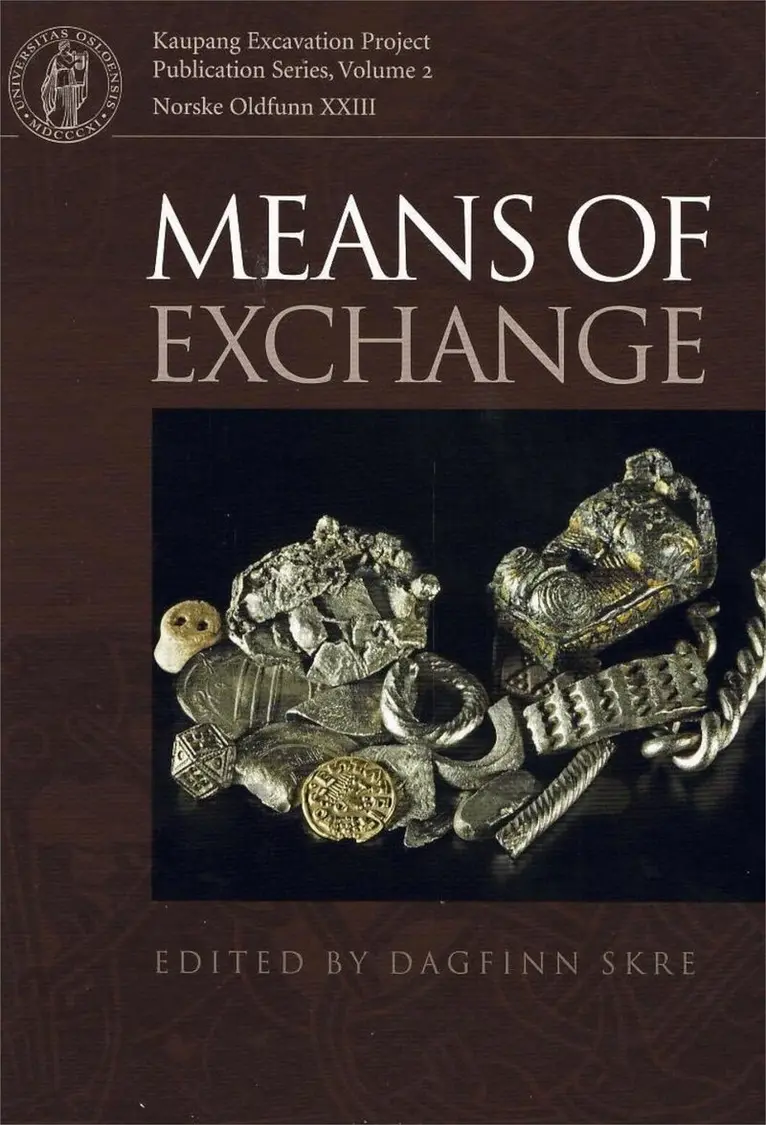
This second volume on the excavations of the Norwegian Viking town Kaupang 2000-2003 presents find types used in economic transactions - coins, hacksilver, ingots, weights and balances. Changes in type and volume of economic transactions at Kaupang and in Scandinavia are discussed, and the economic mentality of Viking crafts- and tradesmen is explored. In the early ninth century, silver and goods seem to have come to Kaupang mainly from the Carolinigian world. After the mid-ninth century this early system was altered. The increased availability of silver and the introduction in most of Scandinavia in the 860s-870s of standardized weights, paved the way for an increased use of silver as payment. The combined study of the find types and the sophisticated chronology of settlements' finds from sites like Kaupang give completely new insight into economy and exchange. The book demonstrates how sites like Kaupang led the way in economic development in Scandinavia and promoted an economic mentality that eventually led to the fundamental transformation of Scandinavian culture and society and culminated in the region's integration in High Middle Ages Christian Europe.
659 kr
Skickas inom 7-10 vardagar
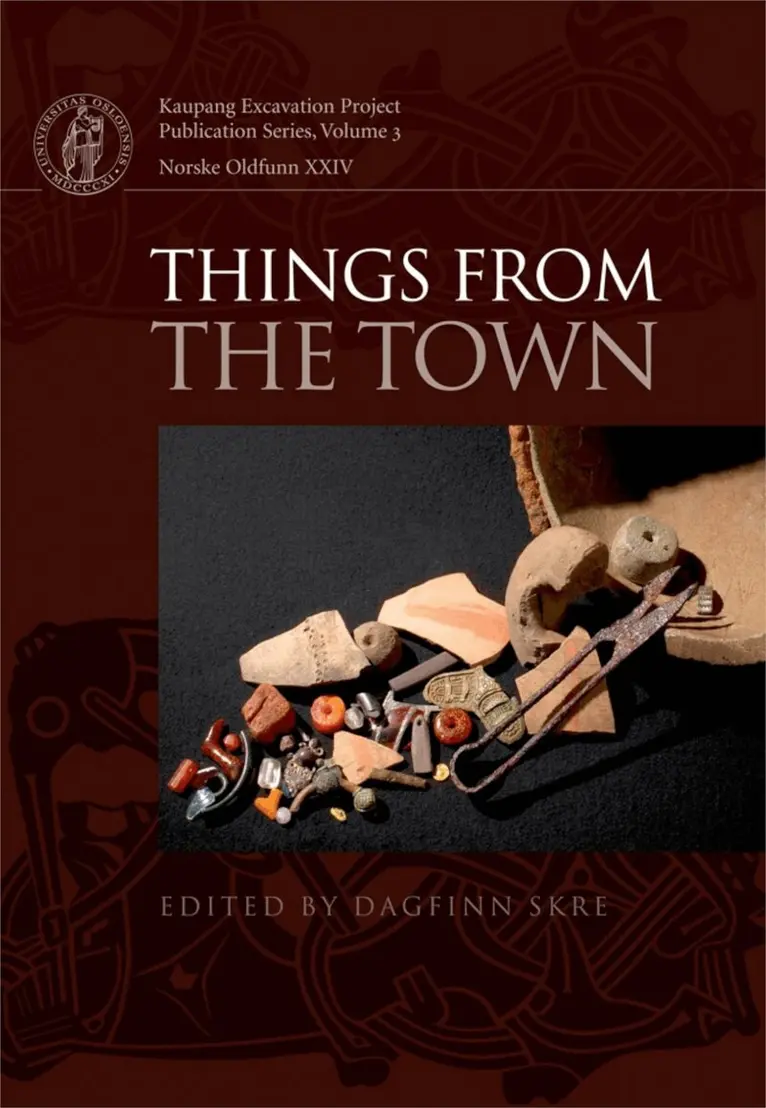
In this third volume deriving from the excavations of the Viking town of Kaupang of 2000-2003, a range of artefacts is presented along with a discussion of the town's inhabitants: their origins, activities and trading connexions. The main categories of artefact are metal jewellery and ornaments, gemstones, vessel glass, pottery, finds of soapstone, whetstones and textile-production equipment. The artefacts are described and dated, and their areas of origin discussed. The volume is lavishly illustrated. An exceptional wealth and diversity of artefacts distinguishes sites such as Kaupang from all other types of site in the Viking World. Above all, they reflect the fact that a large population of some 400-600 people lived closely together in the town, engaged in a comprehensive range of production and trade. The stratigraphically distinct layers from the first half of the 9th century allow us to put precise dates to the finds, and to the buildings and evidence of activities associated with them.