Key Themes in Ancient Philosophy - Böcker
Visar alla böcker i serien Key Themes in Ancient Philosophy. Handla med fri frakt och snabb leverans.
8 produkter
8 produkter
360 kr
Skickas inom 7-10 vardagar
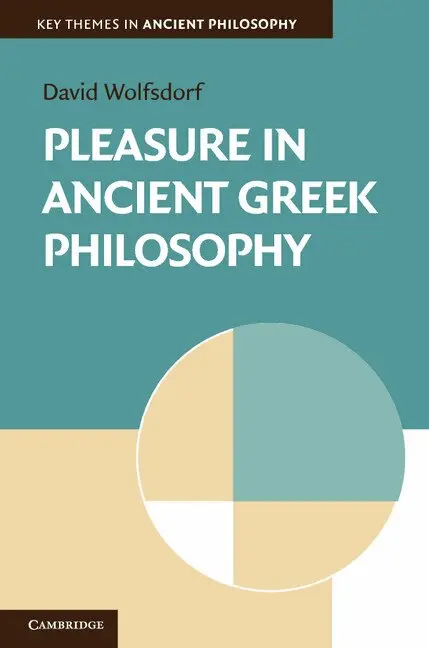
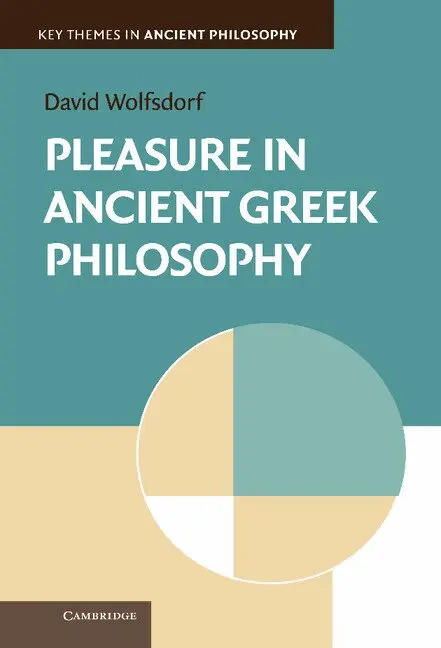
The Key Themes in Ancient Philosophy series provides concise books, written by major scholars and accessible to non-specialists, on important themes in ancient philosophy that remain of philosophical interest today. In this volume Professor Wolfsdorf undertakes the first exploration of ancient Greek philosophical conceptions of pleasure in relation to contemporary conceptions. He provides broad coverage of the ancient material, from pre-Platonic to Old Stoic treatments; and, in the contemporary period, from World War II to the present. Examination of the nature of pleasure in ancient philosophy largely occurred within ethical contexts but in the contemporary period has, to a greater extent, been pursued within philosophy of mind and psychology. This divergence reflects the dominant philosophical preoccupations of the times. But Professor Wolfsdorf argues that the various treatments are complementary. Indeed, the Greeks' examinations of pleasure were incisive and their debates vigorous, and their results have enduring value for contemporary discussion.
312 kr
Skickas inom 7-10 vardagar
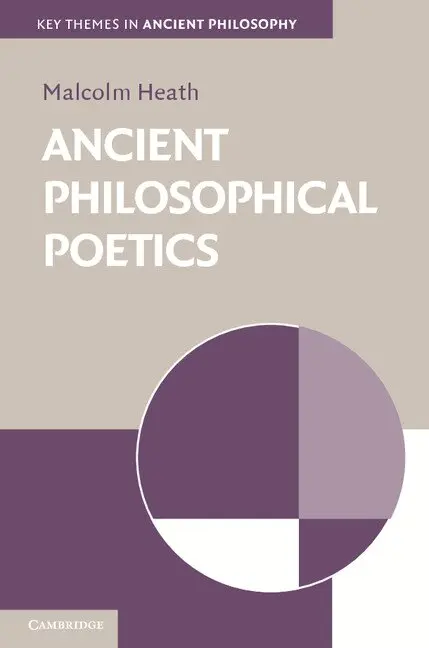
What is poetry? Why do human beings produce and consume it? What effects does it have on them? Can it give them insight into truth, or is it dangerously misleading? This book is a wide-ranging study of the very varied answers which ancient philosophers gave to such questions. An extended discussion of Plato's Republic shows how the two discussions of poetry are integrated with each other and with the dialogue's central themes. Aristotle's Poetics is read in the context of his understanding of poetry as a natural human behaviour and an intrinsically valuable component of a good human life. Two chapters trace the development of the later Platonist tradition from Plutarch to Plotinus, Longinus and Porphyry, exploring its intellectual debts to Epicurean, allegorical and Stoic approaches to poetry. It will be essential reading for classicists as well as ancient philosophers and modern philosophers of art and aesthetics.
1 144 kr
Skickas inom 7-10 vardagar
What is poetry? Why do human beings produce and consume it? What effects does it have on them? Can it give them insight into truth, or is it dangerously misleading? This book is a wide-ranging study of the very varied answers which ancient philosophers gave to such questions. An extended discussion of Plato's Republic shows how the two discussions of poetry are integrated with each other and with the dialogue's central themes. Aristotle's Poetics is read in the context of his understanding of poetry as a natural human behaviour and an intrinsically valuable component of a good human life. Two chapters trace the development of the later Platonist tradition from Plutarch to Plotinus, Longinus and Porphyry, exploring its intellectual debts to Epicurean, allegorical and Stoic approaches to poetry. It will be essential reading for classicists as well as ancient philosophers and modern philosophers of art and aesthetics.
347 kr
Skickas inom 7-10 vardagar
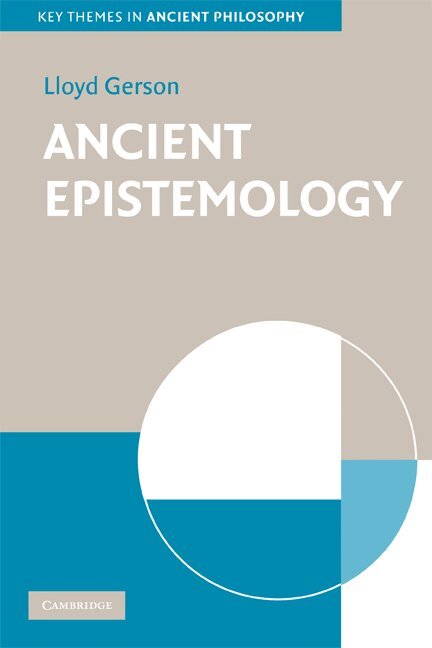
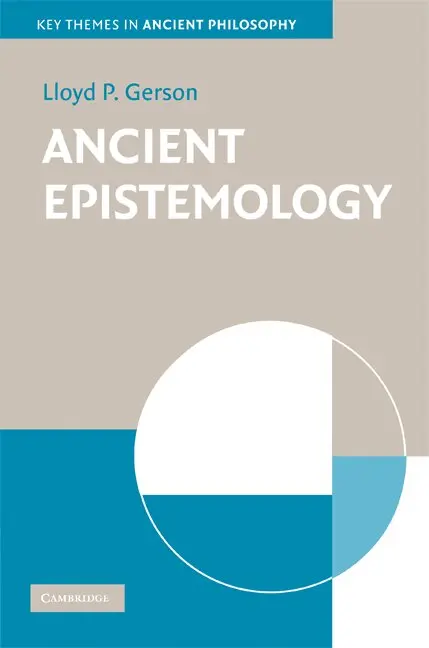
This is the first title in the Key Themes in Ancient Philosophy series, which provides concise books, written by major scholars and accessible to non-specialists, on important themes in ancient philosophy which remain of philosophical interest today. In this book, Professor Gerson explores ancient accounts of the nature of knowledge and belief from the Presocratics up to the Platonists of late antiquity. He argues that ancient philosophers generally held a naturalistic view of knowledge as well as of belief. Hence, knowledge was not viewed as a stipulated or semantically determined type of belief but was rather a real or objectively determinable achievement. In fact, its attainment was identical with the highest possible cognitive achievement, namely wisdom. It was this naturalistic view of knowledge at which the ancient Skeptics took aim. The book concludes by comparing the ancient naturalistic epistemology with some contemporary versions.
665 kr
Skickas inom 7-10 vardagar
The Key Themes in Ancient Philosophy series provides concise books, written by major scholars and accessible to non-specialists, on important themes in ancient philosophy that remain of philosophical interest today. In this volume Professor Wolfsdorf undertakes the first exploration of ancient Greek philosophical conceptions of pleasure in relation to contemporary conceptions. He provides broad coverage of the ancient material, from pre-Platonic to Old Stoic treatments; and, in the contemporary period, from World War II to the present. Examination of the nature of pleasure in ancient philosophy largely occurred within ethical contexts but in the contemporary period has, to a greater extent, been pursued within philosophy of mind and psychology. This divergence reflects the dominant philosophical preoccupations of the times. But Professor Wolfsdorf argues that the various treatments are complementary. Indeed, the Greeks' examinations of pleasure were incisive and their debates vigorous, and their results have enduring value for contemporary discussion.
1 034 kr
Skickas inom 7-10 vardagar
This is the first title in the Key Themes in Ancient Philosophy series, which provides concise books, written by major scholars and accessible to non-specialists, on important themes in ancient philosophy which remain of philosophical interest today. In this book, Professor Gerson explores ancient accounts of the nature of knowledge and belief from the Presocratics up to the Platonists of late antiquity. He argues that ancient philosophers generally held a naturalistic view of knowledge as well as of belief. Hence, knowledge was not viewed as a stipulated or semantically determined type of belief but was rather a real or objectively determinable achievement. In fact, its attainment was identical with the highest possible cognitive achievement, namely wisdom. It was this naturalistic view of knowledge at which the ancient Skeptics took aim. The book concludes by comparing the ancient naturalistic epistemology with some contemporary versions.
1 139 kr
Skickas inom 7-10 vardagar
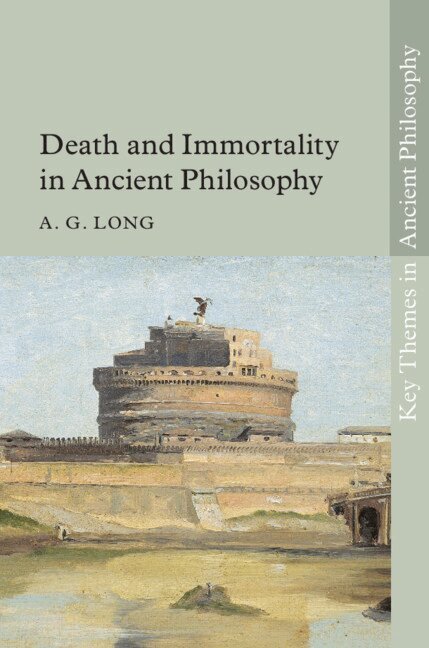
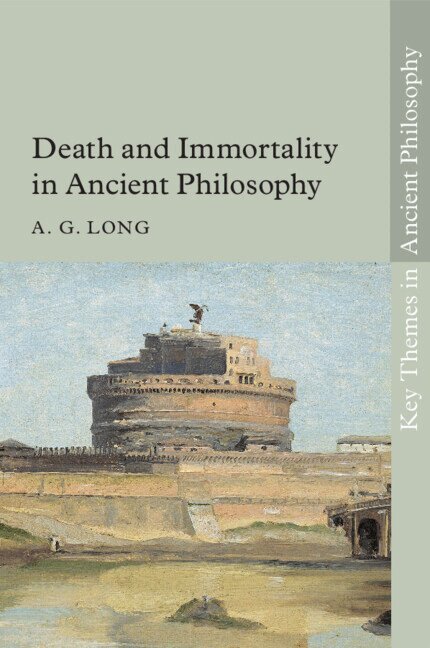
Death and immortality played a central role in Greek and Roman thought, from Homer and early Greek philosophy to Marcus Aurelius. In this book A. G. Long explains the significance of death and immortality in ancient ethics, particularly Plato's dialogues, Stoicism and Epicureanism; he also shows how philosophical cosmology and theology caused immortality to be re-imagined. Ancient arguments and theories are related both to the original literary and theological contexts and to contemporary debates on the philosophy of death. The book will be of major interest to scholars and students working on Greek and Roman philosophy, and to those wishing to explore ancient precursors of contemporary debates about death and its outcomes.
309 kr
Skickas inom 7-10 vardagar
Death and immortality played a central role in Greek and Roman thought, from Homer and early Greek philosophy to Marcus Aurelius. In this book A. G. Long explains the significance of death and immortality in ancient ethics, particularly Plato's dialogues, Stoicism and Epicureanism; he also shows how philosophical cosmology and theology caused immortality to be re-imagined. Ancient arguments and theories are related both to the original literary and theological contexts and to contemporary debates on the philosophy of death. The book will be of major interest to scholars and students working on Greek and Roman philosophy, and to those wishing to explore ancient precursors of contemporary debates about death and its outcomes.