Latin America in Translation/en Traducción/em Tradução – serie
Visar alla böcker i serien Latin America in Translation/en Traducción/em Tradução. Handla med fri frakt och snabb leverans.
8 produkter
8 produkter
1 095 kr
Skickas inom 10-15 vardagar
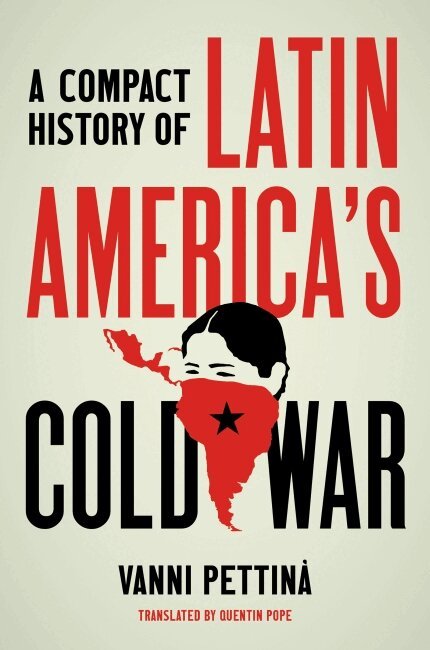
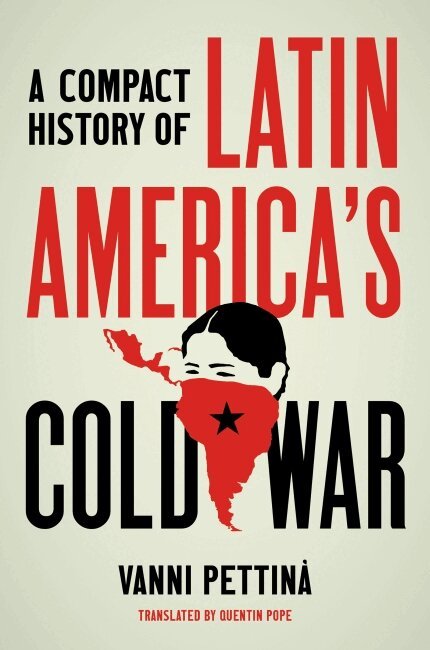
While not commonly centered in the Cold War story, Latin America was intensely affected by that historic conflict. In this book, available for the first time in English, Vanni Pettina makes sense of the region's diverse, complex political experiences of the Cold War era. Cross-fertilized by Latin American and Anglophone historiography, his account shifts from an overemphasis on U.S. interventions toward a comprehensive Latin American perspective. Connecting Cold War events to the region's political polarizations, revolutionary mobilizations, draconian state repression, and brutal violence in almost every sphere, Pettina demonstrates that Latin America's Cold War was rarely cold.In the midst of the tumult, some countries showed resilience and capacity to bend the disruptive dynamics to their advantage. Mexico, for example, drew on a mix of nationalism and anticommunism, aided by the United States, to achieve strong economic growth and political stability. Cuba, in contrast, used Soviet protection to shield its revolution from the United States and to strengthen its capacity to project power in Latin America and beyond. Interweaving global and local developments along an insightful analytical frame, Pettina reveals the distinct consequences of the Cold War in the Western Hemisphere.
283 kr
Skickas inom 10-15 vardagar
While not commonly centered in the Cold War story, Latin America was intensely affected by that historic conflict. In this book, available for the first time in English, Vanni Pettina makes sense of the region's diverse, complex political experiences of the Cold War era. Cross-fertilized by Latin American and Anglophone historiography, his account shifts from an overemphasis on U.S. interventions toward a comprehensive Latin American perspective. Connecting Cold War events to the region's political polarizations, revolutionary mobilizations, draconian state repression, and brutal violence in almost every sphere, Pettina demonstrates that Latin America's Cold War was rarely cold.In the midst of the tumult, some countries showed resilience and capacity to bend the disruptive dynamics to their advantage. Mexico, for example, drew on a mix of nationalism and anticommunism, aided by the United States, to achieve strong economic growth and political stability. Cuba, in contrast, used Soviet protection to shield its revolution from the United States and to strengthen its capacity to project power in Latin America and beyond. Interweaving global and local developments along an insightful analytical frame, Pettina reveals the distinct consequences of the Cold War in the Western Hemisphere.
1 095 kr
Skickas inom 10-15 vardagar
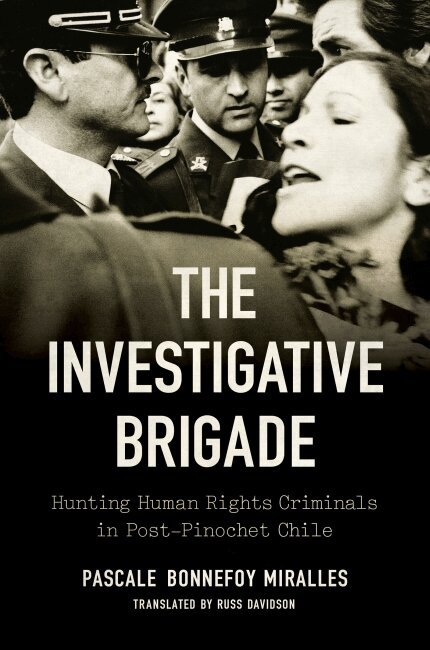
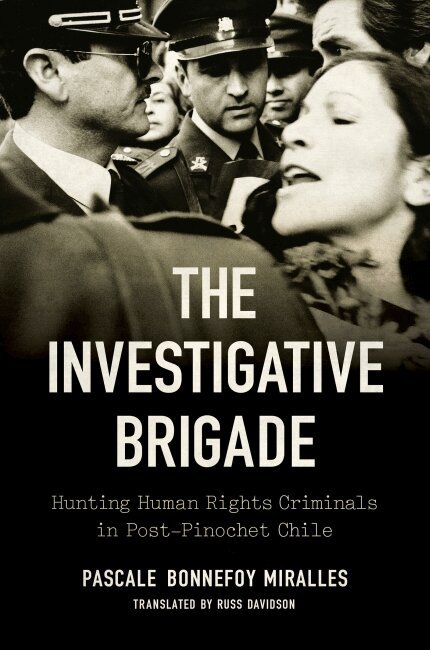
During the seventeen-year Pinochet dictatorship, more than three thousand Chileans were murdered or disappeared without a trace. In 1991, a year after the brutal military regime ended, the new civilian government tasked the nation's detective force to investigate these crimes. Chilean journalist Pascale Bonnefoy tells the dramatic story of the detectives who hunted down and attempted to bring human rights violators to account. Led by a tiny group called Department V, the effort took place in the context of a frail transition to democracy and while the force itself was undergoing profound reforms. With Pinochet still in charge of the army, a center-left government tested how far it could go to bring criminals to justice without risking military backlash.To uncover this story, Bonnefoy gained the trust of detectives assigned to the cases and drew on their direct testimony. She excavated investigative files, witness testimony, and previously secret documents that helped her chronicle the dedicated brigade's dangerous mission. While substantial justice and institutional change took another decade to kick in, the detectives' work made it possible. Still unfolding, the post-Pinochet example is admired by many working for transitional justice around the globe.
351 kr
Skickas inom 10-15 vardagar
During the seventeen-year Pinochet dictatorship, more than three thousand Chileans were murdered or disappeared without a trace. In 1991, a year after the brutal military regime ended, the new civilian government tasked the nation's detective force to investigate these crimes. Chilean journalist Pascale Bonnefoy tells the dramatic story of the detectives who hunted down and attempted to bring human rights violators to account. Led by a tiny group called Department V, the effort took place in the context of a frail transition to democracy and while the force itself was undergoing profound reforms. With Pinochet still in charge of the army, a center-left government tested how far it could go to bring criminals to justice without risking military backlash.To uncover this story, Bonnefoy gained the trust of detectives assigned to the cases and drew on their direct testimony. She excavated investigative files, witness testimony, and previously secret documents that helped her chronicle the dedicated brigade's dangerous mission. While substantial justice and institutional change took another decade to kick in, the detectives' work made it possible. Still unfolding, the post-Pinochet example is admired by many working for transitional justice around the globe.
1 095 kr
Skickas inom 10-15 vardagar
Just a few years before becoming President, Juan Domingo Peron penned a letter demanding the reopening of government sponsored brothels near military bases. This, he believed, was a necessary preventative for homosexuality. His letter exemplified the then widespread panic over sexual deviance that came just a few years after a panic surrounding immigrant sexualities led to the criminalization of prostitution. In this book, available for the first time in English, Patricio Simonetto captures the anxiety, regulation, and tolerance of sex work that has defined Argentina's heterosexual and patriarchal national identity. Consulting judicial papers, prison archives, and secret police reports, Simonetto illustrates the state's authoritarian, violent, and moralistic interventions against dissident sexualities and how they transcended political shifts across liberal and military governments. He narrates the life stories of those who offered, exploited, or were consumers of sex work and draws connections between sex work, government policy, and Argentina's economy. This impressive study provides a lens into the ever-shifting constructions of heteronormative masculinities that produced political agendas and social hierarchies that continue to influence Argentina today.
379 kr
Skickas inom 10-15 vardagar
Just a few years before becoming President, Juan Domingo Peron penned a letter demanding the reopening of government sponsored brothels near military bases. This, he believed, was a necessary preventative for homosexuality. His letter exemplified the then widespread panic over sexual deviance that came just a few years after a panic surrounding immigrant sexualities led to the criminalization of prostitution. In this book, available for the first time in English, Patricio Simonetto captures the anxiety, regulation, and tolerance of sex work that has defined Argentina's heterosexual and patriarchal national identity. Consulting judicial papers, prison archives, and secret police reports, Simonetto illustrates the state's authoritarian, violent, and moralistic interventions against dissident sexualities and how they transcended political shifts across liberal and military governments. He narrates the life stories of those who offered, exploited, or were consumers of sex work and draws connections between sex work, government policy, and Argentina's economy. This impressive study provides a lens into the ever-shifting constructions of heteronormative masculinities that produced political agendas and social hierarchies that continue to influence Argentina today.
1 095 kr
Skickas inom 10-15 vardagar
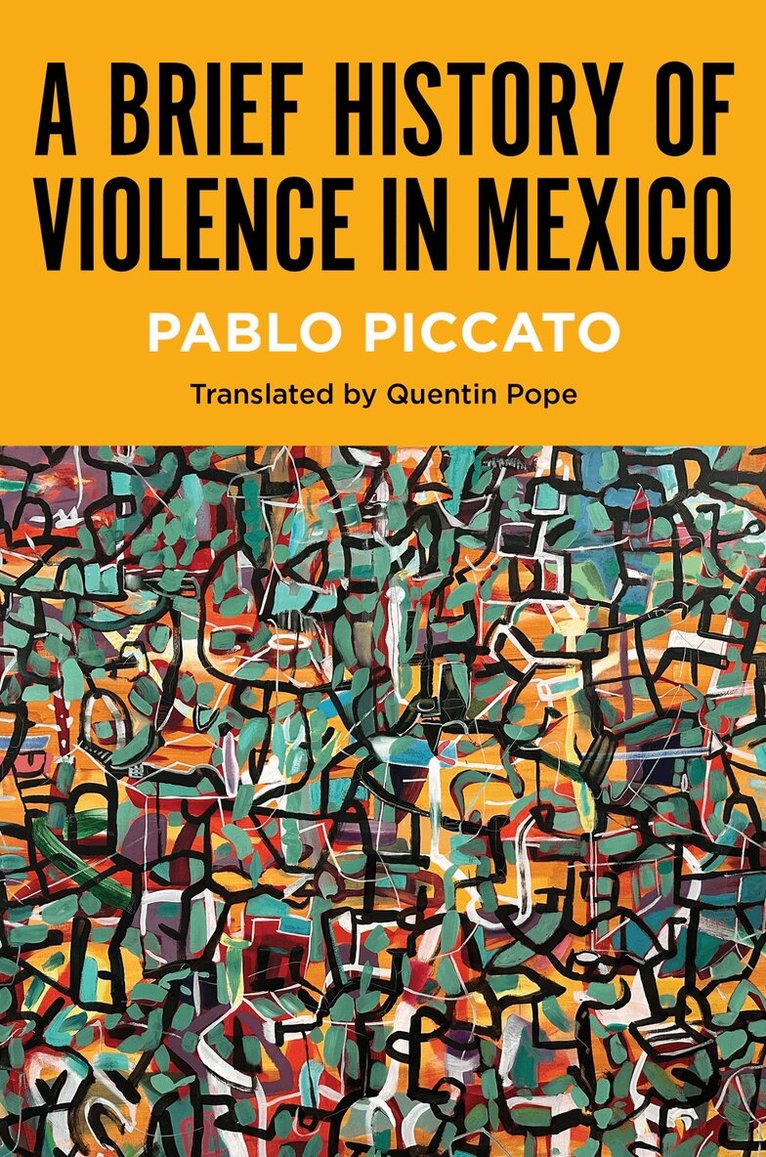
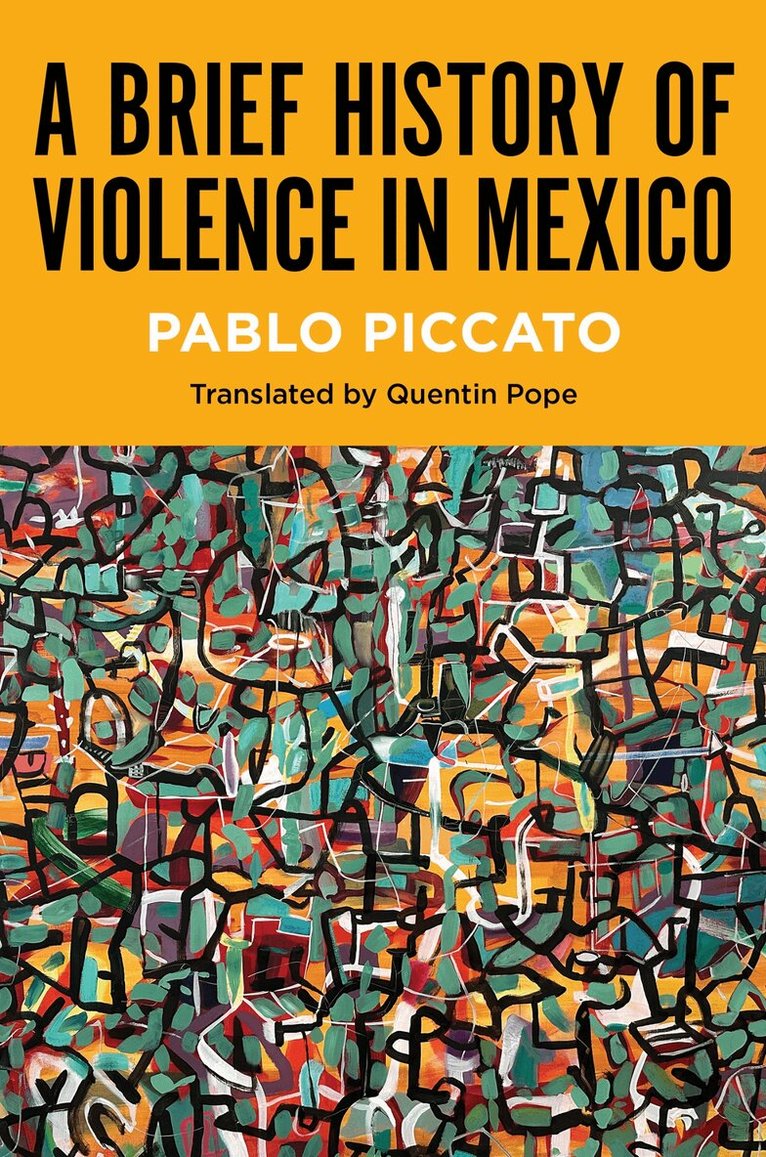
Political rhetoric often portrays Mexico as an inherently violent nation. Available now for the first time in English, Pablo Piccato's essential work cuts through the noise to contextualize violence as a historical phenomenon. Piccato shows us that violence is not unique to Mexico but, just as anywhere else, has erupted there in many forms. Attending to multiple histories of violence, Piccato reveals how violence emerges as a resource that people mobilize to various ends—not an uncontrollable impulse or the simple result of corrupt political power.Traversing the twentieth century through the lens of violence, Piccato interprets and draws connections between violence arising from revolution, agrarian and religious struggles, guerrilla and counterinsurgency movements, and common crime, all without losing sight of the distinct contexts and social dynamics of each. Gender violence, he argues, surfaces as a common thread, shaping all other forms of violence. Piccato brings to light how guerrillas, the military, politicians, and common criminals rationalized violence to fit their goals, ideologies, and values. In an unflinching analysis that contends that violence is not an essential trait of Mexican society, Piccato presents a new paradigm for understanding violence and illustrates that we are not powerless against it.
351 kr
Skickas inom 10-15 vardagar
Political rhetoric often portrays Mexico as an inherently violent nation. Available now for the first time in English, Pablo Piccato's essential work cuts through the noise to contextualize violence as a historical phenomenon. Piccato shows us that violence is not unique to Mexico but, just as anywhere else, has erupted there in many forms. Attending to multiple histories of violence, Piccato reveals how violence emerges as a resource that people mobilize to various ends—not an uncontrollable impulse or the simple result of corrupt political power.Traversing the twentieth century through the lens of violence, Piccato interprets and draws connections between violence arising from revolution, agrarian and religious struggles, guerrilla and counterinsurgency movements, and common crime, all without losing sight of the distinct contexts and social dynamics of each. Gender violence, he argues, surfaces as a common thread, shaping all other forms of violence. Piccato brings to light how guerrillas, the military, politicians, and common criminals rationalized violence to fit their goals, ideologies, and values. In an unflinching analysis that contends that violence is not an essential trait of Mexican society, Piccato presents a new paradigm for understanding violence and illustrates that we are not powerless against it.