Law and Religion in a Global Context - Böcker
Visar alla böcker i serien Law and Religion in a Global Context. Handla med fri frakt och snabb leverans.
10 produkter
10 produkter
1 062 kr
Skickas inom 10-15 vardagar
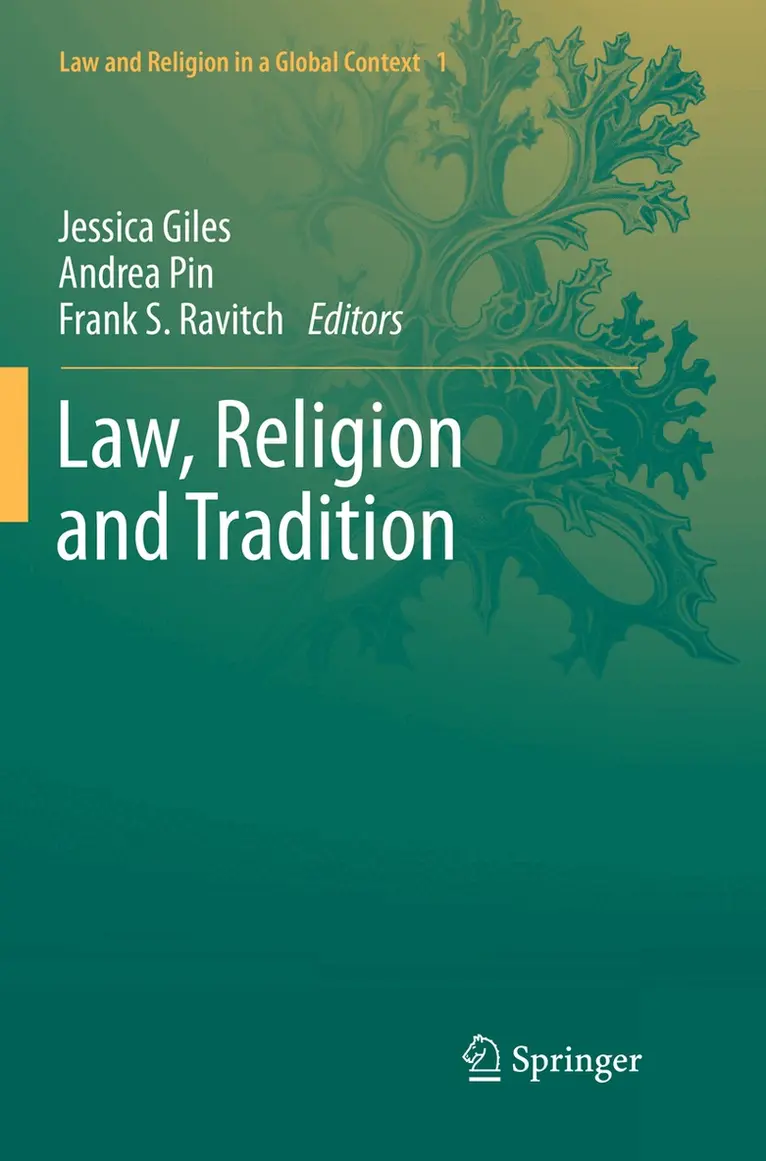
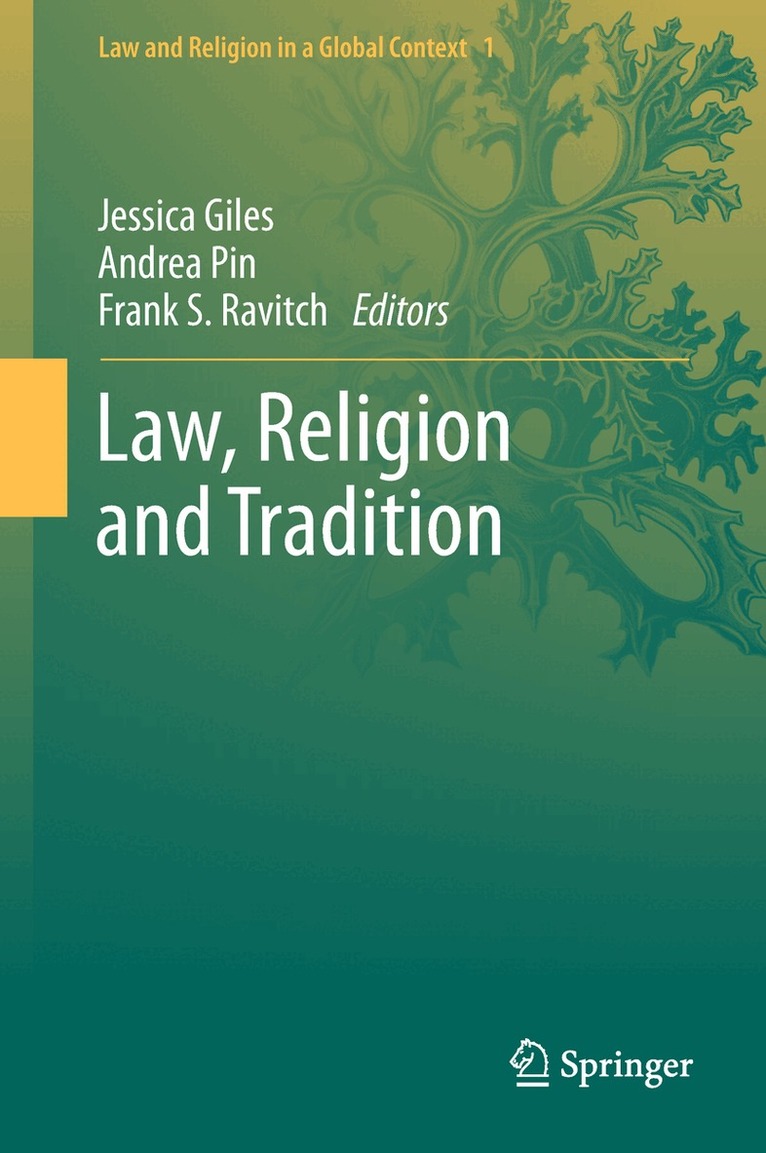
This book explores different theories of law, religion, and tradition, from both a secular and a religious perspective. It reflects on how tradition and change can affect religious and secular legal reasoning, identifying the patterns of legal evolution within religious and secular traditions.It is often taken for granted that, even in law, change corresponds and correlates to progress – that things ought to be changed and they will necessarily get better. There is no doubt that legal changes over the centuries have made it possible to enhance the protection of individual rights and to somewhat contain the possibility of tyranny and despotism. But progress is not everything in law: stability and certainty lie at the core of the rule of law. Similarly, religions and religious laws could not survive without traditions; and yet, they still evolve, and their evolution is often intermingled with secular law.The book asks (and insome ways answers) the questions: What is the role of tradition within religions and religious laws? What is the impact of religious traditions on secular laws, and vice-versa? How are the elements of tradition to be identified? Are they the same within the secular and the religious realm? Do secular law and religious law follow comparable patterns of change? Do their levels of resilience differ significantly? How does the history of religion and law affect changes within religious traditions and legal systems?The overall focus of the book addresses the extent to which tradition plays a role in shaping and re-shaping secular and religious laws, as well as their mutual boundaries.
1 484 kr
Skickas inom 10-15 vardagar
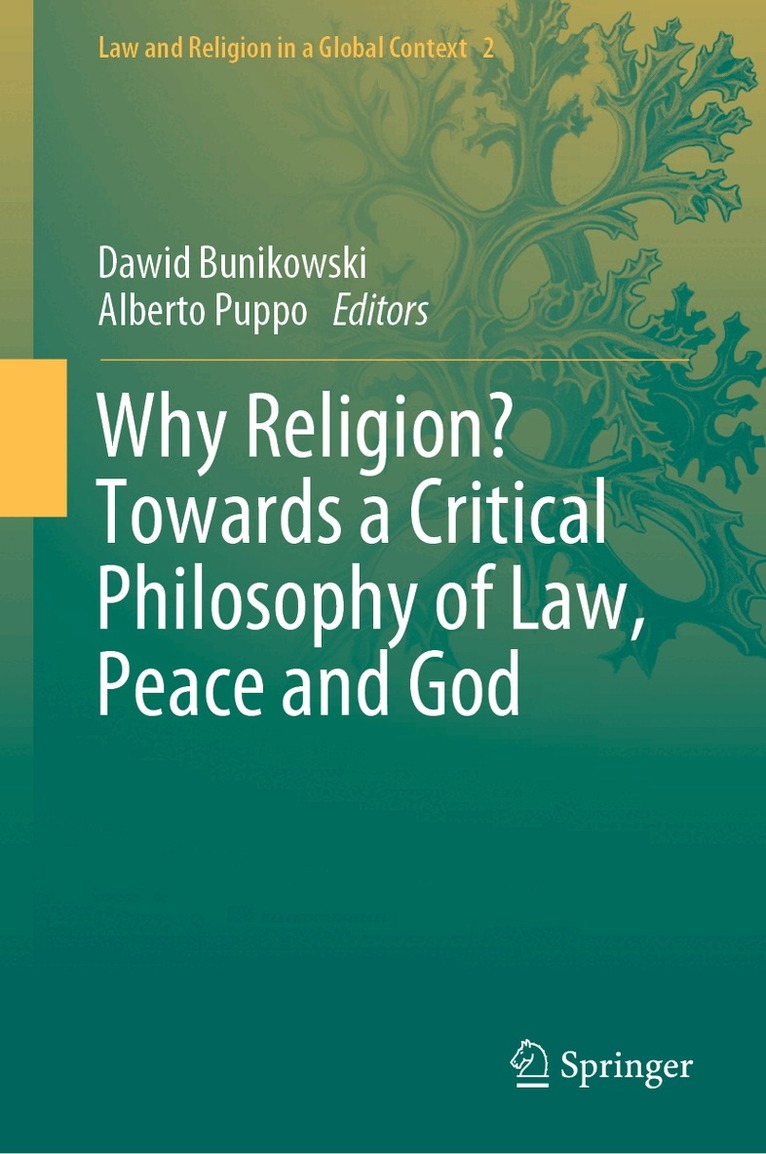
This book examines the relation between religion and jurisprudence, God, and peace respectively. Because, quoting Kelsen’s famous book "Peace through Law", peace is usually understood as something achievable by international legal instruments. But what if we replace "Peace through Law" with "Peace through Religion"?
1 484 kr
Skickas inom 10-15 vardagar
This book examines the relation between religion and jurisprudence, God, and peace respectively. Because, quoting Kelsen’s famous book "Peace through Law", peace is usually understood as something achievable by international legal instruments. But what if we replace "Peace through Law" with "Peace through Religion"?
1 589 kr
Skickas inom 10-15 vardagar
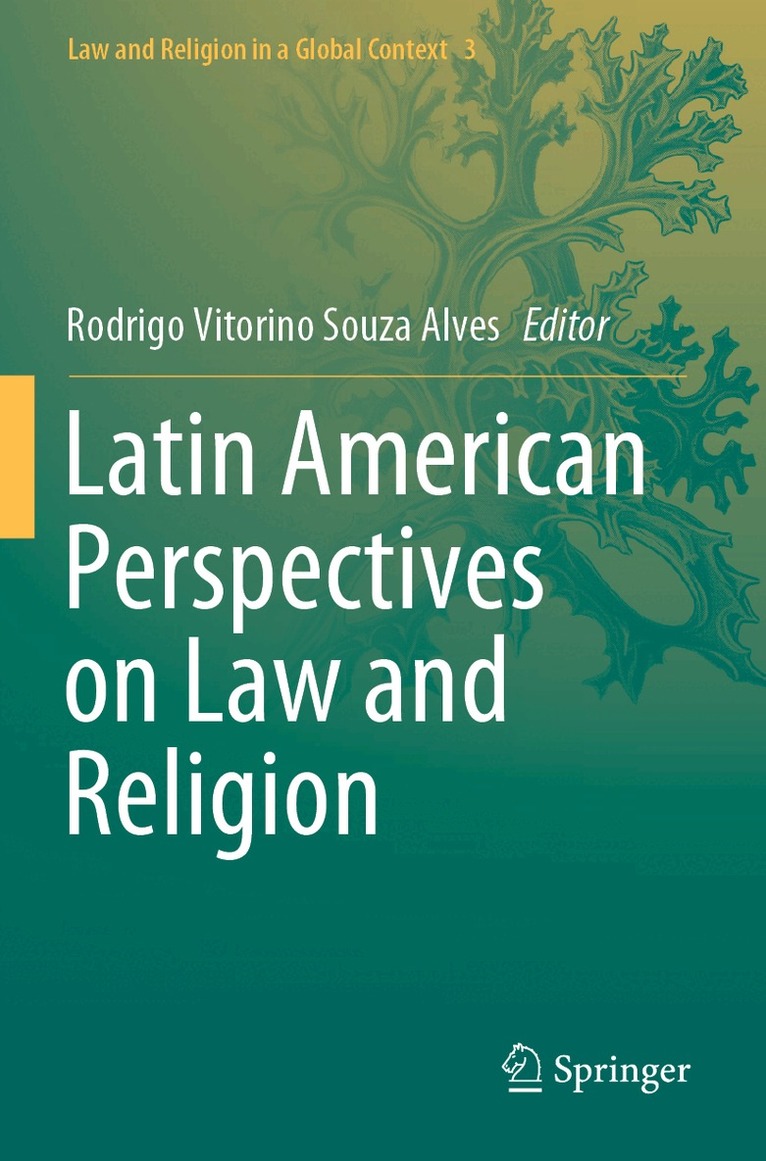
This book makes a valuable contribution to the fascinating global debate on the meaning and scope of freedom of religion or belief and the relations between state, society and religion.
1 589 kr
Skickas inom 10-15 vardagar
This book makes a valuable contribution to the fascinating global debate on the meaning and scope of freedom of religion or belief and the relations between state, society and religion.
1 484 kr
Skickas inom 10-15 vardagar
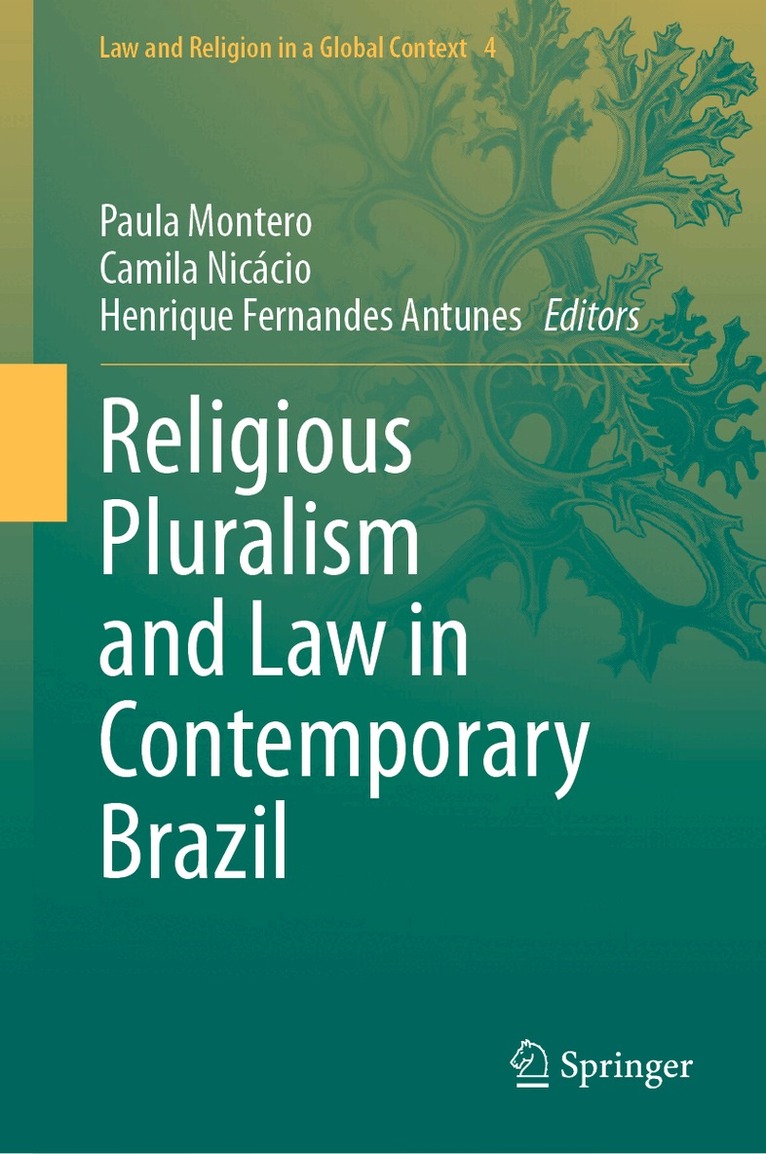
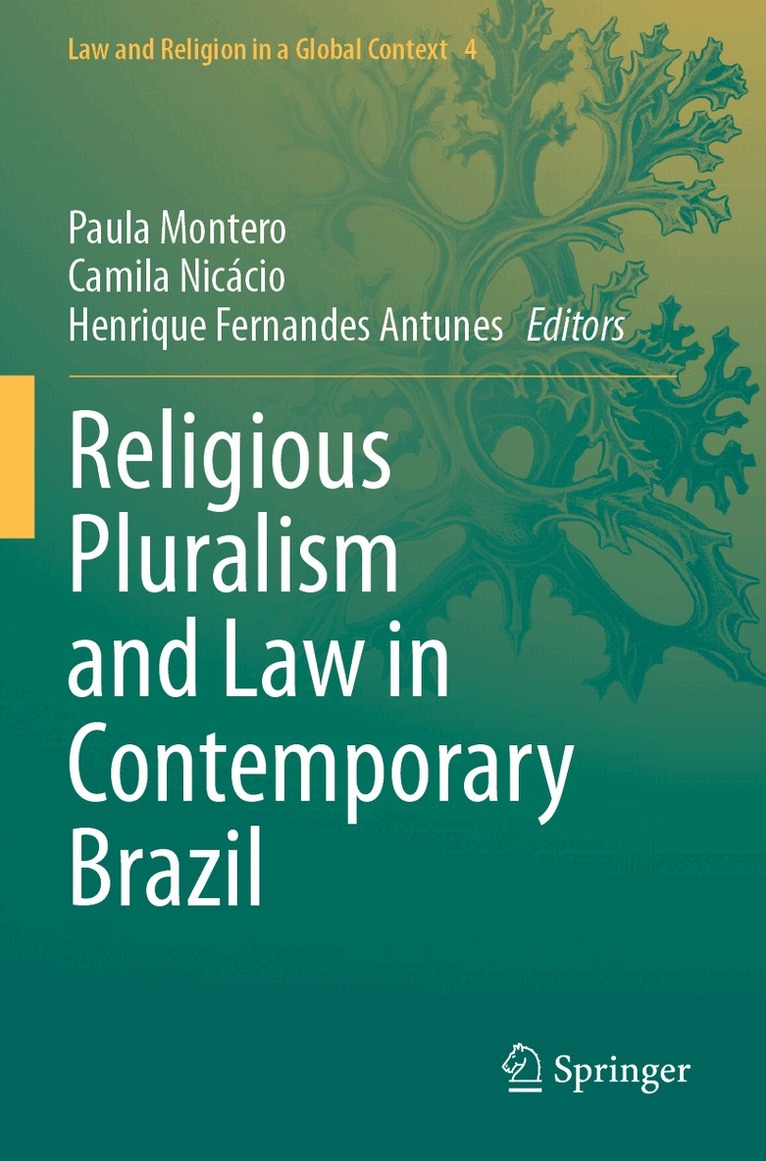
This book represents a unique contribution to understanding the interactions between law and religion in contemporary Brazil. It analyzes how the regulation of religions according to the classical notion of secularism has become a source of tensions since the 1990s. Against this background, the respective chapters demonstrate, on the basis of various case studies, how the constitutional principle of pluralism, introduced by the 1988 federal constitution after a military dictatorship, has been addressed by new political actors, such as religious leaders, parliamentarians, influencers, state representatives, and activists. In particular, the chapters demonstrate how the mobilization of legal language, notably the language of human rights, has become fundamental to developing and consolidating new political agendas concerning secularism, tolerance, freedom of expression, gender and sexuality, family, and cultural heritage. In the authors’ approach, human rights assume a central role in social disputes as a language in which actors constitute themselves as rights subjects, form activist networks, and pursue their goals by expressing themselves in public. Given its focus and scope, the book will be of interest to all scholars seeking to understand the relationships between diversity and the regulation of religious practices in plural societies, where the classical notion of secularism continues to show its limitations.
1 365 kr
Skickas inom 10-15 vardagar
In particular, the chapters demonstrate how the mobilization of legal language, notably the language of human rights, has become fundamental to developing and consolidating new political agendas concerning secularism, tolerance, freedom of expression, gender and sexuality, family, and cultural heritage.
Del 5 - Law and Religion in a Global Context
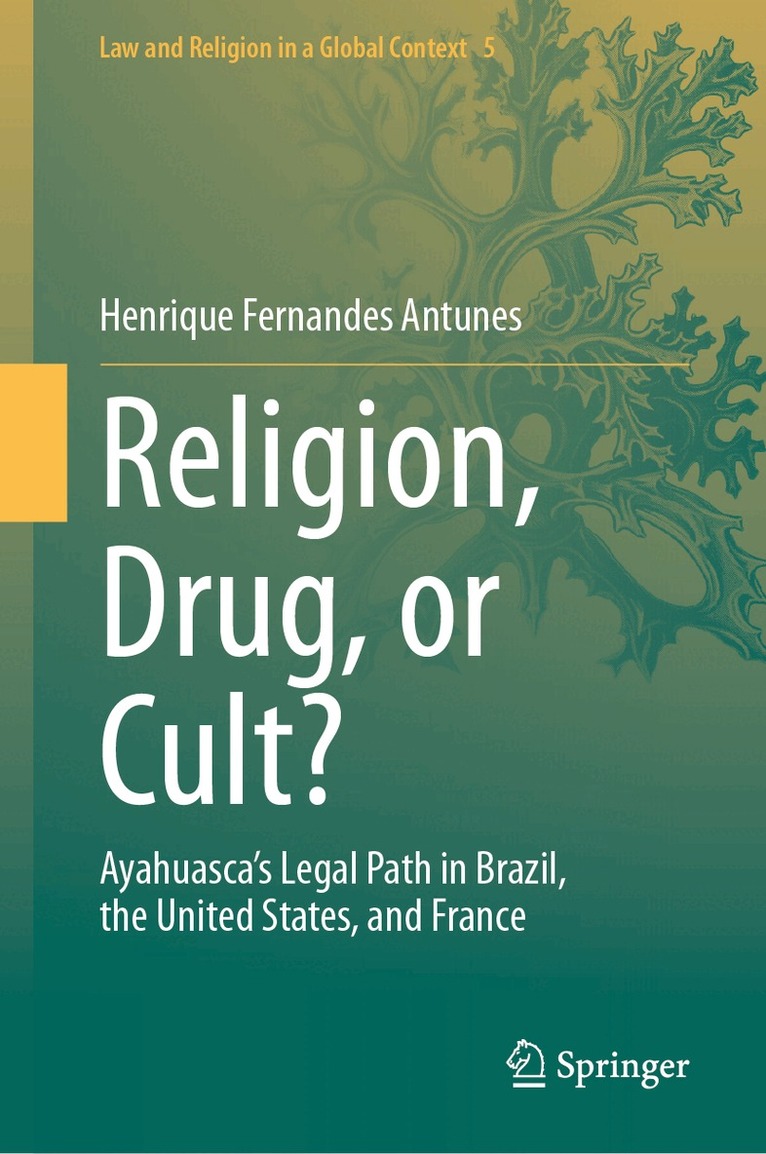
Religion, Drug, or Cult?
Ayahuasca's Legal Path in Brazil, the United States, and France
Inbunden, Engelska, 2025
1 378 kr
Skickas inom 10-15 vardagar
This book explores the emergence of the religious use of ayahuasca as a subject of public interest and state intervention in Brazil, the United States, and France. In Brazil, since the 1980s, ayahuasca use has been permitted by the National Council on Drug Policies exclusively for religious purposes. In the late 2000s, public policies shifted from drug control to cultural heritage, following demands by groups from Acre for recognition of their practices as intangible heritage.In the United States, two Brazilian religions – União do Vegetal (UDV) and Santo Daime – as well as two non-Christian churches – the Church of the Eagle and the Condor and the Church of the Celestial Heart – secured the legal right to use ayahuasca. Through legal battles and settlements, they obtained exemptions from the Controlled Substances Act (CSA) under the Religious Freedom Restoration Act (RFRA).In France, ayahuasca was banned in 2005, just three months after a Santo Daime group successfully appealed drug charges. Today, ayahuasca remains illegal; groups are often labeled as dangerous cults and seen as threats to French republican ideals.Inspired by the anthropology of secularism and the sociology of public problems, the book examines how terms like religion, cult, drug, hallucinogen, and cultural heritage are mobilized by various actors in public disputes to shape perceptions and influence policy. It draws on legal cases, public policies, legislation, academic literature, social media, institutional documents, and interviews with key figures involved in regulatory debates.The central thesis – ayahuasca as a lens to understand how states define religion and determine legitimate religious practice – offers fresh perspectives on the intersections of religious freedom, drug policy, and state authority. Bridging multiple disciplines, the book contributes to debates on law and religion, and to a deeper understanding of how democracies manage minority faiths, cultural rights, and the boundaries of state intervention.
Del 6 - Law and Religion in a Global Context
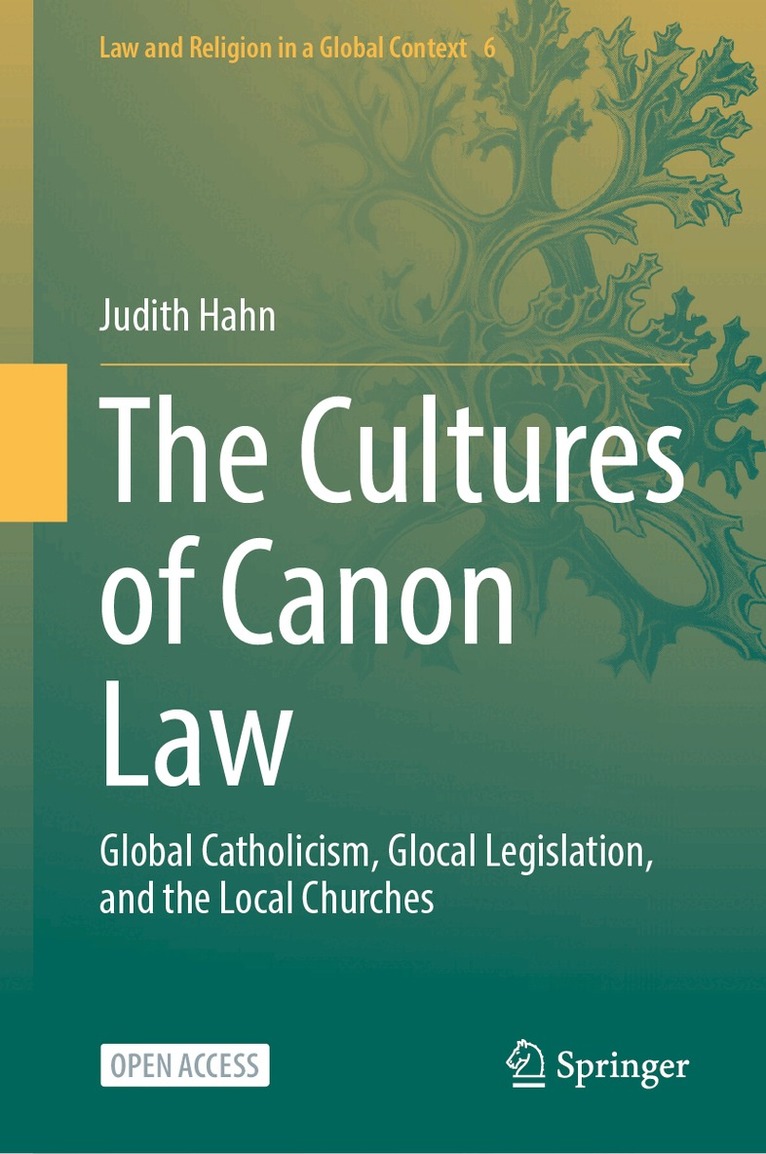
Cultures of Canon Law
Global Catholicism, Glocal Legislation, and the Local Churches
Inbunden, Engelska, 2026
534 kr
Skickas inom 10-15 vardagar
This book is the first study to consider findings from sociology, legal anthropology, ethnology, legal pluralism, comparative law and theology in order to gain a better understanding of the diverse cultures of global Catholicism and the cross-cultural challenges arising from Roman Catholic canon law within the local churches. The author, renowned for her work at the intersection of socio-legal studies and canon law, examines the latter as a distinctive example of a European religious legal system that cuts across the myriad legal cultures of the local churches. In light of findings on legal transfer and legal colonialism, and by examining canon law within the emerging field of social and cultural studies approaches to law, her book sheds light on how canon law is imposed upon and received by the local churches around the world. It analyses the challenges and problems arising from the law’s transcultural claims within these churches. Based on these observations, the study discusses the critical stance of canon law within contemporary Catholicism and the current debates on a synodal reform of the church and its law. The book adopts different perspectives: As a sociological study, it describes the contemporary Eurocentrism of global canon law and the conflicts arising from it. As a theological study, it presents ecclesiological reasons for challenging the hegemony of global legislation. As a study of canon law, it suggests ways in which legislation could permit greater diversity while maintaining the unity of the universal church. By analysing canon law as a specific example of a religious legal order with cross-cultural ambitions and global claims, the book also contributes to the study of transnational law in general by illustrating the typical problems that accompany transnational legal regimes in both secular legal systems and religious groups.This is an open access book.
1 484 kr
Skickas inom 10-15 vardagar
This book explores different theories of law, religion, and tradition, from both a secular and a religious perspective. It reflects on how tradition and change can affect religious and secular legal reasoning, identifying the patterns of legal evolution within religious and secular traditions.It is often taken for granted that, even in law, change corresponds and correlates to progress – that things ought to be changed and they will necessarily get better. There is no doubt that legal changes over the centuries have made it possible to enhance the protection of individual rights and to somewhat contain the possibility of tyranny and despotism. But progress is not everything in law: stability and certainty lie at the core of the rule of law. Similarly, religions and religious laws could not survive without traditions; and yet, they still evolve, and their evolution is often intermingled with secular law.The book asks (and insome ways answers) the questions: What is the role of tradition within religions and religious laws? What is the impact of religious traditions on secular laws, and vice-versa? How are the elements of tradition to be identified? Are they the same within the secular and the religious realm? Do secular law and religious law follow comparable patterns of change? Do their levels of resilience differ significantly? How does the history of religion and law affect changes within religious traditions and legal systems?The overall focus of the book addresses the extent to which tradition plays a role in shaping and re-shaping secular and religious laws, as well as their mutual boundaries.