Library of World War II Studies – serie
Visar alla böcker i serien Library of World War II Studies. Handla med fri frakt och snabb leverans.
12 produkter
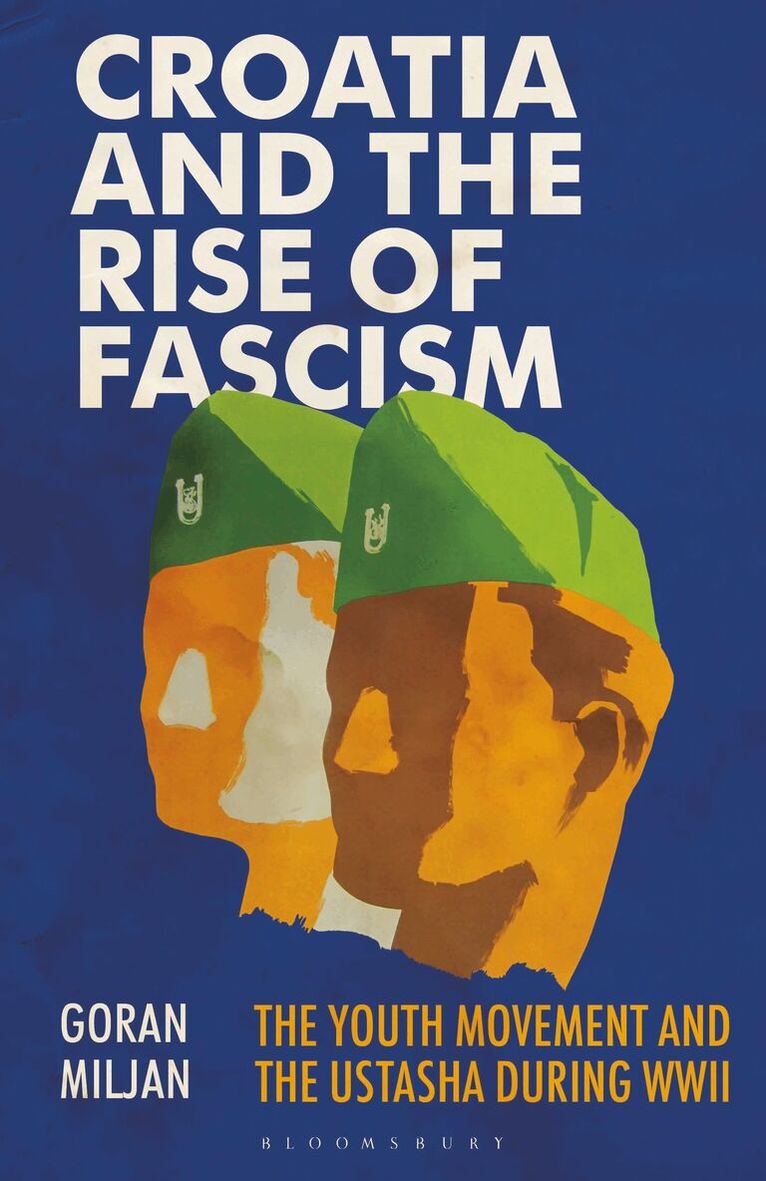
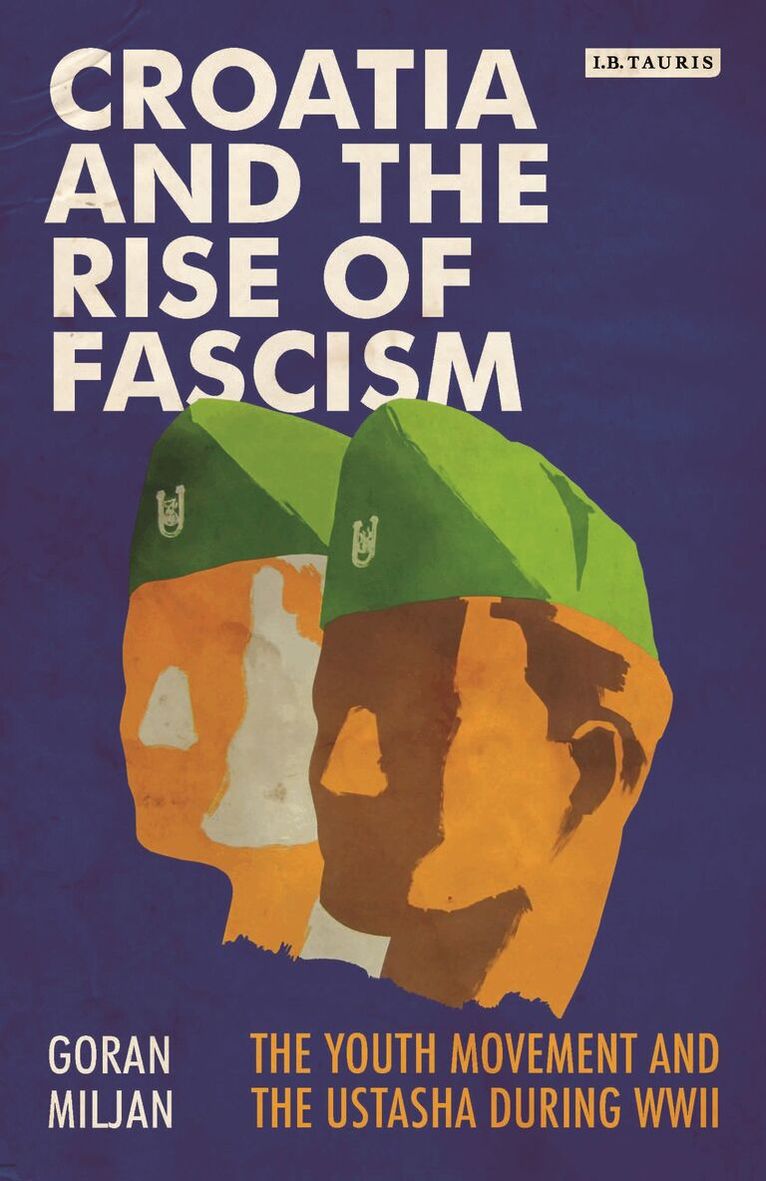
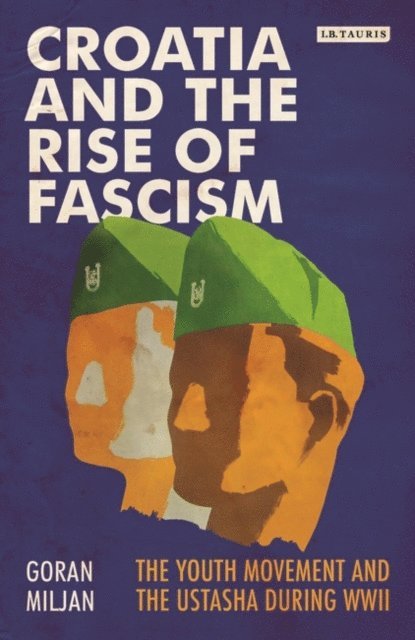
Croatia and the Rise of Fascism
The Youth Movement and the Ustasha During WWII
Av Goran Miljan
Häftad, 2019
517 kr
Lägg i varukorg
During World War II, Croatia became a fascist state under the control of the Ustasha Movement - allied with Nazi Germany and Fascist Italy. Here, Goran Miljan examines and analyzes for the first time the ideology, practices, and international connections of the Ustasha Youth organization. The …
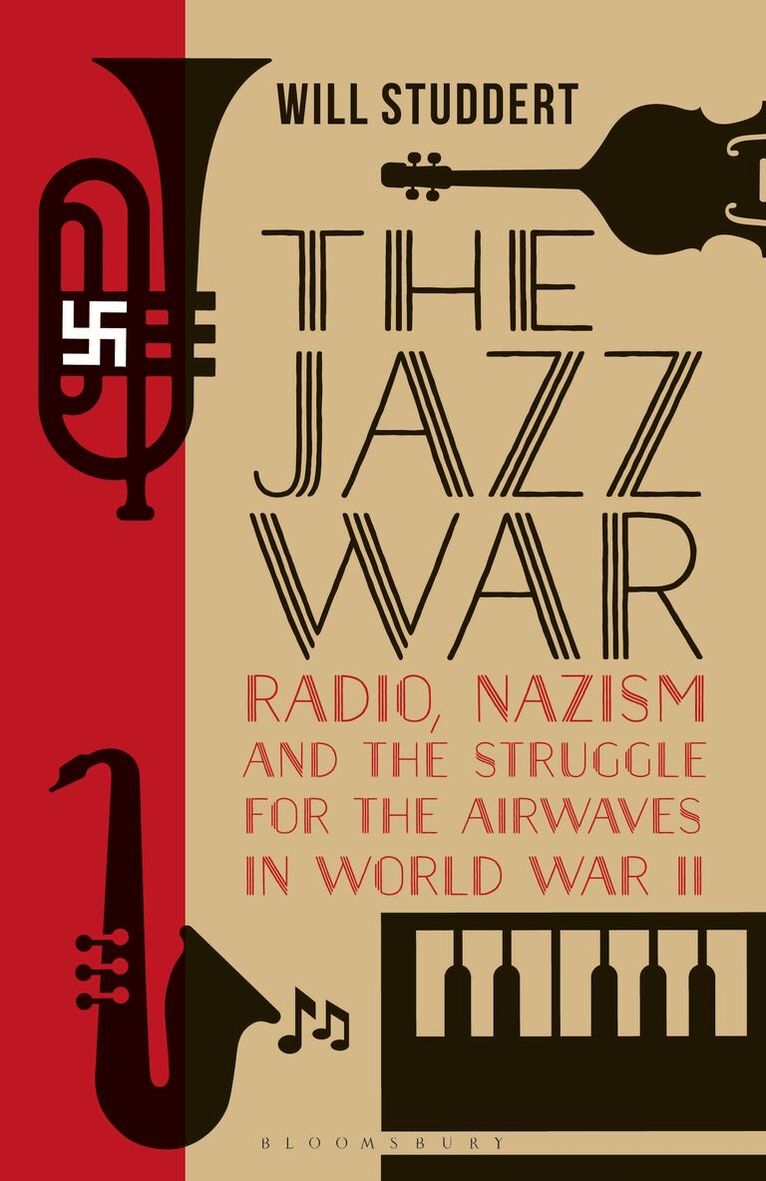
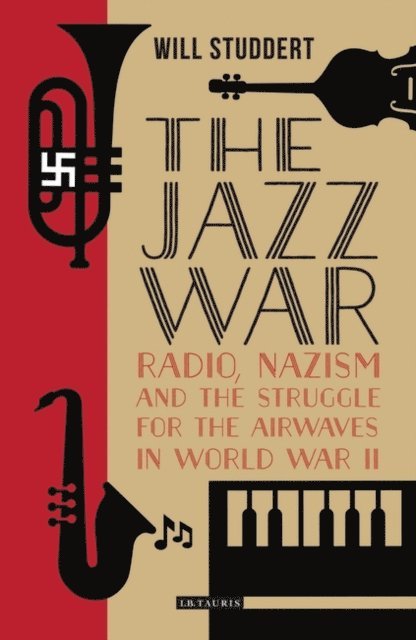
Jazz War
Radio, Nazism and the Struggle for the Airwaves in World War II
Häftad, 2019
517 kr
Lägg i varukorg
During World War II, jazz embodied everything that was appealing about a democratic society as envisioned by the Western Allied powers. Labelled 'degenerate' by Hitler's cultural apparatus, jazz was adopted by the Allies to win the hearts and minds of the German public. It was also used by the Nazi …
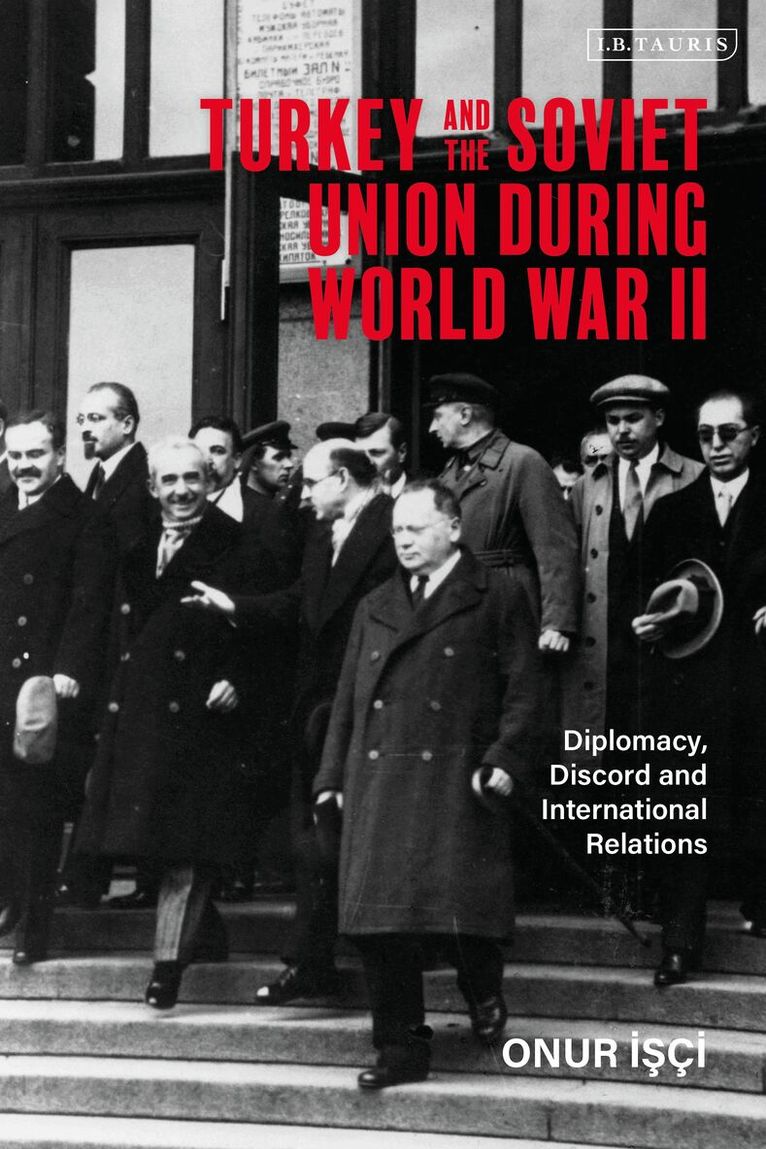
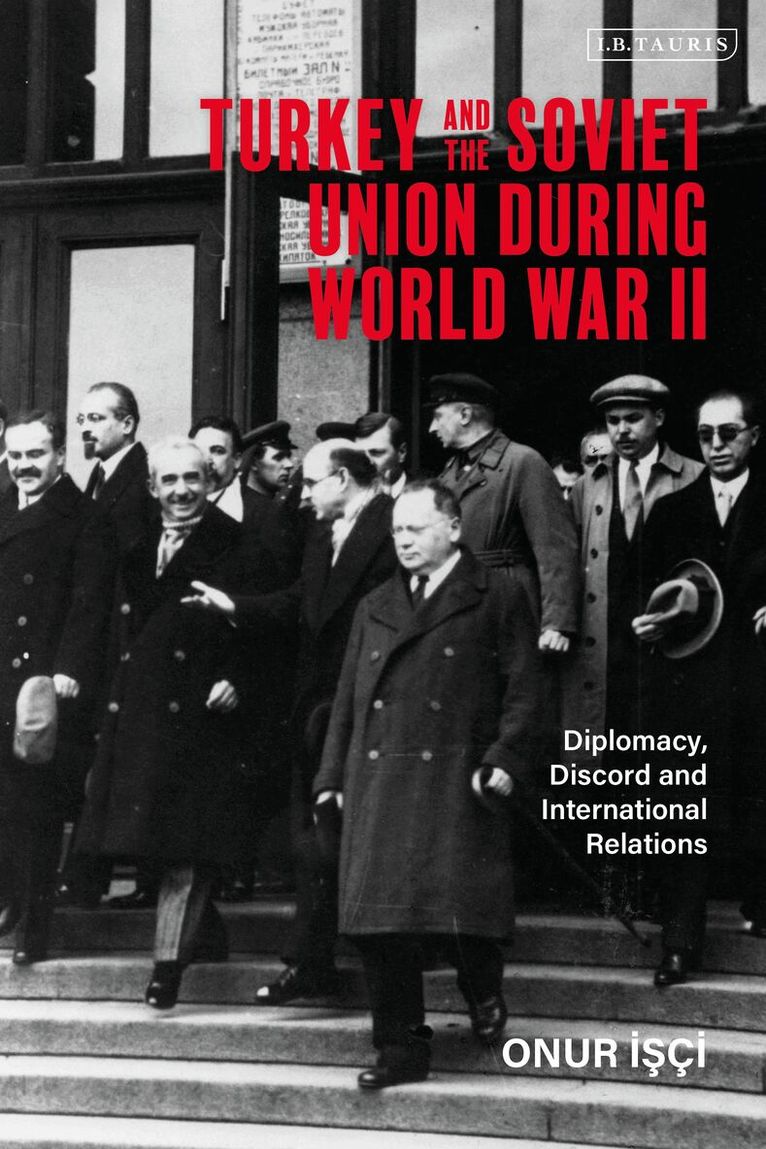
Turkey and the Soviet Union During World War II
Diplomacy, Discord and International Relations
Av Onur Isci
Häftad, 2021
487 kr
Lägg i varukorg
Based on newly accessible Turkish archival documents, Onur Isci's study details the deterioration of diplomatic relations between Turkey and the Soviet Union during World War II. Turkish-Russian relations have a long history of conflict. Under Ataturk relations improved – he was a master ‘balancer’ …
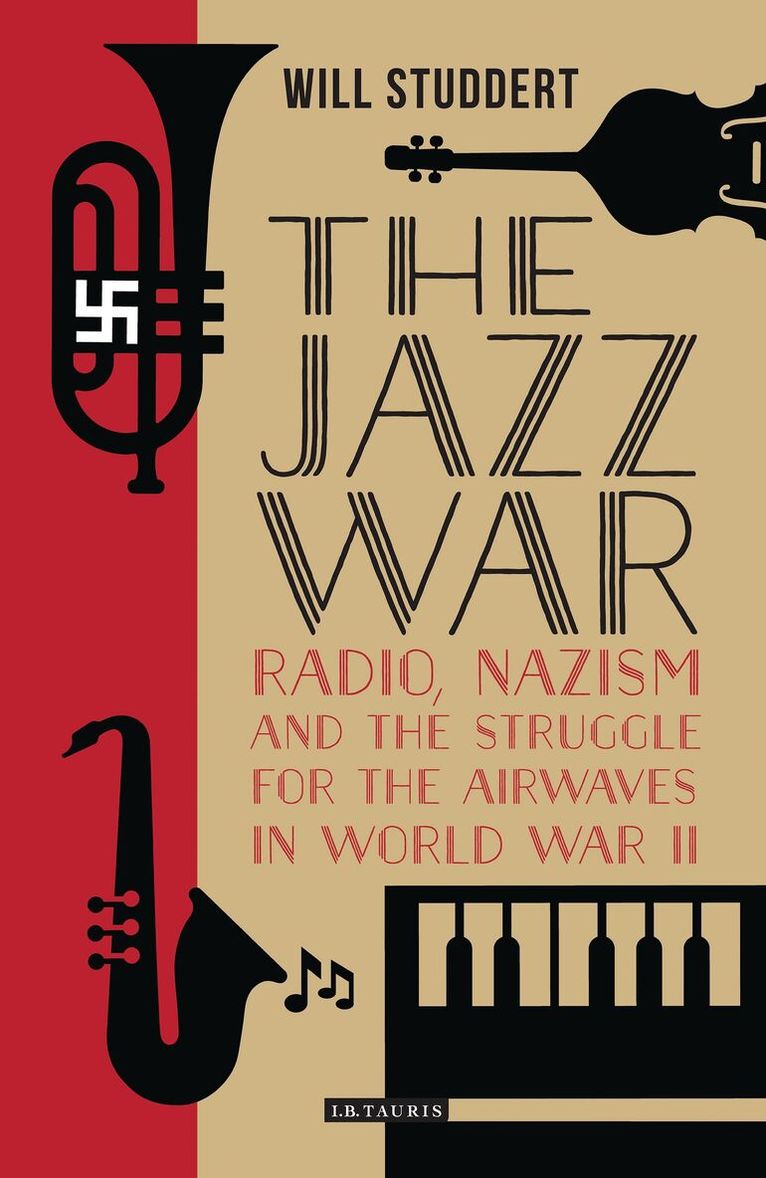
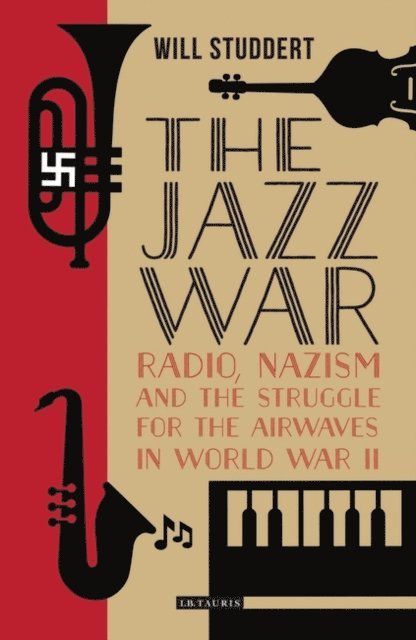
Jazz War
Radio, Nazism and the Struggle for the Airwaves in World War II
Inbunden, 2017
2043 kr
Lägg i varukorg
During World War II, jazz embodied everything that was appealing about a democratic society as envisioned by the Western Allied powers. Labelled `degenerate' by Hitler's cultural apparatus, jazz was adopted by the Allies to win the hearts and minds of the German public. It was also used by the Nazi …
Turkey and the Soviet Union During World War II
Diplomacy, Discord and International Relations
Av Onur Isci
Inbunden, 2019
1897 kr
Lägg i varukorg
Based on newly accessible Turkish archival documents, Onur Isci's study details the deterioration of diplomatic relations between Turkey and the Soviet Union during World War II. Turkish-Russian relations have a long history of conflict. Under Ataturk relations improved – he was a master ‘balancer’ …
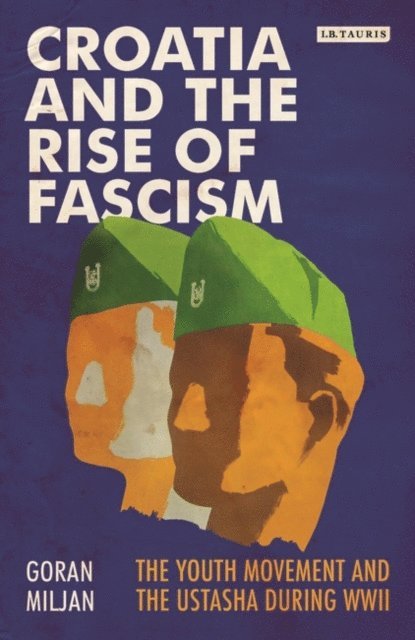
Croatia and the Rise of Fascism
The Youth Movement and the Ustasha During WWII
Av Goran Miljan
Inbunden, 2018
1388 kr
Lägg i varukorg
During World War II, Croatia became a fascist state under the control of the Ustasha Movement - allied with Nazi Germany and Fascist Italy. Here, Goran Miljan examines and analyzes for the first time the ideology, practices, and international connections of the Ustasha Youth organization. The …
Turkey and the Soviet Union During World War II
Diplomacy, Discord and International Relations
Av Onur Isci
E-bok, 2019
530 kr
Lägg i varukorg
Based on newly accessible Turkish archival documents, Onur Isci's study details the deterioration of diplomatic relations between Turkey and the Soviet Union during World War II. Turkish-Russian relations have a long history of conflict. Under Ataturk relations improved – he was a master 'balancer' …
Turkey and the Soviet Union During World War II
Diplomacy, Discord and International Relations
Av Onur Isci
E-bok, 2019
530 kr
Lägg i varukorg
Based on newly accessible Turkish archival documents, Onur Isci's study details the deterioration of diplomatic relations between Turkey and the Soviet Union during World War II. Turkish-Russian relations have a long history of conflict. Under Ataturk relations improved – he was a master 'balancer' …
Croatia and the Rise of Fascism
The Youth Movement and the Ustasha During WWII
Av Goran Miljan
E-bok, 2018
550 kr
Lägg i varukorg
During World War II, Croatia became a fascist state under the control of the Ustasha Movement - allied with Nazi Germany and Fascist Italy. Here, Goran Miljan examines and analyzes for the first time the ideology, practices, and international connections of the Ustasha Youth organization. The …
Croatia and the Rise of Fascism
The Youth Movement and the Ustasha During WWII
Av Goran Miljan
E-bok, 2018
562 kr
Lägg i varukorg
During World War II, Croatia became a fascist state under the control of the Ustasha Movement - allied with Nazi Germany and Fascist Italy. Here, Goran Miljan examines and analyzes for the first time the ideology, practices, and international connections of the Ustasha Youth organization. The …
Jazz War
Radio, Nazism and the Struggle for the Airwaves in World War II
E-bok, 2017
550 kr
Lägg i varukorg
During World War II, jazz embodied everything that was appealing about a democratic society as envisioned by the Western Allied powers. Labelled `degenerate' by Hitler's cultural apparatus, jazz was adopted by the Allies to win the hearts and minds of the German public. It was also used by the Nazi …
Jazz War
Radio, Nazism and the Struggle for the Airwaves in World War II
E-bok, 2017
562 kr
Lägg i varukorg
During World War II, jazz embodied everything that was appealing about a democratic society as envisioned by the Western Allied powers. Labelled `degenerate' by Hitler's cultural apparatus, jazz was adopted by the Allies to win the hearts and minds of the German public. It was also used by the Nazi …