Memory and the Medieval North – serie
Visar alla böcker i serien Memory and the Medieval North. Handla med fri frakt och snabb leverans.
5 produkter
5 produkter
1 732 kr
Skickas inom 7-10 vardagar
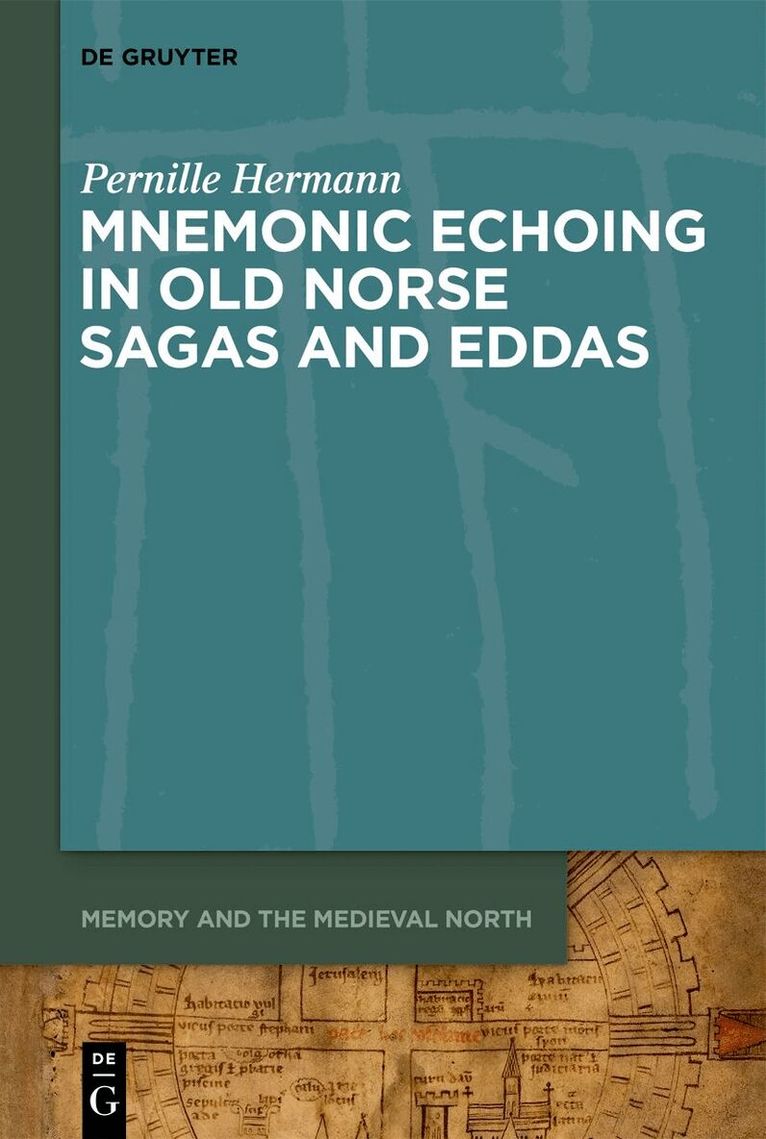
This book brings together Old Norse-Icelandic literature and critical strategies of memory, and argues that some of the particularities of this vernacular textual tradition are explained by the fact that this literature derives from, represents, and incorporates into its designs mnemonic devices of different kinds. Even if Old Norse-Icelandic manuscript culture is relatively silent about the mnemonic context of the literature, the texts themselves exhibit multiple reminiscences of memory. By showing that this literature reveals glimpses of mnemonic technologies at the same time as it testifies to a cultural memory, this study demonstrates how ‘the past’, and narrative traditions about the past, were constructed in a dynamic relationship with ideas that existed at the time the texts were written. Moreover, the book deals with the function of memory in early book-culture, with metaphors of memory, and with mnemonic cues such as spatiality and visuality. With its new readings of canonical texts like the Íslendingasǫgur, the Prose Edda and selected eddic poems, as well as of less widely studied branches of Old Norse-Icelandic literature, such as the sagas of bishops and religious texts, this book will be of interest to Old Norse scholars and to scholars interested in medieval Scandinavia and memory studies.
1 663 kr
Skickas inom 5-8 vardagar
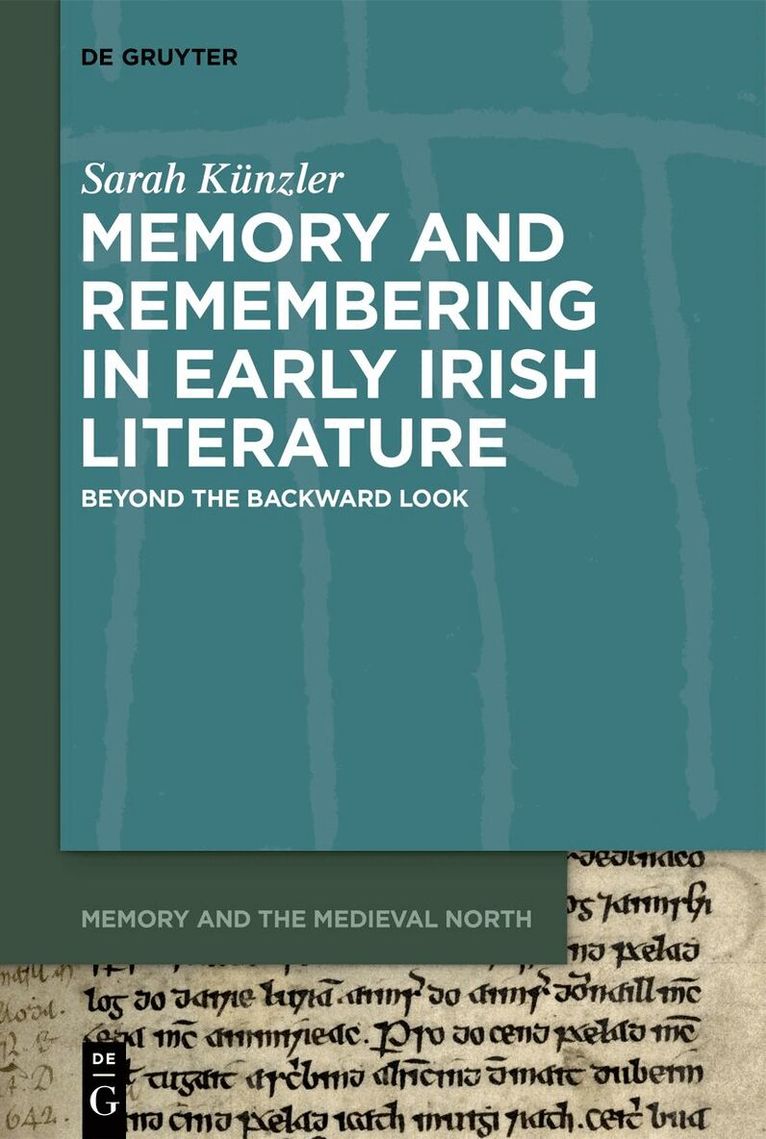
Ireland possesses an early and exceptionally rich medieval vernacular tradition in which memory plays a key role. What attitudes to remembering and forgetting are expressed in secular early Irish texts? How do the texts conceptualise the past and what does this conceptualisation tell us about the present and future? Who mediates and validates different versions of the past and how is future remembrance guaranteed? This study approaches such questions through close readings of individual texts. It centres on three major aspects of medieval Irish memory culture: places and landscapes, the provision of information about the past by miraculously old eye-witnesses, and the personal, social and cultural impact of forgetting. The discussions shed light on the relationship between memory and forgetting and explore the connections between the past, present and future. This shows the fascinating spatio-temporal identity constructions in medieval Ireland and links the Irish texts to the broader European world. The monograph makes this rich literary sources available to an interdisciplinary audience and is of interest to both a general medievalist audience and those working in Cultural Memory Studies.
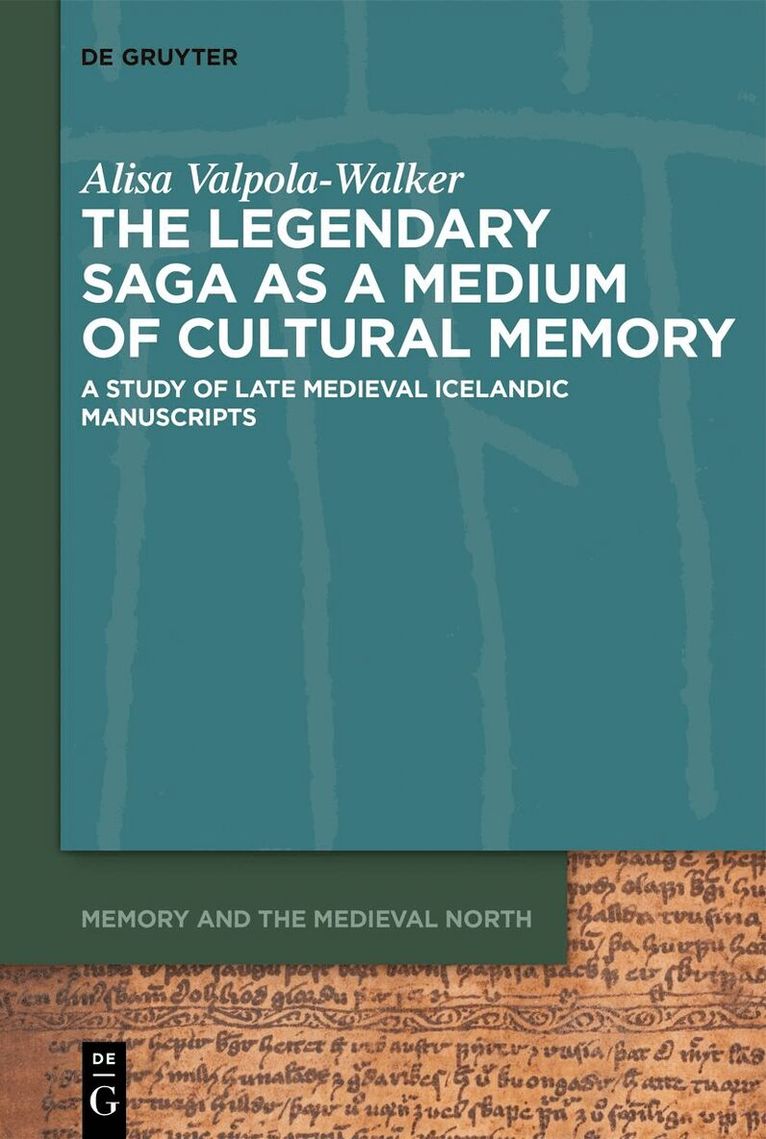
Legendary Saga as a Medium of Cultural Memory
A Study of Late Medieval Icelandic Manuscripts
Inbunden, Engelska, 2025
1 632 kr
Skickas inom 7-10 vardagar
This book examines the representation and historical significance of the legendary Scandinavian past as it is depicted in two late medieval Icelandic saga manuscripts: AM 589a–f 4to and AM 586 4to. It situates the manuscripts within their literary, media, and historical contexts to read the legendary sagas (or fornaldarsögur) within them as works of historical writing. The qualities about them that are often used to deny them the label of ‘history´ — their proximity to romance and ‘folklore’, and their playfully self-conscious narration — are reinterpreted as conscious attempts to reconfigure cultural memory to suit the needs of the manuscripts’ fifteenth-century patrons. The first half of the book takes a literary approach, offering an intertextual and genre-based analysis of AM 589a–f 4to. The second broadens out to view the manuscripts as historically situated media. It examines their relationships to orality and literacy and then argues that they served particular functions at the time of their production and continued to shape cultural memories as they were read (or vocalised) in the centuries that followed. Drawing on insights from cultural memory studies and material philology, this book will be of interest to scholars of Old Norse literature, folklore, and manuscript studies.
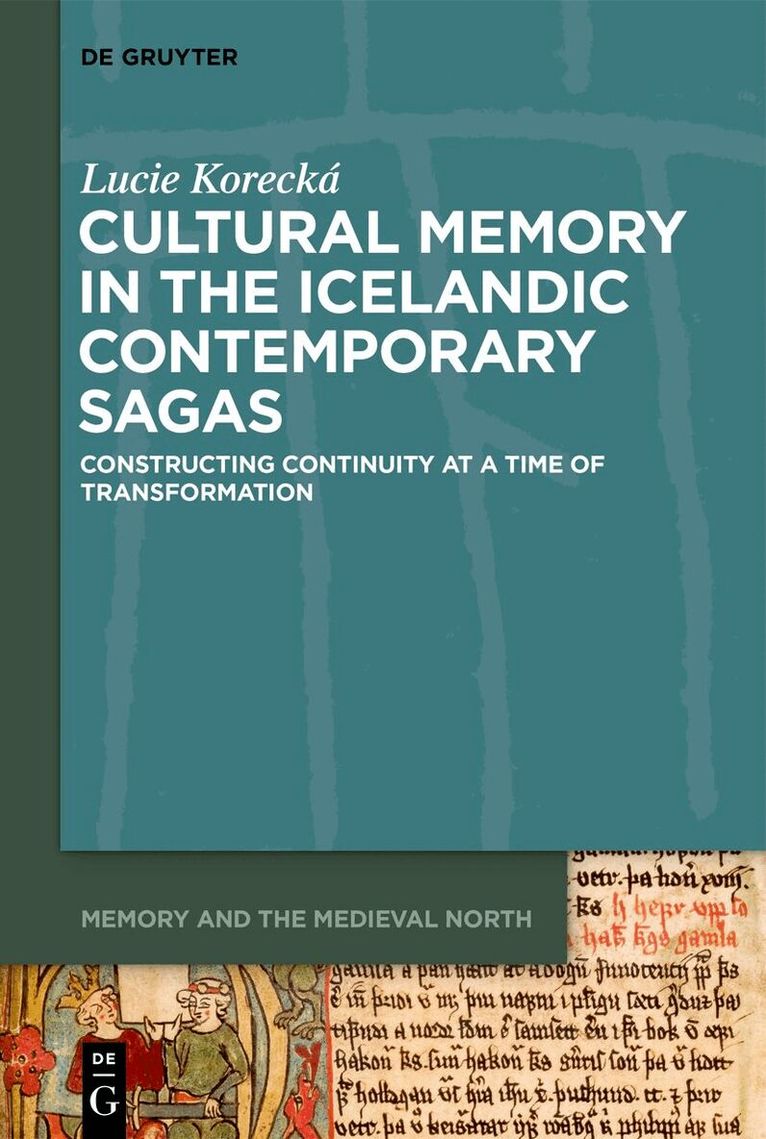
Cultural Memory in the Icelandic Contemporary Sagas
Constructing Continuity at a Time of Transformation
Inbunden, Engelska, 2025
1 523 kr
Skickas inom 7-10 vardagar
The objective of this book is to analyse the Old Icelandic sagas dealing with the twelfth to fourteenth centuries – the secular contemporary sagas and the bishops’ sagas – from the perspective of cultural memory studies. This approach foregrounds their function as sources of the late medieval Icelanders’ collective identity, shaped by the narrative tradition and the current concerns. It is argued here that the intertextual relations between the Old Icelandic historiographical texts extend beyond the literary level and influence the perception of the past itself. The accounts of events from the settlement to the fourteenth century form a coherent narrative that acknowledges the historical development but accentuates the themes and values that continued to define the collective identity. Within this framework, the book presents a detailed analysis of how this function of the narrative shaped the sagas depicting the time when Iceland was gradually integrated into the Norwegian kingdom. As such, it contributes to a more nuanced understanding of how this culturally significant period of medieval Icelandic history was perceived when the memory of it was still crossing the boundary between common knowledge and foundational history.
1 594 kr
Kommande
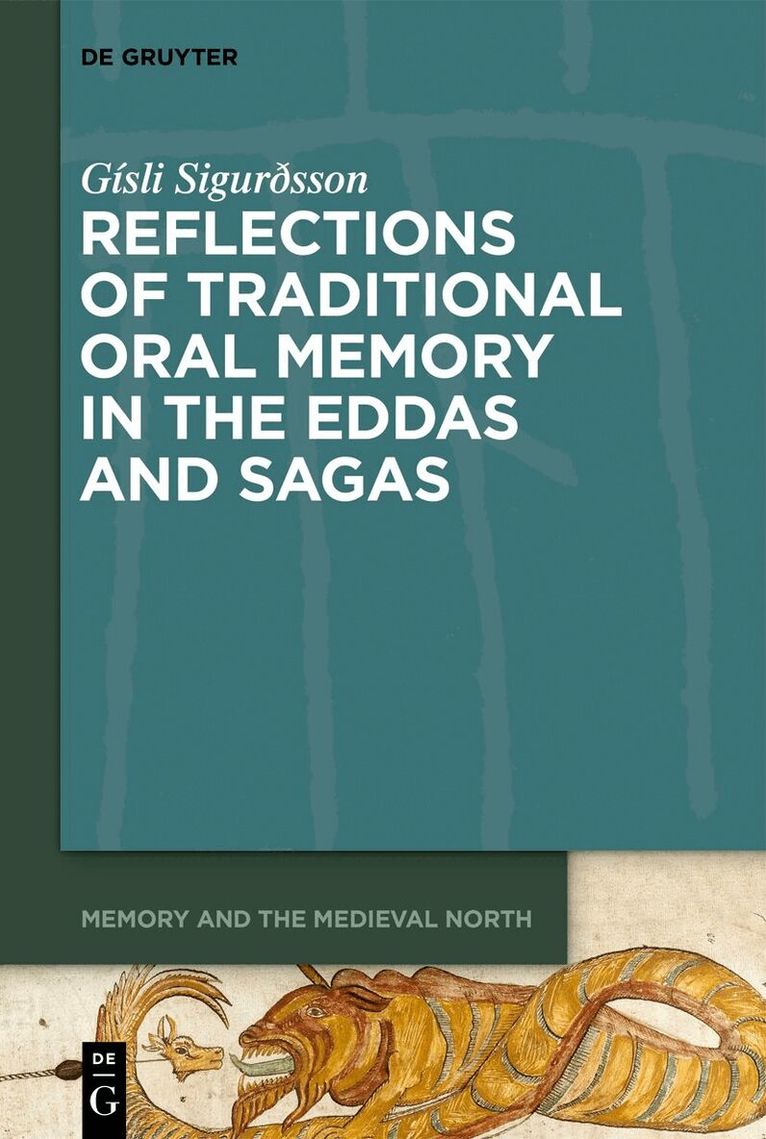
The Eddas and Sagas of medieval Iceland are remarkable literary achievements, reflecting both the imaginative power and the memory practices of the culture that produced them. Written in various genres and narrative styles, these texts combine learned ideas of their time with traditional storytelling methods. They provide a vivid, often realistic depiction of the previous two to three centuries, gradually moving into the legendary and mythological as stories reach further back in time or into more distant realms. Understanding these texts as rooted in traditional oral memory—alongside the influences of medieval book culture—is essential to fully appreciating their form, purpose, and significance.This book explores how Icelandic society remembered its past and environment, and how those memory practices shaped the literary culture. It examines what is unique about this literature, how the introduction of book culture transformed storytelling, and how written texts both preserved tradition and created new avenues for creativity and social prestige. The origins of Icelandic literary culture are traced to Norway, Ireland, and the British Isles, showing how intercultural exchange enriched narrative forms and themes.Key texts, including Vǫluspá and Njáls saga, are analyzed to reveal how authors drew on both oral tradition and learned knowledge. The corpus of the Sagas of Icelanders demonstrates how oral memory shaped storytelling, mediating ideas about the natural world, history, and social norms. Snorri Sturluson’s Edda is highlighted as a sophisticated example of how writing was used to teach traditional mythology, using the sky as a mnemonic device for young poets learning the foundations of professional court poetry.The book also examines the individuals who actively transformed oral tradition into literary culture. Snorri Sturluson and his nephew Sturla Þórðarson used the art of writing to elevate their social status while reshaping how their contemporaries—and later generations—understood the past. Their work laid the foundation for a new literary genre: the Sagas of Icelanders. Through their innovations, oral tradition was preserved, transformed, and made accessible to an increasingly literate audience, blending memory, history, and myth in unprecedented ways.By combining literary analysis, historical context, and theories of memory, this book offers a fresh understanding of Icelandic medieval literature. It presents the Eddas and Sagas not merely as texts to be studied for their stories or history, but as dynamic cultural artifacts that illuminate the transition from oral to written culture, the negotiation of social power, and the creativity of individual authors working within and beyond their tradition. For scholars and general readers alike, it provides new insights into how medieval Icelanders remembered, narrated, and imagined their world.