Metropolitan Museum of Art - How to Read – serie
Visar alla böcker i serien Metropolitan Museum of Art - How to Read. Handla med fri frakt och snabb leverans.
13 produkter
13 produkter
235 kr
Skickas inom 7-10 vardagar
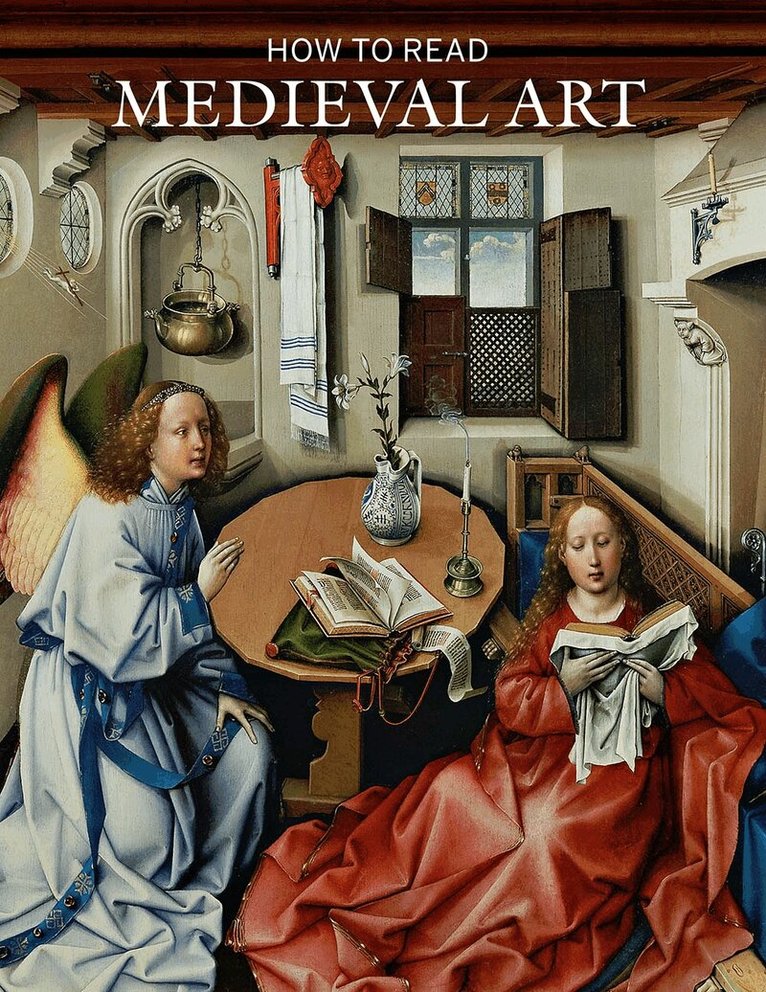
An enlightening, accessible guide to understanding and appreciating European art from the Middle AgesHow to Read Medieval Art introduces the art of the European Middle Ages through 50 notable examples from the Metropolitan Museum’s collection, which is one of the most comprehensive in the world. This handsomely illustrated volume includes multi-panel altarpieces, stained glass windows, wooden sculpture, as well as manuscript illuminations, and features iconic masterworks such as the Merode Altarpiece, Unicorn Tapestries, and The Belles Heures of Jean de France, duc de Berry. Formal explorations of individual works, chosen to exemplify key ideas crucial to understanding medieval art, are accompanied by relevant information about the context in which they were created, conveying the works’ visual nuances but also their broader symbolic meaning. Superb color illustrations further reveal the visual and conceptual richness of medieval art, providing the reader with a deeper understanding of the history and iconography of this pivotal era.Published by The Metropolitan Museum of Art / Distributed by Yale University Press
235 kr
Skickas inom 7-10 vardagar
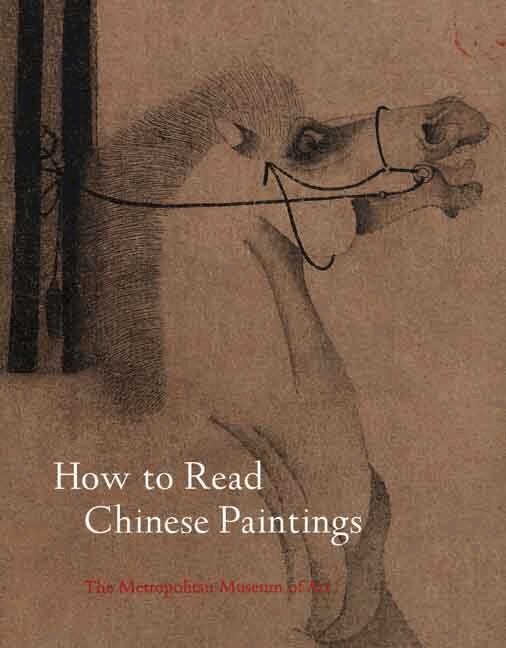
The Chinese often use the expression du hua, “to read a painting,” in connection with their study and appreciation of such works. This volume closely “reads” thirty-six masterpieces of Chinese painting from the encyclopedic collection of The Metropolitan Museum of Art in order to reveal the major characteristics and themes of this rich pictorial tradition. The book examines multiple layers of meaning—style, technique, symbolism, past traditions, and the artist’s personal circumstances—through accessible texts and numerous large color details. A dynastic chronology, map, and list of further readings supplement the text. Spanning a thousand years of Chinese art, these landscapes, flowers, birds, figures, religious subjects, and calligraphies illuminate the main goal of every Chinese artist: to capture not only the outer appearance of a subject but also its inner essence. Published in association with The Metropolitan Museum of ArtExhibition Schedule:The Metropolitan Museum of Art (March 1 – August 10, 2008)
235 kr
Skickas inom 7-10 vardagar
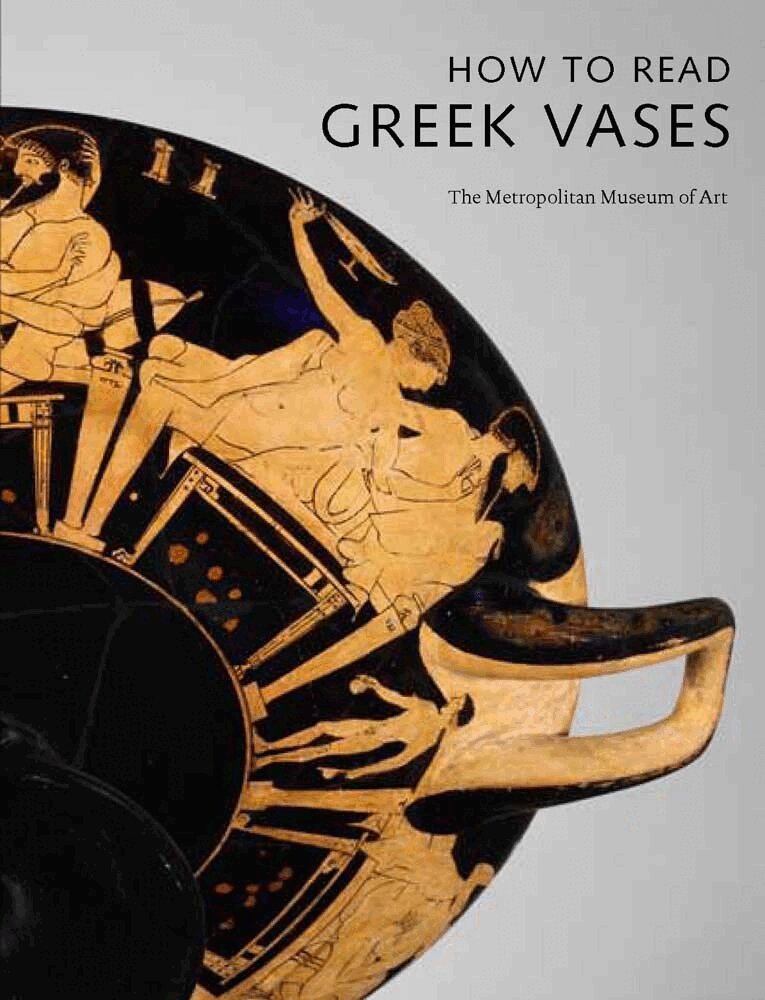
This handsomely illustrated volume is the second in a series of publications aimed at giving a broad audience deeper insight into the extensive collections of The Metropolitan Museum of Art. The Museum is famed for its Greek vases. Joan R. Mertens, Curator in the Department of Greek and Roman Art at the Metropolitan, has chosen thirty-five notable examples. They reveal the variety and vitality of the refined forms and masterfully rendered scenes that characterize these works. And they demonstrate the interrelation of function, shape, technique, and subject matter that is key to understanding the rich language of Greek vases. The introduction provides valuable background information, and the entries delve into the features of each vase, incorporating brilliant color illustrations, including many arresting details. Greek vases served specific utilitarian functions, and they also afforded outstanding artists, some of whom signed their work, a medium for depicting both the details of daily existence and aspects of their gods, goddesses, and heroes. We see the garments, implements, athletic competitions, and marriage and funerary rituals of Greeks who lived from the seventh through the fourth century B.C. We see their mythological figures and stories, for instance, the goddess Athena with her helmet, spear, and shield, and the great hero Herakles, from his first exploit as a baby to his elevation as an immortal at the end of his earthly life. The exceptional group of works assembled in this volume conveys the extent to which the culture of ancient Greece is still apparent today. Urns and jars inspired by Greek models are a staple in all types of public and private spaces. The meander patterns, palmettes, and other florals that adorn ancient vases recur in all kinds of modern objects. And the concept of the hero, or superman, first formulated and given visual form in ancient Greece is integral to Western culture. How to Read Greek Vases is sure to inspire closer scrutiny of these remarkable works of art, which have survived for over two millennia to offer viewers an enlightening look into the ancient heritage of the Western world.Published in association with The Metropolitan Museum of Art
262 kr
Tillfälligt slut
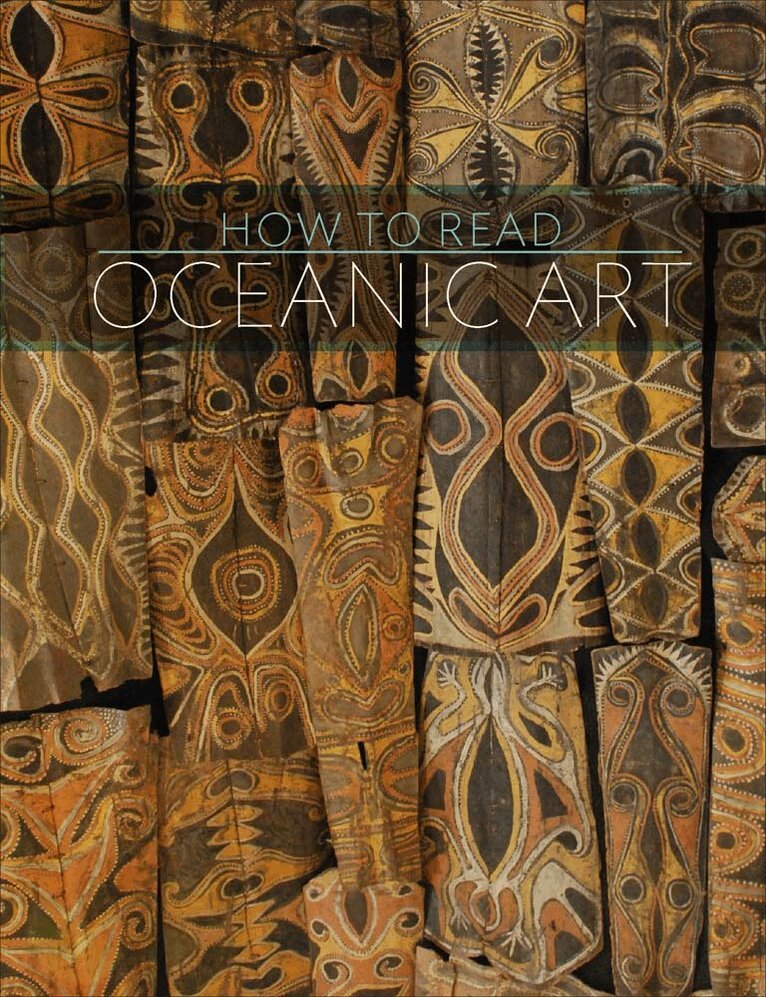
An engaging explanation of Oceanic art and an important gateway to wider appreciation of Oceanic heritage and visual cultureArt from Oceania, the region encompassing the islands of the central and south Pacific, spans hundreds of distinct artistic processes, formats, and mediums. Many people’s exposure to Oceanic art comes through its influence on the work of European artists, and therefore Oceanic works themselves often remain difficult for Western viewers to interpret and comprehend. How to Read Oceanic Art, the third book in a series of guides to understanding different artistic genres, helps elucidate this subject through explanation of specific objects. The book analyzes the most illustrative Oceanic pieces from the Metropolitan Museum’s collection—including lively painted masks, powerful figurines, and intricately carved wooden poles—which together represent the extraordinary diversity of artistic traditions in the region. Attractive photography and clear, engaging texts explain how and why various works were made as well as how they were used. This publication is an invaluable resource for art historical study, and also an important gateway to wider appreciation of Oceanic heritage and visual culture.Published by The Metropolitan Museum of Art/Distributed by Yale University Press
235 kr
Skickas inom 7-10 vardagar
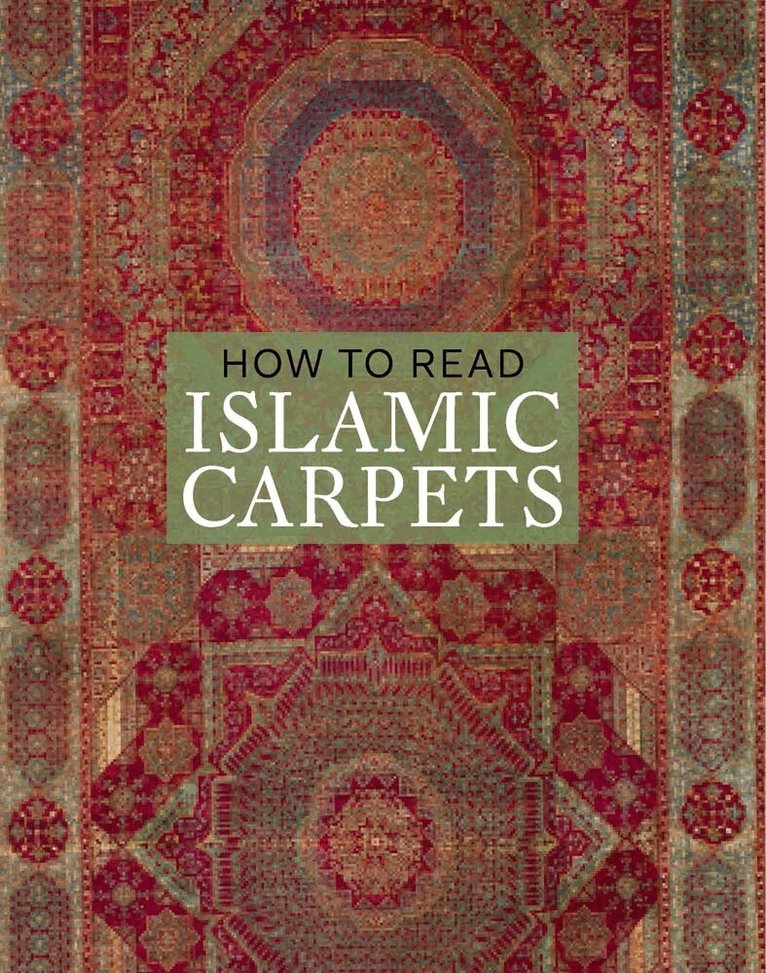
Carpets made in the “Rug Belt”—an area that includes Morocco, North Africa, the Middle East, Central Asia, and northern India—have been a source of fascination and collecting since the 13th century. This engaging and accessible book explores the history, design techniques, materials, craftsmanship, and socioeconomic contexts of these works, promoting a better understanding and appreciation of these frequently misunderstood pieces. Fifty-five examples of Islamic carpets are illustrated with new photographs and revealing details. The lively texts guide readers, teaching them “how to read” clues present in the carpets. Walter B. Denny situates these carpets within the cultural and social realm of their production, be it a nomadic encampment, a rural village, or an urban workshop. This is an essential guide for students, collectors, and professionals who want to understand the art of the Islamic carpet. Published by The Metropolitan Museum of Art/Distributed by Yale University Press
235 kr
Skickas inom 7-10 vardagar
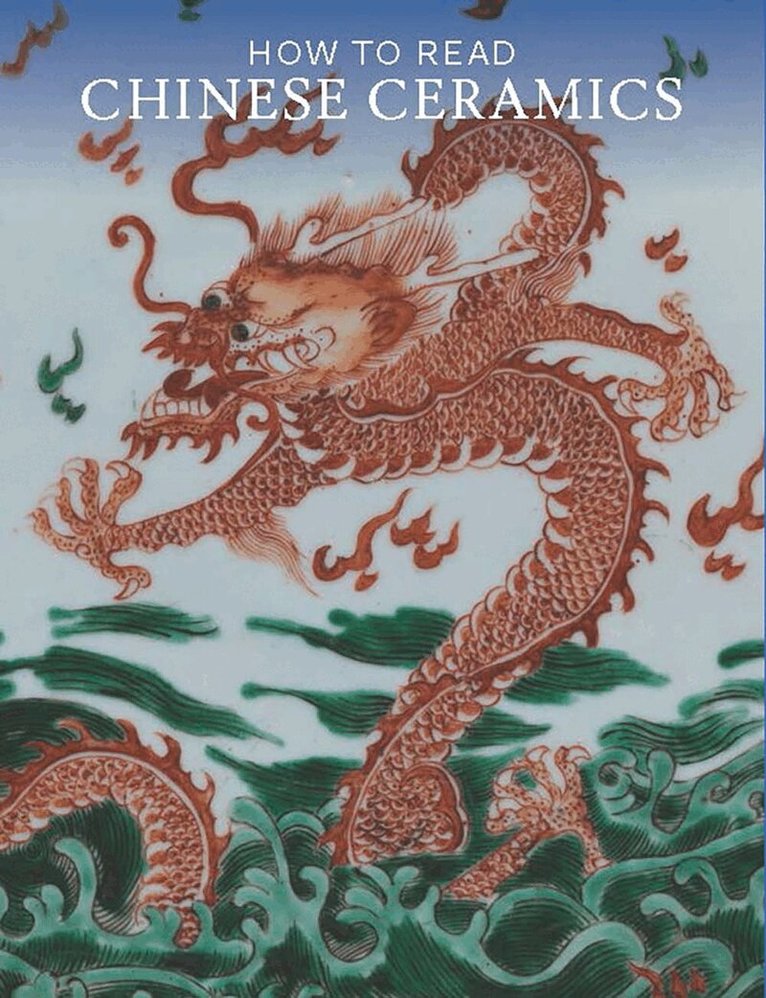
Chinese ceramics are among the most significant and widely collected decorative arts produced anywhere in the world, with a history that spans millennia. Despite the saturation of Chinese ceramics in global culture—in English, the word “china” has become synonymous with “porcelain”—the function of these works and the meaning of their often richly decorated surfaces are not always readily apparent. This new installment in the successful How to Read series enlightens readers on Chinese ceramics of all kinds, using highlights from the outstanding collection of The Metropolitan Museum of Art as a teaching tool. Accessible to a general audience and written by an expert on the subject, this book explains and interprets 40 masterworks of Chinese ceramics. The works represent a broad range of subject matter and type, from ancient earthenware to 20th-century porcelain, and from plates and bowls to vases and sculptural figures. Lavish illustrations showcase these stunning works and the decorations that adorn them, including symbolic scenes, flowers, and Buddhist and Chinese historical figures. Published by The Metropolitan Museum of Art/Distributed by Yale University Press
229 kr
Skickas inom 7-10 vardagar
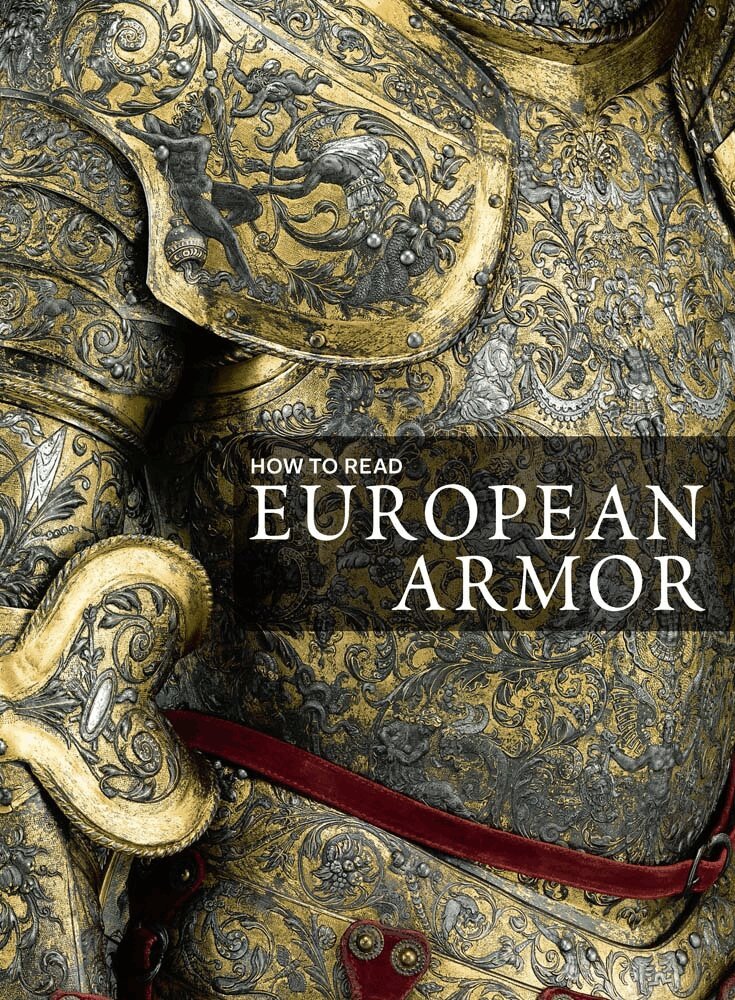
An accessibly written and superbly illustrated introduction to armor used for battle, tournament, and ceremonyThis engaging book offers an introduction to and overview of armor in Europe from the Middle Ages through the 17th century, focusing in particular on the 16th century when plate armor reached its peak of stylistic beauty and functional perfection. Created by highly skilled armorers, often in cooperation with noted artists and commissioned by wealthy patrons, armor was worn for centuries on the battlefield, in festive tournaments, and for ceremonial events. Through informative discussions of representative works from the Metropolitan Museum’s world-renowned collection, this new addition to the popular How to Read series shows what to look for when examining armor, the pieces that make up a typical suit of armor, how the parts work, the various methods used to decorate armor, and how armor became an important part of so many museum collections today. The book features a wealth of new photography of historically important armor and other works of art from the Metropolitan Museum and select pieces from other institutions.Published by The Metropolitan Museum of Art/Distributed by Yale University Press
235 kr
Skickas inom 7-10 vardagar
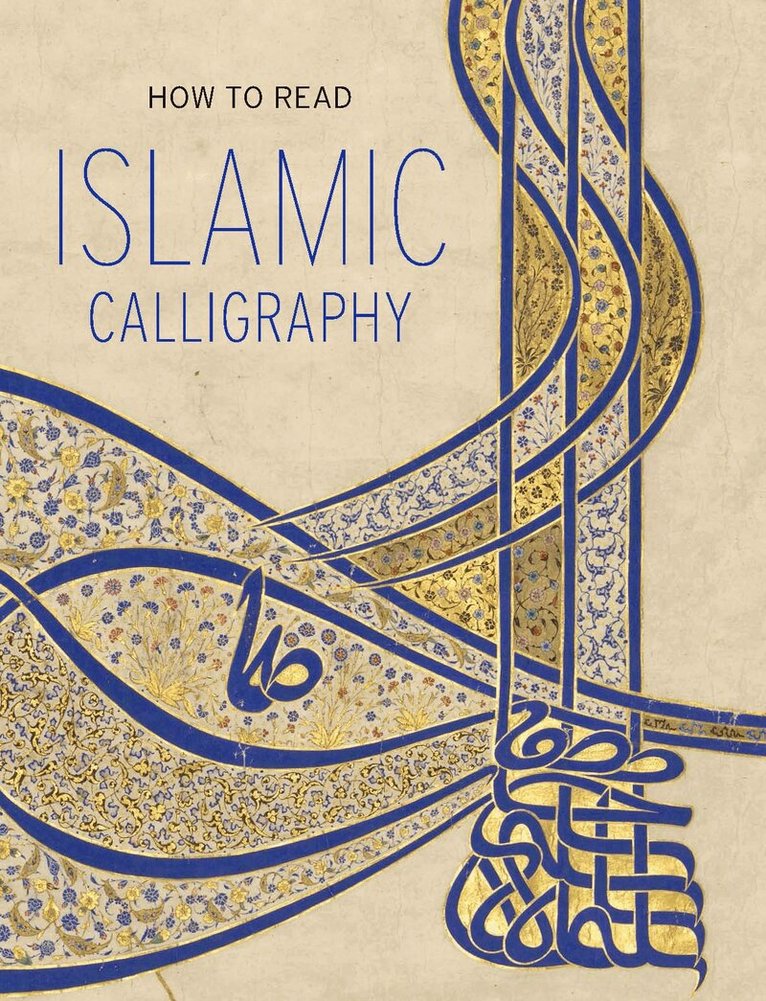
An accessible introduction to the quintessential art form of the Islamic worldHow to Read Islamic Calligraphy explores the preeminence of the written word as a means of creative expression throughout the Islamic world. Aimed at a general audience, the book introduces all five major Islamic calligraphic script types, demonstrates their distinctive visual characteristics, and explains the various contexts in which each one came to be used, whether for transcribing the Qur’an, composing poetry, or issuing written edicts from the sultan’s court. Numerous examples illustrate how the transmission of these styles and techniques from master to pupil was fundamental to the flourishing of Islamic calligraphy, and handwriting models from as early as the 10th century continue to inspire students of calligraphy today. Superbly illustrated, the works discussed include manuscripts, glass, metalware, and ceramic tiles. This accessible and engaging book traces the progression of calligraphic styles over centuries and across geographical regions, affirming the spectacular range of creative possibilities afforded by this unique art form.Published by The Metropolitan Museum of Art/Distributed by Yale University Press
229 kr
Skickas inom 7-10 vardagar
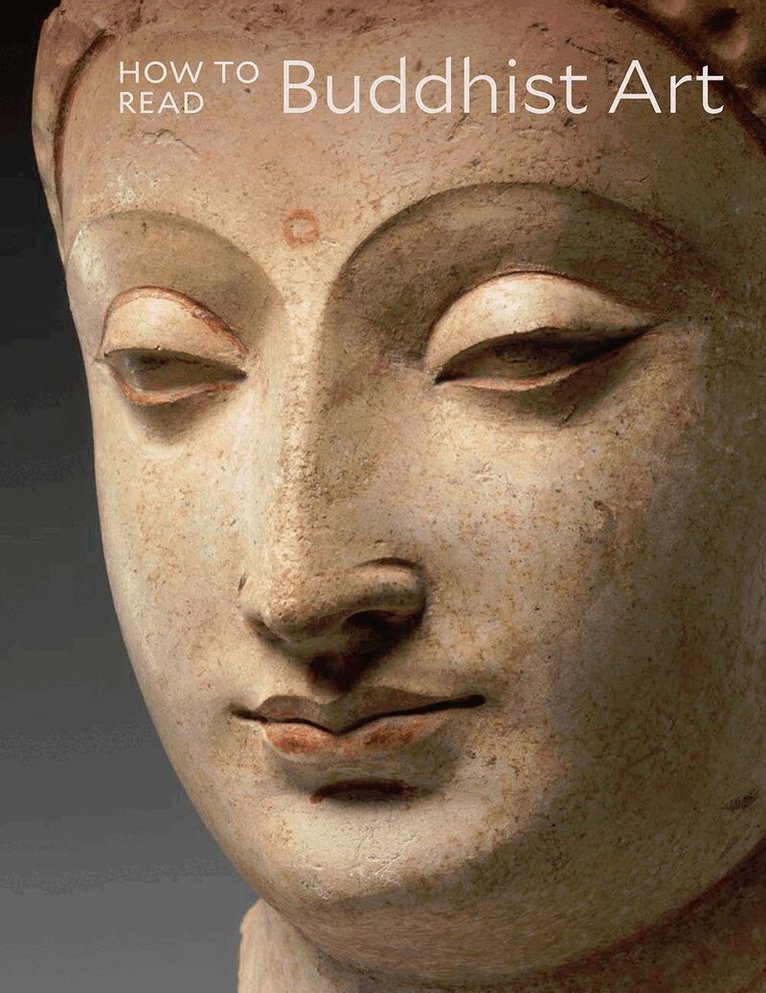
An indispensable introduction to the evolution of Buddhist imagery from its origins in India through its spread to China, Japan, and South AsiaFor more than 2,000 years, sublime works of art have been created to embody essential aspects of Buddhist thought, which developed and evolved as its practice spread from India to East Asia and beyond. How to Read Buddhist Art introduces this complex visual tradition to a general audience by examining sixty seminal works. Beginning with the origins of representations of the Buddha in India, and moving on to address the development of Buddhist art as the religion spread across Asia, this book conveys how Buddhist philosophy affected artistic works and practice across cultural boundaries. Reliquaries, sculptures, and paintings produced in China, the Himalayas, Japan, Korea, and South and Southeast Asia provide insight into the rich iconography of Buddhism, the technical virtuosity of their makers, and the social and political climate in which they were created. Beautiful photographs of the artworks, maps, and a glossary of the major Buddhist deities offer an engaging and informative setting in which readers—regardless of their familiarity with Buddhism—can better understand the art related to the religion’s practices and representations.Published by The Metropolitan Museum of Art/Distributed by Yale University Press
235 kr
Skickas inom 7-10 vardagar
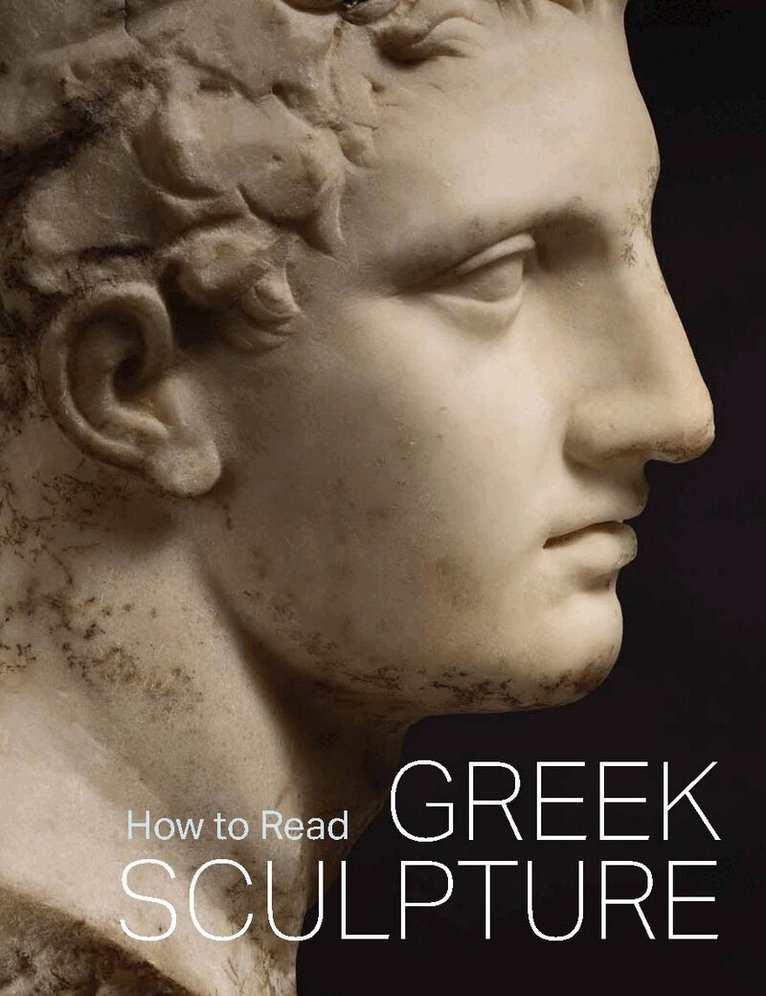
Featuring decorative, religious, and utilitarian objects from the Geometric period to the Hellenistic Age, this is the ideal introduction to Greek sculptureIntroducing eight centuries of Greek sculpture, this latest addition to The Met’s compelling and widely acclaimed How to Read series traces this artistic tradition from its early manifestations in the Geometric period (ca. 900–700 BCE) through the groundbreaking creativity of the Archaic and Classical periods to the dramatic achievements of the Hellenistic Age (323–31 BCE). The 40 works of art featured represent a broad range of objects and materials, both sacred and utilitarian, in metal, marble, gold, ivory, and terracotta. Sculptures of deities and architectural elements are joined by depictions of athletes, animals, and performers, as well as by funerary reliefs, perfume vases, and jewelry. The accompanying text both provides insight into Greek art as a whole and illuminates centuries of Greek life. Detailed commentaries on each work and an overview of major themes in Greek art offer a fascinating, object-focused introduction to one of the most influential cultures in Western civilization.Published by The Metropolitan Museum of Art/Distributed by Yale University Press
235 kr
Skickas inom 7-10 vardagar
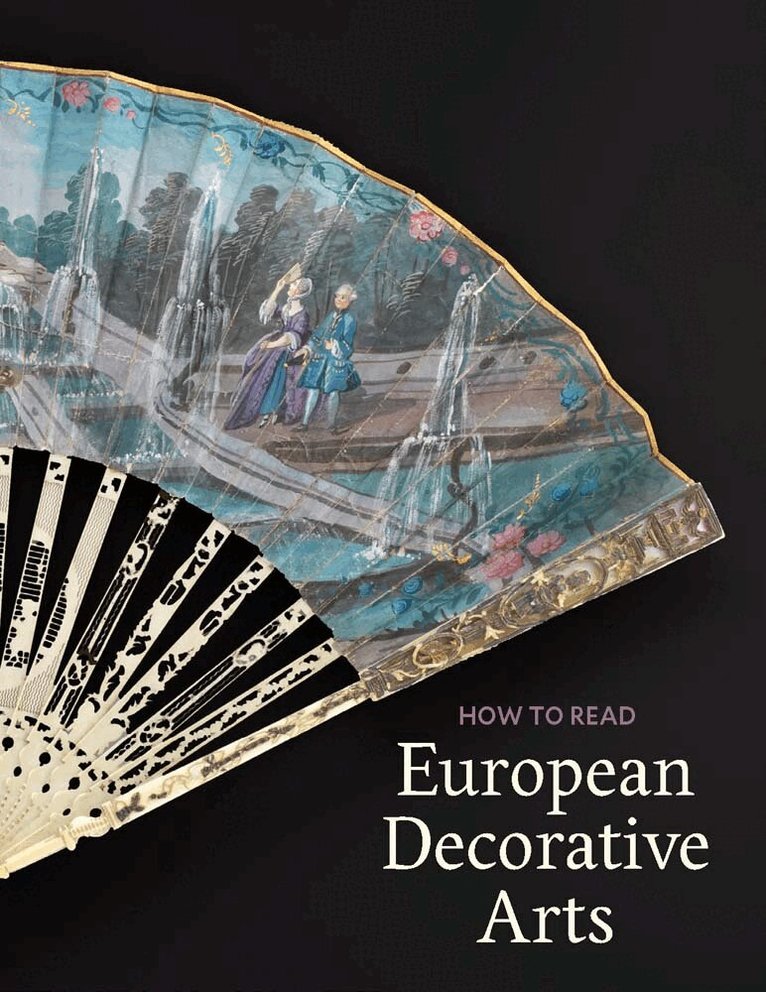
Illuminating three centuries of European artistry and ingenuity, this volume in The Met’s acclaimed How to Read series provides a wide-ranging exploration of decorative arts from British writing tables to Russian snuffboxesSpanning three centuries of creativity, from the High Renaissance to the Industrial Revolution, this volume in The Met’s How to Read series provides a peek into daily lives across Europe—from England, Spain, and France to Germany, Denmark, and Russia. Featuring 40 exemplary objects, including furniture, tableware, utilitarian items, articles of personal adornment, devotional objects, and display pieces, this publication covers many aspects of European society and lifestyles, from the modest to the fabulously wealthy. The book considers the contributions of renowned masters, such as the Dutch cabinetmaker Jan van Mekeren and the Italian goldsmith Andrea Boucheron, as well as talented amateurs, among them the anonymous young Englishwoman who embroidered an enchanting chest with scenes from the Story of Esther. The works selected include both masterpieces and less familiar examples, some of them previously unpublished, and are discussed not only in light of their art-historical importance but also with regard to the social issues relevant to each, such as the impact of colonial slavery or the changing status of women artists.Published by The Metropolitan Museum of Art/Distributed by Yale University Press
235 kr
Skickas inom 7-10 vardagar
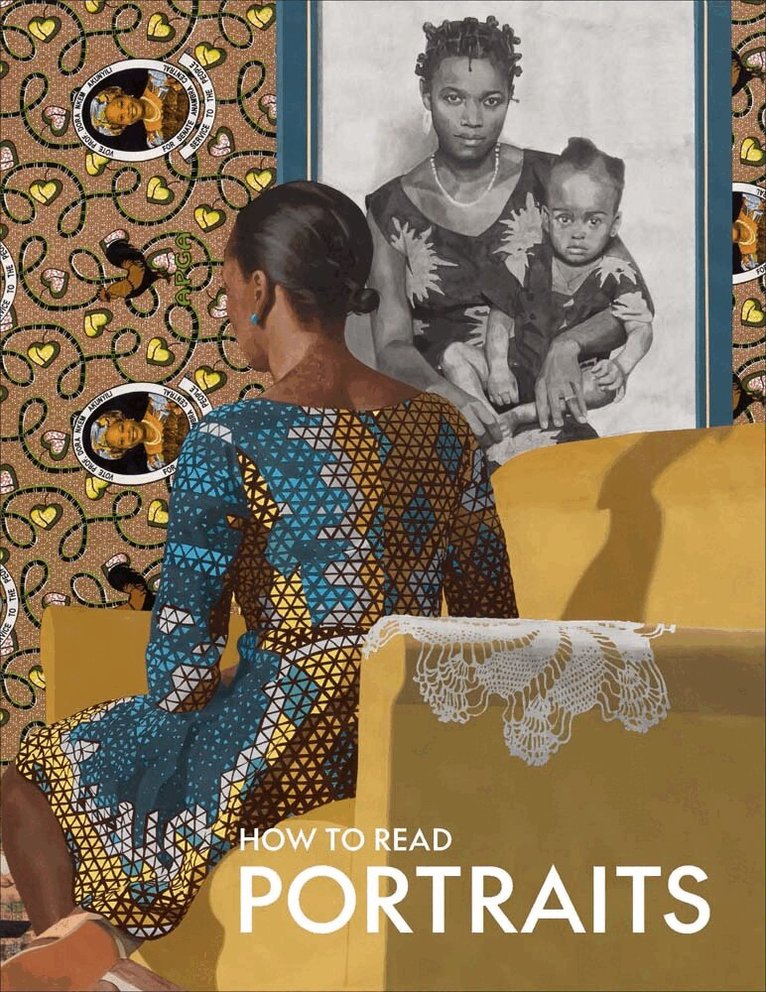
This latest volume in The Met’s acclaimed How to Read series explores the meaning of portraiture across time and cultures—from funerary masks to realism to abstractionPortraiture goes far beyond capturing a likeness. Portraits speak to such fundamental human concerns as status, relationships, and identity. Featuring more than fifty works across time and cultures and in different media, from the strikingly naturalistic mummy portraits of Roman Egypt to Pablo Picasso’s Cubist abstractions to symbolic portraits by contemporary artists, this book expands the notion of what, beyond mere appearance, constitutes a portrait. Kathryn Calley Galitz, author of the bestselling The Metropolitan Museum of Art: Masterpiece Paintings, illuminates how artists and sitters through the ages have engaged with the genre to reveal character and convey power and social standing; how artists as varied as Rembrandt and Cindy Sherman embraced artifice and role-playing to interrogate identity; and how portraiture encompasses a wider variety of works than typically thought. This reexamination of a deceptively familiar genre provides fascinating ideas about what these images can tell us about the artist, the sitter, and ourselves. Published by The Metropolitan Museum of Art/Distributed by Yale University Press
235 kr
Skickas inom 7-10 vardagar
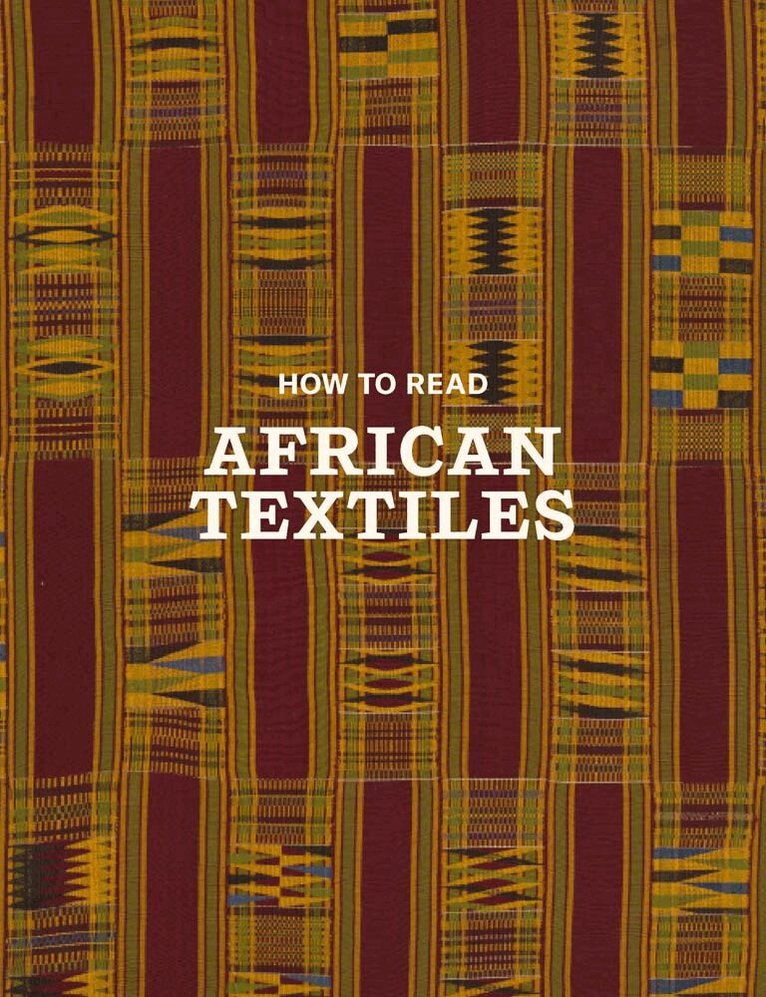
The latest volume in The Met’s How to Read series, focusing on the rich and varied textiles of Africa through forty exemplars from the nineteenth century to the present day Historically, handwoven cloth and clothing made across the African continent have been labor-intensive creations deeply embedded in local and regional value systems. These fabrics, frequently adapted to communal and individual needs, serve to clothe the body, divide architectural space, protect physical = and spiritual well-being, and convey wealth and authority. This volume in The Met’s acclaimed How to Read series features forty masterworks of African fiber arts, from a dynamic nineteenth-century interior hanging from Sierra Leone to a dreamlike textile canvas by a contemporary Malagasy artist. Authors Christine Giuntini and Jenny Peruski explore the complex histories of production, consumption, and exchange attached to these extraordinary works; contextualize long-standing and recently embraced techniques and materials; and offer readers new ways to appreciate Africa’s diverse textile traditions. Published by The Metropolitan Museum of Art/Distributed by Yale University Press