Häftad, Engelska, 1976
145 kr
Skickas inom 5-8 vardagar
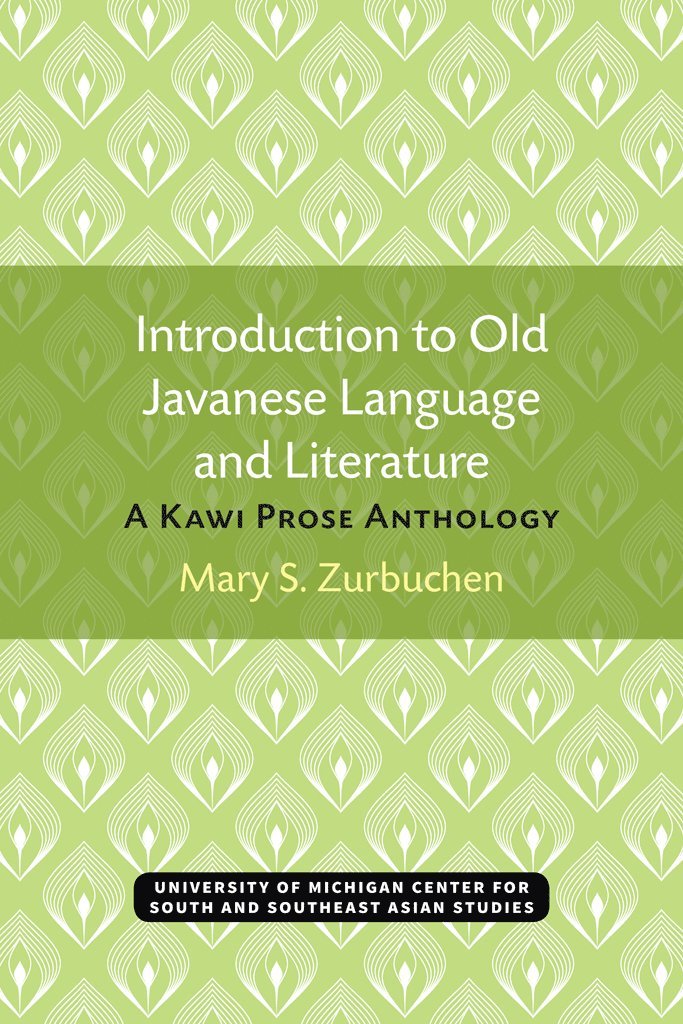
The oldest and most extensive written language of Southeast Asia is Old Javanese, or Kawi. It is the oldest language in terms of written records, and the most extensive in the number and variety of its texts. Javanese literature has taken many forms. At various times, prose stories, sung poetry or other metrical types, chronicles, scientific, legal, and philosophical treatises, prayers, chants, songs, and folklore were all written down. Yet relatively few texts are available in English. The unstudied texts remaining are an unexplored record of Javanese culture as well as a language still alive as a literary medium in Bali. Introduction to Old Javanese Language and Literature represents a first step toward remedying the dearth of Old Javanese texts available to English-speaking students. The ideal teaching companion, this anthology offers transliterated original texts with facing-page English translations. Theanthology focuses on prose selections, since their straightforward style and syntax offer the beginning student the most rewarding experience. Four sections make up the collection. Part I offers several short readings as the most accessible entry point into Old Javanese. Part II contains two moralistic fables from an Old Javanese retelling of the Hindu Pañcatantra cycle. Part III takes up the epic, providing excerpts from one of the books of the Old Javanese retelling of the Mahābhārata. Part IV offers excerpts from two chronicles, the generic conventions of which challenge received notions of history writing because of their supernaturalism and folkloric elements. Includes introduction, glossary, and notes.