Michigan Studies in Comparative Jewish Cultures - Böcker
Visar alla böcker i serien Michigan Studies in Comparative Jewish Cultures. Handla med fri frakt och snabb leverans.
6 produkter
6 produkter
415 kr
Skickas inom 7-10 vardagar
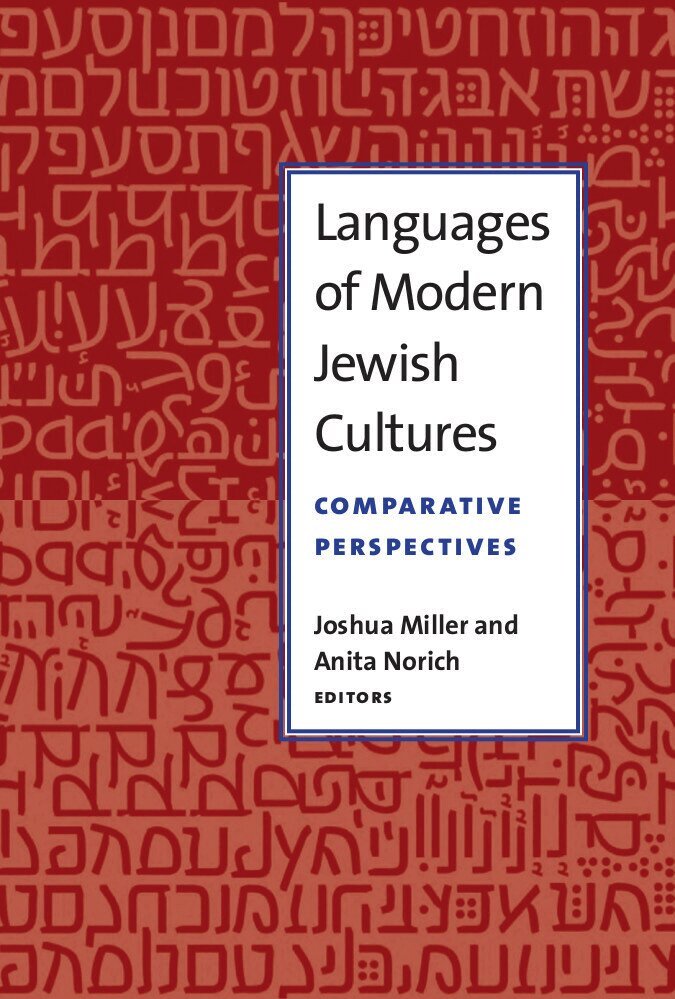
This collection of essays brings to Jewish Language Studies the conceptual frameworks that have become increasingly important to Jewish Studies more generally: transnationalism, multiculturalism, globalization, hybrid cultures, multilingualism, and interlingual contexts. Languages of Modern Jewish Cultures collects work from prominent scholars in the field, bringing world literary and linguistic perspectives to generate distinctively new historical, cultural, theoretical, and scientific approaches to this topic of ongoing interest. Chapters of this edited volume consider from multiple angles the cultural politics of myths, fantasies, and anxieties of linguistic multiplicity in the history, cultures, folkways, and politics of global Jewry. Methodological range is as important to this project as linguistic range. Thus, in addition to approaches that highlight influence, borrowings, or acculturation, the volume represents those that highlight syncretism, the material conditions of Jewish life, and comparatist perspectives.
334 kr
Skickas inom 7-10 vardagar
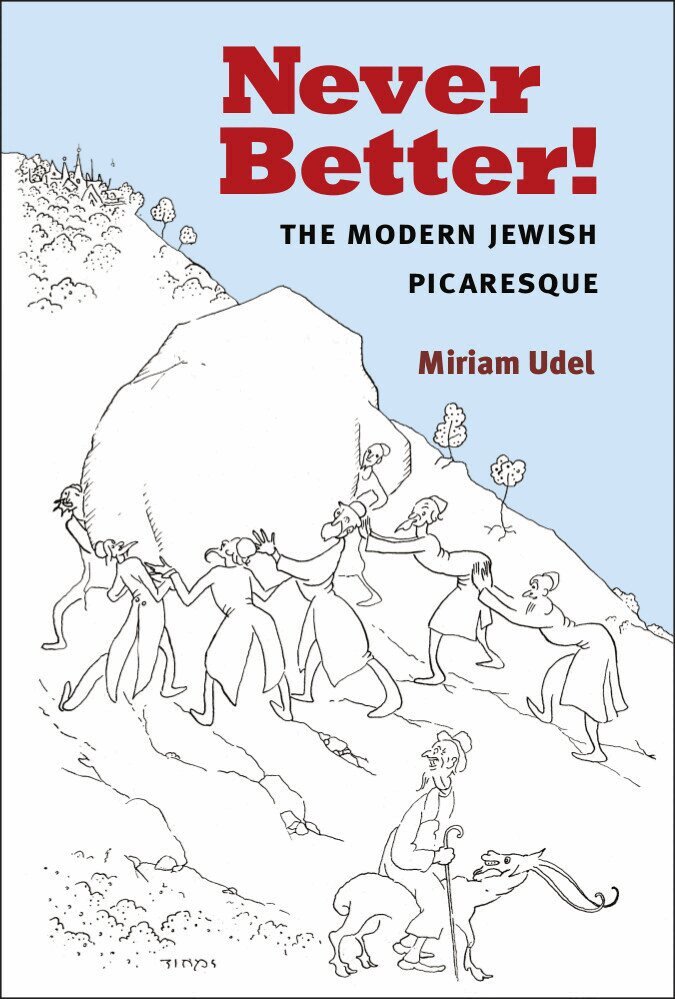
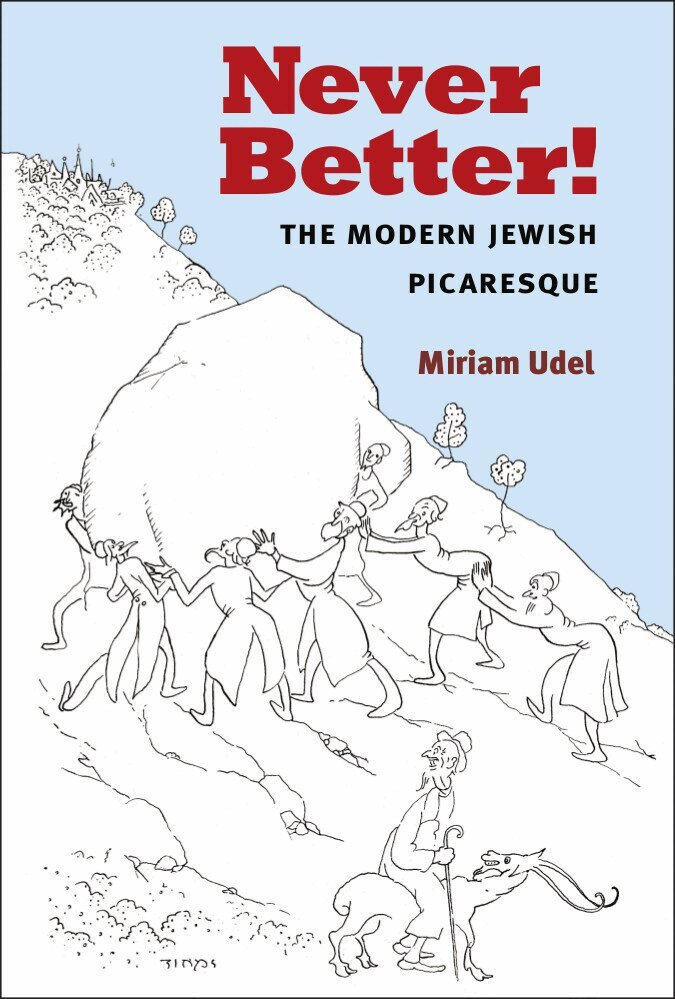
It was only when Jewish writers gave up on the lofty Enlightenment ideals of progress and improvement that the Yiddish novel could decisively enter modernity. Animating their fictions were a set of unheroic heroes who struck a precarious balance between sanguinity and irony that author Miriam Udel captures through the phrase “never better.” With this rhetorical homage toward the double-voiced utterances of Sholem Aleichem, Udel gestures at these characters’ insouciant proclamation that things had never been better, and their rueful, even despairing admission that things would probably never get better.The characters defined by this dual consciousness constitute a new kind of protagonist: a distinctively Jewish scapegrace whom Udel denominates the polit or refugee. Cousin to the Golden Age Spanish pícaro, the polit is a socially marginal figure who narrates his own story in discrete episodes, as if stringing beads on a narrative necklace. A deeply unsettled figure, the polit is allergic to sentimentality and even routine domesticity. His sequential misadventures point the way toward the heart of the picaresque, which Jewish authors refashion as a vehicle for modernism—not only in Yiddish, but also in German, Russian, English and Hebrew. Udel draws out the contours of the new Jewish picaresque by contrasting it against the nineteenth-century genre of progress epitomized by the Bildungsroman.While this book is grounded in modern Jewish literature, its implications stretch toward genre studies in connection with modernist fiction more generally. Udel lays out for a diverse readership concepts in the history and theory of the novel while also explicating the relevant particularities of Jewish literary culture. In addressing the literary stylistics of a “minor” modernism, this study illuminates how the adoption of a picaresque sensibility allowed minority authors to write simultaneously within and against the literary traditions of Europe.
1 444 kr
Skickas inom 7-10 vardagar
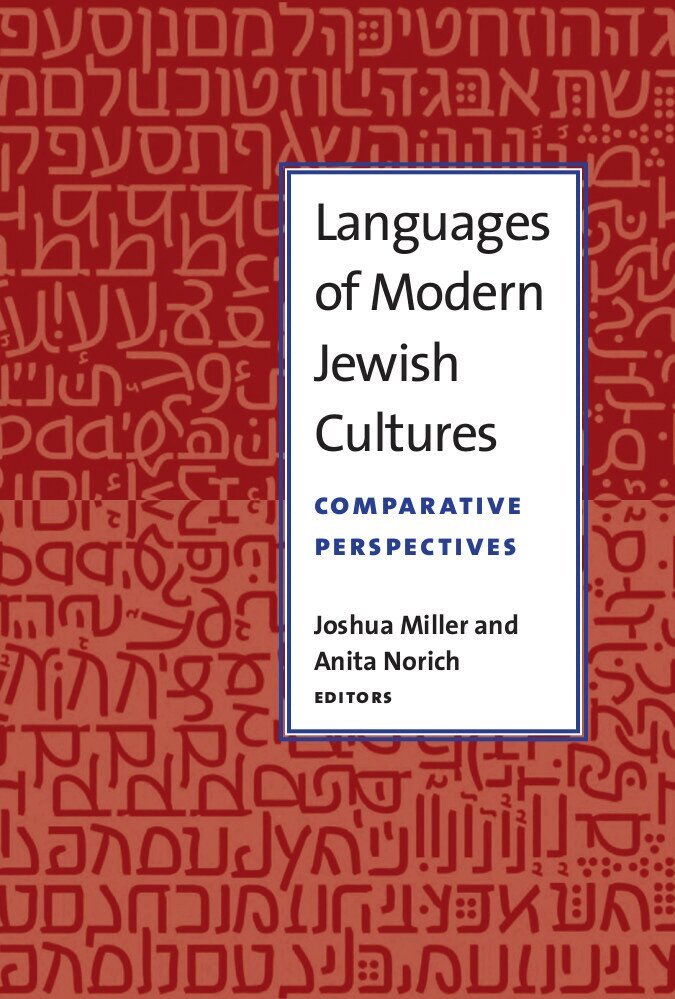
This collection of essays brings to Jewish Language Studies the conceptual frameworks that have become increasingly important to Jewish Studies more generally: transnationalism, multiculturalism, globalization, hybrid cultures, multilingualism, and interlingual contexts. Languages of Modern Jewish Cultures collects work from prominent scholars in the field, bringing world literary and linguistic perspectives to generate distinctively new historical, cultural, theoretical, and scientific approaches to this topic of ongoing interest. Chapters of this edited volume consider from multiple angles the cultural politics of myths, fantasies, and anxieties of linguistic multiplicity in the history, cultures, folkways, and politics of global Jewry. Methodological range is as important to this project as linguistic range. Thus, in addition to approaches that highlight influence, borrowings, or acculturation, the volume represents those that highlight syncretism, the material conditions of Jewish life, and comparatist perspectives.
1 159 kr
Skickas inom 7-10 vardagar
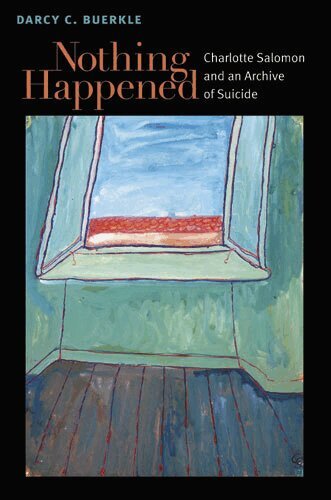
Charlotte Salomon's (1917-43) fantastical autobiography, Life? or Theater?, consists of 769 sequenced gouache paintings, through which the artist imagined the circumstances of the eight suicides in her family, all but one of them women. But Salomon's focus on suicide was not merely a familial idiosyncrasy. Nothing Happened argues that the social history of early-twentieth-century Germany has elided an important cultural and social phenomenon by not including the story of German Jewish women and suicide. This absence in social history mirrors an even larger gap in the intellectual history of deeply gendered suicide studies that have reproduced the notion of women's suicide as a rarity in history. Nothing Happened is a historiographic intervention that operates in conversation and in tension with contemporary theory about trauma and the reconstruction of emotion in history.
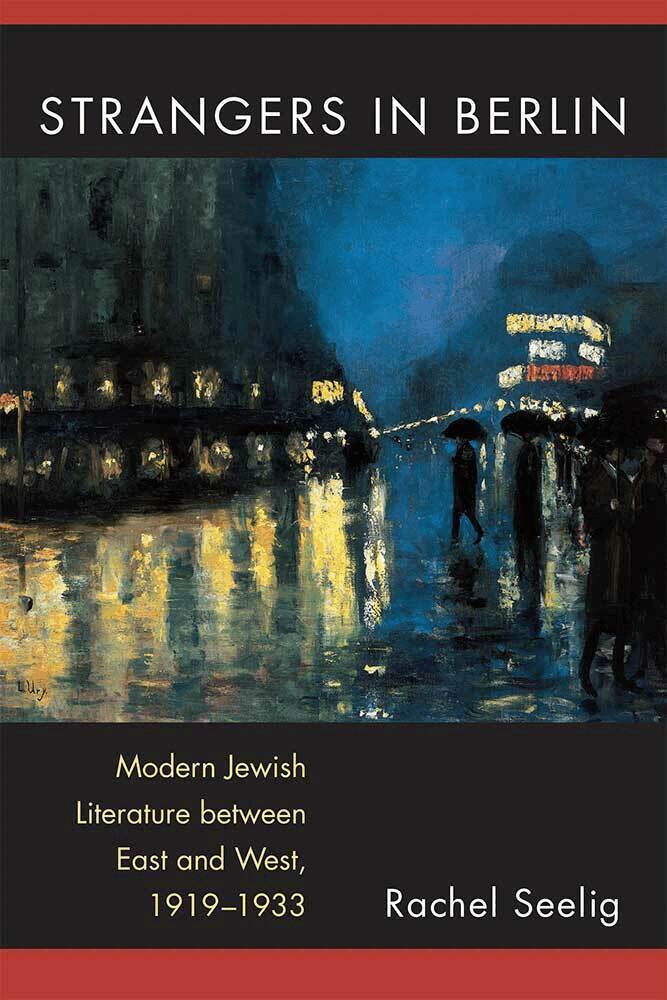
Strangers in Berlin
Modern Jewish Literature between East and West, 1919–1933
Inbunden, Engelska, 2016
847 kr
Skickas inom 7-10 vardagar
Berlin in the 1920s was a cosmopolitan hub where for a brief, vibrant moment German-Jewish writers crossed paths with Hebrew and Yiddish migrant writers. Working against the prevailing tendency to view German and East European Jewish cultures as separate fields of study, Strangers in Berlin is the first book to present Jewish literature in the Weimar Republic as the product of the dynamic encounter between East and West. Whether they were native to Germany or sojourners from abroad, Jewish writers responded to their exclusion from rising nationalist movements by cultivating their own images of homeland in verse, and they did so in three languages: German, Hebrew, and Yiddish.Author Rachel Seelig portrays Berlin during the Weimar Republic as a “threshold” between exile and homeland in which national and artistic commitments were reexamined, reclaimed, and rebuilt. In the pulsating yet precarious capital of Germany’s first fledgling democracy, the collision of East and West engendered a broad spectrum of poetic styles and Jewish national identities.
1 294 kr
Skickas inom 7-10 vardagar
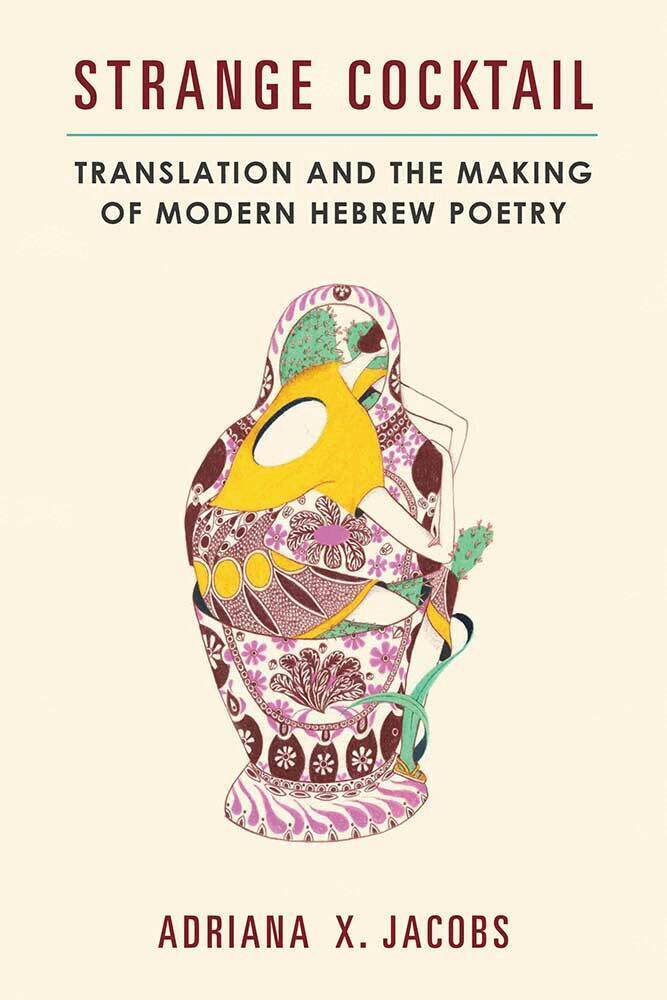
For centuries, poets have turned to translation for creative inspiration. Through and in translation, poets have introduced new poetic styles, languages, and forms into their own writing, sometimes changing the course of literary history in the process. Strange Cocktail is the first comprehensive study of this phenomenon in modern Hebrew literature of the late nineteenth century to the present day. Its chapters on Esther Raab, Leah Goldberg, Avot Yeshurun, and Harold Schimmel offer close readings that examine the distinct poetics of translation that emerge from reciprocal practices of writing and translating. Working in a minor literary vernacular, the translation strategies that these poets employed allowed them to create and participate in transnational and multilingual poetic networks. Strange Cocktail thereby advances a comparative and multilingual reframing of modern Hebrew literature that considers how canons change and are undone when translation occupies a central position—how lines of influence and affiliation are redrawn and literary historiographies are revised when the work of translation occupies the same status as an original text, when translating and writing go hand in hand.