Morehouse College King Collection Series on Civil and Human Rights – serie
Visar alla böcker i serien Morehouse College King Collection Series on Civil and Human Rights. Handla med fri frakt och snabb leverans.
10 produkter
10 produkter
1 688 kr
Skickas inom 3-6 vardagar
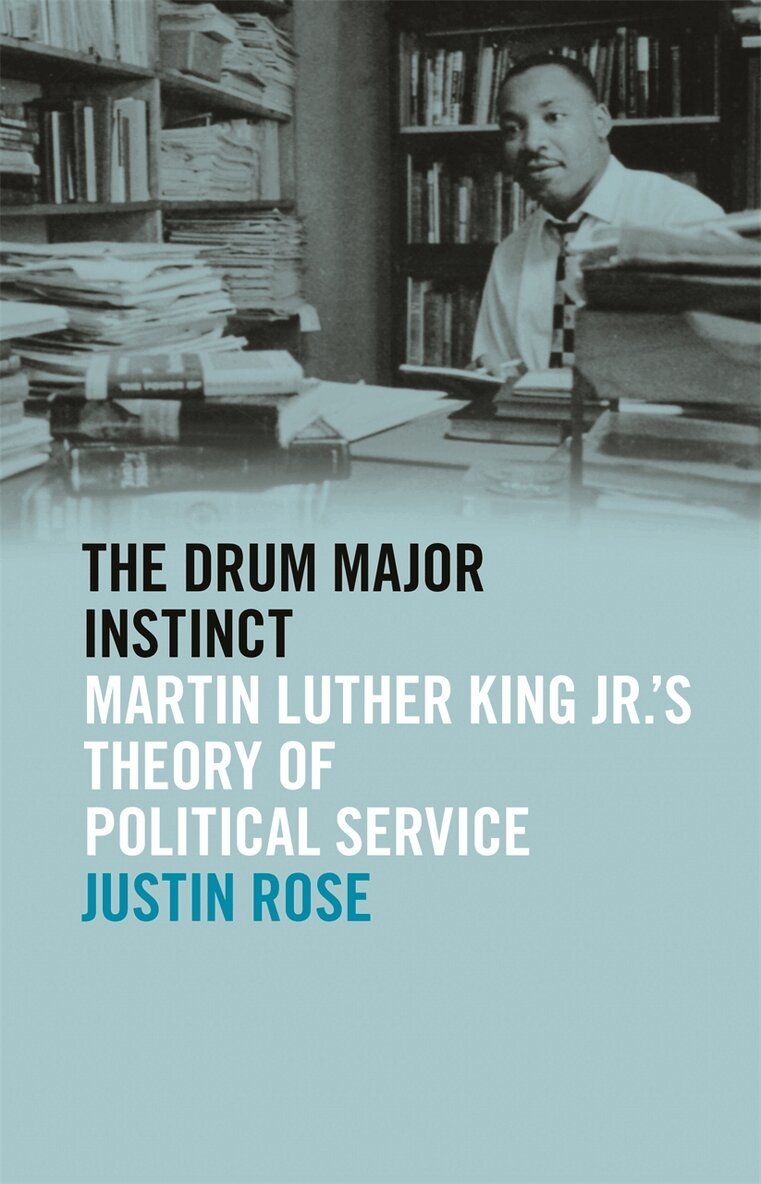
Though there are several studies devoted to aspects of Martin Luther King Jr.’s intellectual thought, there has been no comprehensive study of his overarching theory of political service. In The Drum Major Instinct, Justin Rose draws on Martin Luther King Jr.’s sermons, political speeches, and writings to construct and conceptualize King’s politics as a unified theory.Rose argues that King’s theoretical framework—as seen throughout his wide body of writings—has three central components. First, King posited that all of humanity is tied to an “inescapable network of mutuality” such that no member of society can fully flourish if there are structural barriers preventing others from flourishing. Second, King’s theory required that Americans cultivate a sense of love and concern for their fellow members of society, which would motivate them to work collectively toward transforming others and structures of injustice. Finally, King contended that all members of society have the responsibility to participate in collective forms of resistance. This meant that even the oppressed were obligated to engage in political service. Therefore, marginalized people’s struggles against injustice were considered an essential aspect of service.Taken together, King’s theory of political service calls on all Americans, but especially black Americans, to engage in other-centered, collective action aimed at transforming themselves, others, and structures of injustice. By fully exploring King’s thoughts on service, The Drum Major Instinct is an invaluable resource toward understanding how King wanted us all to work to create a more just, democratic society and how his thoughts continue to resonate in contemporary struggles.
475 kr
Skickas inom 7-10 vardagar
Though there are several studies devoted to aspects of Martin Luther King Jr.’s intellectual thought, there has been no comprehensive study of his overarching theory of political service. In The Drum Major Instinct, Justin Rose draws on Martin Luther King Jr.’s sermons, political speeches, and writings to construct and conceptualize King’s politics as a unified theory.Rose argues that King’s theoretical framework—as seen throughout his wide body of writings—has three central components. First, King posited that all of humanity is tied to an “inescapable network of mutuality” such that no member of society can fully flourish if there are structural barriers preventing others from flourishing. Second, King’s theory required that Americans cultivate a sense of love and concern for their fellow members of society, which would motivate them to work collectively toward transforming others and structures of injustice. Finally, King contended that all members of society have the responsibility to participate in collective forms of resistance. This meant that even the oppressed were obligated to engage in political service. Therefore, marginalized people’s struggles against injustice were considered an essential aspect of service.Taken together, King’s theory of political service calls on all Americans, but especially black Americans, to engage in other-centered, collective action aimed at transforming themselves, others, and structures of injustice. By fully exploring King’s thoughts on service, The Drum Major Instinct is an invaluable resource toward understanding how King wanted us all to work to create a more just, democratic society and how his thoughts continue to resonate in contemporary struggles.
1 688 kr
Skickas inom 3-6 vardagar
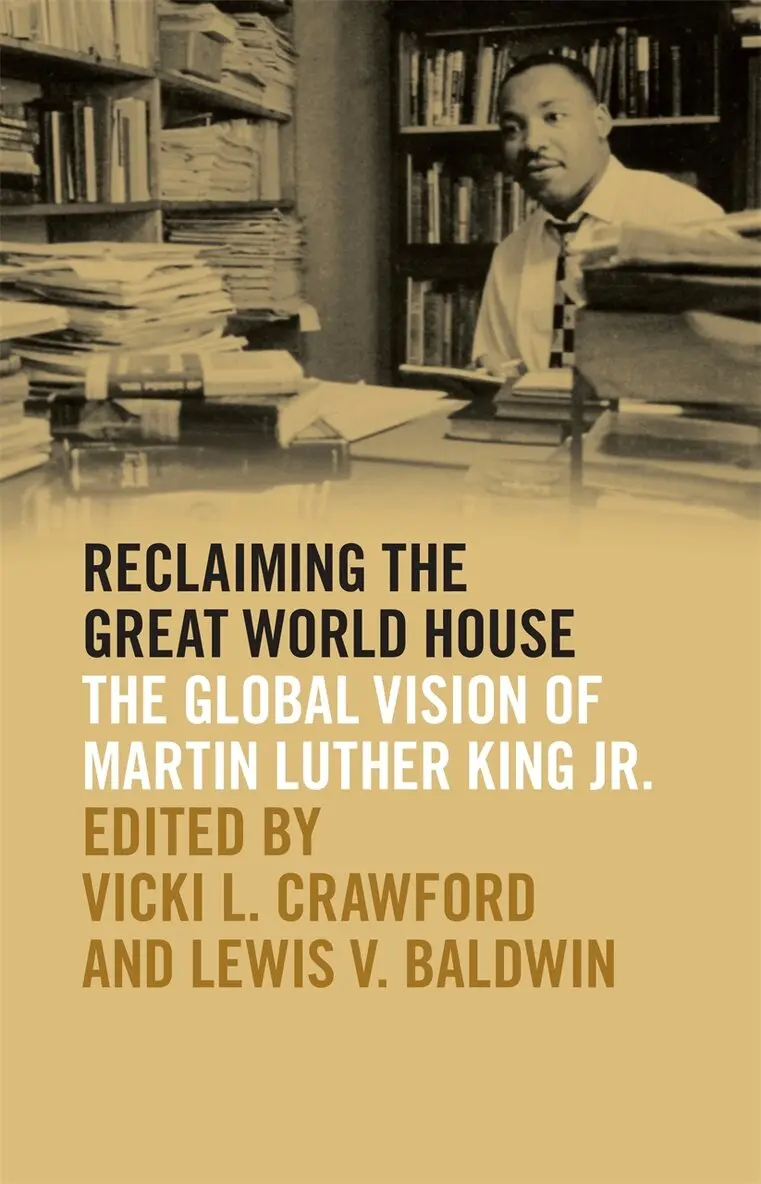
The burgeoning terrain of Martin Luther King Jr. studies is leading to a new appreciation of his thought and its meaningfulness for the emergence and shaping of the twenty-first-century world. This volume brings together an impressive array of scholars from various backgrounds and disciplines to explore the global significance of King—then, now, and in the future.Employing King’s metaphor of “the great world house,” the major focus is on King’s appraisal of the global-human struggle in the 1950s and 1960s, his relevance for today’s world, and how future generations might constructively apply or appropriate his key ideas and values in addressing racism, poverty and economic injustice, militarism, sexism, homophobia, the environmental crisis, globalization, and other challenges confronting humanity today. The contributors treat King in context and beyond context, taking seriously the historical King while also exploring how his name, activities, contributions, and legacy are still associated with a globalized rights culture.
473 kr
Skickas
The burgeoning terrain of Martin Luther King Jr. studies is leading to a new appreciation of his thought and its meaningfulness for the emergence and shaping of the twenty-first-century world. This volume brings together an impressive array of scholars from various backgrounds and disciplines to explore the global significance of King—then, now, and in the future.Employing King’s metaphor of “the great world house,” the major focus is on King’s appraisal of the global-human struggle in the 1950s and 1960s, his relevance for today’s world, and how future generations might constructively apply or appropriate his key ideas and values in addressing racism, poverty and economic injustice, militarism, sexism, homophobia, the environmental crisis, globalization, and other challenges confronting humanity today. The contributors treat King in context and beyond context, taking seriously the historical King while also exploring how his name, activities, contributions, and legacy are still associated with a globalized rights culture.
678 kr
Skickas inom 3-6 vardagar
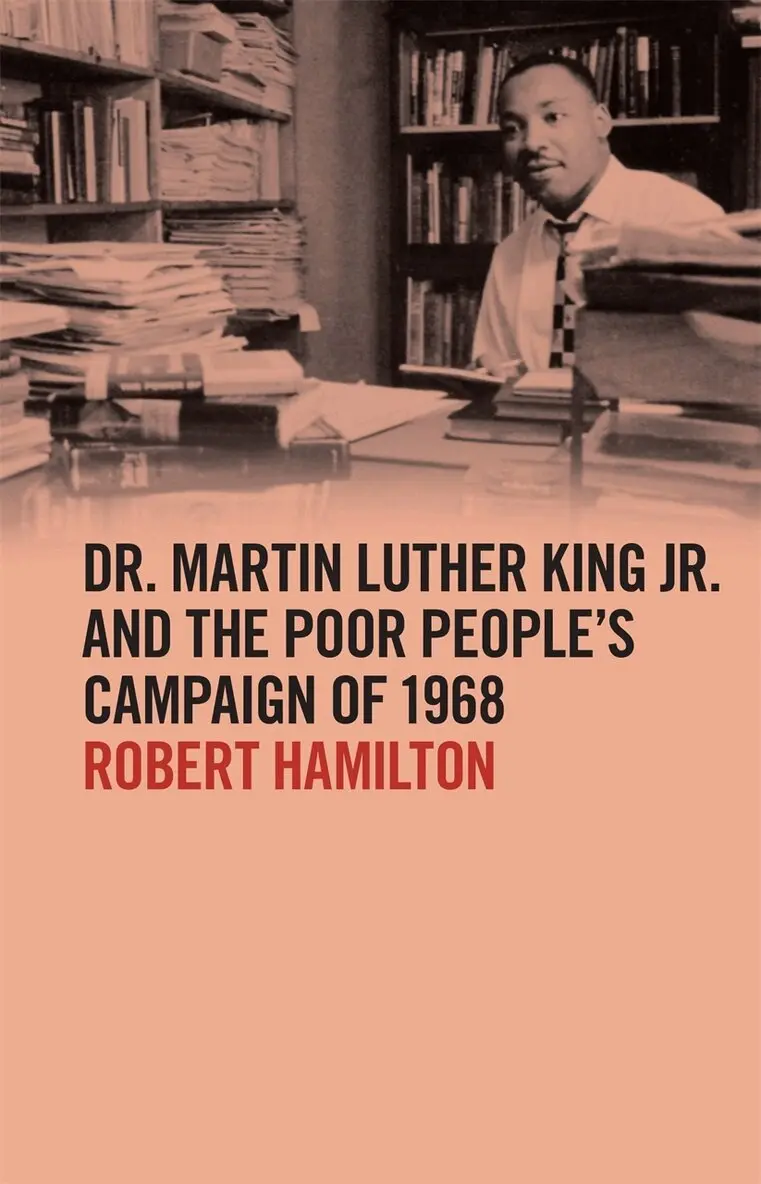
This book introduces new audiences to Dr. Martin Luther King Jr.’s final initiative, the multiracial Poor People’s Campaign (PPC) of 1968. Robert Hamilton depicts the experience of poor people who traveled to Washington in May 1968 to dramatize the issue of poverty by building a temporary city, Resurrection City. His narrative allows us to hear their voices and understand the strategies, objectives, and organization of the campaign. In addition, he highlights the campaign's educational aspect, showing that significant social movements are a means by which societies learn about themselves and framing the PPC as an initiative whose example can teach and inspire current and future generations. The study thus situates Dr. Martin Luther King Jr.’s legacy and teachings in relation to current events and further solidifies Dr. King’s cultural and sociopolitical relevance.In the decades since 1968, we have seen increasing global inequality leading to greater social polarization, including in the United States. Hamilton offers the insight that the radical politics of Dr. King—as represented in the civil rights and human rights agendas of the PPC—can help us understand and address the challenges of this polarization. Hamilton highlights Dr. King’s commitment to ending poverty and explains why Dr. King’s ideas on this and related issues should be brought to the attention of a wider public who often view him almost exclusively as a civil rights, but not a human rights, leader.
2 040 kr
Skickas inom 3-6 vardagar
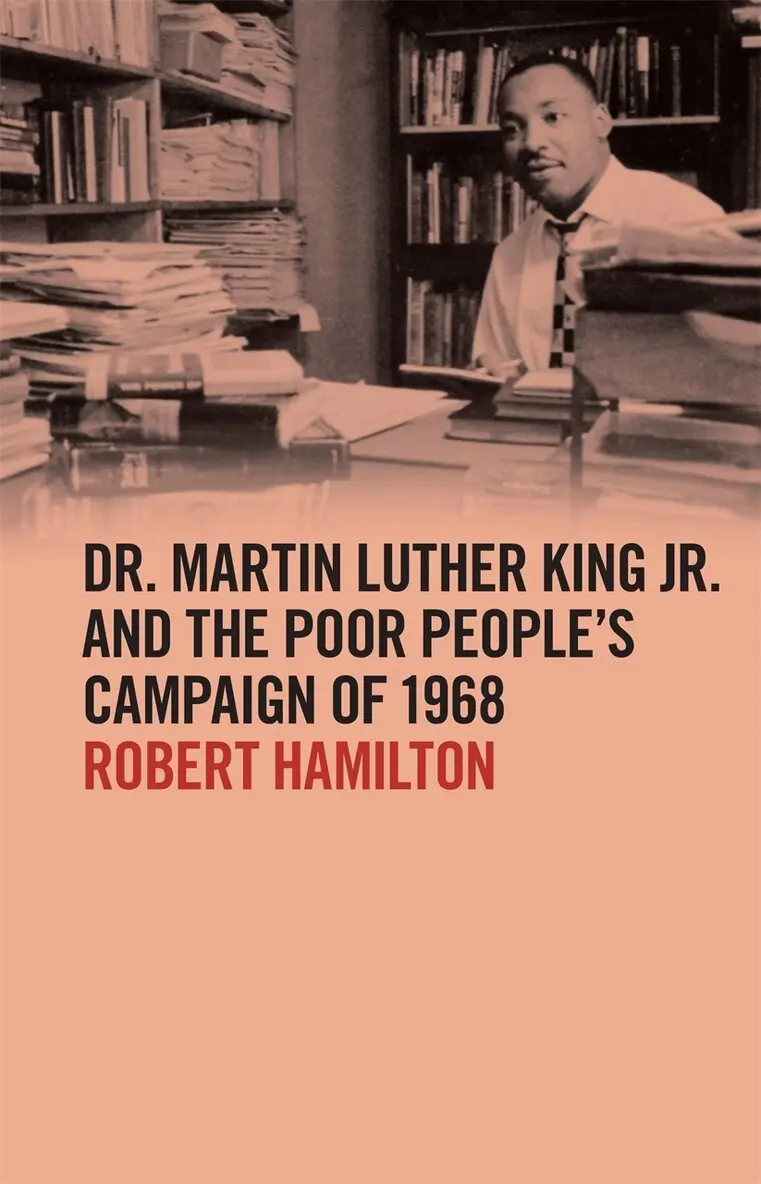
This book introduces new audiences to Dr. Martin Luther King Jr.’s final initiative, the multiracial Poor People’s Campaign (PPC) of 1968. Robert Hamilton depicts the experience of poor people who traveled to Washington in May 1968 to dramatize the issue of poverty by building a temporary city, Resurrection City. His narrative allows us to hear their voices and understand the strategies, objectives, and organization of the campaign. In addition, he highlights the campaign's educational aspect, showing that significant social movements are a means by which societies learn about themselves and framing the PPC as an initiative whose example can teach and inspire current and future generations. The study thus situates Dr. Martin Luther King Jr.’s legacy and teachings in relation to current events and further solidifies Dr. King’s cultural and sociopolitical relevance.In the decades since 1968, we have seen increasing global inequality leading to greater social polarization, including in the United States. Hamilton offers the insight that the radical politics of Dr. King—as represented in the civil rights and human rights agendas of the PPC—can help us understand and address the challenges of this polarization. Hamilton highlights Dr. King’s commitment to ending poverty and explains why Dr. King’s ideas on this and related issues should be brought to the attention of a wider public who often view him almost exclusively as a civil rights, but not a human rights, leader.
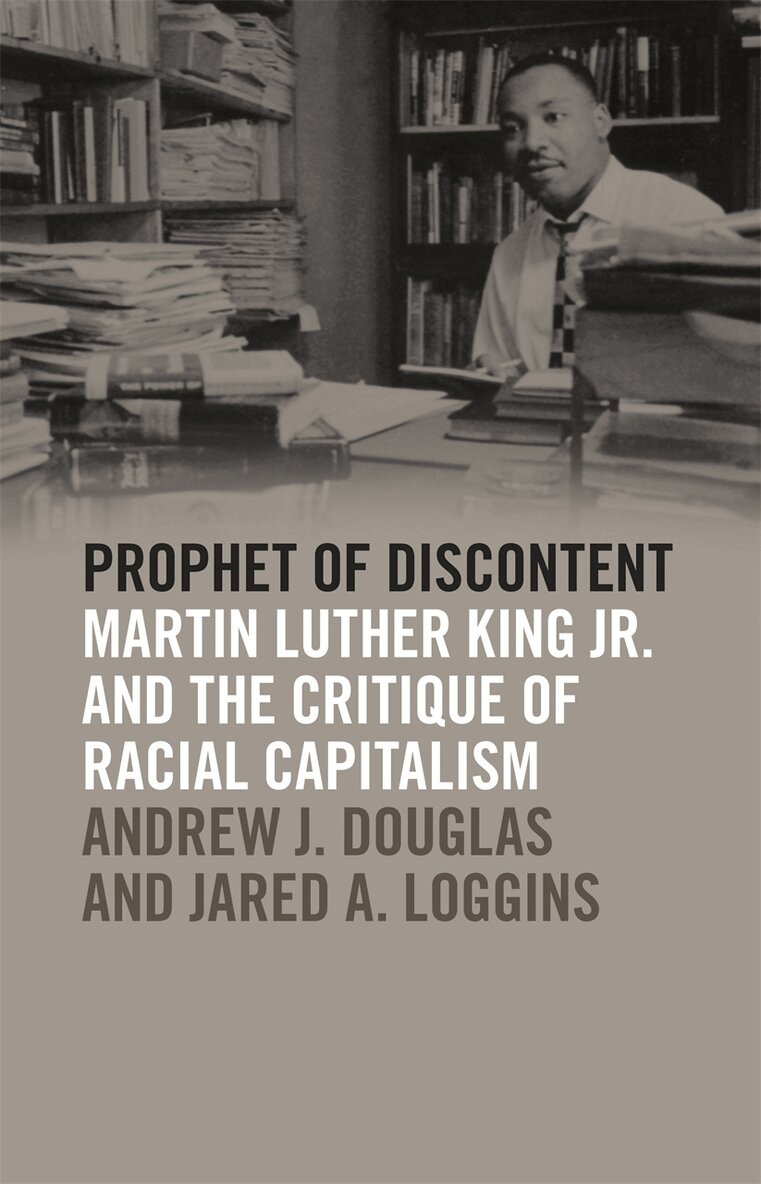
Prophet of Discontent
Martin Luther King Jr. and the Critique of Racial Capitalism
Inbunden, Engelska, 2021
1 980 kr
Skickas inom 3-6 vardagar
This book is openly available in digital formats thanks to a generous grant from the Andrew W. Mellon Foundation.Many of today’s insurgent Black movements call for an end to racial capitalism. They take aim at policing and mass incarceration, the racial partitioning of workplaces and residential communities, the expropriation and underdevelopment of Black populations at home and abroad. Scholars and activists increasingly regard these practices as essential technologies of capital accumulation, evidence that capitalist societies past and present enshrine racial inequality as a matter of course.In Prophet of Discontent, Andrew J. Douglas and Jared A. Loggins invoke contemporary discourse on racial capitalism in a powerful reassessment of Martin Luther King Jr.’s thinking and legacy. Like today’s organizers, King was more than a dreamer. He knew that his call for a “radical revolution of values” was complicated by the production and circulation of value under capitalism. He knew that the movement to build the beloved community required sophisticated analyses of capitalist imperialism, state violence, and racial formations, as well as unflinching solidarity with the struggles of the Black working class. Shining new light on King’s largely implicit economic and political theories, and expanding appreciation of the Black radical tradition to which he belonged, Douglas and Loggins reconstruct, develop, and carry forward King’s strikingly prescient critique of capitalist society.
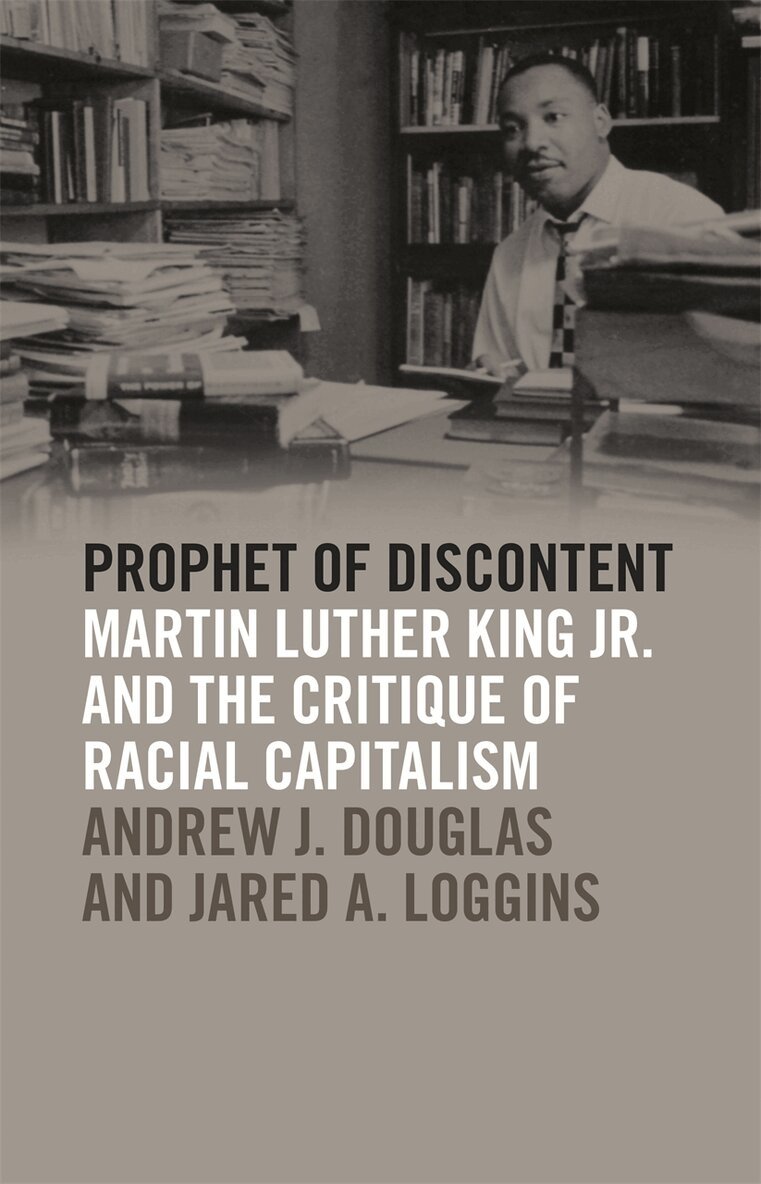
Prophet of Discontent
Martin Luther King Jr. and the Critique of Racial Capitalism
Häftad, Engelska, 2021
475 kr
Skickas inom 3-6 vardagar
This book is openly available in digital formats thanks to a generous grant from the Andrew W. Mellon Foundation.Many of today’s insurgent Black movements call for an end to racial capitalism. They take aim at policing and mass incarceration, the racial partitioning of workplaces and residential communities, the expropriation and underdevelopment of Black populations at home and abroad. Scholars and activists increasingly regard these practices as essential technologies of capital accumulation, evidence that capitalist societies past and present enshrine racial inequality as a matter of course.In Prophet of Discontent, Andrew J. Douglas and Jared A. Loggins invoke contemporary discourse on racial capitalism in a powerful reassessment of Martin Luther King Jr.’s thinking and legacy. Like today’s organizers, King was more than a dreamer. He knew that his call for a “radical revolution of values” was complicated by the production and circulation of value under capitalism. He knew that the movement to build the beloved community required sophisticated analyses of capitalist imperialism, state violence, and racial formations, as well as unflinching solidarity with the struggles of the Black working class. Shining new light on King’s largely implicit economic and political theories, and expanding appreciation of the Black radical tradition to which he belonged, Douglas and Loggins reconstruct, develop, and carry forward King’s strikingly prescient critique of capitalist society.
2 070 kr
Kommande
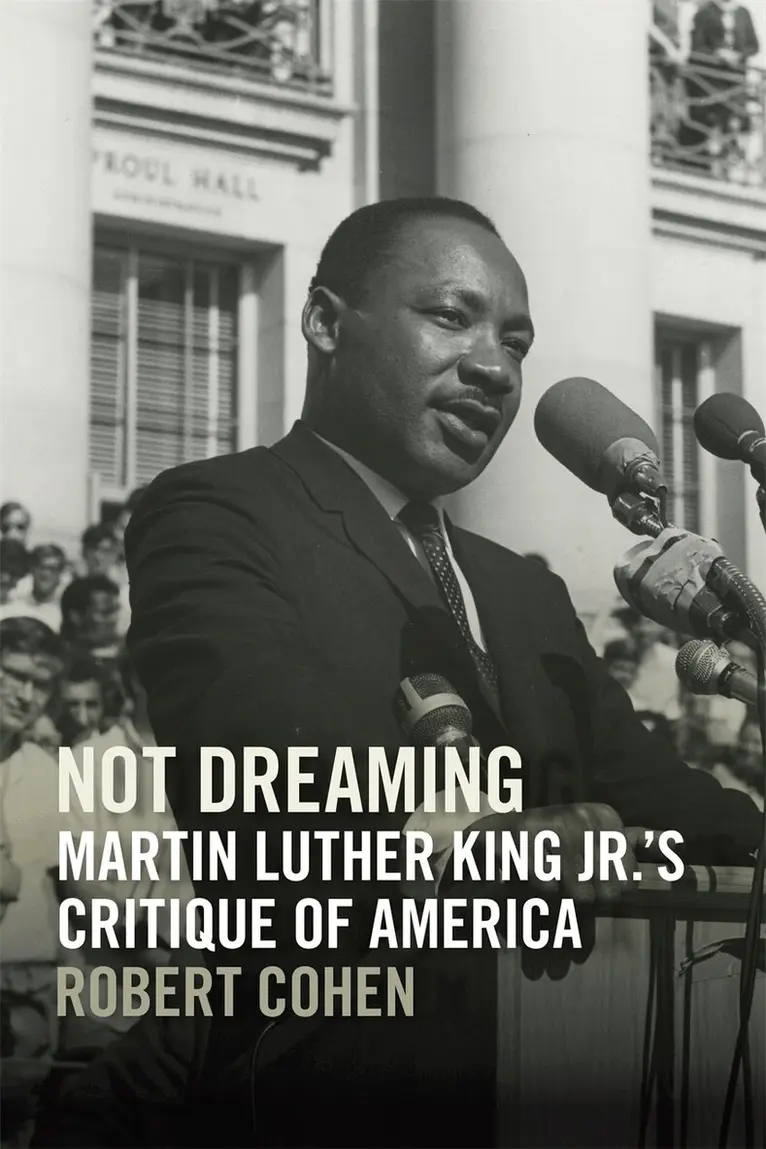
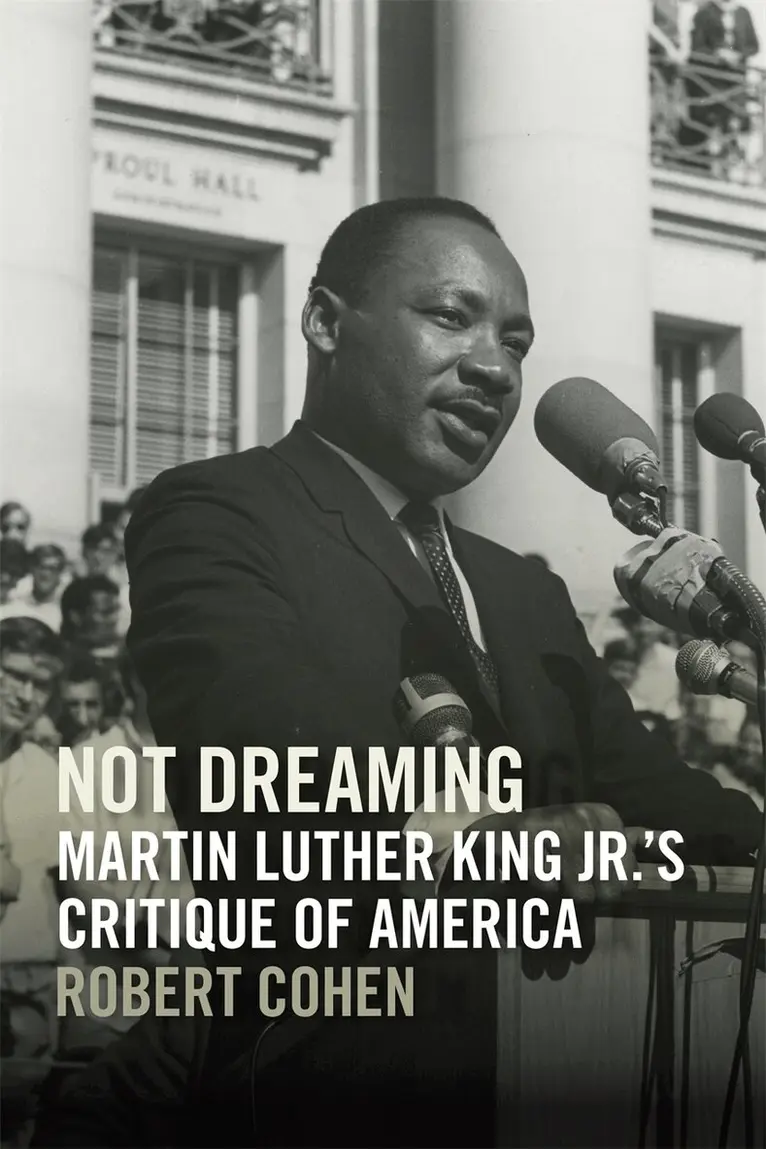
Not Dreaming: Martin Luther King Jr’s Critique of America seeks to deepen the American public’s understanding of its most famous African American protest leader. While Americans venerate MLK as great orator who dreamed of a world free of racism, most are unfamiliar with King’s penetrating and radical social criticism. Not Dreaming reveals that MLK spoke and wrote extensively about what he termed the “triple evils” afflicting the U.S.: racism, militarism, and the extreme materialism that yielded vast economic inequality. These flaws that plagued America in MLK’s lifetime persist in twenty-first century America, giving a striking contemporary relevance to King’s social criticism. His democratic vision of an America that embraced non-violence, valued people over profits, abolished poverty, rejected war, and broke with its white supremacist past is one our nation badly needs to reconsider. Not Dreaming offers us MLK not merely as a historical figure but as a critic whose ideas can help twenty-first century America become a more just, humane, and democratic society.
334 kr
Kommande
Not Dreaming: Martin Luther King Jr’s Critique of America seeks to deepen the American public’s understanding of its most famous African American protest leader. While Americans venerate MLK as great orator who dreamed of a world free of racism, most are unfamiliar with King’s penetrating and radical social criticism. Not Dreaming reveals that MLK spoke and wrote extensively about what he termed the “triple evils” afflicting the U.S.: racism, militarism, and the extreme materialism that yielded vast economic inequality. These flaws that plagued America in MLK’s lifetime persist in twenty-first century America, giving a striking contemporary relevance to King’s social criticism. His democratic vision of an America that embraced non-violence, valued people over profits, abolished poverty, rejected war, and broke with its white supremacist past is one our nation badly needs to reconsider. Not Dreaming offers us MLK not merely as a historical figure but as a critic whose ideas can help twenty-first century America become a more just, humane, and democratic society.