My Reading - Böcker
Visar alla böcker i serien My Reading. Handla med fri frakt och snabb leverans.
27 produkter
27 produkter
309 kr
Skickas inom 5-8 vardagar
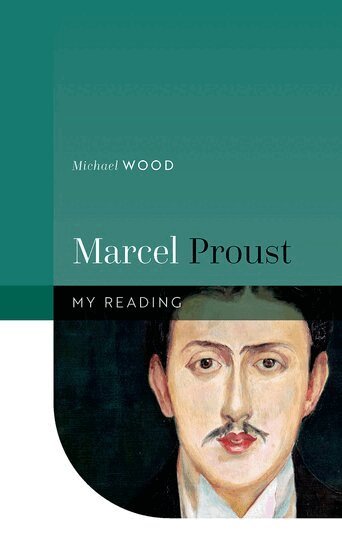
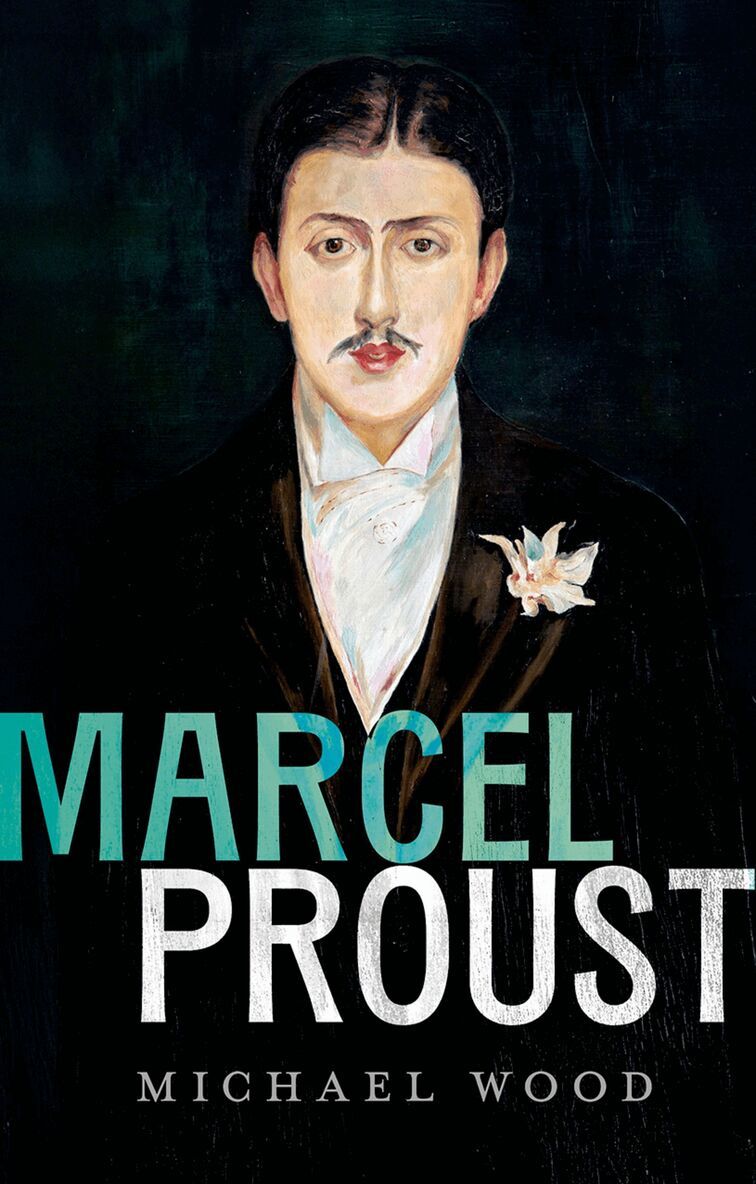
A witty, refreshing, and fun book on the experience of reading Marcel Proust.What would the world be like without this work, where would we be if it hadn't happened? This is how Michael Wood found himself writing about Proust's work as an event and about events in relation to that work itself. The event that created the figure we know as Proust did not take a whole lifetime, we can date it to within certain months, perhaps certain weeks, of a certain year, 1908. That was when Proust the interesting occasional writer and full-time socialite, turned into an ostensible hermit and a real novelist. This short book says something about the event as a lifetime affair, and shows what the sudden change of 1908 looks like. It explores the work of Marcel Proust as an event in the world, something that happened to literature and culture and our understanding of history. This event has more aspects than we can count, but this book offers detailed critical snapshots of seven of them: the birth of Proust as a novelist; what he teaches us about the mythology of beginnings; about metaphor as a kind of rebellion; about love as a permanent anxiety attack; about the Dreyfus Affair; about the concept of justice; about the mythology of endings.
309 kr
Skickas inom 5-8 vardagar
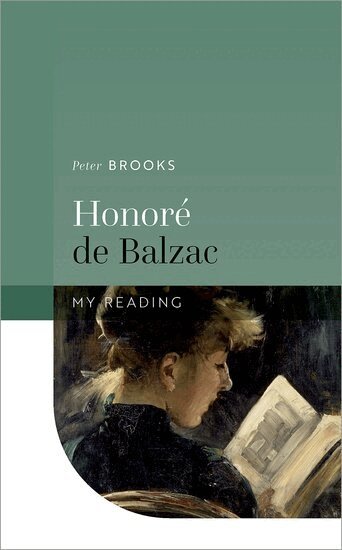
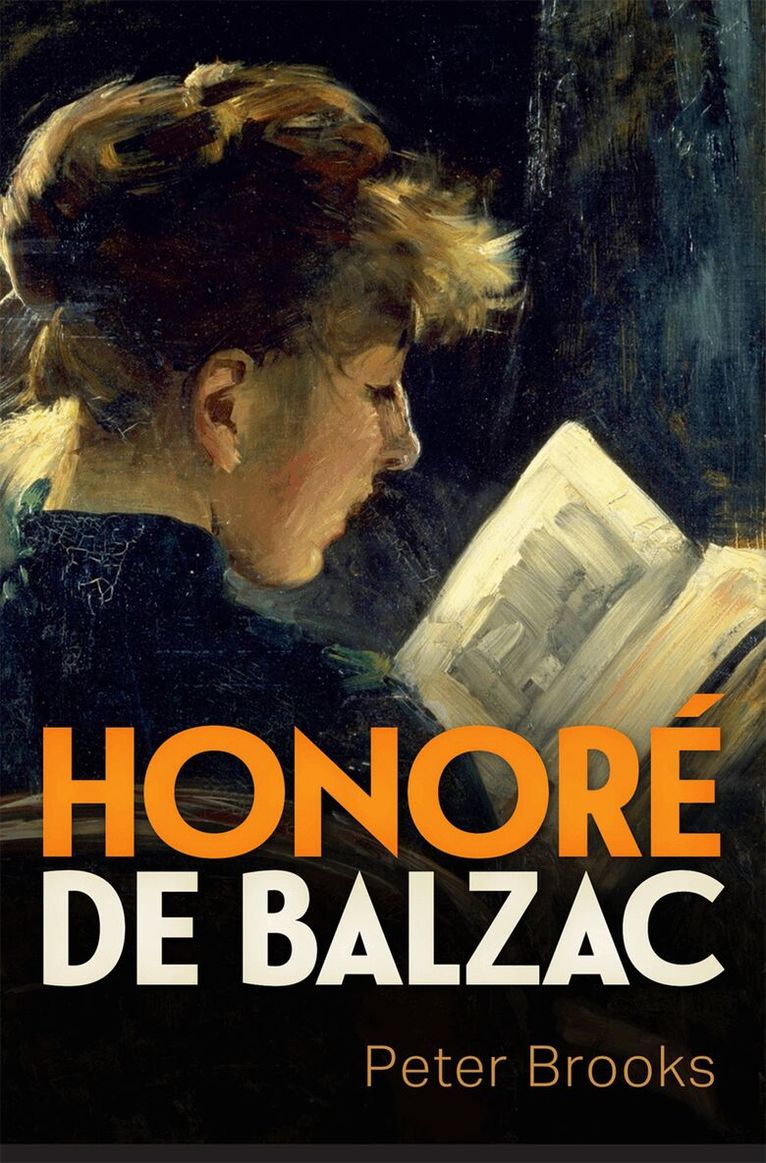
A book on the experience of reading Honoré de Balzac's La Comédie humaine which recounts the process of Peter Brooks's own discovery of Balzac.A personal account of coming to terms with Balzac: moving from more classical and restrained authors to the highly-coloured melodramatic novels of the Human Comedy, which give us the dynamics of a new and challenging world on the threshold of modernity. This volume shows readers how to read, and to love reading, Balzac, and how to engage with his vast work.
309 kr
Skickas inom 5-8 vardagar
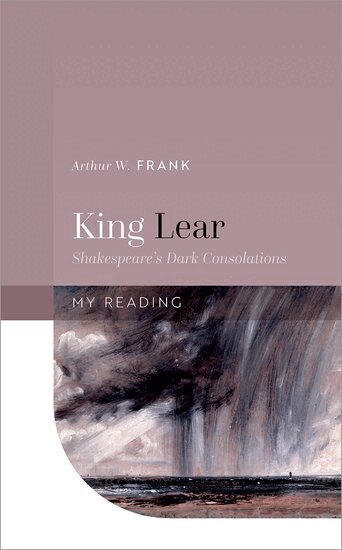
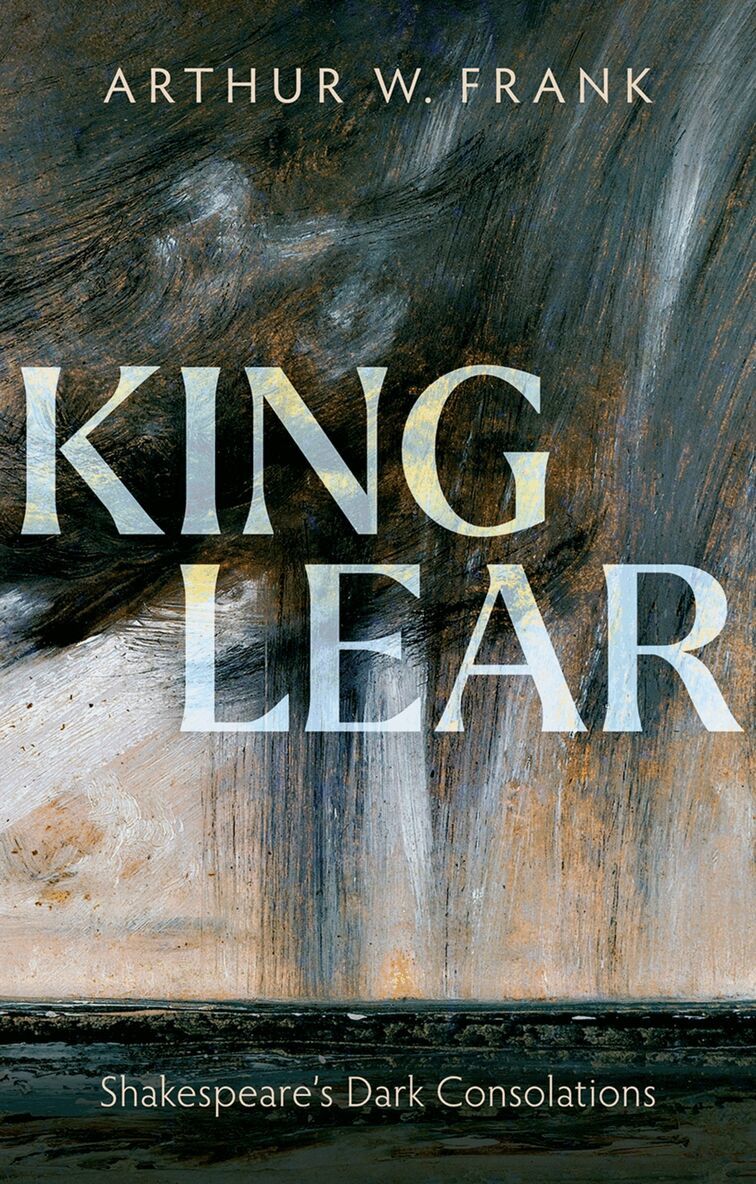
A book on the experience of reading Shakespeare's 'dark plays'.As part of the My Reading series, King Lear is a personal meditation on a great literary work. Arthur Frank brings a career of studying illness experience and suffering to consider how King Lear can aid people whose lives need help. Reading King Lear leads Frank to both an encounter with his own old age and a source of consolation-companionship--in his future. This book does not try to minimize vulnerabilities, but it shows what is fully human, and thus shared, in suffering. The book introduces readers to King Lear, and it invites those who know the play to a new consideration for its ability to affect people's lives.
309 kr
Skickas inom 5-8 vardagar
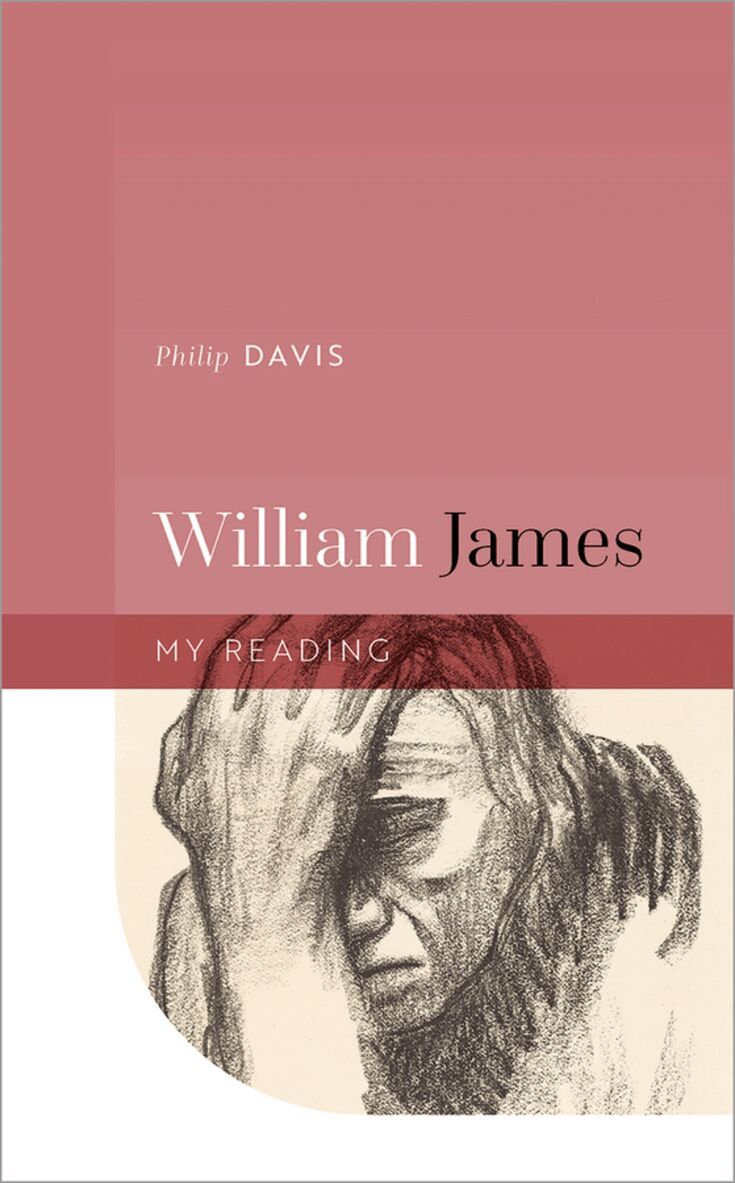
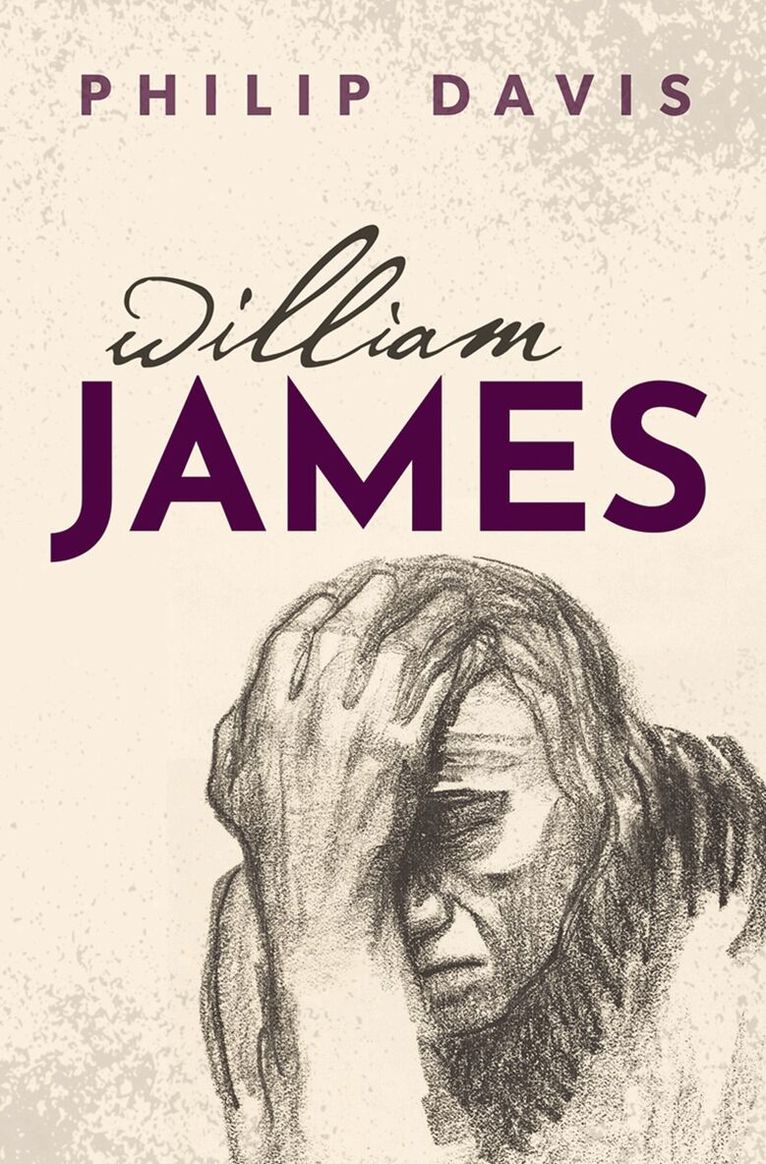
Discusses the life and work of William James, a founder of the study of psychology.William James (1842-1910) was elder brother to the novelist Henry James and a founder of the study of psychology. But he was also a thinker who sought to work across conventional boundaries, and did not believe in separate disciplines or over-professionalized ways of thinking. James was above all interested in those moments when thoughts suddenly come into being, 'hot' and 'alive'. William James is for anyone who has experienced the personal need for such thinking and feels the excitement of ideas. It concerns the personal experience of reading James, involving extensive quotation from his work in relation to Philip Davis' own inner life and the lives of other readers of James--a thinker who is defiantly convinced of the fundamental validity of the inner life in the making of the Real. This book is about William James's life-writing, writing for the sake of existence, that puts together a mix of literature, psychology, philosophy, and biography in the search for purpose and human flourishing, in place of formal religion. It includes James' interest in his brother's novels and in Shakespearean drama, as well as Thomas Hardy's pessimistic challenge to James. Davis is a reader of literature who feels that readers of novels and poems also need the help of psychology and philosophy, to get the thinking out, to make it into a working part of a life. His book is for readers, especially readers of literature, seeking to create, like William James, a literary way of thinking outside the realm of literature.
275 kr
Skickas
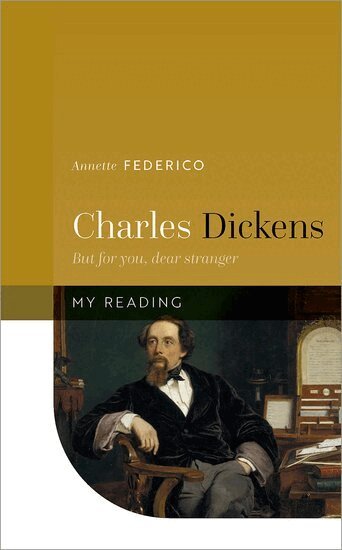
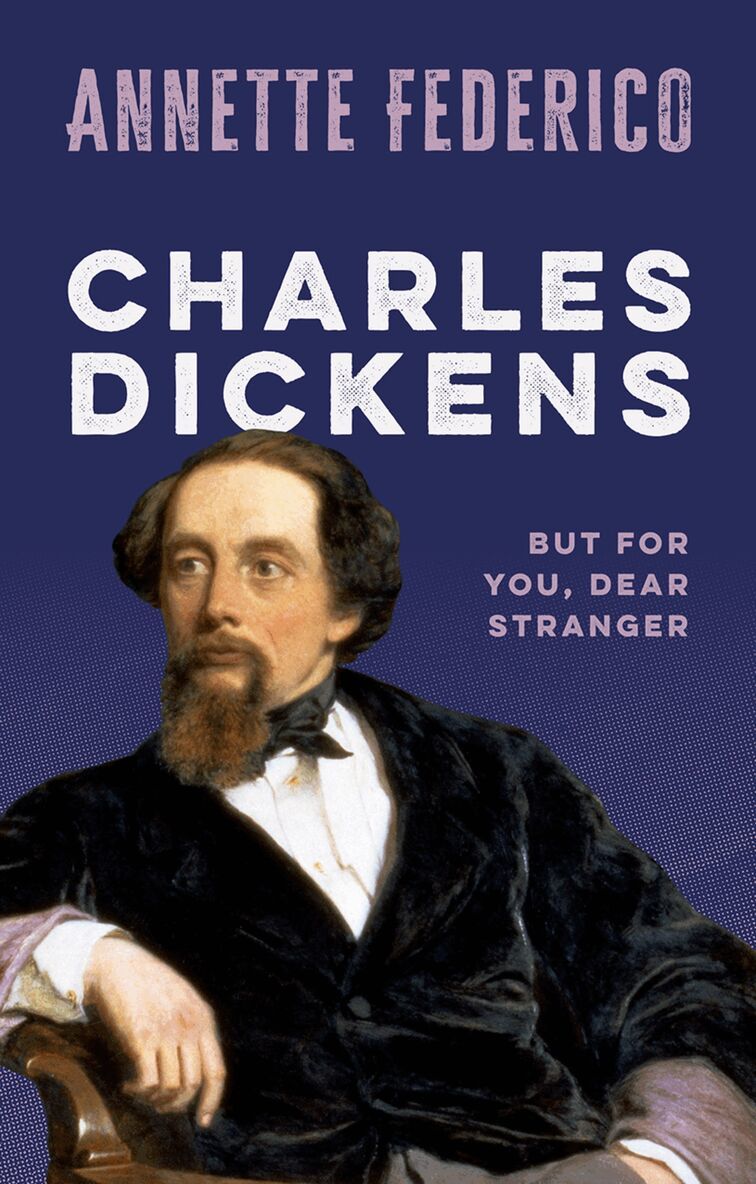
A personal approach to Dickens's art that pays attention to what magnetizes Federico or strikes her as newly relevant to our own world, and to her life, as she explores what Dickens' works are emotionally about.Dickens's first concern in all his fiction is with people's feelings and their imaginations. Everything else--the social criticism, the satire, the comedy--flows from that spring. How does a person begin to imagine, to enter vividly into the life he or she has been given, and into the lives of others? How does someone change, how do they love, give their trust, look forward to the future? These questions make their way into all of Dickens's novels, including the four discussed in this contribution to the My Reading series: Oliver Twist (1837-39), David Copperfield (1849-50), Little Dorrit (1855-57), and A Tale of Two Cities (1859). Consistent with the aims of the series, this book takes a personal approach to Dickens's art. Federico follows her own responses, paying attention to what magnetizes her or strikes her as newly relevant to our own world, and to her life. What is the story emotionally about? This becomes the important question as she reads through Dickens's works. It is the question that opens the door to her own memories, her own stories, as she grows from being an innocent reader of Dickens to a more critical, professionalized one--while still listening confidentially to what Dickens has to teach her about hope, love, and the limits of knowledge.
309 kr
Skickas inom 5-8 vardagar
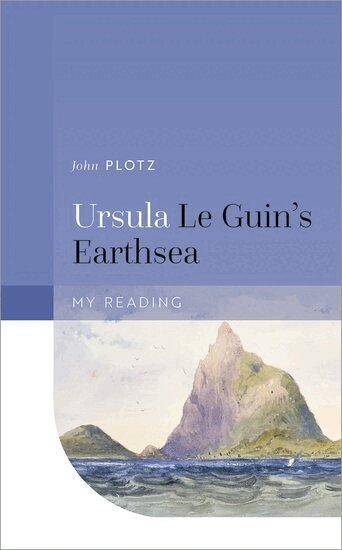
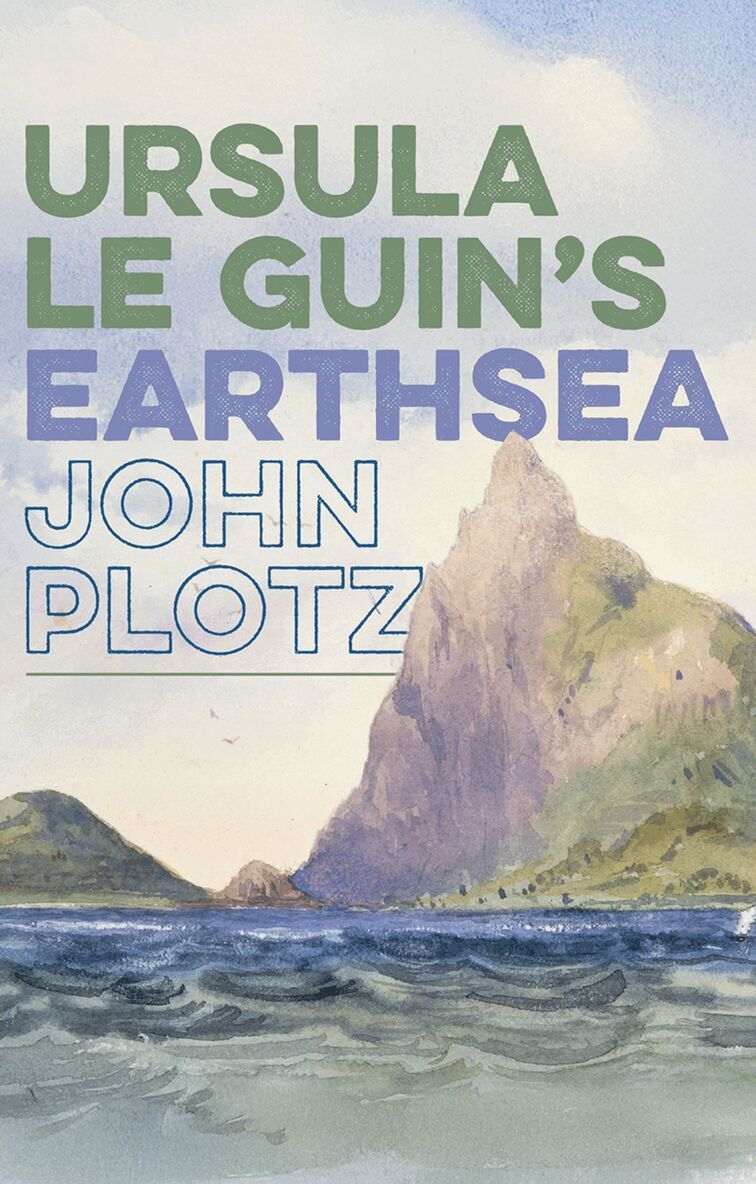
A book on the experience of reading Ursula Le Guin's Earthsea novels.What makes readers fall in love? You might want to start your answer by explaining Ursula Le Guin. She owned John Plotz at age eight, on the overlit and understaffed second floor of the DC library. Four decades and who knows how many re-readings later, her Earthsea owns him still.The reasons to love her Earthsea are many. Le Guin sets readers adrift among worlds: peripatetic but somehow at home. She sublimely mixes comfort and revelatory, emancipatory unsettlement. Ursula Le Guin's Earthsea aims to do justice to both Le Guin's passionate simplicity and her revenant complexity. Small wonder the inspiration she has been for later speculative writers like Neil Gaiman, Kim Stanley Robinson, and N. K. Jemisin. The boldness and coldness of the later three books of Earthsea is a revelation. In Tehanu, Tales from Earthsea, and The Other Wind, she turned a cold eye, a dragon's searching eye, back on the comfortable green world she herself had made decades earlier. They unfold a distinctive vision of the writer's task: worldbuilding as responsibility plus openness. Call it invitational realism. She builds a world that leaves the real task of building, of creating of imagining and of reimagining, with her readers. Drawing on his own crooked path--from a DC childhood to teaching in Prague to San Francisco journalism to graduate school and then parenthood--Plotz maps the ways that readers young and old find in Earthsea a kind of scholar's stone, a delightfully mutable surface that rewards recurrent contemplation.
309 kr
Skickas inom 5-8 vardagar
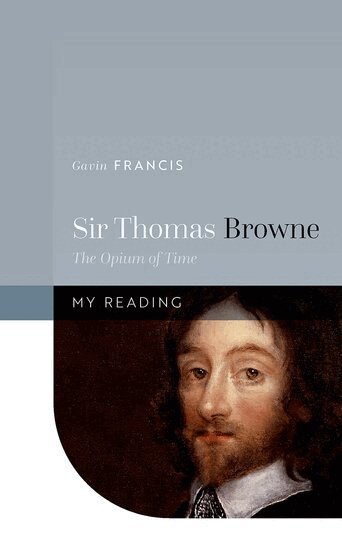
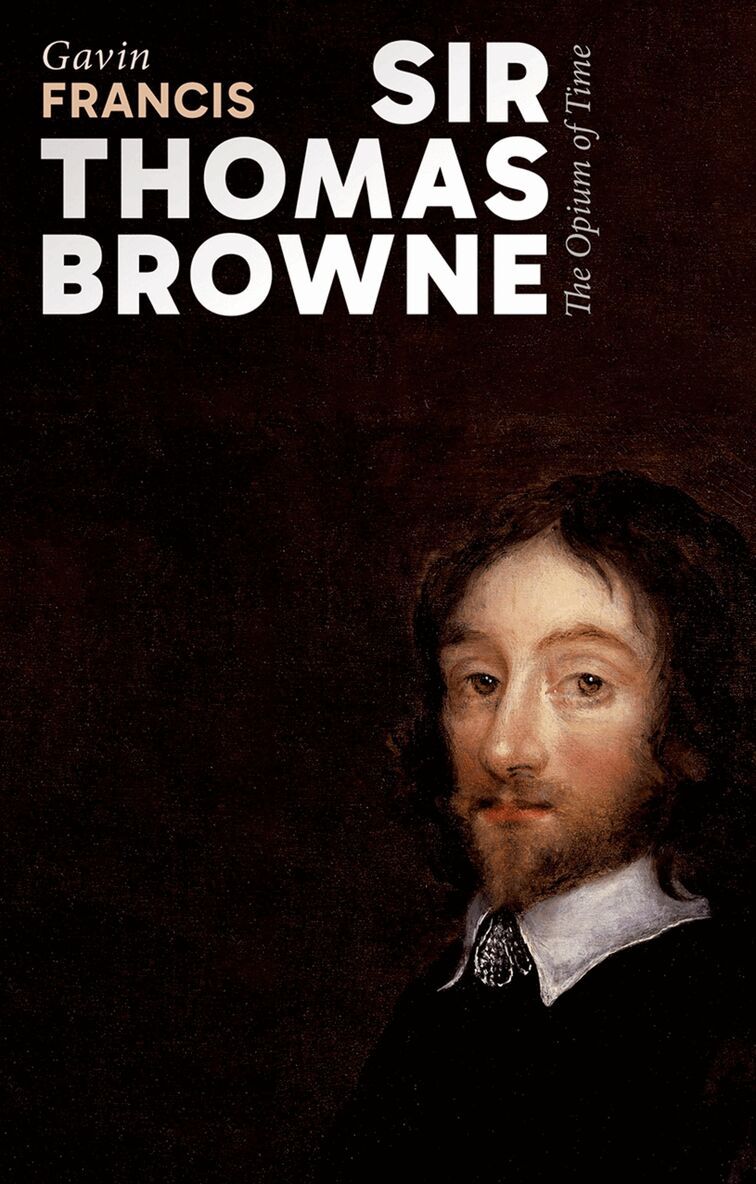
In this book, Gavin Francis writes about the resonance for him as a medic in reading the work of early modern polymath Sir Thomas Browne.Sir Thomas Browne (1605-1682) was an English physician, wordsmith, and polymath who contributed hundreds of words to the English language (such as medical, electricity, migrant, and computer). After studying medicine in Montpellier, Padua, and Leiden, he settled in Norwich, where he practised as a doctor and wrote some of the greatest books of the seventeenth century, still read for their accessibility and eloquence. In Sir Thomas Browne: The Opium of Time, Dr Gavin Francis examines Browne's work through a variety of themes: ambiguity, curiosity, vitality, piety, humility, misogyny, mobility, and mortality. He argues that the work has lost little of its power and wisdom, and none of its beauty. Religio Medici ('Religion of the Doctor') examined the vexed question of faith in a God who, to a physician, seemed indifferent to suffering. Pseudodoxia Epidemica ('Vulgar Errors') gave free rein to an agile curiosity and sought to debunk notions then commonly believed, such as that dead kingfishers indicate the direction of the wind, or that a woman could get pregnant from sharing a bath with a man. Urne Buriall was Browne's meditation on mortality, occasioned by a find of funerary urns, while Museum Clausum ('Hidden Museum') sets out a series of thought experiments and counterfactuals, such as how history might have been different had Alexander the Great marched west instead of east. Gavin Francis draws on his own experiences as a twenty-first century writer and doctor to discover that although many centuries separate him from Browne, they share a fundamental curiosity about the world and about people.
294 kr
Skickas inom 5-8 vardagar
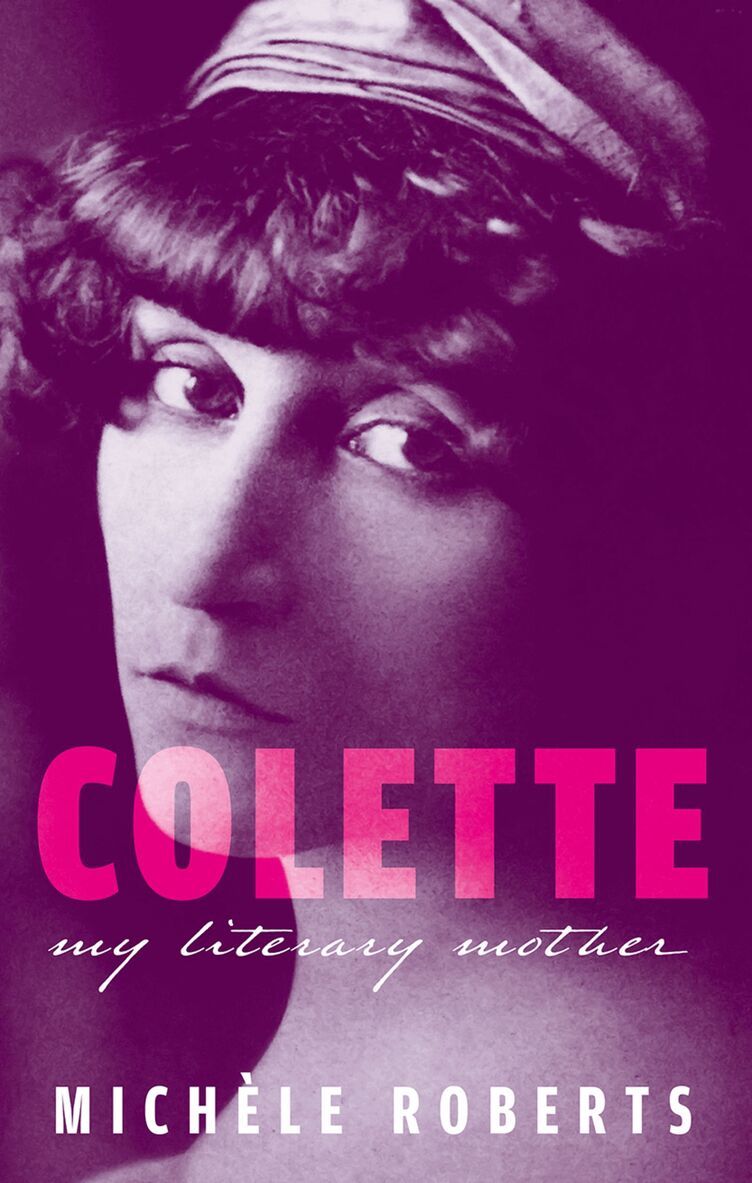
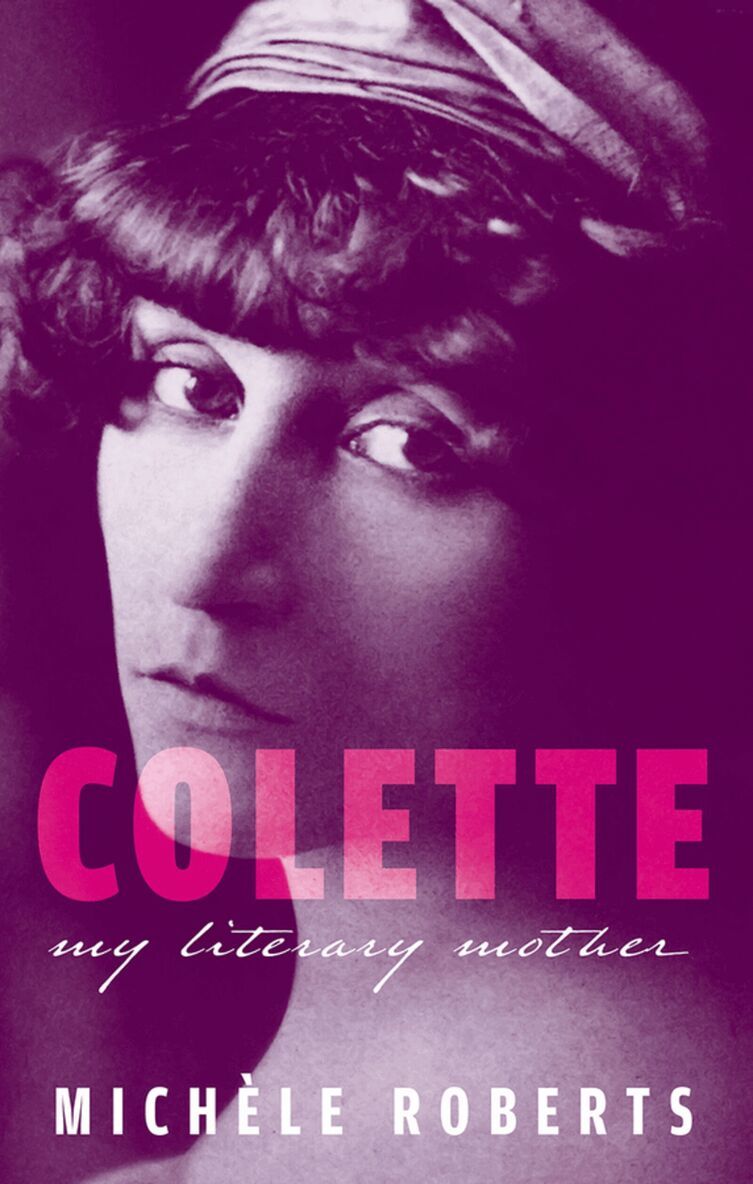
The power of Colette's work comes from its modernist storytelling.Colette was a pioneering, ground-breaking modernist writer, but has not always had her originality and worth recognized in Britain. Her work provocatively uses unstable narratives, gaps, silences, fairytale, mythical tropes, and sensual evocations of childhood, sex, and landscapes. In this book, Michèle Roberts examines how Colette invents new forms to express her unsettling content on desire, perversion, ageing, and different forms of love. Delving into four key texts, Roberts explores Colette's willingness to break open taboos about older woman and desire, as well as hidden and forbidden aspects of human longings and pleasures.Through these re-readings, Roberts discovers that Colette's work is even more entrancing, more disturbing, and more original than she first thought.
309 kr
Skickas inom 5-8 vardagar
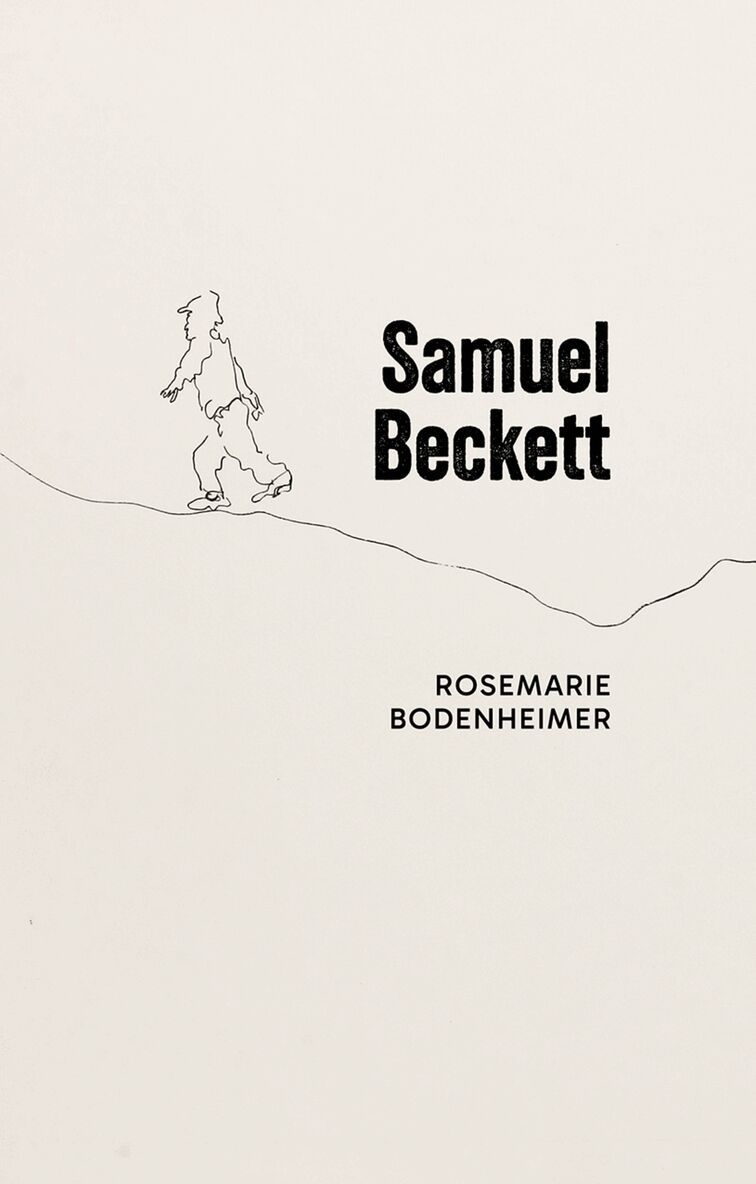
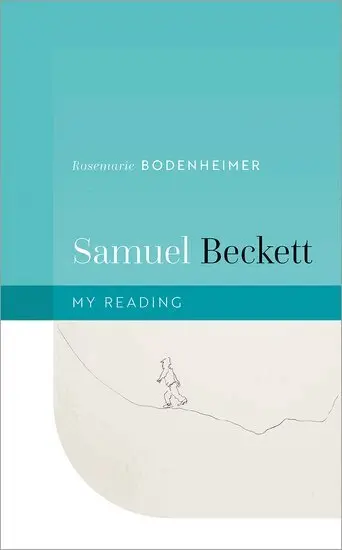
A book on the experience of reading the works of Samuel Beckett.After a life of writing about Victorian novelists, Rosemarie Bodenheimer found herself entranced by the work of Samuel Beckett. In this book she shares her journey of discovery with readers who may or may not be familiar with Beckett's novels and stories. She follows his trajectory from the first unpublished novel, Dream of Fair to Middling Women, through the great post-war trilogy of Molloy, Malone Dies, and The Unnamable, and on to the ever more experimental inventions in the shorter, later fictions, and monologues. Through readings of his work alongside extracts from his published correspondence, Beckett emerges as a sympathetic human figure, a poet of productive doubt, and a brilliant stylist of mood changes and second thoughts. Bodenheimer considers Beckett's treatments of memory, nostalgia, and grief, and the forms he finds to convey those essential human experiences while avoiding melodrama or sentimentality. His dramatized relationship with his own writing is a crucial part of that emotional landscape. His playful jousts with the conventions of novel-writing show how, from the start, Beckett challenged the notion of character and other inherited novel conventions. The book also emphasizes his dismantling of the autobiographical "I" his moving narratives of attachment and loss, and the inimitable mixture of comedy and pathos he creates by inventing outlandish situations to which his characters respond in very recognizable human ways.
271 kr
Skickas inom 5-8 vardagar
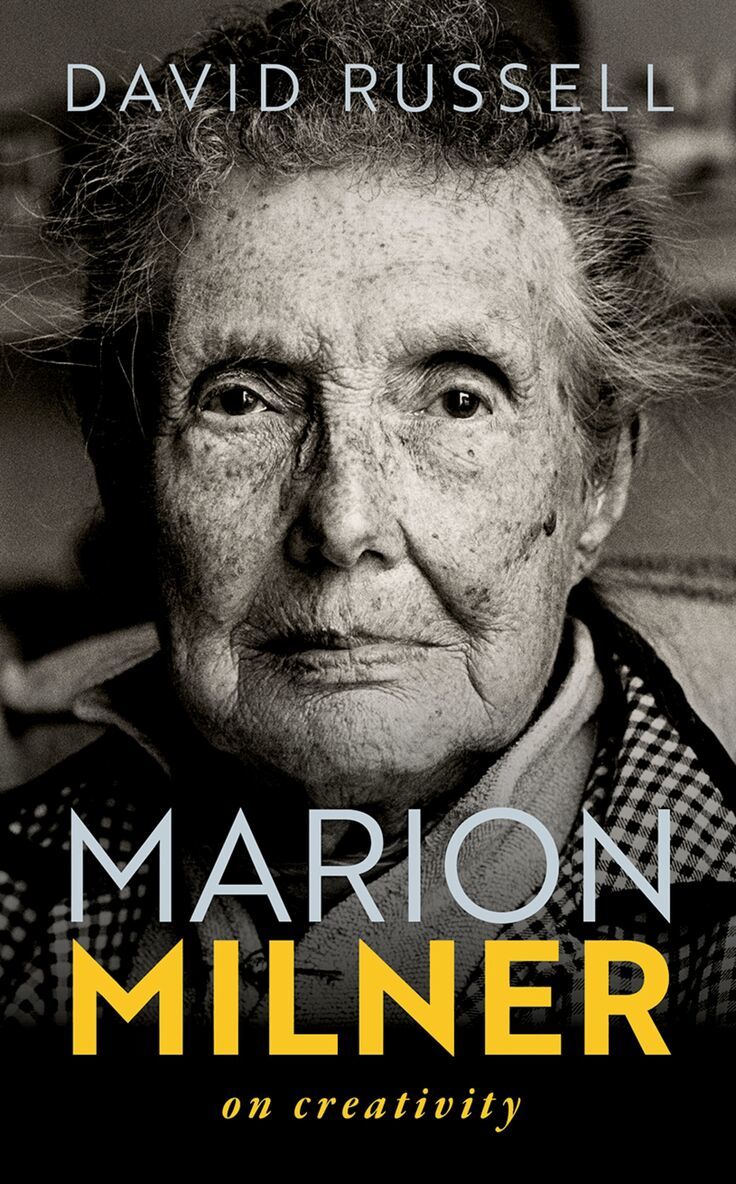
This is a book about reading, drawing, and getting better—and what they have to do with one another. Specifically, it is about how these activities were put into relation by the British essayist, artist, and psychoanalyst, Marion Milner (1900-1996). The guiding question of Milner's life was of how people come to feel alive in, and feel creatively responsive to, their own lives. In pursuit of this, Milner explored fields as diverse as anthropology, folklore, education, literature, art, philosophy, mysticism, and psychology. She became one of the twentieth centurys most extraordinary thinkers about creativity.David Russell shows that there is no writer quite like Milner and the rewards of reading her are immense. Key to all her writing is her search for creative practices of attention—of how we pay attention in the life we have. She helped to develop a kind of psychoanalysis in Britain that focussed on the ways people relate to their own lives and the lives of others.
283 kr
Skickas inom 5-8 vardagar
An homage to the childhood genius of Black science fiction writer Octavia E. Butler. Bringing to view a selection of Butler's unpublished writings and drawings, this book traces her fascination with human-alien symbiosis to her early empathy with horses and other marginalized creatures. The figure of the horse, at once earthly and transcendent, represented the contradictions of freedom and captivity that enabled young Octavia to develop her nuanced sense of voice and place. Drawing on previously unknown archival research, this volume illustrates how Butler's development as a writer was tied to her extraordinary resourcefulness and self-awareness growing up as an awkward, bookish Black girl in segregated, Cold War Pasadena. She persistently re-visited and revised her early writings on teenage angst, Martians, Westerns, and racial politics. In one way or another her supernatural characters defied the constraints of gender, race, and class with equine-inflected resilience.In the spirit of Butler's passion for library research, this book is comprised of twenty-six short A-Z chapters, on vocabulary, images, and themes central to her authorial formation. It is part childhood biography, art and literary analysis, and memoir. It interweaves the author's personal recollections with scholarly musings on poetry, film, and literature inspired by Butler's encyclopedic reading habits and experiments with genre. Just as cross-species kinships are at the heart of her Afro-futurist, eco-feminist storytelling, Butler demonstrates that coming-of-age is an ongoing process and key to healing our damaged planet.
294 kr
Skickas inom 5-8 vardagar
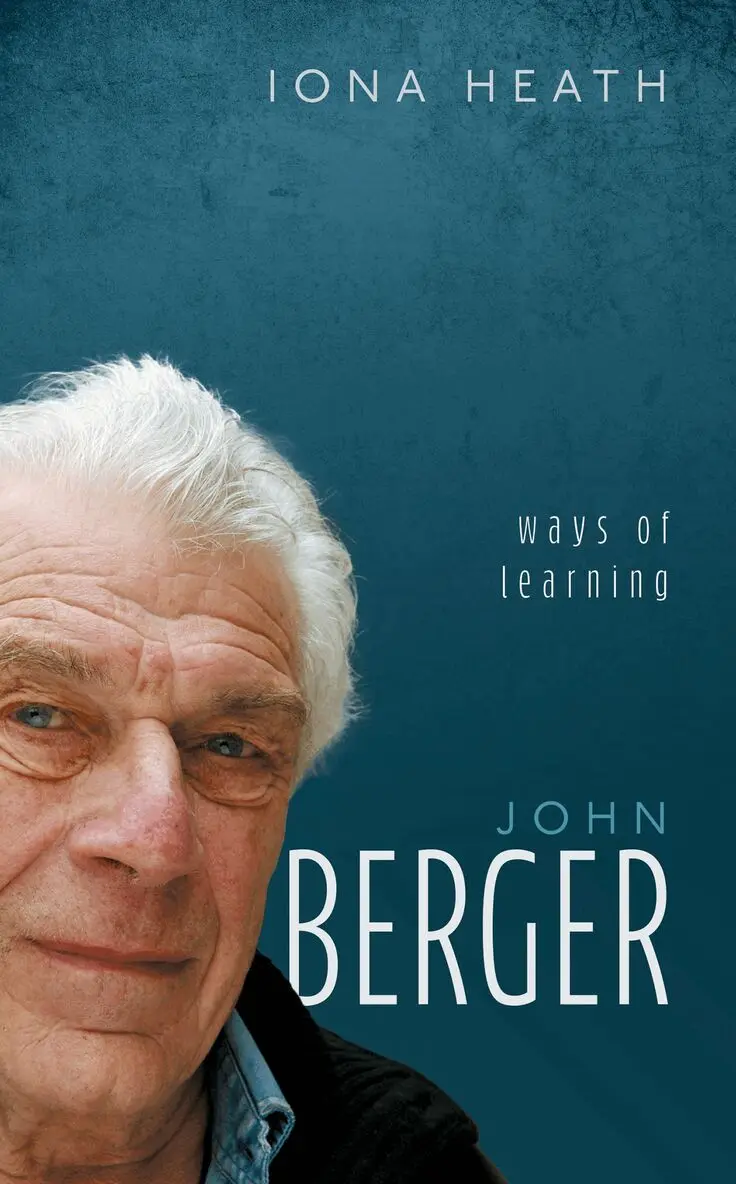
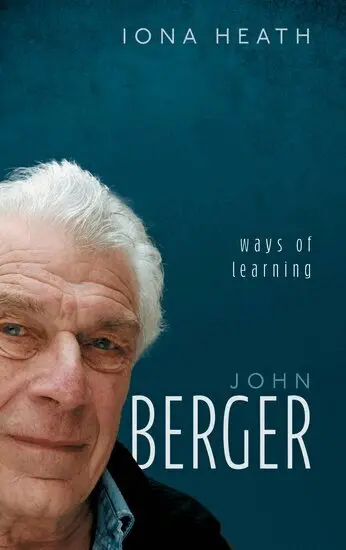
Iona Heath relates the importance that John Berger's work and friendship had on her working life as a GP. It includes extracts from letters that span 20 years of her correspondence with John Berger.In this book, Iona Heath writes about reading John Berger's writing over more than 50 years and her friendship and correspondence with him over the best part of 20 years. Dr Heath found that both of these interacted profoundly with her work as a general practitioner in a deprived urban area in London. For Iona Heath, general practice is a quite extraordinary undertaking: every working day, sitting with a succession of unique individuals, each worried about some aspect of their health or life circumstances, many burdened by unspoken fears, and each seeking some form of answer. Starting with A Fortunate Man, when she was an ignorant but hopeful undergraduate medical student, she found reading John Berger on any subject had something new to tell her about the aspirations and detail of her work: clues about how to look and how to listen and much else. Later when they started to correspond, Iona Heath found herself in the privileged position of being able to check her understanding directly with the writer and on each occasion found deeper levels of awareness and insight. She is convinced that reading John Berger made her a better doctor.
294 kr
Skickas inom 5-8 vardagar
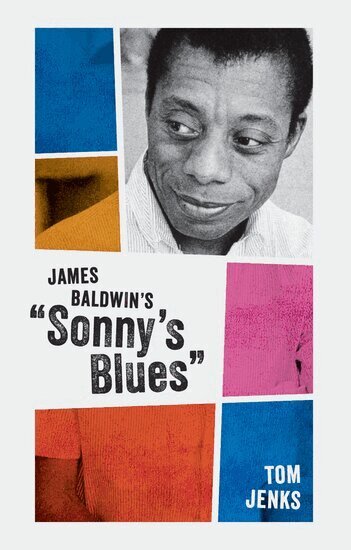
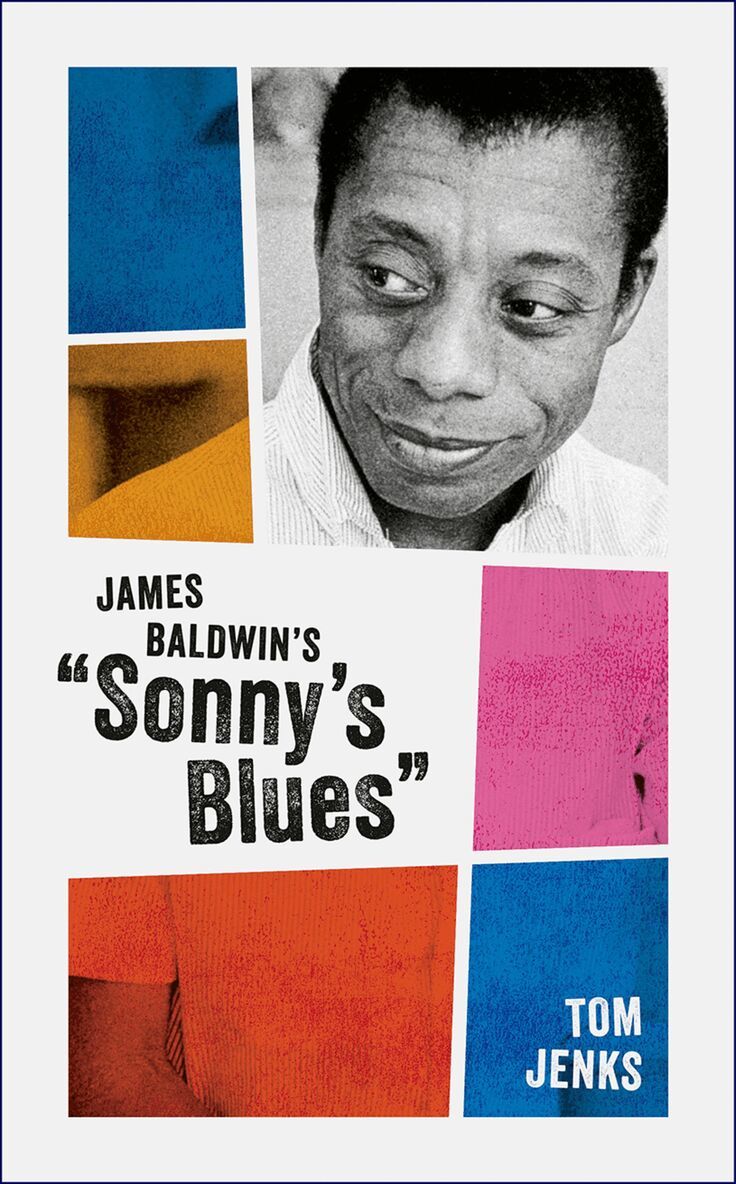
A close reading of James Baldwin's short story "Sonny's Blues" that provides insight into his life and ideas about art.Tom Jenks's reading of James Baldwin's "Sonny's Blues" follows a scene-by-scene, sometimes line-by-line, discussion of the pattern by which Baldwin indelibly writes "Sonny's Blues" into the consciousness of readers. It provides ongoing observations of the aesthetics underlying the particulars of the story, with references to Edward P. Jones (whose magnificent story "All Aunt Hagar's Children" bears a knowing relationship to "Sonny's Blues,") to Charlie Parker's music, and to Billie Holiday's "Am I Blue?" and John Coltrane's "A Love Supreme" as part of the musical progression Baldwin creates, and with attention to Baldwin's oratorical gifts and the biblical references in the story, to its time structure, characterizations, dramatic action, and, most of all, its totality of effect. Drawing on Baldwin's book-length essay The Fire Next Time, which Baldwin published six years after the publication of the short story, Tom Jenks offers insight on some of the sources in Baldwin's life for "Sonny's Blues" and on the logic and passion by which life may be meaningfully transformed into art.
203 kr
Kommande
A close reading of James Baldwin's short story "Sonny's Blues" that provides insight into his life and ideas about art. Tom Jenks's reading of James Baldwin's "Sonny's Blues" follows a scene-by-scene, sometimes line-by-line, discussion of the pattern by which Baldwin indelibly writes "Sonny's Blues" into the consciousness of readers. It provides ongoing observations of the aesthetics underlying the particulars of the story, with references to Edward P. Jones (whose magnificent story "All Aunt Hagar's Children" bears a knowing relationship to "Sonny's Blues,") to Charlie Parker's music, and to Billie Holiday's "Am I Blue?" and John Coltrane's "A Love Supreme" as part of the musical progression Baldwin creates, and with attention to Baldwin's oratorical gifts and the biblical references in the story, to its time structure, characterizations, dramatic action, and, most of all, its totality of effect. Drawing on Baldwin's book-length essay The Fire Next Time, which Baldwin published a decade after the publication of the short story, Tom Jenks offers insight on some of the sources in Baldwin's life for Sonny's Blues and on the logic and passion by which life may be meaningfully transformed into art.
237 kr
Skickas inom 5-8 vardagar
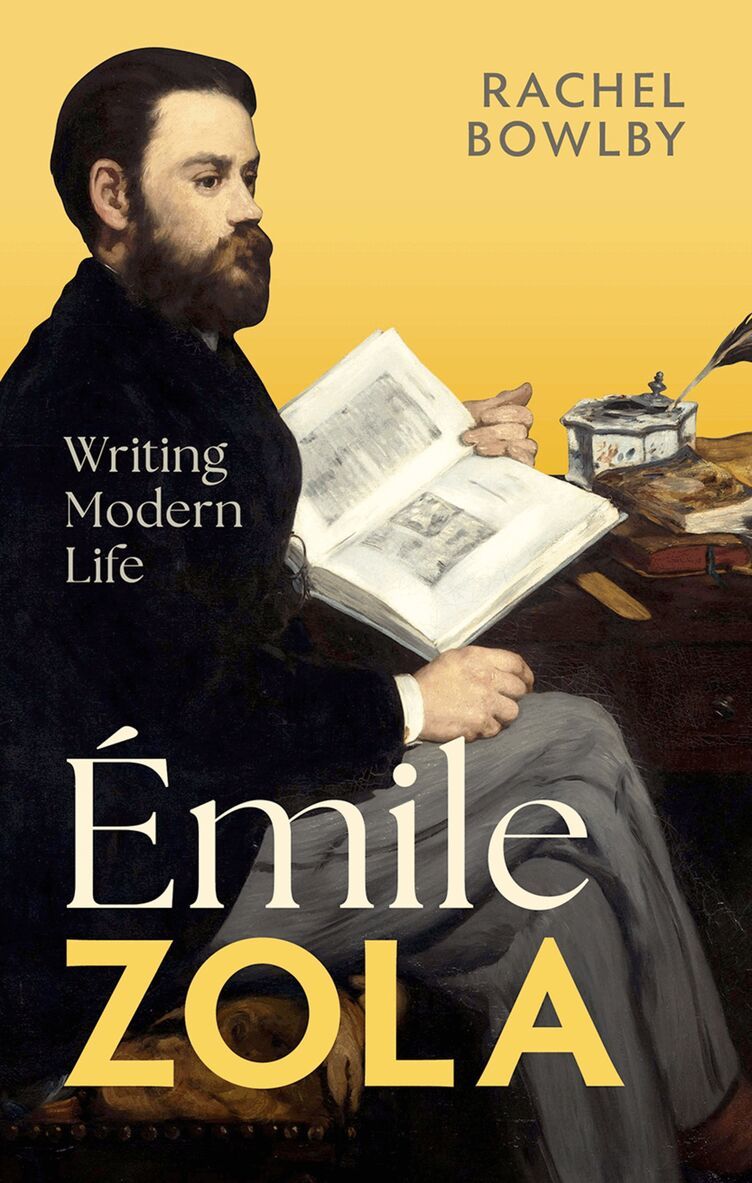
Zola made it his aim to write novels exploring the many compartments and classes of modern French life in the later nineteenth century—and he went on to carry it out, with novels that look at the longings and troubles and everyday lives of people in their specific social milieux. Travelling through the varieties of Zola's styles and settings, realistic and comic and tragic and critical, from shopping to mining to the fertility business, this book is a guide to the different pleasures and modes of thinking to be found in reading Zola today.The last part considers the different kinds of story involved in the final years of Zola's own life. It follows him first to England—to Upper Norwood, in south London, where he was in exile for almost a year in 1898-9, as a result of his intervention in the ongoing Dreyfus affair. Long letters home offer moving insights into Zola's whole way of being, in the intimacy of his daily life and his writing routines, set against the public events of the Dreyfus process that continue to resonate today.
203 kr
Kommande
Zola made it his aim to write novels exploring the many compartments and classes of modern French life in the later nineteenth century—and he went on to carry it out, with novels that look at the longings and troubles and everyday lives of people in their specific social milieux. Travelling through the varieties of Zola's styles and settings, realistic and comic and tragic and critical, from shopping to mining to the fertility business, this book is a guide to the different pleasures and modes of thinking to be found in reading Zola today.The last part considers the different kinds of story involved in the final years of Zola's own life. It follows him first to England—to Upper Norwood, in south London, where he was in exile for almost a year in 1898-9, as a result of his intervention in the ongoing Dreyfus affair. Long letters home offer moving insights into Zola's whole way of being, in the intimacy of his daily life and his writing routines, set against the public events of the Dreyfus process that continue to resonate today.
188 kr
Kommande
This is a book about reading, drawing, and getting better—and what they have to do with one another. Specifically, it is about how these activities were put into relation by the British essayist, artist, and psychoanalyst, Marion Milner (1900-1996). The guiding question of Milner's life was of how people come to feel alive in, and feel creatively responsive to, their own lives. In pursuit of this, Milner explored fields as diverse as anthropology, folklore, education, literature, art, philosophy, mysticism, and psychology. She became one of the twentieth centurys most extraordinary thinkers about creativity.David Russell shows that there is no writer quite like Milner and the rewards of reading her are immense. Key to all her writing is her search for creative practices of attention—of how we pay attention in the life we have. She helped to develop a kind of psychoanalysis in Britain that focussed on the ways people relate to their own lives and the lives of others.
203 kr
Kommande
Iona Heath relates the importance that John Berger's work and friendship had on her working life as a GP. It includes extracts from letters that span 20 years of her correspondence with John Berger.In this book, Iona Heath writes about reading John Berger's writing over more than 50 years and her friendship and correspondence with him over the best part of 20 years. Dr Heath found that both of these interacted profoundly with her work as a general practitioner in a deprived urban area in London. For Iona Heath, general practice is a quite extraordinary undertaking: every working day, sitting with a succession of unique individuals, each worried about some aspect of their health or life circumstances, many burdened by unspoken fears, and each seeking some form of answer. Starting with A Fortunate Man, when she was an ignorant but hopeful undergraduate medical student, she found reading John Berger on any subject had something new to tell her about the aspirations and detail of her work: clues about how to look and how to listen and much else. Later when they started to correspond, Iona Heath found herself in the privileged position of being able to check her understanding directly with the writer and on each occasion found deeper levels of awareness and insight. She is convinced that reading John Berger made her a better doctor.
203 kr
Kommande
The power of Colette's work comes from its modernist storytelling.Colette was a pioneering, ground-breaking modernist writer, but has not always had her originality and worth recognized in Britain. Her work provocatively uses unstable narratives, gaps, silences, fairytale, mythical tropes, and sensual evocations of childhood, sex, and landscapes.In this book, Michèle Roberts examines how Colette invents new forms to express her unsettling content on desire, perversion, ageing, and different forms of love. Delving into four key texts, Roberts explores Colette's willingness to break open taboos about older woman and desire, as well as hidden and forbidden aspects of human longings and pleasures.Through these re-readings, Roberts discovers that Colette's work is even more entrancing, more disturbing, and more original than she first thought.
203 kr
Kommande
A book on the experience of reading Honoré de Balzac's La Comédie Humaine which recounts the process of Peter Brooks's own discovery of Balzac.This volume is a personal account of coming to terms with Balzac: moving from more classical and restrained authors to the highly-coloured melodramatic novels of the Human Comedy, which give us the dynamics of a new and challenging world on the threshold of modernity. It shows readers how to read, and to love reading, Balzac, and how to engage with his vast work.
203 kr
Kommande
A personal approach to Dickens's art that pays attention to what magnetizes Federico or strikes her as newly relevant to our own world, and to her life, as she explores what Dickens' works are emotionally about.Dickens's first concern in all his fiction is with people's feelings and their imaginations. Everything else-the social criticism, the satire, the comedy-flows from that spring. How does a person begin to imagine, to enter vividly into the life he or she has been given, and into the lives of others? How does someone change, how do they love, give their trust, look forward to the future? These questions make their way into all of Dickens's novels, including the four discussed in this volume: Oliver Twist (1837-39), David Copperfield (1849-50), Little Dorrit (1855-57), and A Tale of Two Cities (1859). This book takes a personal approach to Dickens's art. Federico follows her own responses, paying attention to what magnetizes her or strikes her as newly relevant to our own world, and to her life. What is the story emotionally about? This becomes the important question as she reads through Dickens's works. It is the question that opens the door to her own memories, her own stories, as she grows from being an innocent reader of Dickens to a more critical, professionalized one-while still listening confidentially to what Dickens has to teach her about hope, love, and the limits of knowledge.
203 kr
Kommande
A book on the experience of reading the works of Samuel Beckett.After a life of writing about Victorian novelists, Rosemarie Bodenheimer found herself entranced by the work of Samuel Beckett. In this book she shares her journey of discovery with readers who may or may not be familiar with Beckett's novels and stories. She follows his trajectory from the first unpublished novel, Dream of Fair to Middling Women, through the great postwar trilogy of Molloy, Malone Dies, and The Unnamable, and on to the ever more experimental inventions in the shorter, later fictions and monologues. Through readings of his work alongside extracts from his published correspondence, Beckett emerges as a sympathetic human figure, a poet of productive doubt, and a brilliant stylist of mood changes and second thoughts. Professor Bodenheimer considers Beckett's treatments of memory, nostalgia, and grief, and the forms he finds to convey those essential human experiences while avoiding melodrama or sentimentality. His dramatized relationship with his own writing is a crucial part of that emotional landscape. His playful jousts with the conventions of novel-writing show how, from the start, Beckett challenged the notion of character and other inherited novel conventions. The book also emphasizes his dismantling of the autobiographical “I,” his moving narratives of attachment and loss, and the inimitable mixture of comedy and pathos he creates by inventing outlandish situations to which his characters respond in very recognizable human ways.
203 kr
Kommande
Discusses the life and work of William James, a founder of the study of psychology.William James (1842-1910) was elder brother to the novelist Henry James and a founder of the study of psychology. But he was also a thinker who sought to work across conventional boundaries, and did not believe in separate disciplines or over-professionalized ways of thinking.James was above all interested in those moments when thoughts suddenly come into being, 'hot' and 'alive'. William James is for anyone who has experienced the personal need for such thinking and feels the excitement of ideas. It concerns the personal experience of reading James, involving extensive quotation from his work in relation to Philip Davis's own inner life and the lives of other readers of James- a thinker who is defiantly convinced of the fundamental validity of the inner life in the making of the Real.This book is about William James's life-writing, writing for the sake of existence, that puts together a mix of literature, psychology, philosophy, and biography in the search for purpose and human flourishing, in place of formal religion. It includes James's interest in his brother's novels and in Shakespearean drama, as well as Thomas Hardy's pessimistic challenge to James. Professor Davis is a reader of literature who feels that readers of novels and poems also need the help of psychology and philosophy, to get the thinking out, to make it into a working part of a life. His book is for readers, especially readers of literature, seeking to create, like William James, a literary way of thinking outside the realm of literature.
203 kr
Kommande
A witty, refreshing, and fun book on the experience of reading Marcel Proust.What would the world be like without this work? Where would we be if it hadn't happened? This is how Michael Wood found himself writing about Proust's work as an event and about events in relation to that work itself. The event that created the figure we know as Proust in one sense took a whole lifetime; in another sense we can date it to within certain months, perhaps certain weeks, of a certain year, 1908. That was when Proust the interesting occasional writer and full-time socialite turned into an ostensible hermit and a real novelist. This short book says something about the event as a lifetime affair and shows what the sudden change of 1908 looks like. It explores the work of Marcel Proust as an event in the world, something that happened to literature and culture and our understanding of history. This event has more aspects than we can count, but this book offers detailed critical snapshots of seven of them: the birth of Proust as a novelist, what he teaches us about the mythology of beginnings, about metaphor as a kind of rebellion, about love as a permanent anxiety attack, about the Dreyfus Affair, about the concept of justice, and about the mythology of endings.
203 kr
Kommande
In this book, Gavin Francis writes about the resonance for him as a medic in reading the work of early modern polymath Sir Thomas Browne.Sir Thomas Browne (1605-1682) was an English physician, wordsmith, and polymath who contributed hundreds of words to the English language (such as medical, electricity, migrant, and computer). After studying medicine in Montpellier, Padua, and Leiden, he settled in Norwich, where he practised as a doctor and wrote some of the greatest books of the seventeenth century, still read for their accessibility and eloquence.In Sir Thomas Browne: The Opium of Time, Dr Gavin Francis examines Browne's work through a variety of themes: ambiguity, curiosity, vitality, piety, humility, misogyny, mobility, and mortality. He argues that the work has lost little of its power and wisdom, and none of its beauty. Religio Medici ('Religion of the Doctor') examined the vexed question of faith in a God who, to a physician, seemed indifferent to suffering. Pseudodoxia Epidemica ('Vulgar Errors') gave free rein to an agile curiosity and sought to debunk notions then commonly believed, such as that dead kingfishers indicate the direction of the wind, or that a woman could get pregnant from sharing a bath with a man. Urne Buriall was Browne's meditation on mortality, occasioned by a find of funerary urns, while Museum Clausum ('Hidden Museum') set out a series of thought experiments and counterfactuals, such as how history might have been different had Alexander the Great marched west instead of east.Gavin Francis draws on his own experiences as a twenty-first century writer and doctor to discover that although many centuries separate him from Browne, they share a fundamental curiosity about the world and about people.
203 kr
Kommande
A book on the experience of reading Ursula Le Guin's Earthsea novels.What makes readers fall in love? You might want to start your answer by explaining Ursula Le Guin. She owned John Plotz at age eight, on the overlit and understaffed second floor of the DC library. Four decades and who knows how many re-readings later, her Earthsea owns him still. The reasons to love her Earthsea are many. Le Guin sets readers adrift among worlds: peripatetic but somehow at home. She sublimely mixes comfort and revelatory, emancipatory unsettlement. Ursula Le Guin's Earthsea aims to do justice to both Le Guin's passionate simplicity and her revenant complexity. Small wonder the inspiration she has been for later speculative writers like Neil Gaiman, Kim Stanley Robinson, and N. K. Jemisin. The boldness and coldness of the later three books of Earthsea is a revelation. In Tehanu, Tales from Earthsea, and The Other Wind, she turned a cold eye, a dragon's searching eye, back on the comfortable green world she herself had made decades earlier. They unfold a distinctive vision of the writer's task: world-building as responsibility plus openness. Call it invitational realism. She builds a world that leaves the real task of building, of creating, of imagining, and of reimagining, with her readers. Drawing on his own crooked path—from a DC childhood to teaching in Prague to San Francisco journalism to graduate school and then parenthood—Plotz maps the ways that readers young and old find in Earthsea a kind of scholar's stone, a delightfully mutable surface that rewards recurrent contemplation.
203 kr
Kommande
A book on the experience of reading Shakespeare's 'dark plays'.As part of the My Reading series, King Lear is a personal meditation on a great literary work. Arthur W. Frank brings a career of studying illness and suffering to consider how King Lear can aid people whose lives need help. Reading King Lear leads Frank to an encounter with his own old age and provides a source of consolation and companionship. This book does not try to minimize vulnerabilities, but it shows what is fully human, and thus shared, in suffering. The book introduces readers to King Lear and it invites those who know the play to a new consideration for its ability to affect people's lives.