Myrna and David K. Langford Books on Working Lands – serie
Visar alla böcker i serien Myrna and David K. Langford Books on Working Lands. Handla med fri frakt och snabb leverans.
8 produkter
8 produkter
343 kr
Skickas inom 7-10 vardagar
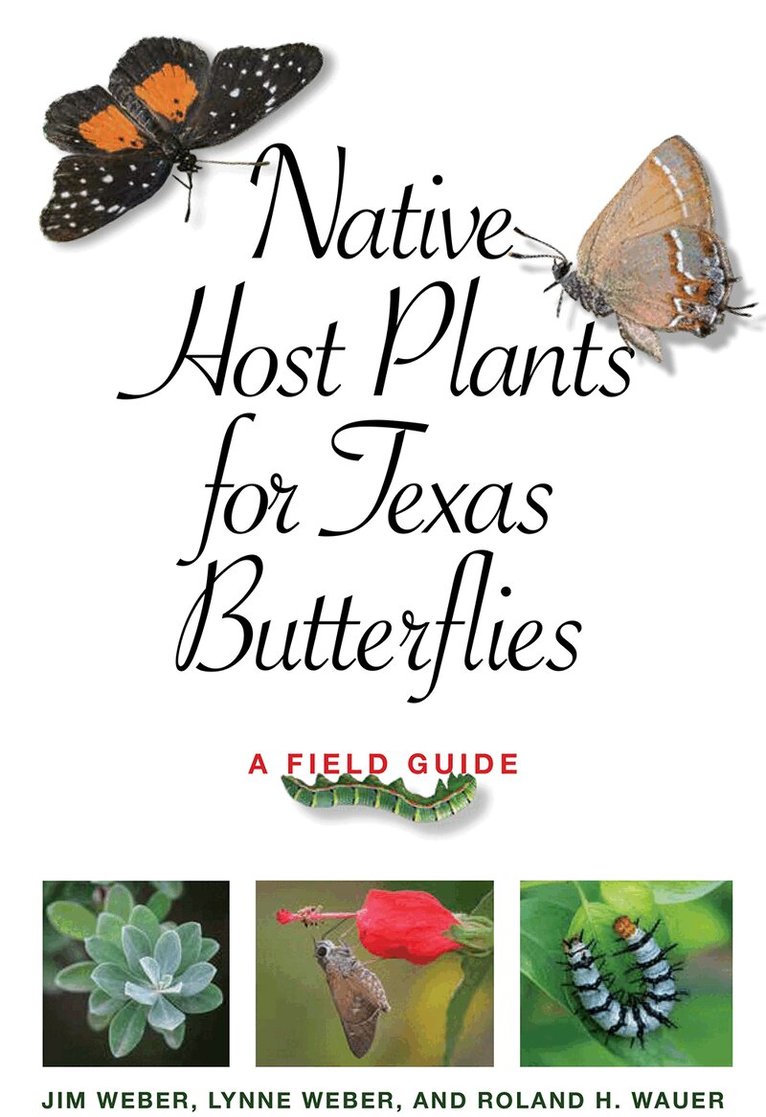
While many growers focus on attracting adult butterflies to their gardens, fewer know about the plants that caterpillars need to survive. Native host plants—wildflowers, trees, shrubs, vines, grasses, and sedges—not only provide a site for the butterfly to lay its eggs, they also provide a ready food source for the emerging caterpillar. Think of these plants as the nurseries of the garden. This user-friendly, heavily illustrated field guide describes 101 native larval host plants in Texas. Each species account includes descriptive information on each plant, a distribution map, and photos of both the caterpillars and adult butterflies who frequent those plants.An adult butterfly may nectar on a wide variety of flowers, but caterpillars are much more restricted in their food sources. Some feed on only a limited number of plant species, so female butterflies seek out these specific plants to lay their eggs. For example, the host plants for Monarch caterpillars are various species of milkweed. Often, these plants are not the same as the ones the adult butterfly will later use for nectar.Learning more about the plants caterpillars need is crucial for butterfly conservation. Butterflies' dependency on specific caterpillar host plants is one of the key factors restricting their range and distribution. Armed with this knowledge, readers can also hone their ability to find specific species of breeding butterflies in nature. This is a handy guide whether you are in the field searching for butterflies or on the hunt for butterfly-friendly options at your local plant sale.
334 kr
Skickas inom 7-10 vardagar
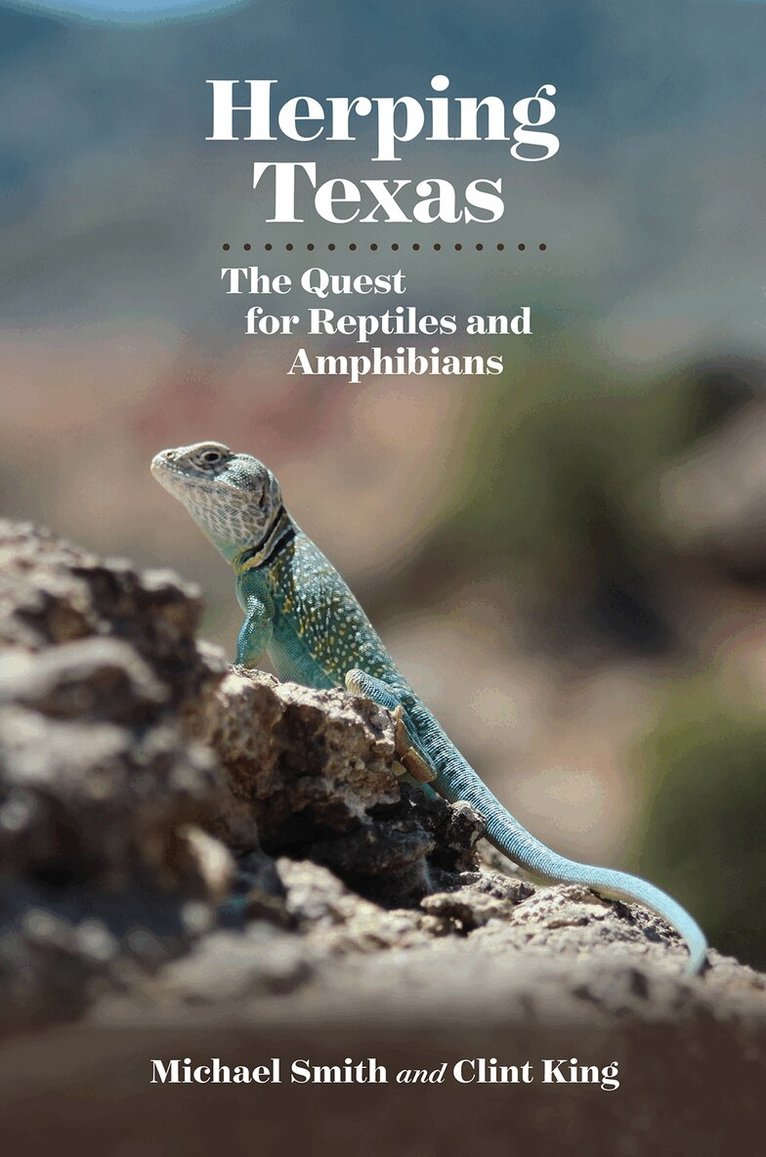
Coiled beneath discarded trash or rocky slabs, basking along river edges, and tucked into rock cuts beside the highway, reptiles and amphibians constantly surround us. While many people go out of their way to avoid snakes or shudder at the thought of touching a toad, herpers take to the field armed with cameras, hooks, and notebooks hoping to come across a horned lizard, green tree frog, or even a diamondback rattlesnake.In Herping Texas: The Quest for Reptiles and Amphibians, Michael Smith and Clint King, expert naturalists and field herpers, take readers on their adventures across the state as they search for favorite herps and rare finds. Organized by ecoregion, Herping Texas describes some of the state's most spectacular natural places, from Big Bend to the Big Thicket. Each chapter contains photographs of the various snakes, lizards, toads, and turtles Smith and King have encountered on their trips.Part nature travel writing and part guide to field herping, Herping Texas also includes a section on getting started, where the authors give readers necessary background on best field herping practices. A glossary defines herping lingo and scientific terms for newcomers, and an appendix lists threatened and endangered species at the state and federal level.Herping Texas promotes experiencing natural places and wildlife equipped with solid information and a responsible conservation ethic. Throughout their decades tracking herps, Smith and King have collected humorous anecdotes and fascinating facts about reptiles and amphibians. By sharing those, they hope to dispel some of the stigma and false ideas people have about these misunderstood animals.
482 kr
Skickas inom 7-10 vardagar
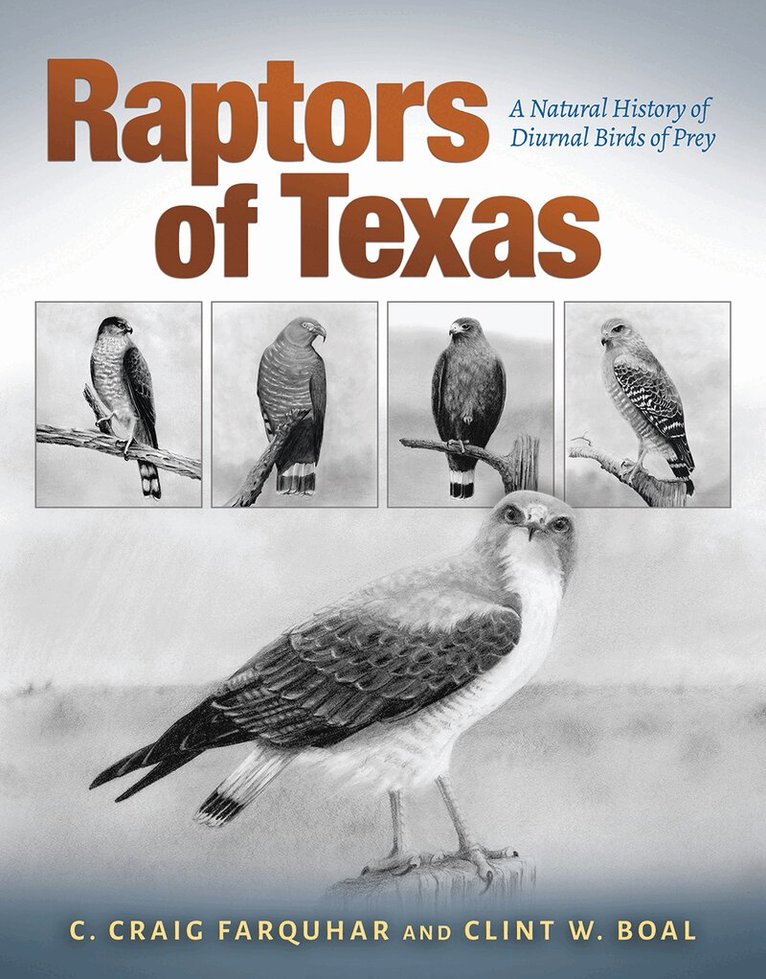
Raptors - birds of prey that hunt during the day - include easily recognizable birds like eagles, hawks, or falcons. They may be seen perched on highway signs, electrical poles, or soaring overheard in urban and rural spaces across North America. Here, avian ecology and raptor experts Craig Farquhar and Clint Boal present the first comprehensive volume on these birds of prey in Texas. Given the state's size, location, and biodiversity, it is not surprising that Texas leads other states in the documented number of raptor occurrence.The introductory chapters of Raptors of Texas provide information on raptor ecology, evolution, behavior, morphology, and the unique conservation challenges raptors face. Detailed species descriptions of the most common raptors in Texas come next, illustrated with life-like graphite drawings and range maps. Additionally, short entries for rare raptors sighted in the state are provided.This reference is a must-have for serious birders, ornithologists, avian ecologists, and wildlife professionals who want to know more about these birds of prey and the important roles they play in our urban and rural environments alike.
297 kr
Skickas inom 11-20 vardagar
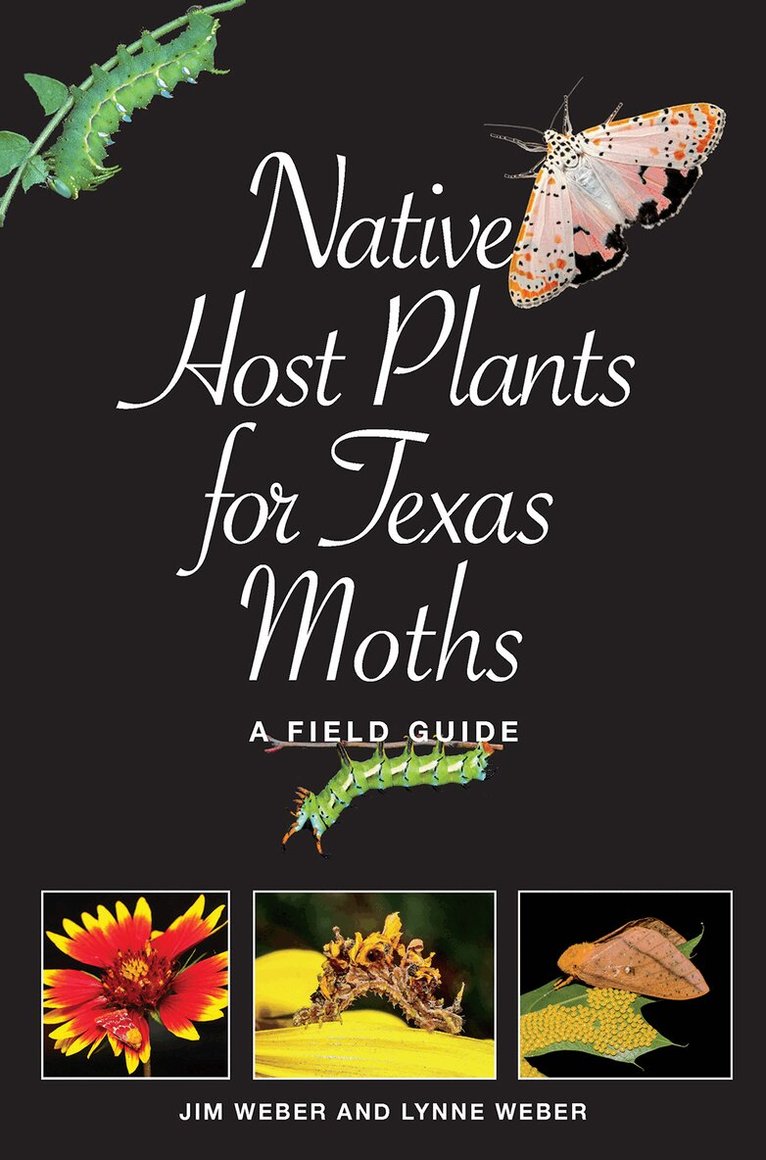
While day-flying butterflies have long captured the attention of nature enthusiasts, moth species outnumber butterfly species by about fifteen to one, with many being overlooked due to their mostly nocturnal habits. Although they are far less noticeable to us, moths are essential to many other species, including the plants they pollinate and the animals they nourish. In their caterpillar or larval form they provide a primary source of sustenance for birds, and as adults they feed everything from tiny bats to large mammals.Native plants are of utmost importance for moths, as they evolved alongside them, and they are the principal factor for dictating moth species range and distribution. Like butterflies, moths require native plant species they recognize in order to lay their eggs. This user-friendly, heavily illustrated follow-up to Lynne and Jim Weber’s highly successful Native Host Plants for Texas Butterflies describes over 100 native, larval host plants for moths in Texas. More than 150 moth species are illustrated in the book, both larval and adult phases, with one to two species for each of the larval host plants.Today there are about 4,700 species of moths recognized in Texas, with new species and their host plant associations still being discovered. Native Host Plants for Texas Moths will prove to be an informative introduction to this less widely known world of moths and their host plants, providing a better understanding of how to discover, support, and protect these important insects.
496 kr
Skickas inom 7-10 vardagar
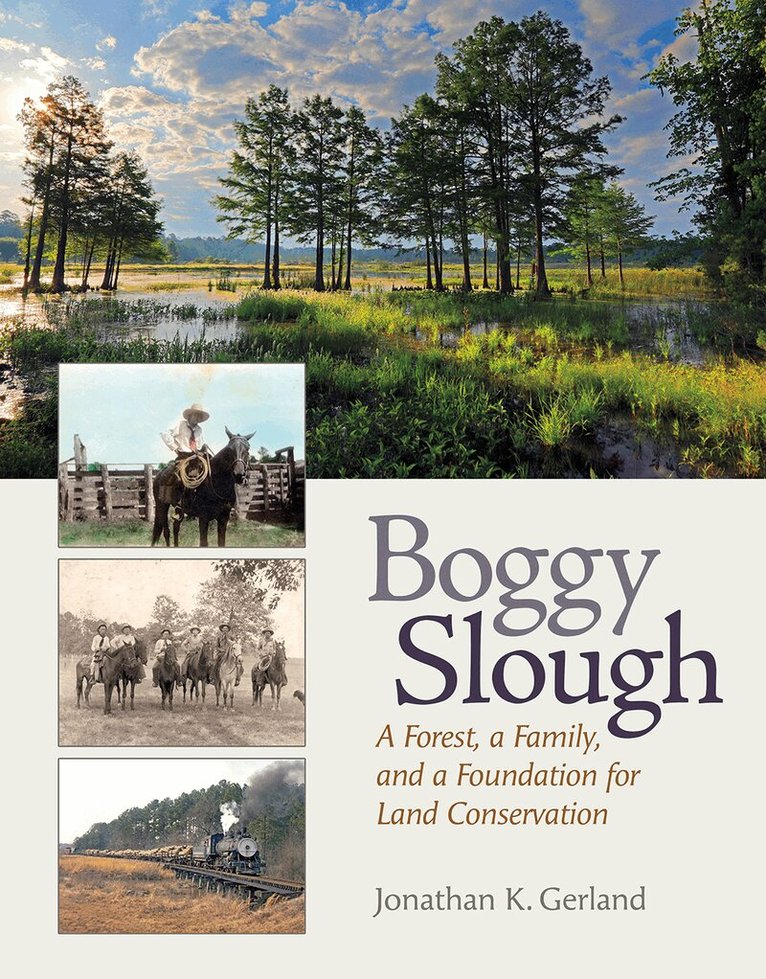
Boggy Slough Conservation Area is a 19,000-acre unbroken tract of pine and bottomland hardwood forest situated in East Texas’ Trinity and Houston counties. More than twenty miles of the Neches River, one of the last free-flowing rivers in the state, serves as the eastern boundary, and for more than a century the land has been one of the state’s leading game and industrial forest management areas.A unique blend of natural, cultural, and business history, Boggy Slough presents a highly illustrated narrative of the land, people, and evolving purpose, from time of European contact to the present. Gerland traces the many phases of land use in this forest as it transitioned from hunting, gathering, fishing, and subsistence farming to an experimental mix of stock raising and large-scale commercial forestry, eventually becoming important conservation land along the Neches River Corridor. Gerland explores the natural features and adaptive land use practices of the region as well as the environmental history of railroads and logging camps, barbed wire fences and company cattle ranches, and exclusive hunting clubs.The underlying story is the evolution and environmental impact of Southern Pine Lumber Company, founded in 1893 by T. L. L. Temple. Now owned and maintained by the fifth generation of the Temple family, the Boggy Slough lands are the last remnants of what was once a 1.2 million–acre forest empire. Gerland examines the family’s and the lumber company’s struggles to grow and manage a second-, third-, and fourth-generation forest, ultimately achieving sustainability while managing changing environmental concerns and attitudes.
713 kr
Skickas inom 7-10 vardagar
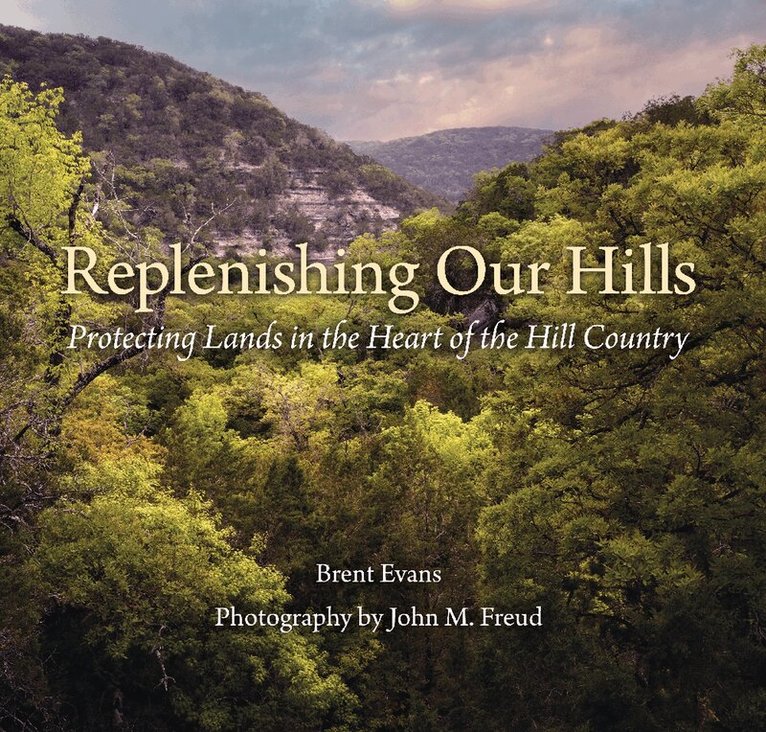
The Hill Country, “sweet spot of Texas,” is in danger of being loved to death, or so it seems. The good news is that all the growth and development has triggered some serious conservation efforts. Folks are joining forces to protect the lands and waters of this extraordinary region—families have been partnering with land trusts to save their legacies; citizens have been creating parks, greenways, trails, natural areas, wildlife refuges, and nature centers, thoughtful stewardship is helping damaged lands recover; a network of conservationists has been hard at work; and Texas voters have been supporting conservation measures. Featuring photography by John Freud and a compelling narrative by longtime conservationist Brent Evans, this unique book on the Texas Hill Country includes inspiring images of conserved land, provides a history of conservation efforts, and highlights the contributions of regional land trusts, county programs, community projects, a community-based nature center and farm, and private landowners. With a goal of celebrating and inspiring grass-roots conservation, Freud and Evans showcase, through words and imagery, places that have been cared for and preserved by a generation of local landowners, local governments, and local nonprofits. As Evans writes in the preface, “the Hill Country is saving some of itself, and this is our story.” As a record of the many conservation efforts in the Texas Hill Country, Replenishing Our Hills serves as an invaluable and inspiring resource for those new or familiar to land stewardship.
504 kr
Skickas inom 3-6 vardagar
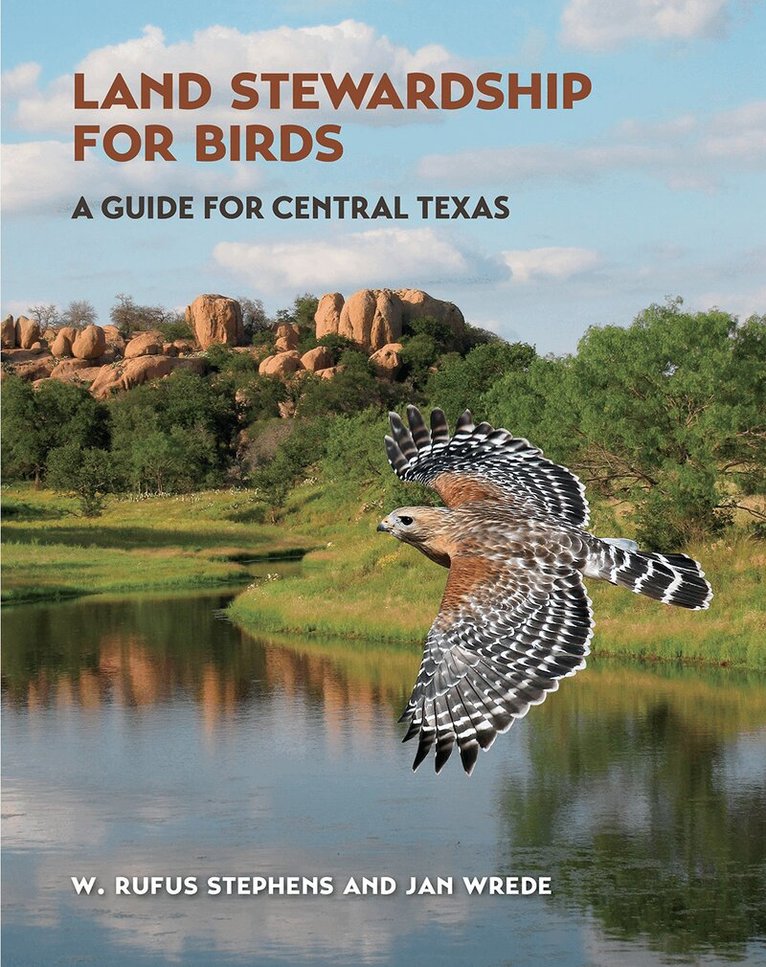
In this revised and re-titled edition of Attracting Birds in the Texas Hill Country: A Guide to Land Stewardship, biologist Rufus Stephens and educator Jan Wrede provide a comprehensive update to their popular and practical handbook that focuses on habitat improvement to benefit birds on properties of all sizes in Central Texas.Nearly 50 years of research shows that over time, the North American bird population has declined by 2.9 billion. Breeding birds have declined by nearly 30 percent in virtually all habitats, and Central Texas is no exception. Just as human impact on the environment has contributed to habitat loss, so can our actions restore the habitats that once sustained a thriving birdlife population. Central Texas resident, migrant, and wintering birds have specific habitat needs for cover, food, and water. Breeding birds also need specific habitat for raising their young. Thus, Land Stewardship for Birds: A Guide for Central Texas is organized by the types of habitats present: woodlands and savannahs; grasslands; rivers and streams; canyons, springs, and seeps; constructed tanks, ponds, and lakes; plus residential backyards. Three chapters on management of predators, deer, and cedar and other brush offer in-depth recommendations for addressing these important factors that impact bird habitat. New material in this edition includes a section on wildfire, improved bird census guidelines, updated plant lists, the latest standards for managing bird boxes, a more robust guide to managing brush species, and helpful apps and online resources, making Land Stewardship for Birds a valuable addition to the land steward’s reference library.
376 kr
Skickas inom 7-10 vardagar
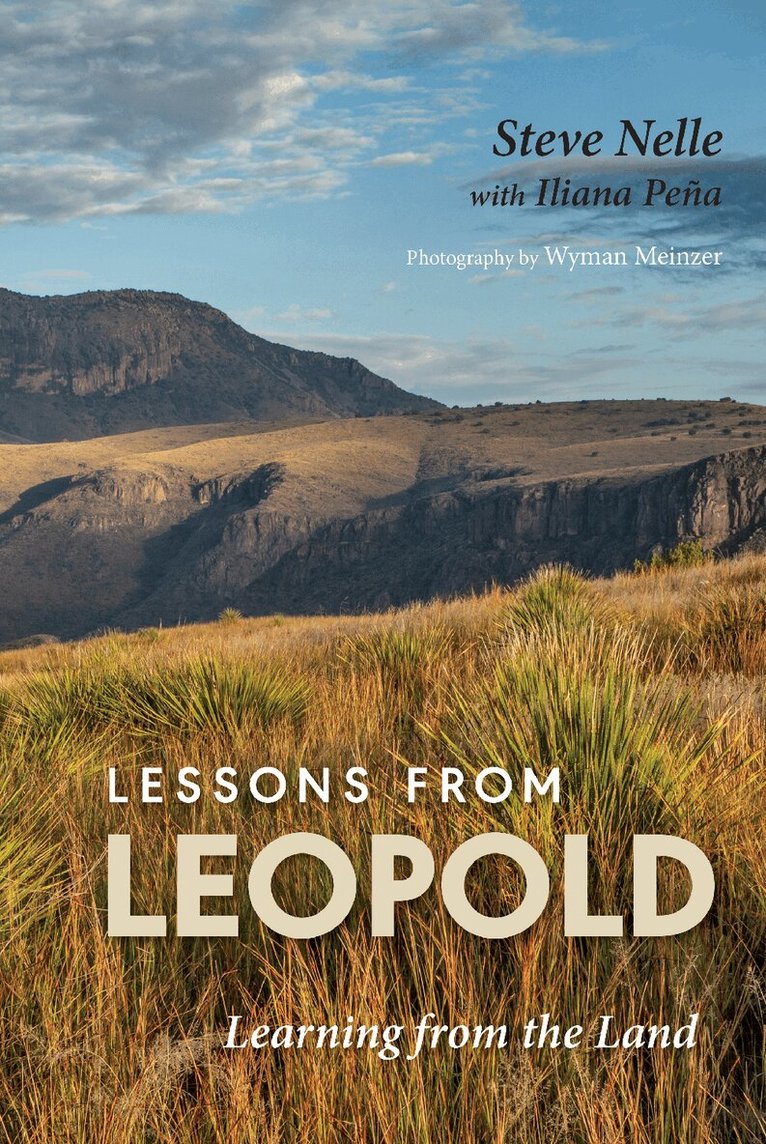
Aldo Leopold (1887–1948), arguably best known for his posthumous A Sand County Almanac (1949), is considered by many the father of modern wildlife management. He developed and described many of the concepts of conservation, ecology, and stewardship of natural resources still used today. Leopold was an astute observer of the land and people’s relationship to the land. His writings have endured the test of time and have proven to be remarkably prophetic and relevant to today’s issues. Lessons from Leopold: Learning from the Land takes 54 selections of Leopold’s writings relevant to current-day conservation issues as a starting point to provide thought-provoking lessons that have direct application to contemporary land management. Notable Texas conservationist Steve Nelle brings Leopold’s message into our current context, touching on a variety of issues including ecology, land ethics, conservation, and land and wildlife management. Nelle’s pieces originally appeared as a bimonthly column for Texas Wildlife, Texas Wildlife Association’s monthly magazine. This collection of works has been edited and organized into a coherent whole as seven chapters, accompanied by short introductions to place the lessons into a wider topical context. The book includes an introduction by Iliana PeÑa, 15 archival photographs, and 20 color photographs by nature photographer Wyman Meinzer.