Jim Weber - Böcker
Visar alla böcker från författaren Jim Weber. Handla med fri frakt och snabb leverans.
6 produkter
6 produkter
Running with Purpose
How Brooks Outpaced Goliath Competitors to Lead the Pack
Inbunden, Engelska, 2022
238 kr
Skickas
Discover how Brooks Running Company CEO Jim Weber transformed a failing business into a billion-dollar brand in the ultracompetitive global running market. Running with Purpose is a leadership memoir with insights, inspirational stories, and tangible takeaways for current and aspiring leaders, entrepreneurs, and the 150+ million runners worldwide and those in the broader running community who continually invest in themselves.This leadership memoir starts with Jim Weber's seventh-grade dream to run a successful company that delivered something people passionately valued. Fast forward to 2001, Jim became the CEO of Brooks and, as the struggling brand's fourth CEO in two years, he faced strong headwinds. A lifelong competitor, Jim devised a one-page strategy that he believed would not only save the company but would also lay the foundation for Brooks to become a leading brand in the athletic, fitness, and outdoor categories. To succeed, he had to get his team to first believe it was possible and then employ the conviction, fortitude, and constancy of purpose to outperform larger brands. Brooks' success was validated when Warren Buffett made it a standalone Berkshire Hathaway subsidiary in 2012. In the pages of Running with Purpose, you will find:Brooks’ bold strategy and unique brand positioning that fueled its move from the back of the pack to lead.The key to building a purpose-driven brand that is oriented around customer obsession, building trust, competing with heart, and having fun along the way.The six clear leadership lessons Jim has learned along his path and applies at Brooks to develop staff into authentic leaders.How Berkshire Hathaway's support and influence provided a tailwind for Brooks' business and brand to surge.An inside look at the ups and downs of Jim's personal journey, which led to his conviction that life is too short not to enjoy what you do and the people by your side.
205 kr
Skickas inom 5-8 vardagar
257 kr
Skickas inom 7-10 vardagar
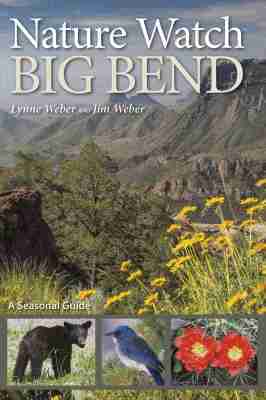
In this information-packed, month-to-month guide to the wildlife, plants, and natural events that define the seasonal cycles in Big Bend National Park, naturalists Lynne and Jim Weber offer a richly illustrated guide to the natural rhythms of this beautiful and remote region in far West Texas.If you're on the lookout for deer in January, tracking hummingbirds in August, photographing wildflowers in September, or listening to frog choruses after a summer rain—the authors provide “Where to Watch” suggestions on when and how to see these and many other park inhabitants, from beavers and bats to lizards and dragonflies. Each chapter features a weather and temperature chart, photographs, and eye-catching illustrations by Lynne Weber.Whether you are a casual tourist or a frequent visitor to Big Bend, the authors hope that knowing what to look for during your stay in one of the nation’s largest national parks will heighten your awareness, sharpen your observation skills, and enhance your overall experience in this iconic Texas landscape.
343 kr
Skickas inom 7-10 vardagar
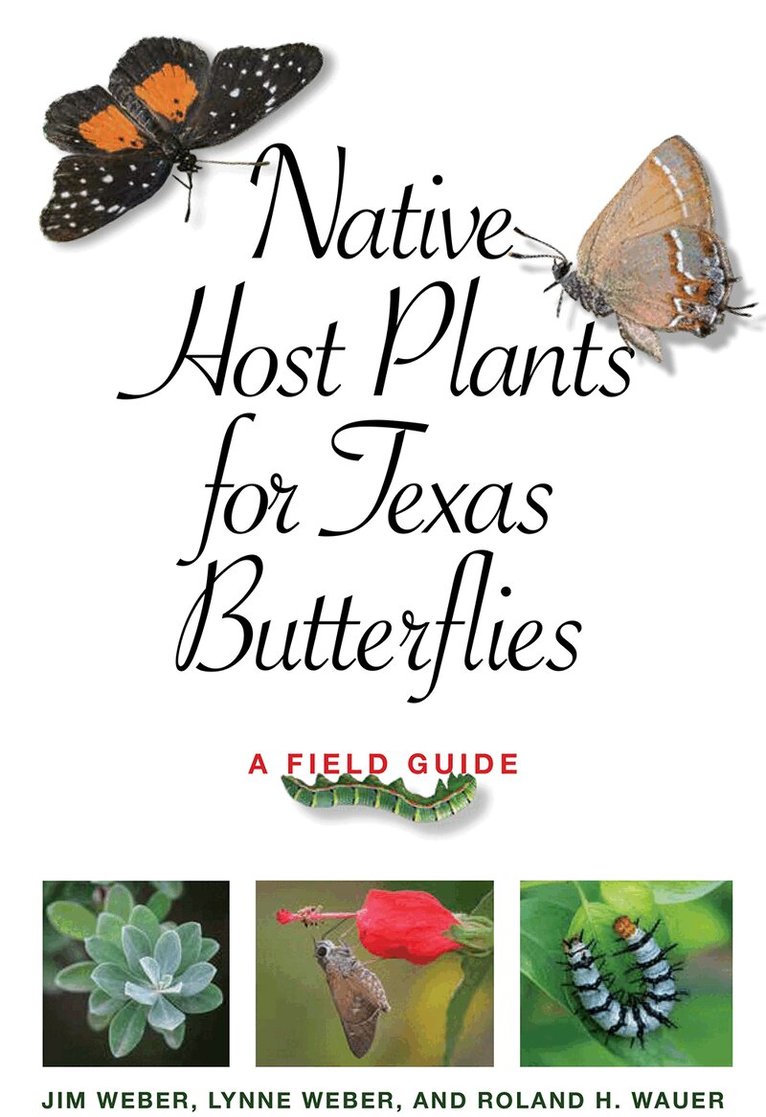
While many growers focus on attracting adult butterflies to their gardens, fewer know about the plants that caterpillars need to survive. Native host plants—wildflowers, trees, shrubs, vines, grasses, and sedges—not only provide a site for the butterfly to lay its eggs, they also provide a ready food source for the emerging caterpillar. Think of these plants as the nurseries of the garden. This user-friendly, heavily illustrated field guide describes 101 native larval host plants in Texas. Each species account includes descriptive information on each plant, a distribution map, and photos of both the caterpillars and adult butterflies who frequent those plants.An adult butterfly may nectar on a wide variety of flowers, but caterpillars are much more restricted in their food sources. Some feed on only a limited number of plant species, so female butterflies seek out these specific plants to lay their eggs. For example, the host plants for Monarch caterpillars are various species of milkweed. Often, these plants are not the same as the ones the adult butterfly will later use for nectar.Learning more about the plants caterpillars need is crucial for butterfly conservation. Butterflies' dependency on specific caterpillar host plants is one of the key factors restricting their range and distribution. Armed with this knowledge, readers can also hone their ability to find specific species of breeding butterflies in nature. This is a handy guide whether you are in the field searching for butterflies or on the hunt for butterfly-friendly options at your local plant sale.
297 kr
Skickas inom 11-20 vardagar
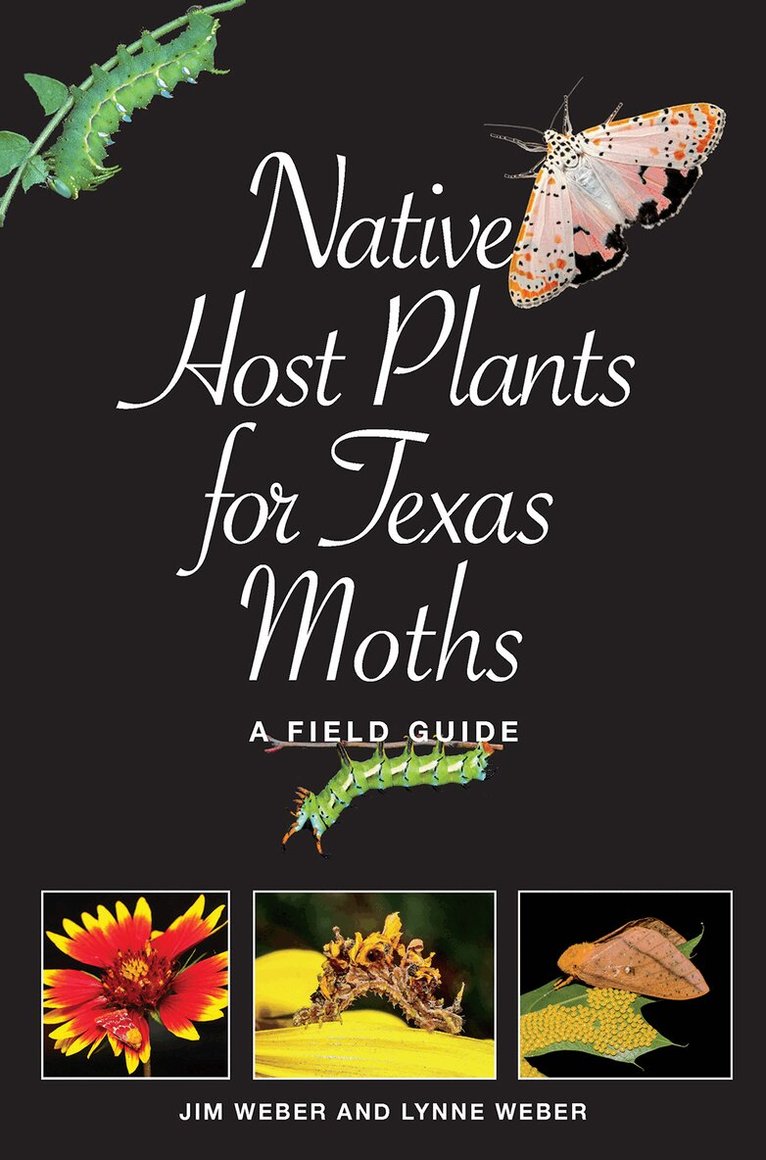
While day-flying butterflies have long captured the attention of nature enthusiasts, moth species outnumber butterfly species by about fifteen to one, with many being overlooked due to their mostly nocturnal habits. Although they are far less noticeable to us, moths are essential to many other species, including the plants they pollinate and the animals they nourish. In their caterpillar or larval form they provide a primary source of sustenance for birds, and as adults they feed everything from tiny bats to large mammals.Native plants are of utmost importance for moths, as they evolved alongside them, and they are the principal factor for dictating moth species range and distribution. Like butterflies, moths require native plant species they recognize in order to lay their eggs. This user-friendly, heavily illustrated follow-up to Lynne and Jim Weber’s highly successful Native Host Plants for Texas Butterflies describes over 100 native, larval host plants for moths in Texas. More than 150 moth species are illustrated in the book, both larval and adult phases, with one to two species for each of the larval host plants.Today there are about 4,700 species of moths recognized in Texas, with new species and their host plant associations still being discovered. Native Host Plants for Texas Moths will prove to be an informative introduction to this less widely known world of moths and their host plants, providing a better understanding of how to discover, support, and protect these important insects.
413 kr
Skickas inom 7-10 vardagar
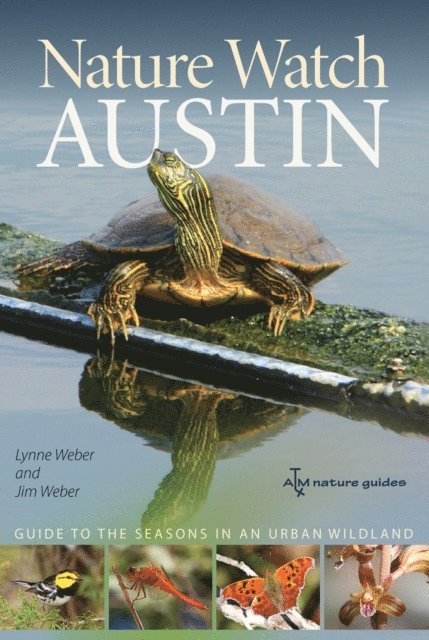
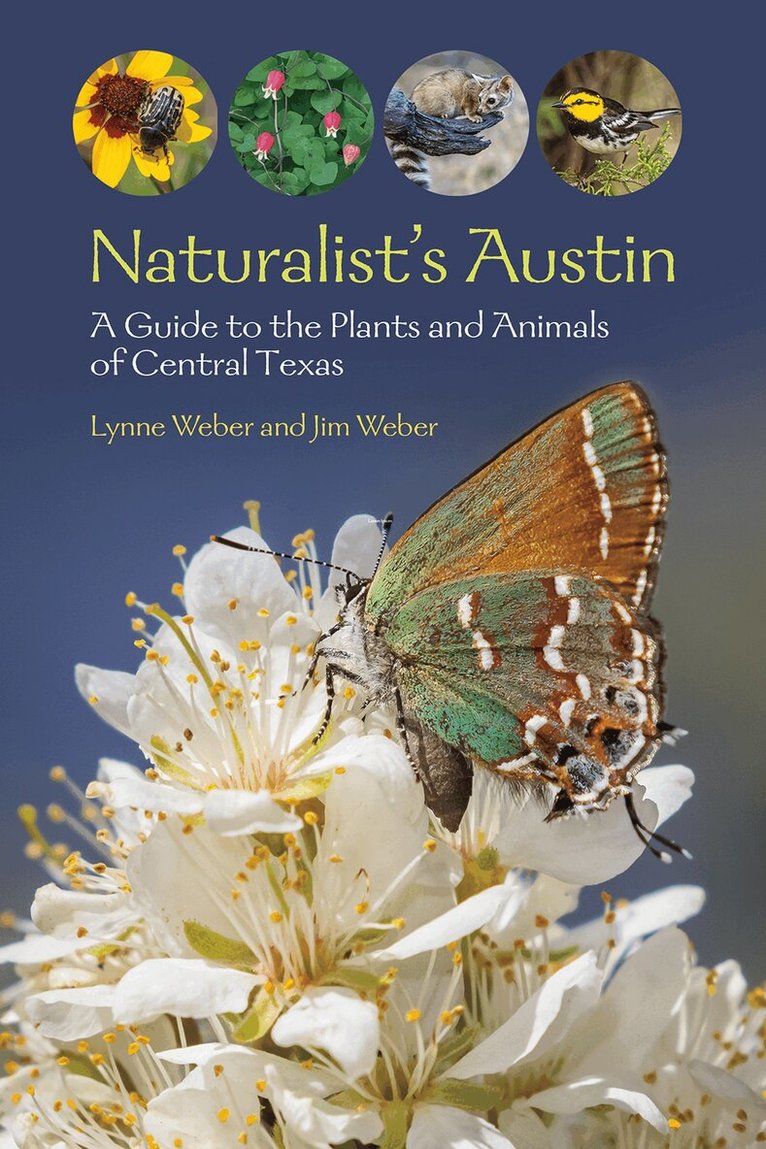
Naturalists Jim and Lynne Weber guide readers to the surprising natural diversity found in the urban wildscapes of the Texas capital city and beyond. With clarity and depth of knowledge, Naturalist’s Austin: A Guide to the Plants and Animals of Central Texas provides a tour that includes nearly 700 species of plants and animals native to the region.The book opens with a natural history overview underscores the importance of a strong environmental ethic for ensuring the ability of naturally occurring species to thrive within an urban environment—even one exhibiting the type of explosive growth found in Austin. Highlighting features of the area’s natural processes (migration, wildfire, caves, aquifers, and others), Weber and Weber present lavishly illustrated accounts of both common and unique plant and animal species, with selected exotics included, that may be found in Austin and the surrounding areas. Each section in the species accounts opens with an informative overview, and the individual accounts discuss species status, seasonality, descriptions, habitat, and “fun facts” related to interesting behaviors or adaptations.With vivid photographs throughout, this colorful and informative guide is sure to be a favorite of Texas nature lovers. Naturalist’s Austin provides an authoritative and enjoyable resource for the greater appreciation and better stewardship of our natural resources.