Lynne M. Weber - Böcker
Visar alla böcker från författaren Lynne M. Weber. Handla med fri frakt och snabb leverans.
3 produkter
3 produkter
342 kr
Skickas inom 7-10 vardagar
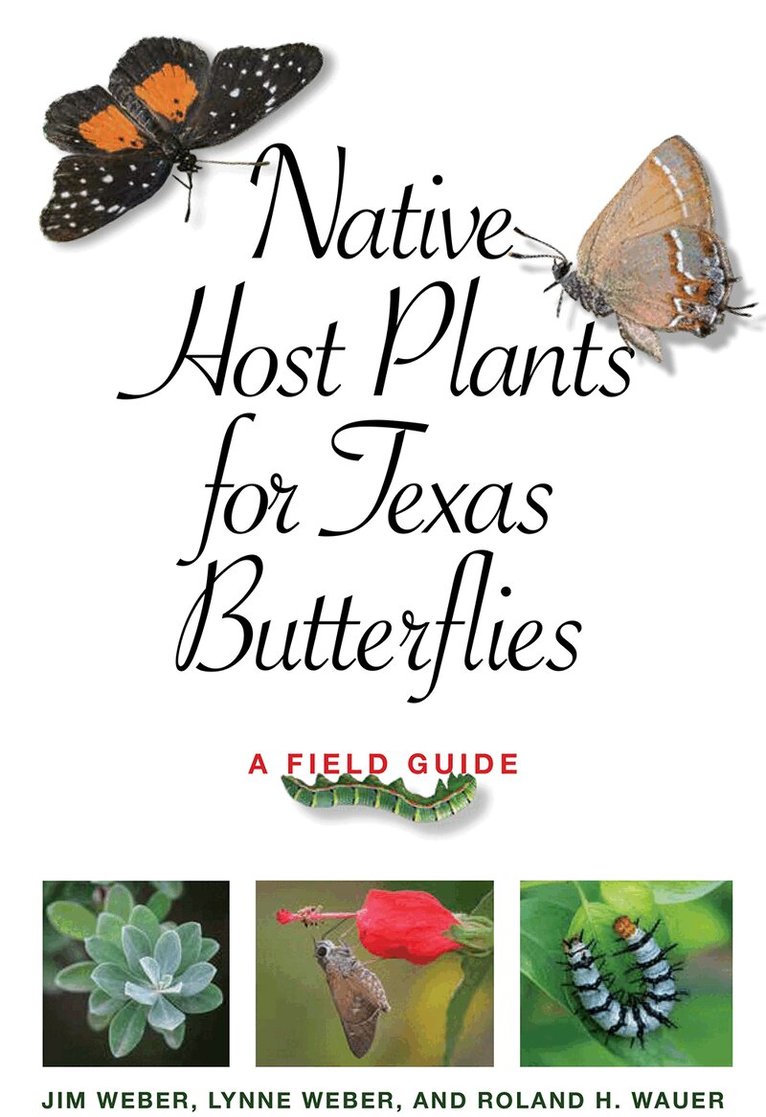
While many growers focus on attracting adult butterflies to their gardens, fewer know about the plants that caterpillars need to survive. Native host plants—wildflowers, trees, shrubs, vines, grasses, and sedges—not only provide a site for the butterfly to lay its eggs, they also provide a ready food source for the emerging caterpillar. Think of these plants as the nurseries of the garden. This user-friendly, heavily illustrated field guide describes 101 native larval host plants in Texas. Each species account includes descriptive information on each plant, a distribution map, and photos of both the caterpillars and adult butterflies who frequent those plants.An adult butterfly may nectar on a wide variety of flowers, but caterpillars are much more restricted in their food sources. Some feed on only a limited number of plant species, so female butterflies seek out these specific plants to lay their eggs. For example, the host plants for Monarch caterpillars are various species of milkweed. Often, these plants are not the same as the ones the adult butterfly will later use for nectar.Learning more about the plants caterpillars need is crucial for butterfly conservation. Butterflies' dependency on specific caterpillar host plants is one of the key factors restricting their range and distribution. Armed with this knowledge, readers can also hone their ability to find specific species of breeding butterflies in nature. This is a handy guide whether you are in the field searching for butterflies or on the hunt for butterfly-friendly options at your local plant sale.
297 kr
Skickas inom 11-20 vardagar
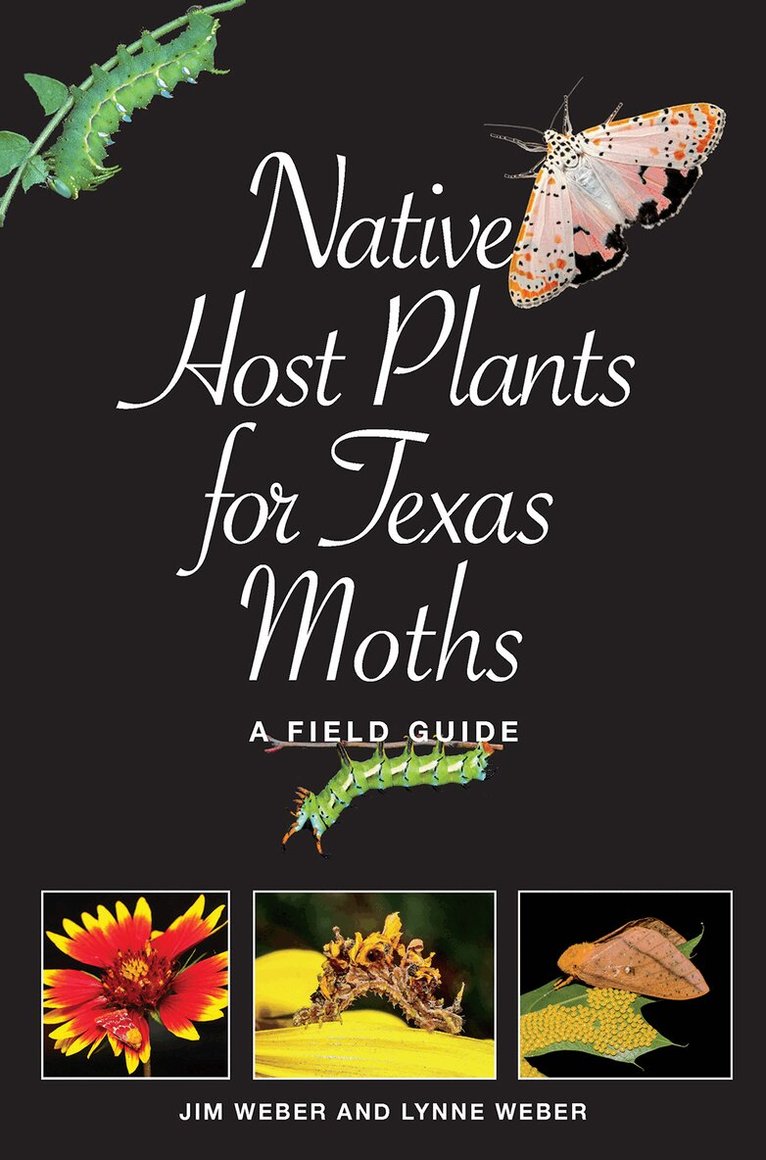
While day-flying butterflies have long captured the attention of nature enthusiasts, moth species outnumber butterfly species by about fifteen to one, with many being overlooked due to their mostly nocturnal habits. Although they are far less noticeable to us, moths are essential to many other species, including the plants they pollinate and the animals they nourish. In their caterpillar or larval form they provide a primary source of sustenance for birds, and as adults they feed everything from tiny bats to large mammals.Native plants are of utmost importance for moths, as they evolved alongside them, and they are the principal factor for dictating moth species range and distribution. Like butterflies, moths require native plant species they recognize in order to lay their eggs. This user-friendly, heavily illustrated follow-up to Lynne and Jim Weber’s highly successful Native Host Plants for Texas Butterflies describes over 100 native, larval host plants for moths in Texas. More than 150 moth species are illustrated in the book, both larval and adult phases, with one to two species for each of the larval host plants.Today there are about 4,700 species of moths recognized in Texas, with new species and their host plant associations still being discovered. Native Host Plants for Texas Moths will prove to be an informative introduction to this less widely known world of moths and their host plants, providing a better understanding of how to discover, support, and protect these important insects.
411 kr
Skickas inom 7-10 vardagar
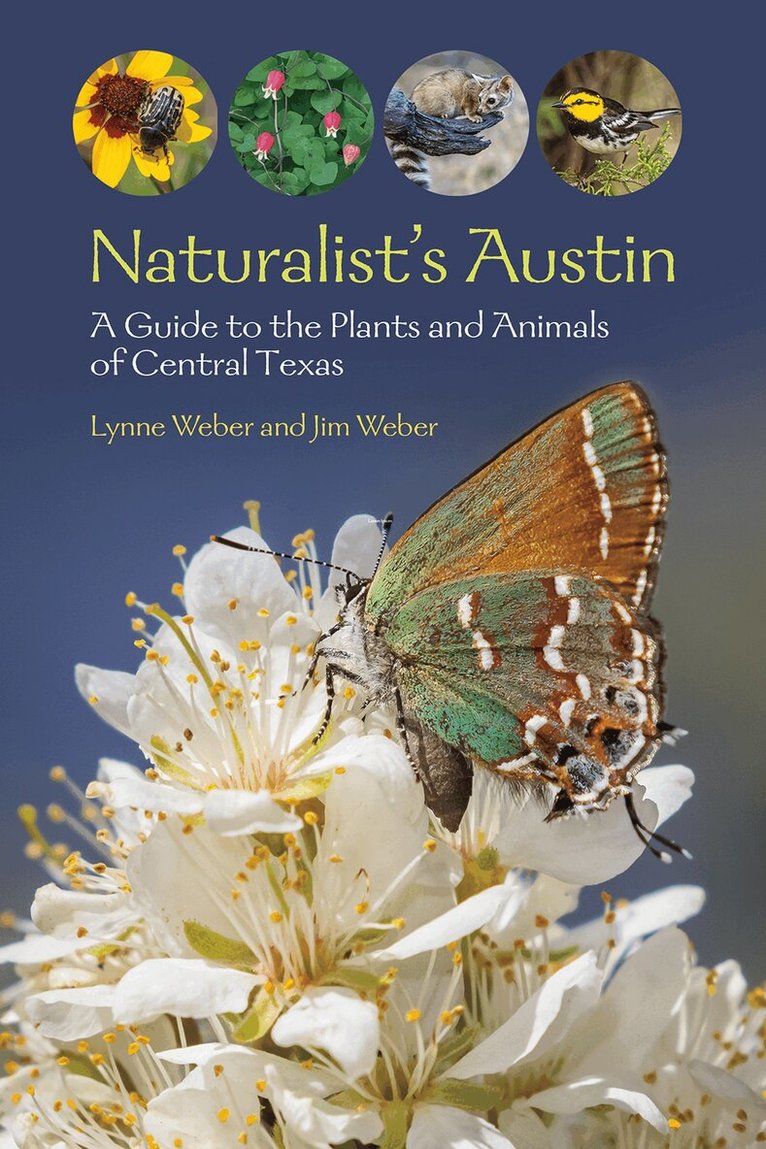
Naturalists Jim and Lynne Weber guide readers to the surprising natural diversity found in the urban wildscapes of the Texas capital city and beyond. With clarity and depth of knowledge, Naturalist’s Austin: A Guide to the Plants and Animals of Central Texas provides a tour that includes nearly 700 species of plants and animals native to the region.The book opens with a natural history overview underscores the importance of a strong environmental ethic for ensuring the ability of naturally occurring species to thrive within an urban environment—even one exhibiting the type of explosive growth found in Austin. Highlighting features of the area’s natural processes (migration, wildfire, caves, aquifers, and others), Weber and Weber present lavishly illustrated accounts of both common and unique plant and animal species, with selected exotics included, that may be found in Austin and the surrounding areas. Each section in the species accounts opens with an informative overview, and the individual accounts discuss species status, seasonality, descriptions, habitat, and “fun facts” related to interesting behaviors or adaptations.With vivid photographs throughout, this colorful and informative guide is sure to be a favorite of Texas nature lovers. Naturalist’s Austin provides an authoritative and enjoyable resource for the greater appreciation and better stewardship of our natural resources.