New Approaches to Midwestern Studies - Böcker
Visar alla böcker i serien New Approaches to Midwestern Studies. Handla med fri frakt och snabb leverans.
13 produkter
13 produkter
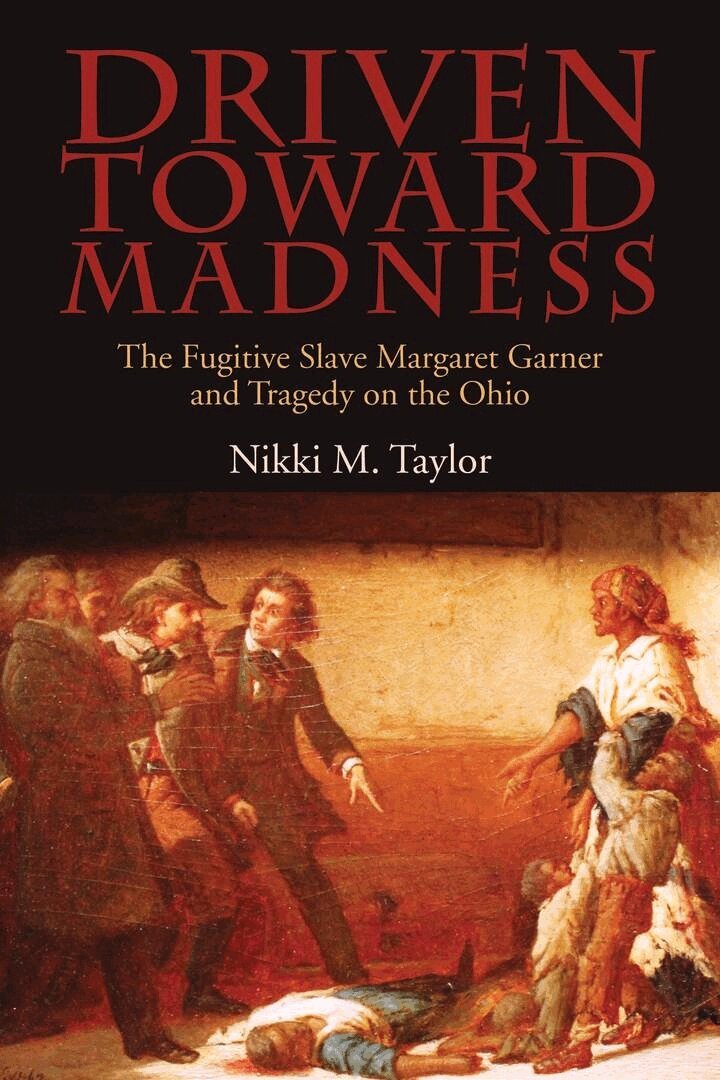
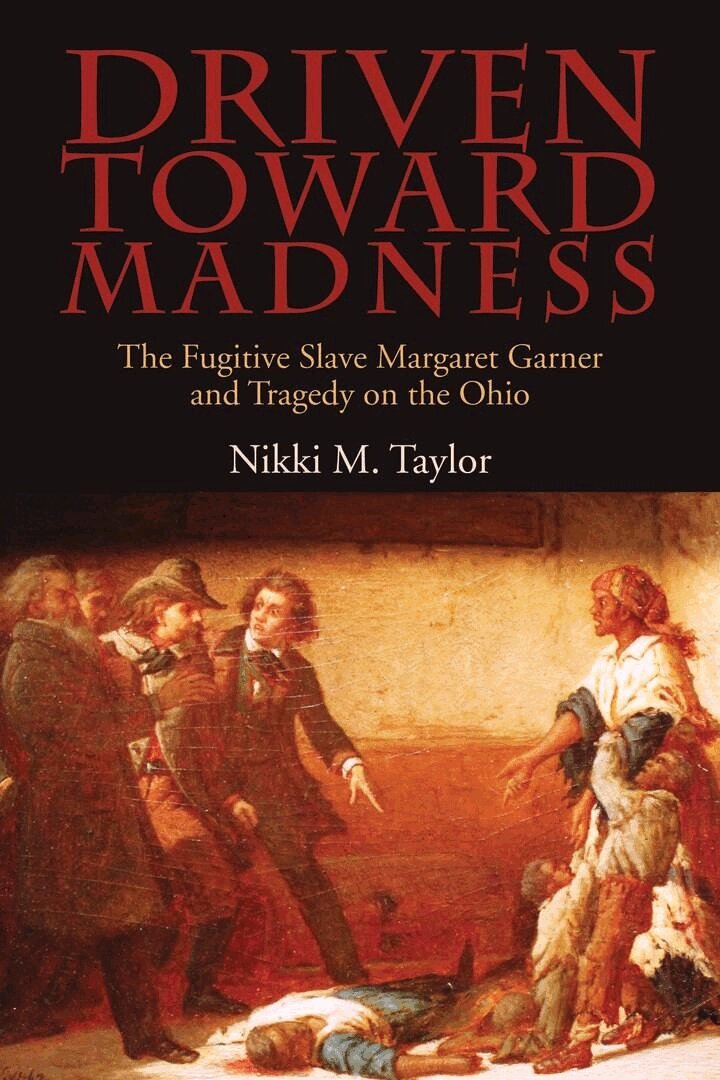
Driven Toward Madness
The Fugitive Slave Margaret Garner and Tragedy on the Ohio
Inbunden, Engelska, 2016
627 kr
Skickas inom 10-15 vardagar
Margaret Garner was the runaway slave who, when confronted with capture just outside of Cincinnati, slit the throat of her toddler daughter rather than have her face a life in slavery. Her story has inspired Toni Morrison's Beloved, a film based on the novel starring Oprah Winfrey, and an opera. Yet, her life has defied solid historical treatment. In Driven toward Madness, Nikki M. Taylor brilliantly captures her circumstances and her transformation from a murdering mother to an icon of tragedy and resistance.Taylor, the first African American woman to write a history of Garner, grounds her approach in black feminist theory. She melds history with trauma studies to account for shortcomings in the written record. In so doing, she rejects distortions and fictionalized images; probes slavery's legacies of sexual and physical violence and psychic trauma in new ways; and finally fleshes out a figure who had been rendered an apparition.
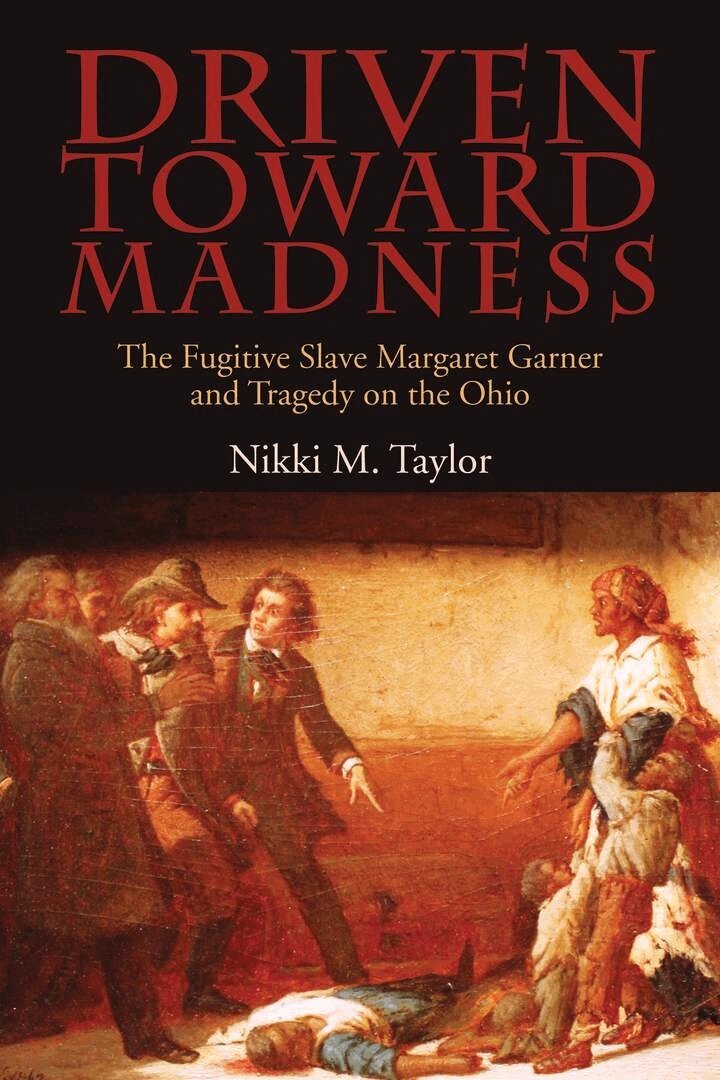
Driven Toward Madness
The Fugitive Slave Margaret Garner and Tragedy on the Ohio
Häftad, Engelska, 2016
261 kr
Skickas inom 10-15 vardagar
Margaret Garner was the runaway slave who, when confronted with capture just outside of Cincinnati, slit the throat of her toddler daughter rather than have her face a life in slavery. Her story has inspired Toni Morrison's Beloved, a film based on the novel starring Oprah Winfrey, and an opera. Yet, her life has defied solid historical treatment. In Driven toward Madness, Nikki M. Taylor brilliantly captures her circumstances and her transformation from a murdering mother to an icon of tragedy and resistance.Taylor, the first African American woman to write a history of Garner, grounds her approach in black feminist theory. She melds history with trauma studies to account for shortcomings in the written record. In so doing, she rejects distortions and fictionalized images; probes slavery's legacies of sexual and physical violence and psychic trauma in new ways; and finally fleshes out a figure who had been rendered an apparition.
718 kr
Skickas inom 10-15 vardagar
The Patrons of Husbandry—or the Grange—is the longest-lived US agricultural society and, since its founding shortly after the Civil War, has had immeasurable influence on social change as enacted by ordinary Americans. The Grange sought to relieve the struggles of small farmers by encouraging collaboration. Pathbreaking for its inclusion of women, the Grange is also well known for its association with Gilded Age laws aimed at curbing the monopoly power of railroads.In Essentials, Unity takes as its focus Grange founder Oliver Kelley and his home organization in Minnesota. Jenny Bourne draws upon numerous historical records to present a lively picture of a fraternal organization devoted to improving the lot of farmers but whose legacies extend far beyond agriculture. From struggles over minimum wage, birth control, and environmental regulation to the conflicts surrounding the Affordable Care Act, and from lunch-counter sit-ins to Occupy Wall Street, the Grange has shaped the very notion of collective action and how it is deployed even today. As this compact book so effectively illustrates, the history of the Patrons of Husbandry exposes the classic tension between the desires for achieving overall economic success and determining how the spoils are split.
308 kr
Skickas inom 10-15 vardagar
The Patrons of Husbandry—or the Grange—is the longest-lived US agricultural society and, since its founding shortly after the Civil War, has had immeasurable influence on social change as enacted by ordinary Americans. The Grange sought to relieve the struggles of small farmers by encouraging collaboration. Pathbreaking for its inclusion of women, the Grange is also well known for its association with Gilded Age laws aimed at curbing the monopoly power of railroads.In Essentials, Unity takes as its focus Grange founder Oliver Kelley and his home organization in Minnesota. Jenny Bourne draws upon numerous historical records to present a lively picture of a fraternal organization devoted to improving the lot of farmers but whose legacies extend far beyond agriculture. From struggles over minimum wage, birth control, and environmental regulation to the conflicts surrounding the Affordable Care Act, and from lunch-counter sit-ins to Occupy Wall Street, the Grange has shaped the very notion of collective action and how it is deployed even today. As this compact book so effectively illustrates, the history of the Patrons of Husbandry exposes the classic tension between the desires for achieving overall economic success and determining how the spoils are split.
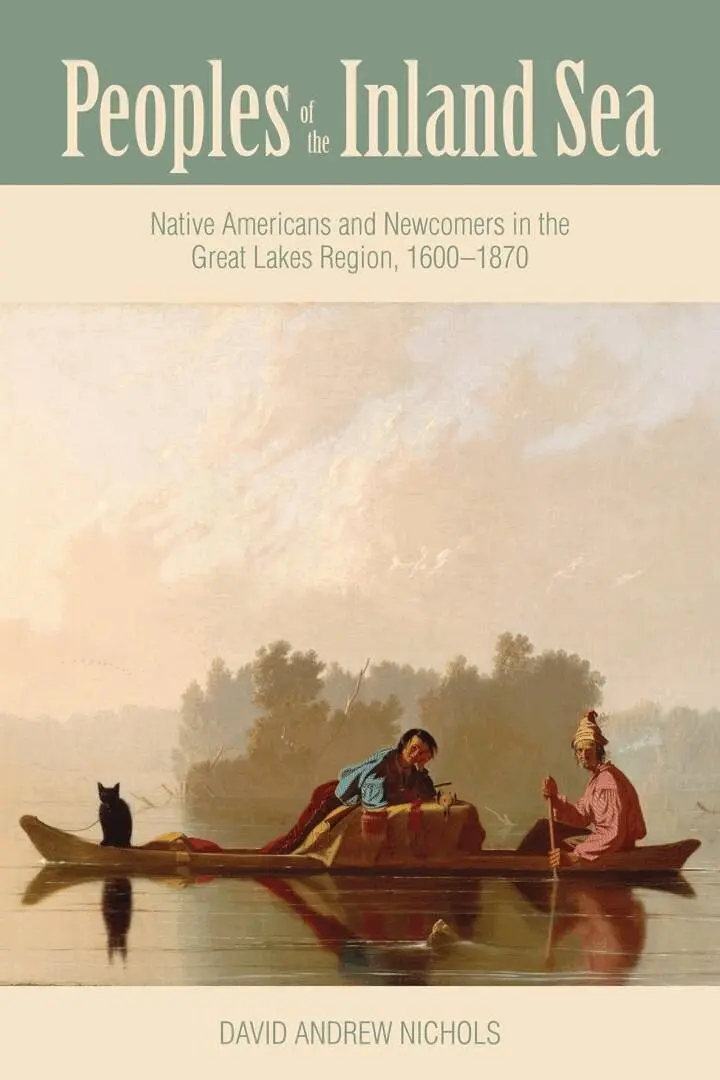
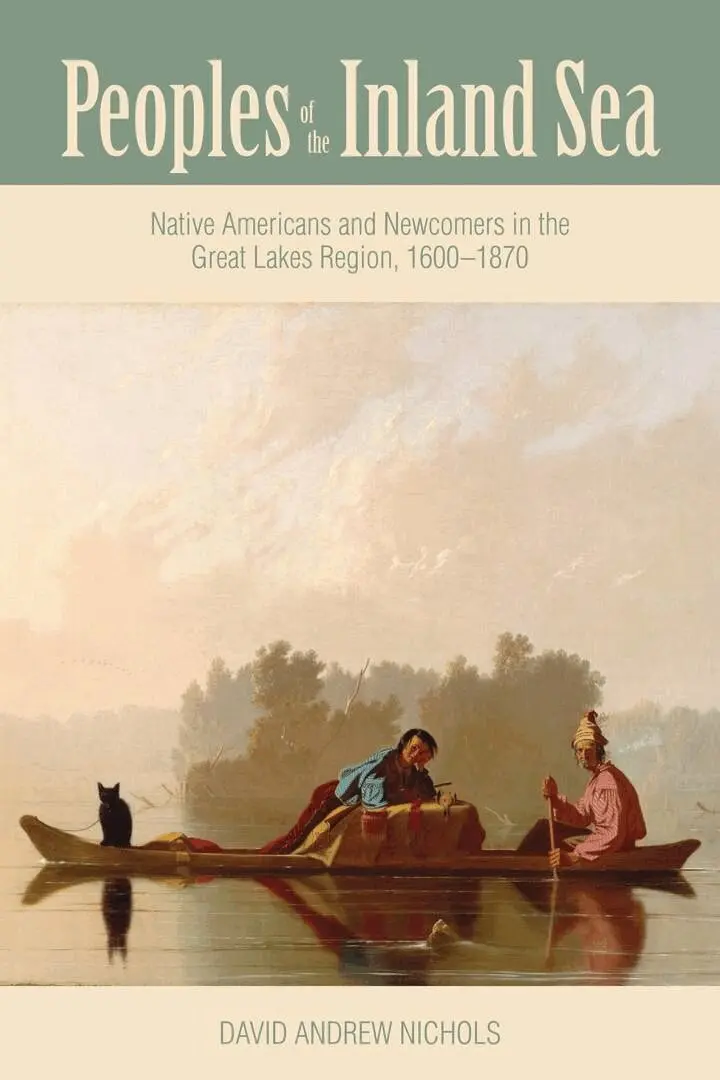
Peoples of the Inland Sea
Native Americans and Newcomers in the Great Lakes Region, 1600–1870
Häftad, Engelska, 2018
339 kr
Skickas inom 10-15 vardagar
Diverse in their languages and customs, the Native American peoples of the Great Lakes region—the Miamis, Ho-Chunks, Potawatomis, Ojibwas, and many others—shared a tumultuous history. In the colonial era their rich homeland became a target of imperial ambition and an invasion zone for European diseases, technologies, beliefs, and colonists. Yet in the face of these challenges, their nations' strong bonds of trade, intermarriage, and association grew and extended throughout their watery domain, and strategic relationships and choices allowed them to survive in an era of war, epidemic, and invasion. In Peoples of the Inland Sea, David Andrew Nichols offers a fresh and boundary-crossing history of the Lakes peoples over nearly three centuries of rapid change, from pre-Columbian times through the era of Andrew Jackson's Removal program. As the people themselves persisted, so did their customs, religions, and control over their destinies, even in the Removal era. In Nichols's hands, Native, French, American, and English sources combine to tell this important story in a way as imaginative as it is bold. Accessible and creative, Peoples of the Inland Sea is destined to become a classroom staple and a classic in Native American history.
530 kr
Skickas inom 7-10 vardagar
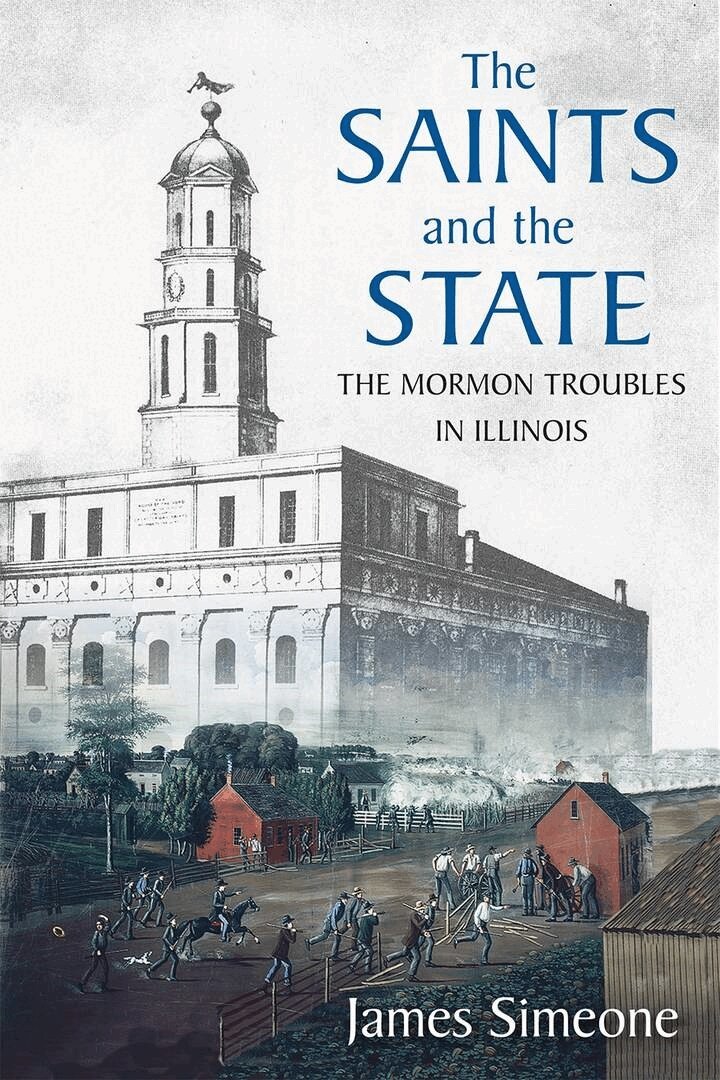
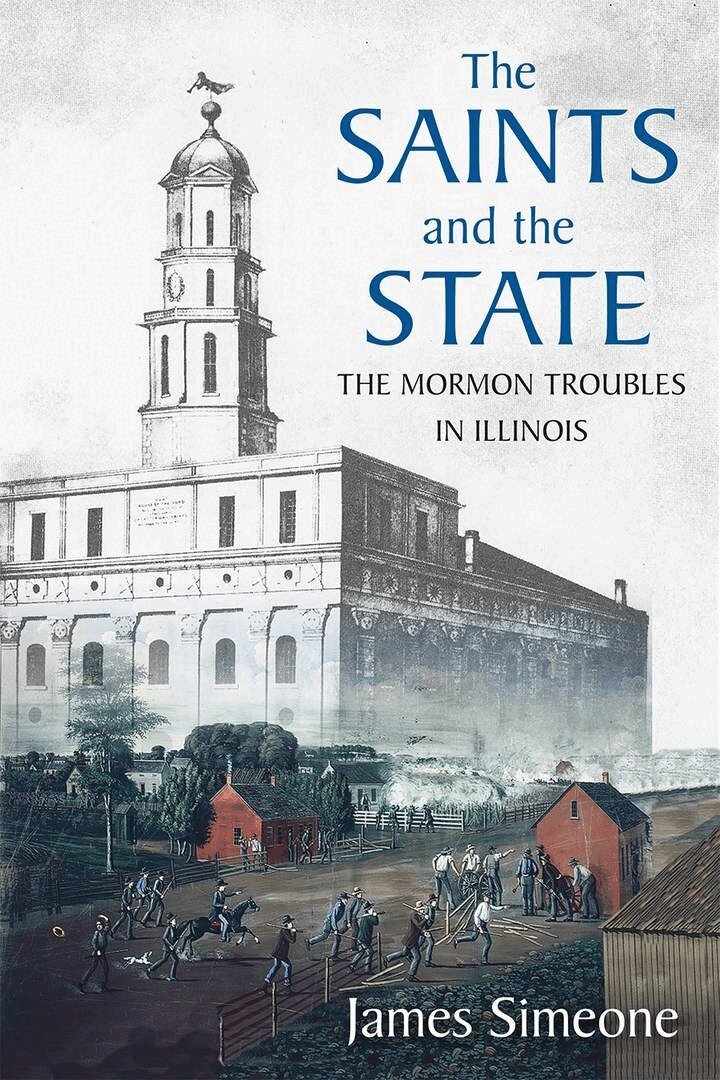
A compelling history of the 1846 Mormon expulsion from Illinois that exemplifies the limits of American democracy and religious tolerance.When members of the Church of Jesus Christ of Latter-day Saints (known as Mormons) settled in Illinois in 1839, they had been persecuted for their beliefs from Ohio to Missouri. Illinoisans viewed themselves as religiously tolerant egalitarians and initially welcomed the Mormons to their state. However, non-Mormon locals who valued competitive individualism perceived the saints' western Illinois settlement, Nauvoo, as a theocracy with too much political power. Amid escalating tensions in 1844, anti-Mormon vigilantes assassinated church founder Joseph Smith and his brother Hyrum. Two years later, the state expelled the saints. Illinois rejected the Mormons not for their religion, but rather for their effort to create a self-governing state in Nauvoo.Mormons put the essential aspirations of American liberal democracy to the test in Illinois. The saints' inward group focus and their decision to live together in Nauvoo highlight the challenges strong group consciousness and attachment pose to democratic governance. The Saints and the State narrates this tragic story as an epic failure of governance and shows how the conflicting demands of fairness to the Mormons and accountability to Illinois's majority became incompatible.
447 kr
Skickas
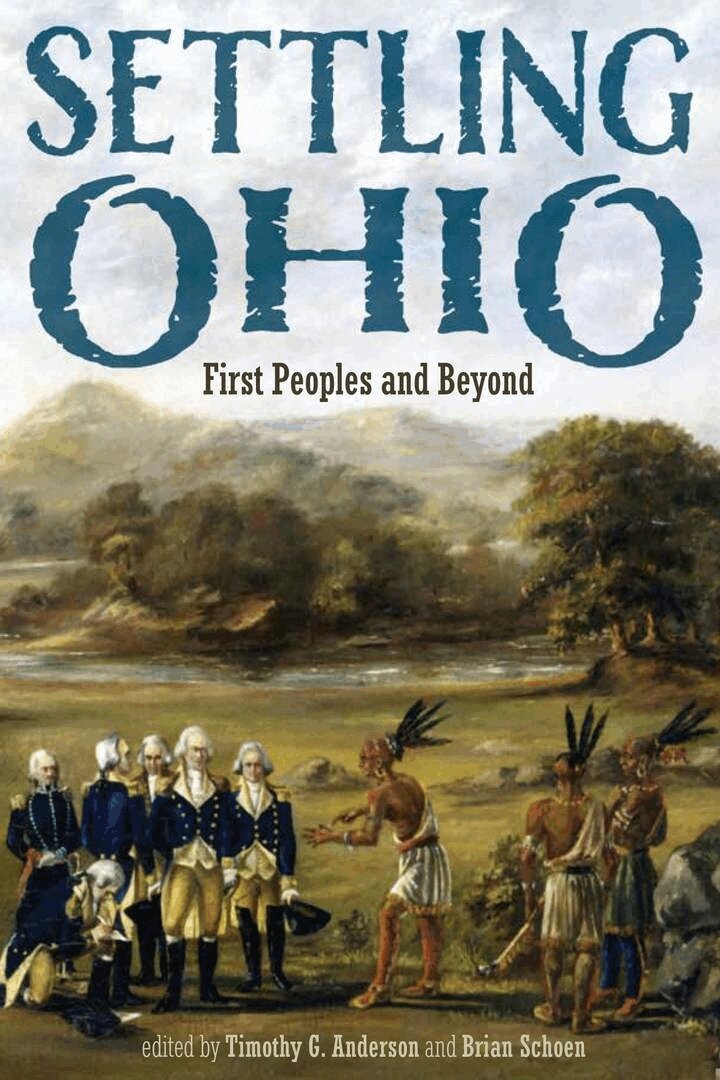
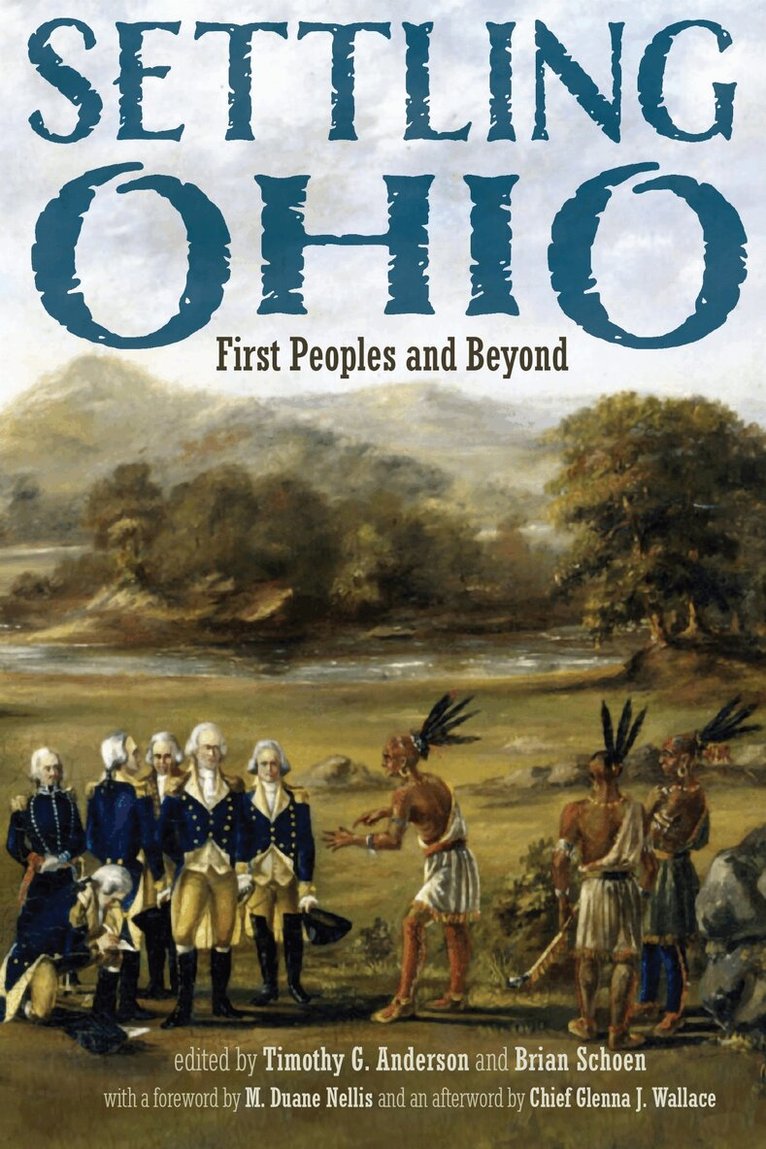
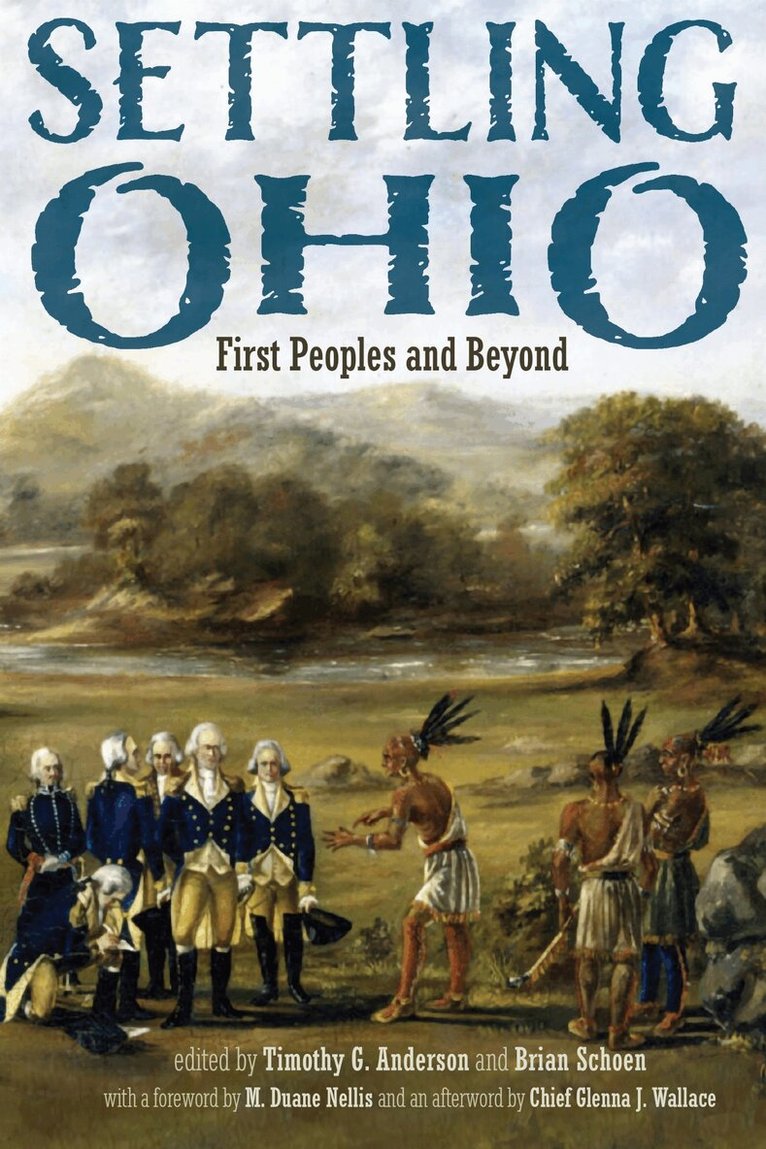
Scholars working in archaeology, education, history, geography, and politics tell a nuanced story about the people and dynamics that reshaped this region and determined who would control it. The Ohio Valley possesses some of the most resource-rich terrain in the world. Its settlement by humans was thus consequential not only for shaping the geographic and cultural landscape of the region but also for forming the United States and the future of world history.Settling Ohio begins with an overview of the first people who inhabited the region, who built civilizations that moved massive amounts of earth and left an archaeological record that drew the interest of subsequent settlers and continues to intrigue scholars. It highlights how, in the eighteenth century, Native Americans who migrated from the East and North interacted with Europeans to develop impressive trading networks and how they navigated complicated wars and sought to preserve national identities in the face of violent attempts to remove them from their lands.The book situates the traditional story of Ohio settlement, including the Northwest Ordinance, the dealings of the Ohio Company of Associates, and early road building, into a far richer story of contested spaces, competing visions of nationhood, and complicated relations with Indian peoples. By so doing, the contributors provide valuable new insights into how chaotic and contingent early national politics and frontier development truly were. Chapters highlighting the role of apple-growing culture, education, African American settlers, and the diverse migration flows into Ohio from the East and Europe further demonstrate the complex multiethnic composition of Ohio’s early settlements and the tensions that resulted.A final theme of this volume is the desirability of working to recover the often-forgotten history of non-White peoples displaced by the processes of settler colonialism that has been, until recently, undervalued in the scholarship.
303 kr
Skickas inom 7-10 vardagar
Scholars working in archaeology, education, history, geography, and politics tell a nuanced story about the people and dynamics that reshaped this region and determined who would control it. The Ohio Valley possesses some of the most resource-rich terrain in the world. Its settlement by humans was thus consequential not only for shaping the geographic and cultural landscape of the region but also for forming the United States and the future of world history.Settling Ohio begins with an overview of the first people who inhabited the region, who built civilizations that moved massive amounts of earth and left an archaeological record that drew the interest of subsequent settlers and continues to intrigue scholars. It highlights how, in the eighteenth century, Native Americans who migrated from the East and North interacted with Europeans to develop impressive trading networks and how they navigated complicated wars and sought to preserve national identities in the face of violent attempts to remove them from their lands.The book situates the traditional story of Ohio settlement, including the Northwest Ordinance, the dealings of the Ohio Company of Associates, and early road building, into a far richer story of contested spaces, competing visions of nationhood, and complicated relations with Indian peoples. By so doing, the contributors provide valuable new insights into how chaotic and contingent early national politics and frontier development truly were. Chapters highlighting the role of apple-growing culture, education, African American settlers, and the diverse migration flows into Ohio from the East and Europe further demonstrate the complex multiethnic composition of Ohio’s early settlements and the tensions that resulted.A final theme of this volume is the desirability of working to recover the often-forgotten history of non-White peoples displaced by the processes of settler colonialism that has been, until recently, undervalued in the scholarship.
869 kr
Skickas inom 7-10 vardagar
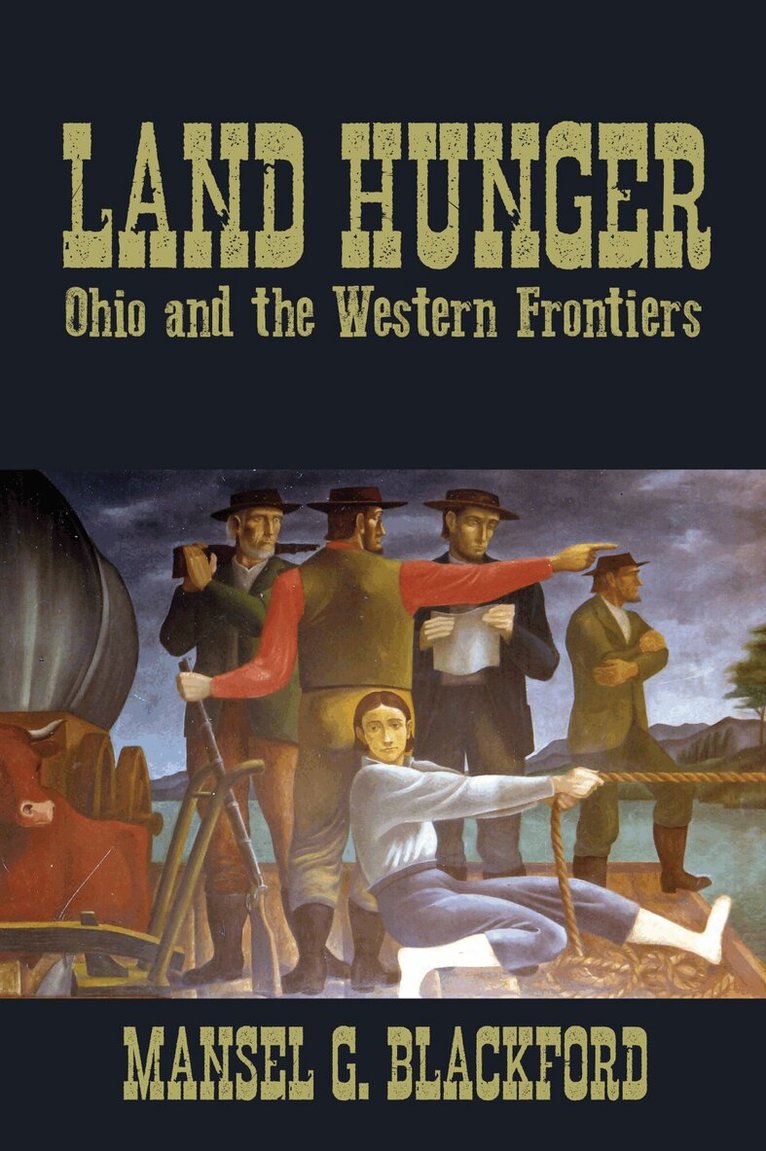
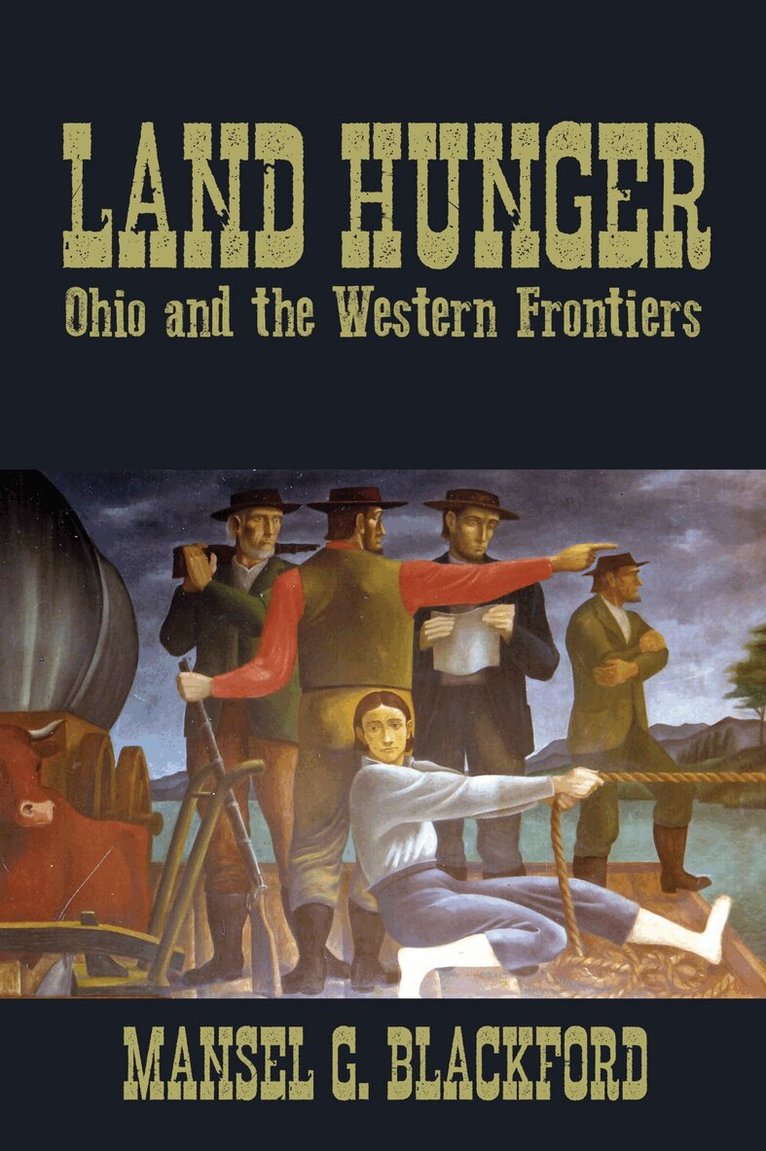
In Land Hunger, Mansel G. Blackford explores the central role of land use in the experiences of Native Americans, African Americans, and Euro Americans as the new nation expanded westward from Ohio to the Oregon Country. Blackford emphasizes how people adapted to new and changed environments and focuses on key themes related to environmental and frontier studies: the land-use interactions between Native Americans and outsiders, the influence of government policies, and the impact of earlier concepts about the ownership and use of land and water that continue to affect us today in the face of climate change.The first part of the book delves into Euro American and African American settlement in the Ohio Country during the late 1700s and early 1800s. Driven by “Ohio fever” and influenced by a blend of pragmatic, romantic, and capitalistic ideals, tens of thousands crossed the Appalachian Mountains to settle and farm in an unfamiliar land. It was in Ohio and the Midwest that many Americans developed their views on land and the environment, and where the new federal government devised methods for surveying and selling claimed lands. Subsequent chapters analyze how Ohioans and others attempted to apply Midwest-born ideas and practices in the Oregon Country and the Great Plains-regions with significantly different environments-with limited success.Land Hunger defines “frontiers” as zones of interaction between distinct groups of people, offering a broad interpretation of these contested spaces. The book explores how frontiers were depicted in fiction, where their portrayal helped establish their meaning and significance to incoming Americans. Blackford examines diaries, letters, and reminiscences, as well as a broad range of scholarly studies in this historical synthesis.
263 kr
Skickas inom 7-10 vardagar
In Land Hunger, Mansel G. Blackford explores the central role of land use in the experiences of Native Americans, African Americans, and Euro Americans as the new nation expanded westward from Ohio to the Oregon Country. Blackford emphasizes how people adapted to new and changed environments and focuses on key themes related to environmental and frontier studies: the land-use interactions between Native Americans and outsiders, the influence of government policies, and the impact of earlier concepts about the ownership and use of land and water that continue to affect us today in the face of climate change.The first part of the book delves into Euro American and African American settlement in the Ohio Country during the late 1700s and early 1800s. Driven by “Ohio fever” and influenced by a blend of pragmatic, romantic, and capitalistic ideals, tens of thousands crossed the Appalachian Mountains to settle and farm in an unfamiliar land. It was in Ohio and the Midwest that many Americans developed their views on land and the environment, and where the new federal government devised methods for surveying and selling claimed lands. Subsequent chapters analyze how Ohioans and others attempted to apply Midwest-born ideas and practices in the Oregon Country and the Great Plains-regions with significantly different environments-with limited success.Land Hunger defines “frontiers” as zones of interaction between distinct groups of people, offering a broad interpretation of these contested spaces. The book explores how frontiers were depicted in fiction, where their portrayal helped establish their meaning and significance to incoming Americans. Blackford examines diaries, letters, and reminiscences, as well as a broad range of scholarly studies in this historical synthesis.
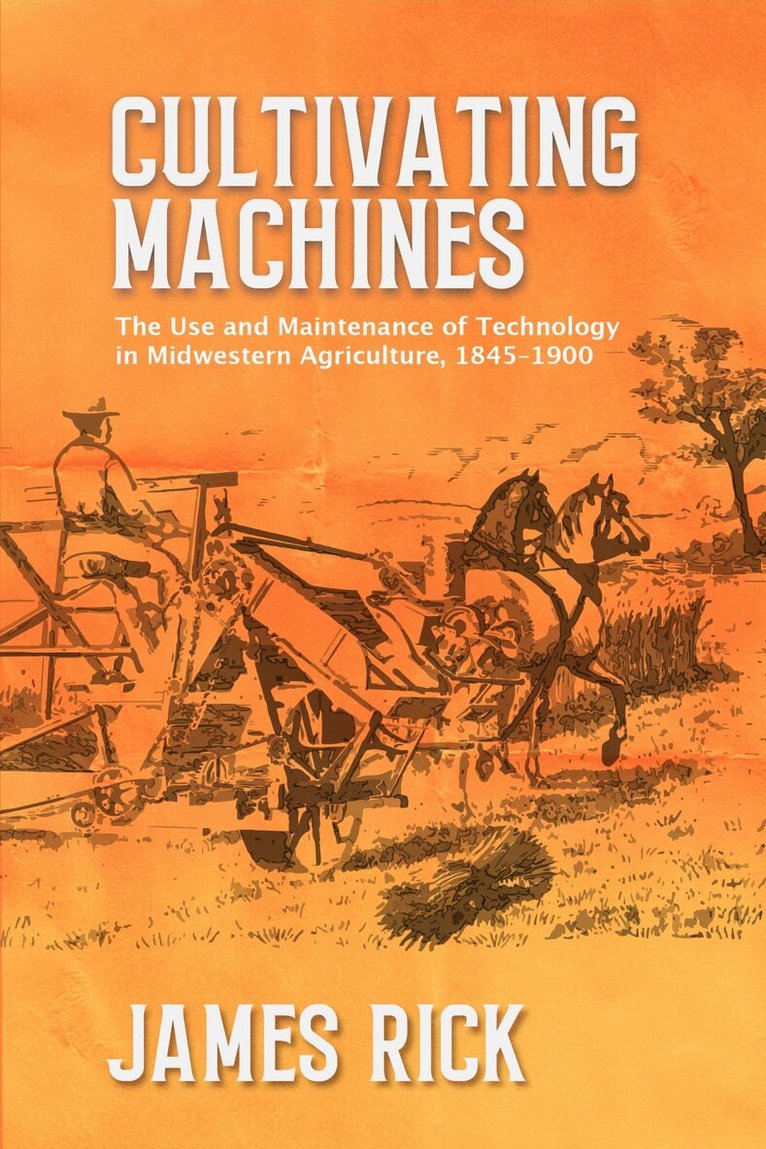
Cultivating Machines
The Use and Maintenance of Technology in Midwestern Agriculture, 1845–1900
Häftad, Engelska, 2025
519 kr
Skickas inom 7-10 vardagar
How farmers shaped the development of agricultural machineryThroughout the second half of the nineteenth century, farmers in the midwestern United States and in Ontario began adopting new agricultural machines: threshers, reapers, and drills for more efficient production of grains, as well as sewing and washing machines for more efficient production within the farm household. By using, maintaining, and altering these machines within the natural and social contexts of their farms, rural people produced new technological systems of industrial agriculture. They also struggled with machine manufacturers and their agents for control of those systems-both individually and through farmers’ organizations. Cultivating Machines contributes to historiographies of capitalism, technology, and agriculture as it demonstrates the importance of everyday know-how and informed tinkering to the mechanization of grain agriculture.In this study, James Rick moves from the middle decades of the nineteenth century, and the introduction of horse-powered machines, to the end of the century, when mechanized technologies became indispensable and central parts of farms themselves. Ultimately, large-scale wheat production, the increased complexity of machines, the need for replacement parts, and the efforts of manufacturers and their agents to assert themselves as authorities over industrial agriculture diminished the technological independence of farming people.
970 kr
Skickas inom 7-10 vardagar
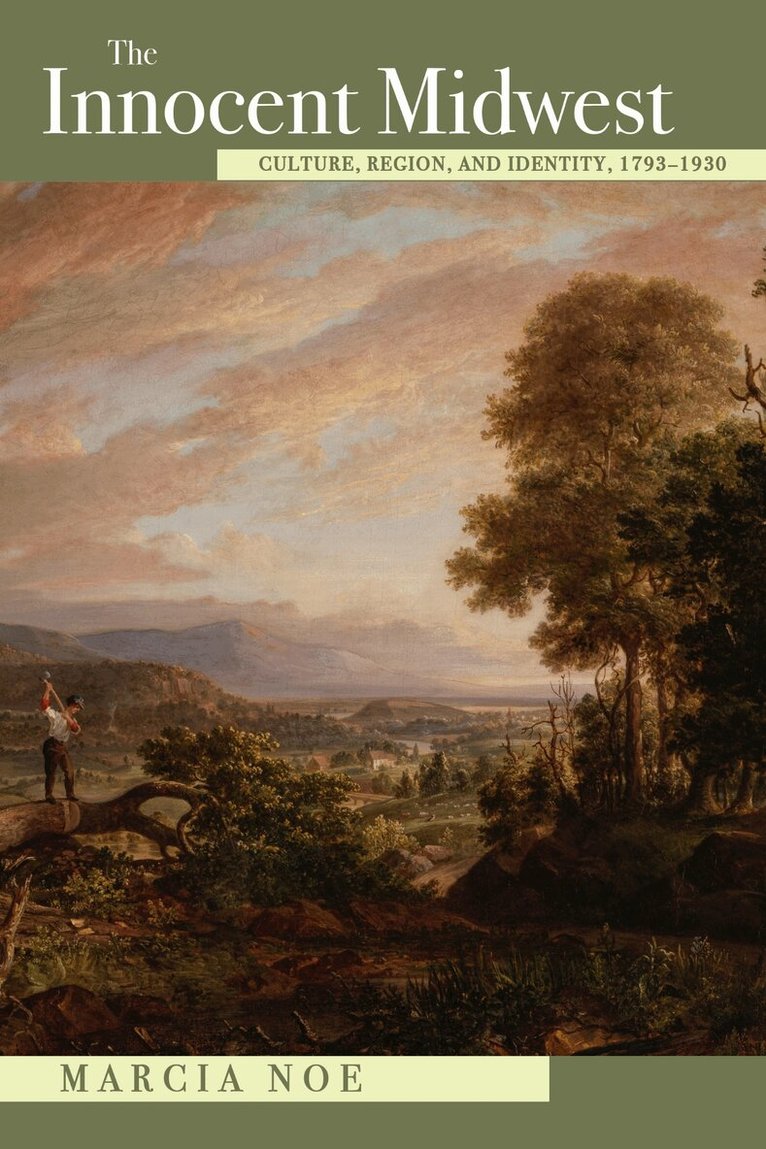
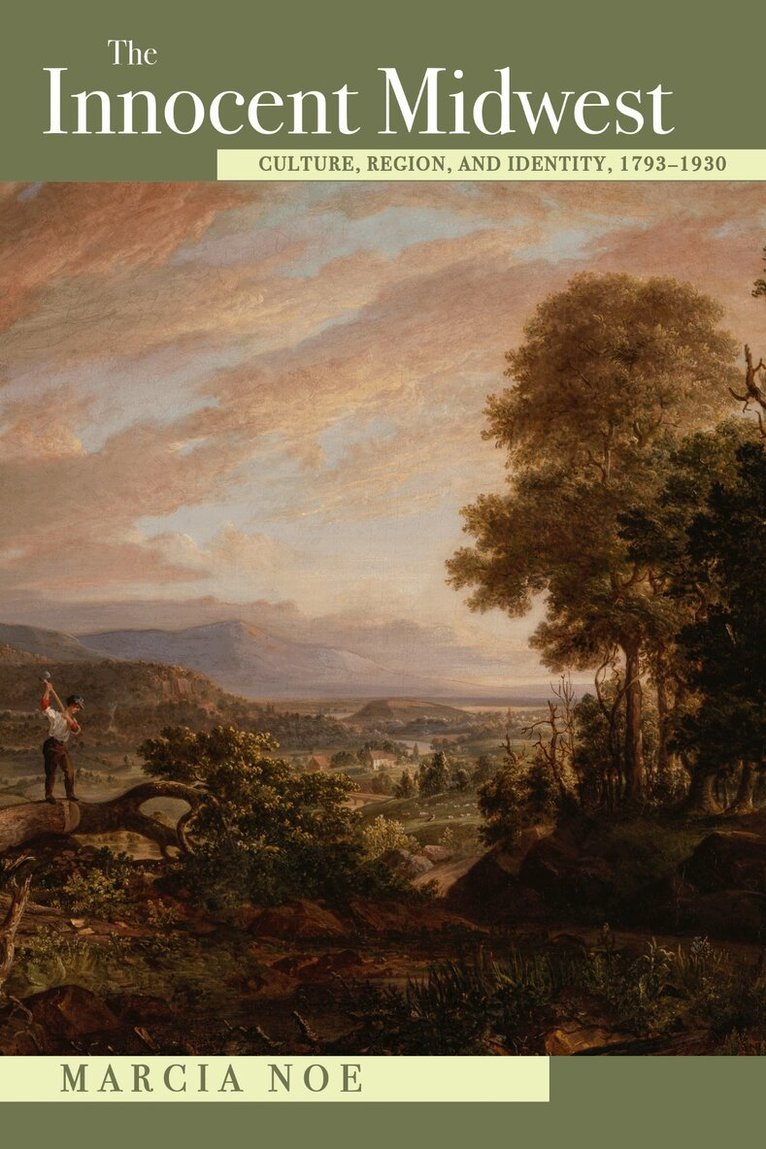
The Innocent Midwest delves into one of the most enduring stereotypes in American cultural history: the image of the Midwest as a bastion of innocence. Despite its share of social, political, and economic complexities, the region has long been portrayed as wholesome, virtuous, and peace loving-a perception that has persisted from its pastoral beginnings through industrialization and into the digital age.This book traces the roots and evolution of that myth, arguing that the Midwest’s innocent image has been carefully cultivated through American popular and high culture. From literature and film to music and visual art, the trope of the innocent Midwesterner has shaped national perceptions of the region for over a century. Focusing on literature from 1793 to the 1920s, the book explores how this character type emerged, evolved, and eventually confronted the disillusionment of the machine age.Organized thematically, the book examines early frontier narratives, stories of Midwesterners abroad, Progressive Era ideals of neighborliness, immigrant and migrant experiences, and the eventual unraveling of the pastoral dream. It reveals how the myth of innocence was underpinned by a constellation of values-agrarianism, Christian morality, and a belief in education-that supported the Jeffersonian vision of a democratic, virtuous citizenry.Rather than offering a sweeping theory of regional identity, The Innocent Midwest focuses on the recurring literary figure of the innocent Midwesterner-an individual shaped by the land and striving for self-actualization. The book draws both on canonical authors like Mark Twain, William Dean Howells, Booth Tarkington, Sinclair Lewis, Theodore Dreiser, and Willa Cather and on lesser-known voices such as Maria Susanna Cummins, David Graham Phillips, Elia W. Peattie, William Webb, Chief Luther Standing Bear, and Oscar Micheaux, whose works contributed to the cultural construction of the Midwest.Through its nuanced exploration of literature and culture, this book offers a compelling account of how the Midwest came to symbolize innocence-and why that image continues to resonate in the American imagination.
399 kr
Kommande
The Innocent Midwest delves into one of the most enduring stereotypes in American cultural history: the image of the Midwest as a bastion of innocence. Despite its share of social, political, and economic complexities, the region has long been portrayed as wholesome, virtuous, and peace loving-a perception that has persisted from its pastoral beginnings through industrialization and into the digital age.This book traces the roots and evolution of that myth, arguing that the Midwest’s innocent image has been carefully cultivated through American popular and high culture. From literature and film to music and visual art, the trope of the innocent Midwesterner has shaped national perceptions of the region for over a century. Focusing on literature from 1793 to the 1920s, the book explores how this character type emerged, evolved, and eventually confronted the disillusionment of the machine age.Organized thematically, the book examines early frontier narratives, stories of Midwesterners abroad, Progressive Era ideals of neighborliness, immigrant and migrant experiences, and the eventual unraveling of the pastoral dream. It reveals how the myth of innocence was underpinned by a constellation of values-agrarianism, Christian morality, and a belief in education-that supported the Jeffersonian vision of a democratic, virtuous citizenry.Rather than offering a sweeping theory of regional identity, The Innocent Midwest focuses on the recurring literary figure of the innocent Midwesterner-an individual shaped by the land and striving for self-actualization. The book draws both on canonical authors like Mark Twain, William Dean Howells, Booth Tarkington, Sinclair Lewis, Theodore Dreiser, and Willa Cather and on lesser-known voices such as Maria Susanna Cummins, David Graham Phillips, Elia W. Peattie, William Webb, Chief Luther Standing Bear, and Oscar Micheaux, whose works contributed to the cultural construction of the Midwest.Through its nuanced exploration of literature and culture, this book offers a compelling account of how the Midwest came to symbolize innocence-and why that image continues to resonate in the American imagination.