New Century Gardens and Landscapes of the American Southwest – serie
Visar alla böcker i serien New Century Gardens and Landscapes of the American Southwest. Handla med fri frakt och snabb leverans.
10 produkter
10 produkter
319 kr
Skickas inom 7-10 vardagar
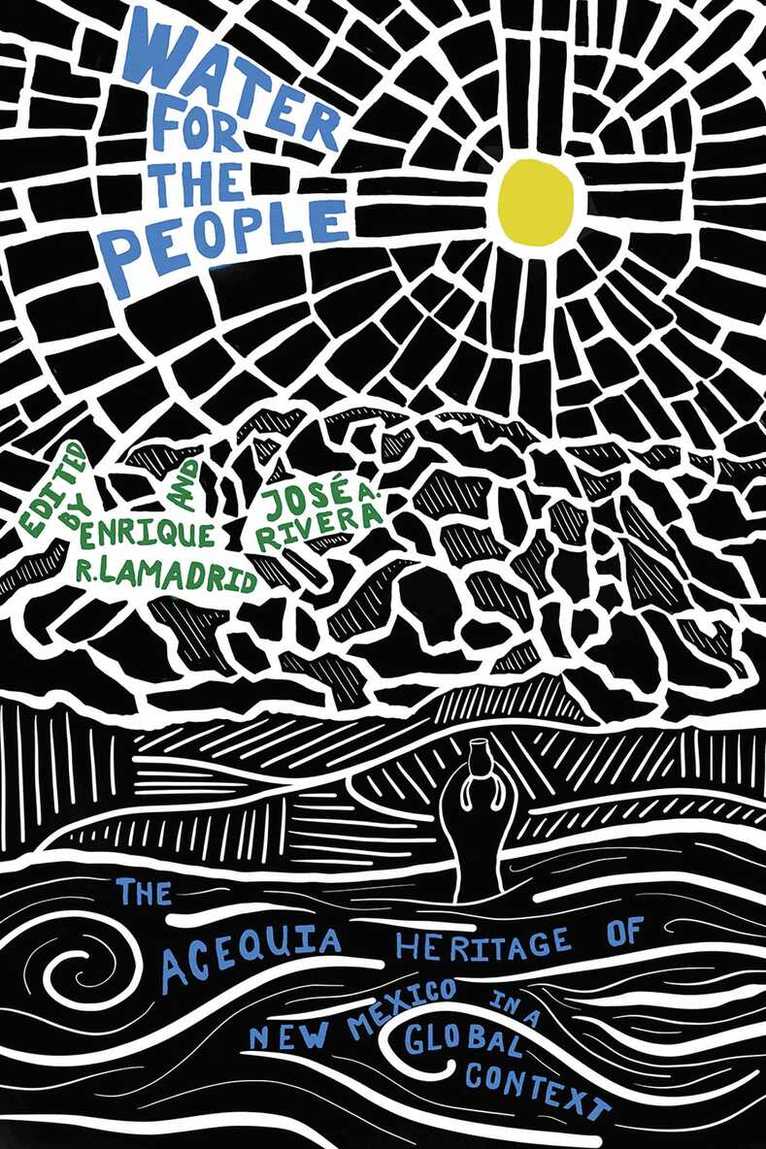
Water for the People features twenty-five essays by world-renowned acequia scholars and community members that highlight acequia culture, use, and history in New Mexico, northern Mexico, Chile, Peru, Argentina, Spain, the Middle East, Nepal, and the Philippines, situating New Mexico's acequia heritage and its inherent sustainable design within a global framework. The lush landscapes of the upper Río Grande watershed created by acequias dating from as far back as the late sixteenth century continue to irrigate their communities today despite threats of prolonged drought, urbanization, private water markets, extreme water scarcity, and climate change. Water for the People celebrates acequia practices and traditions worldwide and shows how these ancient irrigation systems continue to provide arid regions with a model for water governance, sustainable food systems, and community traditions that reaffirm a deep cultural and spiritual relationship with the land year after year.
387 kr
Skickas inom 3-6 vardagar
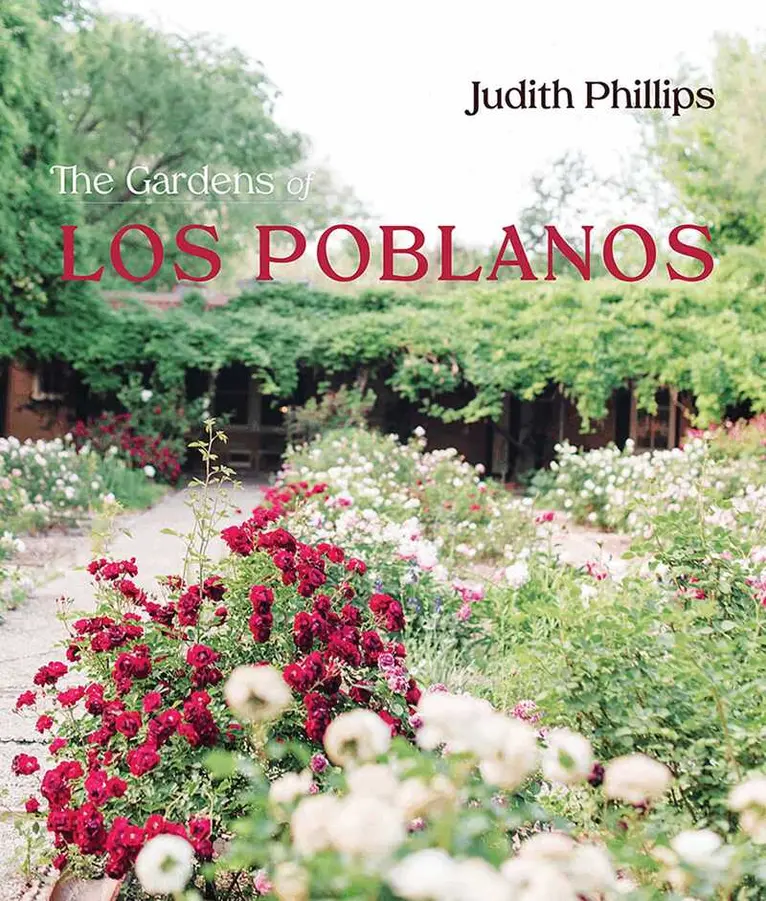
In The Gardens of Los Poblanos, landscape designer and garden writer Judith Phillips recounts the history of these world-renowned gardens and demonstrates the ways in which the farm's owners, designers, and gardeners have influenced the evolution of this unique landscape. Phillips showcases how the changes in landscape style and content are driven by cultural expectations and climatic realities, and she discusses how the gardens of Los Poblanos have helped preserve the deep agrarian roots of the village of Los Ranchos de Albuquerque. Although plants are always a focus for Phillips, she demonstrates how gardens are more than plants and how plants are much more than mere fillers of garden space.
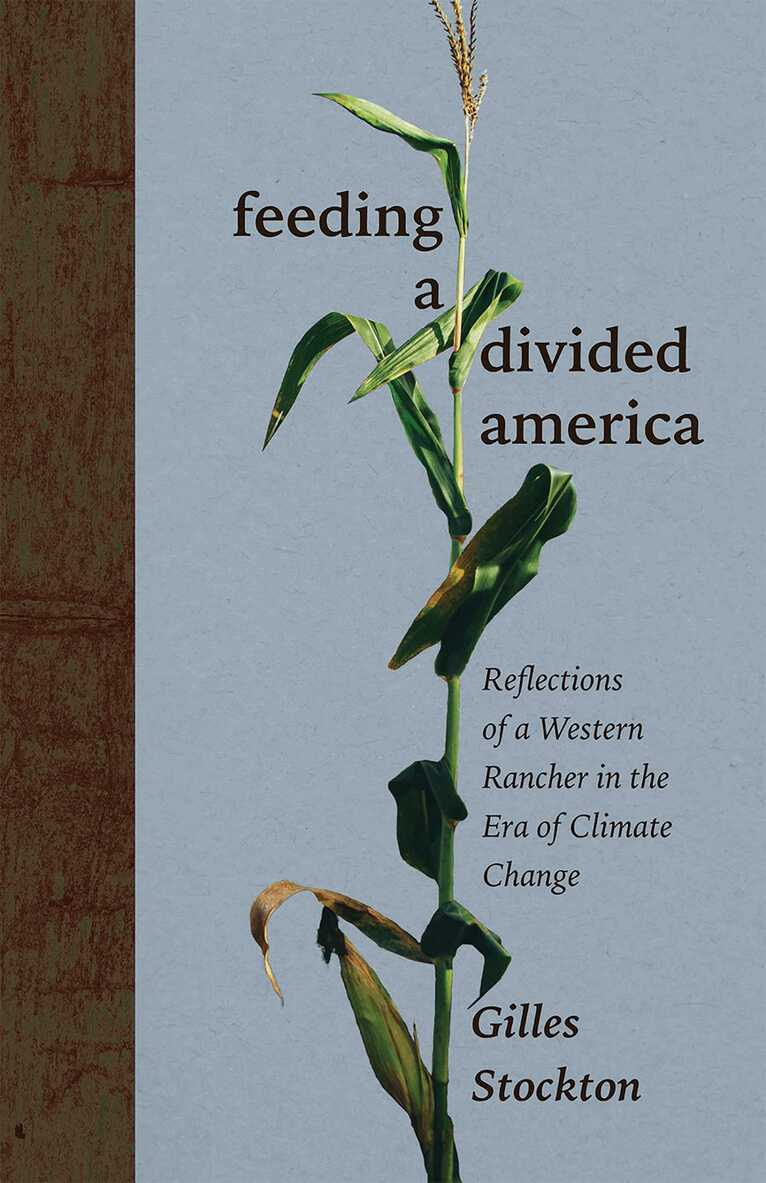
Feeding a Divided America
Reflections of a Western Rancher in the Era of Climate Change
Inbunden, Engelska, 2024
271 kr
Skickas inom 7-10 vardagar
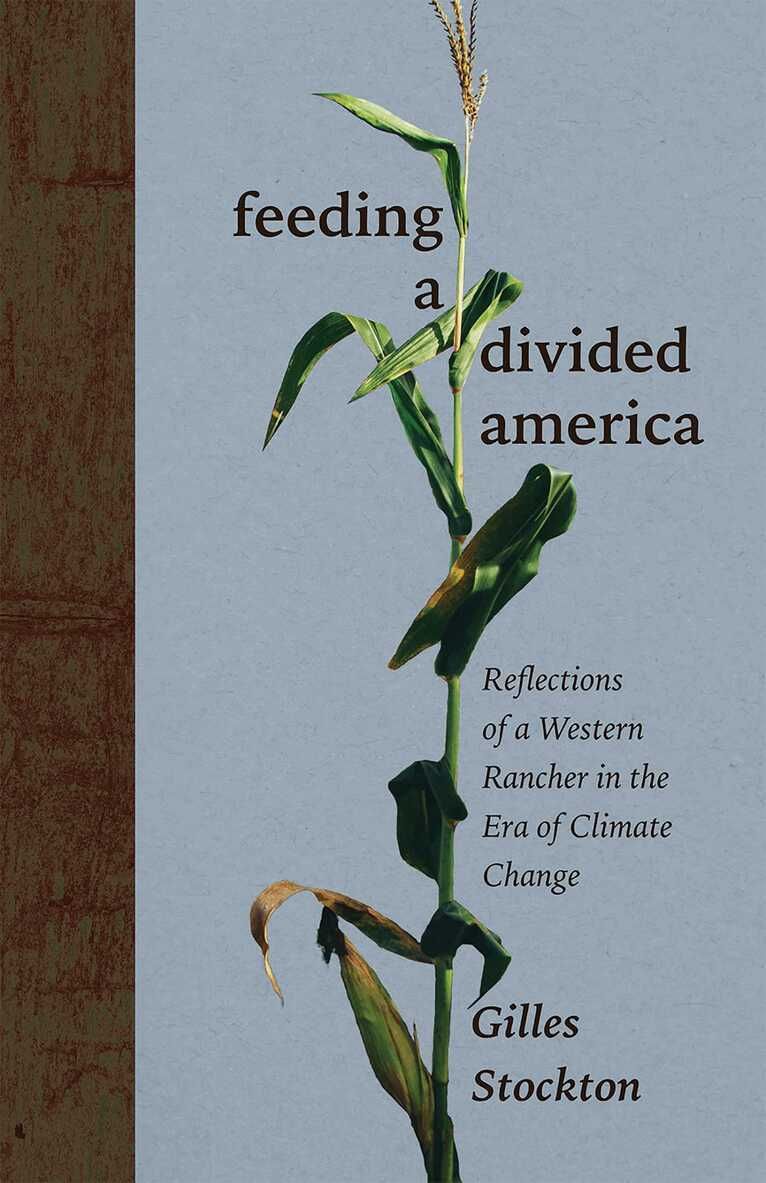
In Feeding a Divided America, third-generation Montana rancher and international agriculture development specialist Gilles Stockton explores the causes of what he refers to as the ""rural-urban divide"" and how this widening chasm between rural America and urban centers threatens our democracy. He shows how it determines the very structure of our society and the physical as well as political landscapes in which we live, and he goes on to demonstrate how big banks, international food conglomerates, urban expectations, and US farm policy have all participated in the demise of small towns across rural America.In a series of polemical essays, Stockton paints a clear picture of national food issues surrounding market competition, US trade policy, country-of-origin labeling, wildlife controversies, climate change, supply-chain disruptions, the decline of pastoralism worldwide, and US farm policy, topics that impact all Americans and transcend local, regional, national, and global geopolitical boundaries. Stockton stands firm with American farmers and ranchers, offering potential remedies to these issues in the face of concerns over livelihood, the future of American food systems, and the future of our planet. Stockton's essays are timely, and they challenge American urbanites and rural folk alike to find ways for all of us to coexist in a changing environment.
273 kr
Skickas inom 7-10 vardagar
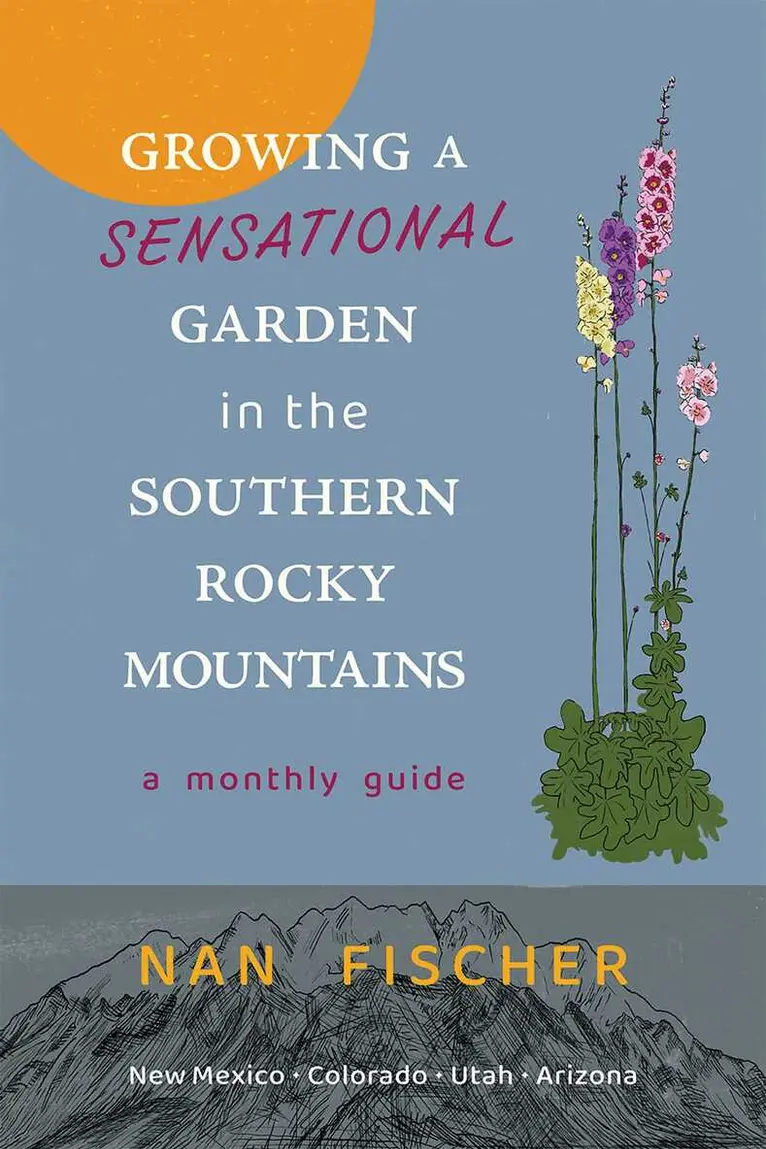
In this month-by-month guide to home gardening in Northern New Mexico and the Southern Rocky Mountains, Nan Fischer—proprietor of nannie plants LLC in Taos—gives readers advice on composting, mulching, soil improvements, cold-frame planting for the extension of the growing season, hardy plant selection for the Rocky Mountains, and the wise use of small quantities of water for both ornamental and vegetable gardening at a small, residential garden scale.From planning in the winter to sowing in the spring and harvesting food and flowers throughout the growing season, Growing a Sensational Garden in the Southern Rocky Mountains: A Monthly Guide will help you plan and grow a successful garden in the challenging conditions of the Intermountain West. Whether you're a novice gardener, a grower from another area, or a seasoned gardener from the region, you'll find this monthly guide invaluable when creating a beautiful garden that will overflow with vegetables, herbs, flowers, and more. Note-taking pages are included at the end of each month to get you started on a garden journal that is sure to become a personalized, treasured resource.
482 kr
Skickas inom 7-10 vardagar
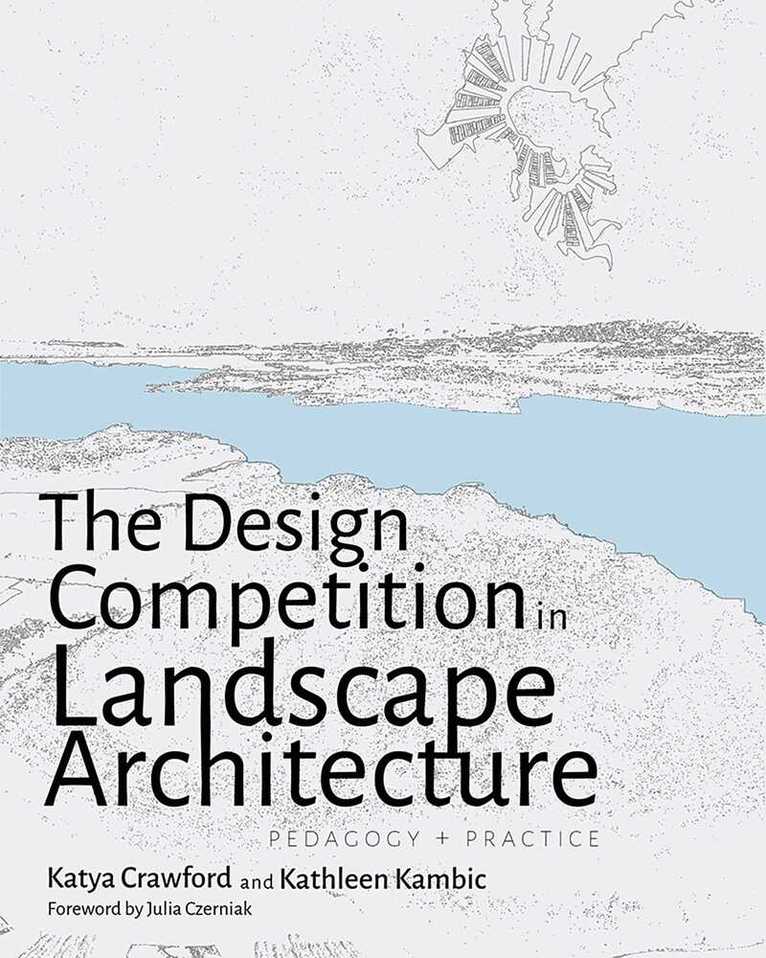
Many internationally known landscape architecture and architecture firms—including SnØhetta, BIG, Scape, and Weiss/Manfredi—have originated from design-competition wins. The Design Competition in Landscape Architecture, written by award-winning landscape architecture educators Katya Crawford and Kathleen Kambic, is the first book devoted to helping professional and academic design studios comprehensively plan for successful entries. Divided into five sections, the book provides an overview of the history and development of modern design competitions; includes interviews with world-renowned architects and designers, including Julie Bargman, Henri Bava, Elaine Molinar, Michelle Delk, and Kate Orff; offers a pedagogical approach to competition studio as part of a college curriculum; serves as a guide for entering design competitions; showcases award-winning designs from landscape architecture faculty and students and subsequent built projects from landscape architecture practitioners; reflects on future directions of landscape architecture design competitions; and provides resources for finding competitions. A wealth of lively graphics, including site plans, sketches, and color photographs, accompany the text. Crawford and Kambic's history and analysis of the modern landscape architecture design competition shines a spotlight on the critical role these events play for practitioners, educators, and students and highlights how they shape and give identity to the cities in which we live.
1 212 kr
Skickas inom 3-6 vardagar
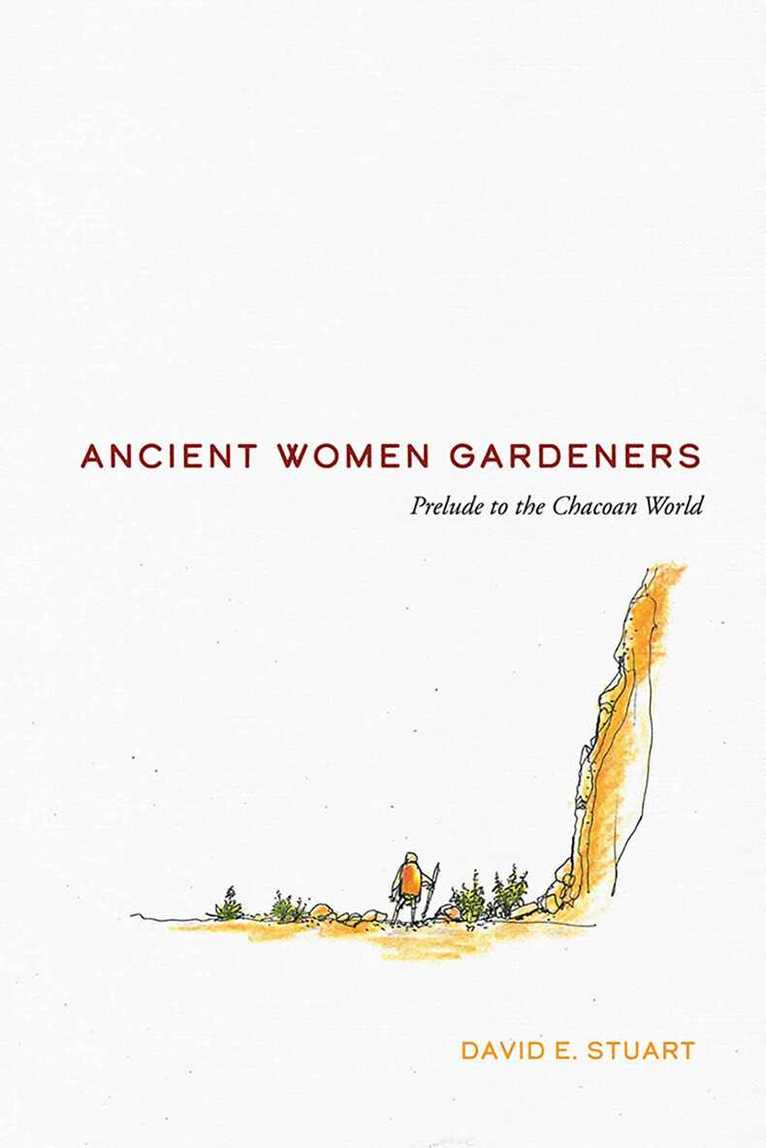
A wholly new perspective on the importance of gardens and agriculture on the Chacoan world, establishing the female dominated gardeners as the basis of Chacoan culture. Author David E. Stuart digs beyond the standard archaeological examination of structures, tools, and rituals of the age to provide a more rounded view of this remarkable culture. An original look at the gardens and gardeners of the Chacoan World, internationally acclaimed ethno-anthropologist David E. Stuart’s Ancient Women Gardeners: Prelude to the Chacoan World explores the ecological, demographic, and human dynamics that led to Chaco’s rise and fall from its early beginnings in the 500s AD to its decline during the 1100s AD. The Chacoan system represents North America’s earliest form of an emergent urban ecology. From its outset, Chacoan farm nodes consisted of widely scattered clusters of gardens connected by roads, way stations, and district granaries. Chaco’s women gardeners fueled powerful growth that was eventually aborted as unforeseen dynamics barred the path to long-term sustainability. Stuart considers the intersection of population growth, agricultural yields, crop and soil possibilities, the caloric cost of labor, the corrosive role of pellagra, iron-deficiency anemia, the power of dietary protein in population dynamics, and the limitations imposed by early growth in the San Juan Basin—a land of poor soils, unpredictable rainfall, and rapidly declining wild vegetal foods and game. Focusing on the Chacoan landscape, farming techniques, and a world in which clusters of individual gardening families played a key role in creating an incipient urbanism in the Southwest, Stuart argues that without these accomplished gardening families and their agricultural innovations, there never would have been a “Chaco Phenomenon.”
444 kr
Skickas inom 3-6 vardagar
A wholly new perspective on the importance of gardens and agriculture on the Chacoan world, establishing the female dominated gardeners as the basis of Chacoan culture. Author David E. Stuart digs beyond the standard archaeological examination of structures, tools, and rituals of the age to provide a more rounded view of this remarkable culture.An original look at the gardens and gardeners of the Chacoan World, internationally acclaimed ethno-anthropologist David E. Stuart’s Ancient Women Gardeners: Prelude to the Chacoan World explores the ecological, demographic, and human dynamics that led to Chaco’s rise and fall from its early beginnings in the 500s AD to its decline during the 1100s AD. The Chacoan system represents North America’s earliest form of an emergent urban ecology. From its outset, Chacoan farm nodes consisted of widely scattered clusters of gardens connected by roads, way stations, and district granaries. Chaco’s women gardeners fueled powerful growth that was eventually aborted as unforeseen dynamics barred the path to long-term sustainability. Stuart considers the intersection of population growth, agricultural yields, crop and soil possibilities, the caloric cost of labor, the corrosive role of pellagra, iron-deficiency anemia, the power of dietary protein in population dynamics, and the limitations imposed by early growth in the San Juan Basin—a land of poor soils, unpredictable rainfall, and rapidly declining wild vegetal foods and game. Focusing on the Chacoan landscape, farming techniques, and a world in which clusters of individual gardening families played a key role in creating an incipient urbanism in the Southwest, Stuart argues that without these accomplished gardening families and their agricultural innovations, there never would have been a “Chaco Phenomenon.”
Feeding a Divided America
Reflections of a Western Rancher in the Era of Climate Change
Häftad, Engelska, 2026
267 kr
Skickas inom 3-6 vardagar
Noted Montana rancher and world renowned agriculture expert Gilles Stockton's polemic confronts the divide between urban and rural America. In Feeding a Divided America, third-generation Montana rancher and international agriculture development specialist Gilles Stockton explores the causes of what he refers to as the “rural-urban divide” and how this widening chasm between rural America and urban centers threatens our democracy. Indeed, it determines the structure of our society, including the physical and political landscapes in which we live. Stockton shows how big banks, international food conglomerates, urban expectations, and US farm policy have all furthered the demise of small towns across America. These essays provide a clear portrait of national food issues surrounding market competition, US trade policy, wildlife controversies, climate change, supply-chain disruptions, and US farm policy, topics that transcend all geopolitical boundaries. Stockton stands firm with American farmers and ranchers, offering potential remedies to these issues in the face of concerns over livelihood, the future of American food systems, and the future of our planet. Stockton’s essays are timely, and they challenge American urbanites and rural folk alike to find ways for all of us to coexist in a changing environment. Whether we eat may depend on it.
254 kr
Kommande
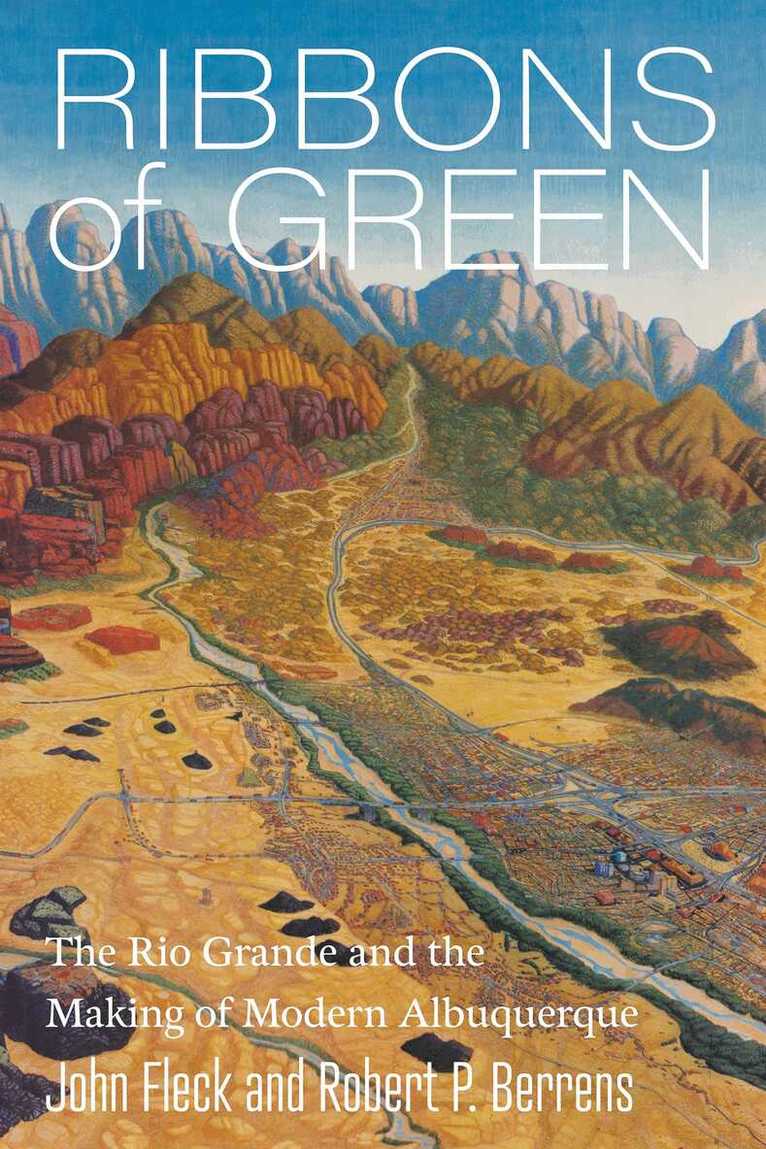
The first combined social and ecological look at how institutions in New Mexico intentionally built the Rio Grande Valley through the heart of Albuquerque to create “natural” corridors of green spaces in a modern American city. Dry one year, overflowing the next, the Rio Grande has sustained its arid valley for millennia. In Ribbons of Green, John Fleck and Robert P. Berrens seek to understand twenty-first-century Albuquerque’s relationship with the Rio Grande by exploring the social and ecological interactions that describe how this high-desert city developed astride a capricious river. In every phase of the Duke City’s history, living with the Rio Grande posed problems that required collective action by its stakeholders to irrigate, build river crossings, drain the valley’s floor, and protect residents from flooding. These collective decisions ultimately changed the course of the river, resulting in intentionally designed “ribbons of green” that dominate today’s cityscape. The Rio Grande in turn altered the collective psyche of Albuquerque. For many residents, the city’s bosque is their only interaction with nature, but these green corridors are very much a human creation. Ribbons of Green explores how Albuquerque built its environment to create a valley floor that its residents have come to adore and how, in a climate-altered world, we might keep it.
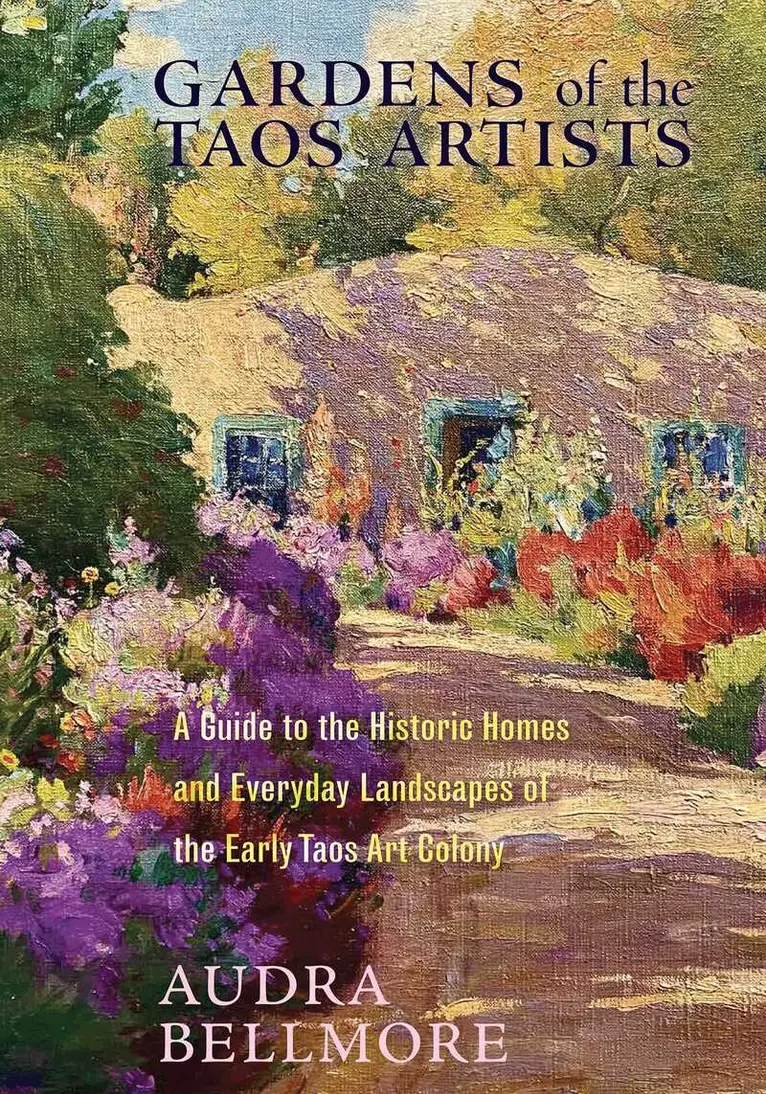
Gardens of the Taos Artists
A Guide to the Historic Homes and Everyday Landscapes of the Early Taos Art Colony
Häftad, Engelska, 2026
305 kr
Kommande
An exclusive look at the historic home gardens and vernacular landscapes of the modernist artists who flocked to Taos, New Mexico, during the early-twentieth century. Richly illustrated, architectural historian Audra Bellmore’s Gardens of the Taos Artists centers the homes, gardens, and intimate landscapes of the Taos artist colonies and explores how these artists interacted with the world around them. Joseph Henry Sharp, D. H. Lawrence, Mabel Dodge Luhan, Victor Higgins, Eanger Irving Couse, Georgia O’Keeffe, and many others adopted the regional style of their new homeland and integrated tastes from the East and Midwest to create a distinctive environment in the American Southwest. Gardens of the Taos Artists offers a fresh perspective on the Taos artists colonies that combines historical and architectural detail with intimate biographical narratives, making it an invaluable resource for readers interested in the artistic legacy of New Mexico’s art colonies. Gardens of the Taos Artists contains descriptions of each garden and home landscape, including a history of the site, a discussion of its use and function, and an overview of its development and significance to the region’s cultural landscape. While many other books focus on these artists and the ways in which New Mexico’s landscape has influenced their art, this book is the first to focus exclusively on their personal everyday gardens and landscapes, establishing links between their works of art and the vernacular landscapes of Taos.