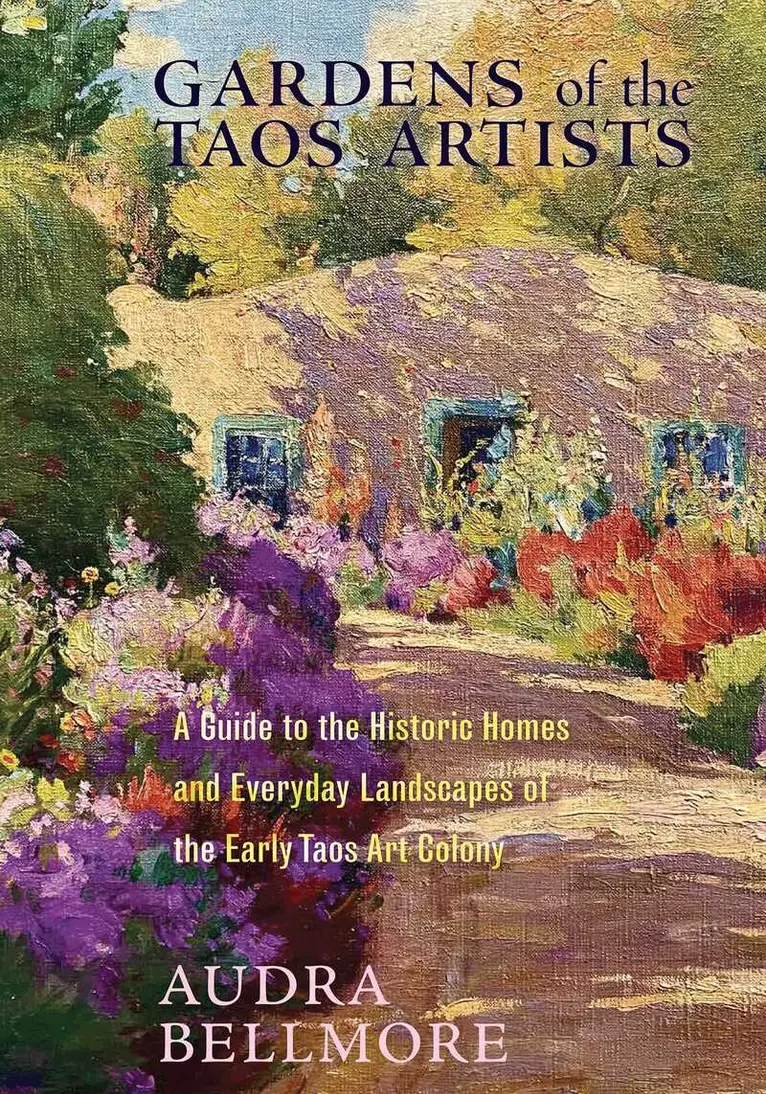
An exclusive look at the historic home gardens and vernacular landscapes of the modernist artists who flocked to Taos, New Mexico, during the early-twentieth century. Richly illustrated, architectural historian Audra Bellmore’s Gardens of the Taos Artists centers the homes, gardens, and intimate landscapes of the Taos artist colonies and explores how these artists interacted with the world around them. Joseph Henry Sharp, D. H. Lawrence, Mabel Dodge Luhan, Victor Higgins, Eanger Irving Couse, Georgia O’Keeffe, and many others adopted the regional style of their new homeland and integrated tastes from the East and Midwest to create a distinctive environment in the American Southwest. Gardens of the Taos Artists offers a fresh perspective on the Taos artists colonies that combines historical and architectural detail with intimate biographical narratives, making it an invaluable resource for readers interested in the artistic legacy of New Mexico’s art colonies. Gardens of the Taos Artists contains descriptions of each garden and home landscape, including a history of the site, a discussion of its use and function, and an overview of its development and significance to the region’s cultural landscape. While many other books focus on these artists and the ways in which New Mexico’s landscape has influenced their art, this book is the first to focus exclusively on their personal everyday gardens and landscapes, establishing links between their works of art and the vernacular landscapes of Taos.
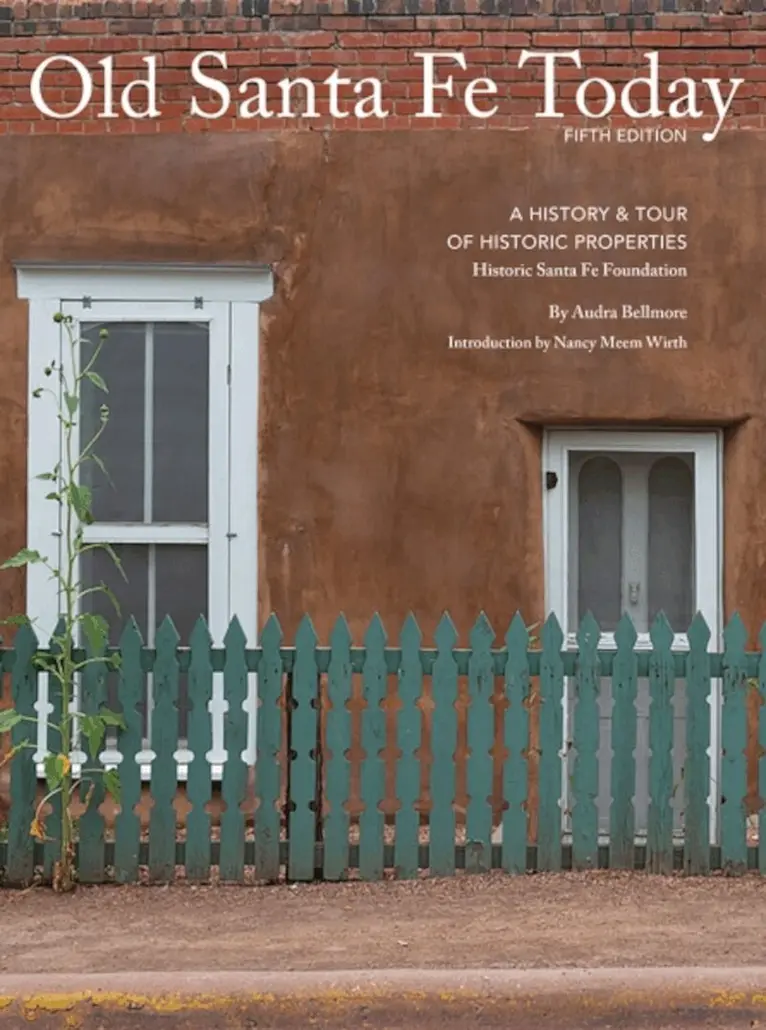
Old Santa Fe Today is an engaging read about Santa Fe’s architecture, history, and important figures through its culturally significant properties, among them churches, government buildings, and homes. The book also serves as a walking tour guide for locals and visitors wanting to sightsee. Originally published in 1966, Old Santa Fe Today has been used by writers and scholars exploring the history and architectural significance of Santa Fe. With new essays updating the 1991 fourth edition, this fifth edition of the classic reference book also has a complete inventory of properties—now approximately one hundred—including those recently added to the Historic Santa Fe Foundation’s “Register of Properties Worthy of Preservation” since 1961. Each property entry includes revised and expanded narratives on its architecture, history, and ownership, providing social and cultural context as well.
An exclusive look at the historic home gardens and vernacular landscapes of the modernist artists who flocked to Taos, New Mexico, during the early-twentieth century. Richly illustrated, architectural historian Audra Bellmore’s Gardens of the Taos Artists centers the homes, gardens, and intimate landscapes of the Taos artist colonies and explores how these artists interacted with the world around them. Joseph Henry Sharp, D. H. Lawrence, Mabel Dodge Luhan, Victor Higgins, Eanger Irving Couse, Georgia O’Keeffe, and many others adopted the regional style of their new homeland and integrated tastes from the East and Midwest to create a distinctive environment in the American Southwest. Gardens of the Taos Artists offers a fresh perspective on the Taos artists colonies that combines historical and architectural detail with intimate biographical narratives, making it an invaluable resource for readers interested in the artistic legacy of New Mexico’s art colonies. Gardens of the Taos Artists contains descriptions of each garden and home landscape, including a history of the site, a discussion of its use and function, and an overview of its development and significance to the region’s cultural landscape. While many other books focus on these artists and the ways in which New Mexico’s landscape has influenced their art, this book is the first to focus exclusively on their personal everyday gardens and landscapes, establishing links between their works of art and the vernacular landscapes of Taos.
Old Santa Fe Today is an engaging read about Santa Fe’s architecture, history, and important figures through its culturally significant properties, among them churches, government buildings, and homes. The book also serves as a walking tour guide for locals and visitors wanting to sightsee. Originally published in 1966, Old Santa Fe Today has been used by writers and scholars exploring the history and architectural significance of Santa Fe. With new essays updating the 1991 fourth edition, this fifth edition of the classic reference book also has a complete inventory of properties—now approximately one hundred—including those recently added to the Historic Santa Fe Foundation’s “Register of Properties Worthy of Preservation” since 1961. Each property entry includes revised and expanded narratives on its architecture, history, and ownership, providing social and cultural context as well.