New Perspectives on Eastern Europe & Eurasia - Böcker
Visar alla böcker i serien New Perspectives on Eastern Europe & Eurasia. Handla med fri frakt och snabb leverans.
19 produkter
19 produkter
234 kr
Skickas inom 7-10 vardagar
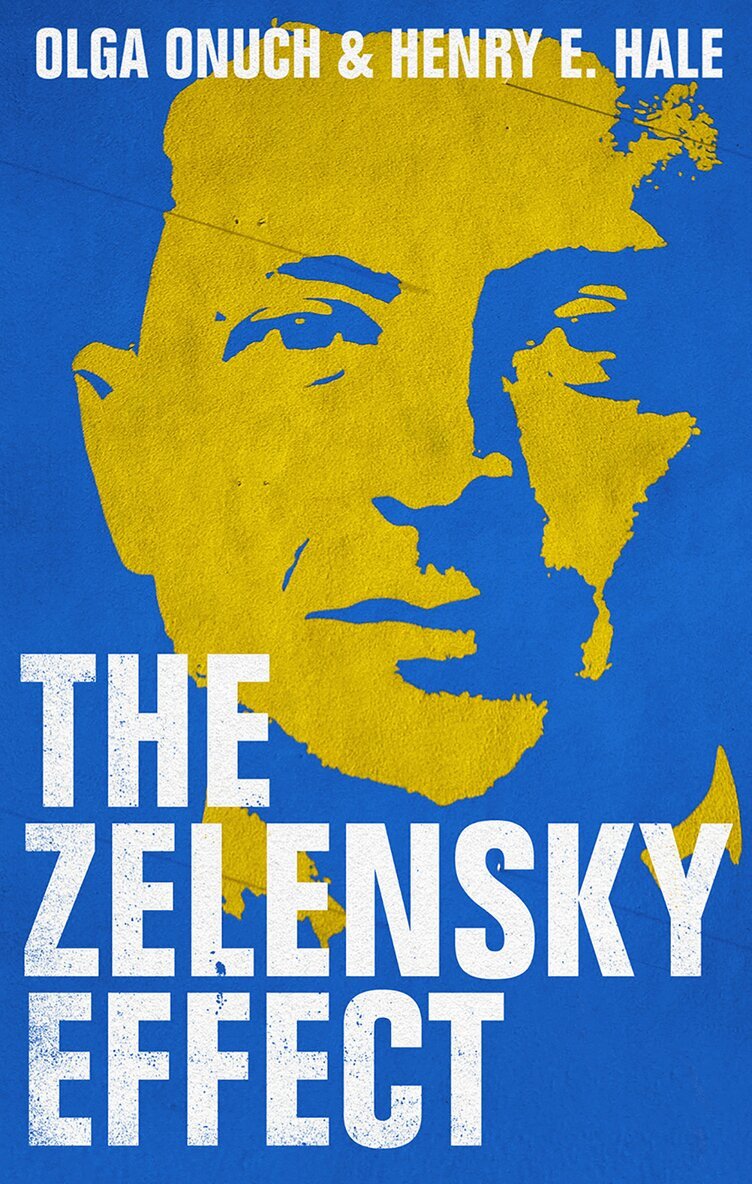
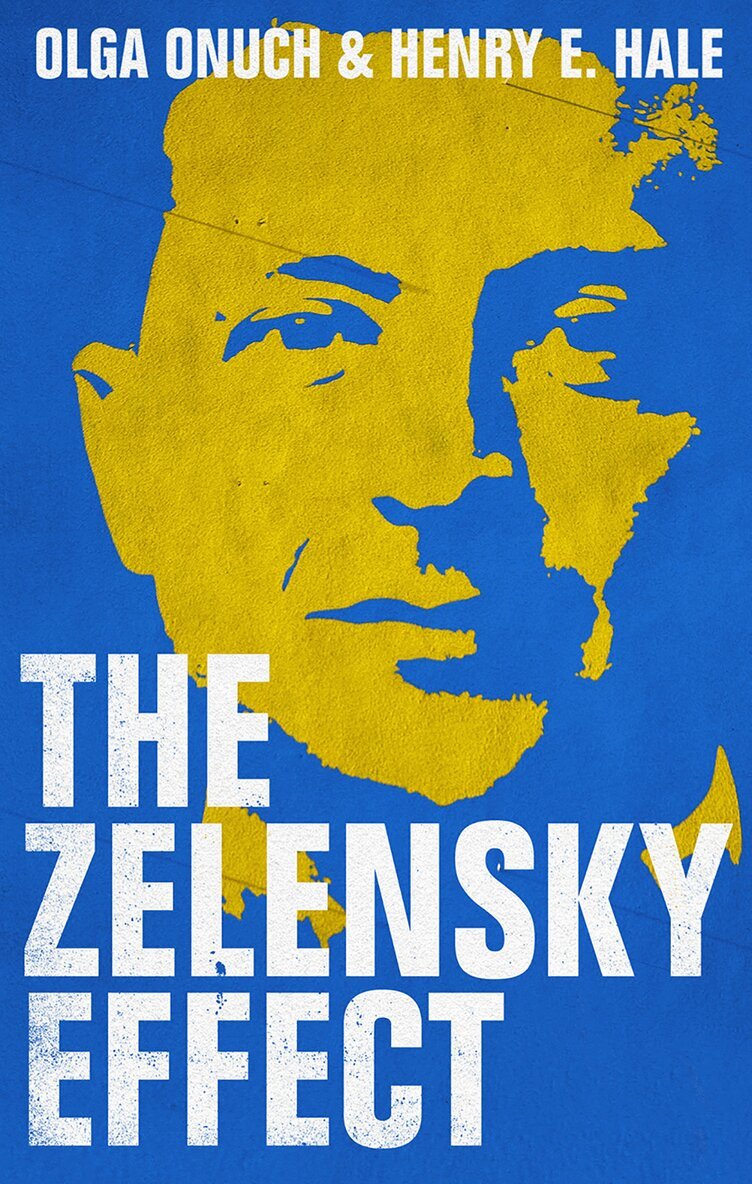
A compelling story of how ordinary Ukrainians saved their nation.With Russian shells raining on Kyiv and tanks closing in, American forces prepared to evacuate Ukraine’s leader. Just three years earlier, his apparent main qualification had been playing a president on TV. But Volodymyr Zelensky reportedly retorted, ‘I need ammunition, not a ride.’ Ukrainian forces won the battle for Kyiv, ensuring their country’s independence even as a longer war began for the southeast.You cannot understand the historic events of 2022 without understanding Zelensky. But the Zelensky effect is less about the man himself than about the civic nation he embodies: what makes Zelensky most extraordinary in war is his very ordinariness as a Ukrainian.The Zelensky Effect explains this paradox, exploring Ukraine’s national history to show how its now-iconic president reflects the hopes and frustrations of the country’s first ‘independence generation’. Interweaving social and political background with compelling episodes from Zelensky’s life and career, this is the story of Ukraine told through the journey of one man who has come to symbolise his country.
326 kr
Skickas inom 7-10 vardagar
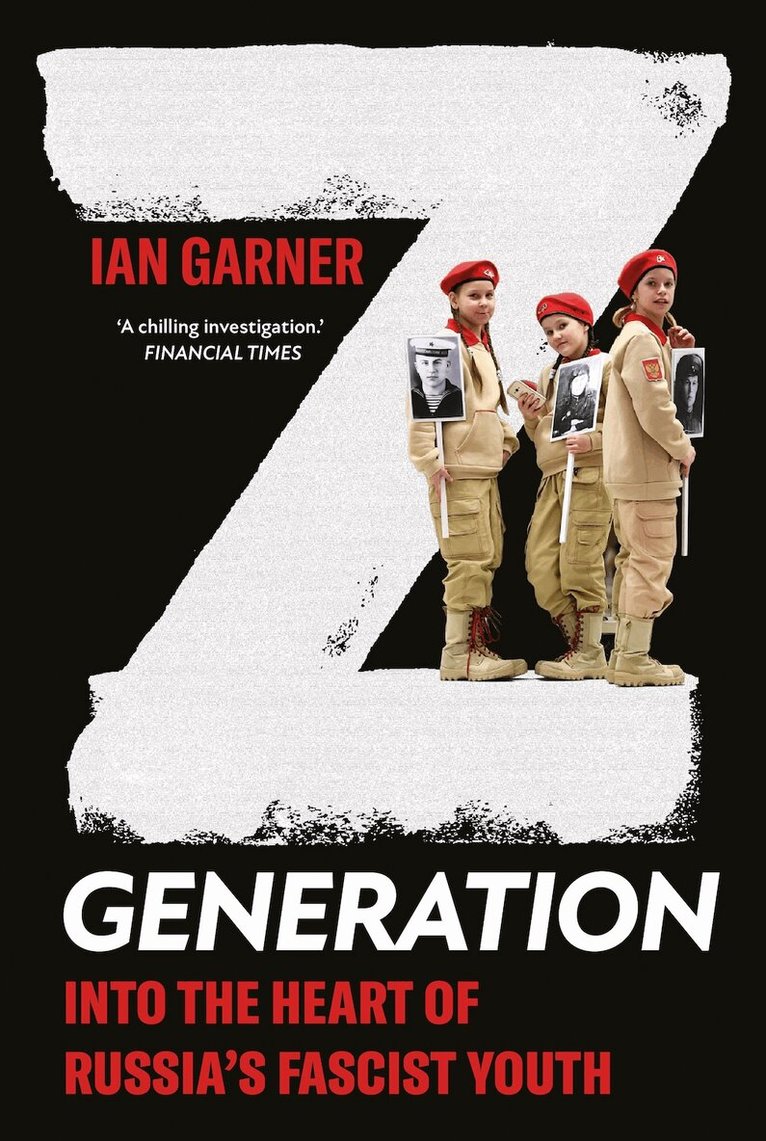
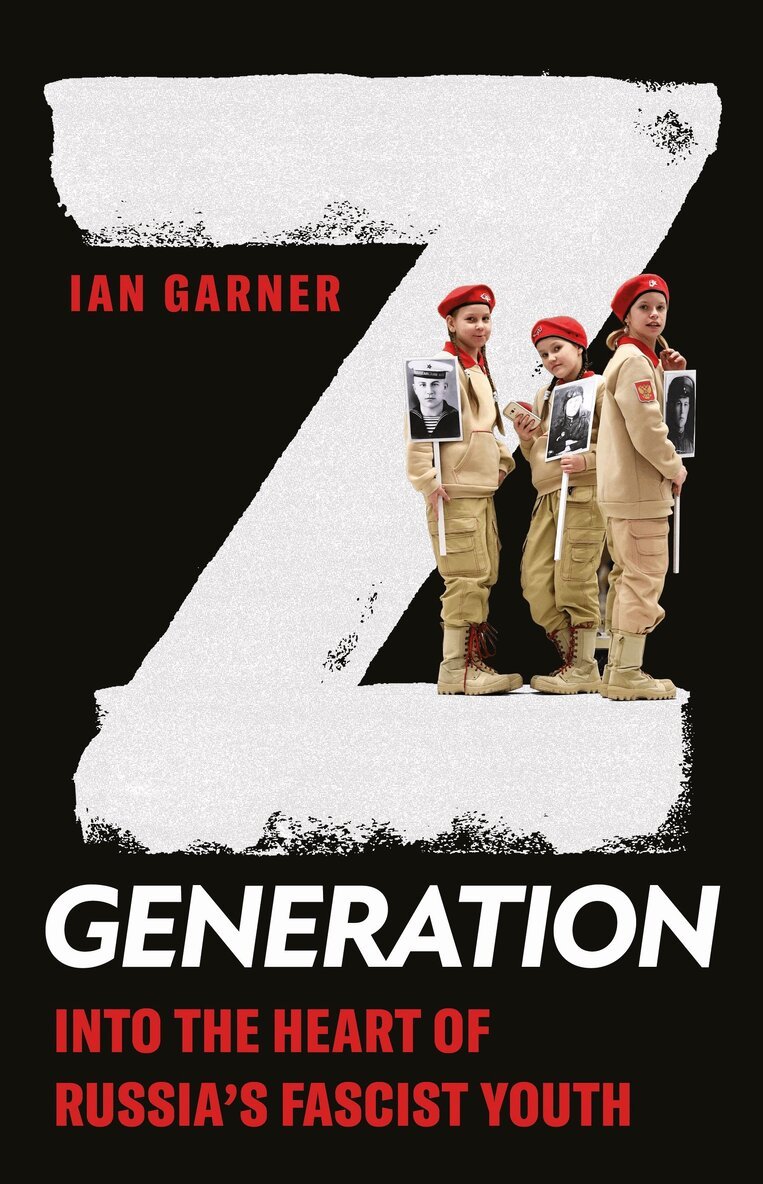
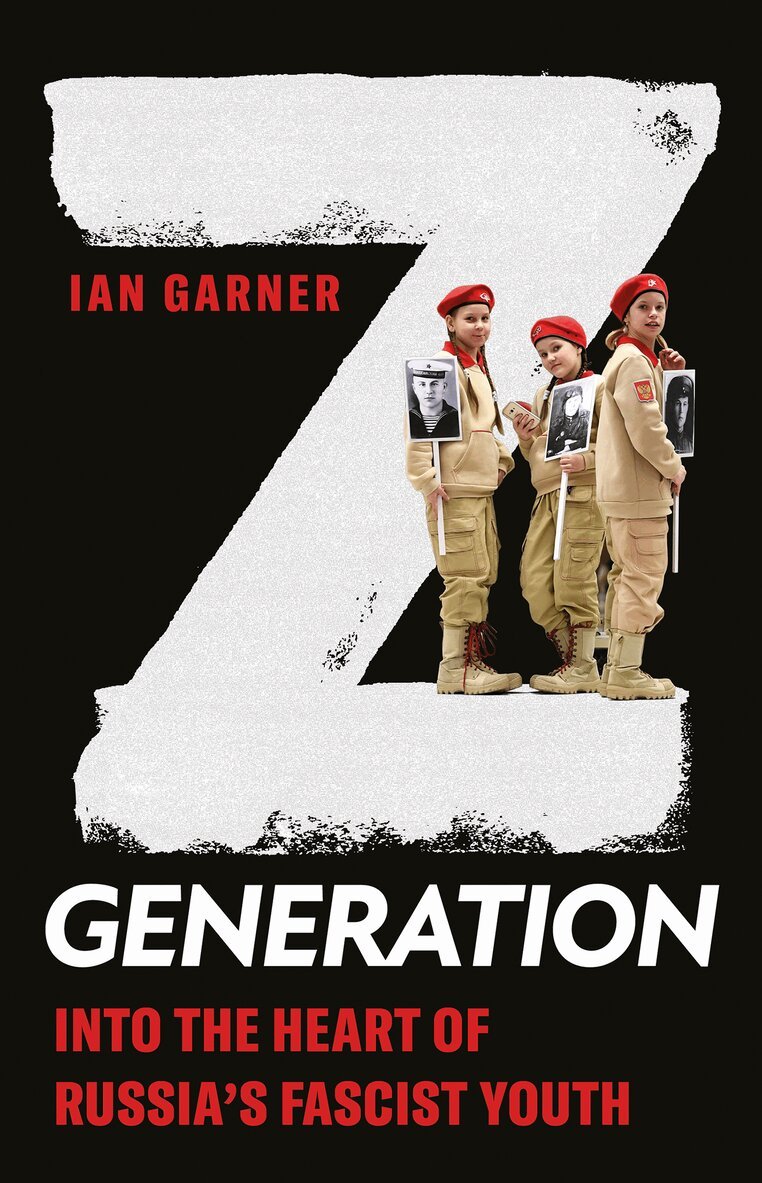
How did Vladimir Putin win Russians’ support for his genocidal war in Ukraine and why are so many of them willing to embrace fascism? This vivid, bottom-up narrative reveals the dark realities of youth fascism in Russia—and the darker future awaiting the country if that hold cannot be broken. Wartime Russia is drowning in fascist symbols. Zealous patriots attack journalists, opposition activists, and anyone suspected of betraying the motherland. Hordes of online trolls and sleek videos of angry young men urge citizens to join the cause. State television terrifies viewers with false tales of anti-Russian conspiracies and genocidal yearnings. Child soldiers proudly parade across Red Square. This is Russia in the 2020s: a land of performative rage and nationalist untruth, where pretence and broken promises are a way of life, and an apocalyptic mindset is seizing tomorrow’s Russians. As compelling as it is chilling, Z Generation shows how Russia has ended up here, and where its young people may be headed: a fascist generation more violent and ideological than anything the country has seen before.
385 kr
Skickas inom 7-10 vardagar
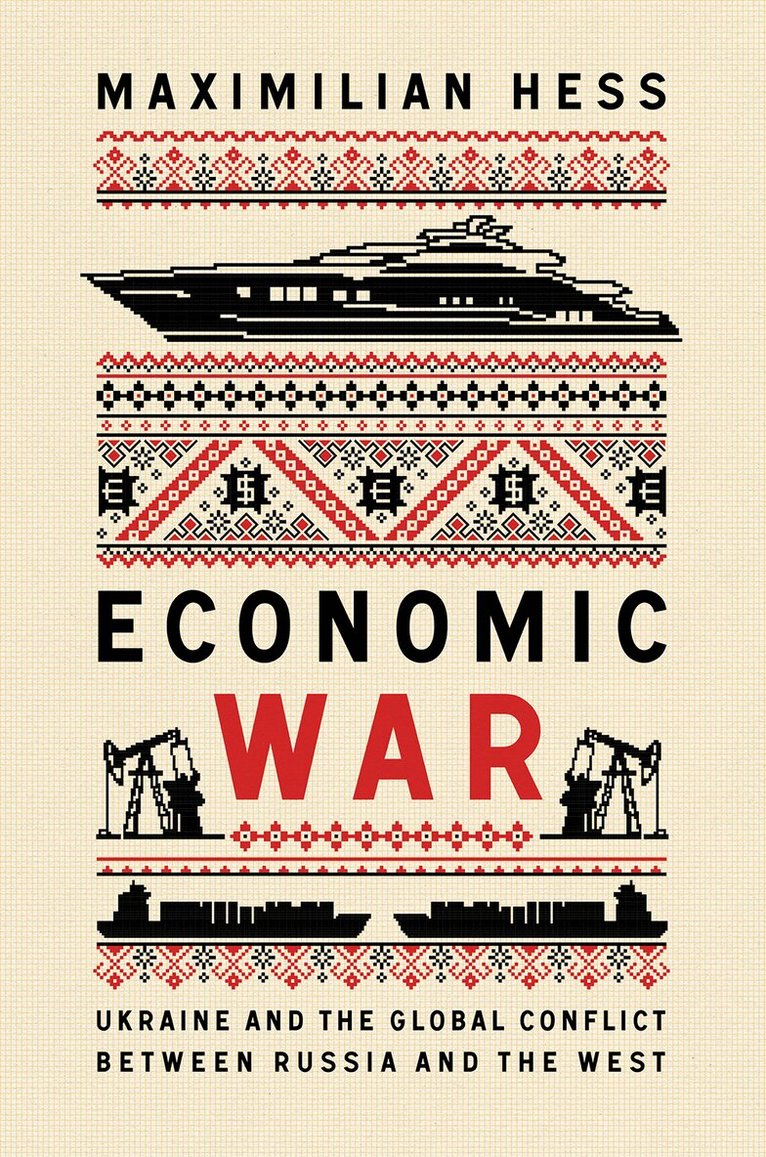
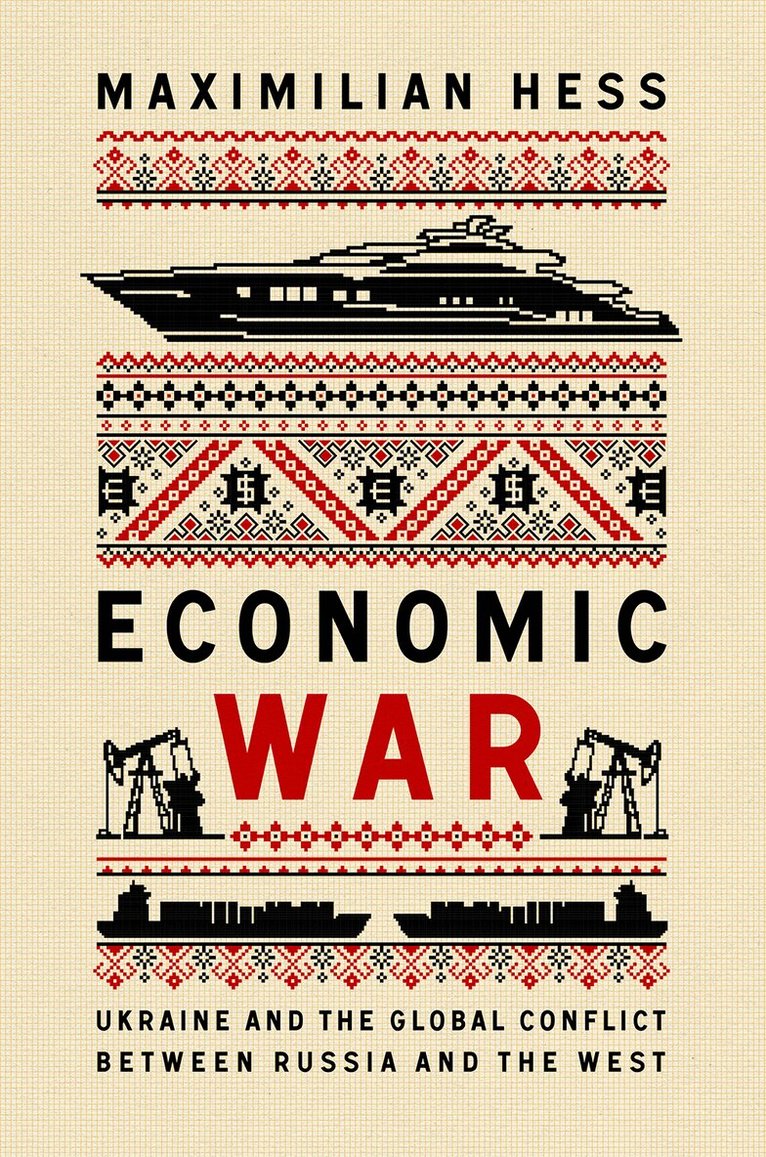
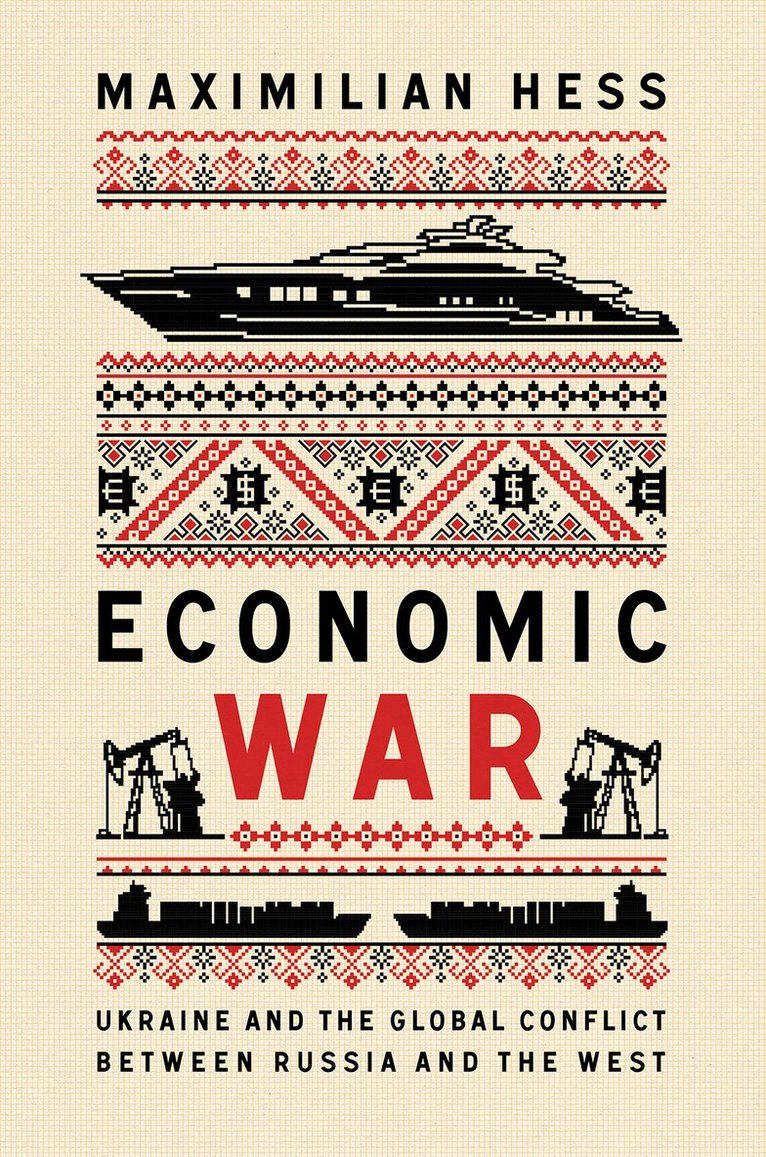
Winner of the US - Russia Relations Book Prize from the Fletcher School of Law and Diplomacy, Tufts UniversityVladimir Putin's first invasion of Ukraine, in 2014, set off a global economic clash, as the West used its clout with international markets to deter and penalise the Kremlin. The battlelines of this 'war by other means' traversed a series of deep economic connections, built up during Russia's oil, gas and commodities boom: global equity and capital markets, and transnational kleptocracy. Maximilian Hess's startling book lifts the lid on Russia's response to Western sanctions, and the ensuing skirmishes in London's courts, on Swiss trading desks and in boardrooms in New Delhi. He explores how pipelines, mines, loans and crypto-markets were weaponised. This narrative sets the stage for Putin's all-out assault on Kyiv in February 2022, which turned financial, food and fuel markets into bona fide battlefields, bringing the fight into everyone's home, from Pennsylvania to Pakistan. Rather than a 'new Cold War', we are witnessing a conflict over finance, energy and capital markets. How such economic warfare turns out will determine the future of liberalism and democracy; it will also set a precedent for economic relations between the West and China, as the two diverge into rival spheres of influence and power.
196 kr
Skickas inom 7-10 vardagar
A compelling story of how ordinary Ukrainians saved their nation.With Russian shells raining on Kyiv and tanks closing in, American forces prepared to evacuate Ukraine’s leader. Just three years earlier, his apparent main qualification had been playing a president on TV. But Volodymyr Zelensky reportedly retorted, ‘I need ammunition, not a ride.’ Ukrainian forces won the battle for Kyiv, ensuring their country’s independence even as a longer war began for the southeast.You cannot understand the historic events of 2022 without understanding Zelensky. But the Zelensky effect is less about the man himself than about the civic nation he embodies: what makes Zelensky most extraordinary in war is his very ordinariness as a Ukrainian.The Zelensky Effect explains this paradox, exploring Ukraine’s national history to show how its now-iconic president reflects the hopes and frustrations of the country’s first ‘independence generation’. Interweaving social and political background with compelling episodes from Zelensky’s life and career, this is the story of Ukraine told through the journey of one man who has come to symbolise his country.
385 kr
Skickas inom 7-10 vardagar
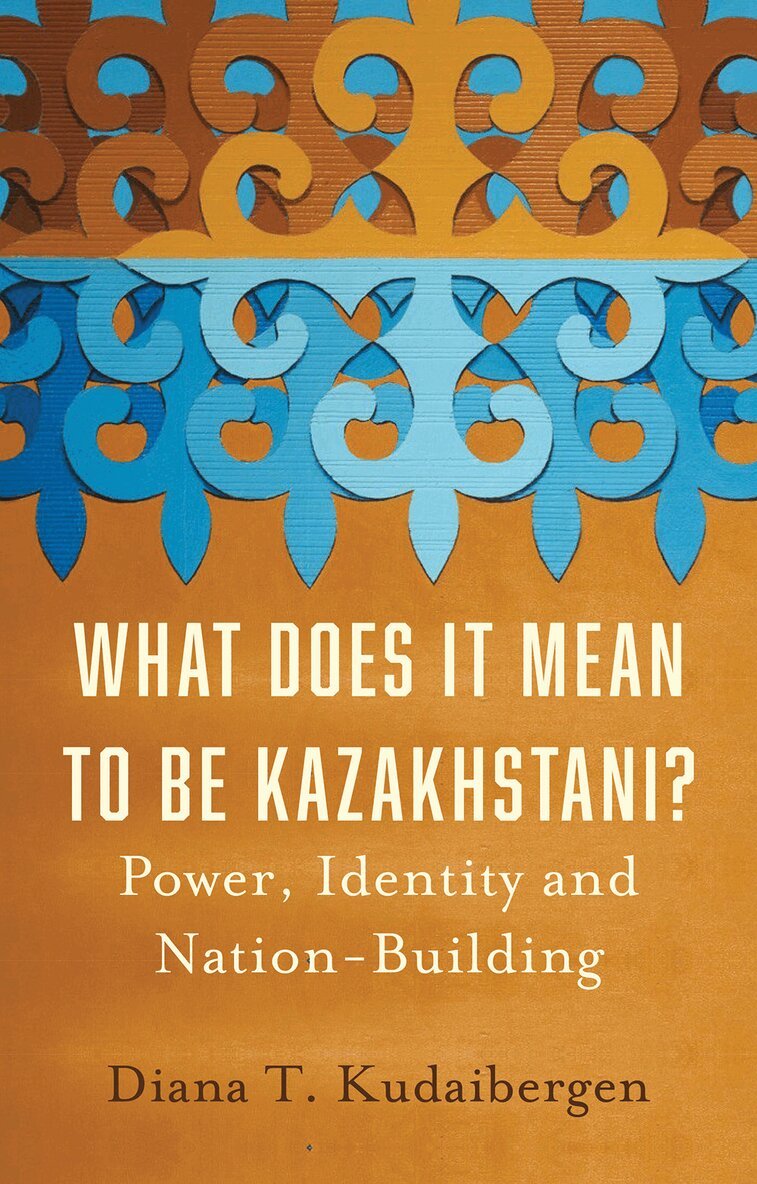
In early 2022, protests rocked Kazakhstan. Initially peaceful demonstrations soon turned violent after brutal government crackdowns, leaving at least 238 dead during ‘Bloody January’. But despite fears that Kazakhstan might split along ethno-linguistic lines, ethnicity played little role in the unrest: deep socio-economic problems and anti-regime grievances pushed protestors onto the streets.More than thirty years since declaring independence, multi-ethnic Kazakhstan is still grappling with its nationhood. While secessionist movements provoked ethnic conflicts, territorial disputes and civil wars across the former USSR, Kazakhstan developed a relatively stable inter-ethnic policy, and predicted Russo–Kazakh tensions largely failed to materialise. Analysing the multiple narratives, actors and often contradictory feelings of national belonging in post-1991 Kazakhstan, Diana T. Kudaibergen investigates why Kazakhstani nation-building is so unusual. Has Kazakh society found a solution to divisive ethno-nationalism? How have ordinary citizens shaped their identities? And how will Moscow’s 2022 invasion of Ukraine, which has led to widespread Russian immigration into Kazakhstan, impact inter-ethnic dynamics?Kudaibergen builds on unpublished archival materials and hundreds of interviews to explore the ‘hybrid’ nature of nation-building in this complex country. While regime elites promote a top-down civic identity, domestic unrest and pluralistic opposition movements are once again transforming the category ‘Kazakhstani’.
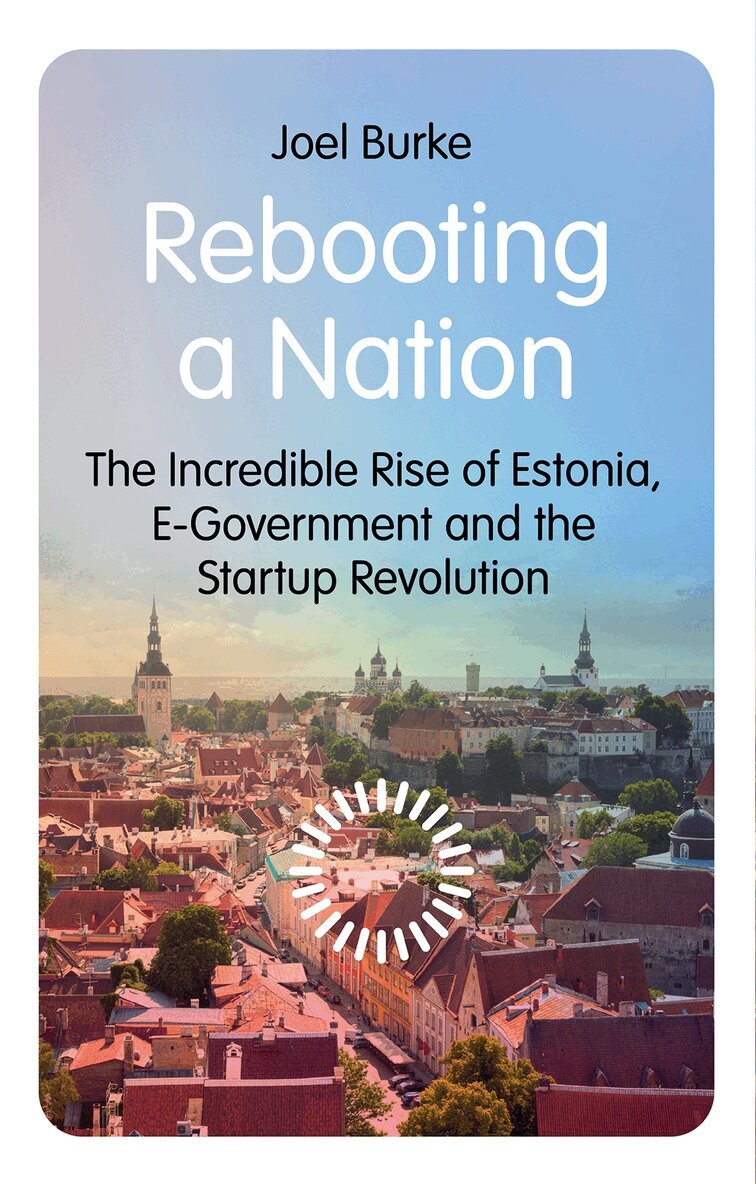
Rebooting a Nation
The Incredible Rise of Estonia, E-Government and the Startup Revolution
Häftad, Engelska, 2025
322 kr
Skickas inom 7-10 vardagar
How did a small post-Soviet state become a digital and e-government powerhouse, producing world-leading tech companies and pioneering policies for remote residency?Three decades after gaining independence from the Soviet Union, Estonia is a nation transformed. Today, the country is known worldwide as a startup hub, boasting billion-dollar companies including Wise, Veriff and Bolt—but even more impressive are Tallinn’s pioneering efforts in e-government. With 99 per cent of government services digitalised and accessible online, citizens can vote via computer, or file their taxes online in minutes; and Estonia’s use of artificial intelligence to enhance and automate its offering to citizens long predates ChatGPT.Drawing on his experience as a former official for the Republic of Estonia, Joel Burke offers unique insight into the country’s rapid rise as a tech and e-government powerhouse since the turn of the century. From the founding of Skype to the future of the e-state, he unveils the tactics and stories behind Estonia’s spectacular journey—after years of Soviet occupation and mismanagement to global tech leadership. For those hoping to learn from Estonia’s incredible journey, Burke offers insights into the government’s use of AI, its creation of a digital society, and its cultivation of a culture driving public-sector creativity and innovation. Rebooting a Nation is an informative and entertaining masterclass in Estonia’s modern history.
461 kr
Skickas inom 7-10 vardagar
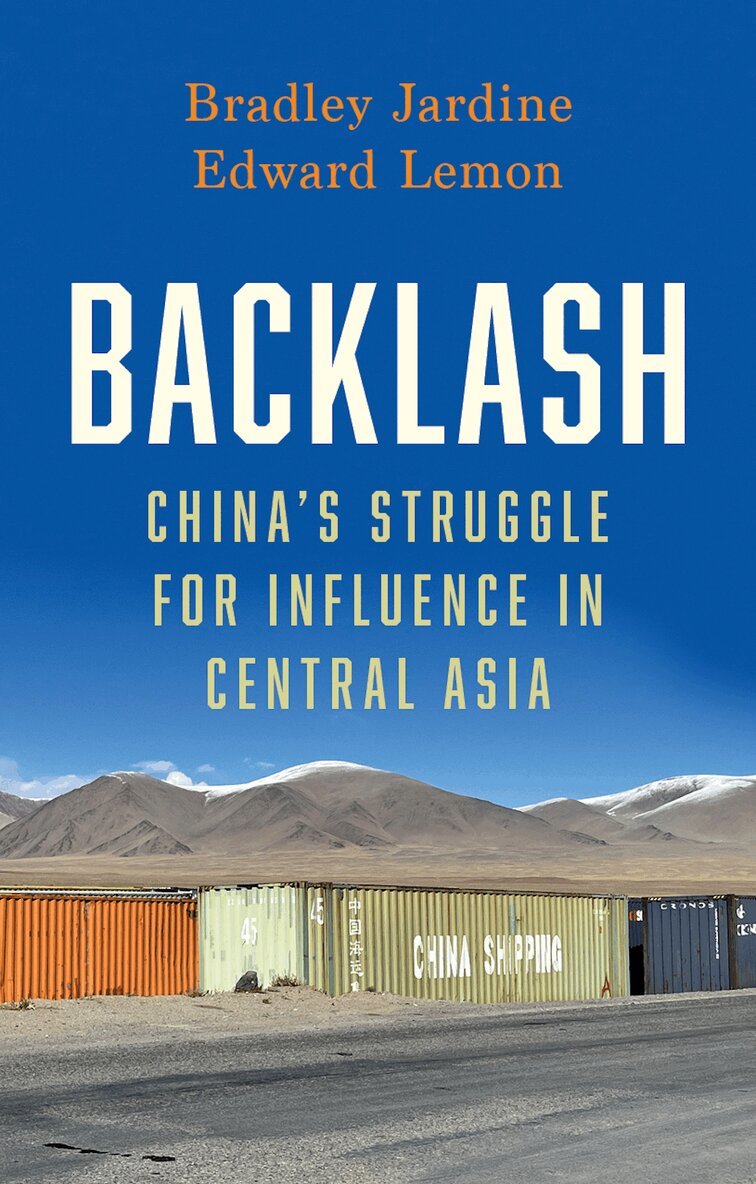
Winner of the Fletcher Russia and Eurasia 2026 Book Award, Tufts UniversityCentral Asia is at the forefront of China's efforts to assert itself as a major world power. Since 1991, Beijing has emerged as the region's main investor, creditor and trade partner, as well as an increasingly important security provider. But its growing influence has met opposition: in recent years, anti-China protests have erupted across Central Asia, threatening Beijing's shaky regional hegemony.Bradley Jardine and Edward Lemon examine how Central Asians are pushing back against China's global ambitions, and trace Beijing's attempts to manage its image and secure its interests in response. Drawing on over a decade of fieldwork, Backlash reveals the uncertainties of China's rise. Far from being the omnipotent strategist often depicted in international media, Beijing is making significant missteps, alienating local people and becoming entangled in costly interventions to protect its citizens and investments. Russia's fullscale invasion of Ukraine in 2022 undermined Moscow's regional position, creating opportunities for China to expand its role. But to do so, it must contend with the agency of Central Asians themselves: their interests, policies and priorities.This incisive book exposes the unravelling of China's alternative to the American-led global order, highlighting both elite and grassroots actors forcing Beijing to adapt its approach.
234 kr
Skickas inom 7-10 vardagar
Winner of the US - Russia Relations Book Prize from the Fletcher School of Law and Diplomacy, Tufts UniversityVladimir Putin's first invasion of Ukraine, in 2014, set off a global economic clash, as the West used its clout with international markets to deter and penalise the Kremlin. The battlelines of this 'war by other means' traversed a series of deep economic connections, built up during Russia's oil, gas and commodities boom: global equity and capital markets, and transnational kleptocracy. Maximilian Hess's startling book lifts the lid on Russia's response to Western sanctions, and the ensuing skirmishes in London's courts, on Swiss trading desks and in boardrooms in New Delhi. He explores how pipelines, mines, loans and crypto-markets were weaponised. This narrative sets the stage for Putin's all-out assault on Kyiv in February 2022, which turned financial, food and fuel markets into bona fide battlefields, bringing the fight into everyone's home, from Pennsylvania to Pakistan. Rather than a 'new Cold War', we are witnessing a conflict over finance, energy and capital markets. How such economic warfare turns out will determine the future of liberalism and democracy; it will also set a precedent for economic relations between the West and China, as the two diverge into rival spheres of influence and power.
326 kr
Skickas inom 7-10 vardagar
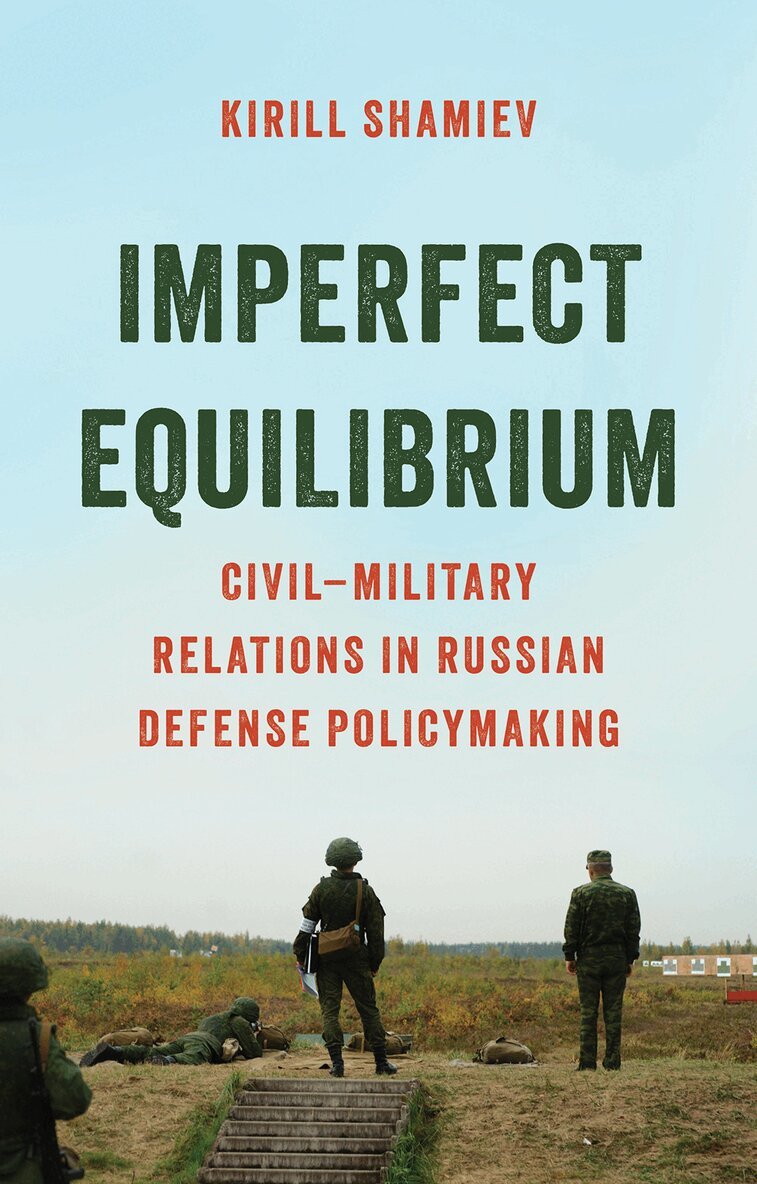
Why has Russia’s military struggled to adapt to the challenges of contemporary warfare? Despite years of attempts to improve its military capabilities, Russia’s full-scale invasion of Ukraine in 2022 revealed a crippling lack of skill, discipline and equipment. Non-material factors, in particular the power struggle between military and civilian leaderships, have hindered reform of its armed forces: with officers dominating defense policy, the Kremlin has struggled to implement the necessary changes.Kirill Shamiev explores the political reasons behind Russia’s poor military preparedness for the war in Ukraine. He demonstrates how a seemingly obedient military has frequently blocked civilian reforms, taking advantage of weak oversight mechanisms. The Kremlin’s efforts to centralise control and make the armed forces personally accountable to President Vladimir Putin harmed institutional learning, cementing a conservative civil–military status quo. While this protected the military from civil society interference and ensured Putin’s autocratic rule, it ultimately limited the pace and scope of change.Analysing three cases of reform between 2000 and 2021, Imperfect Equilibrium offers critical insights into the relationship between civilian control and military effectiveness in Russia. Drawing on extensive qualitative and quantitative evidence—including interviews, parliamentary speeches, media reports and surveys—it shows how unchecked autonomy can undermine military development, even in authoritarian contexts.
208 kr
Skickas inom 7-10 vardagar
A disturbing portrait of the fascist youth movements warping Russian society and politics.How did Vladimir Putin win Russians’ support for his genocidal war in Ukraine and why are so many of them willing to embrace fascism? This vivid, bottom-up narrative reveals the dark realities of youth fascism in Russia—and the darker future awaiting the country if that hold cannot be broken.Wartime Russia is drowning in fascist symbols. Zealous patriots attack journalists, opposition activists, and anyone suspected of betraying the motherland. Hordes of online trolls and sleek videos of angry young men urge citizens to join the cause. State television terrifies viewers with false tales of anti-Russian conspiracies and genocidal yearnings. Child soldiers proudly parade across Red Square. This is Russia in the 2020s: a land of performative rage and nationalist untruth, where pretence and broken promises are a way of life, and an apocalyptic mindset is seizing tomorrow’s Russians.As compelling as it is chilling, Z Generation shows how Russia has ended up here, and where its young people may be headed: a fascist generation more violent and ideological than anything the country has seen before.
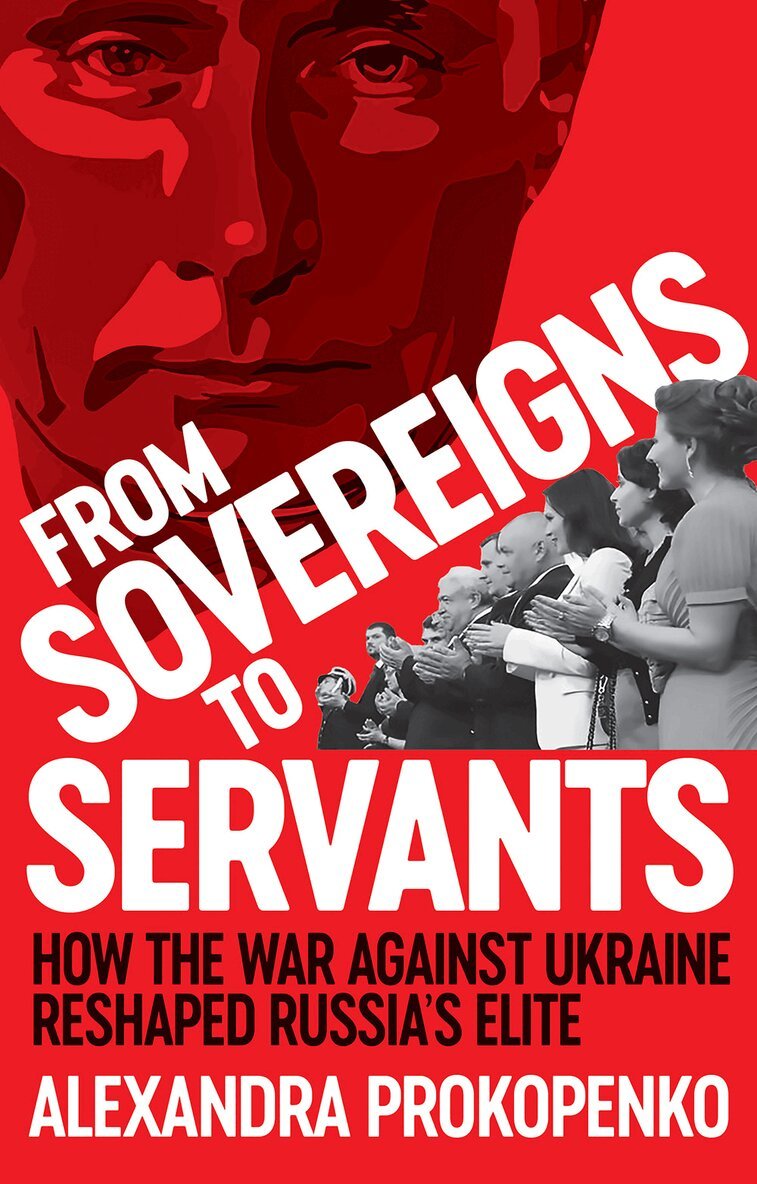
From Sovereigns to Servants
How the War Against Ukraine Reshaped Russia’s Elite
Häftad, Engelska, 2026
322 kr
Kommande
How did Putin co-opt Russia’s political and economic elites, ensuring no more than fitful resistance to the regime’s war on Ukraine? When Moscow launched its full-scale invasion of Ukraine, the West slapped crushing sanctions on Russia. Many expected the country’s elite—prominent liberals and global businessmen—to defend their assets and cosmopolitan lifestyles by forcing Putin to stop the war. Instead, liberal-minded officials rewired the economy for war; corporations obeyed new rules; and only a handful resigned or spoke out. Why? Built on dozens of candid conversations with top Russian officials and businessmen since the mid-2010s, this book dissects their moral reasoning, and how their boundaries of ethical acceptability expanded over time, in line with the expectations of their superiors. Though the Russian upper class retained formal attributes of power, in reality it lost its agency, essentially becoming a mere instrument of governance. Alexandra Prokopenko illuminates the war’s pivotal moments: Western sanctions, mass mobilisation, the annexation of four Ukrainian regions, and Yevgeny Prigozhin’s aborted mutiny in 2023. She traces meticulously how competing factions, from technocrats to hawks, rationalised each shock and recalibrated their loyalties. And she sets this process within an inside history of Putin’s regime, analysing the transformation of mindset at individual and sociological levels. These people will continue influencing global politics; we must understand how they think and act.
385 kr
Kommande
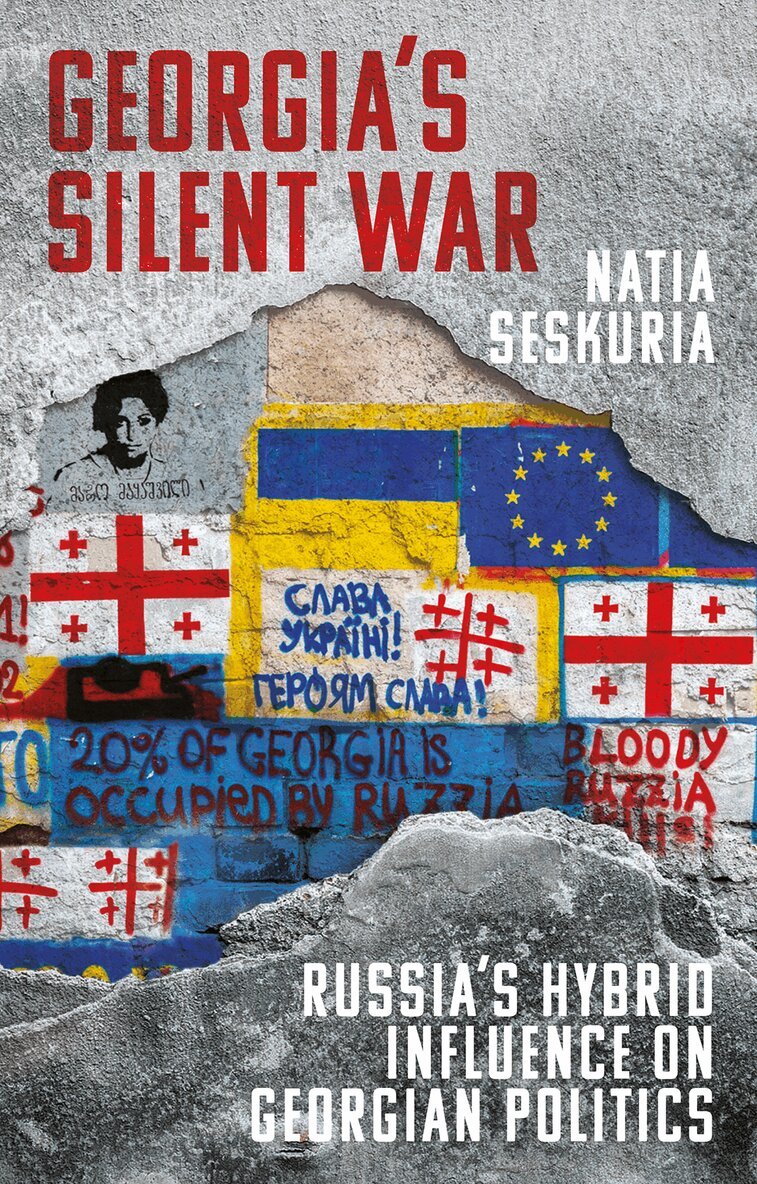
From the Rose Revolution to Ukraine today, an in- depth analysis of Russia’s strategy toward Georgia— and the story of a war that never truly ended.Fourteen years before Putin launched a full-scale war against Ukraine, he waged a brief five-day war with Georgia. For Moscow, the 2008 war was an opportunity to punish its neighbour—for pursuing European and Euro-Atlantic aspirations—as well as to send a signal to Ukraine. Once the dust of war settled, international focus shifted away from Georgia. Yet, Putin’s aims remained firm, and the conflict turned into a silent war, with Russian intervention persisting below the threshold of military escalation.From independence to the present day, Natia Seskuria examines how conflict with Russia has shaped modern Georgian politics and foreign policy, and considers what ‘war by other means’ entails in Georgia’s case. Drawing on sources in Georgian, Russian and English, she explores the country’s dilemma: pursuing its foreign policy ambitions while constrained by geographic proximity to Russia.This comprehensive analysis of political developments in post-independence Georgia traces the evolution of Georgian statehood and the growing sophistication of Russia’s coercive strategy. Seskuria’s nuanced and probing account centres Georgian agency, and exposes the mechanisms of Russian interference and influence.
433 kr
Kommande
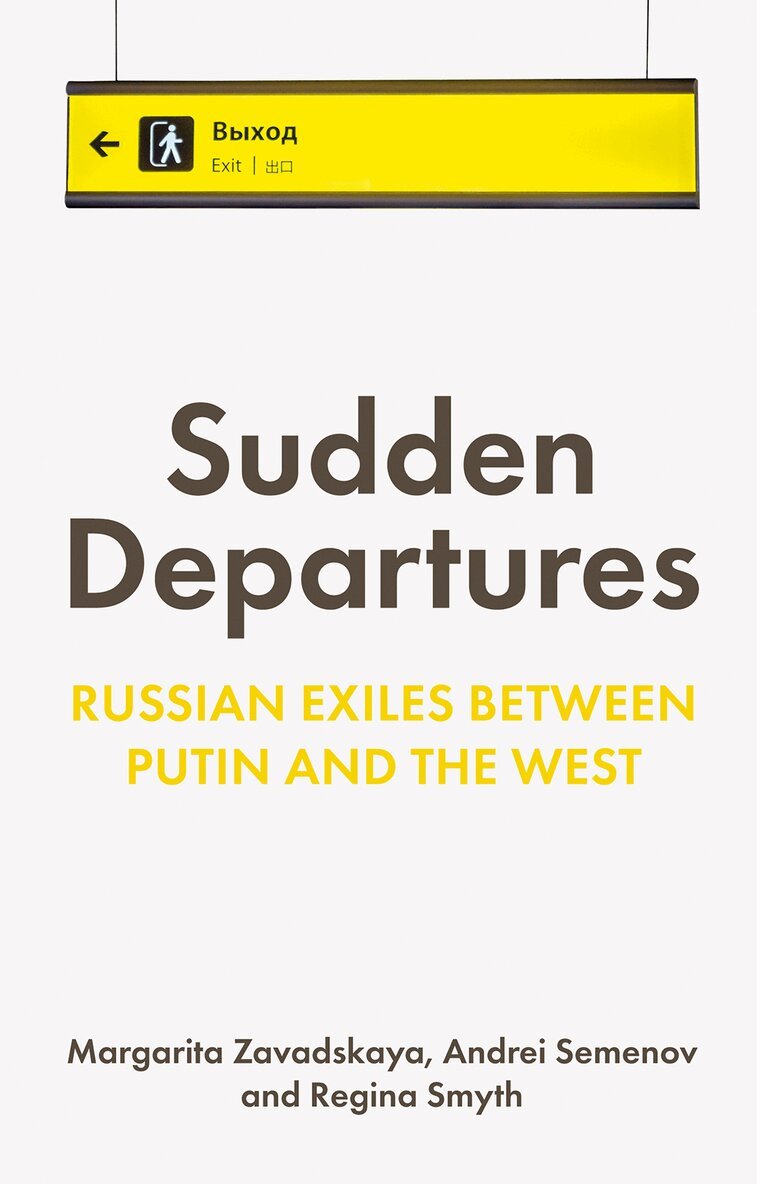
Almost a million Russians went into exile after the 2022 invasion of Ukraine. This study reveals how dissident activism continues in the face of repression. This book captures the largest post-Soviet exodus in Russian history, triggered by the 2014 annexation of Crimea and the full-scale invasion of Ukraine in 2022. Through hundreds of interviews, the authors trace the journeys of those who fled Russia—crossing the steppes of Kazakhstan, the mountains of Armenia and Georgia, and even the Atlantic—in search of safety, belonging and peace.Rejected by their homeland and confronted by global suspicion, these wartime exiles face the challenge of defining what it means to be Russian in an era of war and authoritarian retrenchment. Many turn to action as a path forward: mutual aid, support for Ukraine, anti-war activism. For others, survival is the priority.Set against the backdrop of a shifting global order—renewed Great Power politics, tightening borders and migrant fatigue—Sudden Departures gives voice to a diaspora in motion. These stories offer a rare ground-level lens on exile, resistance and the high personal costs of standing against Putin’s regime.
322 kr
Kommande
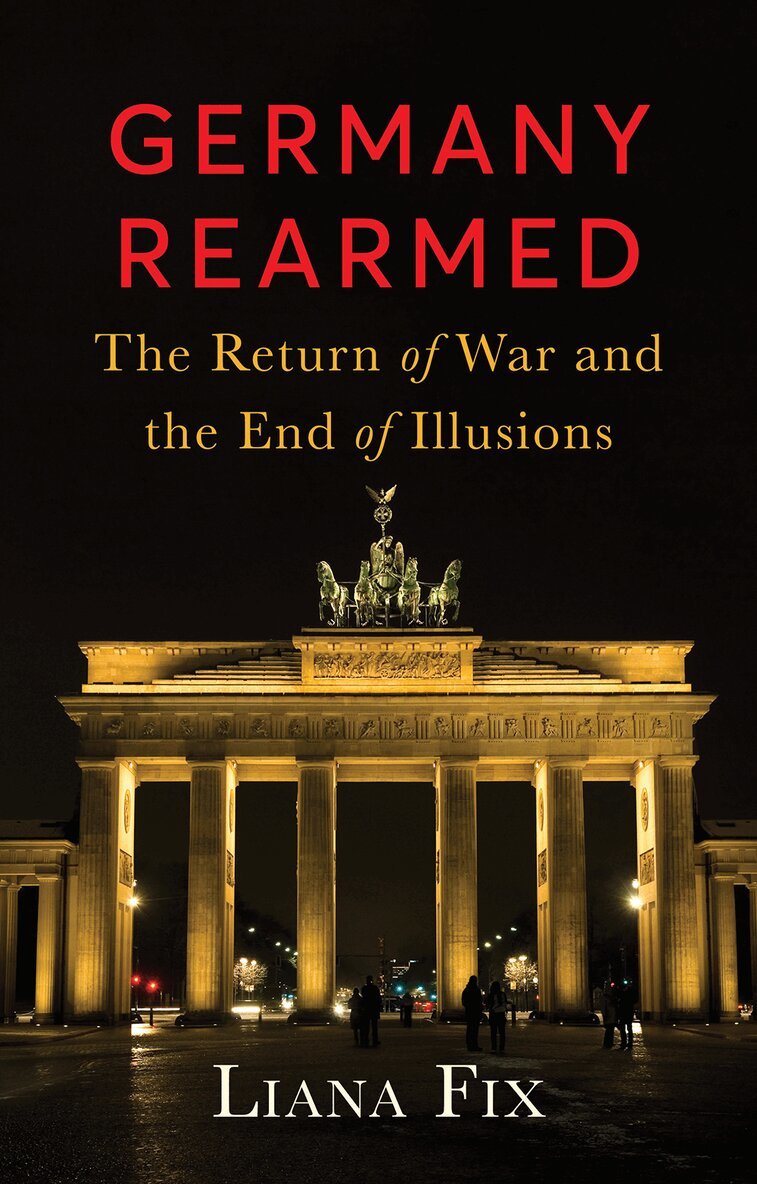
An urgent, incisive assessment of Germany’s return to military power and Europe’s security as Russian aggression rises and US reliability falters. After eighty years of restraint, Germany is returning to military power. For many years, German political culture rested on the conviction that military force belonged to a darker past—and that security could be outsourced to the United States or replaced by trade and diplomacy. Russia’s invasion of Ukraine and Trump’s return to the White House have shattered these illusions. The threat of Russian aggression and the risk of US abandonment have triggered a German rearmament of historic proportions. But this rearmament also poses a dilemma. With right-wing populism rising at home, can Germany assume a greater military role without reviving old fears among its neighbours or undermining European stability? Can it become a credible security provider while remaining firmly anchored in liberal democratic values? This timely, important book analyses Germany’s foreign policy and its relationship with military power from 1945 to the present, and explores the choices and alternatives for European security in the next decade and beyond. Challenging Germany’s ‘myth of pacifism’, Liana Fix argues that, as the post-war order fades, Germany can—and must—become a military power capable of protecting Europe when America will not.
195 kr
Kommande
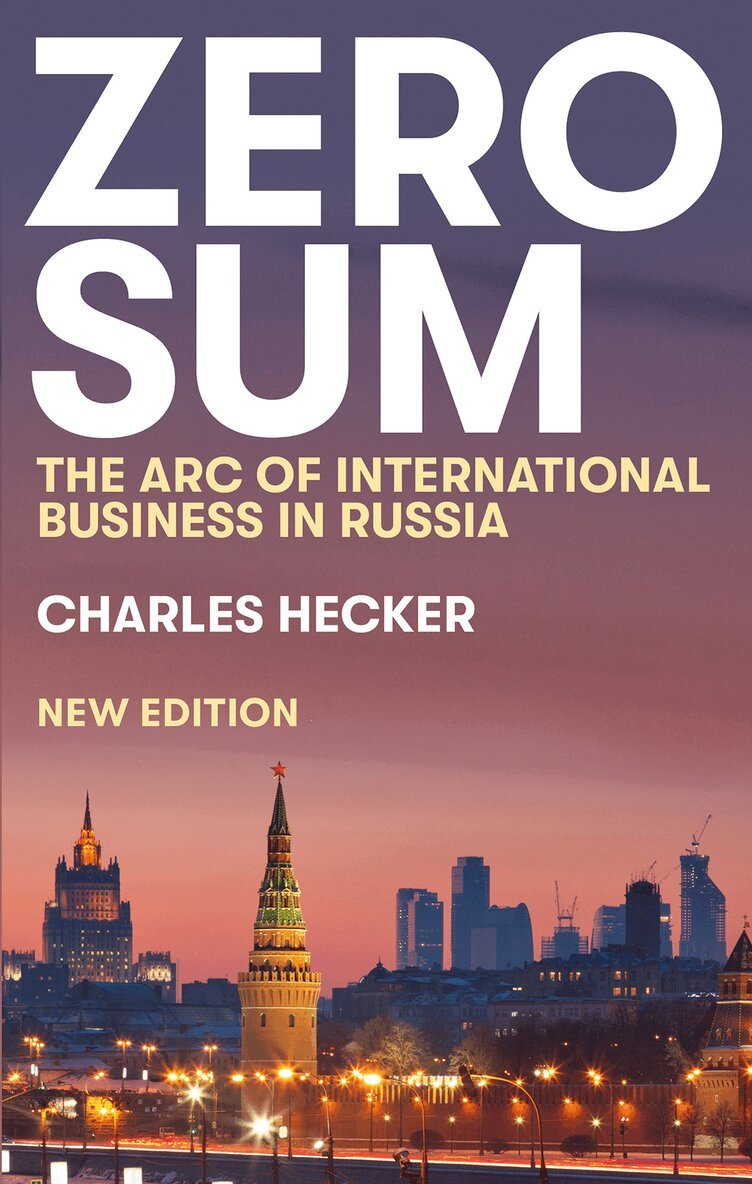
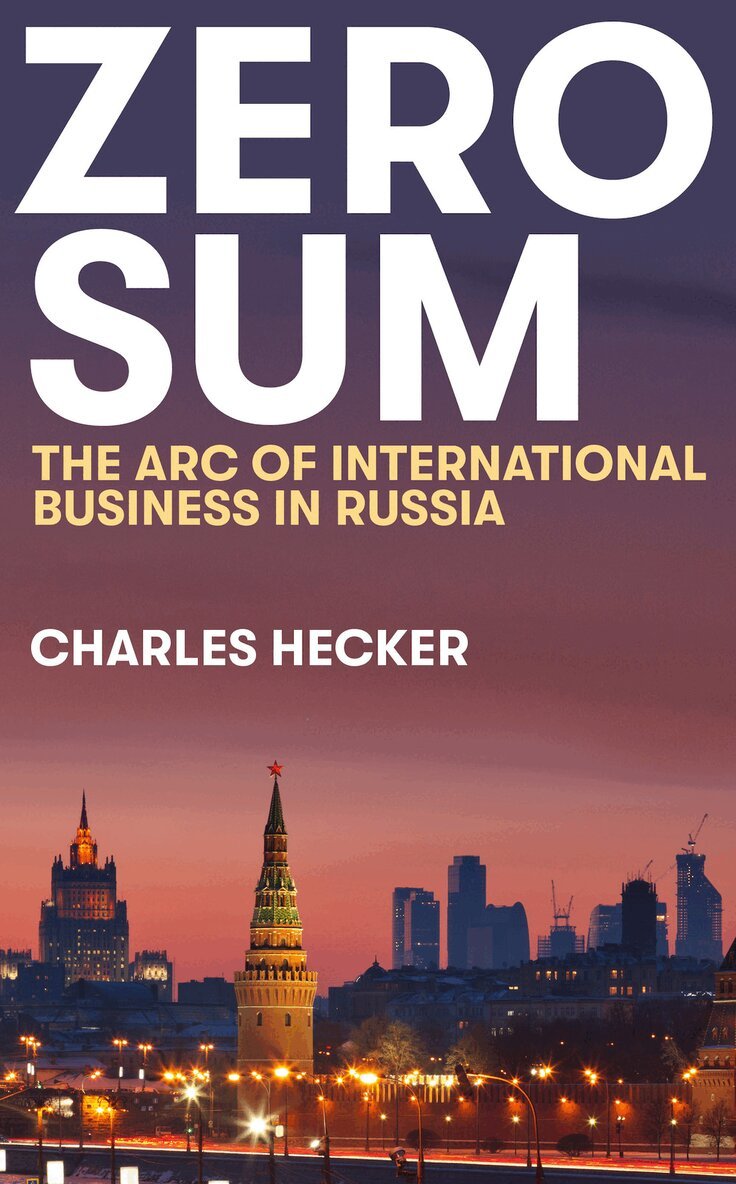
When the hammer and sickle came down in late 1991, Russia’s feverish new market opened for business. From banking to breweries, sectors emerged out of nowhere, in a country that had never had a functioning economy. For the next three turbulent decades, a wild, proto-capitalist free-for-all transformed Russian society.Then, in 2022, Putin launched the full-scale invasion of Ukraine. The market started to collapse; Western firms fled Moscow’s skyscrapers. No country this large had ever remade itself so dizzyingly – now, just as dramatically, it was over. The intervening decades had seen phenomenal successes and crushing failures; the creation and destruction of enormous fortunes. How did it all happen?Zero Sum brings to life the complex, vivid colour of one of the greatest experiments in the history of global commerce. What have businesses learnt—or failed to learn—from this adventure, both about Russia and about dynamics between countries and companies in the face of relentless change?
326 kr
Skickas inom 7-10 vardagar
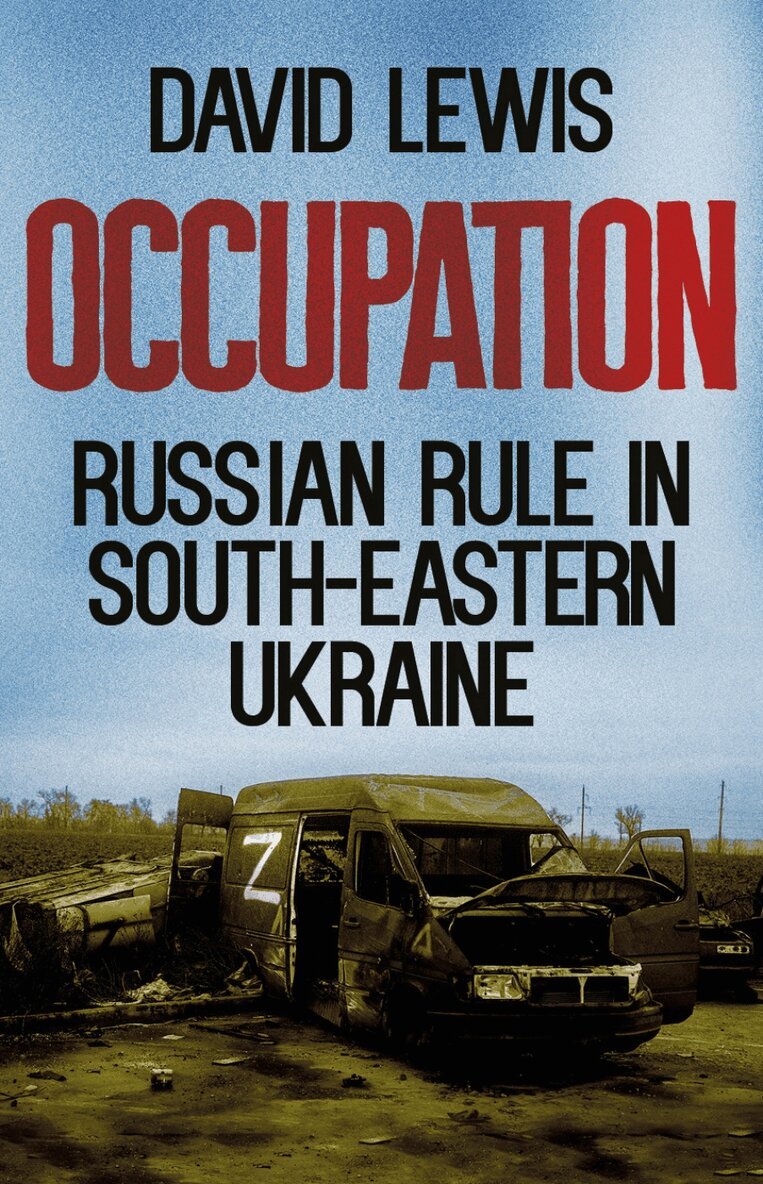
In September 2022, at a grandiose ceremony in the Kremlin, President Putin announced the incorporation into the Russian Federation of four provinces in southern and eastern Ukraine--the most significant attempted land seizure in Europe since World War II. Although Russia was not in control of large parts of these provinces, its military occupied more than 40,000 square miles of Ukrainian territory.Occupation explains how Russia sought to subjugate these territories through a toxic mix of violence, political influence and economic coercion. Its security forces kidnapped, tortured and killed civilians and officials, seized businesses and properties from Ukrainian owners, erased physical evidence of Ukrainian culture, and subjected the population to a barrage of constant propaganda.More than half of the pre-war population fled, to Europe, Russia or the rest of Ukraine, and most who remained were hostile to the occupiers. Yet Russia found local politicians to front its regime. A few people openly collaborated; most faced uncomfortable choices to survive under Russian rule.In occupied Ukraine, Moscow attempted to create an ersatz 'new Russia', based on fantasy, ideology and violence. This regime was a microcosm of the contemporary Russian Federation, reflecting its deepening militarisation and authoritarianism.
396 kr
Kommande
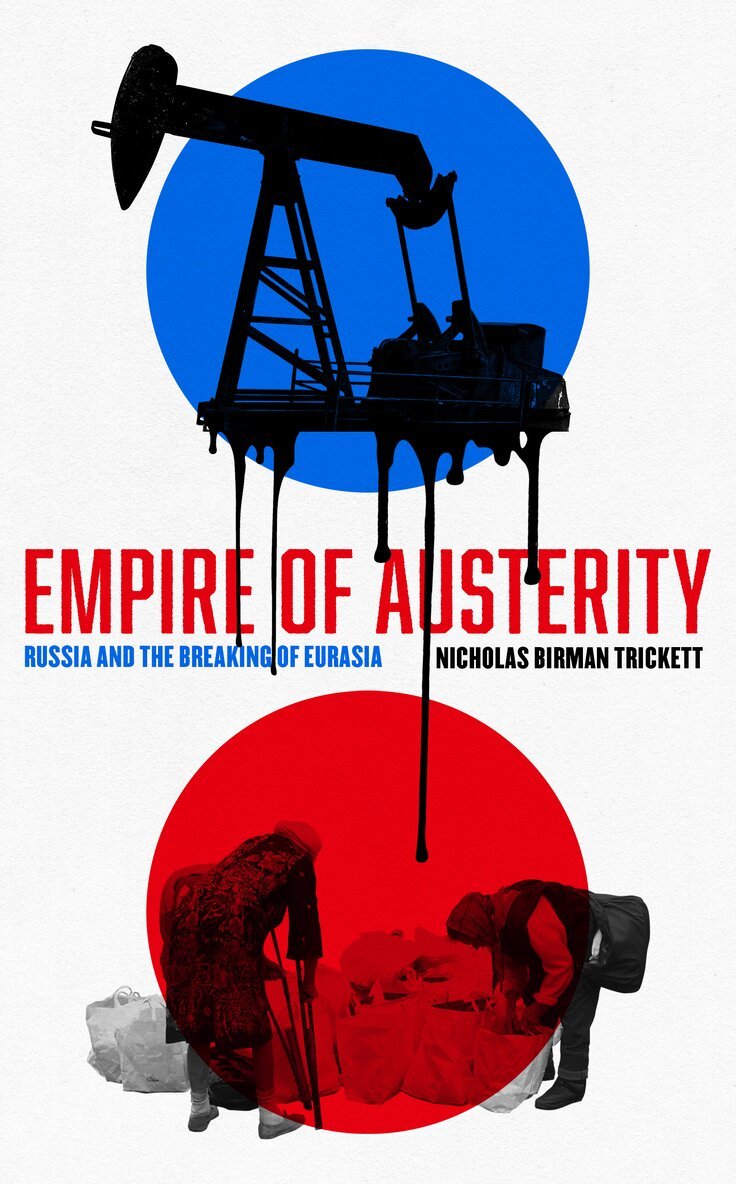
‘Fortress Russia' evokes a Kremlin standing strong against the West. But Moscow’s ceaseless quest for safety from sanctions and the international system has ineluctably destabilised its neighbours, global politics and the Russian economy. Haunted by memories of the 1990s, liberal technocrats and national chauvinists alike have built a regional economic system that is averse to debt and public investment, and which fears the emergence of an empowered and politicised middle class.In response, Russian elites have repeatedly turned to austerity measures—refusing to borrow and spend, raising taxes, and forcing the public to bear the costs of crisis after crisis. The Russo- Ukrainian War has proven that Fortress Russia is a prison with no escape in sight.Empire of Austerity traces how Russian economic policy precipitated the country’s slide towards an increasingly coercive authoritarianism, a hubristic challenge to the West, and all-out war with Ukraine. Decades of dependence on commodity exports, failure to invest and failure to consume enough have condemned not only the Russian Federation, but Eurasia more broadly, to stagnation and conflict. Only time will tell if Russia and its neighbours can escape the zero-sum politics of austerity in a world of rapidly evolving geopolitical, energy and climate crises.
331 kr
Skickas inom 7-10 vardagar
When the hammer and sickle came down in late 1991, Russia’s feverish new market opened for business. From banking to breweries, sectors emerged out of nowhere, in a country that had never had a functioning economy. For the next three turbulent decades, a wild, proto-capitalist free-for-all transformed Russian society.Then, in 2022, Putin launched the full-scale invasion of Ukraine. The market started to collapse; Western firms fled Moscow’s skyscrapers. No country this large had ever remade itself so dizzyingly – now, just as dramatically, it was over. The intervening decades had seen phenomenal successes and crushing failures; the creation and destruction of enormous fortunes. How did it all happen?Zero Sum brings to life the complex, vivid colour of one of the greatest experiments in the history of global commerce. What have businesses learnt—or failed to learn—from this adventure, both about Russia and about dynamics between countries and companies in the face of relentless change?
385 kr
Skickas inom 7-10 vardagar
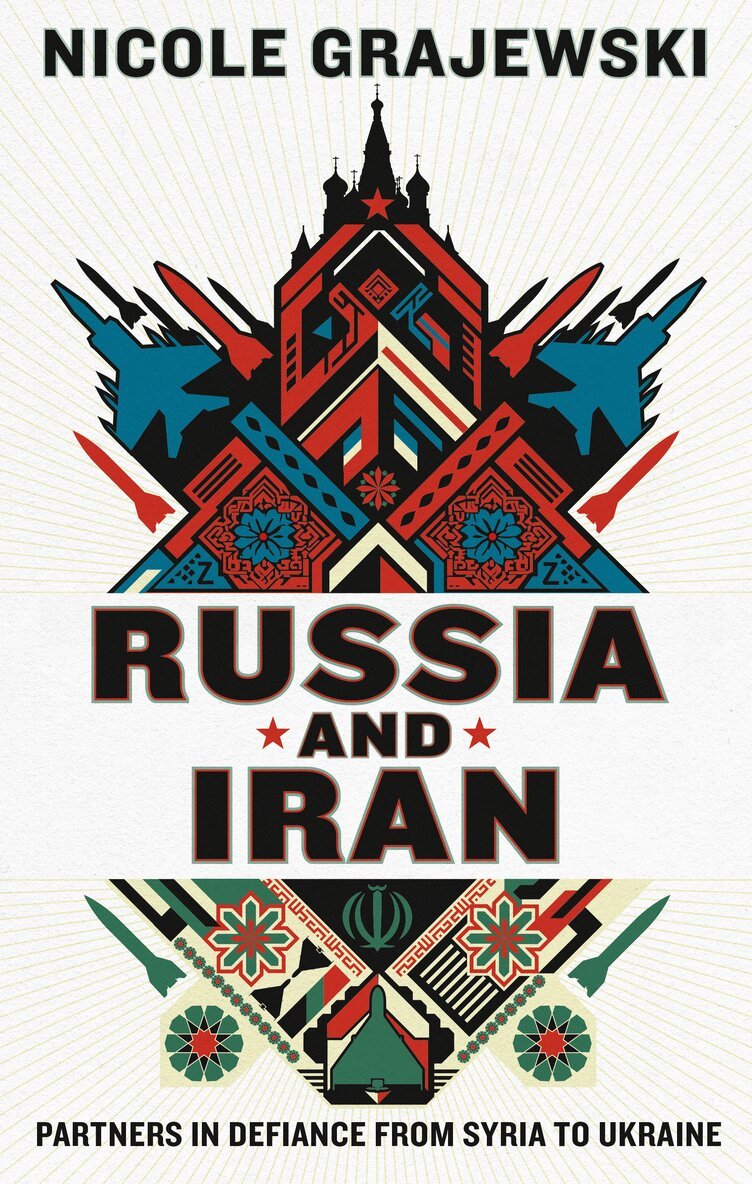
Vladimir Putin’s full-scale invasion of Ukraine in 2022 has cast a spotlight on Russia’s burgeoning partnership with Iran. Moscow looked to Tehran for drones and ammunition to fuel its so-called ‘special military operation’, and Iran’s support for Russia’s war reflected a decade-long strengthening of Russo-Iranian ties, beginning with the 2011 outbreak of the Syrian Civil War. Despite a relationship historically marred by mistrust and unmet expectations, the two regimes have worked together to promote their common interests in Syria, where battlefield coordination soon developed into much deeper political alignment. Drawing on extensive Russian and Persian primary sources, and interviews with elites from both countries, Nicole Grajewski uncovers the drivers of ever-closer cooperation between the Kremlin and the Islamic Republic. Detailing the internal structures, shared anxieties and broader ambitions underpinning this alignment, she explores the genesis of Russia and Iran's mutual antagonism towards the Western-led global order; the impact of deep-seated leadership concerns over regime security and domestic protests; and the future trajectory of the partnership within the larger world order. Examining both military dynamics and economic endeavours, as well as elaborate sanctions evasion schemes and collaboration within international organisations, this is the definitive account of contemporary Russia-Iran relations.