New Studies in the Age of Goethe – serie
Visar alla böcker i serien New Studies in the Age of Goethe. Handla med fri frakt och snabb leverans.
13 produkter
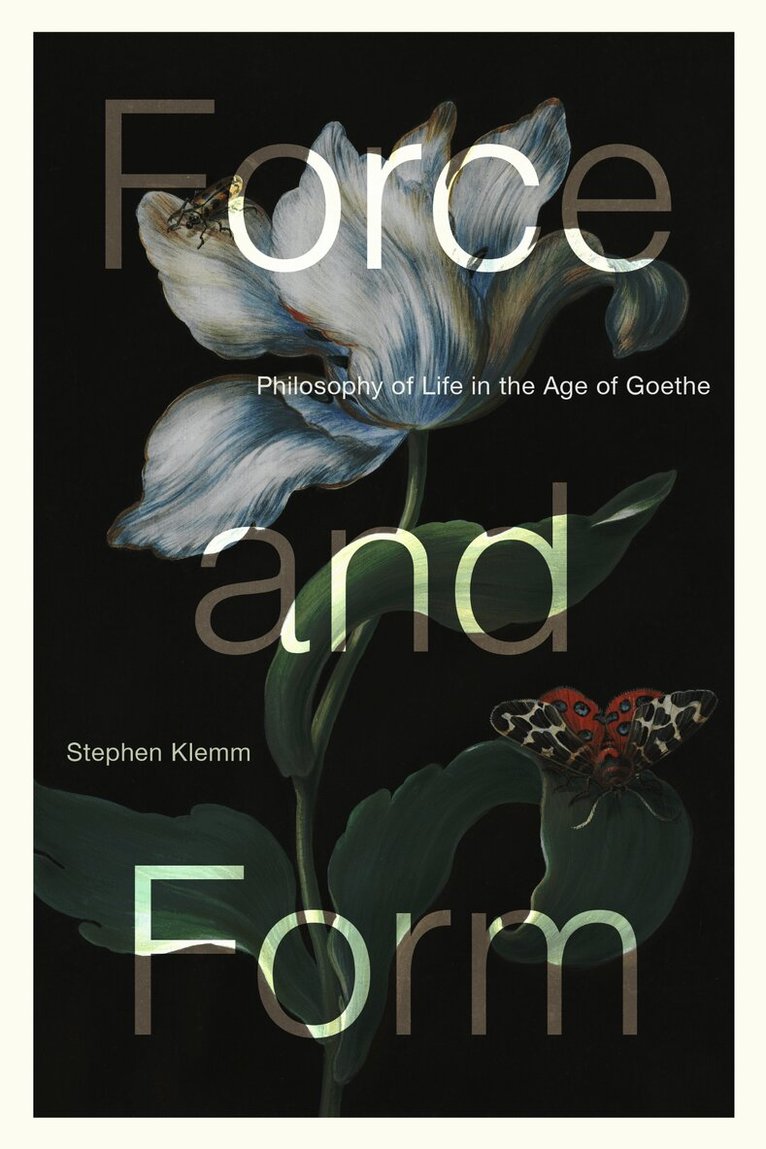
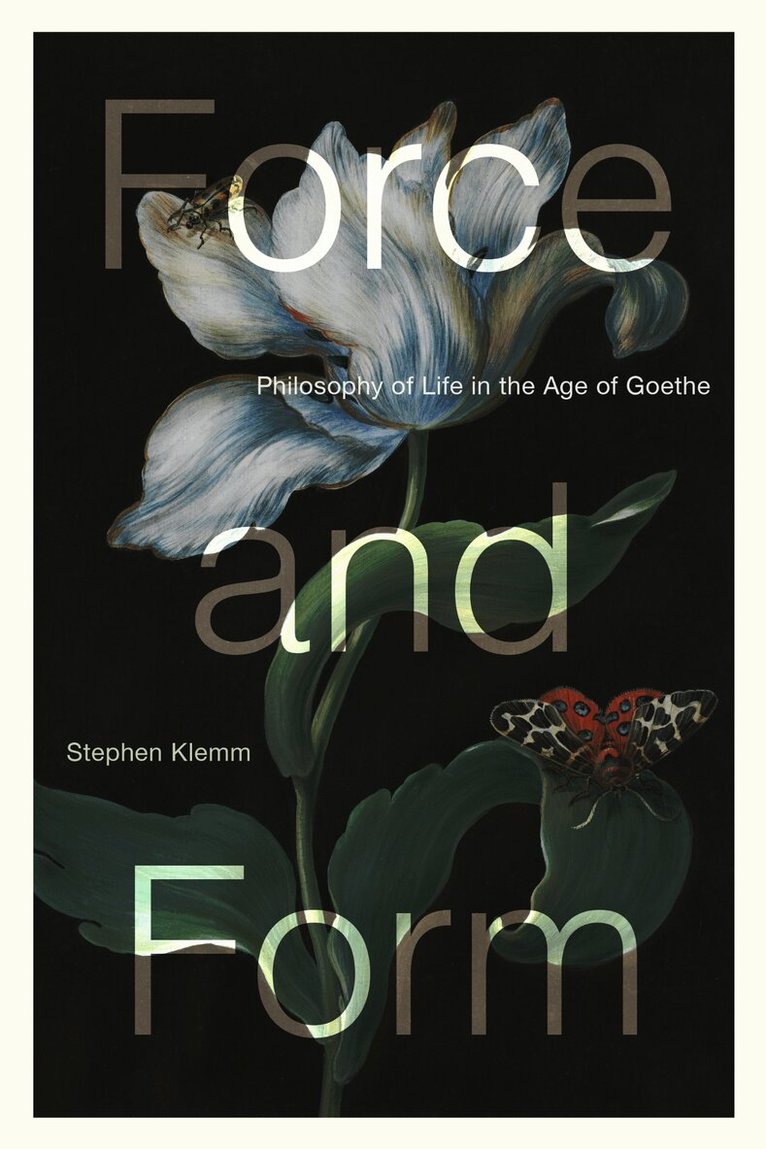
Force and Form
Philosophy of Life in the Age of Goethe
Inbunden, 2026
2062 kr
Kommande
This book offers a bold rethinking of how modern ideas of life, nature, and subjectivity took shape in late-eighteenth- and early-nineteenth-century German thought. Moving beyond familiar narratives based on Kantian autonomy or Romantic irrationalism, it uncovers a vitalist tradition stretching …
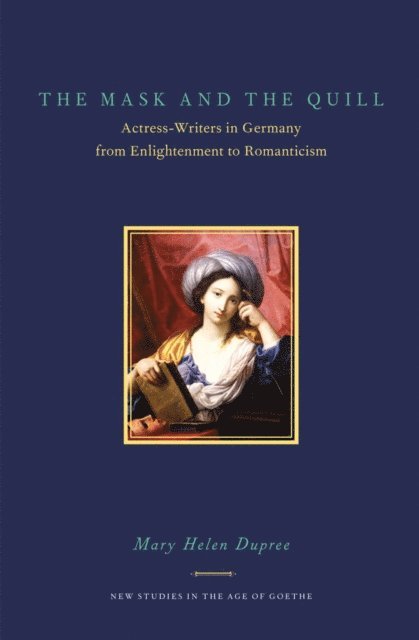
Mask and the Quill
Actress-Writers in Germany from Enlightenment to Romanticism
E-bok, 2011
1272 kr
Lägg i varukorg
In the last three decades of the eighteenth century, a small but significant number of German actresses, including Sophie Albrecht (1757-1840), Marianne Ehrmann (1755-1795) and Elise Bürger (1769-1833), began to publish poetry, autobiography, drama and short fiction under their own names. These …
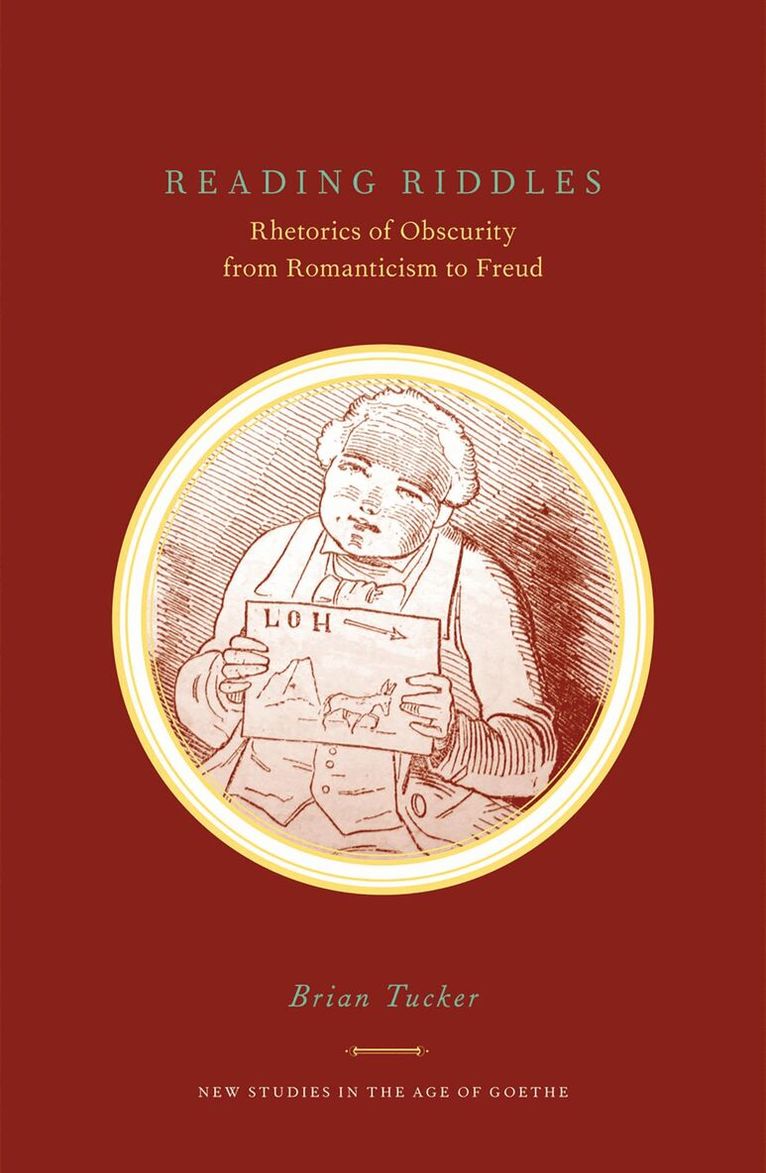
Reading Riddles
Rhetorics of Obscurity from Romanticism to Freud
Av Brian Tucker
Inbunden, 2010
1385 kr
Lägg i varukorg
Reading Riddles: Rhetorics of Obscurity from Romanticism to Freud explores how the riddle becomes a figure for reading and writing in early German Romanticism and how this model then enables Sigmund Freud's approach to the psyche. It traces a migration of ideas from literature to psychoanalysis and …
Reading Riddles
Rhetorics of Obscurity from Romanticism to Freud
Av Brian Tucker
E-bok, 2010
1524 kr
Lägg i varukorg
Reading Riddles: Rhetorics of Obscurity from Romanticism to Freud explores how the riddle becomes a figure for reading and writing in early German Romanticism and how this model then enables Sigmund Freud''s approach to the psyche. It traces a migration of ideas from literature to psychoanalysis …
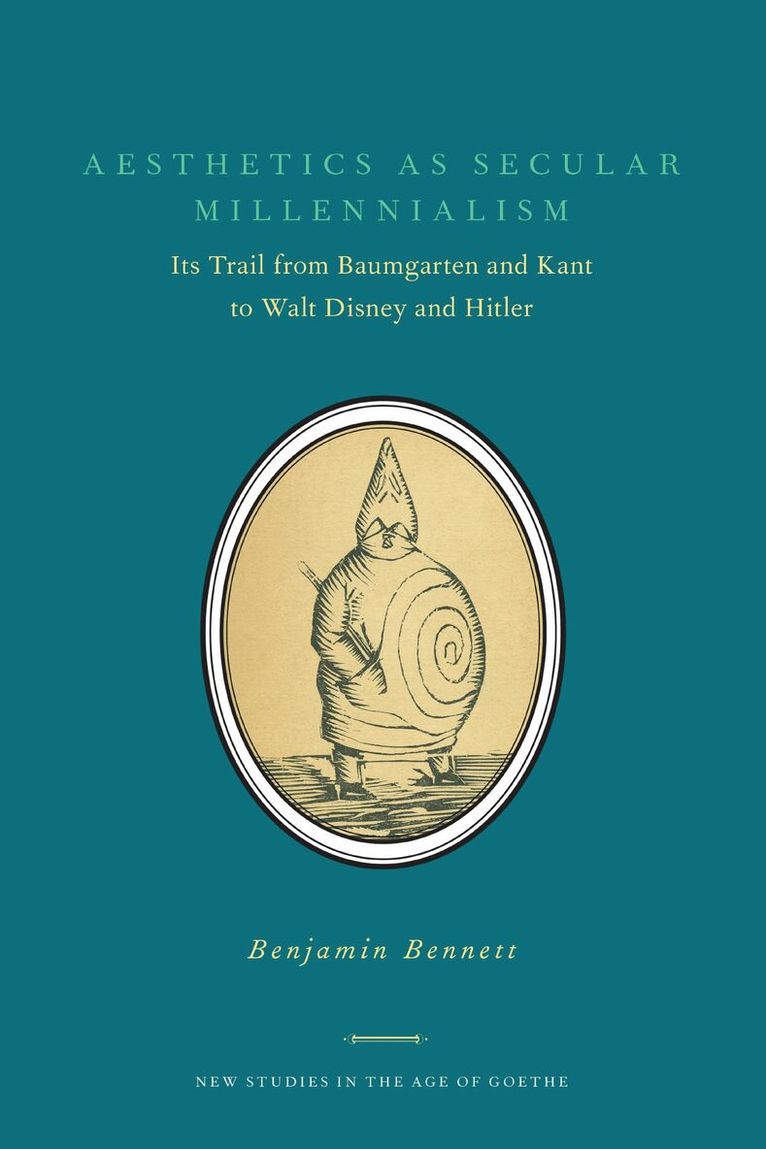
Aesthetics as Secular Millennialism
Its Trail from Baumgarten and Kant to Walt Disney and Hitler
Inbunden, 2013
1556 kr
Lägg i varukorg
The concept of secular millennialism summarizes a crucial point made by Hannah Arendt in The Origins of Totalitarianism: that twentieth-century totalitarian movements, in Nazi Germany and in the Soviet Union under Stalin, are not nationalistic but essentially millennialist, focused on the …
Romanticism, Origins, and the History of Heredity
E-bok, 2014
986 kr
Lägg i varukorg
At the turn of the eighteenth century, selfhood was understood as a “tabularasa” to be imprinted in the course of an individual’s life. By the middle of the nineteenth-century, however, the individual had become defined as determined by heredity already from birth. Examining novels by Goethe, Jean …
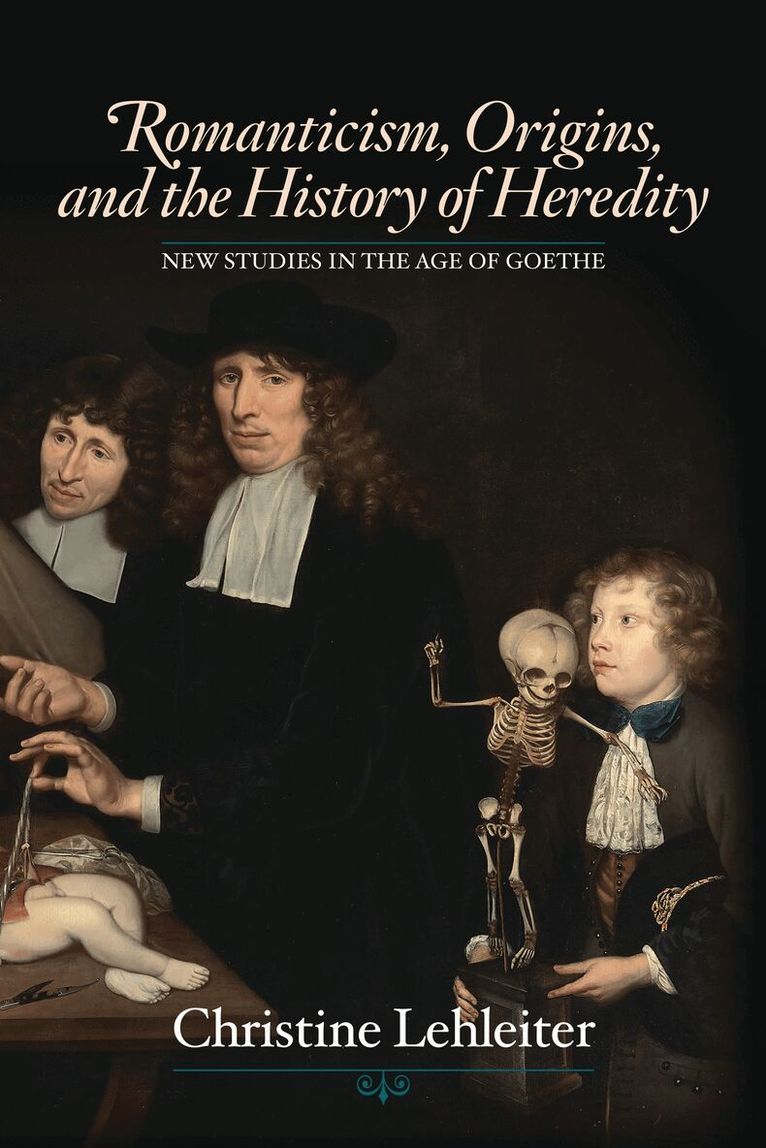
Romanticism, Origins, and the History of Heredity
Häftad, 2017
899 kr
Lägg i varukorg
At the turn of the eighteenth century, selfhood was understood as a “tabularasa” to be imprinted in the course of an individual’s life. By the middle of the nineteenth-century, however, the individual had become defined as determined by heredity already from birth. Examining novels by Goethe, Jean …
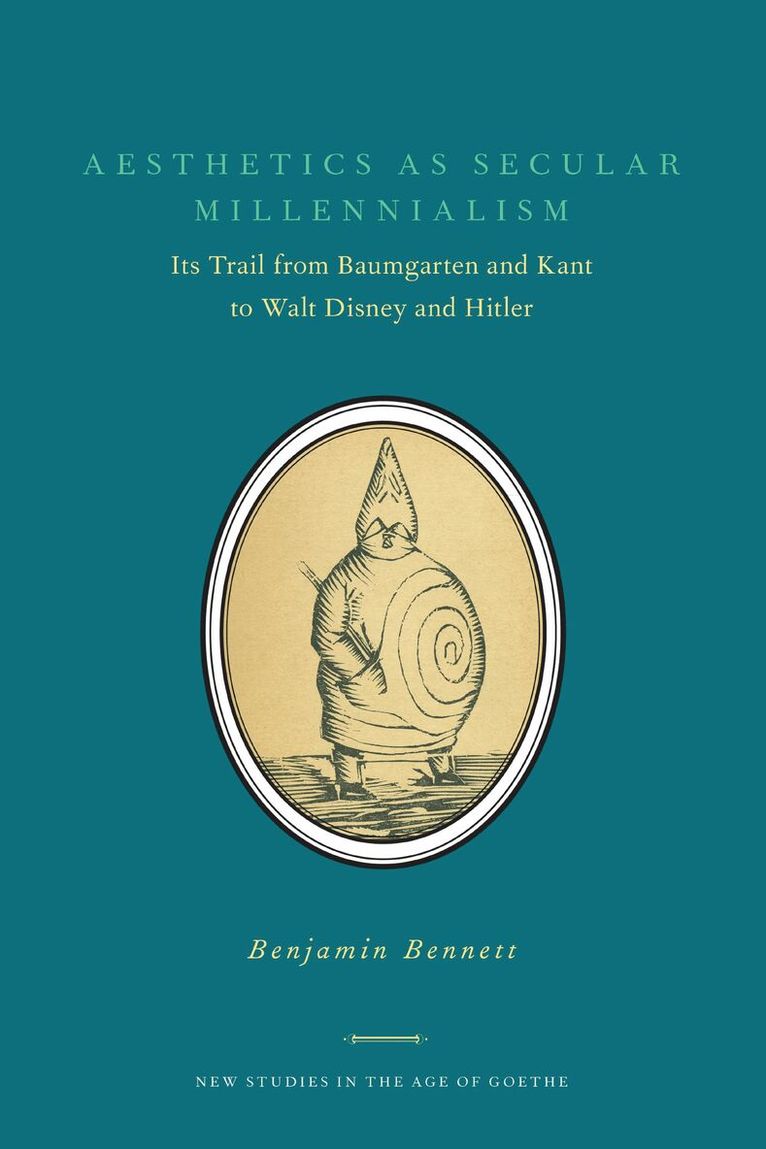
Aesthetics as Secular Millennialism
Its Trail from Baumgarten and Kant to Walt Disney and Hitler
Häftad, 2015
711 kr
Lägg i varukorg
The concept of secular millennialism summarizes a crucial point made by Hannah Arendt in The Origins of Totalitarianism: that twentieth-century totalitarian movements, in Nazi Germany and in the Soviet Union under Stalin, are not nationalistic but essentially millennialist, focused on the …
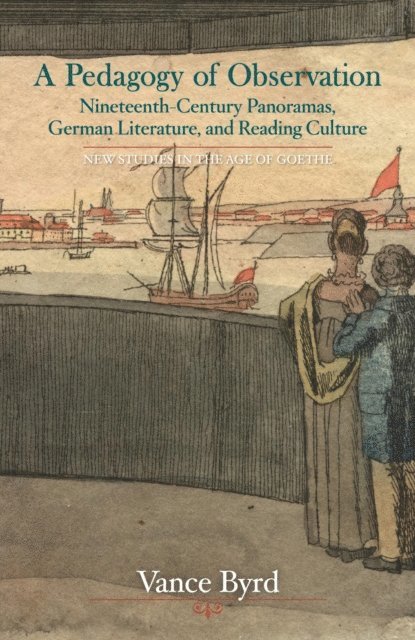
Pedagogy of Observation
Nineteenth-Century Panoramas, German Literature, and Reading Culture
Av Vance Byrd
E-bok, 2017
1666 kr
Lägg i varukorg
A Pedagogy of Observation argues that the fascination with learning about the past and new locations in panoramic form spread far from the traditional sites of popular entertainment and amusement. Although painted panoramas captivated audiences from Hamburg to Leipzig and Berlin to Vienna, …
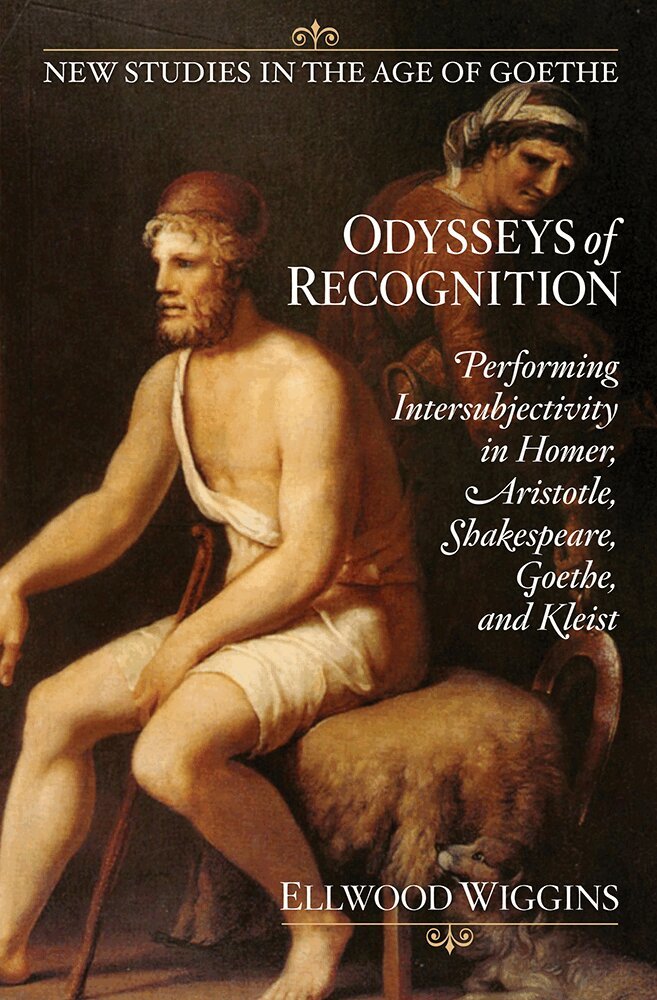
Odysseys of Recognition
Performing Intersubjectivity in Homer, Aristotle, Shakespeare, Goethe, and Kleist
Häftad, 2019
473 kr
Lägg i varukorg
Literary recognition is a technical term for a climactic plot device. Odysseys of Recognition claims that interpersonal recognition is constituted by performance, and brings performance theory into dialogue with poetics, politics, and philosophy. By observing Odysseus figures from Homer to Kleist, …
Odysseys of Recognition
Performing Intersubjectivity in Homer, Aristotle, Shakespeare, Goethe, and Kleist
Inbunden, 2019
1933 kr
Lägg i varukorg
Literary recognition is a technical term for a climactic plot device. Odysseys of Recognition claims that interpersonal recognition is constituted by performance, and brings performance theory into dialogue with poetics, politics, and philosophy. By observing Odysseus figures from Homer to Kleist, …
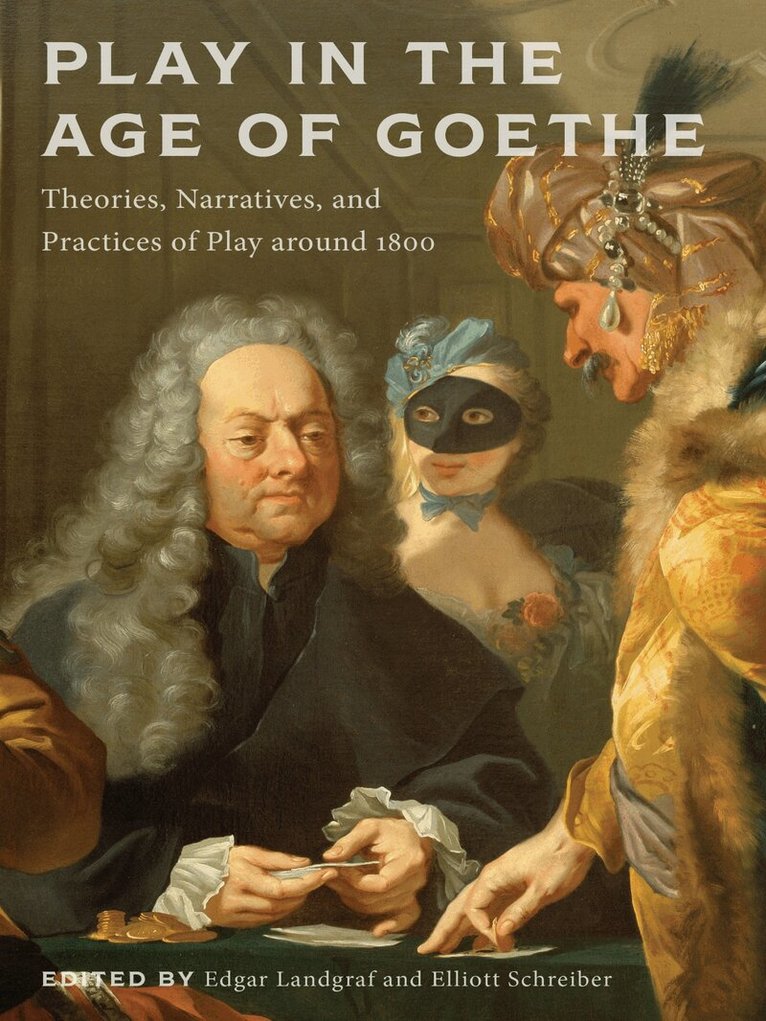
Play in the Age of Goethe
Theories, Narratives, and Practices of Play Around 1800
Av Edgar Landgraf, Elliott Schreiber
Häftad, 2020
537 kr
Lägg i varukorg
We are inundated with game play today. Digital devices offer opportunities to play almost anywhere and anytime. No matter our age, gender, social, cultural, or educational background—we play. Play in the Age of Goethe: Theories, Narratives, and Practices of Play around 1800 is the first book-length …
Force and Form
Philosophy of Life in the Age of Goethe
Häftad, 2026
587 kr
Kommande
This book offers a bold rethinking of how modern ideas of life, nature, and subjectivity took shape in late-eighteenth- and early-nineteenth-century German thought. Moving beyond familiar narratives based on Kantian autonomy or Romantic irrationalism, it uncovers a vitalist tradition stretching …