• Fri frakt över 249 kr
  • •
  • Snabba leveranser
  • •
  • Billiga böcker
Kundservice

Du är på sajten för privatpersoner.

Företag, bibliotek eller offentlig verksamhet?

Du handlar på classic.bokus.com, där alla dina funktioner finns intakta.
Till classic.bokus.com
Bokus logotyp. Gå till startsidan.
  • Erbjudanden
  • Nyheter
  • Student
  • Topplistor
  • Barn & ungdom
  • Bokus Play
  • E-böcker
  • Pocketböcker
  • Spel & pussel

10% rabatt på allt med kod: NYSTART10 →

Sidfot

Mina sidor

    Hjälp

    • Kundservice
    • Vanliga frågor och svar
    • Frakt och leverans
    • Retur vid ångerrätt
    • Reklamera vara
    • Betalning
    • Köpvillkor
    • Allmänna villkor
    • Information om webbplatsens tillgänglighet

    Om Bokus

    • Om oss
    • Pressrum
    • För studenter
    • För företag
    • För bibliotek och offentlig verksamhet
    • För leverantörer
    • Hållbarhet

    Populärt

    • Aktuella erbjudanden
    • Presentkort
    • Studentlitteratur
    • Nya böcker
    • Topplistor
    • Signerade böcker
    • Engelska böcker

    Inspiration

    • Boktips
    • BookTok
    • Populära bokserier
    • Barnbokskaraktärer
    • Populära författare
    Logotyp för Bokus
    Följ oss på Facebook (extern länk)Följ oss på Instagram (extern länk)Följ oss på YouTube (extern länk)Följ oss på TikTok (extern länk)
    bokus @ CookiesAnpassa cookiesIntegritetspolicyKöpvillkor
    Till Citymail hemsida (extern länk)Till Budbee hemsida (extern länk)Till Postnord hemsida (extern länk)Till Schenker hemsida (extern länk)Till Early Bird hemsida (extern länk)Till Walleys hemsida (extern länk)
    1. Skönlitteratur
    2. Litteraturvetenskap

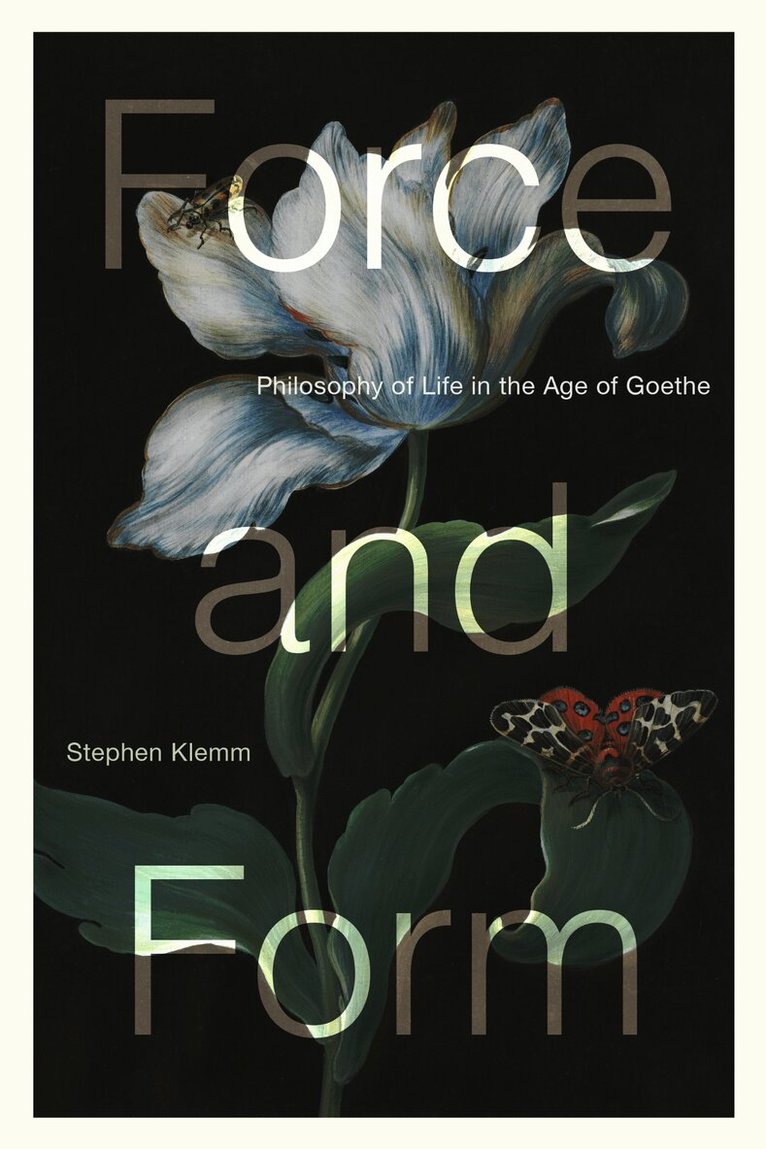
    Force and Form

    Philosophy of Life in the Age of Goethe

    AvStephen Klemm

    Häftad, Engelska, 2026

    Del i serien New Studies in the Age of Goethe

    568 kr

    Kommande

    Beskrivning

    This book offers a bold rethinking of how modern ideas of life, nature, and subjectivity took shape in late-eighteenth- and early-nineteenth-century German thought. Moving beyond familiar narratives based on Kantian autonomy or Romantic irrationalism, it uncovers a vitalist tradition stretching from Herder to Schiller and Goethe, one that understood nature as dynamic, self-forming, and internally animated by life-force. Drawing on philosophy, the life sciences, and aesthetics, this innovative study reveals how these thinkers challenged mechanistic models of matter and resisted strict divisions between mind and nature. In doing so, they developed a historically contingent and embodied concept of subjectivity in which reason emerges from natural, cultural, and physiological processes rather than standing outside them. By situating this tradition within debates about epigenesis, form, and development, the book not only reshapes our understanding of German intellectual history but also sheds new light on contemporary debates about naturalism, posthumanism, and theories of life.Published by Bucknell University Press. Distributed worldwide by Rutgers University Press.

    Produktinformation

    • Utgivningsdatum:2026-12-08
    • Mått:152 x 229 x undefined mm
    • Vikt:454 g
    • Format:Häftad
    • Språk:Engelska
    • Serie:New Studies in the Age of Goethe
    • Antal sidor:286
    • Förlag:Bucknell University Press,U.S.
    • ISBN:9781684486236

    Utforska kategorier

    • Litteraturvetenskap inom Skönlitteratur
    • Naturvetenskapens historia inom Naturvetenskap och teknik
    • Filosofi inom Filosofi och religion

    Mer om författaren

    Stephen Klemm is an assistant professor of German in the Department of Comparative Studies in Literature and Culture at Occidental College in Los Angeles, California. His research focuses on German philosophy and literature from the eighteenth to the twentieth century with a focus on the intersections of epistemology, ethics, aesthetics, and science.

    Innehållsförteckning

    • List of AbbreviationsIntroduction: Mind, Matter, and the Philosophical Landscape Around 1800Chapter 1. Mechanism, Vitalism, and the Scientific Context of Herder's MetaphysicsChapter 2. Vital Force and the Structural Foundation of Kant's Critical PhilosophyChapter 3. Herder's Dynamic NaturalismChapter 4. Naturalism in Schiller's Aesthetic EducationChapter 5. Goethe, Morphology, and BecomingConclusionAcknowledgmentsNotesBibliographyIndex