Notre Dame Conferences in Medieval Studies - Böcker
Visar alla böcker i serien Notre Dame Conferences in Medieval Studies. Handla med fri frakt och snabb leverans.
7 produkter
7 produkter
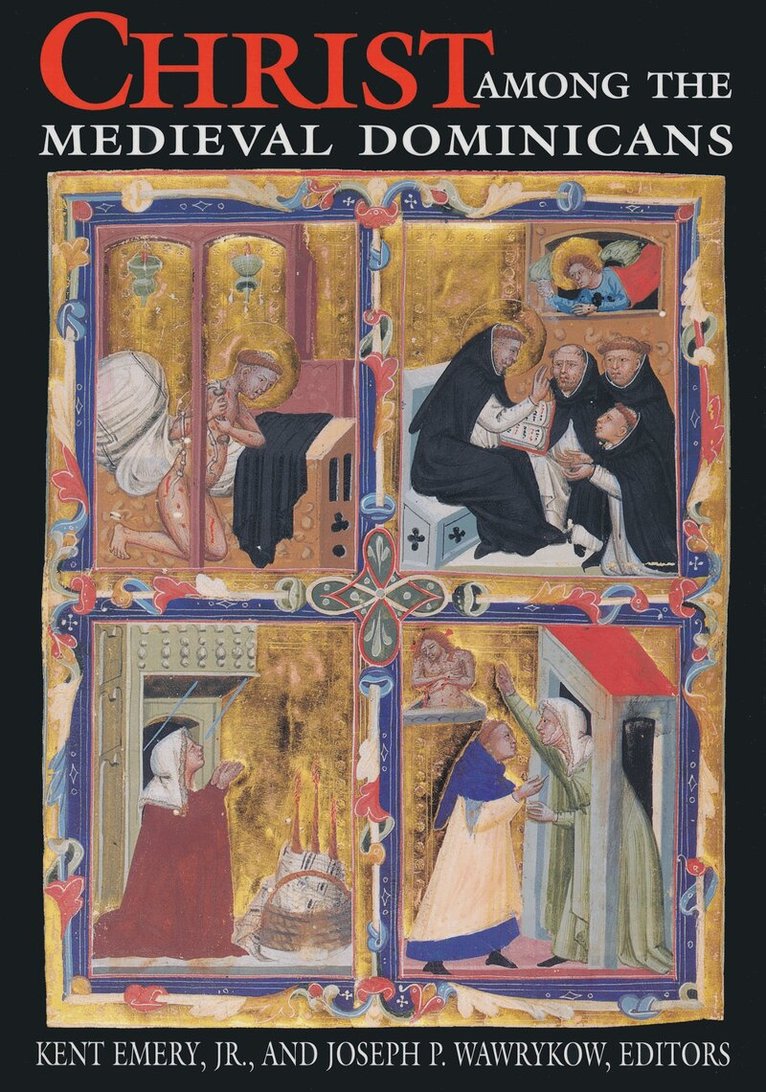
Christ Among the Medieval Dominicans
Representations of Christ in the Texts and Images of the Order of Preachers
Häftad, Engelska, 1998
471 kr
Skickas inom 10-15 vardagar
Christ among the Medieval Dominicans adopts a genuinely multi-disciplinary approach to its topic, bringing together the research of experts in a wide variety of fields. The essays in this volume, written by an acclaimed group of international scholars and presented at the University of Notre Dame Conference in Medieval Studies, provide many perspectives (theology, philosophy, spirituality, institutional and social history, art history, Latin and vernacular literature, and manuscript studies) on the life and thought of the Order of the Preachers. The essays focus on the role of Christ within the devotion and imagination of the Order and in effect expose the "state of the question" in studies of this important medieval institution. As a whole, the volume tests commonplace but often unexamined presuppositions of medieval historiography, especially in the history of spirituality and literary criticism. The essays are accompanied by ample visual evidence from paintings, manuscript illustrations and texts, woodcuts, and engravings, complete with generous indices of manuscripts and names.
Christians, Muslims, and Jews in Medieval and Early Modern Spain
Interaction and Cultural Change
Inbunden, Engelska, 1999
1 333 kr
Skickas inom 10-15 vardagar
The essays in this interdisciplinary volume examine the social and cultural interaction of Christians, Muslims, and Jews in Spain during the medieval and early modern periods. Together, the essays provide a unique comparative perspective on compelling problems of ethnoreligious relations.Christians, Muslims, and Jews in Medieval and Early Modern Spain considers how certain social and political conditions fostered fruitful cultural interchange, while others promoted mutual hostility and aversion. The volume examines the factors that enabled one religious minority to maintain its cultural integrity and identity more effectively than another in the same sociopolitical setting.This volume provides an enriched understanding of how Christians, Muslims, and Jews encountered ideological antagonism and negotiated the theological and social boundaries that separated them.
Christians, Muslims, and Jews in Medieval and Early Modern Spain
Interaction and Cultural Change
Häftad, Engelska, 1999
365 kr
Skickas inom 10-15 vardagar
The essays in this interdisciplinary volume examine the social and cultural interaction of Christians, Muslims, and Jews in Spain during the medieval and early modern periods. Together, the essays provide a unique comparative perspective on compelling problems of ethnoreligious relations.Christians, Muslims, and Jews in Medieval and Early Modern Spain considers how certain social and political conditions fostered fruitful cultural interchange, while others promoted mutual hostility and aversion. The volume examines the factors that enabled one religious minority to maintain its cultural integrity and identity more effectively than another in the same sociopolitical setting.This volume provides an enriched understanding of how Christians, Muslims, and Jews encountered ideological antagonism and negotiated the theological and social boundaries that separated them.
1 513 kr
Skickas inom 5-8 vardagar
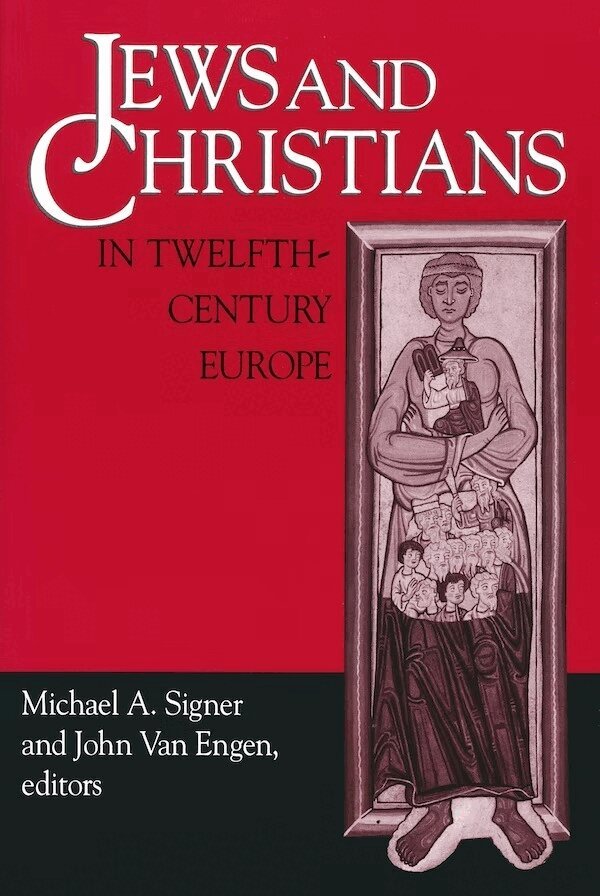
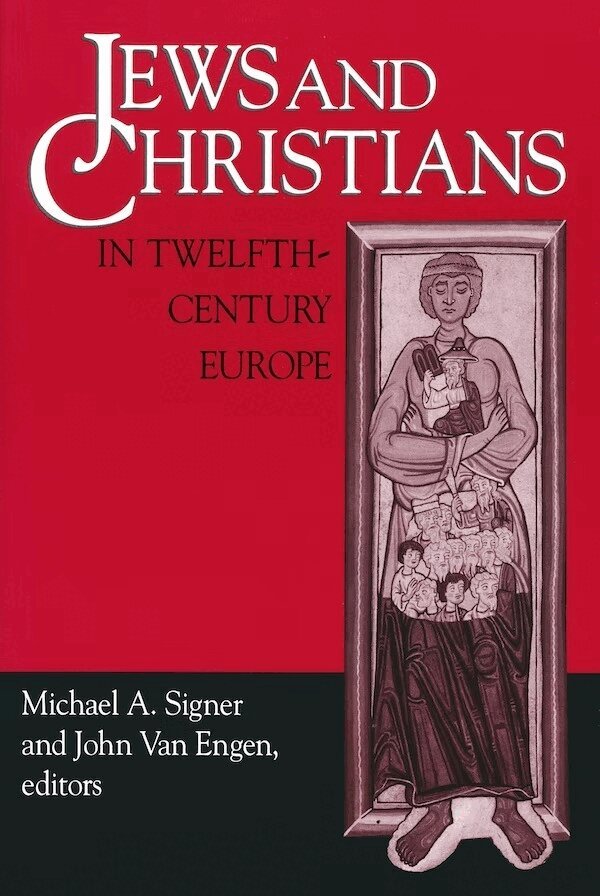
In the summer of 1096, marauding crusaders attacked Jewish communities in three Rhineland cities. These violent episodes disrupted what had been a fairly peaceful history of coexistence between Jews and Christians for more than two centuries. Although the two groups inhabited fundamentally different religious universes, Jews and Christians lived in the same towns, on the same streets, and pursued their lives with minimal interference, often with considerable cooperation. However, the events of 1096 caused relations between the two communities to deteriorate, with Jewish communities suffering as a result.The careful analyses of people, events, and texts provide a balanced perspective on the fate of twelfth-century Jewish communities. The contributors reveal considerable evidence that old routines and interactions between Christians and Jews persisted throughout this volatile period. The essays intentionally highlight areas of common or parallel activity: in vernacular literature, in biblical exegesis, in piety and mysticism, in the social context of conversion, in relations with prelates and monarchs, in coping in a time of change, renewal, and upheaval. Most importantly, the contributors insist on integrating both Jewish and Christian perspectives into the larger history of a very complex and increasingly urban twelfth-century Europe.Contributors: John Van Engen, Jeremy Cohen, Ivan G. Marcus, Robert Chazan, Jonathan M. Elukin, William Chester Jordan, Walter Cahn, Jan M. Ziolkowski, Michael A. Signer, Elliott R. Wolfson, Susan Einbinder, Maureen Boulton, Alfred Haverkamp, Gérard Nahon, and Robert C. Stacey.
312 kr
Skickas inom 10-15 vardagar
In the summer of 1096, marauding crusaders attacked Jewish communities in three Rhineland cities. These violent episodes disrupted what had been a fairly peaceful history of coexistence between Jews and Christians for more than two centuries. Although the two groups inhabited fundamentally different religious universes, Jews and Christians lived in the same towns, on the same streets, and pursued their lives with minimal interference, often with considerable cooperation. However, the events of 1096 caused relations between the two communities to deteriorate, with Jewish communities suffering as a result.The careful analyses of people, events, and texts provide a balanced perspective on the fate of twelfth-century Jewish communities. The contributors reveal considerable evidence that old routines and interactions between Christians and Jews persisted throughout this volatile period. The essays intentionally highlight areas of common or parallel activity: in vernacular literature, in biblical exegesis, in piety and mysticism, in the social context of conversion, in relations with prelates and monarchs, in coping in a time of change, renewal, and upheaval. Most importantly, the contributors insist on integrating both Jewish and Christian perspectives into the larger history of a very complex and increasingly urban twelfth-century Europe.Contributors: John Van Engen, Jeremy Cohen, Ivan G. Marcus, Robert Chazan, Jonathan M. Elukin, William Chester Jordan, Walter Cahn, Jan M. Ziolkowski, Michael A. Signer, Elliott R. Wolfson, Susan Einbinder, Maureen Boulton, Alfred Haverkamp, Gérard Nahon, and Robert C. Stacey.
564 kr
Skickas inom 10-15 vardagar
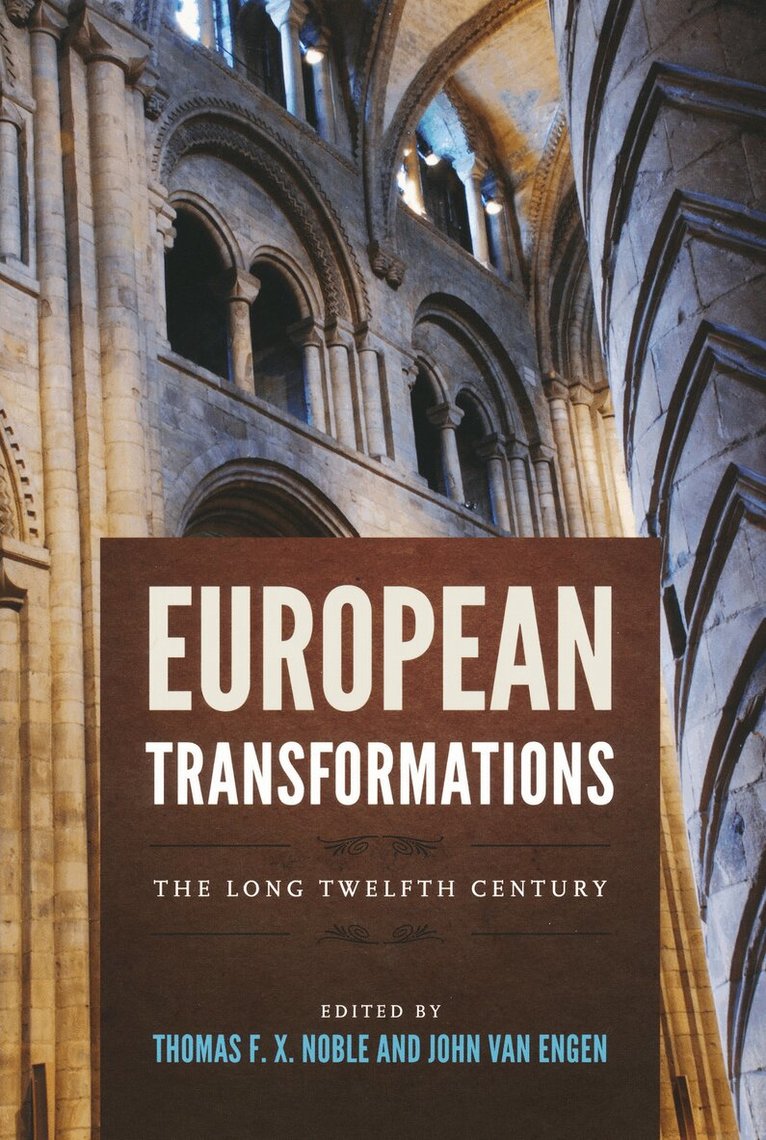
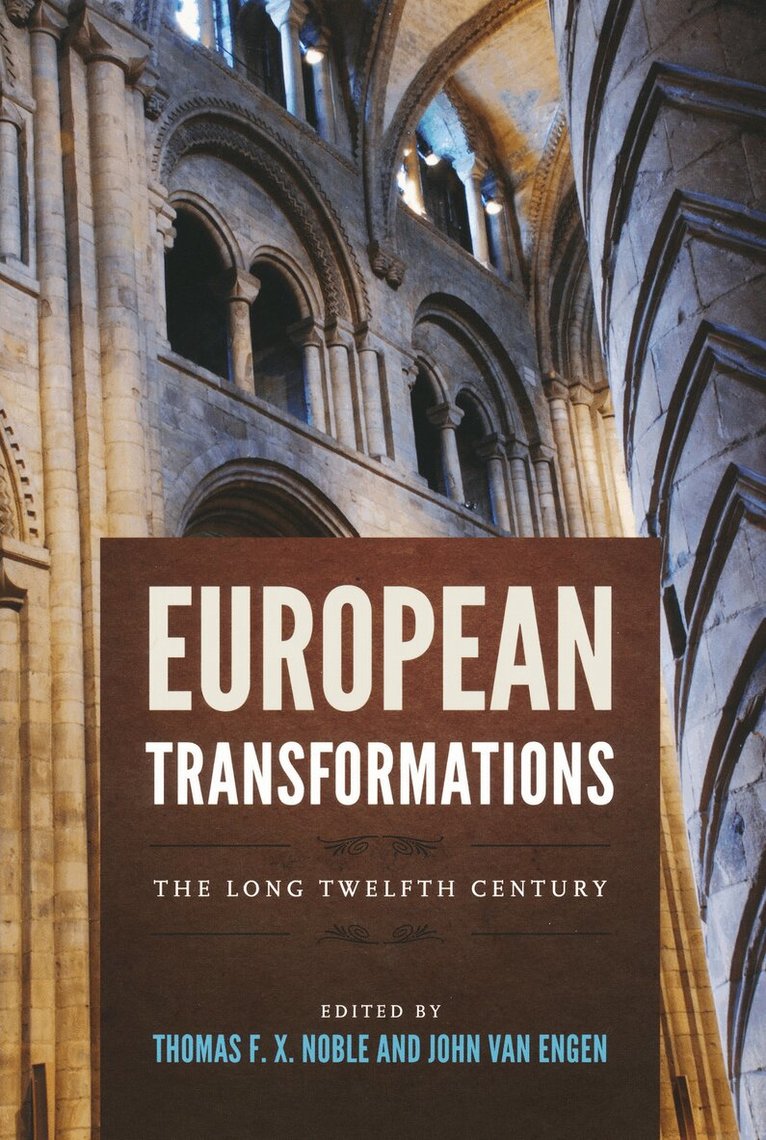
The "long twelfth century"—1050 to 1215—embraces one of the transformative moments in European history: the point, for some, at which Europe first truly became "Europe." Historians have used the terms "renaissance,""reformation,"and "revolution" to account for the dynamism of intellectual, religious, and structural renewal manifest across schools, monasteries, courts, and churches. Complicating the story, more recent historical work has highlighted manifestations of social crisis and oppression. In European Transformations: The Long Twelfth Century, nineteen accomplished medievalists examine this pivotal era under the rubric of "transformation": a time of epoch-making change both good and ill, a release of social and cultural energies that proved innovative and yet continuous with the past. Their collective reappraisal, although acknowledging insights gained from over a century of scholarship, fruitfully adjusts the questions and alters the accents. In addition to covering such standard regions as England and France, and such standard topics as feudalism and investiture, the contributors also address Scandinavia, Iberia, and Eastern Europe, women's roles in medieval society, Jewish and Muslim communities, law and politics, and the complexities of urban and rural situations. With their diverse and challenging contributions, the authors offer a new point of departure for students and scholars attempting to grasp the dynamic puzzle of twelfth-century Europe.
1 599 kr
Skickas inom 10-15 vardagar
The "long twelfth century"—1050 to 1215—embraces one of the transformative moments in European history: the point, for some, at which Europe first truly became "Europe." Historians have used the terms "renaissance,""reformation,"and "revolution" to account for the dynamism of intellectual, religious, and structural renewal manifest across schools, monasteries, courts, and churches. Complicating the story, more recent historical work has highlighted manifestations of social crisis and oppression. In European Transformations: The Long Twelfth Century, nineteen accomplished medievalists examine this pivotal era under the rubric of "transformation": a time of epoch-making change both good and ill, a release of social and cultural energies that proved innovative and yet continuous with the past. Their collective reappraisal, although acknowledging insights gained from over a century of scholarship, fruitfully adjusts the questions and alters the accents. In addition to covering such standard regions as England and France, and such standard topics as feudalism and investiture, the contributors also address Scandinavia, Iberia, and Eastern Europe, women's roles in medieval society, Jewish and Muslim communities, law and politics, and the complexities of urban and rural situations. With their diverse and challenging contributions, the authors offer a new point of departure for students and scholars attempting to grasp the dynamic puzzle of twelfth-century Europe.